
Best Travel Guides: How to Choose the Right Guide for Your Trip
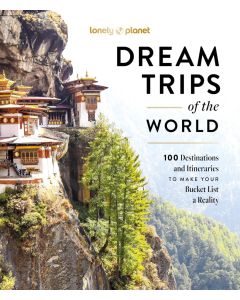
Best Travel Guides: How to Find the Right One for Your Trip
A good travel guide can turn a holiday from a list of places to visit into a richer, more rewarding experience. It can help you plan an itinerary, find local favourites, understand a destination’s history and avoid common travel hassles. But there is no single best guide for every traveller: the right choice depends on where you are going and how you like to travel.
Popular travel guidebooks
Lonely Planet
Lonely Planet guides are known for broad destination coverage, practical planning advice and suggestions for different budgets. They can be useful for independent travellers exploring several regions, although it is worth checking the publication date for details that may change frequently.
Rough Guides
Rough Guides combine practical information with cultural and historical context. They are a strong option for travellers who want to understand a place as well as decide what to see and do.
DK Eyewitness
DK Eyewitness guides stand out for their photographs, illustrations and maps. Their visual approach makes them especially handy for planning sightseeing days and getting a feel for a destination before you arrive.
Bradt Guides
Bradt specialises in destinations that may receive less coverage from larger publishers. Its guides often offer detailed local insight and can be particularly useful for travellers seeking wildlife, culture or less-visited places.
Rick Steves
Rick Steves guides focus mainly on Europe and are particularly popular with independent visitors. They offer practical advice on sightseeing, transport and making the most of a limited amount of time.
Michelin Green Guides
Michelin Green Guides are a useful choice for travellers interested in heritage, architecture and places of cultural or natural significance. Their ratings can help with sightseeing decisions, though personal interests should always come first.
What to look for in a travel guide
- Up-to-date information: Opening hours, prices, transport routes and entry requirements can change. Check the edition date and verify important details before travelling.
- The right level of detail: A guide to an entire country may be ideal for a long trip, while a city guide can be more practical for a weekend break.
- Useful maps: Clear maps can make it easier to plan routes, understand neighbourhoods and get around without relying on a constant internet connection.
- Your travel style: Look for advice that suits your priorities, whether that means family activities, accessible travel, food, hiking, history or travelling on a budget.
- Local perspective: Guides that include regional voices and cultural context can offer a more thoughtful picture of a destination.
Printed books, apps or online guides?
Printed guidebooks are easy to browse, do not need charging and can be useful when mobile coverage is unreliable. Their main drawback is that information can become out of date.
Digital guides are convenient to carry and can be updated more easily. Some include searchable maps and saved recommendations, but features may depend on an internet connection or a paid subscription. Download essential maps and information before setting off.
Many travellers use a combination: a book or downloadable guide for background and itinerary planning, alongside official websites and current local information for practical details.
How to choose the best guide for you
Start by deciding what you need help with. If you are planning a multi-stop journey, choose a guide with strong transport and route-planning advice. For a short city break, look for neighbourhood maps and carefully selected highlights. If you are travelling somewhere less familiar, prioritise cultural guidance, safety information and detailed local coverage.
Before buying, browse a sample chapter or read recent reviews. Check that the guide covers the places you intend to visit, and compare its approach with your own interests. A highly rated guide is only the best choice if it fits your trip.
Make the most of your guide
Use a travel guide as a starting point rather than a strict itinerary. Mark the places that interest you, check time-sensitive information with reliable local sources, and leave room for unexpected discoveries. The best travel guide is ultimately the one that helps you travel with confidence while still allowing you to explore at your own pace.
Top Tips for Selecting the Ideal Travel Guide
- Choose a guide updated within the past year.
- Match the guide to your travel style and budget.
- Check that it covers the places you plan to visit.
- Look for practical details on transport, costs and opening times.
- Use local advice to check recommendations and recent changes.
Choose a guide updated within the past year.
Choose a travel guide that has been updated within the past year, especially if you rely on it for practical details. Restaurant recommendations, opening hours, transport routes, prices and entry requirements can change quickly, so a recent edition is more likely to reflect what you’ll find on arrival. Even with a current guide, check time-sensitive information with official websites before you travel.
Match the guide to your travel style and budget.
Choose a travel guide that suits both the way you like to explore and what you plan to spend. If you prefer independent adventures, look for practical advice on public transport, local neighbourhoods and low-cost places to eat; if comfort and convenience matter more, seek recommendations for guided tours, quality accommodation and easy-to-follow itineraries. Check that the guide covers your budget, from free attractions and affordable stays to special experiences, so its suggestions feel useful rather than out of reach.
Check that it covers the places you plan to visit.
Before choosing a travel guide, check that it covers the places you plan to visit. Some guides focus on a whole country, while others offer more detailed advice for particular cities or regions. Make sure the areas you want to explore are included, with useful information on local transport, attractions and places to eat, so you can plan your trip with confidence.
Look for practical details on transport, costs and opening times.
When choosing a travel guide, look for practical details that make planning easier, including how to get around, typical transport fares, entrance fees and opening times. This information can help you budget realistically, plan your days and avoid arriving at a museum or attraction after it has closed. As prices and schedules can change, check important details with official websites or local sources before you travel.
Use local advice to check recommendations and recent changes.
Use local advice to check recommendations and recent changes before you set off. Residents, tourism offices and trusted local websites can point you towards newly opened attractions, seasonal events and worthwhile places that guidebooks may miss. They can also confirm practical details such as opening hours, transport disruptions or temporary closures, helping you make informed plans and avoid unexpected setbacks.
Leave a Reply