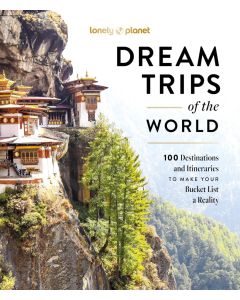
Best Travel Guide Books for Every Kind of Traveller
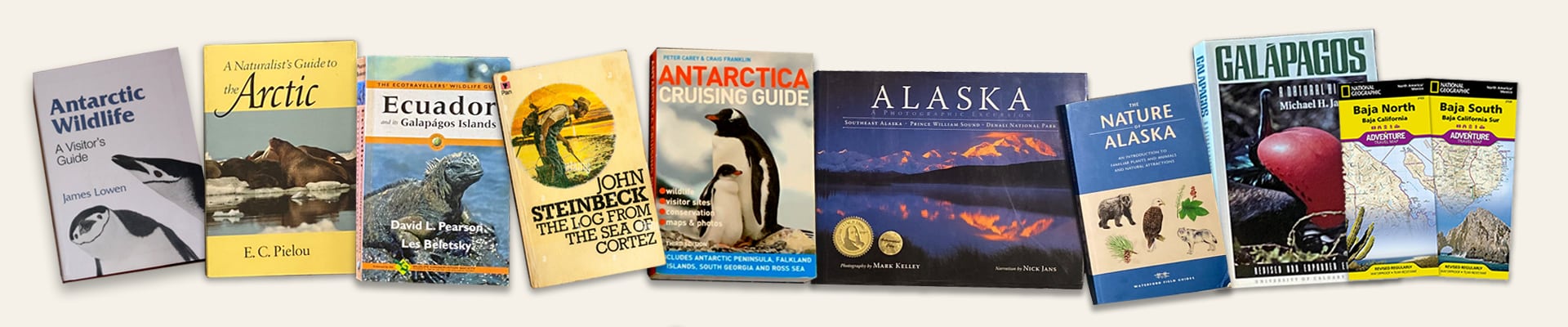
The Best Travel Guide Books for Every Kind of Traveller
A good travel guide can do more than point you towards a hotel or landmark. It can help you understand a place, plan a realistic itinerary and discover experiences you might otherwise miss. The best choice depends on how you like to travel: some books are practical and concise, while others focus on history, culture or independent exploration.
Here are some of the most useful travel guidebook series, and the kind of traveller each one suits.
Lonely Planet: best all-rounders
Lonely Planet guides are a reliable starting point for many trips. They typically combine practical advice with suggested itineraries, transport information, maps and recommendations for places to eat and stay. Their broad coverage makes them useful for both first-time visitors and travellers planning a longer journey.
Choose a Lonely Planet guide if you want one book that covers the essentials. As with any guidebook, check the publication date before travelling, especially if you are relying on details such as opening hours, prices or transport routes.
Rough Guides: best for independent travel
Rough Guides are particularly helpful for travellers who want a strong sense of a destination’s character alongside practical planning advice. Their guides often provide detailed cultural and historical context, as well as ideas for exploring beyond the most familiar sights.
They are a good option for independent travellers who enjoy doing a little research and shaping their own itinerary rather than following a tightly planned tour.
DK Eyewitness: best for visual planning
DK Eyewitness guides stand out for their photographs, illustrations and clear visual layouts. They can make it easier to compare sights and get a feel for a destination before setting off. Many editions also include neighbourhood maps and suggested routes.
These guides are especially handy for city breaks and for travellers who prefer maps and images to long blocks of text. Their visual approach can also be useful when deciding what to prioritise on a short trip.
Bradt Guides: best for less-visited destinations
Bradt Guides have a reputation for covering destinations that receive less attention from mainstream travel publishers. Depending on the destination, a guide may offer detailed information on local culture, wildlife, transport and practicalities that can be harder to find in a general travel book.
If you are planning a trip somewhere off the usual tourist trail, Bradt is well worth considering. Check that the guide covers the places and activities you have in mind, as coverage can vary between destinations.
Rick Steves: best for European sightseeing
Rick Steves’ guidebooks are geared towards independent travellers exploring Europe. They focus on practical sightseeing, with suggested routes, advice on using public transport and explanations of major attractions. The approach is especially suited to visitors who want to make the most of their time at museums, historic sites and city landmarks.
These books are most useful when the destination falls within the series’ coverage. For places outside that range, another publisher may offer more comprehensive local information.
Blue Guides: best for history and culture
Blue Guides are a strong choice for readers who want more than a quick overview of a destination’s main attractions. They are known for their detailed coverage of art, architecture and history, making them particularly valuable for culturally focused trips.
They may be more detailed than some travellers need for a relaxed holiday, but they are excellent companions for those who enjoy understanding the stories behind the places they visit.
Insight Guides: best for inspiration
Insight Guides combine destination information with photography and background on local history, society and culture. They are often as useful during the dreaming and planning stages as they are on the trip itself.
Choose one if you want a handsome, informative introduction to a destination, or if you are looking for inspiration before settling on an itinerary.
How to choose the right guidebook
- Match the book to your trip: A city-break guide may be more useful than a country-wide overview if you are visiting one place for only a few days.
- Check the edition date: Travel details can change. Look for the latest available edition, particularly for transport, prices and opening times.
- Think about your reading style: Choose a visual guide for quick browsing, or a more text-heavy guide for deeper cultural and historical detail.
- Consider the level of detail: A compact guide is easy to carry, while a comprehensive one may be better for planning a longer trip.
- Use more than one source: A guidebook is a helpful foundation, but check official websites and recent local information for details that may have changed.
Final thoughts
There is no single best travel guidebook for everyone. Lonely Planet and Rough Guides are dependable choices for broad, practical coverage; DK Eyewitness is excellent for visual planning; Bradt serves travellers heading to less-visited places; and Rick Steves and Blue Guides suit particular interests in European sightseeing and cultural history.
Before buying, think about what you need most from a guide: efficient planning, local context, destination inspiration or detailed sightseeing advice. The right book is the one that helps you travel with confidence while leaving plenty of room for discovery.
Top Advantages of Using Travel Guide Books: Enhancing Your Journey with Expert Tips and Insights
- Help plan routes and itineraries
- Offer practical local travel advice
- Provide maps and useful reference points
- Share cultural and historical context
- Highlight sights beyond the usual tourist trail
- Make trip planning easier and more inspiring
Six Drawbacks of Relying on Travel Guidebooks
- Information can become outdated quickly.
- Guidebooks add weight to your luggage.
- Some recommendations may feel generic.
- Popular spots can be overemphasised.
- Local details may be limited.
- They cannot replace current local advice.
Help plan routes and itineraries
Travel guidebooks make it easier to plan routes and itineraries by bringing key sights, useful maps and suggested journeys together in one place. They can help you group nearby attractions, estimate how long to spend in each area and choose practical ways to get around. Whether you are organising a short city break or a longer trip, a guidebook offers a helpful starting point for building a balanced itinerary—while leaving room to explore at your own pace.
Offer practical local travel advice
One of the main advantages of the best travel guidebooks is their practical local advice. They can explain how to get around using public transport, which areas are easiest to explore on foot, and what local customs or etiquette to keep in mind. Many also include useful tips on opening times, booking popular attractions, finding places to eat and avoiding common tourist pitfalls. This on-the-ground guidance helps travellers feel more prepared and make confident choices while exploring.
Provide maps and useful reference points
Travel guidebooks provide maps and useful reference points that make it easier to find your way around an unfamiliar destination. Clear street plans, transport diagrams and marked landmarks can help you plan routes, estimate distances and spot nearby attractions. Having these details together in one book is also handy when you are offline or want a quick overview without switching between apps.
Share cultural and historical context
Travel guidebooks can bring a destination to life by explaining the history, traditions and social customs behind the places you visit. Understanding the stories behind a monument, the origins of a local dish or the meaning of a festival makes sightseeing more rewarding and helps you engage with local culture respectfully.
Highlight sights beyond the usual tourist trail
A good travel guidebook can help you look beyond the well-known landmarks and discover the places that give a destination its distinctive character. Alongside popular attractions, it may point you towards quiet neighbourhoods, independent cafés, local markets, lesser-known museums and scenic walks that are easy to overlook. These suggestions can lead to more personal experiences and a better sense of everyday life, helping your trip feel less like a checklist and more like an exploration.
Make trip planning easier and more inspiring
The best travel guidebooks make planning easier by bringing practical details, suggested itineraries and useful local insights together in one place. They can also spark inspiration, introducing you to neighbourhoods, landmarks and experiences you might not have considered. With ideas to help shape your days and information to support your decisions, a guidebook can turn the early stages of planning into an enjoyable part of the trip.
Information can become outdated quickly.
One drawback of even the best travel guidebooks is that their information can become outdated quickly. Restaurants close, prices change, transport routes are revised and attractions may alter their opening hours or booking requirements after a book is published. Always check time-sensitive details with official websites or recent local sources before you travel, rather than relying on the guidebook alone.
Guidebooks add weight to your luggage.
One drawback of travel guidebooks is the extra weight they add to your luggage. A comprehensive guide can be bulky, and carrying it around all day may be inconvenient, particularly when travelling with hand luggage or moving between destinations. Consider taking only the relevant pages, choosing a compact edition or using a digital version to lighten your load.
Some recommendations may feel generic.
Some recommendations in travel guidebooks can feel generic, especially when they focus on popular attractions, well-known restaurants or standard itineraries. This may make it harder to find places that match your interests or offer a more local experience. Use guidebook suggestions as a starting point, then look for recent recommendations from local sources and travellers with similar tastes.
Popular spots can be overemphasised.
Travel guidebooks can place too much emphasis on popular attractions, directing large numbers of visitors to the same well-known sights, restaurants and neighbourhoods. As a result, these places may feel crowded or overly commercial, while quieter local favourites receive little attention. Use a guidebook as a starting point, then ask residents for recommendations and leave time to explore beyond the most famous spots.
Local details may be limited.
Even the best travel guidebooks may offer only limited local detail. They need to cover a wide range of sights and practical information, so lesser-known neighbourhoods, small businesses and community-run experiences can be overlooked. As a result, travellers may miss places that locals value or find that recommendations do not reflect recent changes. Supplementing a guidebook with local websites, recent reviews or advice from residents can help fill in the gaps.
They cannot replace current local advice.
Travel guidebooks can be invaluable for planning, but they cannot replace up-to-date local advice. Details such as opening hours, transport services, prices and neighbourhood conditions may change after a book is published. Before making plans, check official websites and seek recent recommendations from people who know the area, such as local residents or accommodation staff.