Travel Guides Australia: Your Essential Guide to Exploring Down Under

travel guides australia

Travel Guides to Australia: Plan a Trip Down Under

Australia offers an extraordinary mix of lively cities, ancient landscapes, tropical coastlines and distinctive wildlife. From the cafés and galleries of Melbourne to the red deserts of the Outback, there is plenty to explore. The country is vast, however, so a rewarding visit starts with choosing a region and allowing enough time to experience it.

Choose the right region

Rather than trying to see everything in one trip, focus on the places that best match your interests:

  • Sydney and New South Wales: See Sydney Harbour, explore the city’s neighbourhoods and beaches, or take a trip to the Blue Mountains.
  • Victoria: Discover Melbourne’s food, arts and sporting culture, then follow the Great Ocean Road for coastal scenery.
  • Queensland: Visit the Great Barrier Reef, the rainforests of the Wet Tropics or the beaches around the Whitsundays. Conditions vary by season, so check local guidance before swimming or boating.
  • South Australia: Enjoy Adelaide’s food and wine scene, or travel to Kangaroo Island for wildlife and rugged coastline.
  • Western Australia: Explore Perth and its beaches, or plan a longer journey to the state’s remote coastal and inland regions.
  • The Northern Territory: Experience the landscapes and cultural significance of places such as Uluru-Kata Tjuta National Park and Kakadu National Park.
  • Tasmania: Take in mountain scenery, walking trails, historic sites and fresh local produce.

When to go

Australia’s seasons are the reverse of those in the Northern Hemisphere: summer runs from December to February, autumn from March to May, winter from June to August, and spring from September to November. The climate differs considerably between regions. Northern Australia has a tropical wet season and a drier season, while the south experiences cooler winters and warmer summers. Inland areas can have extreme temperatures.

Before booking, check the typical conditions for the specific places you plan to visit. School holidays and major events can make popular destinations busier, and accommodation may need to be reserved well in advance.

Getting around

Distances in Australia can be much greater than they appear on a map. Domestic flights are useful for travelling between distant cities, while trains and coaches serve some popular routes. Hiring a car offers flexibility in many regions, but long-distance driving requires careful planning. Check fuel availability, road conditions and journey times, and avoid driving when tired. In remote areas, let someone know your route and expected arrival time.

In cities, public transport is often the easiest way to get around. Local transport cards, ticketing systems and services vary, so consult the relevant operator before travelling.

Practical planning tips

  • Check entry requirements: Confirm the visa or travel authorisation requirements that apply to your passport before departure, using official Australian government information.
  • Allow time for distances: A multi-region itinerary can involve long flights or full days on the road. Fewer stops often make for a more relaxed trip.
  • Pack for changing conditions: Sun protection is important in every season. Bring suitable clothing for the climate and activities in each region.
  • Book key activities ahead: Popular tours, national park accommodation and major events can sell out, particularly during busy periods.
  • Consider travel insurance: Choose cover that suits your plans, including any activities such as diving, hiking or driving.
  • Look after the environment: Follow park rules, stay on marked tracks and never feed wildlife.

Respecting Country and culture

Australia’s Aboriginal and Torres Strait Islander peoples have diverse cultures and continuing connections to Country. Visitors can learn more through Indigenous-led tours, cultural centres and community-approved experiences. Follow local guidance at cultural sites, respect photography restrictions and remember that some places may hold deep significance for Traditional Owners.

Make your Australia trip your own

The best travel guide is one that leaves room for both planning and discovery. Choose a manageable itinerary, check local conditions and take time to connect with the places you visit. Whether your ideal trip involves city life, coastal walks, wildlife or vast open landscapes, Australia rewards travellers who explore at a thoughtful pace.


9 Tips for Choosing and Using Travel Guides to Australia

  1. Choose a guide updated for your travel dates.
  2. Check entry rules and visa advice before booking.
  3. Use regional guides to plan long-distance routes.
  4. Compare seasonal weather across states.
  5. Look for public transport and driving guidance.
  6. Check maps for remote areas with limited signal.
  7. Prioritise guides with local safety advice.
  8. Use park guides for permits and trail details.
  9. Save key information offline before you go.

Choose a guide updated for your travel dates.

Choose a travel guide that has been updated close to your travel dates, as opening hours, transport services, entry fees and local conditions can change. Check that its recommendations are still current, especially for remote areas, national parks and seasonal activities, and confirm important details with official sources before you set off.

Check entry rules and visa advice before booking.

Before booking your trip to Australia, check the latest entry requirements and visa advice for your nationality using official Australian government sources. Make sure you understand which visa or travel authorisation you need, how long it may take to obtain, and whether your passport details and planned activities meet the conditions. Requirements can change, so confirm them again before departure.

Use regional guides to plan long-distance routes.

Use regional travel guides to plan long-distance routes across Australia, where distances between towns and attractions can be much greater than they appear on a map. A guide focused on the area can help you choose practical stops, estimate driving times and find fuel, accommodation and points of interest along the way. Check current road conditions and local advice before setting off, especially when travelling through remote areas.

Compare seasonal weather across states.

When planning a trip around Australia, compare seasonal weather across states, as conditions can differ dramatically between regions. The tropical north has distinct wet and dry seasons, while southern states tend to have cooler winters and warmer summers; inland areas can also experience extreme heat. Check forecasts and seasonal advice for each destination before booking, and plan your route, activities and clothing accordingly.

Look for public transport and driving guidance.

When using travel guides for Australia, look for clear advice on public transport and driving, as the best way to get around varies by destination. Cities often have buses, trains, trams or ferries, while regional and remote areas may be easier to explore by car. Check routes, fares, road conditions and journey times in advance, and remember that distances can be much greater than they appear on a map.

Check maps for remote areas with limited signal.

When travelling through Australia’s remote areas, check your maps before setting off, as mobile signal and internet access can be limited or unavailable. Download offline maps, plan your route and note fuel stops, supplies and accommodation in advance. For longer journeys, tell someone where you are going and when you expect to arrive.

Prioritise guides with local safety advice.

When choosing travel guides to Australia, prioritise those with practical, up-to-date local safety advice. Conditions can vary widely between regions, so look for guidance on beach and water safety, wildlife, extreme heat, bushfires, road trips and remote-area travel. Reliable local advice can help you prepare for changing conditions, make informed decisions and enjoy your trip with greater confidence.

Use park guides for permits and trail details.

When exploring Australia’s national parks, use official park guides to check whether permits are required and to find up-to-date trail details. Guides can provide information on track difficulty, walking times, closures, facilities and local safety advice, helping you choose a suitable route and prepare properly. Check the relevant park authority’s website before setting out, as conditions and access can change.

Save key information offline before you go.

Save key information offline before you go, especially if your Australian itinerary includes remote areas where mobile coverage may be limited. Download maps, booking confirmations, transport details and emergency contacts to your phone, and keep a written copy of essential information as a back-up. That way, you can find your way and access important details even without an internet connection.
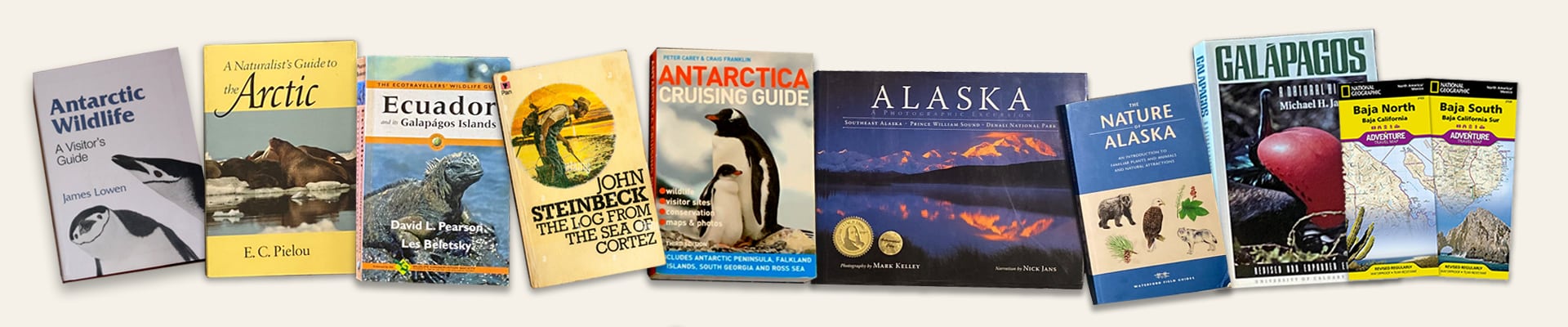

Best Travel Guide Books for Every Kind of Traveller

best travel guide books

The Best Travel Guide Books for Every Kind of Traveller

A good travel guide can do more than point you towards a hotel or landmark. It can help you understand a place, plan a realistic itinerary and discover experiences you might otherwise miss. The best choice depends on how you like to travel: some books are practical and concise, while others focus on history, culture or independent exploration.

Here are some of the most useful travel guidebook series, and the kind of traveller each one suits.

Lonely Planet: best all-rounders

Lonely Planet guides are a reliable starting point for many trips. They typically combine practical advice with suggested itineraries, transport information, maps and recommendations for places to eat and stay. Their broad coverage makes them useful for both first-time visitors and travellers planning a longer journey.

Choose a Lonely Planet guide if you want one book that covers the essentials. As with any guidebook, check the publication date before travelling, especially if you are relying on details such as opening hours, prices or transport routes.

Rough Guides: best for independent travel

Rough Guides are particularly helpful for travellers who want a strong sense of a destination’s character alongside practical planning advice. Their guides often provide detailed cultural and historical context, as well as ideas for exploring beyond the most familiar sights.

They are a good option for independent travellers who enjoy doing a little research and shaping their own itinerary rather than following a tightly planned tour.

DK Eyewitness: best for visual planning

DK Eyewitness guides stand out for their photographs, illustrations and clear visual layouts. They can make it easier to compare sights and get a feel for a destination before setting off. Many editions also include neighbourhood maps and suggested routes.

These guides are especially handy for city breaks and for travellers who prefer maps and images to long blocks of text. Their visual approach can also be useful when deciding what to prioritise on a short trip.

Bradt Guides: best for less-visited destinations

Bradt Guides have a reputation for covering destinations that receive less attention from mainstream travel publishers. Depending on the destination, a guide may offer detailed information on local culture, wildlife, transport and practicalities that can be harder to find in a general travel book.

If you are planning a trip somewhere off the usual tourist trail, Bradt is well worth considering. Check that the guide covers the places and activities you have in mind, as coverage can vary between destinations.

Rick Steves: best for European sightseeing

Rick Steves’ guidebooks are geared towards independent travellers exploring Europe. They focus on practical sightseeing, with suggested routes, advice on using public transport and explanations of major attractions. The approach is especially suited to visitors who want to make the most of their time at museums, historic sites and city landmarks.

These books are most useful when the destination falls within the series’ coverage. For places outside that range, another publisher may offer more comprehensive local information.

Blue Guides: best for history and culture

Blue Guides are a strong choice for readers who want more than a quick overview of a destination’s main attractions. They are known for their detailed coverage of art, architecture and history, making them particularly valuable for culturally focused trips.

They may be more detailed than some travellers need for a relaxed holiday, but they are excellent companions for those who enjoy understanding the stories behind the places they visit.

Insight Guides: best for inspiration

Insight Guides combine destination information with photography and background on local history, society and culture. They are often as useful during the dreaming and planning stages as they are on the trip itself.

Choose one if you want a handsome, informative introduction to a destination, or if you are looking for inspiration before settling on an itinerary.

How to choose the right guidebook

  • Match the book to your trip: A city-break guide may be more useful than a country-wide overview if you are visiting one place for only a few days.
  • Check the edition date: Travel details can change. Look for the latest available edition, particularly for transport, prices and opening times.
  • Think about your reading style: Choose a visual guide for quick browsing, or a more text-heavy guide for deeper cultural and historical detail.
  • Consider the level of detail: A compact guide is easy to carry, while a comprehensive one may be better for planning a longer trip.
  • Use more than one source: A guidebook is a helpful foundation, but check official websites and recent local information for details that may have changed.

Final thoughts

There is no single best travel guidebook for everyone. Lonely Planet and Rough Guides are dependable choices for broad, practical coverage; DK Eyewitness is excellent for visual planning; Bradt serves travellers heading to less-visited places; and Rick Steves and Blue Guides suit particular interests in European sightseeing and cultural history.

Before buying, think about what you need most from a guide: efficient planning, local context, destination inspiration or detailed sightseeing advice. The right book is the one that helps you travel with confidence while leaving plenty of room for discovery.


Top Advantages of Using Travel Guide Books: Enhancing Your Journey with Expert Tips and Insights

  1. Help plan routes and itineraries
  2. Offer practical local travel advice
  3. Provide maps and useful reference points
  4. Share cultural and historical context
  5. Highlight sights beyond the usual tourist trail
  6. Make trip planning easier and more inspiring


Six Drawbacks of Relying on Travel Guidebooks

  1. Information can become outdated quickly.
  2. Guidebooks add weight to your luggage.
  3. Some recommendations may feel generic.
  4. Popular spots can be overemphasised.
  5. Local details may be limited.
  6. They cannot replace current local advice.

Help plan routes and itineraries

Travel guidebooks make it easier to plan routes and itineraries by bringing key sights, useful maps and suggested journeys together in one place. They can help you group nearby attractions, estimate how long to spend in each area and choose practical ways to get around. Whether you are organising a short city break or a longer trip, a guidebook offers a helpful starting point for building a balanced itinerary—while leaving room to explore at your own pace.

Offer practical local travel advice

One of the main advantages of the best travel guidebooks is their practical local advice. They can explain how to get around using public transport, which areas are easiest to explore on foot, and what local customs or etiquette to keep in mind. Many also include useful tips on opening times, booking popular attractions, finding places to eat and avoiding common tourist pitfalls. This on-the-ground guidance helps travellers feel more prepared and make confident choices while exploring.

Provide maps and useful reference points

Travel guidebooks provide maps and useful reference points that make it easier to find your way around an unfamiliar destination. Clear street plans, transport diagrams and marked landmarks can help you plan routes, estimate distances and spot nearby attractions. Having these details together in one book is also handy when you are offline or want a quick overview without switching between apps.

Share cultural and historical context

Travel guidebooks can bring a destination to life by explaining the history, traditions and social customs behind the places you visit. Understanding the stories behind a monument, the origins of a local dish or the meaning of a festival makes sightseeing more rewarding and helps you engage with local culture respectfully.

Highlight sights beyond the usual tourist trail

A good travel guidebook can help you look beyond the well-known landmarks and discover the places that give a destination its distinctive character. Alongside popular attractions, it may point you towards quiet neighbourhoods, independent cafés, local markets, lesser-known museums and scenic walks that are easy to overlook. These suggestions can lead to more personal experiences and a better sense of everyday life, helping your trip feel less like a checklist and more like an exploration.

Make trip planning easier and more inspiring

The best travel guidebooks make planning easier by bringing practical details, suggested itineraries and useful local insights together in one place. They can also spark inspiration, introducing you to neighbourhoods, landmarks and experiences you might not have considered. With ideas to help shape your days and information to support your decisions, a guidebook can turn the early stages of planning into an enjoyable part of the trip.

Information can become outdated quickly.

One drawback of even the best travel guidebooks is that their information can become outdated quickly. Restaurants close, prices change, transport routes are revised and attractions may alter their opening hours or booking requirements after a book is published. Always check time-sensitive details with official websites or recent local sources before you travel, rather than relying on the guidebook alone.

Guidebooks add weight to your luggage.

One drawback of travel guidebooks is the extra weight they add to your luggage. A comprehensive guide can be bulky, and carrying it around all day may be inconvenient, particularly when travelling with hand luggage or moving between destinations. Consider taking only the relevant pages, choosing a compact edition or using a digital version to lighten your load.

Some recommendations may feel generic.

Some recommendations in travel guidebooks can feel generic, especially when they focus on popular attractions, well-known restaurants or standard itineraries. This may make it harder to find places that match your interests or offer a more local experience. Use guidebook suggestions as a starting point, then look for recent recommendations from local sources and travellers with similar tastes.

Travel guidebooks can place too much emphasis on popular attractions, directing large numbers of visitors to the same well-known sights, restaurants and neighbourhoods. As a result, these places may feel crowded or overly commercial, while quieter local favourites receive little attention. Use a guidebook as a starting point, then ask residents for recommendations and leave time to explore beyond the most famous spots.

Local details may be limited.

Even the best travel guidebooks may offer only limited local detail. They need to cover a wide range of sights and practical information, so lesser-known neighbourhoods, small businesses and community-run experiences can be overlooked. As a result, travellers may miss places that locals value or find that recommendations do not reflect recent changes. Supplementing a guidebook with local websites, recent reviews or advice from residents can help fill in the gaps.

They cannot replace current local advice.

Travel guidebooks can be invaluable for planning, but they cannot replace up-to-date local advice. Details such as opening hours, transport services, prices and neighbourhood conditions may change after a book is published. Before making plans, check official websites and seek recent recommendations from people who know the area, such as local residents or accommodation staff.

Tourist Guides: Discovering Armenia with Local Insight

tourist guides

Tourist Guides: A Better Way to Discover Armenia

A visit to Armenia can take you from the lively streets of Yerevan to ancient monasteries, mountain villages and dramatic landscapes. While guidebooks and maps are useful, a knowledgeable local guide can bring these places to life, adding context, personal stories and practical advice along the way.

What does a tourist guide do?

A good tourist guide does more than lead the way. They explain the history behind a landmark, help visitors understand local customs and answer questions that might not appear in a guidebook. They can also make a trip easier by planning a sensible route, arranging transport and helping visitors make the most of limited time.

In Armenia, a guide might introduce visitors to the history and architecture of a monastery, point out details in a city neighbourhood or share stories about regional food and family traditions. The best guides connect well-known sights with the everyday life of the places around them.

Choosing the right guide

Before booking, consider what sort of experience you want. A walking tour of Yerevan, a day trip to historical sites and a mountain excursion call for different kinds of knowledge and preparation. Look for a guide whose experience matches your plans.

  • Check their experience: Read recent reviews and look for clear information about their background and the tours they offer.
  • Ask about the itinerary: Find out how long the tour lasts, what is included and whether there will be time for breaks or questions.
  • Discuss language: Confirm that the guide can lead the tour comfortably in your preferred language.
  • Be clear about your interests: Tell the guide whether you are especially interested in history, food, architecture, nature or local life.
  • Check practical details: Ask about transport, accessibility, entrance fees, clothing recommendations and what to bring.

Private tours and group tours

A private tour offers flexibility. The route and pace can often be adapted to suit your interests, making it a good option for families, small groups or visitors with specific plans. Group tours can be a more affordable way to explore and offer the chance to meet other travellers, though the schedule is usually less flexible.

Neither option is automatically better. Consider your budget, preferred pace and the kind of experience you enjoy before deciding.

Guides for cities, history and the outdoors

Different destinations call for different expertise. In a city, a guide can help you notice architectural details, navigate between neighbourhoods and understand how the past is reflected in modern life. At historic sites, an informed explanation can make the setting easier to appreciate. For hiking or other outdoor activities, choose someone with relevant local knowledge and ask about the route, weather conditions and safety arrangements.

When visiting religious sites, a guide can also explain local customs. Visitors should follow posted instructions, dress respectfully where appropriate and ask before photographing people or ceremonies.

Making the most of your tour

Arrive on time, wear comfortable shoes and bring water, especially for longer walks or trips outside the city. Let your guide know about mobility needs, dietary requirements or other considerations in advance. Questions are welcome, and sharing what interests you can help shape a more rewarding experience.

It is also worth remembering that a guide’s perspective is one person’s account of a place. If a subject has several interpretations, ask how different people or communities understand it. Listening with curiosity can lead to a richer conversation.

A more personal journey

Travelling independently offers freedom, but a skilled tourist guide can provide understanding that is difficult to gain from signs and maps alone. Whether you are exploring Yerevan, visiting historic landmarks or heading into the countryside, the right guide can help turn a day of sightseeing into a meaningful encounter with Armenia and its people.


Top 5 Benefits of Tourist Guides: Enhancing Your Travel Experience

  1. Provide local knowledge and insights.
  2. Make destinations easier to navigate.
  3. Bring history and culture to life.
  4. Help save time with planned itineraries.
  5. Offer practical tips and recommendations.


Drawbacks of Guided Tours: Cost, Rigidity, Pace, and Variable Expertise

  1. Guided tours can be expensive.
  2. Fixed itineraries offer less flexibility.
  3. Large groups may feel rushed.
  4. Guide quality can vary.

Provide local knowledge and insights.

Tourist guides offer local knowledge and insights that can bring a destination to life. They share stories, traditions and details that visitors might otherwise miss, while offering a deeper understanding of the area’s history and everyday culture. Their recommendations can also help travellers discover worthwhile places beyond the usual tourist trail.

Make destinations easier to navigate.

Tourist guides make destinations easier to navigate, helping visitors find their way around unfamiliar streets, transport systems and attractions. Their local knowledge can save time, prevent confusion and make it easier to discover places that might otherwise be missed. This is especially useful when signs are unclear or when a destination has complex routes and limited transport options.

Bring history and culture to life.

A knowledgeable tourist guide can bring history and culture to life by connecting landmarks and traditions with the people and events behind them. Instead of simply looking at an old building or hearing a date, visitors can discover the stories, customs and local perspectives that give a place its character. These insights make the experience more engaging and help travellers form a deeper connection with the destination.

Help save time with planned itineraries.

Tourist guides can save valuable time by planning an itinerary that makes the most of each day. With local knowledge, they can group nearby attractions, choose efficient routes and help avoid unnecessary detours, leaving more time to enjoy the places you visit.

Offer practical tips and recommendations.

Tourist guides can make a visit easier by sharing practical tips and recommendations based on local knowledge. They may suggest the best time to visit a popular attraction, recommend places to eat, explain local customs or point out convenient transport options. This advice can help visitors save time, avoid common difficulties and discover experiences they might otherwise miss.

Guided tours can be expensive.

Guided tours can be expensive, particularly private tours or longer excursions that include transport and entrance fees. For travellers on a tight budget, the cost may be difficult to justify, especially when some sights can be explored independently using maps, guidebooks or free online resources. It is worth checking exactly what the price covers and comparing a few options before booking.

Fixed itineraries offer less flexibility.

One drawback of joining a guided tour is that the itinerary is usually fixed, leaving less room to explore at your own pace. You may have to move on from a place just as it becomes interesting, or skip a stop that catches your eye. This can be frustrating for travellers who prefer spontaneous discoveries or want to spend more time on particular sights.

Large groups may feel rushed.

One drawback of joining a large guided tour is that the pace may feel rushed. Guides need to keep everyone together and stick to the schedule, leaving less time to explore a particular place, take photographs or ask questions. Travellers who prefer a more relaxed experience may find a smaller group or private tour more suitable.

Guide quality can vary.

The quality of tourist guides can vary considerably. Some are knowledgeable, engaging and well prepared, while others may offer limited information, follow a rigid itinerary or struggle to answer questions. It is worth checking recent reviews, experience and tour details before booking, so expectations are clear.

Top Travel Tips for an Unforgettable Journey

travel tips

Essential Travel Tips for a Memorable Journey

Travelling is an exciting adventure that allows you to explore new places, experience different cultures, and create lasting memories. To make the most of your journey, here are some essential travel tips to keep in mind:

Plan Ahead

Research your destination, including local customs, attractions, and transportation options. Having a rough itinerary can help you make the most of your time and ensure you don’t miss out on must-see sights.

Pack Wisely

Avoid overpacking by packing versatile clothing items that can be mixed and matched. Don’t forget essentials like travel documents, medications, chargers, and adaptors. Consider the weather conditions of your destination when packing.

Stay Safe

Ensure your safety by being aware of your surroundings and avoiding risky areas. Keep copies of important documents like passports and travel insurance details in case of emergencies. Stay connected with loved ones back home.

Immerse Yourself in the Culture

Engage with locals, try traditional foods, and participate in cultural activities to get a deeper understanding of the destination you are visiting. Respect local customs and traditions to show appreciation for the host country.

Be Flexible

Unexpected situations may arise during your travels, so it’s important to stay flexible and adapt to changes. Embrace new experiences and challenges with an open mind, as they often lead to memorable moments.

By following these travel tips, you can enhance your journey and create unforgettable experiences wherever your adventures take you.


Top Travel Tips: Enhance Your Journey with These 8 Expert Strategies

  1. Enhance your travel experience
  2. Save time by planning ahead
  3. Pack efficiently for a hassle-free trip
  4. Stay safe and secure during your travels
  5. Immerse yourself in local cultures
  6. Create lasting memories with unique experiences
  7. Adapt to unexpected situations with ease
  8. Maximise enjoyment and minimise stress


Seven Pitfalls of Travel Tips: Avoiding Common Missteps on Your Journey

  1. Overplanning can lead to a rigid itinerary, limiting spontaneity and flexibility.
  2. Following generic travel tips may not be suitable for every destination or traveller.
  3. Excessive packing can weigh you down and make navigating airports and stations more challenging.
  4. Ignoring local customs and traditions may unintentionally cause offence or misunderstandings.
  5. Being overly cautious about safety measures may hinder your ability to fully immerse yourself in the local culture.
  6. Relying too heavily on technology for navigation can result in missed opportunities for exploration and discovery.
  7. Not allowing room for unexpected experiences may prevent you from embracing the true essence of travel.

Enhance your travel experience

By following practical travel tips, you can significantly enhance your travel experience. From efficient packing strategies to cultural immersion suggestions, these tips can help you make the most of your journey. By planning ahead, staying safe, and embracing new experiences, you can create unforgettable memories and gain a deeper appreciation for the destinations you visit. Whether it’s trying local cuisine or navigating transportation smoothly, incorporating travel tips into your itinerary can enrich your travels and make them more fulfilling.

Save time by planning ahead

Planning ahead is a crucial pro of travel tips as it allows travellers to save valuable time during their journey. By researching and creating a detailed itinerary in advance, individuals can efficiently organise their activities, visits to attractions, and transportation arrangements. This proactive approach helps maximise the time spent exploring a destination, ensuring that travellers make the most of their trip without feeling rushed or missing out on key experiences. Additionally, planning ahead enables travellers to anticipate potential challenges or delays, allowing them to adjust their schedule accordingly and maintain a stress-free travel experience.

Pack efficiently for a hassle-free trip

Packing efficiently is a crucial travel tip that can significantly enhance your overall travel experience. By carefully selecting versatile clothing items, packing only essential accessories, and organising your belongings effectively, you can streamline your journey and avoid unnecessary stress. A well-packed suitcase not only lightens your load but also ensures that you have everything you need at hand, making it easier to navigate through airports, hotels, and various destinations. Packing efficiently allows you to focus on enjoying your trip without the hassle of lugging around excess baggage or rummaging through cluttered suitcases.

Stay safe and secure during your travels

Ensuring your safety and security while travelling is paramount to a successful and enjoyable trip. By following practical travel tips such as staying aware of your surroundings, keeping important documents secure, and avoiding risky areas, you can minimise potential risks and focus on exploring your destination with peace of mind. Prioritising safety measures not only protects you from harm but also allows you to fully immerse yourself in the travel experience without unnecessary worries.

Immerse yourself in local cultures

Immersing yourself in local cultures while travelling is a rewarding experience that allows you to gain a deeper appreciation for the diversity and richness of the world. By engaging with locals, trying traditional foods, and participating in cultural activities, you can broaden your perspective and create meaningful connections with the people of the destination you are visiting. Embracing different customs and traditions not only enhances your travel experience but also fosters mutual respect and understanding between cultures. Whether it’s learning a new dance, tasting a local delicacy, or attending a traditional festival, immersing yourself in local cultures adds depth and authenticity to your journey.

Create lasting memories with unique experiences

Travelling with the help of travel tips can lead to the creation of lasting memories through unique experiences. By following expert advice on exploring off-the-beaten-path destinations, trying local cuisines, and engaging with diverse cultures, travellers can immerse themselves in unforgettable moments that will stay with them long after the journey ends. Whether it’s witnessing a breathtaking sunset over a remote landscape, participating in a traditional festival, or connecting with locals in a meaningful way, these unique experiences add depth and richness to one’s travel adventures, making each memory cherished and special.

Adapt to unexpected situations with ease

Travelling exposes us to a myriad of unpredictable scenarios, from flight delays to sudden weather changes. One notable benefit of adhering to travel tips is the ability to adapt to unexpected situations with ease. By planning ahead, staying flexible, and maintaining a positive attitude, travellers can navigate unforeseen challenges confidently and efficiently. This adaptability not only enhances the overall travel experience but also fosters a sense of resilience and resourcefulness that can be applied to various aspects of life beyond the journey itself.

Maximise enjoyment and minimise stress

By following helpful travel tips, you can maximise your enjoyment and minimise stress during your journey. Planning ahead, packing wisely, and staying safe allow you to focus on immersing yourself in new experiences and creating lasting memories. With a well-thought-out itinerary and knowledge of local customs, you can navigate unfamiliar destinations with ease, leading to a more enjoyable and stress-free travel experience.

Overplanning can lead to a rigid itinerary, limiting spontaneity and flexibility.

One significant drawback of travel tips is that overplanning can result in a rigid itinerary, ultimately restricting spontaneity and flexibility during your journey. While it’s essential to have a general outline of your trip, being too fixated on a detailed schedule can prevent you from embracing unexpected opportunities and immersing yourself fully in the present moment. By allowing room for spontaneity, travellers can serendipitously discover hidden gems, engage with locals, and create authentic experiences that may not have been part of the original plan.

Following generic travel tips may not be suitable for every destination or traveller.

When it comes to travel tips, one must be cautious of their applicability to every destination and traveller. Following generic advice without considering the specific nuances of a destination or the unique preferences and needs of individual travellers may not always yield the desired results. Each place has its own culture, customs, and challenges that may require tailored guidance. Likewise, travellers have varying interests, budgets, and comfort levels that influence their experiences. Therefore, it is important to supplement generic travel tips with research and personal considerations to ensure a more fulfilling and tailored travel experience.

Excessive packing can weigh you down and make navigating airports and stations more challenging.

Excessive packing can be a significant downside when it comes to travel tips, as it can weigh you down and make navigating airports and stations more challenging. Carrying heavy luggage not only tires you out quickly but also adds unnecessary stress to your journey. It can slow you down, making it harder to move swiftly through crowded terminals or catch connecting flights or trains. Streamlining your packing by including only the essentials can help lighten your load and make your travel experience much smoother and more enjoyable.

Ignoring local customs and traditions may unintentionally cause offence or misunderstandings.

When travelling to a new destination, overlooking or disregarding local customs and traditions can inadvertently lead to causing offence or misunderstandings with the local community. Each culture has its own set of norms and values that are deeply rooted in their society. By failing to respect and adhere to these customs, travellers risk coming across as disrespectful or ignorant. It is essential for visitors to take the time to learn about and appreciate the traditions of the places they visit, as this not only shows cultural sensitivity but also enriches the overall travel experience.

Being overly cautious about safety measures may hinder your ability to fully immerse yourself in the local culture.

Being overly cautious about safety measures while travelling can sometimes hinder your ability to fully immerse yourself in the local culture. Constantly worrying about safety concerns may lead to missed opportunities for authentic experiences and interactions with locals. While it is important to prioritise safety, finding a balance between being cautious and being open to new cultural experiences is key to truly embracing the essence of a destination. By taking reasonable precautions and being mindful of your surroundings without letting fear dictate your every move, you can still enjoy a rich and immersive travel experience that allows you to connect with the local culture on a deeper level.

Relying too heavily on technology for navigation can result in missed opportunities for exploration and discovery.

Dependence on technology for navigation while travelling can inadvertently hinder the spirit of adventure and serendipity that often leads to unexpected discoveries. Over-reliance on GPS or mapping apps may confine travellers to predetermined routes, potentially causing them to overlook hidden gems and local treasures waiting to be stumbled upon off the beaten path. Embracing a more spontaneous approach to exploration, such as getting lost in a new city or following intriguing signs, can lead to unique encounters and authentic experiences that might have been missed if solely relying on technology for guidance.

Not allowing room for unexpected experiences may prevent you from embracing the true essence of travel.

Not allowing room for unexpected experiences may prevent you from embracing the true essence of travel. While planning is essential for a smooth journey, being too rigid in your itinerary can limit your ability to fully immerse yourself in the spontaneity and magic of exploration. Some of the most memorable moments during travels often come from unexpected encounters, detours, or discoveries along the way. By staying open to serendipitous experiences, travellers can truly connect with the heart and soul of a destination, creating authentic and enriching memories that go beyond mere sightseeing.