Exploring Armenia’s Historic Heritage: Monasteries, Monuments and Living Traditions
historic

Armenia: A Land Shaped by History

Armenia’s history is woven into its mountains, monasteries and ancient cities. Situated at the crossroads of Europe and Asia, the country has been influenced by many peoples and empires while preserving a distinctive language, culture and identity. Its historic sites offer a glimpse into a past that reaches back thousands of years.

An ancient heritage

The Armenian Highlands have been home to communities since antiquity. Armenia became the first country to adopt Christianity as a state religion, traditionally dated to 301 CE. This early Christian heritage shaped Armenian art, architecture and literature, and remains visible in churches and monasteries across the country.

Among the most recognisable examples is Etchmiadzin Cathedral, regarded as one of the oldest cathedral buildings in the world. Nearby, the ruins of Zvartnots Cathedral reveal the ambition and skill of early medieval Armenian builders. Both sites form part of the UNESCO-listed Cathedral and Churches of Echmiatsin and the Archaeological Site of Zvartnots.

Monasteries among the mountains

Armenia’s monasteries are among its most evocative historic landmarks. Set in dramatic landscapes, they served not only as places of worship but also as centres of learning, manuscript production and community life.

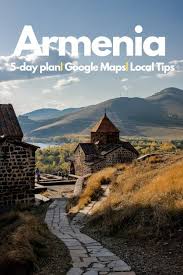
The monasteries of Haghpat and Sanahin, in northern Armenia, are celebrated examples of medieval Armenian architecture. Their churches, libraries and stone carvings reflect the achievements of a society that placed great importance on education and faith. Further south, the monastery of Tatev stands above the Vorotan Gorge, its position offering sweeping views of the surrounding countryside.

Stone, memory and identity

Armenian history is also recorded in stone. Khachkars—intricately carved cross-stones—can be found throughout the country. Each is a work of art, often decorated with interlacing patterns, leaves and symbols. They were created to commemorate people and events, and remain powerful expressions of Armenian craftsmanship and spiritual life.

In Yerevan, the capital, historic and contemporary landmarks sit side by side. The city’s museums and memorials provide different perspectives on Armenia’s past, while its streets and cultural institutions show how that history continues to shape life today.

Keeping history alive

Historic places are more than reminders of earlier times. They connect communities with their heritage and help visitors understand the forces that have shaped the country. Preserving them requires care, research and respect for the people for whom these sites remain meaningful.

Exploring Armenia’s historic heritage is an invitation to look beyond the dates and monuments. It is a chance to encounter a living culture—one that has endured, adapted and continued to tell its story across generations.


9 Essential Tips for Exploring Historic Sites in the UK

  1. Check opening times before visiting historic sites.
  2. Wear comfortable shoes for uneven floors and paths.
  3. Read plaques to understand the site’s history.
  4. Follow signs and respect restricted areas.
  5. Avoid touching fragile objects and surfaces.
  6. Book guided tours in advance when possible.
  7. Check whether photography is allowed.
  8. Look for accessibility information before your visit.
  9. Leave historic places as you found them.

Check opening times before visiting historic sites.

Before visiting a historic site, check its opening times and any visitor information online. Hours can vary by season, public holidays or special events, and some places may require advance booking. A quick check helps you plan your day, avoid an unnecessary journey and make the most of your visit.

Wear comfortable shoes for uneven floors and paths.

When exploring historic sites, wear comfortable, supportive shoes with a good grip. Uneven floors, cobbled streets and rugged paths can be tiring or slippery, so suitable footwear will help you stay steady and enjoy your visit.

Read plaques to understand the site’s history.

Take a moment to read the plaques at historic sites. They often explain when and why a place was built, describe important events and people, and reveal details that might otherwise go unnoticed. A few minutes spent reading can make your visit more meaningful and help you understand the site’s place in local history.

Follow signs and respect restricted areas.

When visiting historic sites, follow the signs and respect any restricted areas. Barriers and notices help protect fragile buildings, artefacts and archaeological remains, as well as keeping visitors safe. Staying on marked paths ensures these places can be preserved for future generations to enjoy.

Avoid touching fragile objects and surfaces.

When visiting historic sites, avoid touching fragile objects and surfaces. Even clean hands can transfer oils and dirt, gradually damaging delicate stonework, paintings, carvings and artefacts. Admire these treasures from a respectful distance, and follow any signs or guidance from staff to help preserve them for future generations.

Book guided tours in advance when possible.

When exploring historic sites, book guided tours in advance whenever possible. Popular tours can fill up quickly, particularly during busy travel periods, so reserving ahead helps you secure a place and plan your day. A knowledgeable guide can also bring the past to life, share details you might otherwise miss and help you make the most of your visit.

Check whether photography is allowed.

Before taking photographs at a historic site, check whether photography is permitted and look out for signs or guidance from staff. Some places restrict photography to protect fragile interiors, preserve a respectful atmosphere or safeguard cultural and religious traditions. If you are unsure, ask before taking pictures, and avoid using flash where it could damage delicate objects or disturb other visitors.

Look for accessibility information before your visit.

Before visiting a historic site, check its accessibility information so you can plan your trip with confidence. Older buildings may have uneven paths, steep steps, narrow doorways or limited facilities, while conservation rules can restrict access to certain areas. Look for details on step-free routes, accessible toilets, parking and available assistance, and contact the site directly if anything is unclear.

Leave historic places as you found them.

When visiting historic places, leave them as you found them so others can enjoy and learn from them too. Avoid touching fragile surfaces, moving objects or taking anything away, and always follow local guidance. Even small actions can help protect these irreplaceable sites and preserve their stories for future generations.
Tourist Guides: Discovering Armenia with Local Insight

tourist guides

Tourist Guides: A Better Way to Discover Armenia

A visit to Armenia can take you from the lively streets of Yerevan to ancient monasteries, mountain villages and dramatic landscapes. While guidebooks and maps are useful, a knowledgeable local guide can bring these places to life, adding context, personal stories and practical advice along the way.

What does a tourist guide do?

A good tourist guide does more than lead the way. They explain the history behind a landmark, help visitors understand local customs and answer questions that might not appear in a guidebook. They can also make a trip easier by planning a sensible route, arranging transport and helping visitors make the most of limited time.

In Armenia, a guide might introduce visitors to the history and architecture of a monastery, point out details in a city neighbourhood or share stories about regional food and family traditions. The best guides connect well-known sights with the everyday life of the places around them.

Choosing the right guide

Before booking, consider what sort of experience you want. A walking tour of Yerevan, a day trip to historical sites and a mountain excursion call for different kinds of knowledge and preparation. Look for a guide whose experience matches your plans.

  • Check their experience: Read recent reviews and look for clear information about their background and the tours they offer.
  • Ask about the itinerary: Find out how long the tour lasts, what is included and whether there will be time for breaks or questions.
  • Discuss language: Confirm that the guide can lead the tour comfortably in your preferred language.
  • Be clear about your interests: Tell the guide whether you are especially interested in history, food, architecture, nature or local life.
  • Check practical details: Ask about transport, accessibility, entrance fees, clothing recommendations and what to bring.

Private tours and group tours

A private tour offers flexibility. The route and pace can often be adapted to suit your interests, making it a good option for families, small groups or visitors with specific plans. Group tours can be a more affordable way to explore and offer the chance to meet other travellers, though the schedule is usually less flexible.

Neither option is automatically better. Consider your budget, preferred pace and the kind of experience you enjoy before deciding.

Guides for cities, history and the outdoors

Different destinations call for different expertise. In a city, a guide can help you notice architectural details, navigate between neighbourhoods and understand how the past is reflected in modern life. At historic sites, an informed explanation can make the setting easier to appreciate. For hiking or other outdoor activities, choose someone with relevant local knowledge and ask about the route, weather conditions and safety arrangements.

When visiting religious sites, a guide can also explain local customs. Visitors should follow posted instructions, dress respectfully where appropriate and ask before photographing people or ceremonies.

Making the most of your tour

Arrive on time, wear comfortable shoes and bring water, especially for longer walks or trips outside the city. Let your guide know about mobility needs, dietary requirements or other considerations in advance. Questions are welcome, and sharing what interests you can help shape a more rewarding experience.

It is also worth remembering that a guide’s perspective is one person’s account of a place. If a subject has several interpretations, ask how different people or communities understand it. Listening with curiosity can lead to a richer conversation.

A more personal journey

Travelling independently offers freedom, but a skilled tourist guide can provide understanding that is difficult to gain from signs and maps alone. Whether you are exploring Yerevan, visiting historic landmarks or heading into the countryside, the right guide can help turn a day of sightseeing into a meaningful encounter with Armenia and its people.


Top 5 Benefits of Tourist Guides: Enhancing Your Travel Experience

  1. Provide local knowledge and insights.
  2. Make destinations easier to navigate.
  3. Bring history and culture to life.
  4. Help save time with planned itineraries.
  5. Offer practical tips and recommendations.


Drawbacks of Guided Tours: Cost, Rigidity, Pace, and Variable Expertise

  1. Guided tours can be expensive.
  2. Fixed itineraries offer less flexibility.
  3. Large groups may feel rushed.
  4. Guide quality can vary.

Provide local knowledge and insights.

Tourist guides offer local knowledge and insights that can bring a destination to life. They share stories, traditions and details that visitors might otherwise miss, while offering a deeper understanding of the area’s history and everyday culture. Their recommendations can also help travellers discover worthwhile places beyond the usual tourist trail.

Make destinations easier to navigate.

Tourist guides make destinations easier to navigate, helping visitors find their way around unfamiliar streets, transport systems and attractions. Their local knowledge can save time, prevent confusion and make it easier to discover places that might otherwise be missed. This is especially useful when signs are unclear or when a destination has complex routes and limited transport options.

Bring history and culture to life.

A knowledgeable tourist guide can bring history and culture to life by connecting landmarks and traditions with the people and events behind them. Instead of simply looking at an old building or hearing a date, visitors can discover the stories, customs and local perspectives that give a place its character. These insights make the experience more engaging and help travellers form a deeper connection with the destination.

Help save time with planned itineraries.

Tourist guides can save valuable time by planning an itinerary that makes the most of each day. With local knowledge, they can group nearby attractions, choose efficient routes and help avoid unnecessary detours, leaving more time to enjoy the places you visit.

Offer practical tips and recommendations.

Tourist guides can make a visit easier by sharing practical tips and recommendations based on local knowledge. They may suggest the best time to visit a popular attraction, recommend places to eat, explain local customs or point out convenient transport options. This advice can help visitors save time, avoid common difficulties and discover experiences they might otherwise miss.

Guided tours can be expensive.

Guided tours can be expensive, particularly private tours or longer excursions that include transport and entrance fees. For travellers on a tight budget, the cost may be difficult to justify, especially when some sights can be explored independently using maps, guidebooks or free online resources. It is worth checking exactly what the price covers and comparing a few options before booking.

Fixed itineraries offer less flexibility.

One drawback of joining a guided tour is that the itinerary is usually fixed, leaving less room to explore at your own pace. You may have to move on from a place just as it becomes interesting, or skip a stop that catches your eye. This can be frustrating for travellers who prefer spontaneous discoveries or want to spend more time on particular sights.

Large groups may feel rushed.

One drawback of joining a large guided tour is that the pace may feel rushed. Guides need to keep everyone together and stick to the schedule, leaving less time to explore a particular place, take photographs or ask questions. Travellers who prefer a more relaxed experience may find a smaller group or private tour more suitable.

Guide quality can vary.

The quality of tourist guides can vary considerably. Some are knowledgeable, engaging and well prepared, while others may offer limited information, follow a rigid itinerary or struggle to answer questions. It is worth checking recent reviews, experience and tour details before booking, so expectations are clear.

Exploring the Enchanting Charms of Yerevan

yerevan

The Enchanting City of Yerevan

Nestled at the foot of the majestic Mount Ararat, Yerevan stands as the beating heart of Armenia, blending ancient history with modern vibrancy. As the capital and largest city of Armenia, Yerevan captivates visitors with its rich cultural heritage and warm hospitality.

One of the city’s most iconic landmarks is the Cascade Complex, a grand staircase adorned with contemporary art installations and offering panoramic views of the cityscape. Stroll through the bustling streets of Northern Avenue, lined with trendy boutiques and cafes, or explore the historic charm of Republic Square, home to elegant fountains and government buildings.

Yerevan is a paradise for food enthusiasts, boasting a diverse culinary scene that showcases traditional Armenian dishes alongside international flavours. Indulge in succulent kebabs, aromatic dolma, and freshly baked lavash bread at local eateries that exude warmth and authenticity.

Art and culture thrive in Yerevan, with museums like the Matenadaran Manuscript Repository housing ancient manuscripts and artifacts that offer insights into Armenia’s rich past. The Vernissage Market is a treasure trove of handmade crafts, jewellery, and artworks crafted by local artisans.

As night falls, Yerevan transforms into a lively hub of entertainment, with bars, clubs, and live music venues beckoning visitors to immerse themselves in the city’s vibrant nightlife. Whether you seek relaxation in parks like Lover’s Park or adventure in nearby natural wonders like Garni Gorge, Yerevan offers something for every traveller.

With its blend of old-world charm and modern allure, Yerevan invites you to discover a land where history whispers through cobblestone streets and hospitality embraces you like an old friend. Come experience the magic of Yerevan – a city that captivates hearts and leaves lasting impressions on all who wander its enchanting streets.


Exploring Yerevan: Worth a Visit, Historical Names, Language Insights, and Safety Tips

  1. Is Yerevan worth seeing?
  2. What is the old name of Yerevan?
  3. What language do they speak in Yerevan Armenia?
  4. Is it safe to visit Yerevan now?

Is Yerevan worth seeing?

For those seeking a captivating blend of history, culture, and modern vibrancy, Yerevan is undoubtedly worth seeing. As the capital of Armenia, Yerevan offers a unique charm that appeals to travellers of all interests. From its ancient landmarks and museums showcasing rich heritage to its bustling markets and vibrant nightlife, Yerevan has something to offer every visitor. The city’s warm hospitality, delicious cuisine, and stunning views of Mount Ararat make it a must-see destination for those looking to immerse themselves in the beauty and allure of Armenian culture.

What is the old name of Yerevan?

The old name of Yerevan, the capital city of Armenia, is Erebuni. Erebuni dates back to ancient times when the city was founded by King Argishti I of Urartu in 782 BC. The name Erebuni reflects the city’s rich history and heritage, serving as a reminder of its ancient origins and enduring significance in the region. Today, while known as Yerevan, the spirit of Erebuni lives on in the city’s archaeological sites, museums, and cultural landmarks that continue to preserve its storied past for future generations to appreciate and explore.

What language do they speak in Yerevan Armenia?

In Yerevan, Armenia, the predominant language spoken is Armenian. Armenian is an ancient Indo-European language with its own unique script and rich linguistic heritage. While Armenian is the official language of Armenia, you may also hear Russian and English being spoken in Yerevan, especially in tourist areas and among the younger population. The beauty of Yerevan lies in its multilingual environment, where visitors can immerse themselves in the melodic sounds of Armenian while also finding common ground through other widely spoken languages.

Is it safe to visit Yerevan now?

Travellers often wonder, “Is it safe to visit Yerevan now?” The answer is a resounding yes. Yerevan, the capital of Armenia, is known for its welcoming atmosphere and overall safety for visitors. The city boasts low crime rates and a peaceful environment, making it a popular destination for tourists seeking to explore its cultural treasures and vibrant streets. With friendly locals, well-maintained infrastructure, and a strong sense of community, Yerevan offers a secure and enjoyable experience for travellers from around the world.

Exploring the Enriching Culture of Armenia

The Rich and Diverse Culture of Armenia

Armenia, a country nestled in the Caucasus region between Europe and Asia, boasts a culture that is as ancient as it is vibrant. From its captivating folk music to its intricate traditional dances, Armenia’s cultural heritage is a tapestry of influences that have shaped the nation over millennia.

Music and Dance

Music and dance are integral parts of Armenian culture, with roots dating back to prehistoric times. Traditional Armenian music often features haunting melodies played on instruments like the duduk, a double-reed woodwind instrument considered the national instrument of Armenia. Meanwhile, Armenian dance forms such as Kochari and Tamzara showcase the grace and precision that are hallmarks of Armenian folk dancing.

Art and Architecture

The art and architecture of Armenia reflect the country’s rich history and diverse influences. From ancient monasteries like Tatev Monastery perched on mountain cliffs to the modernist designs found in Yerevan, Armenia’s capital city, the country’s architectural landscape is a testament to its enduring artistic legacy.

Cuisine

Armenian cuisine is a celebration of flavour and tradition. Dishes like khorovats (barbecue), dolma (stuffed grape leaves), and lavash (flatbread) are staples of Armenian cooking, showcasing the country’s love for fresh ingredients and bold spices. Meals in Armenia are often shared with family and friends, underscoring the importance of community in Armenian culture.

Language and Literature

The Armenian language is one of the oldest in the world, with a rich literary tradition that dates back to the fifth century. Works by renowned Armenian poets such as Hovhannes Shiraz and Paruyr Sevak continue to inspire readers with their evocative verses that capture the essence of Armenian identity.

In conclusion, Armenia’s culture is a treasure trove of artistry, history, and tradition that continues to captivate people around the world. With its unique blend of influences from East and West, Armenia stands as a testament to the enduring power of cultural heritage.


Exploring Armenian Culture: Hospitality, Cuisine, History, Religion, and Music

  1. Armenians are known for their strong sense of hospitality and generosity towards guests.
  2. Traditional Armenian cuisine is rich in flavour and includes dishes like dolma, khorovats (barbecue), and lavash (flatbread).
  3. Armenia has a long history dating back to ancient times, with many historical sites and landmarks to explore.
  4. The Armenian Apostolic Church plays a significant role in the country’s culture and heritage.
  5. Traditional Armenian music and dance are important aspects of the cultural identity, with instruments like the duduk being widely used.

Armenians are known for their strong sense of hospitality and generosity towards guests.

Armenians are renowned for their unwavering commitment to hospitality and generosity when welcoming guests. It is ingrained in Armenian culture to treat visitors with warmth and kindness, often going above and beyond to ensure their comfort and well-being. This tradition of hospitality reflects the deep-rooted values of community, respect, and camaraderie that are integral to Armenian society. Whether inviting guests into their homes for a meal or offering a helping hand to strangers in need, Armenians exemplify the spirit of hospitality in all aspects of their lives.

Traditional Armenian cuisine is rich in flavour and includes dishes like dolma, khorovats (barbecue), and lavash (flatbread).

Traditional Armenian cuisine is a culinary delight that tantalizes the taste buds with its rich flavours and diverse offerings. From the succulent dolma, stuffed grape leaves bursting with savoury goodness, to the mouth-watering khorovats, a barbecue dish that sizzles with aromatic spices, and the comforting lavash, a soft and versatile flatbread that accompanies many meals – Armenian cuisine is a true reflection of the country’s vibrant culinary heritage.

Armenia has a long history dating back to ancient times, with many historical sites and landmarks to explore.

Armenia, steeped in a rich cultural heritage dating back to ancient times, offers a captivating journey through history with its abundance of historical sites and landmarks waiting to be explored. From ancient monasteries perched on rugged cliffs to majestic fortresses that stand as testaments to Armenia’s past, each site tells a story of the nation’s enduring legacy and the diverse influences that have shaped its identity over the centuries.

The Armenian Apostolic Church plays a significant role in the country’s culture and heritage.

The Armenian Apostolic Church holds a pivotal position in shaping Armenia’s culture and heritage. As one of the oldest national churches in the world, it serves as a cornerstone of Armenian identity, influencing various aspects of daily life, celebrations, and traditions. The church’s rich history, religious practices, and architectural marvels not only reflect the spiritual beliefs of the Armenian people but also contribute to the preservation and promotion of their cultural heritage through generations.

Traditional Armenian music and dance are important aspects of the cultural identity, with instruments like the duduk being widely used.

Traditional Armenian music and dance play a significant role in shaping the cultural identity of Armenia. The haunting melodies of instruments like the duduk hold a special place in the hearts of Armenians, evoking a sense of nostalgia and pride. These art forms not only showcase the country’s rich heritage but also serve as a means of preserving age-old traditions and connecting generations through music and movement.

Unveiling the Charms of Armenia: A Journey Through History and Beauty

armenia

Discover Armenia

The Beauty and Richness of Armenia

Armenia, a country nestled in the Caucasus region between Europe and Asia, is a land of incredible beauty and rich history. From its stunning landscapes to its ancient cultural heritage, Armenia captivates visitors with its charm and authenticity.

Natural Wonders

Armenia boasts a diverse range of natural landscapes, from lush forests to rugged mountains. The majestic Mount Ararat, with its snow-capped peaks, is an iconic symbol of the country. Lake Sevan, one of the largest high-altitude lakes in the world, offers breathtaking views and opportunities for relaxation.

Cultural Heritage

Armenia has a deep-rooted cultural heritage that dates back thousands of years. The country is home to ancient monasteries, such as Tatev Monastery and Geghard Monastery, which stand as testaments to Armenia’s architectural prowess and religious history. Yerevan, the capital city, blends modernity with tradition, featuring bustling markets and historic landmarks.

Culinary Delights

Armenian cuisine is a true reflection of the country’s history and geography. Dishes like dolma (stuffed grape leaves), lavash (flatbread), and khorovats (barbecue) showcase the richness of Armenian flavours. Visitors can indulge in local wines and brandies that have gained international acclaim.

Hospitality and Warmth

One of the defining characteristics of Armenia is the hospitality of its people. Armenians are known for their warmth and generosity towards guests, making visitors feel welcome and at home. Traditional dances, music performances, and festivals offer glimpses into Armenian culture and traditions.

Plan Your Visit

Whether you are drawn to its natural wonders, cultural sites, or culinary delights, Armenia has something for every traveller. Explore this hidden gem in the Caucasus region and immerse yourself in the beauty and richness of Armenia.


Discover Armenia: A Land of Rich Heritage, Natural Beauty, and Warm Hospitality

  1. Rich cultural heritage spanning millennia
  2. Stunning natural landscapes, from mountains to lakes
  3. Warm hospitality and friendliness of the locals
  4. Delicious and diverse Armenian cuisine
  5. Historic monasteries and architectural wonders
  6. Unique traditional music and dance performances
  7. Affordable travel destination with great value for money
  8. Safe and welcoming environment for tourists
  9. Opportunities for outdoor activities like hiking and skiing


Challenges Faced by Visitors to Armenia: Transportation, Language, Weather, Amenities, and Politics

  1. Limited public transportation options in some areas
  2. Language barrier for non-Armenian speakers
  3. Seasonal weather extremes, with hot summers and cold winters
  4. Some regions may have limited access to modern amenities
  5. Potential political tensions in the region

Rich cultural heritage spanning millennia

Armenia boasts a rich cultural heritage that spans millennia, making it a treasure trove of history and tradition. From ancient monasteries to intricate architectural wonders, Armenia’s cultural legacy reflects the depth of its historical roots. The country’s art, music, and literature showcase a vibrant tapestry of creativity that has been nurtured over centuries. Visitors to Armenia are immersed in a world where every stone tells a story and every tradition carries the weight of generations past, creating an enriching experience that resonates with the echoes of time.

Stunning natural landscapes, from mountains to lakes

Armenia’s breathtaking natural landscapes, ranging from majestic mountains to serene lakes, showcase the country’s unparalleled beauty. The rugged peaks of Mount Ararat and the tranquil waters of Lake Sevan offer visitors a glimpse into Armenia’s diverse and awe-inspiring geography. Whether exploring the lush forests or admiring the snow-capped summits, Armenia’s picturesque scenery never fails to captivate and inspire all who venture into its stunning surroundings.

Warm hospitality and friendliness of the locals

Travellers to Armenia are often enchanted by the warm hospitality and genuine friendliness of the locals. Armenians have a deep-rooted culture of welcoming guests with open arms, making visitors feel like cherished friends from the moment they arrive. Whether sharing a traditional meal, engaging in heartfelt conversations, or receiving assistance and guidance, the genuine warmth and kindness of the Armenian people create memorable experiences that leave a lasting impression on all who have the pleasure of encountering their hospitality.

Delicious and diverse Armenian cuisine

Armenia is renowned for its delicious and diverse cuisine, offering a culinary experience that delights the senses. From traditional dishes like dolma and lavash to mouth-watering kebabs and sweet treats such as baklava, Armenian cuisine is a true reflection of the country’s rich history and cultural influences. The use of fresh ingredients, aromatic herbs, and unique spices creates a symphony of flavours that captivates food enthusiasts from around the world. Whether enjoying a hearty meal in a local tavern or sampling street food at bustling markets, exploring Armenian cuisine is a journey of discovery and delight for the taste buds.

Historic monasteries and architectural wonders

Armenia boasts a remarkable array of historic monasteries and architectural wonders that showcase the country’s rich cultural heritage. From the intricate carvings of Geghard Monastery to the breathtaking setting of Tatev Monastery perched on a cliff edge, these ancient sites offer a glimpse into Armenia’s past glory and architectural prowess. Each monastery tells a story of faith, resilience, and artistic excellence, making them not just architectural marvels but also spiritual landmarks that have stood the test of time. Whether exploring the intricate details of Khachkars or marvelling at the grandeur of medieval churches, visitors to Armenia are sure to be captivated by the beauty and significance of these historic treasures.

Unique traditional music and dance performances

Armenia’s vibrant cultural scene is enriched by its unique traditional music and dance performances. Rooted in centuries-old traditions, Armenian music and dance showcase the country’s rich heritage and artistic expression. From the soul-stirring melodies of duduk, a traditional Armenian woodwind instrument, to the energetic movements of traditional dances like Kochari and Tamzara, these performances captivate audiences with their authenticity and passion. Through music and dance, Armenia preserves its cultural identity and invites others to experience the beauty of its artistic traditions.

Affordable travel destination with great value for money

Armenia stands out as an affordable travel destination that offers exceptional value for money. With its budget-friendly accommodation options, reasonably priced dining experiences featuring delicious local cuisine, and affordable transportation within the country, visitors can explore Armenia without breaking the bank. This makes it an ideal choice for travellers seeking a memorable and cost-effective journey filled with cultural discoveries and scenic adventures.

Safe and welcoming environment for tourists

Armenia offers a safe and welcoming environment for tourists, making it an ideal destination for travellers seeking peace of mind and genuine hospitality. The country’s low crime rates and friendly locals create a sense of security that allows visitors to explore its rich cultural heritage and natural beauty without hesitation. From the bustling streets of Yerevan to the serene countryside, tourists can experience the warmth and generosity of the Armenian people, ensuring a memorable and enjoyable stay in this hospitable nation.

Opportunities for outdoor activities like hiking and skiing

Armenia offers abundant opportunities for outdoor enthusiasts seeking adventure in the midst of stunning natural landscapes. From exhilarating hiking trails that lead to panoramic views of mountains and valleys to world-class skiing resorts with powdery slopes, Armenia caters to those looking to embrace the great outdoors. Whether you are a seasoned hiker or an avid skier, the diverse terrain and favourable climate of Armenia provide the perfect setting for unforgettable outdoor experiences.

Limited public transportation options in some areas

Limited public transportation options in certain areas of Armenia present a challenge for residents and visitors alike. Access to efficient and reliable transportation is essential for mobility and connectivity, yet some regions may lack adequate infrastructure or frequency of services. This limitation can impact daily commutes, access to essential services, and overall convenience for individuals relying on public transport. Addressing this issue could enhance accessibility and improve the quality of life for communities in these underserved areas.

Language barrier for non-Armenian speakers

Travelling in Armenia can present a challenge for non-Armenian speakers due to the prevalent language barrier. Armenian is the official language of the country, and while many Armenians do speak English, especially in urban areas and tourist spots, communication outside these areas can be difficult. This language barrier may hinder seamless interactions with locals, navigating public transportation, or fully understanding cultural nuances. However, with some basic phrases and a willingness to embrace non-verbal communication, visitors can still enjoy all that Armenia has to offer while immersing themselves in a truly authentic experience.

Seasonal weather extremes, with hot summers and cold winters

Armenia’s seasonal weather extremes present a challenge to residents and visitors alike, with scorching hot summers and bitterly cold winters. The contrast between the two seasons can be stark, requiring individuals to adapt to significant temperature fluctuations throughout the year. While the summer sun can be intense, offering opportunities for outdoor activities and exploration, the winter chill brings heavy snowfall and frosty conditions that necessitate careful preparation. Despite these weather challenges, Armenia’s unique climate adds a distinct character to the country’s landscape and contributes to its diverse appeal for those seeking both summer warmth and winter wonderland experiences.

Some regions may have limited access to modern amenities

In certain regions of Armenia, limited access to modern amenities can pose a challenge for residents and visitors alike. While major cities like Yerevan may offer a range of facilities and services, more remote areas could experience constraints in terms of infrastructure, technology, and conveniences. This disparity in access to modern amenities highlights the need for continued development and investment to ensure that all regions of Armenia can benefit from essential resources and services for a better quality of life.

Potential political tensions in the region

Armenia faces the con of potential political tensions in the region, stemming from its complex geopolitical landscape and historical conflicts. The country’s proximity to various contentious borders and ongoing disputes can lead to instability and uncertainty. These political tensions pose challenges for Armenia’s development and can impact both domestic affairs and international relations. Navigating this delicate balance requires diplomatic finesse and a proactive approach to promoting peace and stability in the region.

Discover the Ultimate Travel Guide to Armenia: Unveiling Hidden Gems and Cultural Treasures

travel guide to armenia

Travel Guide to Armenia

Armenia, a hidden gem in the Caucasus region, offers travellers a unique blend of history, culture, and natural beauty. From ancient monasteries to stunning landscapes, this small but captivating country has much to offer. Here is a comprehensive travel guide to help you make the most of your visit to Armenia.

Must-See Destinations

Yerevan: The capital city of Armenia, Yerevan is a vibrant metropolis known for its pink-hued buildings and bustling markets. Don’t miss the iconic Cascade complex and the sobering Armenian Genocide Memorial.

Tatev Monastery: Perched on a cliff edge overlooking breathtaking scenery, Tatev Monastery is a UNESCO World Heritage site that showcases Armenia’s rich religious history.

Lake Sevan: Known as the “Jewel of Armenia,” Lake Sevan is the largest alpine lake in the Caucasus region. Enjoy water activities or simply relax on its shores while taking in the picturesque surroundings.

Cultural Experiences

Immerse yourself in Armenian culture by visiting local markets, sampling traditional cuisine like dolma and lavash, and attending folk music performances. Don’t forget to explore ancient archaeological sites such as Garni Temple and Noravank Monastery.

Outdoor Adventures

For nature enthusiasts, Armenia offers hiking trails through lush forests, rugged mountains for climbing enthusiasts, and ski resorts for winter sports lovers. The diverse landscape of Armenia provides ample opportunities for outdoor adventures.

Practical Tips

  • Visa: Check visa requirements before your trip.
  • Currency: The official currency is the Armenian Dram (AMD).
  • Language: Armenian is the official language, but English is widely spoken in tourist areas.
  • Safety: Armenia is generally safe for travellers, but exercise normal precautions.
  • Clothing: Pack according to the season; winters can be cold while summers are warm.

Armenia’s rich history, warm hospitality, and stunning landscapes make it a destination worth exploring. Whether you’re drawn to ancient monuments or scenic vistas, this travel guide will help you navigate your journey through this enchanting country.


Essential Travel Guide: Top FAQs for Exploring Armenia

  1. What are the must-see destinations in Armenia?
  2. How can I immerse myself in Armenian culture during my visit?
  3. What outdoor adventures can I experience in Armenia?
  4. Are there any specific visa requirements for travelling to Armenia?
  5. What is the official currency used in Armenia?
  6. Is English widely spoken in Armenia for tourists?

What are the must-see destinations in Armenia?

When exploring Armenia, several must-see destinations stand out for their historical significance and natural beauty. From the vibrant capital city of Yerevan with its pink-hued buildings to the ancient Tatev Monastery perched on a cliff edge, each location offers a unique glimpse into Armenia’s rich culture. Don’t miss the picturesque Lake Sevan, known as the “Jewel of Armenia,” or the archaeological wonders of Garni Temple and Noravank Monastery. These iconic sites showcase the diversity and charm of Armenia, making them essential stops for any traveller seeking an authentic experience in this captivating country.

How can I immerse myself in Armenian culture during my visit?

To immerse yourself in Armenian culture during your visit, consider exploring local markets to witness daily life and taste authentic Armenian cuisine. Engage with locals to learn about their traditions and customs, attend cultural events such as folk music performances or traditional dance shows, and visit historical sites like monasteries and museums to gain insights into Armenia’s rich heritage. Participating in cooking classes or craft workshops can also provide a hands-on experience of Armenian culture. By embracing these opportunities for interaction and exploration, you can truly immerse yourself in the vibrant tapestry of Armenian traditions and lifestyle.

What outdoor adventures can I experience in Armenia?

For outdoor enthusiasts visiting Armenia, a wide array of adventures awaits amidst its diverse landscape. From scenic hiking trails that wind through lush forests to rugged mountains offering exhilarating climbing opportunities, Armenia is a paradise for nature lovers. Winter sports enthusiasts can hit the slopes at the country’s ski resorts, while those seeking a more leisurely experience can enjoy boating or simply relax by the shores of Lake Sevan, the largest alpine lake in the Caucasus region. Whether you’re up for an adrenaline-pumping challenge or a serene nature retreat, Armenia offers something for every outdoor adventurer to explore and enjoy.

Are there any specific visa requirements for travelling to Armenia?

Travelling to Armenia typically requires visitors to check and adhere to specific visa requirements based on their nationality. While citizens of certain countries may be exempt from obtaining a visa for short stays, others may need to apply for a visa in advance. It is advisable to research the latest visa regulations and ensure compliance before embarking on your journey to Armenia. Additionally, travellers should consider the duration of their stay and any necessary documentation to facilitate a smooth entry into this captivating country in the Caucasus region.

What is the official currency used in Armenia?

The official currency used in Armenia is the Armenian Dram (AMD). When travelling to Armenia, it is advisable to exchange your currency for Dram to facilitate transactions and payments during your stay. ATMs are widely available in major cities and towns, offering the convenience of withdrawing local currency. It is recommended to check the current exchange rates and carry a mix of cash and cards for flexibility while exploring this fascinating country.

Is English widely spoken in Armenia for tourists?

English is generally widely spoken in Armenia, especially in tourist areas and larger cities like Yerevan. Many Armenians working in the tourism industry are proficient in English, making it easier for tourists to communicate and navigate their way around the country. While Armenian is the official language, visitors should have no trouble finding English speakers to assist them during their travels in Armenia.

Exploring the Enchanting Historical Landmarks of Armenia

historical landmarks in armenia

The Magnificent Historical Landmarks of Armenia

Armenia, a country steeped in rich history and culture, boasts a plethora of stunning historical landmarks that offer a glimpse into its storied past. From ancient temples to medieval fortresses, each site holds a unique significance and beauty that captivates visitors from around the world.

Tatev Monastery

Perched on a rocky promontory overlooking the Vorotan River Gorge, Tatev Monastery is a masterpiece of medieval Armenian architecture. Dating back to the 9th century, this complex served as an important center of learning and spirituality. Its intricate stone carvings and breathtaking mountainous backdrop make it a must-visit destination for history enthusiasts.

Geghard Monastery

Nestled within the Azat River Gorge, Geghard Monastery is renowned for its unique rock-cut architecture. Originally founded in the 4th century, this UNESCO World Heritage site is home to a series of chapels and tombs adorned with intricate khachkars (cross-stones). The monastery’s spiritual aura and historical significance make it a truly captivating place to explore.

Erebuni Fortress

Located in the heart of Yerevan, Erebuni Fortress stands as a testament to Armenia’s ancient past. Built in 782 BC by King Argishti I, this archaeological site offers insights into the early Urartian civilization. Visitors can wander through the fortress walls, explore ancient inscriptions, and admire panoramic views of the city below.

Noravank Monastery

Tucked away in a narrow gorge near Yeghegnadzor, Noravank Monastery exudes an air of serenity and beauty. Dating back to the 13th century, this architectural gem features intricate stone carvings and ornate khachkars. Surrounded by towering red cliffs, Noravank offers a peaceful retreat for those seeking to connect with Armenia’s religious heritage.

These are just a few examples of the many historical landmarks that grace the landscape of Armenia. Each site tells a compelling story of the country’s past and serves as a reminder of its enduring cultural legacy. Whether you’re an avid history buff or simply appreciate architectural marvels, exploring Armenia’s historical landmarks is sure to be an enriching experience.


Top 5 Must-Visit Historical Landmarks in Armenia

  1. Visit the ancient Garni Temple, a symbol of pre-Christian Armenia.
  2. Explore the stunning Geghard Monastery carved into the rock cliffs.
  3. Discover the rich history of Echmiadzin Cathedral, one of the oldest in the world.
  4. Marvel at the intricate carvings and reliefs at Noravank Monastery.
  5. Don’t miss Khor Virap Monastery for spectacular views of Mount Ararat.

Visit the ancient Garni Temple, a symbol of pre-Christian Armenia.

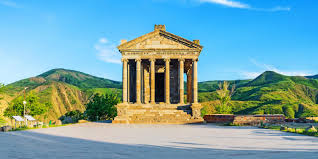
When exploring historical landmarks in Armenia, a visit to the ancient Garni Temple is a must. This iconic site serves as a symbol of pre-Christian Armenia, showcasing the architectural and religious practices of the region before the adoption of Christianity. Perched majestically on a hilltop overlooking the Azat River, Garni Temple offers a glimpse into the country’s pagan past with its well-preserved columns and intricate carvings. Steeped in history and cultural significance, this ancient temple provides visitors with a fascinating insight into Armenia’s rich heritage.

Explore the stunning Geghard Monastery carved into the rock cliffs.

Nestled within the breathtaking Azat River Gorge, the stunning Geghard Monastery in Armenia is a true marvel to behold. Carved into the sheer rock cliffs, this ancient monastery exudes a sense of mystery and wonder. Its unique rock-cut architecture, adorned with intricate khachkars and chapels, offers visitors a glimpse into Armenia’s rich cultural and religious heritage. Exploring the depths of Geghard Monastery is not just a journey through history but also an opportunity to marvel at the ingenuity and craftsmanship of its creators.

Discover the rich history of Echmiadzin Cathedral, one of the oldest in the world.

Immerse yourself in the captivating history of Echmiadzin Cathedral, a true marvel and one of the oldest churches in the world. Dating back to the 4th century, this sacred site in Armenia holds profound cultural and religious significance. As the mother church of the Armenian Apostolic Church, Echmiadzin Cathedral stands as a testament to centuries of faith and architectural splendor. Exploring its ancient walls and ornate interiors offers a glimpse into a bygone era, where tradition and spirituality intertwine to create a truly awe-inspiring experience.

Marvel at the intricate carvings and reliefs at Noravank Monastery.

Visitors to Noravank Monastery in Armenia are encouraged to marvel at the intricate carvings and reliefs that adorn this architectural masterpiece. Dating back to the 13th century, Noravank is renowned for its detailed stone carvings and ornate decorations, which showcase the skilled craftsmanship of the medieval Armenian artisans. Each carving tells a story and adds a layer of beauty and historical significance to this sacred site, making it a must-see destination for those seeking to appreciate the rich artistic heritage of Armenia.

Don’t miss Khor Virap Monastery for spectacular views of Mount Ararat.

When exploring the historical landmarks of Armenia, a visit to Khor Virap Monastery is a must for those seeking spectacular views of Mount Ararat. Situated near the Turkish border, this monastery offers a vantage point like no other, providing a stunning backdrop of the majestic Mount Ararat. The sight of the snow-capped peak against the Armenian skyline is truly awe-inspiring and adds an extra layer of significance to the monastery’s already rich history.

Discovering the Authentic Charm of Armenia

authentic armenia

The Charm of Authentic Armenia

Armenia, a land steeped in history and tradition, offers a glimpse into a world where authenticity reigns supreme. From its ancient monasteries perched on rugged mountains to its vibrant markets teeming with local produce, Armenia captivates visitors with its unfiltered charm.

One of the hallmarks of authentic Armenian culture is its rich culinary heritage. Traditional dishes like dolma, khorovats (barbecue), and lavash bread are not just meals but reflections of centuries-old recipes passed down through generations. The use of fresh, locally sourced ingredients adds a depth of flavour that is unique to Armenian cuisine.

Exploring the streets of Yerevan, Armenia’s capital city, reveals a blend of old-world architecture and modern influences. The bustling markets offer an array of handmade crafts, intricate carpets, and aromatic spices that showcase the country’s artisanal skills and cultural pride.

Venturing beyond the urban centres, visitors are greeted by the breathtaking landscapes that define Armenia. The serene Lake Sevan, surrounded by lush greenery and ancient churches, provides a tranquil retreat from the hustle and bustle of city life. Meanwhile, the rocky terrain of Garni Gorge offers a glimpse into Armenia’s geological wonders.

But perhaps what truly sets authentic Armenia apart is its warm and welcoming people. Armenians take pride in their hospitality, treating guests as honoured friends and sharing their stories with genuine warmth. Whether enjoying a traditional dance performance or partaking in a local festival, visitors are embraced as part of the community.

In essence, authentic Armenia is more than just a destination – it is an immersive experience that touches all the senses and leaves a lasting impression on those who have the privilege to explore its depths. It is a place where history meets modernity, tradition meets innovation, and beauty meets soul.


Exploring Authentic Armenia: A Guide to Cuisine, Culture, and Traditions

  1. What are some traditional Armenian dishes that I must try?
  2. How can I experience authentic Armenian culture during my visit?
  3. What are the top historical sites to visit in Armenia for an authentic experience?
  4. Are there any unique festivals or events that showcase Armenian traditions?
  5. How can I support local artisans and craftsmen in Armenia?
  6. What are some tips for interacting with locals and immersing myself in Armenian daily life?

What are some traditional Armenian dishes that I must try?

When exploring the culinary landscape of authentic Armenia, there are several traditional dishes that you simply must try. From the delectable dolma, a dish of minced meat and rice wrapped in grape leaves, to the succulent khorovats (barbecue) that showcases the art of Armenian grilling, each bite offers a taste of centuries-old recipes steeped in tradition. Don’t miss out on lavash bread, a soft and thin flatbread that serves as a staple in Armenian cuisine. These dishes not only satisfy the palate but also provide a window into the rich cultural heritage and culinary expertise that define Armenian gastronomy.

How can I experience authentic Armenian culture during my visit?

To truly experience authentic Armenian culture during your visit, immerse yourself in the local way of life by exploring traditional markets, sampling authentic Armenian cuisine at local eateries, and engaging with the friendly locals. Visit historical sites such as ancient monasteries and archaeological landmarks to gain insights into Armenia’s rich history and heritage. Attend cultural events, festivals, and performances to witness traditional music and dance firsthand. Consider staying in locally-owned guesthouses or homestays to connect with Armenian families and learn about their customs and traditions. By embracing these experiences and engaging with the community, you can create lasting memories of genuine Armenian culture during your visit.

What are the top historical sites to visit in Armenia for an authentic experience?

When seeking an authentic experience in Armenia, exploring its top historical sites is a must. From the ancient monasteries of Geghard and Tatev to the majestic ruins of Zvartnots Cathedral and the historical significance of Echmiadzin Cathedral, each site offers a glimpse into Armenia’s rich cultural heritage and architectural prowess. These landmarks not only showcase the country’s deep-rooted history but also provide visitors with a profound sense of connection to Armenia’s past, making them essential destinations for those seeking an authentic and immersive experience in this captivating country.

Are there any unique festivals or events that showcase Armenian traditions?

Armenia boasts a rich tapestry of unique festivals and events that serve as vibrant showcases of its deep-rooted traditions. One such event is the Vardavar festival, a joyous celebration where people douse each other with water to commemorate the transfiguration of Jesus Christ. Another notable festival is the Areni Wine Festival, which honours Armenia’s ancient winemaking heritage with tastings, music, and traditional dances. These colourful and lively gatherings not only offer a glimpse into Armenian customs but also embody the spirit of community and cultural pride that define authentic Armenia.

How can I support local artisans and craftsmen in Armenia?

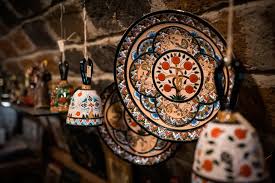
Supporting local artisans and craftsmen in Armenia is a wonderful way to contribute to the preservation of the country’s rich cultural heritage. One of the most direct ways to support these talented individuals is by purchasing their handmade products, such as traditional ceramics, intricate textiles, or unique jewellery. By buying directly from local artisans or visiting artisan markets, you not only acquire one-of-a-kind pieces but also help sustain their craft and livelihood. Additionally, spreading awareness about Armenian craftsmanship through social media, word-of-mouth recommendations, or participating in community events that promote local artisans can further support their work and ensure that these age-old traditions continue to thrive for generations to come.

What are some tips for interacting with locals and immersing myself in Armenian daily life?

When seeking to immerse oneself in Armenian daily life and connect with locals authentically, it is beneficial to approach interactions with a genuine curiosity and respect for the culture. Engaging in conversations with locals, whether at markets, cafes, or cultural events, can offer valuable insights into Armenian traditions and way of life. Learning a few basic Armenian phrases can also go a long way in bridging language barriers and showing appreciation for the local language. Participating in community activities, such as traditional celebrations or volunteering opportunities, can provide a deeper understanding of Armenian customs and values. Ultimately, being open-minded, receptive to learning, and displaying genuine interest in the local customs will enhance the experience of immersing oneself in Armenian daily life.