Exploring Armenia’s Historic Heritage: Monasteries, Monuments and Living Traditions
Armenia: A Land Shaped by History
Armenia’s history is woven into its mountains, monasteries and ancient cities. Situated at the crossroads of Europe and Asia, the country has been influenced by many peoples and empires while preserving a distinctive language, culture and identity. Its historic sites offer a glimpse into a past that reaches back thousands of years.
An ancient heritage
The Armenian Highlands have been home to communities since antiquity. Armenia became the first country to adopt Christianity as a state religion, traditionally dated to 301 CE. This early Christian heritage shaped Armenian art, architecture and literature, and remains visible in churches and monasteries across the country.
Among the most recognisable examples is Etchmiadzin Cathedral, regarded as one of the oldest cathedral buildings in the world. Nearby, the ruins of Zvartnots Cathedral reveal the ambition and skill of early medieval Armenian builders. Both sites form part of the UNESCO-listed Cathedral and Churches of Echmiatsin and the Archaeological Site of Zvartnots.
Monasteries among the mountains
Armenia’s monasteries are among its most evocative historic landmarks. Set in dramatic landscapes, they served not only as places of worship but also as centres of learning, manuscript production and community life.
The monasteries of Haghpat and Sanahin, in northern Armenia, are celebrated examples of medieval Armenian architecture. Their churches, libraries and stone carvings reflect the achievements of a society that placed great importance on education and faith. Further south, the monastery of Tatev stands above the Vorotan Gorge, its position offering sweeping views of the surrounding countryside.
Stone, memory and identity
Armenian history is also recorded in stone. Khachkars—intricately carved cross-stones—can be found throughout the country. Each is a work of art, often decorated with interlacing patterns, leaves and symbols. They were created to commemorate people and events, and remain powerful expressions of Armenian craftsmanship and spiritual life.
In Yerevan, the capital, historic and contemporary landmarks sit side by side. The city’s museums and memorials provide different perspectives on Armenia’s past, while its streets and cultural institutions show how that history continues to shape life today.
Keeping history alive
Historic places are more than reminders of earlier times. They connect communities with their heritage and help visitors understand the forces that have shaped the country. Preserving them requires care, research and respect for the people for whom these sites remain meaningful.
Exploring Armenia’s historic heritage is an invitation to look beyond the dates and monuments. It is a chance to encounter a living culture—one that has endured, adapted and continued to tell its story across generations.
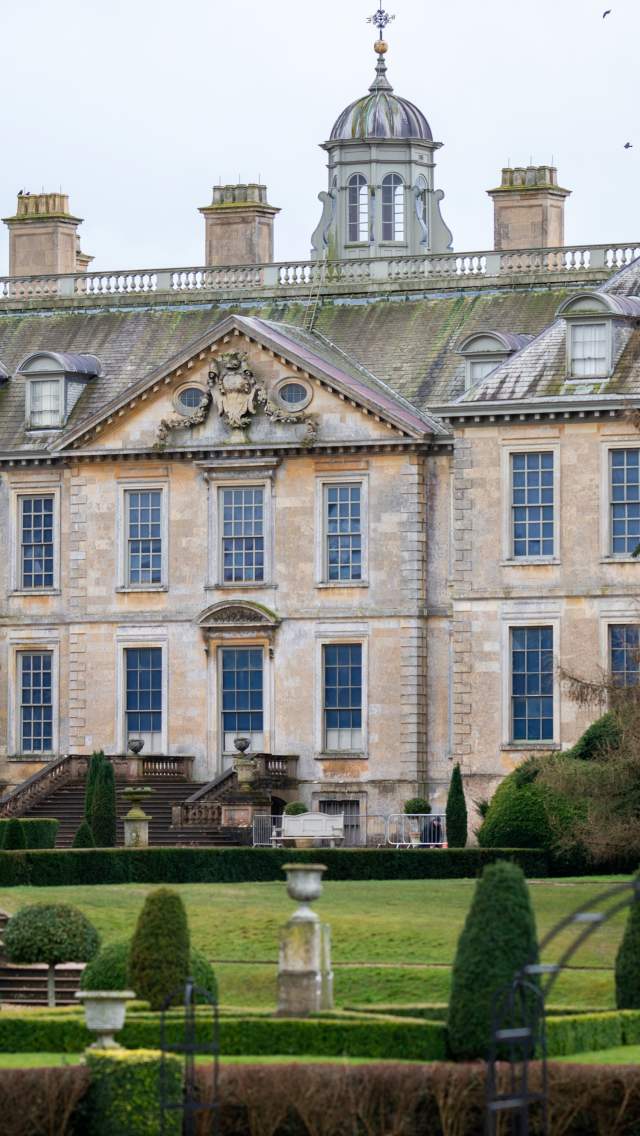
9 Essential Tips for Exploring Historic Sites in the UK
- Check opening times before visiting historic sites.
- Wear comfortable shoes for uneven floors and paths.
- Read plaques to understand the site’s history.
- Follow signs and respect restricted areas.
- Avoid touching fragile objects and surfaces.
- Book guided tours in advance when possible.
- Check whether photography is allowed.
- Look for accessibility information before your visit.
- Leave historic places as you found them.
Check opening times before visiting historic sites.
Before visiting a historic site, check its opening times and any visitor information online. Hours can vary by season, public holidays or special events, and some places may require advance booking. A quick check helps you plan your day, avoid an unnecessary journey and make the most of your visit.
Wear comfortable shoes for uneven floors and paths.
When exploring historic sites, wear comfortable, supportive shoes with a good grip. Uneven floors, cobbled streets and rugged paths can be tiring or slippery, so suitable footwear will help you stay steady and enjoy your visit.
Read plaques to understand the site’s history.
Take a moment to read the plaques at historic sites. They often explain when and why a place was built, describe important events and people, and reveal details that might otherwise go unnoticed. A few minutes spent reading can make your visit more meaningful and help you understand the site’s place in local history.
Follow signs and respect restricted areas.
When visiting historic sites, follow the signs and respect any restricted areas. Barriers and notices help protect fragile buildings, artefacts and archaeological remains, as well as keeping visitors safe. Staying on marked paths ensures these places can be preserved for future generations to enjoy.
Avoid touching fragile objects and surfaces.
When visiting historic sites, avoid touching fragile objects and surfaces. Even clean hands can transfer oils and dirt, gradually damaging delicate stonework, paintings, carvings and artefacts. Admire these treasures from a respectful distance, and follow any signs or guidance from staff to help preserve them for future generations.
Book guided tours in advance when possible.
When exploring historic sites, book guided tours in advance whenever possible. Popular tours can fill up quickly, particularly during busy travel periods, so reserving ahead helps you secure a place and plan your day. A knowledgeable guide can also bring the past to life, share details you might otherwise miss and help you make the most of your visit.
Check whether photography is allowed.
Before taking photographs at a historic site, check whether photography is permitted and look out for signs or guidance from staff. Some places restrict photography to protect fragile interiors, preserve a respectful atmosphere or safeguard cultural and religious traditions. If you are unsure, ask before taking pictures, and avoid using flash where it could damage delicate objects or disturb other visitors.
Look for accessibility information before your visit.
Before visiting a historic site, check its accessibility information so you can plan your trip with confidence. Older buildings may have uneven paths, steep steps, narrow doorways or limited facilities, while conservation rules can restrict access to certain areas. Look for details on step-free routes, accessible toilets, parking and available assistance, and contact the site directly if anything is unclear.
Leave historic places as you found them.
When visiting historic places, leave them as you found them so others can enjoy and learn from them too. Avoid touching fragile surfaces, moving objects or taking anything away, and always follow local guidance. Even small actions can help protect these irreplaceable sites and preserve their stories for future generations.