Savouring the Exquisite Flavours of Armenian Meals
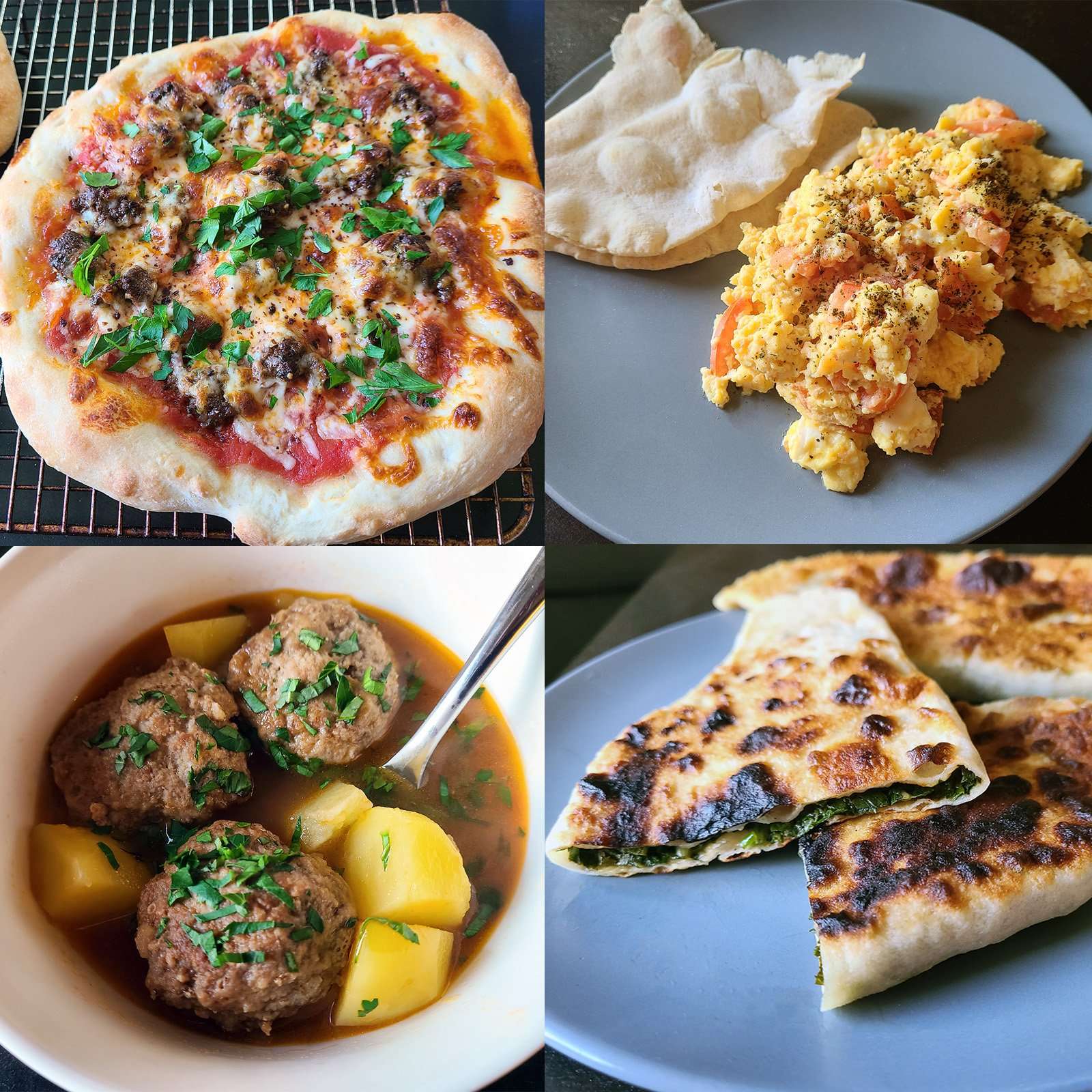
armenian meals

The Delightful Flavours of Armenian Meals

Armenian cuisine is a vibrant tapestry of flavours, reflecting the rich history and cultural influences of this ancient land. From hearty stews to delicate pastries, Armenian meals are a celebration of fresh ingredients and time-honoured recipes.

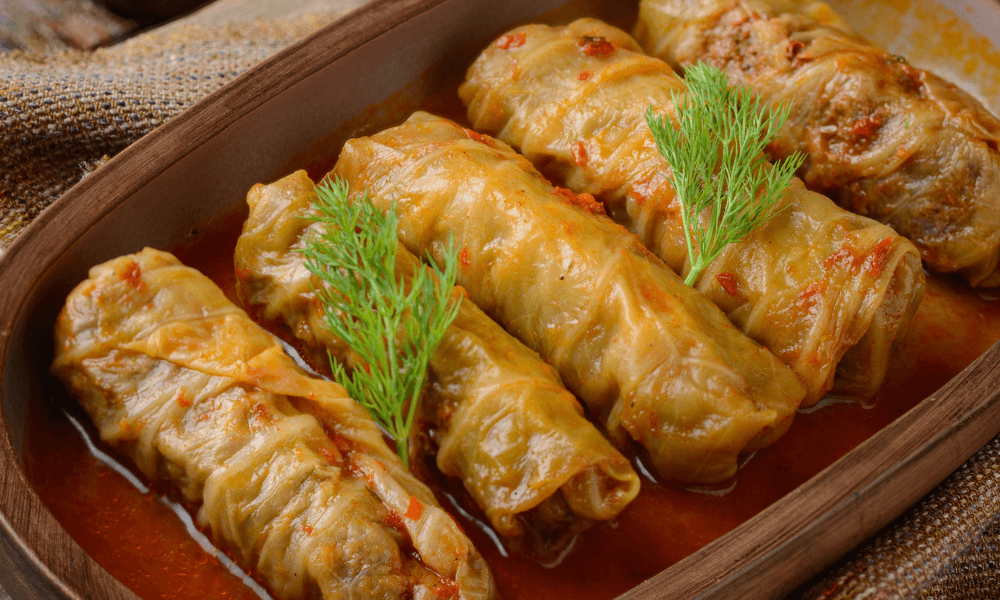
One iconic dish that embodies the essence of Armenian cooking is dolma. Grape leaves stuffed with a tantalising mixture of rice, minced meat, and aromatic herbs, dolma is a true culinary masterpiece. Served with a dollop of creamy yogurt, this dish is a symphony of textures and tastes.

Another beloved favourite is khorovats, the traditional Armenian barbecue. Skewers of marinated meat sizzle over open flames, infusing the air with mouth-watering aromas. Whether it’s succulent lamb or juicy chicken, khorovats is a must-try for any food enthusiast.

No Armenian meal is complete without lavash, the soft and thin flatbread that accompanies every dish. Baked in clay ovens called tonirs, lavash has a delicate texture and subtle flavour that perfectly complements the bold spices and robust flavours of Armenian cuisine.

To satisfy your sweet tooth, indulge in pakhlava, the decadent Armenian version of baklava. Layers of flaky pastry are filled with chopped nuts and drenched in fragrant honey syrup, creating a dessert that is both indulgent and irresistible.

Whether you’re exploring bustling markets in Yerevan or dining in a cosy village tavern, Armenian meals offer a sensory journey like no other. Each bite tells a story of tradition, craftsmanship, and above all, hospitality – because in Armenia, sharing a meal is sharing a piece of heart.


Exploring the Richness of Armenian Cuisine: 7 Reasons to Savour Its Flavours and Traditions

  1. Rich in flavour and aroma, reflecting a blend of cultural influences
  2. Utilizes fresh and wholesome ingredients like herbs, vegetables, and meats
  3. Offers a wide variety of vegetarian and vegan options for diverse dietary preferences
  4. Incorporates traditional cooking methods such as clay oven baking for authentic taste
  5. Includes iconic dishes like dolma and khorovats that are beloved worldwide
  6. Accompanied by lavash, a versatile flatbread perfect for dipping or wrapping
  7. Features indulgent desserts like pakhlava that satisfy any sweet craving


Considerations When Exploring Armenian Cuisine: Balancing Tradition with Modern Dietary Needs

  1. Some traditional Armenian dishes can be high in calories and fat, which may not align with certain dietary preferences.
  2. Armenian meals often involve lengthy preparation times, making them less convenient for those with busy schedules.
  3. Certain Armenian dishes may contain ingredients that are uncommon or difficult to find outside of Armenia, limiting accessibility for home cooks.
  4. The strong flavours and spices used in Armenian cuisine may not appeal to individuals who prefer milder tastes.
  5. For those with specific dietary restrictions or allergies, navigating the varied ingredients in Armenian meals can pose a challenge.

Rich in flavour and aroma, reflecting a blend of cultural influences

Armenian meals are a culinary delight, renowned for being rich in flavour and aroma. Each dish is a testament to the diverse cultural influences that have shaped Armenian cuisine over centuries. From the aromatic spices of the Middle East to the hearty ingredients of Eastern Europe, Armenian meals offer a harmonious blend of tastes that captivate the senses and tell a story of tradition and innovation. The vibrant flavours and tantalising scents that emanate from Armenian dishes truly showcase the country’s unique culinary heritage and its ability to bring people together through food.

Utilizes fresh and wholesome ingredients like herbs, vegetables, and meats

Armenian meals stand out for their use of fresh and wholesome ingredients, such as fragrant herbs, vibrant vegetables, and high-quality meats. By prioritising the use of locally sourced produce, Armenian cuisine not only ensures a burst of flavour in every bite but also promotes a healthy and balanced diet. The emphasis on fresh ingredients not only enhances the taste of the dishes but also reflects the commitment to quality and authenticity that defines Armenian culinary traditions.

Offers a wide variety of vegetarian and vegan options for diverse dietary preferences

Armenian meals stand out for their inclusivity, offering a diverse array of vegetarian and vegan options that cater to a wide range of dietary preferences. From hearty bean stews to flavourful lentil dishes, Armenian cuisine embraces plant-based ingredients with creativity and flair. Whether you’re a committed vegan or simply looking to explore meat-free alternatives, Armenian meals provide a delicious and satisfying experience that celebrates the abundance of fresh produce and wholesome flavours.

Incorporates traditional cooking methods such as clay oven baking for authentic taste

Armenian meals stand out for their authenticity by incorporating traditional cooking methods such as clay oven baking. This age-old technique infuses dishes with a unique and unmistakable flavour that captures the essence of Armenian cuisine. The use of clay ovens not only imparts a rich, smoky aroma to the food but also ensures even cooking and retention of natural juices, resulting in dishes that are tender, succulent, and bursting with traditional taste. Embracing these time-honoured practices adds a layer of cultural significance to Armenian meals, making each bite a nostalgic journey back to the roots of this culinary heritage.

Includes iconic dishes like dolma and khorovats that are beloved worldwide

Armenian meals boast a notable pro by encompassing iconic dishes such as dolma and khorovats, which have garnered adoration and recognition on a global scale. Dolma, with its delectable blend of grape leaves, rice, minced meat, and herbs, represents a culinary masterpiece that captivates palates worldwide. Similarly, khorovats, the traditional Armenian barbecue featuring skewers of marinated meat cooked to perfection over open flames, has become a beloved favourite among food enthusiasts everywhere. These renowned dishes not only showcase the rich flavours of Armenia but also serve as ambassadors of its gastronomic excellence across borders.

Accompanied by lavash, a versatile flatbread perfect for dipping or wrapping

Accompanied by lavash, a versatile flatbread perfect for dipping or wrapping, Armenian meals offer a unique dining experience that engages all the senses. The soft and thin texture of lavash serves as the ideal vessel for scooping up rich stews, savouring grilled meats, or simply enjoying on its own. Its subtle flavour enhances the taste of every dish it accompanies, adding an extra layer of authenticity to the culinary journey through Armenia’s vibrant gastronomy. Lavash embodies the spirit of communal eating, inviting diners to tear and share this traditional bread while savouring the diverse flavours of Armenian cuisine.

Features indulgent desserts like pakhlava that satisfy any sweet craving

Armenian cuisine boasts a delightful array of indulgent desserts, with pakhlava standing out as a true gem that never fails to satisfy any sweet craving. This rich and decadent treat features layers of flaky pastry filled with chopped nuts and generously soaked in fragrant honey syrup. Each bite of pakhlava offers a perfect balance of textures and flavours, making it a beloved dessert choice for those with a penchant for sweetness. Whether enjoyed alongside a cup of strong Armenian coffee or as a standalone delight, pakhlava epitomises the exquisite craftsmanship and culinary richness of Armenian sweets.

Some traditional Armenian dishes can be high in calories and fat, which may not align with certain dietary preferences.

While traditional Armenian dishes are known for their rich and indulgent flavours, it is important to note that some of these culinary delights can be high in calories and fat. For individuals with specific dietary preferences or health concerns, the richness of certain Armenian meals may not align with their nutritional goals. It is advisable to enjoy these dishes in moderation or explore lighter alternatives to fully appreciate the diverse and delicious offerings of Armenian cuisine without compromising personal dietary choices.

Armenian meals often involve lengthy preparation times, making them less convenient for those with busy schedules.

Armenian meals, while rich in flavour and tradition, often require extensive preparation that may not align with the fast-paced lifestyles of individuals with busy schedules. From marinating meats to slow-cooking stews, the intricate processes involved in crafting authentic Armenian dishes demand time and patience. This aspect can pose a challenge for those seeking quick and convenient meal options. However, for those willing to invest the time and effort, the reward of savouring a homemade Armenian feast is truly unparalleled in its depth of taste and cultural significance.

Certain Armenian dishes may contain ingredients that are uncommon or difficult to find outside of Armenia, limiting accessibility for home cooks.

For those outside of Armenia, one challenge when preparing Armenian meals lies in sourcing certain ingredients that are unique to Armenian cuisine. From specialty herbs to regional spices, these elements can be uncommon or hard to find in local markets, limiting accessibility for home cooks looking to recreate authentic Armenian dishes. This hurdle may require some creativity or substitutions to capture the true essence of Armenian flavours, making the culinary journey a bit more adventurous and rewarding for those eager to explore this vibrant cuisine beyond its borders.

The strong flavours and spices used in Armenian cuisine may not appeal to individuals who prefer milder tastes.

For those who prefer milder tastes, the bold flavours and spices characteristic of Armenian cuisine may pose a culinary challenge. The robust seasonings and intense aromatics that define Armenian dishes can be overpowering for palates accustomed to subtler flavours. While some may find the richness of Armenian meals invigorating, others may find it overwhelming. It’s important to note that the strong essence of spices like cumin, paprika, and garlic in Armenian cooking may not align with everyone’s taste preferences, making it necessary for individuals seeking a more delicate dining experience to approach Armenian cuisine with caution.

For those with specific dietary restrictions or allergies, navigating the varied ingredients in Armenian meals can pose a challenge.

For individuals with specific dietary restrictions or allergies, the diverse array of ingredients found in Armenian meals can present a significant challenge. From the use of nuts and dairy products to the presence of certain spices and grains, deciphering the contents of traditional Armenian dishes may require careful attention and communication with food preparers. While Armenian cuisine offers a rich tapestry of flavours and textures, those with dietary limitations may need to exercise caution and seek alternative options to fully enjoy the culinary delights of this vibrant culture.
Exploring the Rich Flavours of Armenian Cuisine

armenian food

The Delightful Flavours of Armenian Cuisine

Armenian cuisine is a true reflection of the country’s rich history, blending influences from various cultures and regions to create a unique culinary experience. From hearty stews to delicate pastries, Armenian food offers a diverse range of flavours that are sure to tantalise your taste buds.

Traditional Dishes

One of the most iconic Armenian dishes is lamb khorovats, a succulent grilled meat skewer marinated in a blend of herbs and spices. Another must-try is dolma, grape leaves stuffed with a mixture of rice, minced meat, and herbs, served with a dollop of tangy yogurt.

Bread and Pastries

No Armenian meal is complete without lavash, a thin and soft flatbread that pairs perfectly with dips like humus or muhammara. For those with a sweet tooth, indulging in flaky layers of baklava or creamy slices of napoleon cake is an absolute delight.

Beverages

To wash down these delectable dishes, Armenians often enjoy traditional beverages such astan, fermented yogurt drink, orArmenian coffee,a strong and aromatic brew served in small cups.

The Dining Experience

In Armenia, dining is not just about satisfying hunger; it’s a social affair that celebrates family, friendship, and hospitality. Sharing meals around a table laden with colourful dishes is a cherished tradition that embodies the warmth and generosity of Armenian culture.

Whether you’re exploring bustling markets for street food or savouring home-cooked meals in a local’s kitchen, Armenian cuisine promises an unforgettable gastronomic journey that will leave you craving for more.


Exploring the Rich Flavours and Cultural Heritage of Armenian Cuisine

  1. Rich in flavourful herbs and spices
  2. Offers a variety of vegetarian options like stuffed grape leaves
  3. Includes hearty meat dishes such as grilled lamb skewers
  4. Features delicious pastries like baklava and napoleon cake
  5. Incorporates traditional flatbreads like lavash
  6. Showcases unique dishes influenced by Middle Eastern and Mediterranean cuisines
  7. Provides a balance of sweet and savoury flavours in many dishes
  8. Reflects the cultural diversity and history of Armenia through its culinary traditions


Challenges with Armenian Cuisine: Caloric Content, Dietary Restrictions, Preparation Demands, and Ingredient Accessibility

  1. Some traditional Armenian dishes can be high in calories and fat, which may not align with certain dietary preferences.
  2. Armenian cuisine often includes meat as a central component, which may not be suitable for vegetarians or vegans.
  3. Certain Armenian dishes require intricate preparation methods and lengthy cooking times, making them less convenient for quick meals.
  4. Availability of authentic Armenian ingredients may be limited in some regions outside Armenia, affecting the ability to recreate traditional recipes.

Rich in flavourful herbs and spices

Armenian food is renowned for its exquisite taste, thanks to its abundance of flavourful herbs and spices. From aromatic blends like mint, parsley, and coriander to bold spices such as cumin, paprika, and sumac, Armenian cuisine tantalises the palate with a symphony of rich and diverse flavours. These herbs and spices not only enhance the taste of dishes but also add depth and complexity to each bite, making every meal a delightful culinary experience that showcases the artistry of Armenian cooking.

Offers a variety of vegetarian options like stuffed grape leaves

Armenian cuisine stands out for its diverse range of vegetarian options, exemplified by dishes like stuffed grape leaves, known as dolma. These delectable parcels are filled with a tantalising mixture of rice, herbs, and spices, offering a burst of flavour in every bite. The availability of such hearty and satisfying vegetarian dishes not only caters to those with dietary preferences but also showcases the culinary creativity and versatility of Armenian cooking.

Includes hearty meat dishes such as grilled lamb skewers

Armenian cuisine boasts a delightful array of hearty meat dishes, with grilled lamb skewers standing out as a prime example. The succulent marinated lamb, expertly grilled to perfection, offers a symphony of flavours that captivate the senses. Each tender bite reveals the meticulous blend of herbs and spices, showcasing the culinary expertise that defines Armenian cooking. Whether enjoyed as a standalone dish or paired with traditional accompaniments, such as lavash and fresh salads, these grilled lamb skewers exemplify the rich and savoury essence of Armenian gastronomy.

Features delicious pastries like baklava and napoleon cake

Armenian cuisine boasts a delightful array of pastries that are sure to captivate any dessert lover’s palate. From the flaky layers of baklava filled with nuts and honey to the creamy indulgence of Napoleon cake, these sweet treats showcase the exquisite craftsmanship and rich flavours that define Armenian baking traditions. Each bite offers a symphony of textures and tastes, making these pastries a true delight for those seeking a delectable and satisfying dessert experience.

Incorporates traditional flatbreads like lavash

Armenian cuisine boasts a unique pro by incorporating traditional flatbreads like lavash. This thin and soft flatbread, often referred to as the “soul of Armenia,” serves as a versatile staple that complements a wide array of dishes. Whether used as a wrap for grilled meats, a side to soak up rich stews, or simply enjoyed with dips and spreads, lavash adds a delightful texture and flavour to every meal. Its presence in Armenian food not only enhances the dining experience but also showcases the country’s deep-rooted culinary heritage and traditions.

Showcases unique dishes influenced by Middle Eastern and Mediterranean cuisines

Armenian cuisine shines brightly as it showcases a diverse array of unique dishes that bear the unmistakable influences of Middle Eastern and Mediterranean culinary traditions. The fusion of flavours and ingredients from these regions results in a tantalising blend that sets Armenian food apart. From aromatic spices to fresh herbs, and from hearty stews to delicate pastries, each dish tells a story of cultural exchange and culinary innovation, offering a truly unforgettable dining experience that captures the essence of Armenia’s rich gastronomic heritage.

Provides a balance of sweet and savoury flavours in many dishes

Armenian cuisine excels in providing a harmonious balance of sweet and savoury flavours within many of its dishes. This unique culinary trait adds depth and complexity to the dining experience, creating a delightful contrast that keeps taste buds intrigued. From succulent meat skewers marinated in aromatic spices to delicate pastries filled with honey or nuts, the fusion of sweet and savoury elements in Armenian food offers a truly satisfying and memorable gastronomic journey for all who indulge in its diverse flavours.

Reflects the cultural diversity and history of Armenia through its culinary traditions

Armenian food beautifully encapsulates the cultural diversity and rich history of Armenia through its culinary traditions. Each dish tells a story of centuries-old influences from various regions and cultures that have shaped Armenian cuisine into a vibrant tapestry of flavours. From the aromatic spices reminiscent of the Silk Road to the hearty stews passed down through generations, every bite offers a glimpse into the country’s past while celebrating its present-day fusion of tastes and techniques. This unique blend of heritage and innovation makes Armenian food not just a meal, but a journey through time and culture on a plate.

Some traditional Armenian dishes can be high in calories and fat, which may not align with certain dietary preferences.

While Armenian cuisine boasts a rich tapestry of flavours and textures, it is important to note that some traditional dishes can be high in calories and fat. For individuals with specific dietary preferences or restrictions, the indulgence in certain Armenian delicacies may pose a challenge. It is advisable to enjoy these dishes in moderation or seek out lighter alternatives to ensure a balanced and healthy eating regimen while still experiencing the delightful essence of Armenian food culture.

Armenian cuisine often includes meat as a central component, which may not be suitable for vegetarians or vegans.

Armenian cuisine’s heavy reliance on meat as a focal element can pose a challenge for vegetarians and vegans seeking plant-based options. The prominence of meat in traditional Armenian dishes may limit the variety and availability of suitable alternatives for those following a vegetarian or vegan diet. However, with evolving culinary trends and increasing awareness of dietary preferences, there are efforts to incorporate more plant-based options in Armenian cuisine to cater to a wider range of dietary requirements.

Certain Armenian dishes require intricate preparation methods and lengthy cooking times, making them less convenient for quick meals.

Certain Armenian dishes, with their intricate preparation methods and lengthy cooking times, may pose a challenge for those seeking quick and convenient meal options. The dedication and effort required to master these traditional recipes can be time-consuming, deterring individuals looking for swift culinary solutions. However, it is precisely this meticulous approach to cooking that imbues Armenian cuisine with its rich flavours and authenticity, making the indulgence in these dishes a rewarding experience worth the investment of time and effort.

Availability of authentic Armenian ingredients may be limited in some regions outside Armenia, affecting the ability to recreate traditional recipes.

The availability of authentic Armenian ingredients may pose a challenge in regions outside Armenia, impacting the ability to faithfully recreate traditional Armenian recipes. Certain key components, such as unique spices, herbs, or specific varieties of fruits and vegetables, may be scarce or difficult to find in local markets. This limitation can hinder the authenticity of dishes and alter their distinctive flavours, potentially diluting the essence of Armenian cuisine when prepared outside its native land. Nevertheless, with creativity and resourcefulness, alternative ingredients can be used to capture the essence of Armenian flavours and adapt recipes to suit local availability without compromising on the essence of this rich culinary heritage.

Exploring the Exquisite Flavours of an Authentic Armenian Dish

armenian dish

The Delightful Flavours of Armenian Cuisine

Armenian cuisine is a true reflection of the country’s rich history and cultural heritage. From hearty stews to delicate pastries, Armenian dishes are known for their bold flavours and unique combinations of ingredients.

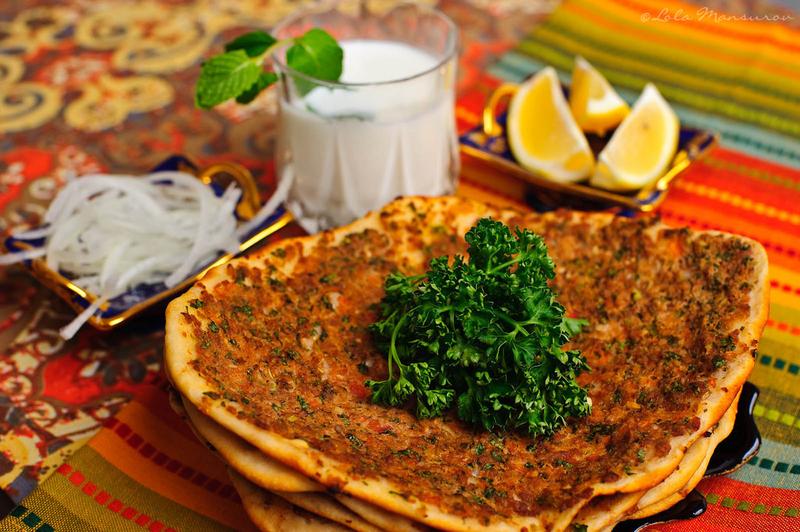
One iconic Armenian dish that has captured the hearts and taste buds of many is lahmajoun. Also known as Armenian pizza, lahmacun is a thin, crispy dough topped with a savoury mixture of minced meat, onions, tomatoes, and spices. This delectable treat is often enjoyed with a squeeze of lemon and a sprinkle of fresh herbs.

Another must-try dish is khorovats, traditional Armenian barbecue. Succulent pieces of marinated meat, usually pork or lamb, are grilled to perfection over an open flame. The smoky aroma and tender texture make khorovats a favourite at gatherings and celebrations.

No exploration of Armenian cuisine would be complete without mentioning dolma. Grape leaves stuffed with a tantalising mixture of rice, minced meat, herbs, and spices create a harmonious blend of flavours that is both comforting and satisfying.

For those with a sweet tooth, Armenian desserts offer a delightful finale to any meal. Indulge in baklava, layers of flaky pastry filled with nuts and sweetened with honey or syrup. The combination of crunchy layers and sticky sweetness makes baklava an irresistible treat.

Whether you are savouring the warmth of homemade dolma or relishing the crispiness of lahmacun, Armenian cuisine promises a culinary journey like no other. Each dish tells a story steeped in tradition and passion, inviting you to experience the vibrant flavours that have been cherished for generations.


Exploring Armenian Cuisine: Popular Dishes, Key Ingredients, and Vegetarian Options

  1. What are some popular Armenian dishes?
  2. How is lahmacun different from traditional pizza?
  3. What are the key ingredients in dolma?
  4. Is Armenian cuisine known for its use of spices?
  5. Are there any vegetarian options in Armenian cuisine?

When exploring Armenian cuisine, you will encounter a diverse array of popular dishes that showcase the country’s culinary prowess. Some of the most beloved Armenian dishes include succulent khorovats (barbecue), flavourful dolma (stuffed grape leaves), aromatic pilaf (rice dish), hearty harissa (a type of porridge), and indulgent baklava (sweet pastry). Each dish boasts a unique blend of spices, fresh ingredients, and traditional cooking methods that have been passed down through generations, making them not only delicious but also a testament to Armenia’s rich gastronomic heritage.

How is lahmacun different from traditional pizza?

When comparing lahmacun to traditional pizza, one can appreciate the distinct characteristics that set these two dishes apart. While pizza typically features a thicker dough base and is topped with a variety of ingredients including cheese, tomato sauce, and assorted toppings, lahmacun stands out for its thin and crispy crust. Lahmacun is traditionally topped with a savoury mixture of minced meat, onions, tomatoes, and spices, offering a flavour profile that is uniquely rich and aromatic. The absence of cheese on lahmacun further distinguishes it from pizza, highlighting the emphasis on the bold flavours of the meat and spices. Overall, lahmacun’s delicate balance of textures and flavours showcases its Armenian heritage and culinary craftsmanship in a way that sets it apart from the more familiar pizza.

What are the key ingredients in dolma?

Dolma, a beloved Armenian dish, features a delectable combination of key ingredients that contribute to its distinctive flavour profile. The traditional recipe for dolma typically includes grape leaves filled with a savoury mixture of rice, minced meat (often lamb or beef), onions, fresh herbs such as parsley and mint, and an array of aromatic spices like cinnamon, allspice, and black pepper. This harmonious blend of ingredients creates a symphony of tastes and textures that make dolma a cherished culinary delight in Armenian cuisine.

Is Armenian cuisine known for its use of spices?

Armenian cuisine is indeed renowned for its skilful use of spices, which play a vital role in creating the distinctive flavours that define many traditional dishes. From aromatic blends like cumin and coriander to earthy notes of paprika and fenugreek, Armenian spices add depth and complexity to a wide variety of recipes. The careful balance of these spices enhances the overall taste profile, making each dish a harmonious symphony of flavours that delights the palate and showcases the culinary expertise that has been passed down through generations in Armenian cooking.

Are there any vegetarian options in Armenian cuisine?

In Armenian cuisine, there are indeed a variety of delicious vegetarian options that cater to those with plant-based diets. One popular vegetarian dish is lentil soup, a hearty and flavourful soup made with lentils, vegetables, and aromatic spices. Additionally, eggplant dolma offers a vegetarian twist on the traditional grape leaf-wrapped dish by filling eggplants with a tasty mixture of rice, herbs, and nuts. Armenians also enjoy khachapuri, a cheese-filled bread that can be made without meat for a satisfying vegetarian meal. These vegetarian options showcase the diversity and creativity of Armenian cuisine, ensuring that everyone can savour the unique flavours of this culinary tradition.

Embracing the Timeless Beauty of Traditional Armenian Culture

traditional

The Beauty of Traditional Armenian Culture

Armenia, a land rich in history and tradition, boasts a vibrant culture that has been passed down through generations. From its ancient rituals to its distinctive music and dance, traditional Armenian culture is a testament to the enduring spirit of its people.

One of the most beloved aspects of Armenian tradition is its cuisine. With dishes like dolma, khorovats (barbecue), and lavash bread, Armenian food is a true reflection of the country’s agricultural heritage and culinary prowess. Each meal is a celebration of local produce and time-honoured recipes that have stood the test of time.

Music also plays a vital role in Armenian culture, with traditional instruments like the duduk producing hauntingly beautiful melodies that speak to the soul. Whether it’s the lively tunes of a traditional dance or the mournful strains of a lullaby, Armenian music captures the essence of the country’s rich cultural tapestry.

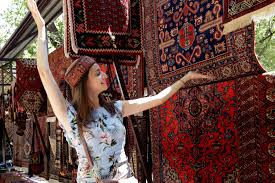
Armenian craftsmanship is another hallmark of traditional culture, with artisans creating intricate carpets, ceramics, and textiles that showcase centuries-old techniques and designs. These handmade treasures not only serve as decorative pieces but also as symbols of Armenia’s artistic heritage.

Throughout Armenia, festivals and celebrations are held to honour traditions and bring communities together. From religious events like Easter and Vardavar to secular festivities such as Navasard, Armenians take pride in preserving their cultural heritage through these joyous occasions.

In essence, traditional Armenian culture is a living testament to the resilience and creativity of its people. By embracing their past while looking towards the future, Armenians continue to uphold their cherished customs and ensure that their heritage remains vibrant for generations to come.


Exploring Armenian Traditions: Food, Music, Crafts, Festivals, and More

  1. What is traditional Armenian food like?
  2. How is traditional Armenian music different from modern music?
  3. What are some traditional Armenian crafts and artworks?
  4. Are there any traditional festivals or celebrations in Armenia?
  5. What role does tradition play in Armenian weddings?
  6. Can you explain the significance of traditional clothing in Armenian culture?
  7. How have traditional Armenian dances evolved over time?
  8. What are some popular traditions associated with New Year’s Eve in Armenia?

What is traditional Armenian food like?

Armenian cuisine is a delightful blend of flavours and textures that reflect the country’s rich culinary heritage. Traditional Armenian food is characterised by its use of fresh ingredients such as fruits, vegetables, herbs, and meats, all sourced locally. From hearty stews like khash to delicate pastries like gata, Armenian dishes are known for their bold flavours and intricate preparation methods. Grilled meats, flatbreads, and an array of mezes (appetisers) are also staples of Armenian cuisine, offering a diverse range of tastes to tantalise the palate. Whether enjoying a festive meal or a simple family gathering, traditional Armenian food is a true embodiment of the country’s cultural identity and hospitality.

How is traditional Armenian music different from modern music?

Traditional Armenian music is deeply rooted in the country’s rich cultural heritage, drawing inspiration from centuries-old melodies and instruments. Unlike modern music, which often incorporates contemporary trends and technologies, traditional Armenian music maintains a distinct sound characterised by the use of traditional instruments like the duduk and tar. The lyrical themes in traditional Armenian music often revolve around folklore, history, and nature, reflecting the deep connection Armenians have with their land and traditions. While modern music may experiment with different genres and styles, traditional Armenian music remains a timeless treasure that continues to evoke emotions and memories of a bygone era.

What are some traditional Armenian crafts and artworks?

Armenia is renowned for its rich tradition of crafts and artworks, showcasing exquisite craftsmanship and artistic expression. Some notable traditional Armenian crafts include intricate carpet weaving, known for its vibrant colours and intricate patterns that tell stories of the region’s history. Additionally, Armenian ceramics feature distinctive designs inspired by nature and ancient motifs, reflecting the country’s cultural heritage. Another prominent art form is khachkar carving, where intricately carved stone crosses serve as symbols of faith and artistic mastery. These traditional Armenian crafts and artworks not only demonstrate the skill and creativity of the artisans but also embody the deep-rooted cultural significance that continues to thrive in Armenia today.

Are there any traditional festivals or celebrations in Armenia?

Armenia is steeped in a rich tapestry of traditional festivals and celebrations that reflect the country’s cultural heritage and community spirit. From religious observances like Easter and Christmas to secular events such as Vardavar and Navasard, Armenians have a deep-rooted tradition of coming together to commemorate special occasions with music, dance, and feasting. These festive gatherings not only serve as a time for merriment and joy but also as an opportunity to honour age-old customs and rituals that have been passed down through generations. The vibrant colours, lively music, and heartfelt camaraderie found at these traditional Armenian festivals offer a glimpse into the soul of this ancient land and its people.

What role does tradition play in Armenian weddings?

Tradition plays a significant role in Armenian weddings, serving as a cornerstone of the celebration and uniting families through time-honoured customs. From the intricate rituals of the Khosk-Kap (engagement) ceremony to the joyous festivities of the Kavor (wedding) ceremony, every aspect of an Armenian wedding is steeped in tradition. Symbolic gestures like the Blessing of the Crowns, where the couple’s heads are adorned with crowns to signify their new roles as king and queen of their own family, highlight the importance of heritage and cultural values in this special occasion. Through these age-old practices, Armenian weddings not only honour the past but also create lasting memories that connect generations and strengthen familial bonds.

Can you explain the significance of traditional clothing in Armenian culture?

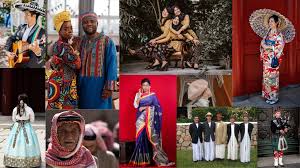
Traditional clothing holds significant cultural importance in Armenian culture, serving as a visual representation of the country’s rich heritage and identity. Each garment, from the intricate patterns of the taraz to the distinctive designs of the headdress, reflects centuries-old traditions and craftsmanship passed down through generations. Armenian traditional clothing not only showcases the artistry and skill of local artisans but also symbolises cultural pride and connection to the country’s history. Wearing traditional attire during special occasions and celebrations is a way for Armenians to honour their roots and preserve their unique cultural legacy for future generations.

How have traditional Armenian dances evolved over time?

Traditional Armenian dances have evolved over time through a fascinating blend of historical influences and cultural adaptations. Rooted in ancient rituals and celebrations, Armenian dances have undergone transformations that reflect the changing dynamics of society while retaining their essence. From the graceful movements of the Kochari to the energetic steps of the Tamzara, each dance tells a story of tradition and innovation. Over the centuries, these dances have been passed down through generations, with subtle variations emerging to suit different regions and occasions. Today, traditional Armenian dances continue to captivate audiences worldwide, serving as a vibrant reminder of the country’s rich cultural heritage and enduring spirit.

In Armenia, New Year’s Eve is a joyous occasion filled with unique traditions and customs. One popular tradition is the preparation of a special festive table called “New Year’s table” where families gather to enjoy a lavish meal together. Another common practice is the custom of exchanging gifts and well-wishes as a symbol of love and goodwill for the coming year. In addition, Armenians often decorate their homes with lights, ornaments, and traditional symbols to create a festive atmosphere. Fireworks displays light up the night sky, adding to the celebratory spirit of New Year’s Eve in Armenia.

Exploring Armenia’s Rich Cultural Heritage

armenia's cultural

The Rich Cultural Heritage of Armenia

Armenia, a country nestled in the Caucasus region, boasts a cultural heritage that is as diverse as it is ancient. From its traditional music and dance to its unique cuisine and craftsmanship, Armenia’s cultural tapestry is woven with threads of history, tradition, and resilience.

Music and Dance

Music and dance hold a special place in Armenian culture. The haunting melodies of the duduk, a traditional woodwind instrument, evoke emotions that resonate with the soul. Armenian folk dances, with their intricate footwork and vibrant costumes, tell stories of love, joy, and triumph.

Cuisine

Armenian cuisine is a reflection of the country’s rich agricultural heritage. Dishes like dolma (stuffed grape leaves), khorovats (barbecue), and lavash (flatbread) are not just meals but expressions of love and hospitality. Armenians take pride in their culinary traditions, passed down through generations.

Craftsmanship

The art of craftsmanship runs deep in Armenian culture. From intricate khachkars (stone crosses) to colourful ceramics and carpets, Armenian artisans showcase their skills through exquisite handiwork. Each piece tells a story of craftsmanship honed over centuries.

Language and Literature

The Armenian language is one of the oldest in the world, with a rich literary tradition to match. Works by renowned poets such as Hovhannes Shiraz and Paruyr Sevak capture the essence of Armenian identity and resilience. Literature has long been a source of pride for Armenians, preserving their stories for future generations.

In conclusion, Armenia’s cultural heritage is a treasure trove waiting to be explored. Its music, dance, cuisine, craftsmanship, language, and literature all contribute to a vibrant tapestry that reflects the soul of this ancient land.


Exploring Armenian Culture: Music, Dance, Cuisine, Craftsmanship, Literature, Language, Festivals, and Modernisation

  1. What traditional music instruments are popular in Armenian culture?
  2. How is dance used to express cultural themes in Armenia?
  3. What are some famous dishes in Armenian cuisine?
  4. How does Armenian craftsmanship reflect the country’s heritage?
  5. Who are some notable poets and writers in Armenian literature?
  6. What role does language play in preserving Armenian culture?
  7. Are there any traditional festivals or celebrations unique to Armenia?
  8. How has modernisation impacted traditional aspects of Armenian culture?

In Armenian culture, several traditional music instruments hold significant popularity and cultural importance. One of the most iconic instruments is the duduk, a hauntingly beautiful woodwind instrument known for its soul-stirring melodies. The duduk’s melancholic tones have the power to evoke deep emotions and are often featured in traditional Armenian music. Additionally, instruments like the zurna (a wind instrument), kamancha (a string instrument), and dhol (a drum) play vital roles in creating the rich tapestry of Armenian musical heritage. Each instrument contributes its unique sound to the vibrant mosaic of Armenian cultural expression, showcasing the depth and diversity of Armenia’s musical traditions.

How is dance used to express cultural themes in Armenia?

Dance in Armenia serves as a powerful medium for expressing cultural themes and narratives. Through intricate footwork, graceful movements, and vibrant costumes, Armenian dance embodies the essence of tradition, history, and identity. Each dance tells a story, whether it be a celebration of love and joy or a depiction of historical events and folklore. The choreography often reflects the rhythms of daily life, agricultural practices, or spiritual beliefs, offering a glimpse into the soul of Armenian culture. By preserving and showcasing traditional dances, Armenians not only honour their heritage but also convey their rich cultural legacy to audiences around the world.

What are some famous dishes in Armenian cuisine?

Armenian cuisine is renowned for its delectable dishes that showcase a blend of flavours and traditions. Some famous dishes in Armenian cuisine include dolma, which consists of grape leaves stuffed with a tantalising mixture of rice, minced meat, and herbs. Another popular dish is khorovats, a flavourful barbecue typically made with marinated meat skewered and grilled to perfection. Additionally, lavash, a thin and soft flatbread baked in a traditional clay oven, is a staple in Armenian meals. These dishes not only satisfy the taste buds but also offer a glimpse into the rich culinary heritage of Armenia.

How does Armenian craftsmanship reflect the country’s heritage?

Armenian craftsmanship serves as a poignant reflection of the country’s rich heritage, encapsulating centuries of tradition, artistry, and cultural identity. From intricately carved khachkars to vibrant ceramics and ornate carpets, each piece crafted by Armenian artisans tells a story deeply rooted in history and symbolism. The meticulous attention to detail and the use of traditional techniques passed down through generations not only showcase the skill and dedication of the craftsmen but also highlight Armenia’s resilience and creativity in preserving its cultural legacy. Through these masterpieces of craftsmanship, Armenia’s heritage is not just preserved but celebrated, offering a glimpse into the soul of a nation with a profound connection to its past.

Who are some notable poets and writers in Armenian literature?

Armenian literature boasts a rich tradition of notable poets and writers who have made significant contributions to the cultural landscape. Among them, Hovhannes Shiraz stands out for his poignant verses that capture the essence of Armenian identity and emotions. Paruyr Sevak is revered for his profound insights into human nature and societal issues. Silva Kaputikyan, known for her lyrical poetry and feminist themes, has left a lasting impact on Armenian literature. These luminaries, among others, have shaped the literary heritage of Armenia and continue to inspire generations with their timeless works.

What role does language play in preserving Armenian culture?

Language plays a pivotal role in preserving Armenian culture as it serves as a vessel for transmitting traditions, values, and stories across generations. The Armenian language, one of the oldest in the world, carries with it the collective memory and identity of the Armenian people. Through literature, poetry, and oral traditions passed down through centuries, language acts as a bridge connecting Armenians to their past and shaping their present. By preserving and promoting the use of the Armenian language, the cultural heritage of Armenia is safeguarded, ensuring that its rich history and traditions continue to thrive in an ever-evolving world.

Are there any traditional festivals or celebrations unique to Armenia?

Armenia is home to a variety of traditional festivals and celebrations that are deeply rooted in its rich cultural heritage. One such unique event is Vardavar, a joyful festival celebrated with water fights and festivities to commemorate the transfiguration of Jesus. Another significant celebration is Trndez, where bonfires are lit to purify and ward off evil spirits on the eve of the Feast of the Presentation of Jesus at the Temple. These traditional festivals not only showcase Armenia’s vibrant customs but also provide a glimpse into the spiritual and cultural essence of the country.

How has modernisation impacted traditional aspects of Armenian culture?

Modernisation has brought both opportunities and challenges to traditional aspects of Armenian culture. While advancements in technology and globalisation have provided new platforms for showcasing and preserving cultural practices, they have also introduced elements that may dilute or overshadow traditional customs. The younger generation’s exposure to Western influences and changing lifestyles has led to a shift in attitudes towards certain traditions. However, efforts are being made to strike a balance between embracing modernity and safeguarding the rich heritage of Armenian culture. By adapting to the demands of the modern world while holding onto key cultural values, Armenians are navigating the complexities of preserving their identity in a rapidly changing society.

Unveiling the Charms of Armenia: A Journey Through History and Beauty

armenia

Discover Armenia

The Beauty and Richness of Armenia

Armenia, a country nestled in the Caucasus region between Europe and Asia, is a land of incredible beauty and rich history. From its stunning landscapes to its ancient cultural heritage, Armenia captivates visitors with its charm and authenticity.

Natural Wonders

Armenia boasts a diverse range of natural landscapes, from lush forests to rugged mountains. The majestic Mount Ararat, with its snow-capped peaks, is an iconic symbol of the country. Lake Sevan, one of the largest high-altitude lakes in the world, offers breathtaking views and opportunities for relaxation.

Cultural Heritage

Armenia has a deep-rooted cultural heritage that dates back thousands of years. The country is home to ancient monasteries, such as Tatev Monastery and Geghard Monastery, which stand as testaments to Armenia’s architectural prowess and religious history. Yerevan, the capital city, blends modernity with tradition, featuring bustling markets and historic landmarks.

Culinary Delights

Armenian cuisine is a true reflection of the country’s history and geography. Dishes like dolma (stuffed grape leaves), lavash (flatbread), and khorovats (barbecue) showcase the richness of Armenian flavours. Visitors can indulge in local wines and brandies that have gained international acclaim.

Hospitality and Warmth

One of the defining characteristics of Armenia is the hospitality of its people. Armenians are known for their warmth and generosity towards guests, making visitors feel welcome and at home. Traditional dances, music performances, and festivals offer glimpses into Armenian culture and traditions.

Plan Your Visit

Whether you are drawn to its natural wonders, cultural sites, or culinary delights, Armenia has something for every traveller. Explore this hidden gem in the Caucasus region and immerse yourself in the beauty and richness of Armenia.


Discover Armenia: A Land of Rich Heritage, Natural Beauty, and Warm Hospitality

  1. Rich cultural heritage spanning millennia
  2. Stunning natural landscapes, from mountains to lakes
  3. Warm hospitality and friendliness of the locals
  4. Delicious and diverse Armenian cuisine
  5. Historic monasteries and architectural wonders
  6. Unique traditional music and dance performances
  7. Affordable travel destination with great value for money
  8. Safe and welcoming environment for tourists
  9. Opportunities for outdoor activities like hiking and skiing


Challenges Faced by Visitors to Armenia: Transportation, Language, Weather, Amenities, and Politics

  1. Limited public transportation options in some areas
  2. Language barrier for non-Armenian speakers
  3. Seasonal weather extremes, with hot summers and cold winters
  4. Some regions may have limited access to modern amenities
  5. Potential political tensions in the region

Rich cultural heritage spanning millennia

Armenia boasts a rich cultural heritage that spans millennia, making it a treasure trove of history and tradition. From ancient monasteries to intricate architectural wonders, Armenia’s cultural legacy reflects the depth of its historical roots. The country’s art, music, and literature showcase a vibrant tapestry of creativity that has been nurtured over centuries. Visitors to Armenia are immersed in a world where every stone tells a story and every tradition carries the weight of generations past, creating an enriching experience that resonates with the echoes of time.

Stunning natural landscapes, from mountains to lakes

Armenia’s breathtaking natural landscapes, ranging from majestic mountains to serene lakes, showcase the country’s unparalleled beauty. The rugged peaks of Mount Ararat and the tranquil waters of Lake Sevan offer visitors a glimpse into Armenia’s diverse and awe-inspiring geography. Whether exploring the lush forests or admiring the snow-capped summits, Armenia’s picturesque scenery never fails to captivate and inspire all who venture into its stunning surroundings.

Warm hospitality and friendliness of the locals

Travellers to Armenia are often enchanted by the warm hospitality and genuine friendliness of the locals. Armenians have a deep-rooted culture of welcoming guests with open arms, making visitors feel like cherished friends from the moment they arrive. Whether sharing a traditional meal, engaging in heartfelt conversations, or receiving assistance and guidance, the genuine warmth and kindness of the Armenian people create memorable experiences that leave a lasting impression on all who have the pleasure of encountering their hospitality.

Delicious and diverse Armenian cuisine

Armenia is renowned for its delicious and diverse cuisine, offering a culinary experience that delights the senses. From traditional dishes like dolma and lavash to mouth-watering kebabs and sweet treats such as baklava, Armenian cuisine is a true reflection of the country’s rich history and cultural influences. The use of fresh ingredients, aromatic herbs, and unique spices creates a symphony of flavours that captivates food enthusiasts from around the world. Whether enjoying a hearty meal in a local tavern or sampling street food at bustling markets, exploring Armenian cuisine is a journey of discovery and delight for the taste buds.

Historic monasteries and architectural wonders

Armenia boasts a remarkable array of historic monasteries and architectural wonders that showcase the country’s rich cultural heritage. From the intricate carvings of Geghard Monastery to the breathtaking setting of Tatev Monastery perched on a cliff edge, these ancient sites offer a glimpse into Armenia’s past glory and architectural prowess. Each monastery tells a story of faith, resilience, and artistic excellence, making them not just architectural marvels but also spiritual landmarks that have stood the test of time. Whether exploring the intricate details of Khachkars or marvelling at the grandeur of medieval churches, visitors to Armenia are sure to be captivated by the beauty and significance of these historic treasures.

Unique traditional music and dance performances

Armenia’s vibrant cultural scene is enriched by its unique traditional music and dance performances. Rooted in centuries-old traditions, Armenian music and dance showcase the country’s rich heritage and artistic expression. From the soul-stirring melodies of duduk, a traditional Armenian woodwind instrument, to the energetic movements of traditional dances like Kochari and Tamzara, these performances captivate audiences with their authenticity and passion. Through music and dance, Armenia preserves its cultural identity and invites others to experience the beauty of its artistic traditions.

Affordable travel destination with great value for money

Armenia stands out as an affordable travel destination that offers exceptional value for money. With its budget-friendly accommodation options, reasonably priced dining experiences featuring delicious local cuisine, and affordable transportation within the country, visitors can explore Armenia without breaking the bank. This makes it an ideal choice for travellers seeking a memorable and cost-effective journey filled with cultural discoveries and scenic adventures.

Safe and welcoming environment for tourists

Armenia offers a safe and welcoming environment for tourists, making it an ideal destination for travellers seeking peace of mind and genuine hospitality. The country’s low crime rates and friendly locals create a sense of security that allows visitors to explore its rich cultural heritage and natural beauty without hesitation. From the bustling streets of Yerevan to the serene countryside, tourists can experience the warmth and generosity of the Armenian people, ensuring a memorable and enjoyable stay in this hospitable nation.

Opportunities for outdoor activities like hiking and skiing

Armenia offers abundant opportunities for outdoor enthusiasts seeking adventure in the midst of stunning natural landscapes. From exhilarating hiking trails that lead to panoramic views of mountains and valleys to world-class skiing resorts with powdery slopes, Armenia caters to those looking to embrace the great outdoors. Whether you are a seasoned hiker or an avid skier, the diverse terrain and favourable climate of Armenia provide the perfect setting for unforgettable outdoor experiences.

Limited public transportation options in some areas

Limited public transportation options in certain areas of Armenia present a challenge for residents and visitors alike. Access to efficient and reliable transportation is essential for mobility and connectivity, yet some regions may lack adequate infrastructure or frequency of services. This limitation can impact daily commutes, access to essential services, and overall convenience for individuals relying on public transport. Addressing this issue could enhance accessibility and improve the quality of life for communities in these underserved areas.

Language barrier for non-Armenian speakers

Travelling in Armenia can present a challenge for non-Armenian speakers due to the prevalent language barrier. Armenian is the official language of the country, and while many Armenians do speak English, especially in urban areas and tourist spots, communication outside these areas can be difficult. This language barrier may hinder seamless interactions with locals, navigating public transportation, or fully understanding cultural nuances. However, with some basic phrases and a willingness to embrace non-verbal communication, visitors can still enjoy all that Armenia has to offer while immersing themselves in a truly authentic experience.

Seasonal weather extremes, with hot summers and cold winters

Armenia’s seasonal weather extremes present a challenge to residents and visitors alike, with scorching hot summers and bitterly cold winters. The contrast between the two seasons can be stark, requiring individuals to adapt to significant temperature fluctuations throughout the year. While the summer sun can be intense, offering opportunities for outdoor activities and exploration, the winter chill brings heavy snowfall and frosty conditions that necessitate careful preparation. Despite these weather challenges, Armenia’s unique climate adds a distinct character to the country’s landscape and contributes to its diverse appeal for those seeking both summer warmth and winter wonderland experiences.

Some regions may have limited access to modern amenities

In certain regions of Armenia, limited access to modern amenities can pose a challenge for residents and visitors alike. While major cities like Yerevan may offer a range of facilities and services, more remote areas could experience constraints in terms of infrastructure, technology, and conveniences. This disparity in access to modern amenities highlights the need for continued development and investment to ensure that all regions of Armenia can benefit from essential resources and services for a better quality of life.

Potential political tensions in the region

Armenia faces the con of potential political tensions in the region, stemming from its complex geopolitical landscape and historical conflicts. The country’s proximity to various contentious borders and ongoing disputes can lead to instability and uncertainty. These political tensions pose challenges for Armenia’s development and can impact both domestic affairs and international relations. Navigating this delicate balance requires diplomatic finesse and a proactive approach to promoting peace and stability in the region.

Unveiling the Charms of Armenia: Explore its Hidden Treasures

explore armenia

Explore Armenia

Discover the Hidden Gems of Armenia

Armenia, a land of ancient history and breathtaking landscapes, offers a treasure trove of experiences for adventurous travellers. From the stunning monasteries perched on rugged cliffs to the lush green valleys dotted with vineyards, Armenia is a destination waiting to be explored.

Unravel the Mysteries of Armenian Culture

Immerse yourself in the vibrant culture of Armenia by visiting its bustling markets, sampling traditional cuisine, and witnessing colourful festivals that celebrate age-old traditions. The warmth and hospitality of the Armenian people will make you feel right at home as you delve into their rich heritage.

Embark on a Journey Through Time

Step back in time as you wander through ancient ruins and medieval fortresses that bear witness to Armenia’s storied past. Marvel at intricate carvings on stone crosses and explore caves where early Christian monks sought solace. Each historical site has a tale to tell, waiting for you to uncover its secrets.

Indulge in Nature’s Splendour

Armenia’s diverse landscapes offer something for every nature lover. Hike through lush forests, swim in crystal-clear lakes, or ski down snow-capped mountains – the choices are endless. Don’t miss the chance to visit Lake Sevan, one of the largest high-altitude lakes in the world, or take a scenic drive along winding roads that offer panoramic views of the countryside.

Plan Your Adventure Today

Whether you’re seeking cultural immersion, historical exploration, or outdoor escapades, Armenia has it all. Pack your bags and set out on an unforgettable journey to discover the beauty and charm of this hidden gem in the Caucasus region. Let Armenia captivate your heart and soul as you explore its wonders.


Exploring Armenia: A Guide to Historical Sites, Cultural Experiences, Outdoor Adventures, Natural Landscapes, and Guided Tours

  1. What are the must-visit historical sites in Armenia?
  2. How can I experience Armenian culture through traditional food and festivals?
  3. What outdoor activities are popular in Armenia for adventure seekers?
  4. What are the best ways to explore Armenia’s natural landscapes, such as Lake Sevan and Mount Ararat?
  5. Are there guided tours available to help visitors discover the hidden gems of Armenia?

What are the must-visit historical sites in Armenia?

When exploring Armenia, one cannot miss the opportunity to visit its must-visit historical sites that encapsulate the country’s rich past. From the ancient Garni Temple, a symbol of Hellenistic architecture, to the majestic Tatev Monastery, perched dramatically on a cliff edge, each site offers a unique glimpse into Armenia’s history and cultural heritage. The historic Geghard Monastery, carved into the rock face, and the UNESCO-listed Haghpat Monastery are also not to be missed, showcasing intricate craftsmanship and spiritual significance. These iconic landmarks stand as testaments to Armenia’s enduring legacy and are essential stops for any history enthusiast venturing through this fascinating country.

How can I experience Armenian culture through traditional food and festivals?

To immerse yourself in the vibrant tapestry of Armenian culture through traditional food and festivals, embark on a culinary journey that tantalises your taste buds and celebrates the rich heritage of this ancient land. Indulge in authentic dishes like dolma, khorovats, and lavash, savouring the unique flavours and aromas that have been passed down through generations. Attend lively festivals such as Vardavar and Navasard, where you can witness traditional dances, music performances, and rituals that showcase the spirit of Armenia. By embracing the culinary delights and festive traditions of Armenia, you will not only satisfy your appetite but also gain a deeper appreciation for the cultural richness that defines this captivating country.

For adventure seekers visiting Armenia, a wide array of exciting outdoor activities awaits amidst its stunning natural landscapes. Hiking enthusiasts can trek through picturesque trails in Dilijan National Park or scale the majestic peaks of Mount Aragats for a thrilling challenge. Rock climbing aficionados will find their paradise in the towering cliffs of Noravank Gorge, while adrenaline junkies can opt for white-water rafting adventures on the fast-flowing rivers such as the Debed or Vorotan. Additionally, exploring the rugged terrain on horseback or embarking on off-road jeep tours to remote villages provides a unique perspective of Armenia’s raw beauty for those seeking an unforgettable outdoor experience.

What are the best ways to explore Armenia’s natural landscapes, such as Lake Sevan and Mount Ararat?

When it comes to exploring Armenia’s natural landscapes, including the picturesque Lake Sevan and the majestic Mount Ararat, there are several fantastic ways to immerse yourself in their beauty. One of the best ways to experience Lake Sevan is by taking a leisurely boat ride across its tranquil waters, allowing you to appreciate the surrounding mountains and lush scenery from a unique perspective. For adventurers seeking a challenge, hiking trails around Mount Ararat offer breathtaking views and a chance to connect with nature on a deeper level. Additionally, guided tours or self-drive excursions allow you to tailor your exploration to suit your preferences, ensuring an unforgettable journey through Armenia’s stunning natural wonders.

Are there guided tours available to help visitors discover the hidden gems of Armenia?

For those eager to uncover the hidden gems of Armenia, guided tours offer a convenient and enriching way to explore this captivating country. With knowledgeable guides leading the way, visitors can delve into Armenia’s rich history, vibrant culture, and stunning landscapes with ease. Whether you’re interested in ancient monasteries, traditional markets, or scenic nature spots, guided tours provide valuable insights and insider perspectives that enhance the overall experience of discovering Armenia’s treasures. From personalised itineraries to expert commentary, these tours cater to a range of interests and ensure that every visitor can make the most of their exploration journey in Armenia.

Unveiling Armenia’s Rich Heritage: A Journey of Discovery

discover armenia's heritage

Discover Armenia’s Heritage

Armenia, a country steeped in history and culture, boasts a rich and diverse heritage that spans thousands of years. From ancient archaeological sites to vibrant traditions, exploring Armenia’s heritage offers a fascinating journey into the past.

One of the most iconic symbols of Armenia’s heritage is the majestic Mount Ararat, a dormant volcano that holds great significance in Armenian history and mythology. The mountain is believed to be the resting place of Noah’s Ark, making it a symbol of rebirth and renewal for the Armenian people.

Armenia is also home to numerous UNESCO World Heritage Sites, such as the stunning monasteries of Geghard and Haghpat. These architectural marvels showcase the intricate craftsmanship and spiritual devotion of Armenian artisans throughout the centuries.

The country’s traditional music and dance forms an integral part of its heritage, with performances often featuring vibrant costumes and energetic movements that reflect Armenia’s cultural identity. Festivals like Vardavar and Navasard celebrate ancient customs and rituals that have been passed down through generations.

Armenian cuisine is another cornerstone of the country’s heritage, with dishes like dolma, lavash bread, and baklava delighting taste buds around the world. Food plays a central role in Armenian culture, bringing families together to share meals and stories passed down from ancestors.

Exploring Armenia’s heritage offers a glimpse into a world where tradition meets modernity, where ancient ruins stand alongside bustling cities, and where hospitality is extended to all who visit. Whether you’re drawn to its historical sites, cultural traditions, or culinary delights, Armenia invites you to discover the beauty of its rich heritage.


Uncover Armenia’s Rich Heritage: 6 Essential Tips for an Authentic Experience

  1. Visit historical sites such as Garni Temple and Tatev Monastery
  2. Explore museums like the Matenadaran and History Museum of Armenia
  3. Attend traditional festivals to experience Armenian culture first-hand
  4. Sample local cuisine, including dishes like dolma and lavash bread
  5. Take a guided tour to learn about the rich history and heritage of Armenia
  6. Shop for authentic Armenian handicrafts as souvenirs

Visit historical sites such as Garni Temple and Tatev Monastery

When exploring Armenia’s rich heritage, a visit to historical sites like Garni Temple and Tatev Monastery is a must. The ancient Garni Temple, a symbol of pre-Christian Armenia, stands proudly against the backdrop of stunning mountain scenery, offering a glimpse into the country’s pagan past. On the other hand, Tatev Monastery, perched high on a cliff overlooking breathtaking landscapes, showcases the architectural and spiritual prowess of medieval Armenia. These sites not only provide insight into Armenia’s history but also evoke a sense of wonder and reverence for the country’s cultural legacy.

Explore museums like the Matenadaran and History Museum of Armenia

When delving into Armenia’s rich heritage, a must-do tip is to explore museums like the Matenadaran and History Museum of Armenia. These cultural institutions offer a treasure trove of artefacts, manuscripts, and exhibits that provide valuable insights into the country’s history, art, and traditions. By immersing yourself in the collections housed within these museums, you can deepen your understanding of Armenia’s cultural legacy and appreciate the significance of its heritage in a meaningful way.

Attend traditional festivals to experience Armenian culture first-hand

Immerse yourself in the vibrant tapestry of Armenian culture by attending traditional festivals. These lively events offer a unique opportunity to witness age-old customs, music, dance, and culinary delights up close. By participating in these festivals, you can engage with local traditions, connect with the community, and gain a deeper appreciation for Armenia’s rich heritage. Whether it’s the joyous celebrations of Vardavar or the ancient rituals of Navasard, attending these festivals provides a firsthand experience of the cultural richness that defines Armenia.

Sample local cuisine, including dishes like dolma and lavash bread

When delving into Armenia’s rich heritage, a must-do tip is to sample the local cuisine, which includes mouth-watering dishes like dolma and lavash bread. Dolma, a delectable dish of grape leaves stuffed with a tantalising mixture of rice, meat, and herbs, offers a burst of flavours that embody the essence of Armenian culinary tradition. Pair it with soft and thin lavash bread, a staple in Armenian meals known for its versatility and delightful taste. By savouring these authentic dishes, one not only indulges in the flavours of Armenia but also experiences a direct connection to its cultural roots through food.

Take a guided tour to learn about the rich history and heritage of Armenia

Embarking on a guided tour is a fantastic way to delve into the captivating history and heritage of Armenia. With an experienced guide leading the way, you can gain valuable insights into the country’s ancient sites, cultural traditions, and architectural wonders. From exploring ancient monasteries to immersing yourself in traditional Armenian music and dance, a guided tour offers a comprehensive and enlightening experience that brings the rich heritage of Armenia to life.

Shop for authentic Armenian handicrafts as souvenirs

When exploring Armenia’s heritage, a delightful way to cherish your experience is by shopping for authentic Armenian handicrafts as souvenirs. From intricately woven carpets and delicate ceramics to beautifully crafted jewellery and traditional textiles, these unique treasures not only serve as mementos of your journey but also encapsulate the artistry and craftsmanship that have been passed down through generations in Armenia. By bringing home these souvenirs, you can carry a piece of Armenia’s rich cultural heritage with you and support local artisans who continue to keep these traditions alive.

Unveiling Armenian Culture: Insights into a Rich Heritage

armenian culture insights

The Rich Tapestry of Armenian Culture: Insights and Traditions

Armenia, a country steeped in history and tradition, boasts a culture that is as diverse as it is vibrant. From its ancient roots to modern influences, Armenian culture offers a fascinating tapestry of customs, arts, and beliefs that have endured through the ages.

Historical Heritage

Armenian culture is deeply intertwined with its rich historical heritage. The country’s ancient past is reflected in its archaeological sites, such as the UNESCO World Heritage-listed Geghard Monastery and the stunning rock formations of Garni Temple. These relics serve as reminders of Armenia’s enduring legacy.

Culinary Delights

No exploration of Armenian culture would be complete without delving into its culinary traditions. From succulent kebabs to hearty stews, Armenian cuisine is a delightful fusion of flavours influenced by its Middle Eastern and Mediterranean neighbours. Dishes like dolma (stuffed grape leaves) and lavash (traditional flatbread) are staples that showcase the country’s gastronomic prowess.

Artistic Expressions

The arts play a vital role in Armenian culture, with music, dance, and literature holding significant importance. Traditional folk dances like the Kochari and Tariri are lively expressions of joy and celebration, while classical music maestros like Aram Khachaturian have left an indelible mark on the world stage.

Festivals and Celebrations

Throughout the year, Armenians come together to celebrate a myriad of festivals that reflect their cultural identity. Events like Vardavar (the water festival) and Navasard (the new year celebration) are marked by colourful traditions and joyful gatherings that bring communities closer.

Spirituality and Beliefs

Armenia’s spiritual heritage is deeply rooted in Christianity, with the country being one of the first to adopt the faith in the early 4th century. Churches like Etchmiadzin Cathedral stand as testaments to Armenia’s enduring faith and spiritual devotion.

In conclusion, Armenian culture offers a treasure trove of insights into a land brimming with history, creativity, and resilience. It is a culture that continues to captivate hearts and minds around the world, inviting all who seek to explore its wonders.


Exploring Armenian Culture: 7 Key Insights into Traditions and Heritage

  1. Armenians have a strong sense of community and hospitality, often welcoming guests with open arms.
  2. Traditional Armenian cuisine is rich in flavours and includes dishes like dolma, kebabs, and lavash.
  3. The Armenian Apostolic Church plays a significant role in the culture, with ancient monasteries and churches scattered throughout the country.
  4. Armenians have a deep respect for their elders and value family relationships highly.
  5. Armenian music is diverse, ranging from traditional folk songs to modern pop and rock genres.
  6. Apricots hold special significance in Armenian culture as they are considered the national fruit.
  7. Armenians have a rich history of craftsmanship, particularly known for intricate carpet weaving and pottery.

Armenians have a strong sense of community and hospitality, often welcoming guests with open arms.

Armenians are known for their strong sense of community and hospitality, exemplified by their warm and welcoming nature towards guests. It is a cultural norm for Armenians to greet visitors with open arms, treating them with kindness and generosity. This tradition of hospitality runs deep in Armenian culture, reflecting the values of camaraderie and inclusivity that are cherished within the community. Whether it’s sharing a meal or engaging in heartfelt conversations, Armenians take pride in creating a welcoming environment that fosters connections and meaningful relationships.

Traditional Armenian cuisine is rich in flavours and includes dishes like dolma, kebabs, and lavash.

Traditional Armenian cuisine is a culinary delight that tantalises the taste buds with its rich array of flavours and textures. From the succulent goodness of dolma, the aromatic spices of kebabs, to the comforting warmth of lavash, each dish tells a story of tradition and heritage. The intricate blend of ingredients and cooking techniques in Armenian cuisine reflects the country’s diverse cultural influences and deep-rooted culinary traditions, making it a truly unforgettable gastronomic experience.

The Armenian Apostolic Church plays a significant role in the culture, with ancient monasteries and churches scattered throughout the country.

The Armenian Apostolic Church holds a pivotal position in Armenian culture, exerting a profound influence that resonates throughout the country. Its presence is evident in the multitude of ancient monasteries and churches that dot the Armenian landscape, serving as both spiritual sanctuaries and architectural marvels. These sacred sites not only embody centuries of religious devotion but also stand as testaments to Armenia’s enduring faith and cultural heritage. The intricate carvings, ornate frescoes, and serene settings of these religious edifices offer visitors a glimpse into a rich tapestry of traditions that have shaped Armenia’s identity over millennia.

Armenians have a deep respect for their elders and value family relationships highly.

In Armenian culture, there is a profound reverence for elders and a strong emphasis on the importance of family bonds. Armenians hold their elders in high esteem, viewing them as sources of wisdom, guidance, and experience. Family relationships are cherished and nurtured, with gatherings often centred around shared meals and heartfelt conversations. This deep respect for elders and the value placed on family connections serve as pillars that uphold the rich tapestry of Armenian culture, fostering a sense of unity and belonging within the community.

Armenian music is diverse, ranging from traditional folk songs to modern pop and rock genres.

Armenian music is a vibrant reflection of the country’s rich cultural heritage, encompassing a wide spectrum of styles and genres. From soul-stirring traditional folk songs that have been passed down through generations to the dynamic sounds of modern pop and rock, Armenian music captivates audiences with its diversity and creativity. Whether it’s the haunting melodies of ancient instruments or the energetic beats of contemporary compositions, Armenian music showcases a blend of tradition and innovation that resonates with listeners worldwide.

Apricots hold special significance in Armenian culture as they are considered the national fruit.

In Armenian culture, apricots hold a special significance as they are revered as the national fruit. Known for their luscious flavour and vibrant colour, apricots symbolize abundance, fertility, and prosperity in Armenian traditions. The cultivation of apricots has deep roots in the country’s agricultural history, showcasing the importance of this fruit in shaping Armenian cuisine and cultural practices.

Armenians have a rich history of craftsmanship, particularly known for intricate carpet weaving and pottery.

Armenians have a longstanding tradition of craftsmanship, renowned for their exquisite skills in intricate carpet weaving and pottery. The art of carpet weaving has been passed down through generations, with each rug telling a unique story through its vibrant colours and intricate patterns. Similarly, Armenian pottery reflects the country’s artistic heritage, with artisans creating stunning pieces that blend traditional techniques with modern designs. These crafts not only showcase Armenia’s rich cultural heritage but also serve as a testament to the creativity and skill of its people.

Exploring the Enchanting Realm of Armenian Culture

armenian culture

The Rich Tapestry of Armenian Culture

Armenia, a land steeped in history and tradition, boasts a vibrant and diverse culture that has captivated people around the world. From its ancient roots to its modern expressions, Armenian culture is a tapestry woven with unique customs, art forms, and beliefs.

History and Heritage

Armenian culture is deeply influenced by its rich history, dating back thousands of years. The country’s strategic location at the crossroads of Europe and Asia has exposed it to various cultural influences, resulting in a unique blend of traditions. From the majestic churches and monasteries dotting the landscape to the intricate carvings on khachkars (cross-stones), Armenia’s heritage is proudly showcased through its architectural marvels.

Cuisine and Hospitality

No exploration of Armenian culture is complete without delving into its delectable cuisine. Known for its flavourful dishes such as dolma (stuffed grape leaves), khorovats (barbecue), and lavash (flatbread), Armenian food reflects the country’s agricultural abundance and culinary creativity. Hospitality plays a central role in Armenian culture, with guests often being welcomed with open arms and treated to an array of traditional delicacies.

Arts and Crafts

The artistic spirit runs deep in Armenia, with a long-standing tradition of craftsmanship evident in various art forms. From intricate embroidery to colourful ceramics, Armenian artisans have mastered techniques that have been passed down through generations. Music also holds a special place in Armenian culture, with soul-stirring melodies of duduk (woodwind instrument) resonating through ancient valleys.

Festivals and Celebrations

Throughout the year, Armenians come together to celebrate a myriad of festivals that are steeped in tradition and symbolism. Whether it’s the joyous festivities of Vardavar or the solemn observance of Easter, these events serve as an opportunity for communities to bond over shared customs and beliefs.

Preservation and Innovation

While preserving age-old traditions remains paramount in Armenian culture, there is also a spirit of innovation that drives creative expression. Contemporary artists, musicians, and designers are reimagining traditional motifs in modern contexts, bridging the gap between past and present.

In conclusion, Armenian culture stands as a testament to resilience, creativity, and unity. It continues to inspire awe and admiration among those who seek to unravel its mysteries and immerse themselves in its timeless beauty.


Celebrating the Rich Tapestry of Armenian Culture: Heritage, Hospitality, and Harmony

  1. Rich historical heritage dating back thousands of years.
  2. Vibrant and diverse culinary traditions featuring unique flavours and dishes.
  3. Hospitality that is warm, welcoming, and deeply ingrained in societal norms.
  4. Artistic excellence showcased through intricate crafts like embroidery and ceramics.
  5. Musical heritage highlighted by the hauntingly beautiful sounds of the duduk.
  6. Festivals and celebrations that bring communities together in joyous unity.
  7. A culture that seamlessly blends tradition with innovation, embracing both past and present.


Exploring Challenges in Armenian Culture: Gender Roles, Family Dynamics, and Modernisation

  1. Limited gender equality in traditional societal roles.
  2. Strict adherence to hierarchical family structures may limit individual autonomy.
  3. Historical conflicts and geopolitical tensions have influenced cultural narratives.
  4. Challenges in preserving endangered dialects and languages within the culture.
  5. Economic disparities impacting access to cultural resources and opportunities.
  6. Resistance to change or modernization in certain aspects of cultural practices.

Rich historical heritage dating back thousands of years.

Armenian culture boasts a remarkable pro in its rich historical heritage that traces back thousands of years. This deep-rooted history serves as a testament to the resilience and endurance of the Armenian people through various periods of prosperity and adversity. From ancient civilizations to medieval kingdoms, Armenia’s historical legacy is a treasure trove of knowledge, traditions, and customs that continue to shape the country’s identity and influence its modern cultural landscape.

Vibrant and diverse culinary traditions featuring unique flavours and dishes.

Armenian culture shines brightly through its vibrant and diverse culinary traditions, showcasing a delightful array of unique flavours and dishes. From the succulent khorovats (barbecue) to the aromatic dolma (stuffed grape leaves) and the comforting lavash (flatbread), Armenian cuisine is a true reflection of the country’s rich history and agricultural abundance. Each dish tells a story, blending traditional ingredients with innovative techniques to create a culinary experience that is both distinctive and unforgettable. The fusion of bold spices, fresh herbs, and hearty ingredients embodies the essence of Armenian culture, inviting food enthusiasts to savour a taste of tradition unlike any other.

Hospitality that is warm, welcoming, and deeply ingrained in societal norms.

Armenian culture is renowned for its exceptional hospitality, a cherished pro that is characterised by warmth, openness, and a deep-rooted presence in societal norms. The tradition of welcoming guests with genuine warmth and generosity is ingrained in the fabric of Armenian society, reflecting a profound respect for visitors and a strong sense of community. Whether it’s inviting guests into their homes for a meal or offering a helping hand to strangers in need, Armenians exemplify the true essence of hospitality, creating lasting bonds and fostering a sense of belonging for all who cross their path.

Artistic excellence showcased through intricate crafts like embroidery and ceramics.

Armenian culture shines brightly through its artistic excellence, exemplified by the intricate crafts of embroidery and ceramics. Skilled artisans meticulously weave stories and traditions into every stitch of embroidered fabric, creating masterpieces that are both visually captivating and culturally significant. Similarly, the art of ceramic-making in Armenia showcases a harmonious blend of creativity and craftsmanship, with each piece reflecting a deep-rooted connection to the country’s heritage. Through these exquisite forms of expression, Armenian culture not only preserves its rich artistic traditions but also invites admiration for its unparalleled dedication to craftsmanship.

Musical heritage highlighted by the hauntingly beautiful sounds of the duduk.

Armenian culture boasts a captivating musical heritage, with one of its standout features being the hauntingly beautiful sounds of the duduk. This ancient woodwind instrument, traditionally crafted from apricot wood, produces soul-stirring melodies that evoke a sense of melancholy and nostalgia. The duduk’s unique timbre and emotive qualities have made it a symbol of Armenian music, transcending borders to touch the hearts of listeners worldwide. Its ethereal notes resonate through valleys and ancient landscapes, carrying with them the rich history and profound emotions embedded in Armenian culture.

Festivals and celebrations that bring communities together in joyous unity.

One of the most enchanting aspects of Armenian culture is the array of festivals and celebrations that serve as vibrant threads weaving communities together in joyous unity. These festive occasions, steeped in tradition and symbolism, not only offer a time for merriment and revelry but also create a strong sense of togetherness among people. Whether it’s the colourful dances of Navasard or the jubilant gatherings during New Year celebrations, these events provide a platform for individuals to connect, share in collective happiness, and strengthen the bonds that tie them to their cultural roots.

A culture that seamlessly blends tradition with innovation, embracing both past and present.

Armenian culture shines as a beacon of tradition and innovation harmoniously intertwined, where the reverence for heritage coexists with a forward-thinking spirit. This unique quality allows Armenia to embrace its rich past while embracing the opportunities of the present, creating a dynamic cultural landscape that honours its roots while fostering creativity and progress.

Limited gender equality in traditional societal roles.

In traditional Armenian culture, a notable con lies in the limited gender equality within societal roles. Deep-rooted norms and expectations often assign specific roles and responsibilities based on gender, creating barriers for individuals to break free from traditional stereotypes. Women, in particular, may face challenges in achieving equal opportunities and recognition in various spheres of society. This imbalance restricts the full potential of both men and women, hindering progress towards a more inclusive and egalitarian society where all individuals can thrive regardless of gender. Efforts towards promoting gender equality and challenging outdated norms are crucial steps towards fostering a more equitable and progressive Armenian society.

Strict adherence to hierarchical family structures may limit individual autonomy.

In Armenian culture, a con that is often observed is the strict adherence to hierarchical family structures, which can potentially limit individual autonomy. The emphasis on respect for elders and the authority of family elders may sometimes restrict the freedom of younger generations to make independent decisions or pursue personal aspirations. This traditional framework, while rooted in values of family unity and collective welfare, can create challenges for individuals seeking to assert their own identity and exercise autonomy in a society where familial bonds hold significant importance. Striking a balance between upholding cultural traditions and fostering individual empowerment remains a delicate yet essential aspect of navigating the complexities of Armenian familial dynamics.

Historical conflicts and geopolitical tensions have influenced cultural narratives.

Historical conflicts and geopolitical tensions have undeniably left their mark on Armenian culture, shaping its narratives in profound ways. The legacy of past struggles and territorial disputes has woven a complex tapestry of stories and perspectives that reflect the enduring impact of these challenges. These historical wounds have not only influenced art, literature, and music but have also embedded themselves in the collective memory of the Armenian people, adding layers of depth and nuance to their cultural identity. Despite the shadows cast by these conflicts, Armenians have shown resilience in preserving their heritage and using their cultural narratives as a means of both remembrance and resilience in the face of adversity.

Challenges in preserving endangered dialects and languages within the culture.

Preserving endangered dialects and languages within Armenian culture poses a significant challenge in today’s rapidly changing world. As globalisation and modernisation take hold, younger generations are often drawn towards more widely spoken languages, leading to a decline in the usage of traditional Armenian dialects. Efforts to safeguard these linguistic treasures require a concerted push to raise awareness, provide educational resources, and create opportunities for intergenerational language transmission. The loss of these unique dialects not only erodes cultural diversity but also diminishes a vital link to Armenia’s past and the stories embedded within its linguistic heritage. It is imperative for communities and institutions to work together in preserving and revitalising these endangered languages to ensure their survival for future generations.

Economic disparities impacting access to cultural resources and opportunities.

In Armenian culture, one significant challenge lies in the economic disparities that hinder equal access to cultural resources and opportunities. The divide between socio-economic classes can limit individuals’ ability to engage fully in cultural activities, such as attending performances, visiting museums, or participating in traditional events. This disparity not only restricts the enrichment of those from lower-income backgrounds but also hampers the overall diversity and inclusivity of Armenian cultural experiences. Efforts to address these economic barriers are crucial to ensuring that all members of society can partake in and contribute to the preservation and evolution of Armenia’s rich cultural heritage.

Resistance to change or modernization in certain aspects of cultural practices.

In certain aspects of Armenian culture, a notable con is the resistance to change or modernization in traditional cultural practices. While the preservation of heritage is crucial for maintaining identity and continuity, the reluctance to adapt to evolving societal norms and technologies can hinder progress and innovation. This resistance may lead to a disconnect between older generations who uphold longstanding customs and younger individuals seeking to embrace contemporary lifestyles. Finding a balance between honouring the past and embracing the future is essential for ensuring the vitality and relevance of Armenian culture in an ever-changing world.