Traditional Sinigang Recipe: A Taste of Filipino Comfort Food
sinigang recipe

The Perfect Sinigang Recipe: A Taste of Filipino Comfort Food

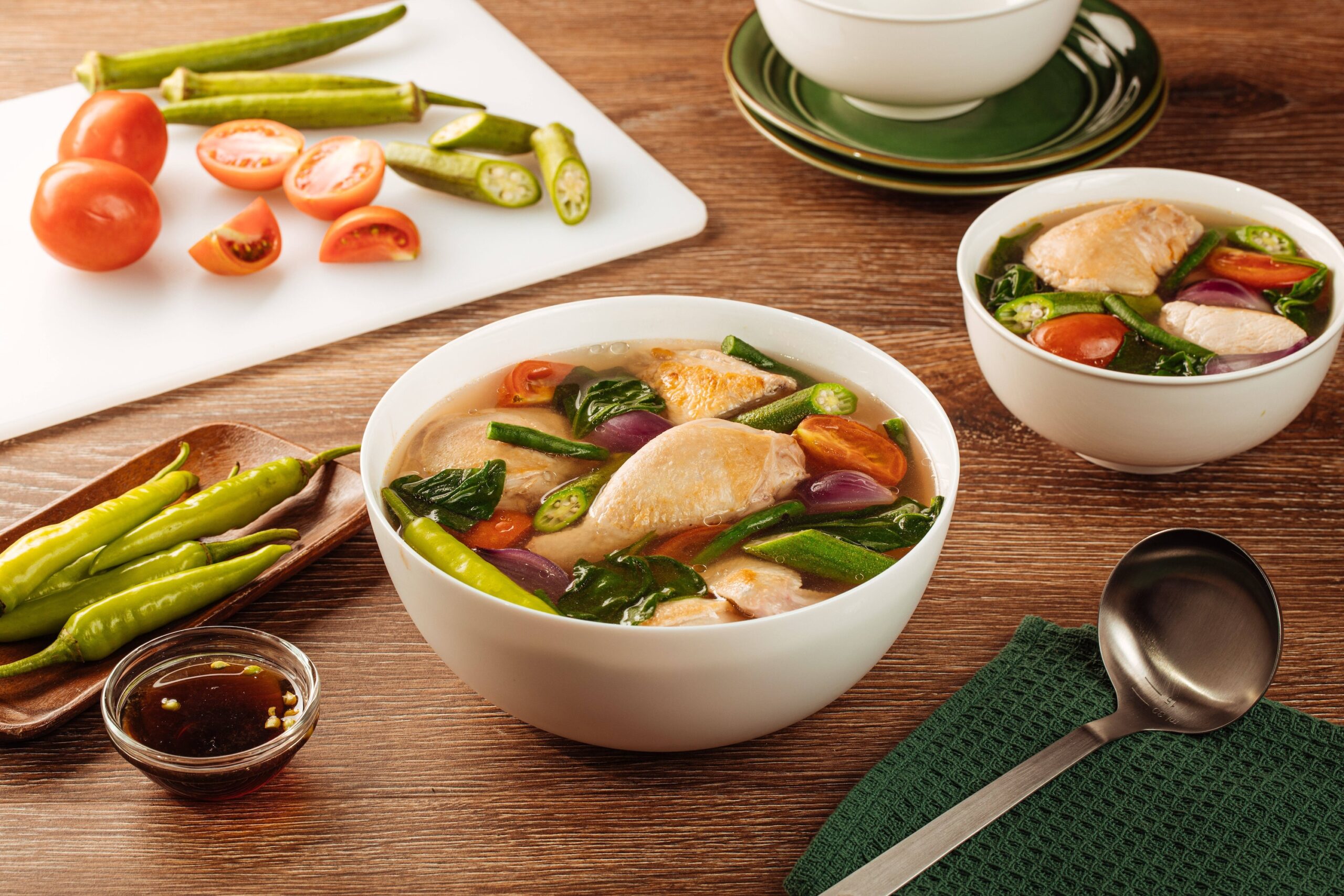
Sinigang is a beloved Filipino dish known for its sour and savoury flavour profile that warms the soul. This traditional soup is a staple in Filipino households, often enjoyed during family gatherings or on rainy days. Let’s explore how to create the perfect sinigang that will transport you to the heart of Filipino cuisine.

Ingredients:

  • 500g pork ribs or belly
  • 1 large onion, quartered
  • 2 medium tomatoes, quartered
  • 1 radish, sliced
  • 1 eggplant, sliced
  • 10-12 pieces of string beans, cut into 2-inch lengths
  • 2 pieces of green chillies (optional)
  • 1 pack of sinigang mix (tamarind soup base)
  • Salt and pepper to taste

Instructions:

  1. In a large pot, bring water to a boil and add the pork ribs or belly. Let it simmer until the meat is tender.
  2. Add the onions and tomatoes to the pot. Let them cook until they become soft and fragrant.

  3. Add the sinigang mix to the pot and stir well to dissolve.

  4. Add the radish, eggplant, string beans, and green chillies. Let them simmer until all vegetables are cooked but still slightly crunchy.

  5. Season with salt and pepper according to your taste.

  6. Serve hot with steamed rice.

    Variations:

    Sinigang can be made with different types of meat such as shrimp, fish or beef. You can also adjust the sourness level by adding more tamarind mix or fresh tamarind pods. Some people like to add leafy greens like water spinach or kangkong for added freshness.

    Whether you’re a seasoned fan of Filipino cuisine or trying sinigang for the first time, this dish is sure to delight your taste buds with its unique blend of flavours. Give this recipe a try and experience the comfort and warmth of sinigang in your own home.

    Bon appétit!


9 Reasons to Love Sinigang: A Versatile, Comforting, and Authentic Filipino Dish

  1. Deliciously tangy and savoury flavour profile.
  2. Versatile recipe that can be made with different types of meat.
  3. Comforting and warming, perfect for cold or rainy days.
  4. Easy to prepare with simple ingredients.
  5. Healthy dish packed with a variety of vegetables.
  6. Customisable sourness level to suit personal taste preferences.
  7. Great way to experience authentic Filipino cuisine at home.
  8. Suitable for family gatherings or intimate meals.
  9. Pairs perfectly with steamed rice for a satisfying meal.


Challenges in Preparing Traditional Sinigang: Time, Ingredients, and Taste Preferences

  1. Preparation can be time-consuming due to the need to cook the meat until tender.
  2. Finding traditional ingredients like tamarind soup base may be challenging in some regions.
  3. The sourness level of sinigang may not appeal to those who prefer milder flavours.

Deliciously tangy and savoury flavour profile.

The sinigang recipe boasts a deliciously tangy and savoury flavour profile that sets it apart as a truly comforting and satisfying dish. The perfect balance of sourness from the tamarind base, combined with the rich savouriness of the pork or other meat, creates a symphony of tastes that excite the palate. Each spoonful offers a burst of tanginess followed by a deep umami richness, making sinigang a culinary delight that is both refreshing and deeply satisfying.

Versatile recipe that can be made with different types of meat.

One of the standout advantages of the sinigang recipe is its versatility in accommodating various types of meat. Whether you prefer pork, shrimp, fish, or beef, sinigang can be easily tailored to suit your taste preferences and dietary choices. This flexibility allows individuals to explore different flavour profiles and textures while still enjoying the comforting and tangy essence that defines this beloved Filipino dish.

Comforting and warming, perfect for cold or rainy days.

Sinigang’s comforting and warming qualities make it the perfect dish to enjoy on cold or rainy days. The sour and savoury broth, infused with a medley of vegetables and tender meat, provides a soothing sensation that warms both the body and the soul. Whether seeking solace from the chill of winter or looking for a culinary embrace during a rainy afternoon, sinigang offers a delicious respite that brings comfort with every spoonful.

Easy to prepare with simple ingredients.

One of the key advantages of the sinigang recipe is its ease of preparation using simple ingredients. With just a few basic components like pork ribs or belly, vegetables, and a sinigang mix, you can create a delicious and comforting soup that captures the essence of Filipino cuisine. This accessibility makes sinigang a popular choice for home cooks looking to whip up a satisfying meal without the need for complex or hard-to-find ingredients. The straightforward nature of this recipe ensures that anyone can enjoy the delightful flavours of sinigang with minimal effort and maximum flavour.

Healthy dish packed with a variety of vegetables.

Sinigang stands out as a healthy dish due to its abundance of vegetables that not only enhance its flavour but also contribute to its nutritional value. Packed with a diverse array of vegetables such as radish, eggplant, string beans, and more, sinigang offers a colourful and nutrient-rich dining experience. These vegetables provide essential vitamins, minerals, and dietary fibre, making sinigang a wholesome choice for those looking to enjoy a delicious meal while prioritising their health.

Customisable sourness level to suit personal taste preferences.

One of the standout advantages of the sinigang recipe is its customisable sourness level, allowing individuals to tailor the dish to their personal taste preferences. Whether you prefer a more tangy and sharp flavour or a milder, subtle sourness, sinigang offers flexibility in adjusting the amount of tamarind mix or fresh tamarind pods used in the broth. This adaptability ensures that each serving of sinigang can be uniquely crafted to satisfy individual palates, making it a versatile and appealing dish for a wide range of taste preferences.

Great way to experience authentic Filipino cuisine at home.

Indulging in a sinigang recipe is a wonderful opportunity to immerse yourself in the authentic flavours of Filipino cuisine right in the comfort of your own home. This traditional dish encapsulates the essence of Filipino cooking with its perfect balance of sourness and savoury notes, offering a genuine taste of the Philippines that is sure to transport you to the bustling streets and vibrant markets of this culinary-rich nation. Embrace the warmth and hospitality of Filipino culture by savouring a bowl of sinigang, a dish that not only satisfies your taste buds but also nourishes your soul with its comforting and familiar embrace.

Suitable for family gatherings or intimate meals.

Sinigang recipe is a versatile dish that is perfect for both family gatherings and intimate meals. Its comforting and flavourful nature makes it ideal for bringing loved ones together around the dining table, creating a sense of warmth and togetherness. Whether shared during a festive celebration with extended family or enjoyed in a cozy setting with close friends, sinigang’s ability to cater to different occasions makes it a go-to choice for those looking to create memorable dining experiences that foster connection and joy.

Pairs perfectly with steamed rice for a satisfying meal.

Sinigang’s delightful sour and savoury broth pairs perfectly with fluffy steamed rice, creating a harmonious and satisfying meal that is sure to please your taste buds. The tender meat, vibrant vegetables, and tangy tamarind base of the sinigang complement the simplicity of steamed rice, offering a well-rounded dining experience that is both comforting and fulfilling. Whether enjoyed on a chilly evening or as a hearty lunch option, the combination of sinigang and steamed rice is a classic Filipino favourite that never fails to bring joy to the table.

Preparation can be time-consuming due to the need to cook the meat until tender.

One potential downside of preparing sinigang is the time-consuming process required to cook the meat until it reaches the desired tenderness. This step can demand patience and attention to ensure that the meat is perfectly cooked and infused with flavour. However, while this aspect of the recipe may require some extra time and effort, the end result of tender, succulent meat in a rich and tangy broth makes it well worth the wait. The slow cooking process also allows the flavours to meld together, creating a deeply satisfying dish that embodies the essence of Filipino comfort food.

Finding traditional ingredients like tamarind soup base may be challenging in some regions.

In certain regions, one potential drawback of preparing a sinigang recipe is the difficulty in sourcing traditional ingredients like tamarind soup base. The unique flavour of sinigang largely depends on this key ingredient, which can pose a challenge for those living in areas where it may not be readily available. However, with some creativity and resourcefulness, alternative options or substitutes can be explored to recreate the distinct sourness that defines this beloved Filipino dish.

The sourness level of sinigang may not appeal to those who prefer milder flavours.

For individuals who lean towards milder flavours, the pronounced sourness of sinigang may present a challenge. This traditional Filipino dish is renowned for its tangy and sharp taste, derived from the tamarind base. The sourness can be quite intense for those unaccustomed to such bold flavours, potentially overshadowing the subtler notes of other ingredients in the dish. Adjusting the level of sourness in sinigang may be necessary to cater to varying taste preferences and ensure a more balanced flavour profile that aligns with individual palates.
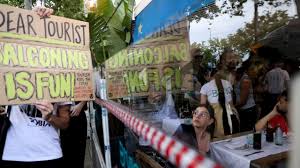
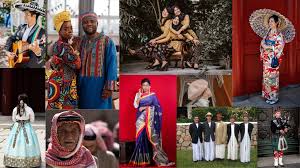
Unveiling the Enchantment: A Tourist’s Odyssey Through Time and Culture

tourist

The Fascinating World of Tourism

The Fascinating World of Tourism

Tourism is a thriving industry that allows people to explore new destinations, experience different cultures, and create lasting memories. Whether it’s a relaxing beach holiday, an adventurous trek through the mountains, or a cultural immersion in a bustling city, tourism offers something for everyone.

One of the most appealing aspects of tourism is the opportunity to step out of your comfort zone and discover the unknown. Travelling to unfamiliar places exposes us to diverse landscapes, languages, and traditions, broadening our perspectives and enriching our lives.

Moreover, tourism plays a significant role in promoting global understanding and fostering connections between people from various backgrounds. By interacting with locals, trying local cuisine, and participating in cultural activities, tourists can gain insights into different ways of life and appreciate the beauty of diversity.

From iconic landmarks like the Eiffel Tower in Paris to hidden gems off the beaten path, every destination has its own charm waiting to be explored. Tourists have the chance to marvel at natural wonders, delve into history at ancient sites, or simply unwind in serene surroundings away from the hustle and bustle of everyday life.

As tourism continues to evolve with advancements in technology and changing travel trends, it remains an exciting avenue for adventure-seekers and leisure travellers alike. Whether you prefer solo exploration or group tours, there is no shortage of options to satisfy your wanderlust and create unforgettable experiences.

So pack your bags, embark on a journey of discovery, and let the magic of tourism transport you to new horizons filled with excitement, wonder, and endless possibilities.


Top 8 Tips for a Respectful and Enriching Tourist Experience

  1. Research and plan your trip in advance to make the most of your time.
  2. Respect the local customs, traditions, and laws of the country you are visiting.
  3. Learn a few basic phrases in the local language to communicate with locals.
  4. Stay aware of your surroundings and keep your belongings secure to avoid theft.
  5. Try local cuisine and immerse yourself in the culture for an authentic experience.
  6. Be open-minded and embrace new experiences while travelling.
  7. Dress appropriately for cultural sites or religious places you may visit.
  8. Leave only footprints behind and help preserve the environment by being a responsible tourist.

Research and plan your trip in advance to make the most of your time.

Researching and planning your trip in advance is a valuable tip for tourists looking to maximise their time and experience. By taking the time to research destinations, attractions, and local customs before setting off, you can create a well-organised itinerary that ensures you make the most of your visit. Planning ahead allows you to prioritise must-see sights, book tickets in advance to avoid queues, and discover hidden gems that may not be on the typical tourist trail. With thorough preparation, you can enhance your travel experience and make unforgettable memories during your journey.

Respect the local customs, traditions, and laws of the country you are visiting.

When travelling as a tourist, it is crucial to respect the local customs, traditions, and laws of the country you are visiting. By showing consideration for the cultural norms and practices of the destination, you not only demonstrate courtesy towards the local community but also avoid unintentionally causing offence or misunderstanding. Embracing and honouring the traditions of the place you are exploring enhances your travel experience and fosters positive interactions with residents, creating a harmonious environment for both visitors and locals to coexist peacefully. Remember that each country has its own set of rules and values, so being mindful of these differences contributes to a rewarding and culturally enriching journey.

Learn a few basic phrases in the local language to communicate with locals.

When travelling as a tourist, it is highly beneficial to learn a few basic phrases in the local language. This simple effort not only shows respect for the local culture but also helps to bridge communication gaps with the locals. By greeting people or asking for directions in their language, you can enhance your travel experience and build meaningful connections during your journey. Learning these basic phrases can open doors to authentic interactions and enriching cultural exchanges, making your trip more memorable and rewarding.

Stay aware of your surroundings and keep your belongings secure to avoid theft.

When travelling as a tourist, it is crucial to stay vigilant of your surroundings and ensure the safety of your belongings to prevent theft. By staying aware and keeping a watchful eye on your personal items, such as wallets, phones, and passports, you can minimise the risk of falling victim to opportunistic thieves. Taking simple precautions like using secure bags, avoiding displaying valuable possessions openly, and being cautious in crowded areas can go a long way in safeguarding your belongings and enjoying a worry-free travel experience.

Try local cuisine and immerse yourself in the culture for an authentic experience.

When exploring a new destination as a tourist, a valuable tip is to immerse yourself in the local culture by trying authentic cuisine. Sampling traditional dishes not only tantalises your taste buds but also offers a deeper insight into the heritage and customs of the place you are visiting. From street food stalls to family-run restaurants, embracing local flavours allows you to connect with the community and enhance your travel experience with a true sense of authenticity.

Be open-minded and embrace new experiences while travelling.

When embarking on a journey as a tourist, it is essential to adopt an open-minded attitude and welcome new experiences with enthusiasm. By being receptive to unfamiliar cultures, traditions, and ways of life, travellers can broaden their horizons and gain a deeper understanding of the world around them. Embracing the unknown not only enriches the travel experience but also allows for meaningful connections with people from diverse backgrounds. So, keep an open heart and mind as you explore new destinations, for it is through embracing the unfamiliar that we truly grow and appreciate the beauty of our shared humanity.

Dress appropriately for cultural sites or religious places you may visit.

When engaging in tourism, it is essential to dress appropriately for the cultural sites or religious places you may visit. Respecting local customs and traditions by adhering to modest clothing guidelines not only demonstrates sensitivity towards the host community but also enhances your overall travel experience. By dressing respectfully, you show appreciation for the sacredness of these sites and contribute to a harmonious interaction with the local culture. Remember, your attire can convey a message of cultural awareness and mutual respect, fostering meaningful connections during your travels.

Leave only footprints behind and help preserve the environment by being a responsible tourist.

As a responsible tourist, it is important to leave only footprints behind and help preserve the environment for future generations. By minimising our impact on natural habitats, reducing waste, and respecting local customs and wildlife, we can contribute to sustainable tourism practices. Being mindful of our actions while travelling not only protects the delicate ecosystems and cultural heritage of destinations but also ensures that others can enjoy the beauty of these places long after we have left. Let’s strive to be conscientious travellers who leave a positive legacy wherever we go.

Embracing the Timeless Beauty of Traditional Armenian Culture

traditional

The Beauty of Traditional Armenian Culture

Armenia, a land rich in history and tradition, boasts a vibrant culture that has been passed down through generations. From its ancient rituals to its distinctive music and dance, traditional Armenian culture is a testament to the enduring spirit of its people.

One of the most beloved aspects of Armenian tradition is its cuisine. With dishes like dolma, khorovats (barbecue), and lavash bread, Armenian food is a true reflection of the country’s agricultural heritage and culinary prowess. Each meal is a celebration of local produce and time-honoured recipes that have stood the test of time.

Music also plays a vital role in Armenian culture, with traditional instruments like the duduk producing hauntingly beautiful melodies that speak to the soul. Whether it’s the lively tunes of a traditional dance or the mournful strains of a lullaby, Armenian music captures the essence of the country’s rich cultural tapestry.

Armenian craftsmanship is another hallmark of traditional culture, with artisans creating intricate carpets, ceramics, and textiles that showcase centuries-old techniques and designs. These handmade treasures not only serve as decorative pieces but also as symbols of Armenia’s artistic heritage.

Throughout Armenia, festivals and celebrations are held to honour traditions and bring communities together. From religious events like Easter and Vardavar to secular festivities such as Navasard, Armenians take pride in preserving their cultural heritage through these joyous occasions.

In essence, traditional Armenian culture is a living testament to the resilience and creativity of its people. By embracing their past while looking towards the future, Armenians continue to uphold their cherished customs and ensure that their heritage remains vibrant for generations to come.


Exploring Armenian Traditions: Food, Music, Crafts, Festivals, and More

  1. What is traditional Armenian food like?
  2. How is traditional Armenian music different from modern music?
  3. What are some traditional Armenian crafts and artworks?
  4. Are there any traditional festivals or celebrations in Armenia?
  5. What role does tradition play in Armenian weddings?
  6. Can you explain the significance of traditional clothing in Armenian culture?
  7. How have traditional Armenian dances evolved over time?
  8. What are some popular traditions associated with New Year’s Eve in Armenia?

What is traditional Armenian food like?

Armenian cuisine is a delightful blend of flavours and textures that reflect the country’s rich culinary heritage. Traditional Armenian food is characterised by its use of fresh ingredients such as fruits, vegetables, herbs, and meats, all sourced locally. From hearty stews like khash to delicate pastries like gata, Armenian dishes are known for their bold flavours and intricate preparation methods. Grilled meats, flatbreads, and an array of mezes (appetisers) are also staples of Armenian cuisine, offering a diverse range of tastes to tantalise the palate. Whether enjoying a festive meal or a simple family gathering, traditional Armenian food is a true embodiment of the country’s cultural identity and hospitality.

How is traditional Armenian music different from modern music?

Traditional Armenian music is deeply rooted in the country’s rich cultural heritage, drawing inspiration from centuries-old melodies and instruments. Unlike modern music, which often incorporates contemporary trends and technologies, traditional Armenian music maintains a distinct sound characterised by the use of traditional instruments like the duduk and tar. The lyrical themes in traditional Armenian music often revolve around folklore, history, and nature, reflecting the deep connection Armenians have with their land and traditions. While modern music may experiment with different genres and styles, traditional Armenian music remains a timeless treasure that continues to evoke emotions and memories of a bygone era.

What are some traditional Armenian crafts and artworks?

Armenia is renowned for its rich tradition of crafts and artworks, showcasing exquisite craftsmanship and artistic expression. Some notable traditional Armenian crafts include intricate carpet weaving, known for its vibrant colours and intricate patterns that tell stories of the region’s history. Additionally, Armenian ceramics feature distinctive designs inspired by nature and ancient motifs, reflecting the country’s cultural heritage. Another prominent art form is khachkar carving, where intricately carved stone crosses serve as symbols of faith and artistic mastery. These traditional Armenian crafts and artworks not only demonstrate the skill and creativity of the artisans but also embody the deep-rooted cultural significance that continues to thrive in Armenia today.

Are there any traditional festivals or celebrations in Armenia?

Armenia is steeped in a rich tapestry of traditional festivals and celebrations that reflect the country’s cultural heritage and community spirit. From religious observances like Easter and Christmas to secular events such as Vardavar and Navasard, Armenians have a deep-rooted tradition of coming together to commemorate special occasions with music, dance, and feasting. These festive gatherings not only serve as a time for merriment and joy but also as an opportunity to honour age-old customs and rituals that have been passed down through generations. The vibrant colours, lively music, and heartfelt camaraderie found at these traditional Armenian festivals offer a glimpse into the soul of this ancient land and its people.

What role does tradition play in Armenian weddings?

Tradition plays a significant role in Armenian weddings, serving as a cornerstone of the celebration and uniting families through time-honoured customs. From the intricate rituals of the Khosk-Kap (engagement) ceremony to the joyous festivities of the Kavor (wedding) ceremony, every aspect of an Armenian wedding is steeped in tradition. Symbolic gestures like the Blessing of the Crowns, where the couple’s heads are adorned with crowns to signify their new roles as king and queen of their own family, highlight the importance of heritage and cultural values in this special occasion. Through these age-old practices, Armenian weddings not only honour the past but also create lasting memories that connect generations and strengthen familial bonds.

Can you explain the significance of traditional clothing in Armenian culture?

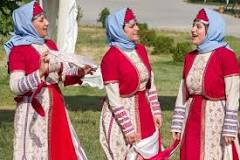
Traditional clothing holds significant cultural importance in Armenian culture, serving as a visual representation of the country’s rich heritage and identity. Each garment, from the intricate patterns of the taraz to the distinctive designs of the headdress, reflects centuries-old traditions and craftsmanship passed down through generations. Armenian traditional clothing not only showcases the artistry and skill of local artisans but also symbolises cultural pride and connection to the country’s history. Wearing traditional attire during special occasions and celebrations is a way for Armenians to honour their roots and preserve their unique cultural legacy for future generations.

How have traditional Armenian dances evolved over time?

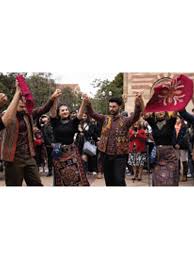
Traditional Armenian dances have evolved over time through a fascinating blend of historical influences and cultural adaptations. Rooted in ancient rituals and celebrations, Armenian dances have undergone transformations that reflect the changing dynamics of society while retaining their essence. From the graceful movements of the Kochari to the energetic steps of the Tamzara, each dance tells a story of tradition and innovation. Over the centuries, these dances have been passed down through generations, with subtle variations emerging to suit different regions and occasions. Today, traditional Armenian dances continue to captivate audiences worldwide, serving as a vibrant reminder of the country’s rich cultural heritage and enduring spirit.

In Armenia, New Year’s Eve is a joyous occasion filled with unique traditions and customs. One popular tradition is the preparation of a special festive table called “New Year’s table” where families gather to enjoy a lavish meal together. Another common practice is the custom of exchanging gifts and well-wishes as a symbol of love and goodwill for the coming year. In addition, Armenians often decorate their homes with lights, ornaments, and traditional symbols to create a festive atmosphere. Fireworks displays light up the night sky, adding to the celebratory spirit of New Year’s Eve in Armenia.

Exploring Armenia’s Rich Cultural Heritage

armenia's cultural

The Rich Cultural Heritage of Armenia

Armenia, a country nestled in the Caucasus region, boasts a cultural heritage that is as diverse as it is ancient. From its traditional music and dance to its unique cuisine and craftsmanship, Armenia’s cultural tapestry is woven with threads of history, tradition, and resilience.

Music and Dance

Music and dance hold a special place in Armenian culture. The haunting melodies of the duduk, a traditional woodwind instrument, evoke emotions that resonate with the soul. Armenian folk dances, with their intricate footwork and vibrant costumes, tell stories of love, joy, and triumph.

Cuisine

Armenian cuisine is a reflection of the country’s rich agricultural heritage. Dishes like dolma (stuffed grape leaves), khorovats (barbecue), and lavash (flatbread) are not just meals but expressions of love and hospitality. Armenians take pride in their culinary traditions, passed down through generations.

Craftsmanship

The art of craftsmanship runs deep in Armenian culture. From intricate khachkars (stone crosses) to colourful ceramics and carpets, Armenian artisans showcase their skills through exquisite handiwork. Each piece tells a story of craftsmanship honed over centuries.

Language and Literature

The Armenian language is one of the oldest in the world, with a rich literary tradition to match. Works by renowned poets such as Hovhannes Shiraz and Paruyr Sevak capture the essence of Armenian identity and resilience. Literature has long been a source of pride for Armenians, preserving their stories for future generations.

In conclusion, Armenia’s cultural heritage is a treasure trove waiting to be explored. Its music, dance, cuisine, craftsmanship, language, and literature all contribute to a vibrant tapestry that reflects the soul of this ancient land.


Exploring Armenian Culture: Music, Dance, Cuisine, Craftsmanship, Literature, Language, Festivals, and Modernisation

  1. What traditional music instruments are popular in Armenian culture?
  2. How is dance used to express cultural themes in Armenia?
  3. What are some famous dishes in Armenian cuisine?
  4. How does Armenian craftsmanship reflect the country’s heritage?
  5. Who are some notable poets and writers in Armenian literature?
  6. What role does language play in preserving Armenian culture?
  7. Are there any traditional festivals or celebrations unique to Armenia?
  8. How has modernisation impacted traditional aspects of Armenian culture?

In Armenian culture, several traditional music instruments hold significant popularity and cultural importance. One of the most iconic instruments is the duduk, a hauntingly beautiful woodwind instrument known for its soul-stirring melodies. The duduk’s melancholic tones have the power to evoke deep emotions and are often featured in traditional Armenian music. Additionally, instruments like the zurna (a wind instrument), kamancha (a string instrument), and dhol (a drum) play vital roles in creating the rich tapestry of Armenian musical heritage. Each instrument contributes its unique sound to the vibrant mosaic of Armenian cultural expression, showcasing the depth and diversity of Armenia’s musical traditions.

How is dance used to express cultural themes in Armenia?

Dance in Armenia serves as a powerful medium for expressing cultural themes and narratives. Through intricate footwork, graceful movements, and vibrant costumes, Armenian dance embodies the essence of tradition, history, and identity. Each dance tells a story, whether it be a celebration of love and joy or a depiction of historical events and folklore. The choreography often reflects the rhythms of daily life, agricultural practices, or spiritual beliefs, offering a glimpse into the soul of Armenian culture. By preserving and showcasing traditional dances, Armenians not only honour their heritage but also convey their rich cultural legacy to audiences around the world.

What are some famous dishes in Armenian cuisine?

Armenian cuisine is renowned for its delectable dishes that showcase a blend of flavours and traditions. Some famous dishes in Armenian cuisine include dolma, which consists of grape leaves stuffed with a tantalising mixture of rice, minced meat, and herbs. Another popular dish is khorovats, a flavourful barbecue typically made with marinated meat skewered and grilled to perfection. Additionally, lavash, a thin and soft flatbread baked in a traditional clay oven, is a staple in Armenian meals. These dishes not only satisfy the taste buds but also offer a glimpse into the rich culinary heritage of Armenia.

How does Armenian craftsmanship reflect the country’s heritage?

Armenian craftsmanship serves as a poignant reflection of the country’s rich heritage, encapsulating centuries of tradition, artistry, and cultural identity. From intricately carved khachkars to vibrant ceramics and ornate carpets, each piece crafted by Armenian artisans tells a story deeply rooted in history and symbolism. The meticulous attention to detail and the use of traditional techniques passed down through generations not only showcase the skill and dedication of the craftsmen but also highlight Armenia’s resilience and creativity in preserving its cultural legacy. Through these masterpieces of craftsmanship, Armenia’s heritage is not just preserved but celebrated, offering a glimpse into the soul of a nation with a profound connection to its past.

Who are some notable poets and writers in Armenian literature?

Armenian literature boasts a rich tradition of notable poets and writers who have made significant contributions to the cultural landscape. Among them, Hovhannes Shiraz stands out for his poignant verses that capture the essence of Armenian identity and emotions. Paruyr Sevak is revered for his profound insights into human nature and societal issues. Silva Kaputikyan, known for her lyrical poetry and feminist themes, has left a lasting impact on Armenian literature. These luminaries, among others, have shaped the literary heritage of Armenia and continue to inspire generations with their timeless works.

What role does language play in preserving Armenian culture?

Language plays a pivotal role in preserving Armenian culture as it serves as a vessel for transmitting traditions, values, and stories across generations. The Armenian language, one of the oldest in the world, carries with it the collective memory and identity of the Armenian people. Through literature, poetry, and oral traditions passed down through centuries, language acts as a bridge connecting Armenians to their past and shaping their present. By preserving and promoting the use of the Armenian language, the cultural heritage of Armenia is safeguarded, ensuring that its rich history and traditions continue to thrive in an ever-evolving world.

Are there any traditional festivals or celebrations unique to Armenia?

Armenia is home to a variety of traditional festivals and celebrations that are deeply rooted in its rich cultural heritage. One such unique event is Vardavar, a joyful festival celebrated with water fights and festivities to commemorate the transfiguration of Jesus. Another significant celebration is Trndez, where bonfires are lit to purify and ward off evil spirits on the eve of the Feast of the Presentation of Jesus at the Temple. These traditional festivals not only showcase Armenia’s vibrant customs but also provide a glimpse into the spiritual and cultural essence of the country.

How has modernisation impacted traditional aspects of Armenian culture?

Modernisation has brought both opportunities and challenges to traditional aspects of Armenian culture. While advancements in technology and globalisation have provided new platforms for showcasing and preserving cultural practices, they have also introduced elements that may dilute or overshadow traditional customs. The younger generation’s exposure to Western influences and changing lifestyles has led to a shift in attitudes towards certain traditions. However, efforts are being made to strike a balance between embracing modernity and safeguarding the rich heritage of Armenian culture. By adapting to the demands of the modern world while holding onto key cultural values, Armenians are navigating the complexities of preserving their identity in a rapidly changing society.

Exploring the Enriching Culture of Armenia

The Rich and Diverse Culture of Armenia

Armenia, a country nestled in the Caucasus region between Europe and Asia, boasts a culture that is as ancient as it is vibrant. From its captivating folk music to its intricate traditional dances, Armenia’s cultural heritage is a tapestry of influences that have shaped the nation over millennia.

Music and Dance

Music and dance are integral parts of Armenian culture, with roots dating back to prehistoric times. Traditional Armenian music often features haunting melodies played on instruments like the duduk, a double-reed woodwind instrument considered the national instrument of Armenia. Meanwhile, Armenian dance forms such as Kochari and Tamzara showcase the grace and precision that are hallmarks of Armenian folk dancing.

Art and Architecture

The art and architecture of Armenia reflect the country’s rich history and diverse influences. From ancient monasteries like Tatev Monastery perched on mountain cliffs to the modernist designs found in Yerevan, Armenia’s capital city, the country’s architectural landscape is a testament to its enduring artistic legacy.

Cuisine

Armenian cuisine is a celebration of flavour and tradition. Dishes like khorovats (barbecue), dolma (stuffed grape leaves), and lavash (flatbread) are staples of Armenian cooking, showcasing the country’s love for fresh ingredients and bold spices. Meals in Armenia are often shared with family and friends, underscoring the importance of community in Armenian culture.

Language and Literature

The Armenian language is one of the oldest in the world, with a rich literary tradition that dates back to the fifth century. Works by renowned Armenian poets such as Hovhannes Shiraz and Paruyr Sevak continue to inspire readers with their evocative verses that capture the essence of Armenian identity.

In conclusion, Armenia’s culture is a treasure trove of artistry, history, and tradition that continues to captivate people around the world. With its unique blend of influences from East and West, Armenia stands as a testament to the enduring power of cultural heritage.


Exploring Armenian Culture: Hospitality, Cuisine, History, Religion, and Music

  1. Armenians are known for their strong sense of hospitality and generosity towards guests.
  2. Traditional Armenian cuisine is rich in flavour and includes dishes like dolma, khorovats (barbecue), and lavash (flatbread).
  3. Armenia has a long history dating back to ancient times, with many historical sites and landmarks to explore.
  4. The Armenian Apostolic Church plays a significant role in the country’s culture and heritage.
  5. Traditional Armenian music and dance are important aspects of the cultural identity, with instruments like the duduk being widely used.

Armenians are known for their strong sense of hospitality and generosity towards guests.

Armenians are renowned for their unwavering commitment to hospitality and generosity when welcoming guests. It is ingrained in Armenian culture to treat visitors with warmth and kindness, often going above and beyond to ensure their comfort and well-being. This tradition of hospitality reflects the deep-rooted values of community, respect, and camaraderie that are integral to Armenian society. Whether inviting guests into their homes for a meal or offering a helping hand to strangers in need, Armenians exemplify the spirit of hospitality in all aspects of their lives.

Traditional Armenian cuisine is rich in flavour and includes dishes like dolma, khorovats (barbecue), and lavash (flatbread).

Traditional Armenian cuisine is a culinary delight that tantalizes the taste buds with its rich flavours and diverse offerings. From the succulent dolma, stuffed grape leaves bursting with savoury goodness, to the mouth-watering khorovats, a barbecue dish that sizzles with aromatic spices, and the comforting lavash, a soft and versatile flatbread that accompanies many meals – Armenian cuisine is a true reflection of the country’s vibrant culinary heritage.

Armenia has a long history dating back to ancient times, with many historical sites and landmarks to explore.

Armenia, steeped in a rich cultural heritage dating back to ancient times, offers a captivating journey through history with its abundance of historical sites and landmarks waiting to be explored. From ancient monasteries perched on rugged cliffs to majestic fortresses that stand as testaments to Armenia’s past, each site tells a story of the nation’s enduring legacy and the diverse influences that have shaped its identity over the centuries.

The Armenian Apostolic Church plays a significant role in the country’s culture and heritage.

The Armenian Apostolic Church holds a pivotal position in shaping Armenia’s culture and heritage. As one of the oldest national churches in the world, it serves as a cornerstone of Armenian identity, influencing various aspects of daily life, celebrations, and traditions. The church’s rich history, religious practices, and architectural marvels not only reflect the spiritual beliefs of the Armenian people but also contribute to the preservation and promotion of their cultural heritage through generations.

Traditional Armenian music and dance are important aspects of the cultural identity, with instruments like the duduk being widely used.

Traditional Armenian music and dance play a significant role in shaping the cultural identity of Armenia. The haunting melodies of instruments like the duduk hold a special place in the hearts of Armenians, evoking a sense of nostalgia and pride. These art forms not only showcase the country’s rich heritage but also serve as a means of preserving age-old traditions and connecting generations through music and movement.

Exploring Armenia’s Rich Tapestry of Culture and Time-Honoured Traditions

armenia culture and traditions

The Rich Culture and Time-Honoured Traditions of Armenia

Armenia, a country nestled in the Caucasus region, boasts a vibrant culture steeped in history and tradition. From its ancient roots to modern influences, Armenian culture is a tapestry of diverse customs and practices that have been passed down through generations.

Art and Craftsmanship

Armenia is renowned for its exquisite craftsmanship, particularly in the realm of traditional arts. Intricate handwoven carpets, delicate pottery, and ornate jewellery are just a few examples of the artistic treasures that reflect Armenia’s rich cultural heritage. These crafts not only serve as decorative pieces but also carry deep symbolic meanings that connect them to the country’s history and identity.

Cuisine

Armenian cuisine is a delightful fusion of flavours and ingredients that have been perfected over centuries. From hearty meat dishes like khorovats (barbecue) to delicate pastries such as gata (sweet bread), Armenian food is a celebration of local produce and culinary expertise. Sharing meals with family and friends is an integral part of Armenian culture, fostering a sense of community and togetherness.

Festivals and Celebrations

Throughout the year, Armenians come together to celebrate a myriad of festivals that honour their traditions and beliefs. Events like Vardavar, which involves water fights to commemorate the Transfiguration of Jesus Christ, or Navasard, a festival marking the Armenian New Year, showcase the vibrant spirit and joyous nature of Armenian culture.

Music and Dance

Music and dance play an integral role in Armenian culture, serving as expressions of emotion, storytelling, and community bonding. Traditional instruments like the duduk (woodwind instrument) produce haunting melodies that evoke deep emotions, while lively folk dances such as kochari embody the energy and vitality of Armenian traditions.

Religious Heritage

Armenia’s religious heritage is deeply intertwined with its cultural identity. The country was the first to adopt Christianity as its state religion in 301 AD, leading to the construction of numerous monasteries, churches, and religious sites that stand as testaments to Armenia’s enduring faith and spiritual legacy.

In conclusion, Armenia’s culture is a treasure trove of artistry, gastronomy, festivities, music, dance, and spirituality. It is a living testament to the resilience and creativity of its people who continue to preserve their traditions while embracing modern influences. To experience Armenia is to embark on a journey through time where ancient customs intertwine with contemporary expressions in a harmonious blend that defines this remarkable nation.


Understanding Armenian Culture: Etiquette, Traditions, Fascinating Facts, and Culinary Delights

  1. What is the etiquette for Armenian guests?
  2. What is Armenian culture known for?
  3. What are 5 interesting facts about Armenia?
  4. What is Armenian culture food?

What is the etiquette for Armenian guests?

When it comes to etiquette for Armenian guests, there are several important customs to keep in mind. Armenians place a strong emphasis on hospitality and respect towards visitors, considering guests as blessings. It is customary for guests to remove their shoes before entering someone’s home as a sign of respect. Additionally, bringing a small gift, such as flowers or sweets, for the host is greatly appreciated. During gatherings, it is polite to wait until the host invites you to start eating and to express gratitude for the hospitality shown. Engaging in meaningful conversations and showing genuine interest in Armenian culture and traditions further enhances the guest experience and fosters positive interactions with hosts.

What is Armenian culture known for?

Armenian culture is renowned for its rich tapestry of traditions that have been meticulously preserved and passed down through generations. From its intricate craftsmanship in arts and crafts to its delectable cuisine that tantalizes the taste buds, Armenia is a treasure trove of cultural treasures. The country’s vibrant festivals and celebrations bring communities together in joyous revelry, while its music and dance forms serve as expressions of emotion and storytelling. Armenian culture is also deeply rooted in its religious heritage, with numerous churches and monasteries standing as testaments to the country’s spiritual legacy. Overall, Armenian culture is celebrated for its diversity, authenticity, and the unwavering pride with which its people uphold their customs and beliefs.

What are 5 interesting facts about Armenia?

Armenia, a country rich in culture and traditions, holds a tapestry of intriguing aspects that captivate visitors and locals alike. Five fascinating facts about Armenia include its status as the first country to adopt Christianity as a state religion in 301 AD, the presence of Mount Ararat, a national symbol and biblical landmark, the invention of the Armenian alphabet by Mesrop Mashtots in the 5th century, the tradition of lavash, a thin unleavened flatbread recognized as intangible cultural heritage by UNESCO, and the enduring practice of khachkar carving, intricate stone crosses that blend artistry with spirituality. These unique facets contribute to Armenia’s distinctive charm and allure, making it a destination brimming with history and wonder.

What is Armenian culture food?

Armenian culture food is a delightful reflection of the country’s rich culinary heritage, characterised by a diverse array of flavours and dishes that have been perfected over generations. From succulent barbecue meats known as khorovats to aromatic pilafs and delicate pastries like gata, Armenian cuisine is a celebration of fresh ingredients, traditional recipes, and communal dining experiences. The emphasis on sharing meals with loved ones underscores the importance of food not just as sustenance but as a means of fostering connections and preserving cultural traditions. Each bite of Armenian cuisine tells a story steeped in history, creativity, and the warmth of hospitality that defines this vibrant culinary tradition.

The Art of Embracing Authenticity: A Journey to Genuine Living

authentic

The Essence of Authenticity

Authenticity is a quality that resonates deeply with individuals across cultures and generations. It embodies genuineness, honesty, and a true reflection of one’s identity. In a world often filled with artifice and superficiality, authenticity stands out as a beacon of sincerity.

When something is described as authentic, it means that it is real, original, and not a mere imitation or replica. Authentic experiences, whether in relationships, art, or cuisine, have the power to evoke genuine emotions and connections.

Embracing authenticity requires courage and self-awareness. It involves staying true to oneself and one’s values, even in the face of societal pressures or trends. Authentic individuals are comfortable in their own skin and do not feel the need to put on masks or personas to fit in.

Authenticity also extends to how we engage with others. Being authentic in our interactions means communicating openly and honestly, without pretence or manipulation. It fosters trust and deepens relationships built on mutual respect and understanding.

Whether it’s appreciating authentic flavours in traditional dishes, admiring authentic craftsmanship in handmade goods, or recognising authentic emotions in heartfelt expressions, the essence of authenticity enriches our lives in profound ways.

Let us strive to embrace authenticity in all aspects of our lives, celebrating the beauty of being genuine and true to ourselves. For it is through authenticity that we find meaning, connection, and a sense of belonging in this ever-evolving world.


Understanding Authenticity: FAQs and Clarifications

  1. Is authentic means original?
  2. What does it means by authentic?
  3. What is an example of authentic?
  4. What it means to be authentic?
  5. What is an authentic example?
  6. What is another word for being authentic?
  7. What is authentic and example?
  8. What is the difference between genuine and authentic?

Is authentic means original?

Authenticity and originality are closely related concepts but not entirely synonymous. While being authentic often implies being original, authenticity encompasses more than just the idea of being the first or unique. Authenticity goes beyond mere novelty or innovation; it conveys a sense of genuineness, truthfulness, and integrity. Something that is authentic is not only original in its essence but also carries with it a deep sense of honesty and realness that resonates with its true nature or origin.

What does it means by authentic?

The term “authentic” encapsulates the concept of being genuine, true, and original. When something is described as authentic, it signifies that it is not a copy or imitation but rather a true representation of its origins or nature. Authenticity can relate to various aspects of life, including personal identity, experiences, products, and interactions. Embracing authenticity involves staying true to oneself and one’s values, expressing sincerity in one’s actions and words, and honouring the essence of what makes something real and unique.

What is an example of authentic?

An example of authenticity can be found in a handcrafted piece of pottery that bears the unique marks and imperfections of the artisan’s touch, showcasing the genuine craftsmanship and individuality behind its creation. This tangible representation of authenticity serves as a reminder of the value placed on originality, sincerity, and the human connection embedded within each carefully crafted detail.

What it means to be authentic?

To be authentic means to embody genuine sincerity and truthfulness in one’s thoughts, actions, and interactions. It involves staying true to oneself, embracing one’s uniqueness, and expressing one’s beliefs and values with honesty and integrity. Authenticity requires self-awareness, the courage to be vulnerable, and the willingness to show up as our true selves without fear of judgement or approval from others. Being authentic is not about perfection but rather about embracing our imperfections and vulnerabilities as integral parts of our identity. It is a journey of self-discovery, acceptance, and genuine connection with oneself and those around us.

What is an authentic example?

An authentic example is a genuine and original representation or instance that accurately reflects the true nature of a concept, idea, or object. It is not a copy or imitation but rather a unique and bona fide illustration that embodies the core characteristics and qualities of what it represents. Authentic examples are valued for their honesty, integrity, and ability to provide a clear and unadulterated depiction of the subject matter at hand.

What is another word for being authentic?

Another word for being authentic is genuine. When someone or something is described as genuine, it implies a true and sincere nature, free from pretence or artificiality. Being genuine involves being real, honest, and faithful to one’s true self, values, and beliefs. It conveys a sense of integrity and truthfulness that resonates with authenticity, creating a profound connection with others based on trust and transparency.

What is authentic and example?

Authenticity is a quality that signifies genuineness and originality. When something is described as authentic, it means that it is true to its origins or source, without being a copy or imitation. An example of authenticity can be found in handmade crafts, where each piece is uniquely crafted by skilled artisans, showcasing their expertise and personal touch. Authenticity adds value and meaning to experiences, products, and interactions by embodying sincerity and integrity.

What is the difference between genuine and authentic?

When distinguishing between “genuine” and “authentic,” it is essential to understand subtle nuances in their meanings. While “genuine” typically refers to something that is truly what it claims to be, often associated with originality and legitimacy, “authentic” goes beyond mere genuineness to convey a deeper sense of truthfulness and sincerity. Authenticity implies a genuine reflection of one’s true self or identity, embodying honesty, integrity, and a genuine connection to one’s values or origins. In essence, while something genuine may be real or true to its nature, authenticity encompasses a more profound level of being true to oneself or maintaining a faithful representation of the essence or spirit behind something.

Savouring the Diversity: Exploring the Culinary Delights of Global Food Culture

The Art of Food: A Culinary Journey

Food is not just sustenance; it is an art form that transcends cultural boundaries and speaks to the soul. From the sizzle of a hot pan to the aroma of freshly baked bread, food has the power to evoke memories, spark conversations, and bring people together in a shared experience.

Every cuisine tells a story – a tale of tradition, innovation, and local flavours that have been passed down through generations. Whether it’s the spicy curries of India, the delicate sushi of Japan, or the hearty pasta dishes of Italy, each dish reflects a unique heritage and sense of identity.

Exploring different cuisines opens up a world of discovery and appreciation for diverse ingredients, cooking techniques, and flavour combinations. It invites us to step out of our culinary comfort zones and embrace new tastes and textures that tantalise our taste buds.

Food also plays a significant role in social gatherings and celebrations. It brings people together around the table, fostering connections and creating lasting memories. The act of sharing a meal is a universal language that bridges gaps and unites individuals from all walks of life.

As we savour each bite, let us not forget the hard work and dedication that goes into preparing every dish. Behind every delicious meal is a passionate chef or home cook who pours their heart into creating something special for others to enjoy.

So next time you sit down to eat, take a moment to appreciate the artistry and love that goes into each plate. Food is more than just sustenance – it is an expression of culture, creativity, and connection that nourishes both body and soul.


Six Benefits of Food: From Social Bonds to Culinary Adventures

  1. Food brings people together in shared experiences and social gatherings.
  2. Exploring different cuisines introduces us to diverse flavours and cooking techniques.
  3. Eating well-balanced meals contributes to overall health and well-being.
  4. Cooking at home allows for creativity and personalisation of dishes to suit individual preferences.
  5. Food provides comfort and can evoke nostalgic memories from childhood or special occasions.
  6. Trying new foods can be a fun and adventurous experience, expanding our palate and culinary horizons.


Seven Drawbacks of Modern Food Habits: Health, Cost, and Environmental Concerns

  1. Overconsumption can lead to health issues like obesity and heart disease.
  2. Certain foods may contain harmful additives or preservatives.
  3. Food allergies and intolerances can restrict dietary choices and cause discomfort.
  4. Processed foods often lack essential nutrients and may contribute to a poor diet.
  5. Eating out frequently can be expensive and strain on the budget.
  6. Food waste is a significant environmental issue that contributes to pollution and resource depletion.
  7. Unhealthy eating habits can impact mental well-being, leading to mood swings and fatigue.

Food brings people together in shared experiences and social gatherings.

Food has a remarkable ability to unite individuals in shared experiences and social gatherings. Whether it’s a family dinner, a festive celebration, or a casual meal with friends, the act of coming together around the table creates a sense of camaraderie and connection. Sharing food not only nourishes our bodies but also feeds our souls, fostering bonds and memories that last a lifetime. The joy of breaking bread with others transcends cultural differences and language barriers, creating moments of warmth and togetherness that remind us of the power of food to bring people closer.

Exploring different cuisines introduces us to diverse flavours and cooking techniques.

Exploring different cuisines offers a delightful journey of discovery, introducing us to a wide array of flavours and cooking techniques that reflect the rich tapestry of culinary traditions around the world. From the bold spices of Indian curries to the delicate balance of umami in Japanese dishes, each cuisine brings its own unique palette of tastes and textures. By immersing ourselves in diverse culinary experiences, we not only expand our gastronomic horizons but also gain a deeper appreciation for the artistry and creativity that goes into crafting each dish.

Eating well-balanced meals contributes to overall health and well-being.

Consuming well-balanced meals plays a crucial role in promoting overall health and well-being. By incorporating a variety of nutrients from different food groups, such as fruits, vegetables, whole grains, lean proteins, and healthy fats, individuals can ensure that their bodies receive the essential vitamins and minerals needed to function optimally. A balanced diet not only supports physical health by boosting immunity and maintaining a healthy weight but also contributes to mental well-being, providing energy and promoting a positive outlook on life. Prioritising nutritious meals is key to achieving a harmonious balance between mind and body, ultimately leading to a healthier and happier lifestyle.

Cooking at home allows for creativity and personalisation of dishes to suit individual preferences.

Cooking at home offers a wonderful opportunity for unleashing creativity and tailoring dishes to cater to individual tastes and preferences. Whether experimenting with new ingredients, adjusting seasoning levels, or exploring different cooking techniques, home cooks have the freedom to personalise their meals in ways that resonate with their unique palate. This creative process not only enhances the flavour of the dishes but also provides a fulfilling sense of accomplishment and satisfaction as one crafts culinary creations that perfectly align with their individual culinary vision.

Food provides comfort and can evoke nostalgic memories from childhood or special occasions.

Food has a remarkable ability to offer comfort and evoke nostalgic memories from our past, whether it be the taste of a beloved childhood dish prepared by a loved one or the flavours enjoyed during special occasions. The familiar aroma of certain foods can transport us back in time, triggering emotions and connections to moments that hold a special place in our hearts. In times of need or reflection, food serves as a source of solace and a reminder of the joyous experiences that have shaped our lives.

Trying new foods can be a fun and adventurous experience, expanding our palate and culinary horizons.

Embarking on a culinary adventure by trying new foods can be an exhilarating and enjoyable experience. It allows us to broaden our palate, discover exciting flavours, and expand our culinary horizons. Each new dish offers a unique opportunity to explore different cultures, traditions, and ingredients, enriching our gastronomic journey with diverse tastes and textures. Stepping out of our comfort zone and embracing unfamiliar foods can lead to delightful surprises and memorable dining experiences that add a dash of excitement to our everyday meals.

Overconsumption can lead to health issues like obesity and heart disease.

Overconsumption of food can have detrimental effects on our health, contributing to serious conditions such as obesity and heart disease. When we exceed our body’s nutritional needs and regularly consume excessive amounts of food, we put ourselves at risk of weight gain, high cholesterol levels, and increased blood pressure. These factors can significantly impact our overall well-being and increase the likelihood of developing long-term health problems that may compromise our quality of life. It is important to practice moderation and make mindful choices about what and how much we eat to maintain a healthy balance for our bodies.

Certain foods may contain harmful additives or preservatives.

Certain foods may pose a risk to our health due to the presence of harmful additives or preservatives. These substances, often used to enhance flavour, extend shelf life, or improve appearance, can have negative effects on our well-being when consumed in excess. From artificial colourings and flavourings to chemical preservatives, these additives may contribute to various health issues such as allergies, digestive problems, and long-term health concerns. It is essential for consumers to be mindful of food labels and ingredients to make informed choices that prioritise their health and well-being.

Food allergies and intolerances can restrict dietary choices and cause discomfort.

Food allergies and intolerances can significantly impact an individual’s dietary freedom and overall well-being. The need to avoid certain foods due to allergic reactions or intolerances can limit food choices, making it challenging to enjoy a diverse and balanced diet. Moreover, consuming trigger foods can lead to discomfort, ranging from mild symptoms like bloating and stomach upset to severe allergic reactions that require immediate medical attention. Managing food allergies and intolerances requires vigilance and careful consideration of ingredients, which can sometimes detract from the joy of dining and social gatherings.

Processed foods often lack essential nutrients and may contribute to a poor diet.

Consuming processed foods can be detrimental to one’s health as they often lack essential nutrients vital for overall well-being. These foods are typically high in unhealthy fats, sugars, and additives, while being low in important vitamins, minerals, and fibre. Relying heavily on processed foods in one’s diet may lead to nutritional deficiencies and contribute to an imbalanced and inadequate intake of essential nutrients. It is important to be mindful of the impact of processed foods on our diet and make conscious choices to prioritise whole, nutrient-rich foods for better health outcomes.

Eating out frequently can be expensive and strain on the budget.

Indulging in dining out regularly can pose a financial challenge, putting a strain on one’s budget. The cost of restaurant meals, service charges, and tips can quickly add up, making it a less sustainable option for those looking to manage their expenses efficiently. Opting for home-cooked meals or more budget-friendly dining alternatives can help individuals maintain a healthier financial balance while still enjoying delicious food options.

Food waste is a significant environmental issue that contributes to pollution and resource depletion.

Food waste is a pressing environmental concern that has far-reaching consequences on our planet. The disposal of food not only leads to the emission of harmful greenhouse gases, but it also depletes valuable resources such as water and land. By throwing away food, we are not just wasting the product itself, but also the energy and resources that went into producing it. Addressing food waste is crucial in reducing pollution levels and preserving our natural resources for future generations.

Unhealthy eating habits can impact mental well-being, leading to mood swings and fatigue.

Unhealthy eating habits can have a detrimental effect on mental well-being, manifesting in mood swings and fatigue. When we consistently consume foods high in sugar, processed ingredients, and unhealthy fats, our bodies may struggle to maintain stable energy levels and neurotransmitter balance. This imbalance can contribute to fluctuations in mood, leaving us feeling irritable, anxious, or low in spirits. Additionally, poor nutrition can impact cognitive function and overall mental clarity, further exacerbating feelings of fatigue and lethargy. It is crucial to recognise the link between what we eat and how we feel emotionally and mentally, highlighting the importance of making conscious choices to support both our physical and mental health through a balanced diet.

Celebrating Cultural Diversity Week: Embracing Multiculturalism and Unity

cultural diversity week

The Significance of Cultural Diversity Week

Cultural Diversity Week is an annual celebration that recognises the diverse cultures and traditions that enrich our society. This week-long event serves as a platform to promote understanding, respect, and appreciation for the multitude of backgrounds that make up our global community.

During Cultural Diversity Week, various activities and events are organised to showcase the customs, languages, music, dance, and cuisine of different cultures. It is a time for people to come together, learn from one another, and celebrate the beauty of diversity.

One of the key objectives of Cultural Diversity Week is to foster inclusivity and unity among individuals from all walks of life. By highlighting the unique aspects of each culture, this event encourages dialogue and mutual respect, ultimately leading to a more harmonious and interconnected society.

Through cultural exchange programmes, workshops, performances, and exhibitions, Cultural Diversity Week provides a platform for people to share their heritage and stories with others. This not only promotes cultural awareness but also helps break down stereotypes and prejudices that may exist within our communities.

Participating in Cultural Diversity Week allows individuals to broaden their perspectives, challenge their assumptions, and embrace the richness of multiculturalism. It serves as a reminder that despite our differences, we are all part of a global tapestry woven with diverse threads that contribute to the beauty of humanity.

As we commemorate Cultural Diversity Week each year, let us reaffirm our commitment to embracing diversity, fostering inclusivity, and building bridges across cultures. Together, we can create a world where every voice is heard and every culture is celebrated.


Embracing Cultural Diversity Week: Celebrating Heritage, Unity, and Global Connections

  1. Promotes understanding and appreciation of different cultures.
  2. Encourages dialogue and exchange of ideas among diverse groups.
  3. Celebrates the richness and beauty of cultural heritage.
  4. Fosters inclusivity and unity within communities.
  5. Helps break down stereotypes and prejudices through cultural awareness.
  6. Provides a platform for individuals to share their stories and traditions.
  7. Enhances social cohesion by highlighting shared values across cultures.
  8. Inspires creativity and innovation through cross-cultural interactions.
  9. Strengthens global connections by recognising the interconnectedness of humanity.


Challenges of Cultural Diversity Week: Addressing Superficiality, Logistical Hurdles, Cultural Appropriation, and Limited Engagement

  1. Some may perceive Cultural Diversity Week as tokenistic or superficial, without addressing deeper issues of inequality and discrimination.
  2. Organising a diverse range of events during Cultural Diversity Week can be logistically challenging and require significant resources.
  3. There is a risk of cultural appropriation during Cultural Diversity Week if certain traditions or practices are misrepresented or exploited for entertainment purposes.
  4. Participation in Cultural Diversity Week activities may be limited to those already interested in multiculturalism, potentially excluding individuals who would benefit from exposure to diverse cultures.

Promotes understanding and appreciation of different cultures.

Cultural Diversity Week plays a vital role in promoting understanding and appreciation of different cultures by providing a platform for individuals to engage with diverse traditions, customs, and perspectives. Through interactive activities, educational events, and cultural showcases, this celebration encourages people to learn about and respect the uniqueness of various cultures, fostering a sense of empathy and interconnectedness within our global community. By highlighting the beauty and significance of each culture, Cultural Diversity Week helps break down barriers, combat stereotypes, and cultivate a more inclusive society where mutual understanding thrives.

Encourages dialogue and exchange of ideas among diverse groups.

Cultural Diversity Week serves as a powerful platform that encourages dialogue and the exchange of ideas among diverse groups. By bringing together individuals from various cultural backgrounds, this initiative creates opportunities for meaningful conversations, mutual understanding, and the sharing of perspectives. Through these interactions, people can learn from each other’s experiences, challenge their own assumptions, and foster a sense of unity amidst diversity. This open exchange of ideas not only enriches individuals’ knowledge but also strengthens social cohesion by promoting respect and empathy across different communities.

Celebrates the richness and beauty of cultural heritage.

Cultural Diversity Week celebrates the richness and beauty of cultural heritage by providing a platform for individuals to showcase their customs, traditions, and practices. Through vibrant displays of music, dance, art, and cuisine, this event highlights the unique contributions that each culture brings to our collective tapestry. By honouring and preserving these cultural treasures, Cultural Diversity Week not only fosters a deeper appreciation for the diversity around us but also serves as a reminder of the invaluable legacy passed down through generations.

Fosters inclusivity and unity within communities.

Cultural Diversity Week plays a crucial role in fostering inclusivity and unity within communities by providing a platform for individuals from various cultural backgrounds to come together, share their traditions, and celebrate their differences. Through promoting understanding and respect for diversity, this event creates a sense of belonging for all members of society, regardless of their ethnic or cultural heritage. By embracing and valuing the unique contributions of each community, Cultural Diversity Week helps build stronger bonds among individuals, leading to a more cohesive and harmonious society.

Helps break down stereotypes and prejudices through cultural awareness.

Cultural Diversity Week plays a crucial role in breaking down stereotypes and prejudices by promoting cultural awareness. By showcasing the richness and uniqueness of various cultures, this event encourages individuals to learn about and appreciate different traditions, beliefs, and practices. Through increased understanding and exposure to diverse perspectives, people are able to challenge preconceived notions and misconceptions, leading to a more inclusive and tolerant society. Cultural Diversity Week serves as a powerful tool in fostering empathy, respect, and unity among individuals from all backgrounds.

Provides a platform for individuals to share their stories and traditions.

Cultural Diversity Week serves as a valuable platform for individuals to share their unique stories and traditions with others. By providing a space for personal narratives and cultural expressions, this event enables people from diverse backgrounds to showcase the richness of their heritage and the significance of their traditions. Through sharing these stories, individuals not only celebrate their own identities but also promote understanding and appreciation among different communities, fostering a sense of unity and mutual respect.

Enhances social cohesion by highlighting shared values across cultures.

Cultural Diversity Week plays a crucial role in enhancing social cohesion by shining a spotlight on the shared values that unite individuals across different cultures. By emphasising common principles such as respect, empathy, and cooperation, this celebration fosters a sense of unity and understanding among diverse communities. Through recognising and appreciating these shared values, Cultural Diversity Week helps bridge cultural divides and promotes a sense of belonging and togetherness that transcends individual differences.

Inspires creativity and innovation through cross-cultural interactions.

Cultural Diversity Week serves as a catalyst for inspiring creativity and innovation through cross-cultural interactions. By bringing together individuals from various backgrounds, this celebration creates a fertile ground for the exchange of ideas, perspectives, and experiences. These interactions spark new ways of thinking, problem-solving, and collaboration that can lead to groundbreaking innovations. Embracing diversity in all its forms not only enriches our cultural landscape but also fuels a culture of creativity that propels us towards a more inclusive and dynamic society.

Strengthens global connections by recognising the interconnectedness of humanity.

Cultural Diversity Week strengthens global connections by recognising the interconnectedness of humanity. By celebrating the diverse cultures and traditions that exist around the world, this event highlights the common threads that bind us together as a global community. It fosters a sense of unity and understanding among people from different backgrounds, emphasising that despite our unique cultural identities, we are all part of a shared human experience. Through this recognition of interconnectedness, Cultural Diversity Week promotes empathy, cooperation, and solidarity on a global scale, fostering relationships that transcend borders and barriers.

Some may perceive Cultural Diversity Week as tokenistic or superficial, without addressing deeper issues of inequality and discrimination.

Some critics argue that Cultural Diversity Week may be viewed as tokenistic or superficial, failing to address the underlying issues of inequality and discrimination that persist within our society. While the celebration of different cultures is important, there is a concern that it could be seen as merely a symbolic gesture without meaningful actions to tackle systemic injustices. It is essential to acknowledge and confront the deeper-rooted challenges faced by marginalized communities, rather than just showcasing diversity for the sake of appearances during this designated week. Efforts should be made to ensure that Cultural Diversity Week serves as a catalyst for genuine dialogue, understanding, and concrete steps towards creating a more equitable and inclusive society for all.

Organising a diverse range of events during Cultural Diversity Week can be logistically challenging and require significant resources.

Organising a diverse range of events during Cultural Diversity Week can present a significant logistical challenge and demand substantial resources. Coordinating activities that represent various cultures, languages, and traditions requires careful planning, coordination, and execution. From securing venues to managing schedules and ensuring adequate resources for each event, the logistical aspect of Cultural Diversity Week can be complex. Moreover, accommodating the needs and preferences of diverse participants adds another layer of complexity to the planning process. Despite these challenges, the effort put into organising such events is essential in promoting cultural understanding and appreciation within our communities.

There is a risk of cultural appropriation during Cultural Diversity Week if certain traditions or practices are misrepresented or exploited for entertainment purposes.

One potential downside of Cultural Diversity Week is the risk of cultural appropriation when certain traditions or practices are misrepresented or exploited for entertainment purposes. This can occur when aspects of a culture are taken out of context or used in a superficial manner, leading to the dilution or distortion of their true meaning. Such misrepresentation can perpetuate stereotypes and disrespect the significance of cultural practices, ultimately undermining the goal of promoting genuine understanding and appreciation for diversity.

Participation in Cultural Diversity Week activities may be limited to those already interested in multiculturalism, potentially excluding individuals who would benefit from exposure to diverse cultures.

One notable con of Cultural Diversity Week is that participation in its activities may be restricted to individuals who are already interested in multiculturalism. This limitation could inadvertently exclude those who would greatly benefit from exposure to diverse cultures but may not actively seek out such opportunities. By primarily engaging with a pre-existing audience, there is a risk of missing out on reaching individuals who would benefit most from broadening their cultural horizons and gaining a deeper understanding of the world around them. Efforts should be made to ensure that Cultural Diversity Week initiatives are accessible and appealing to a wider audience, including those who may not initially consider themselves as participants.

Exploring the Vibrant Tapestry of Armenian Diversity

armenian diversity

The Rich Tapestry of Armenian Diversity

Armenia, a small yet vibrant country nestled in the South Caucasus region, is a melting pot of diverse cultures, traditions, and identities. From its ancient history to modern-day society, Armenia boasts a rich tapestry of diversity that is as colourful as it is fascinating.

One of the most striking aspects of Armenian diversity is its unique blend of ethnicities and religions. Over the centuries, Armenia has been a crossroads of various civilisations, including Greek, Roman, Persian, Arab, and Ottoman influences. This rich historical heritage has shaped Armenia into a land where different cultures coexist harmoniously.

Armenia’s cultural diversity is also reflected in its culinary delights. The Armenian cuisine is a delightful fusion of flavours and ingredients influenced by various neighbouring countries. From hearty meat dishes like khorovats (barbecue) to delicate pastries such as gata (sweet bread), Armenian food offers a tantalising journey for the taste buds.

Moreover, Armenia’s landscape is as diverse as its people. From the lush forests of Dilijan to the rugged mountains of Tatev, Armenia’s natural beauty captivates visitors with its breathtaking scenery and ecological variety. This diverse terrain provides a habitat for a wide range of flora and fauna unique to the region.

Despite its small size, Armenia boasts a wealth of cultural expressions in art, music, dance, and literature. Traditional Armenian folk dances like Kochari and Yarkhushta showcase the vibrancy and energy of Armenian culture, while contemporary artists continue to push boundaries and innovate in their respective fields.

In conclusion, Armenian diversity is not simply about differences; it is about celebrating the mosaic of identities that come together to form the intricate fabric of Armenian society. Embracing this diversity enriches our understanding of Armenia’s past and present while paving the way for a more inclusive and harmonious future.


Understanding Armenian Diversity: Ethnic Roots, Cultural Influences, and Regional Identity

  1. Are Armenians considered Greek?
  2. What is Armenian mixed with?
  3. Is Armenia ethnically diverse?
  4. Are Armenians considered Eurasian?

Are Armenians considered Greek?

The question of whether Armenians are considered Greek often arises due to historical interactions and cultural exchanges between the two peoples. While both Armenians and Greeks have rich histories that intersect at various points, they are distinct ethnic groups with unique identities. Armenians have their own language, customs, and traditions that differentiate them from Greeks. The Armenian people trace their origins to the ancient Kingdom of Urartu and have maintained a strong sense of cultural identity throughout history. While there may be historical connections between Armenians and Greeks, it is important to recognise and respect the individuality of each group within the broader context of cultural diversity in the region.

What is Armenian mixed with?

Armenian diversity is a product of its historical interactions with various cultures and civilizations. Over the centuries, Armenia has been influenced by a blend of ethnicities and traditions, including Greek, Roman, Persian, Arab, and Ottoman influences. This multi-faceted heritage has contributed to the unique character of Armenian identity, resulting in a rich tapestry of cultural nuances that set Armenia apart as a land where different influences have converged to create a harmonious mosaic of diversity.

Is Armenia ethnically diverse?

Armenia is indeed a country with a rich tapestry of ethnic diversity. While the majority of Armenia’s population identifies as Armenian, the country also accommodates various ethnic minorities, including Yezidis, Russians, Assyrians, Kurds, and others. This diverse mix of ethnicities contributes to the cultural vibrancy and pluralism that characterise Armenian society. The coexistence of different ethnic groups in Armenia has fostered a sense of unity and mutual respect among its people, highlighting the country’s commitment to embracing and celebrating its multicultural heritage.

Are Armenians considered Eurasian?

Armenians are often regarded as Eurasian due to their geographical location at the crossroads of Europe and Asia. This unique positioning has historically exposed Armenia to a blend of cultural influences from both continents, shaping the country’s identity and character. While Armenians share cultural ties with various Eurasian nations, they also maintain a distinctiveness that sets them apart as a proud and resilient people with a rich heritage that reflects their diverse Eurasian roots.