Tourist Guides: Discovering Armenia with Local Insight
tourist guides

Tourist Guides: A Better Way to Discover Armenia

A visit to Armenia can take you from the lively streets of Yerevan to ancient monasteries, mountain villages and dramatic landscapes. While guidebooks and maps are useful, a knowledgeable local guide can bring these places to life, adding context, personal stories and practical advice along the way.

What does a tourist guide do?

A good tourist guide does more than lead the way. They explain the history behind a landmark, help visitors understand local customs and answer questions that might not appear in a guidebook. They can also make a trip easier by planning a sensible route, arranging transport and helping visitors make the most of limited time.

In Armenia, a guide might introduce visitors to the history and architecture of a monastery, point out details in a city neighbourhood or share stories about regional food and family traditions. The best guides connect well-known sights with the everyday life of the places around them.

Choosing the right guide

Before booking, consider what sort of experience you want. A walking tour of Yerevan, a day trip to historical sites and a mountain excursion call for different kinds of knowledge and preparation. Look for a guide whose experience matches your plans.

  • Check their experience: Read recent reviews and look for clear information about their background and the tours they offer.
  • Ask about the itinerary: Find out how long the tour lasts, what is included and whether there will be time for breaks or questions.
  • Discuss language: Confirm that the guide can lead the tour comfortably in your preferred language.
  • Be clear about your interests: Tell the guide whether you are especially interested in history, food, architecture, nature or local life.
  • Check practical details: Ask about transport, accessibility, entrance fees, clothing recommendations and what to bring.

Private tours and group tours

A private tour offers flexibility. The route and pace can often be adapted to suit your interests, making it a good option for families, small groups or visitors with specific plans. Group tours can be a more affordable way to explore and offer the chance to meet other travellers, though the schedule is usually less flexible.

Neither option is automatically better. Consider your budget, preferred pace and the kind of experience you enjoy before deciding.

Guides for cities, history and the outdoors

Different destinations call for different expertise. In a city, a guide can help you notice architectural details, navigate between neighbourhoods and understand how the past is reflected in modern life. At historic sites, an informed explanation can make the setting easier to appreciate. For hiking or other outdoor activities, choose someone with relevant local knowledge and ask about the route, weather conditions and safety arrangements.

When visiting religious sites, a guide can also explain local customs. Visitors should follow posted instructions, dress respectfully where appropriate and ask before photographing people or ceremonies.

Making the most of your tour

Arrive on time, wear comfortable shoes and bring water, especially for longer walks or trips outside the city. Let your guide know about mobility needs, dietary requirements or other considerations in advance. Questions are welcome, and sharing what interests you can help shape a more rewarding experience.

It is also worth remembering that a guide’s perspective is one person’s account of a place. If a subject has several interpretations, ask how different people or communities understand it. Listening with curiosity can lead to a richer conversation.

A more personal journey

Travelling independently offers freedom, but a skilled tourist guide can provide understanding that is difficult to gain from signs and maps alone. Whether you are exploring Yerevan, visiting historic landmarks or heading into the countryside, the right guide can help turn a day of sightseeing into a meaningful encounter with Armenia and its people.


Top 5 Benefits of Tourist Guides: Enhancing Your Travel Experience

  1. Provide local knowledge and insights.
  2. Make destinations easier to navigate.
  3. Bring history and culture to life.
  4. Help save time with planned itineraries.
  5. Offer practical tips and recommendations.


Drawbacks of Guided Tours: Cost, Rigidity, Pace, and Variable Expertise

  1. Guided tours can be expensive.
  2. Fixed itineraries offer less flexibility.
  3. Large groups may feel rushed.
  4. Guide quality can vary.

Provide local knowledge and insights.

Tourist guides offer local knowledge and insights that can bring a destination to life. They share stories, traditions and details that visitors might otherwise miss, while offering a deeper understanding of the area’s history and everyday culture. Their recommendations can also help travellers discover worthwhile places beyond the usual tourist trail.

Make destinations easier to navigate.

Tourist guides make destinations easier to navigate, helping visitors find their way around unfamiliar streets, transport systems and attractions. Their local knowledge can save time, prevent confusion and make it easier to discover places that might otherwise be missed. This is especially useful when signs are unclear or when a destination has complex routes and limited transport options.

Bring history and culture to life.

A knowledgeable tourist guide can bring history and culture to life by connecting landmarks and traditions with the people and events behind them. Instead of simply looking at an old building or hearing a date, visitors can discover the stories, customs and local perspectives that give a place its character. These insights make the experience more engaging and help travellers form a deeper connection with the destination.

Help save time with planned itineraries.

Tourist guides can save valuable time by planning an itinerary that makes the most of each day. With local knowledge, they can group nearby attractions, choose efficient routes and help avoid unnecessary detours, leaving more time to enjoy the places you visit.

Offer practical tips and recommendations.

Tourist guides can make a visit easier by sharing practical tips and recommendations based on local knowledge. They may suggest the best time to visit a popular attraction, recommend places to eat, explain local customs or point out convenient transport options. This advice can help visitors save time, avoid common difficulties and discover experiences they might otherwise miss.

Guided tours can be expensive.

Guided tours can be expensive, particularly private tours or longer excursions that include transport and entrance fees. For travellers on a tight budget, the cost may be difficult to justify, especially when some sights can be explored independently using maps, guidebooks or free online resources. It is worth checking exactly what the price covers and comparing a few options before booking.

Fixed itineraries offer less flexibility.

One drawback of joining a guided tour is that the itinerary is usually fixed, leaving less room to explore at your own pace. You may have to move on from a place just as it becomes interesting, or skip a stop that catches your eye. This can be frustrating for travellers who prefer spontaneous discoveries or want to spend more time on particular sights.

Large groups may feel rushed.

One drawback of joining a large guided tour is that the pace may feel rushed. Guides need to keep everyone together and stick to the schedule, leaving less time to explore a particular place, take photographs or ask questions. Travellers who prefer a more relaxed experience may find a smaller group or private tour more suitable.

Guide quality can vary.

The quality of tourist guides can vary considerably. Some are knowledgeable, engaging and well prepared, while others may offer limited information, follow a rigid itinerary or struggle to answer questions. It is worth checking recent reviews, experience and tour details before booking, so expectations are clear.
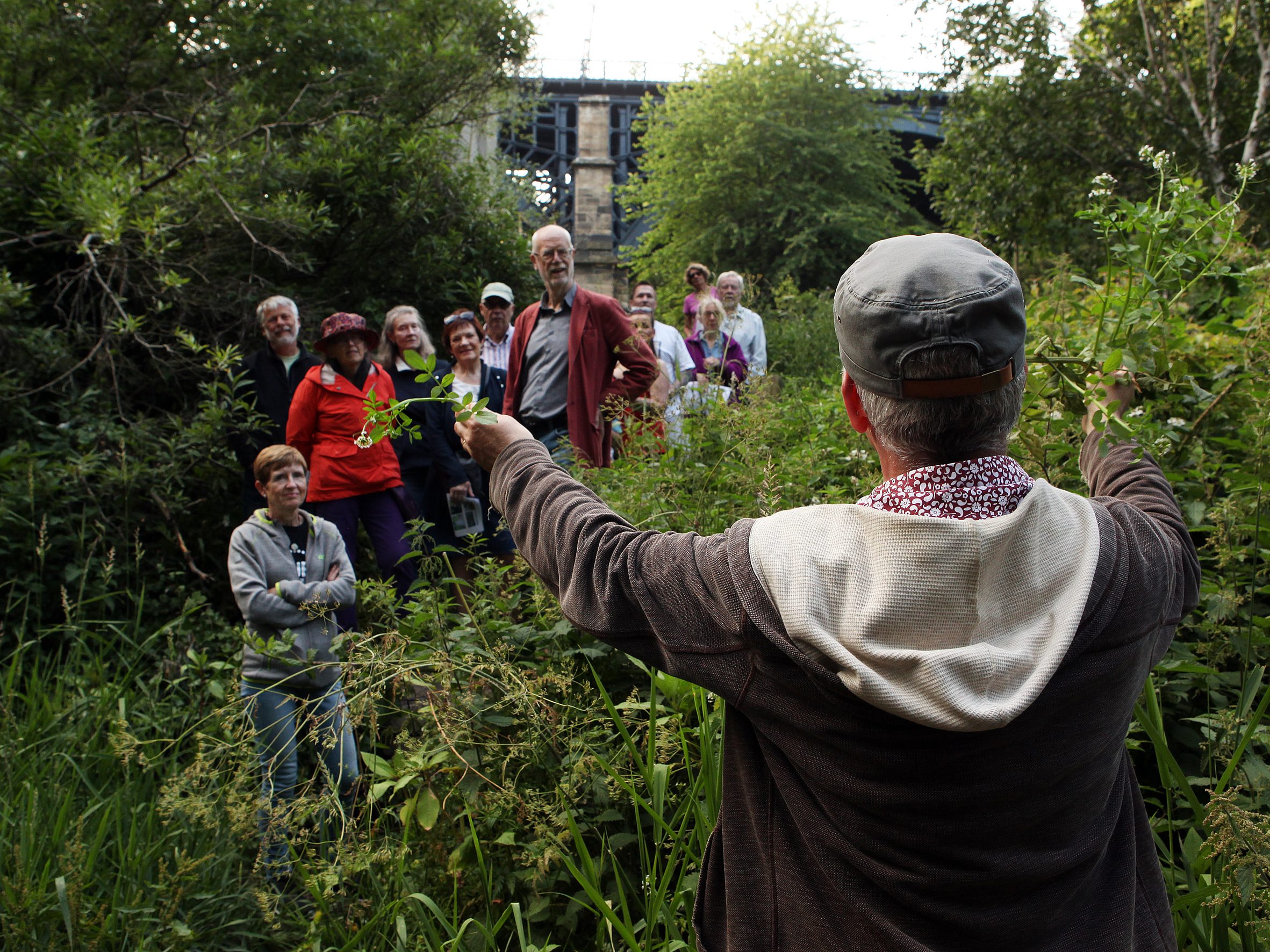

Tour Guides: Discover a Destination Through Local Stories

tour guides

Tour Guides: Bringing a Destination to Life

A memorable journey is about more than the places you visit. It is also shaped by the stories you hear, the people you meet and the details you might otherwise miss. A knowledgeable tour guide can bring all of these elements together, helping visitors understand a destination beyond its landmarks and photographs.

What does a tour guide do?

Tour guides introduce visitors to a place and help them explore it with confidence. Depending on the tour, they may explain local history, point out architectural features, share cultural traditions or offer practical advice. They can also help organise the route, answer questions and make sure the group has time to enjoy the experience.

The best guides do more than recite facts. They connect information to the places around them, adapting their explanations to the interests of the group. A walk through an old town, for example, might become a conversation about its changing communities, local customs and everyday life.

Why choose a local guide?

Local guides often offer valuable insight into the character of a destination. They may know the history behind a modest-looking building, recommend a family-run café or explain the significance of a festival or custom. Their knowledge can add depth to a visit and help travellers see beyond the most familiar sights.

In a country such as Armenia, a guide can help visitors make connections between ancient heritage and contemporary life. Historical sites, monasteries, landscapes and cities each have their own stories, and a well-informed guide can place them in context while sharing perspectives rooted in local experience.

Choosing the right tour

Before booking, consider what you would like from the experience. Some tours focus on history or architecture, while others explore food, nature, crafts or neighbourhood life. Check the tour’s length, group size, meeting point and accessibility, and make sure the language is suitable for everyone taking part.

It is also worth reading recent reviews and checking what is included in the price. If you have particular interests or requirements, ask the guide in advance whether the itinerary can be adapted. A good guide will be clear about what the tour offers and happy to answer reasonable questions.

Making the most of your experience

  • Arrive at the meeting point on time and wear comfortable footwear.
  • Bring water and weather-appropriate clothing, especially for outdoor excursions.
  • Ask questions: a conversation can make the tour more rewarding.
  • Be considerate when visiting religious or culturally significant places.
  • Follow guidance about photography, local customs and access to private spaces.

A richer way to explore

Tour guides can turn a collection of sights into a more meaningful journey. Through their knowledge, stories and recommendations, they help visitors understand not only what they are seeing, but why it matters. Whether exploring a historic city, a mountain landscape or a local market, choosing the right guide can make a trip more engaging and memorable.


Essential Tips for Choosing and Enjoying a Tour Guide Experience

  1. Choose a guide with strong local knowledge.
  2. Check reviews before booking.
  3. Ask about group size and pace.
  4. Wear comfortable shoes and weather-appropriate clothes.
  5. Arrive on time at the meeting point.
  6. Tip only if it feels deserved.

Choose a guide with strong local knowledge.

Choose a guide with strong local knowledge to gain a deeper understanding of the places you visit. A local guide can share the stories behind historic sites, explain customs and traditions, and point you towards neighbourhoods or experiences you might otherwise miss. Their first-hand insight can help you see a destination through the eyes of the people who live there.

Check reviews before booking.

Before booking a tour, take a few minutes to read recent reviews from other travellers. Look for comments on the guide’s knowledge, communication, punctuality and ability to make the experience engaging. Reviews can also reveal practical details, such as whether the pace is suitable or the tour matches its description. Consider several opinions rather than relying on a single review, and check that feedback relates to the specific tour you plan to book.

Ask about group size and pace.

Ask about the group size and pace before booking a tour. Smaller groups can make it easier to hear the guide, ask questions and explore places without feeling rushed, while larger groups may offer a more sociable atmosphere. Check how much walking is involved, whether there are regular breaks and how quickly the itinerary moves between stops, so you can choose a tour that suits your interests and comfort level.

Wear comfortable shoes and weather-appropriate clothes.

Wear comfortable shoes and weather-appropriate clothing to make the most of your tour. You may be walking or standing for long periods, and the weather can change during the day, particularly on outdoor excursions. Check the forecast beforehand and choose practical layers to stay comfortable throughout.

Arrive on time at the meeting point.

Arrive at the meeting point on time so the tour can begin as planned and the group does not have to wait. Check the location and route in advance, and allow extra time for traffic or getting lost. If you are delayed, contact the guide as soon as possible.

Tip only if it feels deserved.

Tipping your tour guide is a personal choice, not an obligation. If the guide made your experience especially informative, enjoyable or welcoming, a tip can be a thoughtful way to show appreciation. Consider local customs and what you can comfortably afford; a sincere thank-you is always welcome, too.

Exploring the Timeless Beauty of World Monuments

monuments

The Magnificent World of Monuments

Monuments stand as timeless testaments to human creativity, ingenuity, and perseverance. From ancient wonders to modern marvels, these structures not only captivate our eyes but also tell stories of cultures, traditions, and historical events.

One of the most iconic monuments in the world is the majestic Eiffel Tower in Paris, France. Built in 1889 for the World’s Fair, this iron lattice tower has become a symbol of romance and architectural brilliance. Its intricate design and towering height continue to awe millions of visitors each year.

Travelling eastwards, we encounter the mystical Stonehenge in England. This prehistoric monument consists of massive standing stones arranged in a circular formation. The purpose of Stonehenge remains shrouded in mystery, sparking endless debates and theories about its origins and significance.

Delving into ancient history, the Pyramids of Giza in Egypt stand as a testament to the power and grandeur of the pharaohs. These colossal structures have withstood the test of time, serving as tombs for the rulers of ancient Egypt and attracting tourists from around the globe.

Closer to home, many cities boast their own iconic monuments that hold special meaning for their residents. Whether it’s a war memorial honouring fallen soldiers or a statue commemorating a local hero, these structures serve as reminders of our shared history and values.

Monuments come in all shapes and sizes, reflecting diverse architectural styles and cultural influences. They serve as landmarks that guide us through cities, parks, and historical sites, inviting us to pause and reflect on the stories they carry within their walls.

As we gaze upon these magnificent structures, let us appreciate the craftsmanship, vision, and dedication that went into creating them. Monuments not only enrich our surroundings but also connect us to our past, present, and future – bridging gaps across time and space.


5 Essential Tips for Visiting and Appreciating Monuments

  1. Research the history and significance of the monument before visiting.
  2. Respect any rules or regulations in place, such as no littering or no climbing on statues.
  3. Take time to appreciate the architecture and details of the monument.
  4. Capture memories with photographs, but be mindful of other visitors.
  5. Consider supporting conservation efforts to preserve monuments for future generations.

Research the history and significance of the monument before visiting.

Before embarking on a visit to a monument, it is highly beneficial to delve into its history and significance. Researching the background of the monument not only enriches the visitor’s experience but also provides a deeper understanding of its cultural and historical importance. By familiarising oneself with the stories and events associated with the monument, visitors can truly appreciate its value and meaning, thus enhancing their overall connection to the site during their visit.

Respect any rules or regulations in place, such as no littering or no climbing on statues.

It is essential to respect any rules or regulations in place when visiting monuments, such as refraining from littering or climbing on statues. These guidelines are put in position to preserve the integrity and beauty of these historical sites for future generations to enjoy. By adhering to these rules, we demonstrate our appreciation and respect for the significance of these monuments and contribute to their long-term conservation.

Take time to appreciate the architecture and details of the monument.

When visiting a monument, it is essential to take the time to appreciate the intricate architecture and details that make it truly remarkable. By closely observing the design elements, craftsmanship, and historical significance of the monument, one can gain a deeper understanding of its cultural importance and aesthetic beauty. Each detail tells a story and offers insights into the era in which the monument was built, allowing visitors to form a more profound connection with the structure and its heritage.

Capture memories with photographs, but be mindful of other visitors.

When exploring monuments, it is a wonderful idea to capture memories through photographs, preserving the beauty and essence of these remarkable structures. However, it is important to be considerate of other visitors while taking photos. Being mindful of those around you ensures that everyone can appreciate and enjoy the monument without distractions or disruptions. Remember to respect the space and privacy of others as you document your own experiences, striking a balance between creating lasting memories and being respectful towards fellow visitors.

Consider supporting conservation efforts to preserve monuments for future generations.

It is crucial to consider supporting conservation efforts aimed at preserving monuments for future generations. By contributing to these initiatives, we can ensure that these historical treasures remain intact and accessible to coming generations. Supporting conservation not only safeguards the physical structures of monuments but also helps in maintaining their cultural, historical, and educational significance. Through collective efforts, we can protect these iconic landmarks and pass down their stories and heritage to inspire and educate future generations about our rich history.

Exploring the Enriching Culture of Armenia

The Rich and Diverse Culture of Armenia

Armenia, a country nestled in the Caucasus region between Europe and Asia, boasts a culture that is as ancient as it is vibrant. From its captivating folk music to its intricate traditional dances, Armenia’s cultural heritage is a tapestry of influences that have shaped the nation over millennia.

Music and Dance

Music and dance are integral parts of Armenian culture, with roots dating back to prehistoric times. Traditional Armenian music often features haunting melodies played on instruments like the duduk, a double-reed woodwind instrument considered the national instrument of Armenia. Meanwhile, Armenian dance forms such as Kochari and Tamzara showcase the grace and precision that are hallmarks of Armenian folk dancing.

Art and Architecture

The art and architecture of Armenia reflect the country’s rich history and diverse influences. From ancient monasteries like Tatev Monastery perched on mountain cliffs to the modernist designs found in Yerevan, Armenia’s capital city, the country’s architectural landscape is a testament to its enduring artistic legacy.

Cuisine

Armenian cuisine is a celebration of flavour and tradition. Dishes like khorovats (barbecue), dolma (stuffed grape leaves), and lavash (flatbread) are staples of Armenian cooking, showcasing the country’s love for fresh ingredients and bold spices. Meals in Armenia are often shared with family and friends, underscoring the importance of community in Armenian culture.

Language and Literature

The Armenian language is one of the oldest in the world, with a rich literary tradition that dates back to the fifth century. Works by renowned Armenian poets such as Hovhannes Shiraz and Paruyr Sevak continue to inspire readers with their evocative verses that capture the essence of Armenian identity.

In conclusion, Armenia’s culture is a treasure trove of artistry, history, and tradition that continues to captivate people around the world. With its unique blend of influences from East and West, Armenia stands as a testament to the enduring power of cultural heritage.


Exploring Armenian Culture: Hospitality, Cuisine, History, Religion, and Music

  1. Armenians are known for their strong sense of hospitality and generosity towards guests.
  2. Traditional Armenian cuisine is rich in flavour and includes dishes like dolma, khorovats (barbecue), and lavash (flatbread).
  3. Armenia has a long history dating back to ancient times, with many historical sites and landmarks to explore.
  4. The Armenian Apostolic Church plays a significant role in the country’s culture and heritage.
  5. Traditional Armenian music and dance are important aspects of the cultural identity, with instruments like the duduk being widely used.

Armenians are known for their strong sense of hospitality and generosity towards guests.

Armenians are renowned for their unwavering commitment to hospitality and generosity when welcoming guests. It is ingrained in Armenian culture to treat visitors with warmth and kindness, often going above and beyond to ensure their comfort and well-being. This tradition of hospitality reflects the deep-rooted values of community, respect, and camaraderie that are integral to Armenian society. Whether inviting guests into their homes for a meal or offering a helping hand to strangers in need, Armenians exemplify the spirit of hospitality in all aspects of their lives.

Traditional Armenian cuisine is rich in flavour and includes dishes like dolma, khorovats (barbecue), and lavash (flatbread).

Traditional Armenian cuisine is a culinary delight that tantalizes the taste buds with its rich flavours and diverse offerings. From the succulent dolma, stuffed grape leaves bursting with savoury goodness, to the mouth-watering khorovats, a barbecue dish that sizzles with aromatic spices, and the comforting lavash, a soft and versatile flatbread that accompanies many meals – Armenian cuisine is a true reflection of the country’s vibrant culinary heritage.

Armenia has a long history dating back to ancient times, with many historical sites and landmarks to explore.

Armenia, steeped in a rich cultural heritage dating back to ancient times, offers a captivating journey through history with its abundance of historical sites and landmarks waiting to be explored. From ancient monasteries perched on rugged cliffs to majestic fortresses that stand as testaments to Armenia’s past, each site tells a story of the nation’s enduring legacy and the diverse influences that have shaped its identity over the centuries.

The Armenian Apostolic Church plays a significant role in the country’s culture and heritage.

The Armenian Apostolic Church holds a pivotal position in shaping Armenia’s culture and heritage. As one of the oldest national churches in the world, it serves as a cornerstone of Armenian identity, influencing various aspects of daily life, celebrations, and traditions. The church’s rich history, religious practices, and architectural marvels not only reflect the spiritual beliefs of the Armenian people but also contribute to the preservation and promotion of their cultural heritage through generations.

Traditional Armenian music and dance are important aspects of the cultural identity, with instruments like the duduk being widely used.

Traditional Armenian music and dance play a significant role in shaping the cultural identity of Armenia. The haunting melodies of instruments like the duduk hold a special place in the hearts of Armenians, evoking a sense of nostalgia and pride. These art forms not only showcase the country’s rich heritage but also serve as a means of preserving age-old traditions and connecting generations through music and movement.

Discovering Armenia’s Historic Sites: A Journey Through Time

sites

The Beauty of Armenia: Exploring Its Historic Sites

Armenia, a country steeped in history and culture, is home to a plethora of stunning sites that showcase its rich heritage. From ancient monasteries to breathtaking landscapes, Armenia offers visitors a unique blend of beauty and significance.

Tatev Monastery

Perched on a cliff edge overlooking the Vorotan River Gorge, Tatev Monastery is a masterpiece of medieval Armenian architecture. Dating back to the 9th century, this UNESCO World Heritage Site is not only a religious centre but also a symbol of Armenian resilience and creativity.

Lake Sevan

Known as the “jewel of Armenia,” Lake Sevan is one of the largest high-altitude lakes in the world. Surrounded by picturesque mountains, this serene lake offers visitors the perfect setting for relaxation and reflection. The Sevanavank Monastery on its shores adds to the charm of this natural wonder.

Geghard Monastery

Carved into the rock face of the Azat River Gorge, Geghard Monastery is a testament to Armenia’s architectural ingenuity. The monastery complex, partly built in the 4th century, is renowned for its intricate stone carvings and spiritual significance.

Garni Temple

Located near the village of Garni, this Hellenistic-style temple stands as a reminder of Armenia’s pagan past. Built in the 1st century AD, Garni Temple offers visitors a glimpse into ancient Armenian religious practices and architectural prowess.

Whether you are drawn to ancient history, natural beauty, or spiritual enlightenment, Armenia’s historic sites have something to offer everyone. Each site tells a story that resonates through time, inviting visitors to explore and appreciate the wonders of this captivating country.


Frequently Asked Questions About Websites and Google Sites

  1. How to make a web site?
  2. Can you use Google Sites for a website?
  3. What is Sites app?
  4. What does Google Sites do?
  5. What are Sites used for?
  6. What is the use of Sites?
  7. What are the 5 types of websites?
  8. How do I find Google Sites?
  9. What will replace Google Sites?
  10. What are examples of Google Sites?
  11. Is Google Sites a free website?
  12. What is the use of Sites in Google?
  13. What is the new Google Sites?
  14. What are the 7 types of websites?

How to make a web site?

Creating a website involves several key steps to ensure a successful online presence. Firstly, it is essential to choose a domain name that reflects your brand or purpose. Next, selecting a reliable web hosting service is crucial for storing your website’s files and making it accessible on the internet. Designing the layout and structure of your site, including user-friendly navigation and visually appealing content, is also important. Incorporating relevant and engaging content, such as text, images, and videos, will help attract and retain visitors. Finally, testing your website across different devices and browsers to ensure compatibility and usability is vital before launching it to the public. By following these steps diligently, you can create a professional and effective website for your intended audience.

Can you use Google Sites for a website?

Yes, Google Sites can be used to create a website. Google Sites is a free and user-friendly platform that allows individuals and businesses to easily design and publish websites without the need for coding knowledge. With its drag-and-drop interface and various templates, users can customise their websites to suit their needs, whether it’s for personal projects, portfolios, or small business websites. Google Sites also integrates seamlessly with other Google services, making it a convenient option for those already using Google’s ecosystem. Overall, Google Sites provides a simple yet effective solution for creating basic websites quickly and efficiently.

What is Sites app?

The Sites app is a versatile platform that allows users to create and design websites with ease. Whether you are a beginner looking to establish an online presence or a seasoned web developer seeking efficiency, Sites app offers intuitive tools and templates to streamline the website-building process. With its user-friendly interface and customizable features, Sites app empowers individuals and businesses to showcase their content in a professional and visually appealing manner.

What does Google Sites do?

Google Sites is a versatile online platform that allows users to create and share websites effortlessly. Whether you need a simple webpage for personal use or a collaborative site for team projects, Google Sites offers intuitive tools for designing and customising web content. With features such as drag-and-drop functionality, integration with other Google services, and easy sharing options, Google Sites simplifies the process of building and managing websites, making it an ideal choice for individuals and businesses looking to establish an online presence quickly and efficiently.

What are Sites used for?

Sites, also known as websites, serve a multitude of purposes in the digital realm. They act as virtual spaces where individuals, businesses, organisations, and institutions can establish an online presence and communicate with a global audience. Sites are used for sharing information, promoting products or services, engaging with customers or followers, conducting e-commerce transactions, publishing content such as articles or blogs, and providing a platform for interaction and collaboration. Essentially, sites serve as dynamic hubs of communication and connectivity in the modern digital age.

What is the use of Sites?

Sites play a crucial role in various aspects of our lives, serving as digital platforms where information, services, and resources can be accessed and shared. From personal blogs to corporate websites, sites enable individuals and organisations to establish an online presence, communicate with their audience, showcase products or ideas, conduct business transactions, and more. They serve as virtual spaces that bridge the gap between creators and consumers, educators and learners, businesses and customers. In essence, sites facilitate connectivity and engagement in the digital age, offering a diverse range of functionalities that cater to different needs and purposes.

What are the 5 types of websites?

There are five main types of websites that serve different purposes and cater to varying needs. Firstly, informational websites provide content such as articles, blogs, and news updates to educate and inform visitors. E-commerce websites allow users to buy and sell products or services online, facilitating transactions in a digital marketplace. Next, entertainment websites offer a range of media content like videos, games, and music for leisure and enjoyment. Social media platforms enable users to connect, interact, and share information with others in a virtual community. Lastly, business or corporate websites serve as online representations of companies, showcasing their products, services, and brand identity to attract customers and clients. Each type of website plays a distinct role in the digital landscape, catering to diverse user preferences and objectives.

How do I find Google Sites?

To access Google Sites, you can simply navigate to the Google homepage and click on the grid icon at the top right corner of the screen. From there, select “Sites” from the list of available Google apps. Alternatively, you can directly visit sites.google.com in your web browser to access Google Sites. Once on the platform, you can create, edit, and manage your own websites with ease using the intuitive tools and templates provided by Google Sites.

What will replace Google Sites?

As the technology landscape continues to evolve, the question of what will replace Google Sites remains a common inquiry among users seeking alternative platforms for creating and managing websites. While Google Sites has been a popular choice for its simplicity and integration with other Google services, there are several emerging website builders and content management systems that offer more advanced features and customisation options. Platforms such as WordPress, Wix, Squarespace, and Weebly are gaining traction as viable alternatives to Google Sites, providing users with greater flexibility in design, functionality, and scalability for their online projects. It is essential for individuals and businesses to explore these alternatives to find the platform that best suits their specific needs and preferences in the ever-changing digital landscape.

What are examples of Google Sites?

Google Sites is a versatile platform that allows users to create and share websites effortlessly. Some examples of Google Sites include personal portfolios showcasing creative work, collaborative team project sites for businesses, educational websites for students and teachers to share resources, event websites for organising gatherings or conferences, and informational sites for clubs or organisations to communicate with their members. With its user-friendly interface and integration with other Google tools, Google Sites offers a convenient way to build various types of websites tailored to different needs and purposes.

Is Google Sites a free website?

Yes, Google Sites is a free website-building tool offered by Google. Users can create and publish websites using Google Sites without any cost. It provides a user-friendly platform with easy-to-use templates and drag-and-drop functionality, making it accessible for individuals and businesses looking to establish an online presence without the need for advanced technical skills or financial investment. Google Sites also integrates seamlessly with other Google services, allowing users to collaborate and share their websites effortlessly.

What is the use of Sites in Google?

Sites in Google serve as a versatile platform for creating and sharing web pages, allowing users to build their own websites without the need for advanced technical skills. Whether for personal projects, professional portfolios, or collaborative ventures, Google Sites offers a user-friendly interface for designing and customising web content. Users can easily integrate various media elements, organise information effectively, and collaborate with others in real-time. With its intuitive tools and seamless integration with other Google services, Sites provides a convenient solution for individuals and teams looking to establish an online presence quickly and efficiently.

What is the new Google Sites?

The new Google Sites is a user-friendly website creation tool that allows individuals and businesses to easily build and share websites without the need for coding knowledge. Launched as a part of Google’s G Suite platform, the new Google Sites offers a streamlined interface, drag-and-drop functionality, and seamless integration with other Google services. With its intuitive design and collaborative features, users can create professional-looking websites for various purposes, such as portfolios, project sites, or team intranets. Overall, the new Google Sites provides a convenient and efficient solution for anyone looking to establish an online presence quickly and effectively.

What are the 7 types of websites?

In the realm of web design and development, there are seven common types of websites that serve varying purposes and cater to different audiences. These include e-commerce websites, which facilitate online buying and selling; informational websites, designed to provide knowledge and resources on specific topics; portfolio websites, showcasing an individual’s or a company’s work and achievements; blog websites, offering regular content updates on various subjects; entertainment websites, focusing on providing amusement and leisure activities; media-sharing websites, allowing users to upload and share multimedia content; and educational websites, dedicated to delivering learning materials and courses online. Each type of website serves a distinct function in the digital landscape, catering to diverse needs and interests of users worldwide.

Unveiling the Timeless Tapestry of Armenian History

armenian history

The Rich Tapestry of Armenian History

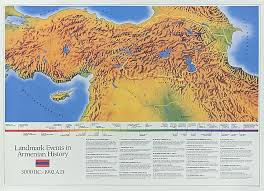
Armenia, a land steeped in ancient traditions and a history that spans millennia, holds a unique place in the tapestry of world civilizations. Situated at the crossroads of Europe and Asia, Armenia’s story is one of resilience, cultural richness, and enduring heritage.

One of the earliest civilizations to adopt Christianity as a state religion in 301 AD, Armenia has played a significant role in shaping religious and cultural landscapes. The Armenian Apostolic Church, with its distinct rituals and traditions, stands as a testament to the deep spiritual connection that Armenians have maintained throughout history.

Armenian history is marked by periods of both triumph and adversity. From the powerful Kingdom of Urartu in the 9th century BC to the challenges faced during the Armenian Genocide in the early 20th century, Armenians have shown remarkable strength and perseverance in preserving their identity and heritage.

The legacy of Armenian history is evident in its architecture, literature, music, and art. The stunning monasteries perched on rugged mountainsides, the intricate khachkars (cross-stones) dotting the landscape, and the timeless poetry of figures like Sayat-Nova all reflect the depth of Armenia’s cultural heritage.

Today, Armenians around the world continue to celebrate their history through vibrant festivals, traditional dances like Kochari and Tamzara, and culinary delights such as dolma and lavash. The diaspora communities maintain strong ties to their homeland, ensuring that Armenian history remains alive and cherished across generations.

In exploring Armenian history, one encounters a rich mosaic of influences from neighbouring empires such as Persia, Byzantium, and the Ottoman Empire. These interactions have shaped Armenia’s language, customs, and worldview, creating a unique blend of Eastern and Western elements that define its cultural identity.

As we delve into the annals of Armenian history, we discover a story that is not just confined to the past but resonates powerfully in the present. It is a story of survival against all odds, creativity amidst adversity, and an unwavering commitment to preserving a heritage that continues to inspire generations around the globe.


Exploring Armenia: 8 Insights into its Rich Historical and Cultural Legacy

  1. Armenia is one of the oldest countries with a rich history dating back to ancient times.
  2. The Armenian Genocide, which took place during World War I, resulted in the deaths of over 1 million Armenians.
  3. Mount Ararat, a significant symbol for Armenians, is located in modern-day Turkey but holds cultural importance for Armenians.
  4. Armenia was the first country to adopt Christianity as its state religion in 301 AD.
  5. The capital of Armenia is Yerevan, one of the world’s oldest continuously inhabited cities.
  6. Armenian architecture includes unique structures such as monasteries carved into cliffs and intricate khachkars (cross-stones).
  7. Famous Armenian figures include chess grandmaster Tigran Petrosian and artist Arshile Gorky.
  8. Armenia has a rich tradition of folk music and dance, with instruments like the duduk being integral to its cultural heritage.

Armenia is one of the oldest countries with a rich history dating back to ancient times.

Armenia stands as one of the most ancient countries in the world, boasting a history that traces back to antiquity. With roots reaching deep into the annals of time, Armenia’s rich historical tapestry weaves together tales of triumphs, challenges, and enduring cultural legacies that have shaped the nation’s identity over millennia.

The Armenian Genocide, which took place during World War I, resulted in the deaths of over 1 million Armenians.

The Armenian Genocide, a tragic chapter in Armenian history that unfolded during World War I, stands as a harrowing reminder of the atrocities committed against the Armenian people. With over 1 million Armenians losing their lives in a systematic campaign of violence and persecution, the genocide left an indelible mark on the collective memory of Armenians worldwide. The impact of this dark period continues to reverberate through generations, underscoring the importance of acknowledging historical injustices and striving for peace and reconciliation.

Mount Ararat, a significant symbol for Armenians, is located in modern-day Turkey but holds cultural importance for Armenians.

Mount Ararat, a towering presence on the horizon, holds profound cultural significance for Armenians despite being situated in modern-day Turkey. Revered as a symbol of national identity and resilience, Mount Ararat is deeply ingrained in Armenian history and folklore. According to biblical accounts, it is believed to be the resting place of Noah’s Ark after the Great Flood. For Armenians worldwide, Mount Ararat serves as a poignant reminder of their ancestral homeland and a beacon of hope for the future, embodying the enduring spirit of the Armenian people.

Armenia was the first country to adopt Christianity as its state religion in 301 AD.

In 301 AD, Armenia made history by becoming the first country to embrace Christianity as its official state religion. This monumental decision not only transformed the spiritual landscape of the region but also laid the foundation for a deep-rooted connection between Armenians and their faith. The adoption of Christianity in Armenia marked a pivotal moment in the country’s history, shaping its cultural identity and influencing its traditions for centuries to come.

The capital of Armenia is Yerevan, one of the world’s oldest continuously inhabited cities.

Located in the heart of Armenia, Yerevan stands as a testament to the country’s enduring legacy. As one of the world’s oldest continuously inhabited cities, Yerevan bears witness to centuries of history, culture, and resilience. Its ancient streets whisper tales of conquests, trade routes, and artistic flourishing, making it a vibrant mosaic of past and present. Serving as the capital of Armenia, Yerevan not only symbolizes the nation’s rich heritage but also embodies its spirit of endurance and progress through the ages.

Armenian architecture includes unique structures such as monasteries carved into cliffs and intricate khachkars (cross-stones).

Armenian architecture is a testament to the country’s rich history and cultural heritage, showcasing unique structures that captivate the imagination. From monasteries delicately carved into cliffs, blending seamlessly with the natural landscape, to the intricate khachkars, or cross-stones, adorned with elaborate carvings and symbolism, Armenian architecture reflects a deep spiritual connection and artistic prowess that have endured through centuries. These architectural marvels not only stand as physical monuments but also serve as windows into Armenia’s past, offering insights into its religious beliefs, craftsmanship, and unwavering dedication to preserving its distinctive identity.

Famous Armenian figures include chess grandmaster Tigran Petrosian and artist Arshile Gorky.

Within the rich tapestry of Armenian history, notable figures have emerged to leave a lasting impact on the world stage. Among these luminaries are chess grandmaster Tigran Petrosian, revered for his strategic prowess and innovative gameplay that earned him the title of World Chess Champion. Equally renowned is artist Arshile Gorky, whose abstract expressionist works captivate audiences with their emotional depth and vibrant colours. These famous Armenian figures stand as shining examples of the talent and creativity that have flourished within Armenia’s cultural landscape, leaving an indelible mark on their respective fields for generations to come.

Armenia has a rich tradition of folk music and dance, with instruments like the duduk being integral to its cultural heritage.

Armenia boasts a vibrant tradition of folk music and dance that serves as a testament to its cultural richness. Instruments like the duduk, with its hauntingly beautiful melodies, hold a special place in Armenian heritage, symbolizing the soulful expression of the country’s musical legacy. The rhythmic movements of traditional Armenian dances, such as the energetic Kochari and graceful Tamzara, further showcase the deep connection between music, dance, and Armenian identity. These artistic expressions not only entertain but also serve as a bridge to the past, preserving centuries-old traditions for future generations to cherish and celebrate.

Exploring the Enchanting Realm of Armenian Culture

armenian culture

The Rich Tapestry of Armenian Culture

Armenia, a land steeped in history and tradition, boasts a vibrant and diverse culture that has captivated people around the world. From its ancient roots to its modern expressions, Armenian culture is a tapestry woven with unique customs, art forms, and beliefs.

History and Heritage

Armenian culture is deeply influenced by its rich history, dating back thousands of years. The country’s strategic location at the crossroads of Europe and Asia has exposed it to various cultural influences, resulting in a unique blend of traditions. From the majestic churches and monasteries dotting the landscape to the intricate carvings on khachkars (cross-stones), Armenia’s heritage is proudly showcased through its architectural marvels.

Cuisine and Hospitality

No exploration of Armenian culture is complete without delving into its delectable cuisine. Known for its flavourful dishes such as dolma (stuffed grape leaves), khorovats (barbecue), and lavash (flatbread), Armenian food reflects the country’s agricultural abundance and culinary creativity. Hospitality plays a central role in Armenian culture, with guests often being welcomed with open arms and treated to an array of traditional delicacies.

Arts and Crafts

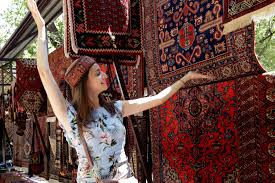
The artistic spirit runs deep in Armenia, with a long-standing tradition of craftsmanship evident in various art forms. From intricate embroidery to colourful ceramics, Armenian artisans have mastered techniques that have been passed down through generations. Music also holds a special place in Armenian culture, with soul-stirring melodies of duduk (woodwind instrument) resonating through ancient valleys.

Festivals and Celebrations

Throughout the year, Armenians come together to celebrate a myriad of festivals that are steeped in tradition and symbolism. Whether it’s the joyous festivities of Vardavar or the solemn observance of Easter, these events serve as an opportunity for communities to bond over shared customs and beliefs.

Preservation and Innovation

While preserving age-old traditions remains paramount in Armenian culture, there is also a spirit of innovation that drives creative expression. Contemporary artists, musicians, and designers are reimagining traditional motifs in modern contexts, bridging the gap between past and present.

In conclusion, Armenian culture stands as a testament to resilience, creativity, and unity. It continues to inspire awe and admiration among those who seek to unravel its mysteries and immerse themselves in its timeless beauty.


Celebrating the Rich Tapestry of Armenian Culture: Heritage, Hospitality, and Harmony

  1. Rich historical heritage dating back thousands of years.
  2. Vibrant and diverse culinary traditions featuring unique flavours and dishes.
  3. Hospitality that is warm, welcoming, and deeply ingrained in societal norms.
  4. Artistic excellence showcased through intricate crafts like embroidery and ceramics.
  5. Musical heritage highlighted by the hauntingly beautiful sounds of the duduk.
  6. Festivals and celebrations that bring communities together in joyous unity.
  7. A culture that seamlessly blends tradition with innovation, embracing both past and present.


Exploring Challenges in Armenian Culture: Gender Roles, Family Dynamics, and Modernisation

  1. Limited gender equality in traditional societal roles.
  2. Strict adherence to hierarchical family structures may limit individual autonomy.
  3. Historical conflicts and geopolitical tensions have influenced cultural narratives.
  4. Challenges in preserving endangered dialects and languages within the culture.
  5. Economic disparities impacting access to cultural resources and opportunities.
  6. Resistance to change or modernization in certain aspects of cultural practices.

Rich historical heritage dating back thousands of years.

Armenian culture boasts a remarkable pro in its rich historical heritage that traces back thousands of years. This deep-rooted history serves as a testament to the resilience and endurance of the Armenian people through various periods of prosperity and adversity. From ancient civilizations to medieval kingdoms, Armenia’s historical legacy is a treasure trove of knowledge, traditions, and customs that continue to shape the country’s identity and influence its modern cultural landscape.

Vibrant and diverse culinary traditions featuring unique flavours and dishes.

Armenian culture shines brightly through its vibrant and diverse culinary traditions, showcasing a delightful array of unique flavours and dishes. From the succulent khorovats (barbecue) to the aromatic dolma (stuffed grape leaves) and the comforting lavash (flatbread), Armenian cuisine is a true reflection of the country’s rich history and agricultural abundance. Each dish tells a story, blending traditional ingredients with innovative techniques to create a culinary experience that is both distinctive and unforgettable. The fusion of bold spices, fresh herbs, and hearty ingredients embodies the essence of Armenian culture, inviting food enthusiasts to savour a taste of tradition unlike any other.

Hospitality that is warm, welcoming, and deeply ingrained in societal norms.

Armenian culture is renowned for its exceptional hospitality, a cherished pro that is characterised by warmth, openness, and a deep-rooted presence in societal norms. The tradition of welcoming guests with genuine warmth and generosity is ingrained in the fabric of Armenian society, reflecting a profound respect for visitors and a strong sense of community. Whether it’s inviting guests into their homes for a meal or offering a helping hand to strangers in need, Armenians exemplify the true essence of hospitality, creating lasting bonds and fostering a sense of belonging for all who cross their path.

Artistic excellence showcased through intricate crafts like embroidery and ceramics.

Armenian culture shines brightly through its artistic excellence, exemplified by the intricate crafts of embroidery and ceramics. Skilled artisans meticulously weave stories and traditions into every stitch of embroidered fabric, creating masterpieces that are both visually captivating and culturally significant. Similarly, the art of ceramic-making in Armenia showcases a harmonious blend of creativity and craftsmanship, with each piece reflecting a deep-rooted connection to the country’s heritage. Through these exquisite forms of expression, Armenian culture not only preserves its rich artistic traditions but also invites admiration for its unparalleled dedication to craftsmanship.

Musical heritage highlighted by the hauntingly beautiful sounds of the duduk.

Armenian culture boasts a captivating musical heritage, with one of its standout features being the hauntingly beautiful sounds of the duduk. This ancient woodwind instrument, traditionally crafted from apricot wood, produces soul-stirring melodies that evoke a sense of melancholy and nostalgia. The duduk’s unique timbre and emotive qualities have made it a symbol of Armenian music, transcending borders to touch the hearts of listeners worldwide. Its ethereal notes resonate through valleys and ancient landscapes, carrying with them the rich history and profound emotions embedded in Armenian culture.

Festivals and celebrations that bring communities together in joyous unity.

One of the most enchanting aspects of Armenian culture is the array of festivals and celebrations that serve as vibrant threads weaving communities together in joyous unity. These festive occasions, steeped in tradition and symbolism, not only offer a time for merriment and revelry but also create a strong sense of togetherness among people. Whether it’s the colourful dances of Navasard or the jubilant gatherings during New Year celebrations, these events provide a platform for individuals to connect, share in collective happiness, and strengthen the bonds that tie them to their cultural roots.

A culture that seamlessly blends tradition with innovation, embracing both past and present.

Armenian culture shines as a beacon of tradition and innovation harmoniously intertwined, where the reverence for heritage coexists with a forward-thinking spirit. This unique quality allows Armenia to embrace its rich past while embracing the opportunities of the present, creating a dynamic cultural landscape that honours its roots while fostering creativity and progress.

Limited gender equality in traditional societal roles.

In traditional Armenian culture, a notable con lies in the limited gender equality within societal roles. Deep-rooted norms and expectations often assign specific roles and responsibilities based on gender, creating barriers for individuals to break free from traditional stereotypes. Women, in particular, may face challenges in achieving equal opportunities and recognition in various spheres of society. This imbalance restricts the full potential of both men and women, hindering progress towards a more inclusive and egalitarian society where all individuals can thrive regardless of gender. Efforts towards promoting gender equality and challenging outdated norms are crucial steps towards fostering a more equitable and progressive Armenian society.

Strict adherence to hierarchical family structures may limit individual autonomy.

In Armenian culture, a con that is often observed is the strict adherence to hierarchical family structures, which can potentially limit individual autonomy. The emphasis on respect for elders and the authority of family elders may sometimes restrict the freedom of younger generations to make independent decisions or pursue personal aspirations. This traditional framework, while rooted in values of family unity and collective welfare, can create challenges for individuals seeking to assert their own identity and exercise autonomy in a society where familial bonds hold significant importance. Striking a balance between upholding cultural traditions and fostering individual empowerment remains a delicate yet essential aspect of navigating the complexities of Armenian familial dynamics.

Historical conflicts and geopolitical tensions have influenced cultural narratives.

Historical conflicts and geopolitical tensions have undeniably left their mark on Armenian culture, shaping its narratives in profound ways. The legacy of past struggles and territorial disputes has woven a complex tapestry of stories and perspectives that reflect the enduring impact of these challenges. These historical wounds have not only influenced art, literature, and music but have also embedded themselves in the collective memory of the Armenian people, adding layers of depth and nuance to their cultural identity. Despite the shadows cast by these conflicts, Armenians have shown resilience in preserving their heritage and using their cultural narratives as a means of both remembrance and resilience in the face of adversity.

Challenges in preserving endangered dialects and languages within the culture.

Preserving endangered dialects and languages within Armenian culture poses a significant challenge in today’s rapidly changing world. As globalisation and modernisation take hold, younger generations are often drawn towards more widely spoken languages, leading to a decline in the usage of traditional Armenian dialects. Efforts to safeguard these linguistic treasures require a concerted push to raise awareness, provide educational resources, and create opportunities for intergenerational language transmission. The loss of these unique dialects not only erodes cultural diversity but also diminishes a vital link to Armenia’s past and the stories embedded within its linguistic heritage. It is imperative for communities and institutions to work together in preserving and revitalising these endangered languages to ensure their survival for future generations.

Economic disparities impacting access to cultural resources and opportunities.

In Armenian culture, one significant challenge lies in the economic disparities that hinder equal access to cultural resources and opportunities. The divide between socio-economic classes can limit individuals’ ability to engage fully in cultural activities, such as attending performances, visiting museums, or participating in traditional events. This disparity not only restricts the enrichment of those from lower-income backgrounds but also hampers the overall diversity and inclusivity of Armenian cultural experiences. Efforts to address these economic barriers are crucial to ensuring that all members of society can partake in and contribute to the preservation and evolution of Armenia’s rich cultural heritage.

Resistance to change or modernization in certain aspects of cultural practices.

In certain aspects of Armenian culture, a notable con is the resistance to change or modernization in traditional cultural practices. While the preservation of heritage is crucial for maintaining identity and continuity, the reluctance to adapt to evolving societal norms and technologies can hinder progress and innovation. This resistance may lead to a disconnect between older generations who uphold longstanding customs and younger individuals seeking to embrace contemporary lifestyles. Finding a balance between honouring the past and embracing the future is essential for ensuring the vitality and relevance of Armenian culture in an ever-changing world.