Armenia’s Historical Monuments: A Journey Through the Past

Armenia’s Historical Monuments: Stone Witnesses to a Remarkable Past

Armenia’s history can be read in its landscapes. Across the country, ancient temples, medieval monasteries, churches and fortresses stand among mountains and valleys, reflecting centuries of faith, creativity and change. Built from local stone and shaped by distinctive architectural traditions, these monuments are more than reminders of the past: many remain places of worship, learning and community life today.

Garni: A Temple from the Ancient World

Near Yerevan, the Temple of Garni rises above the Azat River gorge. Its classical columns make it unlike Armenia’s familiar medieval churches, and it is widely recognised as the only surviving Greco-Roman colonnaded temple in the country. The temple is generally dated to the first century AD and is thought to have been dedicated to a pre-Christian deity. Its setting, with steep cliffs and sweeping views, makes the site especially striking.

Geghard: A Monastery Carved into the Rock

Not far from Garni stands the monastery of Geghard, a UNESCO World Heritage Site set within a dramatic mountain gorge. Parts of the complex are carved directly into the surrounding rock, creating chapels and chambers with a quiet, enclosed atmosphere. The monastery’s name is traditionally associated with the Holy Lance, a relic said to have been kept there. Geghard’s buildings and setting show how closely Armenian religious architecture is connected to the natural landscape.

Etchmiadzin and Zvartnots: Early Christian Heritage

Armenia adopted Christianity as its state religion in the early fourth century, and its churches preserve some of the most important evidence of this early Christian history. Etchmiadzin Cathedral, in the city of Vagharshapat, is traditionally regarded as the oldest cathedral in the world. It remains a major spiritual centre for the Armenian Apostolic Church.

Nearby are the remains of Zvartnots Cathedral, built in the seventh century. Though the building was destroyed by an earthquake several centuries later, its circular ruins reveal the ambition of its original design. Together, Etchmiadzin and Zvartnots help tell the story of Armenia’s early Christian architecture and its influence on later generations.

Haghpat and Sanahin: Monasteries of Learning

In northern Armenia, the monasteries of Haghpat and Sanahin overlook the Debed River valley. Both were founded in the tenth century and are recognised by UNESCO for their architectural and cultural importance. Their churches, libraries, bell towers and khachkars reflect a period when monasteries served not only as religious centres but also as places of scholarship, manuscript production and education.

The khachkar, or carved stone cross, is one of Armenia’s most distinctive forms of memorial art. These finely worked stones can be found across the country, often in monastery courtyards and historic cemeteries. Each design is different, combining crosses with intricate patterns of leaves, rosettes and interlacing lines.

Noravank and Tatev: Monuments in the Mountains

Noravank Monastery is known for its warm-toned stone buildings and its location among the red cliffs of Vayots Dzor. The complex includes the Church of the Holy Mother of God, whose narrow external staircase has become one of Armenia’s most recognisable architectural features. The monastery was also an important centre of learning and the arts in the medieval period.

Further south, Tatev Monastery stands on a plateau above the Vorotan Gorge. Founded in the ninth century, it once served as a religious and educational centre. The vast gorge and surrounding mountains make Tatev’s setting as memorable as its architecture. The monastery is also a reminder of the ingenuity required to build and sustain communities in Armenia’s rugged terrain.

Preserving the Past

Armenia’s historical monuments have endured earthquakes, conflict, changing borders and the passage of time. Their preservation depends on careful restoration, responsible tourism and respect for their religious and cultural significance. Visitors can help by following local guidance, treating sacred spaces with care and avoiding damage to ancient stonework.

From Garni’s classical columns to the rock-cut chambers of Geghard, Armenia’s monuments reveal a rich and varied past. Each site offers a different perspective on the country’s history, while together they form an extraordinary cultural landscape—one that continues to inspire those who encounter it.


Celebrating Historical Monuments: Preserving Heritage and Inspiring Discovery

  1. Preserve history for future generations.
  2. Showcase remarkable architecture and craftsmanship.
  3. Help us understand past cultures and beliefs.
  4. Attract visitors and support local communities.
  5. Create a strong sense of place and identity.
  6. Inspire learning, curiosity and discovery.


Challenges Facing Historical Monuments: Maintenance Costs, Tourism Impact, and Accessibility Issues

  1. They can be costly to maintain.
  2. Tourism may cause overcrowding and damage.
  3. Access can be difficult for some visitors.

Preserve history for future generations.

Historical monuments preserve the stories, achievements and traditions of earlier generations, giving future generations a tangible link to the past. By protecting these places, we help people learn how communities lived, what they valued and how societies changed over time. Their lasting presence keeps history visible and meaningful, allowing it to be explored and passed on for years to come.

Showcase remarkable architecture and craftsmanship.

Historical monuments showcase remarkable architecture and craftsmanship, revealing the skill, creativity and vision of the people who built them. From finely carved stonework and intricate decorative details to ingenious structural designs, each feature offers a glimpse into the techniques and artistic traditions of its time. Preserving these monuments allows future generations to appreciate this expertise and understand how architecture reflects a society’s culture and history.

Help us understand past cultures and beliefs.

Historical monuments offer a window into the cultures and beliefs of people who lived before us. Their architecture, carvings, inscriptions and decorations reveal what communities valued, how they worshipped and how they organised daily life. By studying these places, we can better understand the ideas and traditions that shaped the past—and how they continue to influence the world today.

Attract visitors and support local communities.

Historical monuments attract visitors who come to explore their architecture, stories and cultural significance. This interest can support local communities by creating opportunities for guides, cafés, accommodation providers, craftspeople and other small businesses. When tourism is managed responsibly, it can also encourage investment in local services and help fund the care and preservation of these important sites.

Create a strong sense of place and identity.

Historical monuments create a strong sense of place and identity by connecting people with the stories, traditions and events that have shaped their community. Recognisable landmarks can become symbols of a town or region, fostering shared pride and belonging. They also give visitors a glimpse of what makes a place distinctive, helping its history remain part of everyday life.

Inspire learning, curiosity and discovery.

Historical monuments inspire learning, curiosity and discovery by bringing the past to life. Exploring an ancient temple, church or fortress encourages visitors to ask how it was built, who used it and what life was like at the time. In Armenia, monuments such as Garni and Geghard offer a vivid introduction to the country’s history, architecture and traditions, turning a visit into an opportunity to learn beyond the pages of a book.

They can be costly to maintain.

Historical monuments can be costly to maintain, as their age and delicate materials often require specialist repairs, skilled craftspeople and regular conservation work. Weather, pollution and heavy visitor numbers can accelerate deterioration, while restoration must be carried out carefully to preserve each site’s original character. These expenses can place a significant burden on public funds and local communities.

Tourism may cause overcrowding and damage.

Tourism can bring welcome attention and income to historical monuments, but large numbers of visitors may also cause overcrowding and physical damage. Constant foot traffic can wear down floors and pathways, while touching fragile surfaces, leaving litter or ignoring access rules can harm historic features. Crowds may also disrupt worship and make it harder for visitors to appreciate a site. Careful visitor management and responsible behaviour help protect these irreplaceable places for future generations.

Access can be difficult for some visitors.

Access to historical monuments can be difficult for some visitors. Many are located in remote areas, reached by uneven paths, steep steps or long walks, while historic buildings may lack ramps, lifts and accessible facilities. These challenges can make visits especially demanding for people with limited mobility, families with young children and older visitors. Planning ahead and checking access information can help, but improvements are often needed to make these important places welcoming to everyone.
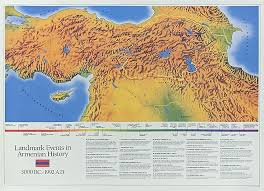
Exploring Armenia’s Historic Heritage: Monasteries, Monuments and Living Traditions

historic

Armenia: A Land Shaped by History

Armenia’s history is woven into its mountains, monasteries and ancient cities. Situated at the crossroads of Europe and Asia, the country has been influenced by many peoples and empires while preserving a distinctive language, culture and identity. Its historic sites offer a glimpse into a past that reaches back thousands of years.

An ancient heritage

The Armenian Highlands have been home to communities since antiquity. Armenia became the first country to adopt Christianity as a state religion, traditionally dated to 301 CE. This early Christian heritage shaped Armenian art, architecture and literature, and remains visible in churches and monasteries across the country.

Among the most recognisable examples is Etchmiadzin Cathedral, regarded as one of the oldest cathedral buildings in the world. Nearby, the ruins of Zvartnots Cathedral reveal the ambition and skill of early medieval Armenian builders. Both sites form part of the UNESCO-listed Cathedral and Churches of Echmiatsin and the Archaeological Site of Zvartnots.

Monasteries among the mountains

Armenia’s monasteries are among its most evocative historic landmarks. Set in dramatic landscapes, they served not only as places of worship but also as centres of learning, manuscript production and community life.

The monasteries of Haghpat and Sanahin, in northern Armenia, are celebrated examples of medieval Armenian architecture. Their churches, libraries and stone carvings reflect the achievements of a society that placed great importance on education and faith. Further south, the monastery of Tatev stands above the Vorotan Gorge, its position offering sweeping views of the surrounding countryside.

Stone, memory and identity

Armenian history is also recorded in stone. Khachkars—intricately carved cross-stones—can be found throughout the country. Each is a work of art, often decorated with interlacing patterns, leaves and symbols. They were created to commemorate people and events, and remain powerful expressions of Armenian craftsmanship and spiritual life.

In Yerevan, the capital, historic and contemporary landmarks sit side by side. The city’s museums and memorials provide different perspectives on Armenia’s past, while its streets and cultural institutions show how that history continues to shape life today.

Keeping history alive

Historic places are more than reminders of earlier times. They connect communities with their heritage and help visitors understand the forces that have shaped the country. Preserving them requires care, research and respect for the people for whom these sites remain meaningful.

Exploring Armenia’s historic heritage is an invitation to look beyond the dates and monuments. It is a chance to encounter a living culture—one that has endured, adapted and continued to tell its story across generations.


9 Essential Tips for Exploring Historic Sites in the UK

  1. Check opening times before visiting historic sites.
  2. Wear comfortable shoes for uneven floors and paths.
  3. Read plaques to understand the site’s history.
  4. Follow signs and respect restricted areas.
  5. Avoid touching fragile objects and surfaces.
  6. Book guided tours in advance when possible.
  7. Check whether photography is allowed.
  8. Look for accessibility information before your visit.
  9. Leave historic places as you found them.

Check opening times before visiting historic sites.

Before visiting a historic site, check its opening times and any visitor information online. Hours can vary by season, public holidays or special events, and some places may require advance booking. A quick check helps you plan your day, avoid an unnecessary journey and make the most of your visit.

Wear comfortable shoes for uneven floors and paths.

When exploring historic sites, wear comfortable, supportive shoes with a good grip. Uneven floors, cobbled streets and rugged paths can be tiring or slippery, so suitable footwear will help you stay steady and enjoy your visit.

Read plaques to understand the site’s history.

Take a moment to read the plaques at historic sites. They often explain when and why a place was built, describe important events and people, and reveal details that might otherwise go unnoticed. A few minutes spent reading can make your visit more meaningful and help you understand the site’s place in local history.

Follow signs and respect restricted areas.

When visiting historic sites, follow the signs and respect any restricted areas. Barriers and notices help protect fragile buildings, artefacts and archaeological remains, as well as keeping visitors safe. Staying on marked paths ensures these places can be preserved for future generations to enjoy.

Avoid touching fragile objects and surfaces.

When visiting historic sites, avoid touching fragile objects and surfaces. Even clean hands can transfer oils and dirt, gradually damaging delicate stonework, paintings, carvings and artefacts. Admire these treasures from a respectful distance, and follow any signs or guidance from staff to help preserve them for future generations.

Book guided tours in advance when possible.

When exploring historic sites, book guided tours in advance whenever possible. Popular tours can fill up quickly, particularly during busy travel periods, so reserving ahead helps you secure a place and plan your day. A knowledgeable guide can also bring the past to life, share details you might otherwise miss and help you make the most of your visit.

Check whether photography is allowed.

Before taking photographs at a historic site, check whether photography is permitted and look out for signs or guidance from staff. Some places restrict photography to protect fragile interiors, preserve a respectful atmosphere or safeguard cultural and religious traditions. If you are unsure, ask before taking pictures, and avoid using flash where it could damage delicate objects or disturb other visitors.

Look for accessibility information before your visit.

Before visiting a historic site, check its accessibility information so you can plan your trip with confidence. Older buildings may have uneven paths, steep steps, narrow doorways or limited facilities, while conservation rules can restrict access to certain areas. Look for details on step-free routes, accessible toilets, parking and available assistance, and contact the site directly if anything is unclear.

Leave historic places as you found them.

When visiting historic places, leave them as you found them so others can enjoy and learn from them too. Avoid touching fragile surfaces, moving objects or taking anything away, and always follow local guidance. Even small actions can help protect these irreplaceable sites and preserve their stories for future generations.

Unveiling the Timeless Tapestry of Armenian History

armenian history

The Rich Tapestry of Armenian History

Armenia, a land steeped in ancient traditions and a history that spans millennia, holds a unique place in the tapestry of world civilizations. Situated at the crossroads of Europe and Asia, Armenia’s story is one of resilience, cultural richness, and enduring heritage.

One of the earliest civilizations to adopt Christianity as a state religion in 301 AD, Armenia has played a significant role in shaping religious and cultural landscapes. The Armenian Apostolic Church, with its distinct rituals and traditions, stands as a testament to the deep spiritual connection that Armenians have maintained throughout history.

Armenian history is marked by periods of both triumph and adversity. From the powerful Kingdom of Urartu in the 9th century BC to the challenges faced during the Armenian Genocide in the early 20th century, Armenians have shown remarkable strength and perseverance in preserving their identity and heritage.

The legacy of Armenian history is evident in its architecture, literature, music, and art. The stunning monasteries perched on rugged mountainsides, the intricate khachkars (cross-stones) dotting the landscape, and the timeless poetry of figures like Sayat-Nova all reflect the depth of Armenia’s cultural heritage.

Today, Armenians around the world continue to celebrate their history through vibrant festivals, traditional dances like Kochari and Tamzara, and culinary delights such as dolma and lavash. The diaspora communities maintain strong ties to their homeland, ensuring that Armenian history remains alive and cherished across generations.

In exploring Armenian history, one encounters a rich mosaic of influences from neighbouring empires such as Persia, Byzantium, and the Ottoman Empire. These interactions have shaped Armenia’s language, customs, and worldview, creating a unique blend of Eastern and Western elements that define its cultural identity.

As we delve into the annals of Armenian history, we discover a story that is not just confined to the past but resonates powerfully in the present. It is a story of survival against all odds, creativity amidst adversity, and an unwavering commitment to preserving a heritage that continues to inspire generations around the globe.


Exploring Armenia: 8 Insights into its Rich Historical and Cultural Legacy

  1. Armenia is one of the oldest countries with a rich history dating back to ancient times.
  2. The Armenian Genocide, which took place during World War I, resulted in the deaths of over 1 million Armenians.
  3. Mount Ararat, a significant symbol for Armenians, is located in modern-day Turkey but holds cultural importance for Armenians.
  4. Armenia was the first country to adopt Christianity as its state religion in 301 AD.
  5. The capital of Armenia is Yerevan, one of the world’s oldest continuously inhabited cities.
  6. Armenian architecture includes unique structures such as monasteries carved into cliffs and intricate khachkars (cross-stones).
  7. Famous Armenian figures include chess grandmaster Tigran Petrosian and artist Arshile Gorky.
  8. Armenia has a rich tradition of folk music and dance, with instruments like the duduk being integral to its cultural heritage.

Armenia is one of the oldest countries with a rich history dating back to ancient times.

Armenia stands as one of the most ancient countries in the world, boasting a history that traces back to antiquity. With roots reaching deep into the annals of time, Armenia’s rich historical tapestry weaves together tales of triumphs, challenges, and enduring cultural legacies that have shaped the nation’s identity over millennia.

The Armenian Genocide, which took place during World War I, resulted in the deaths of over 1 million Armenians.

The Armenian Genocide, a tragic chapter in Armenian history that unfolded during World War I, stands as a harrowing reminder of the atrocities committed against the Armenian people. With over 1 million Armenians losing their lives in a systematic campaign of violence and persecution, the genocide left an indelible mark on the collective memory of Armenians worldwide. The impact of this dark period continues to reverberate through generations, underscoring the importance of acknowledging historical injustices and striving for peace and reconciliation.

Mount Ararat, a significant symbol for Armenians, is located in modern-day Turkey but holds cultural importance for Armenians.

Mount Ararat, a towering presence on the horizon, holds profound cultural significance for Armenians despite being situated in modern-day Turkey. Revered as a symbol of national identity and resilience, Mount Ararat is deeply ingrained in Armenian history and folklore. According to biblical accounts, it is believed to be the resting place of Noah’s Ark after the Great Flood. For Armenians worldwide, Mount Ararat serves as a poignant reminder of their ancestral homeland and a beacon of hope for the future, embodying the enduring spirit of the Armenian people.

Armenia was the first country to adopt Christianity as its state religion in 301 AD.

In 301 AD, Armenia made history by becoming the first country to embrace Christianity as its official state religion. This monumental decision not only transformed the spiritual landscape of the region but also laid the foundation for a deep-rooted connection between Armenians and their faith. The adoption of Christianity in Armenia marked a pivotal moment in the country’s history, shaping its cultural identity and influencing its traditions for centuries to come.

The capital of Armenia is Yerevan, one of the world’s oldest continuously inhabited cities.

Located in the heart of Armenia, Yerevan stands as a testament to the country’s enduring legacy. As one of the world’s oldest continuously inhabited cities, Yerevan bears witness to centuries of history, culture, and resilience. Its ancient streets whisper tales of conquests, trade routes, and artistic flourishing, making it a vibrant mosaic of past and present. Serving as the capital of Armenia, Yerevan not only symbolizes the nation’s rich heritage but also embodies its spirit of endurance and progress through the ages.

Armenian architecture includes unique structures such as monasteries carved into cliffs and intricate khachkars (cross-stones).

Armenian architecture is a testament to the country’s rich history and cultural heritage, showcasing unique structures that captivate the imagination. From monasteries delicately carved into cliffs, blending seamlessly with the natural landscape, to the intricate khachkars, or cross-stones, adorned with elaborate carvings and symbolism, Armenian architecture reflects a deep spiritual connection and artistic prowess that have endured through centuries. These architectural marvels not only stand as physical monuments but also serve as windows into Armenia’s past, offering insights into its religious beliefs, craftsmanship, and unwavering dedication to preserving its distinctive identity.

Famous Armenian figures include chess grandmaster Tigran Petrosian and artist Arshile Gorky.

Within the rich tapestry of Armenian history, notable figures have emerged to leave a lasting impact on the world stage. Among these luminaries are chess grandmaster Tigran Petrosian, revered for his strategic prowess and innovative gameplay that earned him the title of World Chess Champion. Equally renowned is artist Arshile Gorky, whose abstract expressionist works captivate audiences with their emotional depth and vibrant colours. These famous Armenian figures stand as shining examples of the talent and creativity that have flourished within Armenia’s cultural landscape, leaving an indelible mark on their respective fields for generations to come.

Armenia has a rich tradition of folk music and dance, with instruments like the duduk being integral to its cultural heritage.

Armenia boasts a vibrant tradition of folk music and dance that serves as a testament to its cultural richness. Instruments like the duduk, with its hauntingly beautiful melodies, hold a special place in Armenian heritage, symbolizing the soulful expression of the country’s musical legacy. The rhythmic movements of traditional Armenian dances, such as the energetic Kochari and graceful Tamzara, further showcase the deep connection between music, dance, and Armenian identity. These artistic expressions not only entertain but also serve as a bridge to the past, preserving centuries-old traditions for future generations to cherish and celebrate.