
How a SaaS Content Marketing Consultant Can Help Your Business Grow
blog blog content business consultant business consulting business strategy company consulting consultant consultant blog content marketing content strategy marketing saas seo seo company seo content company seo services service marketing services marketing strategies strategy consulting
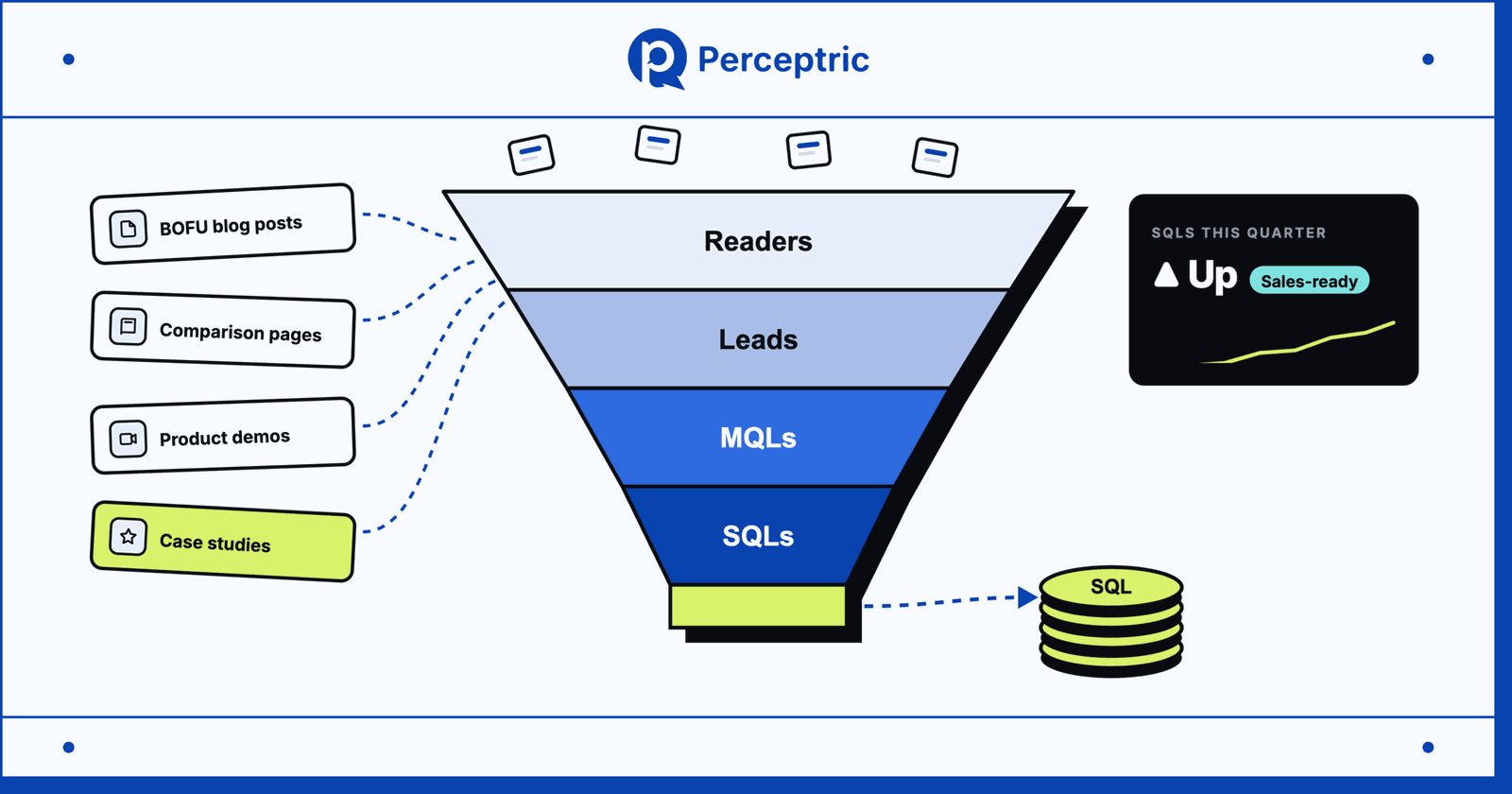
What Does a SaaS Content Marketing Consultant Do?
For a software-as-a-service (SaaS) business, content marketing is about more than publishing blog posts. It can help potential customers understand a product, compare solutions and make confident buying decisions. A SaaS content marketing consultant helps businesses plan and improve this work, connecting content with commercial goals such as generating qualified leads, supporting sales and retaining customers.
What is a SaaS content marketing consultant?
A SaaS content marketing consultant is a specialist who advises software companies on how to attract and engage the right audiences through useful, relevant content. They may work with a start-up building its first marketing strategy or an established company looking to improve an existing programme.
The consultant’s role is to understand the product, its market and its customers, then recommend a practical approach to content. Depending on the engagement, they may provide strategic advice, create content themselves or work alongside an in-house marketing team and external writers.
How SaaS content marketing differs
SaaS products can be technical, subscription-based and difficult to evaluate before purchase. Buyers may need to compare several providers, consult colleagues and understand how a product fits into their existing systems. Content therefore needs to support different questions at every stage of the customer journey.
- Awareness: Explain a problem and help people discover possible solutions.
- Consideration: Show how different approaches work and what to look for when comparing products.
- Decision: Provide clear information about features, implementation, pricing and suitability.
- Retention: Help customers get value from the product, discover useful features and build confidence in their choice.
A strong SaaS content strategy considers the whole journey, rather than focusing only on attracting website traffic.
What services might a consultant provide?
Content strategy
A consultant can develop a strategy based on business priorities, audience needs and available resources. This may include defining content themes, selecting channels, setting priorities and creating an editorial plan.
Audience and customer research
Useful content starts with a clear understanding of the people it is intended to help. A consultant may review customer interviews, sales conversations, support enquiries and existing research to identify common needs, objections and questions.
SEO and topic planning
Search engine optimisation can help potential customers find useful content when they are researching a problem or comparing solutions. A consultant may assess search opportunities, analyse competitors and plan topics that match the intent behind relevant searches. SEO should support helpful, accurate content, rather than determine every editorial decision.
Content creation and editorial oversight
Some consultants write articles, landing pages, case studies, email campaigns or product education materials. Others provide briefs, edit work produced by a team and help establish standards for quality, tone and accuracy.
Sales enablement
Content can support sales teams as well as marketing. Comparison guides, case studies, product explainers and answers to common objections can give sales representatives useful resources to share with prospective customers.
Measurement and optimisation
A consultant may help define how content performance will be assessed, review results and recommend improvements. This could involve updating existing pages, testing calls to action or identifying gaps in the content journey.
How to choose the right consultant
The best fit depends on the company’s goals and the work that needs to be done. Before appointing a consultant, consider the following:
- Relevant experience: Look for an understanding of SaaS business models, buying journeys and the challenges of explaining software products.
- Strategic thinking: A consultant should be able to explain how content supports business objectives, not just recommend a list of topics.
- Audience focus: Ask how they learn about customers and ensure recommendations are based on genuine audience needs.
- Clear measurement: Agree how progress will be assessed and which outcomes matter to the business.
- Working style: Clarify how the consultant will collaborate with marketing, sales, product and subject-matter experts.
- Transparent scope: Establish what is included, who is responsible for approvals and how priorities may change.
Useful questions to ask include: “How would you learn about our customers?”, “How do you connect content with our sales process?” and “What would you measure during the first few months?” Look for thoughtful answers that take the company’s context into account.
How success can be measured
Content performance should be judged against its purpose. Depending on the content and business model, useful measures may include:
- organic search visibility and qualified website visits;
- engagement with key pages and resources;
- enquiries, trial sign-ups or product demonstrations;
- the contribution of content to sales conversations and opportunities;
- customer onboarding, product adoption or retention indicators.
No single metric tells the whole story. For example, a high number of visits may have little commercial value if those visitors are unlikely to become customers. It is important to combine performance data with customer feedback and the wider goals of the business.
When should a SaaS company hire a consultant?
A company may benefit from a consultant when it lacks a clear content strategy, is publishing without seeing meaningful results or needs specialist support for a particular project. A consultant can also help an in-house team build processes, prioritise work or address a specific challenge, such as improving organic visibility or creating content for a new market.
Before starting, identify the problem the engagement should solve. A defined objective makes it easier to choose the right expertise, set expectations and evaluate the work.
Building a content programme that lasts
A SaaS content marketing consultant can bring focus, specialist knowledge and an outside perspective. The most effective work, however, depends on collaboration. Marketing teams need access to product expertise, customer insight and sales feedback to create material that is accurate and genuinely useful.
With clear goals, a sound understanding of the audience and consistent measurement, content can become a valuable part of how a SaaS business attracts customers, supports their decisions and helps them succeed over time.
8 Benefits of Hiring a SaaS Content Marketing Consultant
- Builds a clear content strategy
- Attracts qualified leads
- Improves search visibility
- Explains complex products
- Supports the sales team
- Strengthens customer engagement
- Tracks content performance
- Saves time for your team
Potential Drawbacks of Hiring a SaaS Content Marketing Consultant
- Can be costly for early-stage businesses.
- May take time to deliver measurable results.
- Quality varies between consultants.
- Requires input from your team.
Builds a clear content strategy
A SaaS content marketing consultant builds a clear content strategy by aligning content with your business goals, audience needs and customer journey. They identify the topics and formats most likely to help prospective customers understand your product, compare solutions and take the next step. With defined priorities, channels and measures of success, your team can create consistent, useful content instead of publishing without a clear plan.
Attracts qualified leads
A SaaS content marketing consultant helps attract qualified leads by creating useful, targeted content for people who are actively looking for a solution. By researching customer needs, search behaviour and buying questions, the consultant can shape articles, guides and landing pages that reach relevant prospects and encourage them to take the next step. This helps a SaaS business focus its marketing on potential customers who are more likely to benefit from—and invest in—its product.
Improves search visibility
A SaaS content marketing consultant can improve search visibility by identifying the topics and questions potential customers are actively searching for, then shaping useful content around them. Through keyword research, search intent analysis and on-page optimisation, they can help your website appear more prominently in relevant search results. Over time, this can attract more qualified visitors who are already looking for solutions like yours.
Explains complex products
A SaaS content marketing consultant can make complex products easier to understand. By learning how the software works and what customers need to know, they can turn technical features into clear, relevant explanations. This helps potential customers see how the product could solve their problems, compare it with other options and make more confident decisions.
Supports the sales team
A SaaS content marketing consultant can support the sales team by creating practical resources that answer prospects’ questions and address common concerns. Case studies, product guides, comparison pages and clear explanations of key features can help sales representatives demonstrate value, handle objections and keep conversations moving. When these materials reflect real customer needs, they make it easier for prospects to understand how the software could solve their problems.
Strengthens customer engagement
A SaaS content marketing consultant can strengthen customer engagement by creating useful, relevant content for every stage of the customer journey. From clear product guides and onboarding emails to practical tips and feature updates, this content helps customers get more value from their subscription and feel supported. By tailoring messages to customers’ needs and interests, a consultant can encourage meaningful interaction, build trust and foster longer-lasting relationships.
Tracks content performance
A SaaS content marketing consultant tracks content performance to understand what is working and where improvements are needed. By monitoring relevant measures, such as qualified website visits, engagement, trial sign-ups and enquiries, they can identify which content supports business goals and which may need updating. This helps the company make informed decisions, focus its resources and continually improve its content strategy.
Saves time for your team
A SaaS content marketing consultant can save your team valuable time by taking charge of research, planning and content priorities. Instead of juggling every task alongside their day-to-day responsibilities, your staff can focus on product development, customer support and sales. The consultant can also bring established processes and specialist expertise, helping content move from idea to publication more efficiently.
Can be costly for early-stage businesses.
For early-stage businesses, hiring a SaaS content marketing consultant can be costly, particularly when budgets are limited and the company is still finding its product–market fit. Fees may cover strategy alone, with writing, design and distribution adding further expense. Before committing, businesses should clarify the expected outcomes, agree a manageable scope and consider whether a short-term project or occasional consultancy would offer better value than ongoing support.
May take time to deliver measurable results.
One potential drawback of hiring a SaaS content marketing consultant is that measurable results can take time to appear. Content often needs to be researched, created and distributed before it can attract an audience, build trust or influence sales. Search visibility and customer engagement may grow gradually, so businesses should set realistic expectations and assess progress using both early indicators and longer-term outcomes.
Quality varies between consultants.
One potential drawback of hiring a SaaS content marketing consultant is that the quality of their work can vary considerably. Some have strong industry knowledge, strategic insight and a proven track record, while others may offer generic recommendations that do not reflect your product, audience or business goals. Review relevant examples, check references and agree clear expectations before committing to ensure the consultant is a good fit.
Requires input from your team.
Working with a SaaS content marketing consultant still requires time and input from your team. They need access to your product knowledge, customer insights, sales experience and internal review process to create accurate, relevant content. If colleagues are unavailable or feedback is delayed, projects can take longer and the finished work may not fully reflect your business.
Leave a Reply