Classic Chicken Pot Pie Recipe for a Comforting Family Meal
pot pie recipe

Classic Chicken Pot Pie Recipe

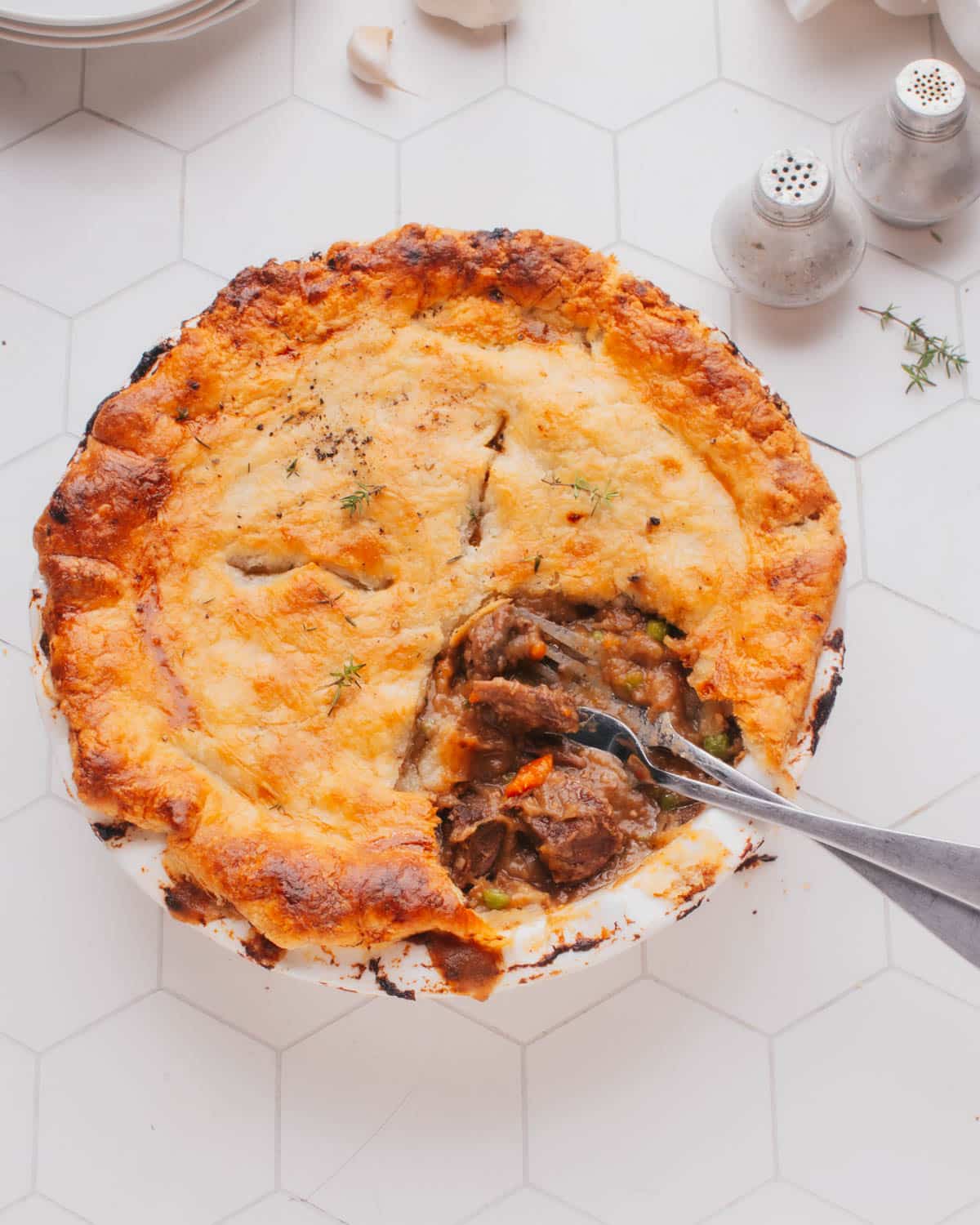
A chicken pot pie is the ultimate comfort food: tender chicken and vegetables in a creamy sauce, topped with crisp, golden pastry. This straightforward recipe is a useful way to make a hearty family meal, and you can prepare the filling ahead of time to make supper even easier.

Preparation and cooking time

  • Prep: 25 minutes
  • Cook: 40 minutes
  • Serves: 4–6

Ingredients

  • 500g cooked chicken, cut into bite-sized pieces
  • 1 tbsp olive oil or butter
  • 1 medium onion, finely chopped
  • 2 carrots, peeled and diced
  • 150g frozen peas
  • 40g butter
  • 40g plain flour
  • 500ml chicken stock
  • 100ml milk or single cream
  • 1 tsp Dijon mustard (optional)
  • 1 tsp dried thyme, or 1 tbsp chopped fresh thyme
  • Salt and freshly ground black pepper
  • 1 sheet ready-rolled puff pastry, about 320g
  • 1 egg, beaten, for glazing

Method

  1. Heat the oven. Preheat it to 200°C (180°C fan)/400°F/Gas Mark 6. Put a baking tray in the oven to heat; this will help the base of the pie cook evenly if you are using a dish with pastry underneath.
  2. Cook the vegetables. Heat the oil or a little butter in a large saucepan over a medium heat. Add the onion and carrots and cook for 6–8 minutes, stirring now and then, until beginning to soften.
  3. Make the sauce. Add the butter to the pan. Once melted, stir in the flour and cook for 1 minute. Gradually pour in the stock, stirring constantly to prevent lumps. Bring to a gentle simmer and cook for 3–4 minutes, until the sauce thickens.
  4. Finish the filling. Stir in the milk or cream, mustard, thyme, peas and cooked chicken. Season with salt and pepper. Remove from the heat and leave the filling to cool for about 10 minutes.
  5. Assemble the pie. Spoon the filling into a 1.5-litre pie dish. Unroll the pastry and lay it over the top. Trim away any excess, then press the edges against the rim of the dish to seal. Cut a small slit in the centre to let steam escape.
  6. Glaze and bake. Brush the pastry with beaten egg. Place the dish on the hot baking tray and bake for 25–30 minutes, until the pastry is puffed and deep golden brown and the filling is bubbling.
  7. Rest before serving. Leave the pie to stand for 5–10 minutes, then serve hot.

Tips for a delicious pot pie

  • Use leftover chicken: Roast chicken works particularly well. Add it after the sauce has thickened so it stays tender.
  • Keep the pastry cold: Chilled pastry is easier to handle and tends to puff up well in the oven.
  • Give the filling time to cool: A very hot filling can soften the pastry before it has a chance to bake.
  • Try different vegetables: Sweetcorn, mushrooms or diced potatoes make good additions. Cook firmer vegetables until tender before assembling the pie.
  • Check the centre: If the pastry is browning too quickly, cover it loosely with foil while the filling finishes heating.

Make-ahead and storage

The filling can be made up to a day ahead and kept covered in the fridge. Cool it promptly and refrigerate it within two hours. Assemble the pie just before baking for the crispest pastry. Leftovers should be refrigerated in a covered container and eaten within two days. Reheat until piping hot throughout.

Serve your chicken pot pie with steamed greens, buttered cabbage or a simple salad for a comforting meal that is easy to adapt to whatever vegetables you have on hand.


Pot Pie Recipe FAQs: Ingredients, Gravy and Tips for Crisp Pastry

  1. What is pot pie gravy made of?
  2. How do you keep the bottom crust of a pot pie from getting soggy?
  3. What are the ingredients in pot pie?
  4. What is the sauce made of in chicken pot pie?
  5. What is a British pot pie called?
  6. How do you keep the bottom crust of chicken pot pie from getting soggy?
  7. What is the crust on a pot pie made of?

What is pot pie gravy made of?

Pot pie gravy is usually made by cooking butter and flour together to form a roux, then gradually whisking in chicken or vegetable stock until smooth and thick. Milk or cream is often added for a richer finish, while salt, pepper and herbs such as thyme provide flavour. The filling’s vegetables and meat add extra savouriness as the pie bakes.

How do you keep the bottom crust of a pot pie from getting soggy?

To help keep the bottom crust crisp, preheat a metal baking tray in the oven and place the pie dish on it so the pastry gets direct, steady heat. Blind-bake the bottom crust for 10–15 minutes before adding the filling, and let the filling cool slightly first; hot or very wet filling can make pastry soggy. A light brush of beaten egg on the pre-baked crust can also create a moisture barrier. Don’t forget to cut a small vent in the top crust so steam can escape.

What are the ingredients in pot pie?

A classic pot pie typically contains cooked chicken, onion, carrots and peas in a creamy sauce made with butter, plain flour, chicken stock and milk or cream. It is seasoned with salt, pepper and herbs such as thyme, then topped with puff or shortcrust pastry. Ingredients vary by recipe, and you can swap the chicken for other meat or vegetables to suit your taste.

What is the sauce made of in chicken pot pie?

The sauce in a chicken pot pie is usually made by cooking butter and plain flour together, then gradually whisking in chicken stock and milk or cream until smooth and thick. Onion, herbs such as thyme, and a little salt and pepper add flavour. The sauce coats the chicken and vegetables, keeping the filling creamy and moist as the pie bakes.

What is a British pot pie called?

In the UK, a pot pie is usually simply called a pie, such as a chicken pie or chicken and mushroom pie. The term “pot pie” is more commonly used in North America; British pies are often baked in a pie dish with pastry on top, or with both a pastry base and lid. A filling served in a dish with pastry only on top may also be described as a topped pie.

How do you keep the bottom crust of chicken pot pie from getting soggy?

To keep the bottom crust crisp, avoid adding hot filling to the pastry: let the filling cool before assembling the pie. Blind-bake the base for 10–15 minutes, if your recipe includes one, and brush it with a little beaten egg to create a moisture-resistant seal. Use a hot oven and place the pie on a preheated baking tray so the base cooks quickly. A glass or metal pie dish can also help the bottom crust brown evenly.

What is the crust on a pot pie made of?

The crust on a pot pie is usually made from pastry, most commonly puff pastry or shortcrust pastry, which is prepared with flour, fat (such as butter) and a little water. Puff pastry bakes into a light, flaky top, while shortcrust is more crumbly and sturdy. Some recipes use a biscuit-style topping instead, and the crust can cover just the top or line both the base and sides of the dish.

Graham Cracker Crust Recipe: A Simple, Buttery Base for Pies and Cheesecakes

graham cracker crust recipe

Graham Cracker Crust Recipe

A graham cracker crust is a simple, buttery base for cheesecakes, key lime pie and other chilled desserts. It takes only a few ingredients to make, and you can bake it for a crisp finish or chill it for a no-bake filling. If graham crackers are difficult to find in the UK, digestive biscuits make a good alternative, with a slightly different flavour and texture.

Ingredients

Makes one 23 cm (9-inch) crust.

  • 180 g graham crackers, finely crushed
  • 75 g unsalted butter, melted
  • 50 g caster sugar
  • A small pinch of salt, if using unsalted crackers

Method

  1. Prepare the tin. Lightly grease a 23 cm pie dish or springform tin. If making a filled pie, check whether your recipe calls for a baked or chilled crust.
  2. Crush the crackers. Put the graham crackers in a food processor and pulse into fine, even crumbs. Alternatively, place them in a sealed bag and crush them with a rolling pin.
  3. Mix the ingredients. Tip the crumbs into a bowl and stir in the sugar and salt. Pour in the melted butter and mix until the crumbs are evenly coated and resemble damp sand.
  4. Press into the tin. Transfer the mixture to the prepared tin. Press it firmly across the base and up the sides, using the bottom of a glass or measuring cup to create an even layer.
  5. Bake or chill. For a firmer, toasted crust, bake at 180°C (160°C fan)/350°F for 8–10 minutes, then leave to cool completely before filling. For a no-bake crust, refrigerate for at least 1 hour, or until firm.

Tips for a Reliable Crust

  • Use fine crumbs. Large pieces can make the crust crumbly and harder to slice.
  • Press firmly and evenly. Compacting the crumbs helps the crust hold together, especially around the edges.
  • Adjust if needed. The mixture should hold together when pressed between your fingers. If it seems dry, add a little melted butter; if it feels greasy, mix in a few extra crumbs.
  • Let a baked crust cool. Adding filling while the crust is warm can affect the texture or prevent a chilled filling from setting properly.

Using Digestive Biscuits

To make a UK-friendly version, replace the graham crackers with 180 g of digestive biscuits and follow the same method. Digestives are usually a little sweeter and less spiced, so you can reduce the sugar to 25–35 g to suit your taste.

Storage

A baked, unfilled crust can be covered and kept at room temperature for up to 2 days, or frozen for up to 2 months. Thaw it before adding the filling. Once filled, store the dessert according to the filling recipe.


5 Tips for the Perfect Graham Cracker Crust

  1. Crush the crackers into fine, even crumbs.
  2. Mix crumbs thoroughly with melted butter.
  3. Press the mixture firmly into the tin, especially around the edges.
  4. Bake briefly for a crispier crust, or chill it for a no-bake filling.
  5. Let the crust cool completely before adding the filling.

Crush the crackers into fine, even crumbs.

Crush the graham crackers into fine, even crumbs so they combine evenly with the melted butter and sugar. This helps the crust hold together firmly and gives it a consistent texture, without loose bits that can crumble when sliced. Use a food processor, or place the crackers in a sealed bag and crush them with a rolling pin.

Mix crumbs thoroughly with melted butter.

Mix the crumbs thoroughly with the melted butter so every piece is lightly coated. This helps the mixture hold together when pressed into the tin, giving you a firm, even crust that is less likely to crumble when sliced.

Press the mixture firmly into the tin, especially around the edges.

Press the crumb mixture firmly into the tin, paying particular attention to the edges. A compact, even layer is less likely to crumble when sliced and helps the crust hold its shape beneath the filling. Use the flat bottom of a glass or measuring cup to press it down neatly.

Bake briefly for a crispier crust, or chill it for a no-bake filling.

For a crispier, more firmly set graham cracker crust, bake it briefly before adding the filling, then leave it to cool completely. If you’re making a no-bake dessert, press the crumbs firmly into the tin and chill the crust until set. Chilling keeps the method simple, while baking adds a lightly toasted flavour and extra crunch.

Let the crust cool completely before adding the filling.

Let the crust cool completely before adding the filling. A warm crust can soften or melt the filling, affect its texture and make it harder to set properly. Cooling also helps the base firm up, so it is less likely to crumble when you slice and serve your dessert.

How a SaaS Content Marketing Consultant Can Help Your Business Grow

saas content marketing consultant

What Does a SaaS Content Marketing Consultant Do?

For a software-as-a-service (SaaS) business, content marketing is about more than publishing blog posts. It can help potential customers understand a product, compare solutions and make confident buying decisions. A SaaS content marketing consultant helps businesses plan and improve this work, connecting content with commercial goals such as generating qualified leads, supporting sales and retaining customers.

What is a SaaS content marketing consultant?

A SaaS content marketing consultant is a specialist who advises software companies on how to attract and engage the right audiences through useful, relevant content. They may work with a start-up building its first marketing strategy or an established company looking to improve an existing programme.

The consultant’s role is to understand the product, its market and its customers, then recommend a practical approach to content. Depending on the engagement, they may provide strategic advice, create content themselves or work alongside an in-house marketing team and external writers.

How SaaS content marketing differs

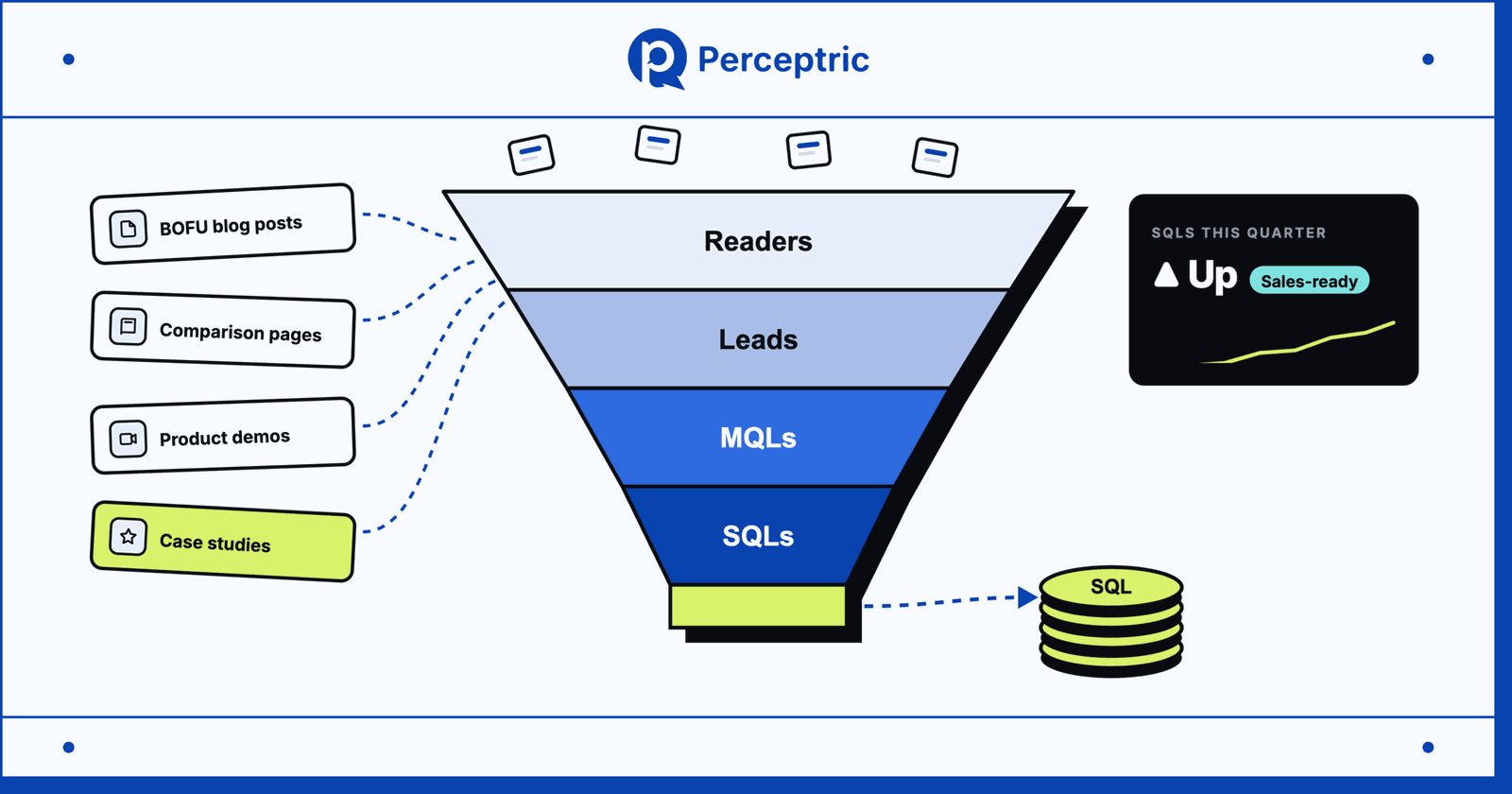
SaaS products can be technical, subscription-based and difficult to evaluate before purchase. Buyers may need to compare several providers, consult colleagues and understand how a product fits into their existing systems. Content therefore needs to support different questions at every stage of the customer journey.

  • Awareness: Explain a problem and help people discover possible solutions.
  • Consideration: Show how different approaches work and what to look for when comparing products.
  • Decision: Provide clear information about features, implementation, pricing and suitability.
  • Retention: Help customers get value from the product, discover useful features and build confidence in their choice.

A strong SaaS content strategy considers the whole journey, rather than focusing only on attracting website traffic.

What services might a consultant provide?

Content strategy

A consultant can develop a strategy based on business priorities, audience needs and available resources. This may include defining content themes, selecting channels, setting priorities and creating an editorial plan.

Audience and customer research

Useful content starts with a clear understanding of the people it is intended to help. A consultant may review customer interviews, sales conversations, support enquiries and existing research to identify common needs, objections and questions.

SEO and topic planning

Search engine optimisation can help potential customers find useful content when they are researching a problem or comparing solutions. A consultant may assess search opportunities, analyse competitors and plan topics that match the intent behind relevant searches. SEO should support helpful, accurate content, rather than determine every editorial decision.

Content creation and editorial oversight

Some consultants write articles, landing pages, case studies, email campaigns or product education materials. Others provide briefs, edit work produced by a team and help establish standards for quality, tone and accuracy.

Sales enablement

Content can support sales teams as well as marketing. Comparison guides, case studies, product explainers and answers to common objections can give sales representatives useful resources to share with prospective customers.

Measurement and optimisation

A consultant may help define how content performance will be assessed, review results and recommend improvements. This could involve updating existing pages, testing calls to action or identifying gaps in the content journey.

How to choose the right consultant

The best fit depends on the company’s goals and the work that needs to be done. Before appointing a consultant, consider the following:

  • Relevant experience: Look for an understanding of SaaS business models, buying journeys and the challenges of explaining software products.
  • Strategic thinking: A consultant should be able to explain how content supports business objectives, not just recommend a list of topics.
  • Audience focus: Ask how they learn about customers and ensure recommendations are based on genuine audience needs.
  • Clear measurement: Agree how progress will be assessed and which outcomes matter to the business.
  • Working style: Clarify how the consultant will collaborate with marketing, sales, product and subject-matter experts.
  • Transparent scope: Establish what is included, who is responsible for approvals and how priorities may change.

Useful questions to ask include: “How would you learn about our customers?”, “How do you connect content with our sales process?” and “What would you measure during the first few months?” Look for thoughtful answers that take the company’s context into account.

How success can be measured

Content performance should be judged against its purpose. Depending on the content and business model, useful measures may include:

  • organic search visibility and qualified website visits;
  • engagement with key pages and resources;
  • enquiries, trial sign-ups or product demonstrations;
  • the contribution of content to sales conversations and opportunities;
  • customer onboarding, product adoption or retention indicators.

No single metric tells the whole story. For example, a high number of visits may have little commercial value if those visitors are unlikely to become customers. It is important to combine performance data with customer feedback and the wider goals of the business.

When should a SaaS company hire a consultant?

A company may benefit from a consultant when it lacks a clear content strategy, is publishing without seeing meaningful results or needs specialist support for a particular project. A consultant can also help an in-house team build processes, prioritise work or address a specific challenge, such as improving organic visibility or creating content for a new market.

Before starting, identify the problem the engagement should solve. A defined objective makes it easier to choose the right expertise, set expectations and evaluate the work.

Building a content programme that lasts

A SaaS content marketing consultant can bring focus, specialist knowledge and an outside perspective. The most effective work, however, depends on collaboration. Marketing teams need access to product expertise, customer insight and sales feedback to create material that is accurate and genuinely useful.

With clear goals, a sound understanding of the audience and consistent measurement, content can become a valuable part of how a SaaS business attracts customers, supports their decisions and helps them succeed over time.


8 Benefits of Hiring a SaaS Content Marketing Consultant

  1. Builds a clear content strategy
  2. Attracts qualified leads
  3. Improves search visibility
  4. Explains complex products
  5. Supports the sales team
  6. Strengthens customer engagement
  7. Tracks content performance
  8. Saves time for your team


Potential Drawbacks of Hiring a SaaS Content Marketing Consultant

  1. Can be costly for early-stage businesses.
  2. May take time to deliver measurable results.
  3. Quality varies between consultants.
  4. Requires input from your team.

Builds a clear content strategy

A SaaS content marketing consultant builds a clear content strategy by aligning content with your business goals, audience needs and customer journey. They identify the topics and formats most likely to help prospective customers understand your product, compare solutions and take the next step. With defined priorities, channels and measures of success, your team can create consistent, useful content instead of publishing without a clear plan.

Attracts qualified leads

A SaaS content marketing consultant helps attract qualified leads by creating useful, targeted content for people who are actively looking for a solution. By researching customer needs, search behaviour and buying questions, the consultant can shape articles, guides and landing pages that reach relevant prospects and encourage them to take the next step. This helps a SaaS business focus its marketing on potential customers who are more likely to benefit from—and invest in—its product.

Improves search visibility

A SaaS content marketing consultant can improve search visibility by identifying the topics and questions potential customers are actively searching for, then shaping useful content around them. Through keyword research, search intent analysis and on-page optimisation, they can help your website appear more prominently in relevant search results. Over time, this can attract more qualified visitors who are already looking for solutions like yours.

Explains complex products

A SaaS content marketing consultant can make complex products easier to understand. By learning how the software works and what customers need to know, they can turn technical features into clear, relevant explanations. This helps potential customers see how the product could solve their problems, compare it with other options and make more confident decisions.

Supports the sales team

A SaaS content marketing consultant can support the sales team by creating practical resources that answer prospects’ questions and address common concerns. Case studies, product guides, comparison pages and clear explanations of key features can help sales representatives demonstrate value, handle objections and keep conversations moving. When these materials reflect real customer needs, they make it easier for prospects to understand how the software could solve their problems.

Strengthens customer engagement

A SaaS content marketing consultant can strengthen customer engagement by creating useful, relevant content for every stage of the customer journey. From clear product guides and onboarding emails to practical tips and feature updates, this content helps customers get more value from their subscription and feel supported. By tailoring messages to customers’ needs and interests, a consultant can encourage meaningful interaction, build trust and foster longer-lasting relationships.

Tracks content performance

A SaaS content marketing consultant tracks content performance to understand what is working and where improvements are needed. By monitoring relevant measures, such as qualified website visits, engagement, trial sign-ups and enquiries, they can identify which content supports business goals and which may need updating. This helps the company make informed decisions, focus its resources and continually improve its content strategy.

Saves time for your team

A SaaS content marketing consultant can save your team valuable time by taking charge of research, planning and content priorities. Instead of juggling every task alongside their day-to-day responsibilities, your staff can focus on product development, customer support and sales. The consultant can also bring established processes and specialist expertise, helping content move from idea to publication more efficiently.

Can be costly for early-stage businesses.

For early-stage businesses, hiring a SaaS content marketing consultant can be costly, particularly when budgets are limited and the company is still finding its product–market fit. Fees may cover strategy alone, with writing, design and distribution adding further expense. Before committing, businesses should clarify the expected outcomes, agree a manageable scope and consider whether a short-term project or occasional consultancy would offer better value than ongoing support.

May take time to deliver measurable results.

One potential drawback of hiring a SaaS content marketing consultant is that measurable results can take time to appear. Content often needs to be researched, created and distributed before it can attract an audience, build trust or influence sales. Search visibility and customer engagement may grow gradually, so businesses should set realistic expectations and assess progress using both early indicators and longer-term outcomes.

Quality varies between consultants.

One potential drawback of hiring a SaaS content marketing consultant is that the quality of their work can vary considerably. Some have strong industry knowledge, strategic insight and a proven track record, while others may offer generic recommendations that do not reflect your product, audience or business goals. Review relevant examples, check references and agree clear expectations before committing to ensure the consultant is a good fit.

Requires input from your team.

Working with a SaaS content marketing consultant still requires time and input from your team. They need access to your product knowledge, customer insights, sales experience and internal review process to create accurate, relevant content. If colleagues are unavailable or feedback is delayed, projects can take longer and the finished work may not fully reflect your business.

Easy Turkey Pot Pie Recipe with Golden Puff Pastry

turkey pot pie recipe

Turkey Pot Pie Recipe

This comforting turkey pot pie is a delicious way to use leftover roast turkey. Tender pieces of turkey are simmered with vegetables in a creamy herb sauce, then covered with golden, flaky pastry. Serve it for a cosy family dinner, especially on a chilly evening.

The recipe serves 4–6 and takes about 20 minutes to prepare, plus 30–35 minutes to bake.

Ingredients

  • 1 tablespoon olive oil or butter
  • 1 medium onion, finely chopped
  • 2 carrots, peeled and diced
  • 2 celery sticks, diced
  • 2 tablespoons plain flour
  • 400ml chicken or turkey stock
  • 100ml double cream
  • 1 teaspoon Dijon mustard (optional)
  • ½ teaspoon dried thyme
  • 150g frozen peas
  • 400g cooked turkey, cut into bite-sized pieces
  • Salt and freshly ground black pepper
  • 1 sheet ready-rolled puff pastry, about 320g
  • 1 egg, beaten, for glazing

Method

  1. Prepare the oven and filling. Heat the oven to 200°C (180°C fan, Gas Mark 6). Warm the oil or butter in a large pan over a medium heat. Add the onion, carrots and celery and cook for 6–8 minutes, stirring occasionally, until softened.
  2. Make the sauce. Stir in the flour and cook for 1 minute. Gradually pour in the stock, stirring well to prevent lumps. Bring the mixture to a gentle simmer and cook for 3–4 minutes, until thickened.
  3. Add the turkey and vegetables. Stir in the cream, mustard, thyme, peas and cooked turkey. Season with salt and pepper. Simmer gently for 2–3 minutes, then remove the pan from the heat.
  4. Fill the dish. Spoon the mixture into a pie dish. Leave it to cool for a few minutes while you prepare the pastry; this helps prevent the pastry from becoming soggy.
  5. Add the pastry. Lay the pastry over the dish, trimming away any excess. Press the edges firmly against the rim to seal, then cut a small slit in the centre to let steam escape. Brush the pastry with beaten egg.
  6. Bake. Place the dish on a baking tray and bake for 30–35 minutes, until the pastry is puffed and deep golden brown and the filling is piping hot.
  7. Rest and serve. Leave the pie to stand for 5 minutes before serving. It goes particularly well with green vegetables, mashed potatoes or a crisp salad.

Tips for the Best Turkey Pot Pie

  • Use cooked turkey. Leftover roast turkey works well, but cooked turkey breast or thigh meat can also be used. If using frozen leftovers, defrost them thoroughly in the fridge before cooking.
  • Make it ahead. Prepare the filling up to a day in advance and keep it covered in the fridge. Add the pastry shortly before baking. If the filling is cold, it may need a little longer in the oven.
  • Adjust the consistency. If the sauce is too thick, add a splash of stock. If it is too thin, simmer it for a few minutes before adding the turkey and peas.
  • Try shortcrust pastry. Puff pastry makes a light, crisp topping, while shortcrust gives the pie a sturdier, more traditional finish.

Storing and Reheating

Cool any leftovers promptly, cover and refrigerate for up to two days. Reheat until piping hot throughout. For best results, warm individual portions in the oven so the pastry stays crisp. Avoid reheating the same portion more than once.


Turkey Pot Pie FAQs: From Scratch, Leftovers, Crisp Pastry, Freezing and Baking Tips

  1. How do you make turkey pot pie from scratch?
  2. Can you use leftover turkey in a pot pie?
  3. How do you stop the pastry on a turkey pot pie from going soggy?
  4. Can turkey pot pie be made ahead or frozen?
  5. How long should turkey pot pie bake, and what temperature should the oven be?

How do you make turkey pot pie from scratch?

To make turkey pot pie from scratch, cook chopped onion, carrots and celery in butter until softened, then stir in flour and gradually add turkey or chicken stock to make a thick sauce. Add cooked turkey, peas, a splash of cream and herbs such as thyme, then season to taste. Spoon the filling into a pie dish and top with homemade pastry, sealing the edges and cutting a small slit for steam to escape. Brush with beaten egg and bake at 200°C (180°C fan) for around 30–35 minutes, until the pastry is golden and the filling is piping hot.

Can you use leftover turkey in a pot pie?

Yes, leftover cooked turkey is ideal for pot pie and makes a tasty way to use up a roast dinner. Cut it into bite-sized pieces and stir it into the sauce towards the end of cooking, just long enough to heat through, as it has already been cooked and can dry out if simmered for too long. Make sure the leftovers have been stored safely in the fridge and reheat the finished pie until piping hot throughout.

How do you stop the pastry on a turkey pot pie from going soggy?

To keep the pastry crisp, let the turkey filling cool slightly before adding the topping, and make sure the sauce is thick rather than watery. Use chilled pastry, place it over the filling without pressing it down, and cut a small slit in the centre so steam can escape. Bake the pie in a fully preheated oven until the pastry is golden and crisp; if you’re using pastry on the base as well as the top, blind-bake the base first.

Can turkey pot pie be made ahead or frozen?

Yes, turkey pot pie can be made ahead or frozen. Prepare the filling up to a day in advance, then cover and refrigerate it; add the pastry just before baking for the crispest topping. To freeze, cool the filling completely and store it in a freezer-safe container for up to three months. Defrost it in the fridge overnight, transfer it to a pie dish, top with pastry and bake until golden and piping hot throughout. You can also freeze the assembled pie, though the pastry may be less crisp after thawing.

How long should turkey pot pie bake, and what temperature should the oven be?

Bake turkey pot pie at 200°C (180°C fan, Gas Mark 6) for about 30–35 minutes, or until the pastry is puffed and golden and the filling is piping hot throughout. If the filling is cold or the pie is particularly deep, it may need a little longer; cover the pastry loosely with foil if it starts to brown too quickly.

How a Content Marketing Consulting Agency Can Help Your Business Grow

content marketing consulting agency

How a Content Marketing Consulting Agency Can Help Your Business Grow

Content marketing can help a business build trust, reach the right audience and turn interest into lasting customer relationships. But creating content without a clear plan can use up time and resources without producing meaningful results. A content marketing consulting agency helps businesses develop a strategy, improve their approach and make better use of every piece of content.

What Is a Content Marketing Consulting Agency?

A content marketing consulting agency advises businesses on how to plan, create, distribute and measure content. Rather than focusing only on producing blog posts or social media updates, consultants look at how content supports wider business goals, such as increasing brand awareness, attracting qualified leads or supporting sales.

The exact services vary, but may include audience research, content strategy, editorial planning, search engine optimisation, content audits, distribution advice and performance measurement. Some agencies also provide practical support with writing, design and production.

Why Businesses Work with Content Marketing Consultants

Many organisations know that useful content matters but are unsure what to publish, who it should reach or how to judge whether it is working. A consultant can bring an outside perspective, specialist knowledge and a structured process.

  • A clearer strategy: Align content with business objectives and audience needs.
  • More consistent publishing: Build a realistic editorial plan that teams can maintain.
  • Stronger audience understanding: Identify the questions, challenges and preferences of potential customers.
  • Improved discoverability: Make content easier to find through search and other relevant channels.
  • Better use of resources: Prioritise formats and topics that are most relevant to the organisation.
  • More meaningful measurement: Track useful indicators and learn from the results.

What Does the Consulting Process Involve?

A good engagement usually starts with understanding the business. The agency may review existing content, speak with key stakeholders and explore the organisation’s products, audience and competitors. This helps reveal what is already working and where there may be gaps.

Research and assessment

An initial audit can examine the quality, relevance and performance of existing content. Audience and competitor research may also help identify unanswered questions and opportunities to provide a more useful perspective.

Strategy development

Using the research, the consultant develops recommendations for topics, formats, channels and publishing priorities. A practical strategy should explain not only what to create, but why it matters and how it supports business goals.

Planning and implementation

The agency may create an editorial calendar, define workflows and advise on responsibilities. Depending on the agreement, it may also help produce content or support the in-house team as the plan is put into practice.

Measurement and improvement

Content marketing is an ongoing process. Regular reviews help a business understand which activities are gaining attention, engaging the intended audience or contributing to wider objectives. The strategy can then be adjusted in response.

Choosing the Right Agency

When comparing agencies, look beyond promises of quick results. Consider whether the team asks thoughtful questions about the business and explains its recommendations clearly. Relevant experience is valuable, but the agency should also be able to adapt its approach to your organisation rather than relying on a one-size-fits-all plan.

Before starting, clarify the scope of work, expected deliverables, communication process and measures of success. Ask how progress will be reported and what support will be needed from your team. A strong consulting relationship should feel collaborative, transparent and grounded in realistic objectives.

Is a Content Marketing Consulting Agency Right for You?

Consulting can be useful for businesses starting content marketing, teams that need a more focused strategy, or organisations whose existing efforts are not producing clear results. It can also help in-house marketers build skills and establish processes that continue to work after the engagement ends.

The best agency is not simply the one that produces the most content. It is the one that helps your business make informed choices about what to create, who it is for and how its impact will be understood. With a clear strategy and consistent effort, content can become a valuable part of how an organisation earns attention and builds lasting trust.


Content Marketing Consultancy and Agencies: 9 Frequently Asked Questions

  1. What does a content consultant do?
  2. What is a content marketing consultant?
  3. What do content consultants do?
  4. How much do agencies charge for content marketing?
  5. What are the best websites for digital marketing?
  6. What do marketing consulting agencies do?
  7. What is a marketing consulting agency?
  8. What is a content marketing consultancy?
  9. What is a content marketing agency?

What does a content consultant do?

A content consultant helps a business plan and improve the content it creates. They may research its audience, review existing materials, develop a content strategy, recommend topics and formats, and advise on publishing and measuring results. Depending on the project, they may also support content creation or help the in-house team build the skills and processes needed to manage it effectively.

What is a content marketing consultant?

A content marketing consultant helps businesses plan and improve how they use content to reach their audience and achieve their goals. They may assess existing content, research audience needs, develop a strategy and editorial plan, advise on search engine optimisation and distribution, and recommend ways to measure performance. Depending on the project, they may also support content creation or help an in-house team build the skills and processes to manage it effectively.

What do content consultants do?

Content consultants help businesses plan and improve their content marketing. They research audiences and competitors, review existing content, develop strategies and editorial plans, and advise on topics, formats, search visibility and distribution. Depending on the project, they may also help create content, set up workflows and measure performance, so businesses can focus on material that meets audience needs and supports their goals.

How much do agencies charge for content marketing?

The cost of content marketing varies depending on the agency, the work involved and the level of support required. A strategy-only project will usually cost less than an ongoing service covering research, writing, design, publishing and performance reporting. Agencies may charge a fixed project fee, a monthly retainer or an hourly rate. When comparing proposals, check exactly what is included, who will create the content and how results will be measured, so you can judge the value as well as the price.

What are the best websites for digital marketing?

The best websites for digital marketing depend on what you want to learn. For practical guidance on content strategy, explore the Content Marketing Institute and HubSpot; for search engine optimisation and industry news, try Google Search Central, Moz and Search Engine Land; and for consumer and market insights, visit Think with Google. A content marketing consulting agency can help you identify reliable resources, assess which advice suits your business and turn useful insights into a focused marketing plan.

What do marketing consulting agencies do?

Marketing consulting agencies help businesses improve how they attract and retain customers. They assess the company’s goals, audience and existing marketing, then recommend strategies for areas such as branding, content, digital advertising, search engine optimisation and customer research. Depending on the agreement, they may also help put those recommendations into practice, support the in-house team and measure results so the business can refine its approach.

What is a marketing consulting agency?

A marketing consulting agency is a firm that helps businesses plan and improve their marketing. It assesses a company’s goals, audience and current activities, then recommends practical ways to reach potential customers and grow the business. Depending on the agency, support may cover areas such as brand positioning, market research, digital advertising, search engine optimisation and content marketing. Some agencies provide strategic advice, while others also help put recommendations into practice and measure the results.

What is a content marketing consultancy?

A content marketing consultancy is a specialist firm that helps businesses plan and improve how they use content to reach their audiences and achieve their goals. It may advise on audience research, content strategy, editorial planning, search engine optimisation, distribution and performance measurement, and can also support content creation. Unlike a one-size-fits-all service, a consultancy tailors its recommendations to the organisation’s needs, resources and objectives.

What is a content marketing agency?

A content marketing agency helps businesses plan, create and distribute useful content to reach their target audience and support their goals. Services may include developing a content strategy, writing articles and website copy, creating videos or social media posts, improving content for search engines, and measuring performance. Some agencies focus on advice and planning, while others also produce and manage content.