Hearty Oxtail Recipe: A Delicious Dish to Savour

oxtail recipe

The Perfect Oxtail Recipe: A Hearty and Delicious Dish

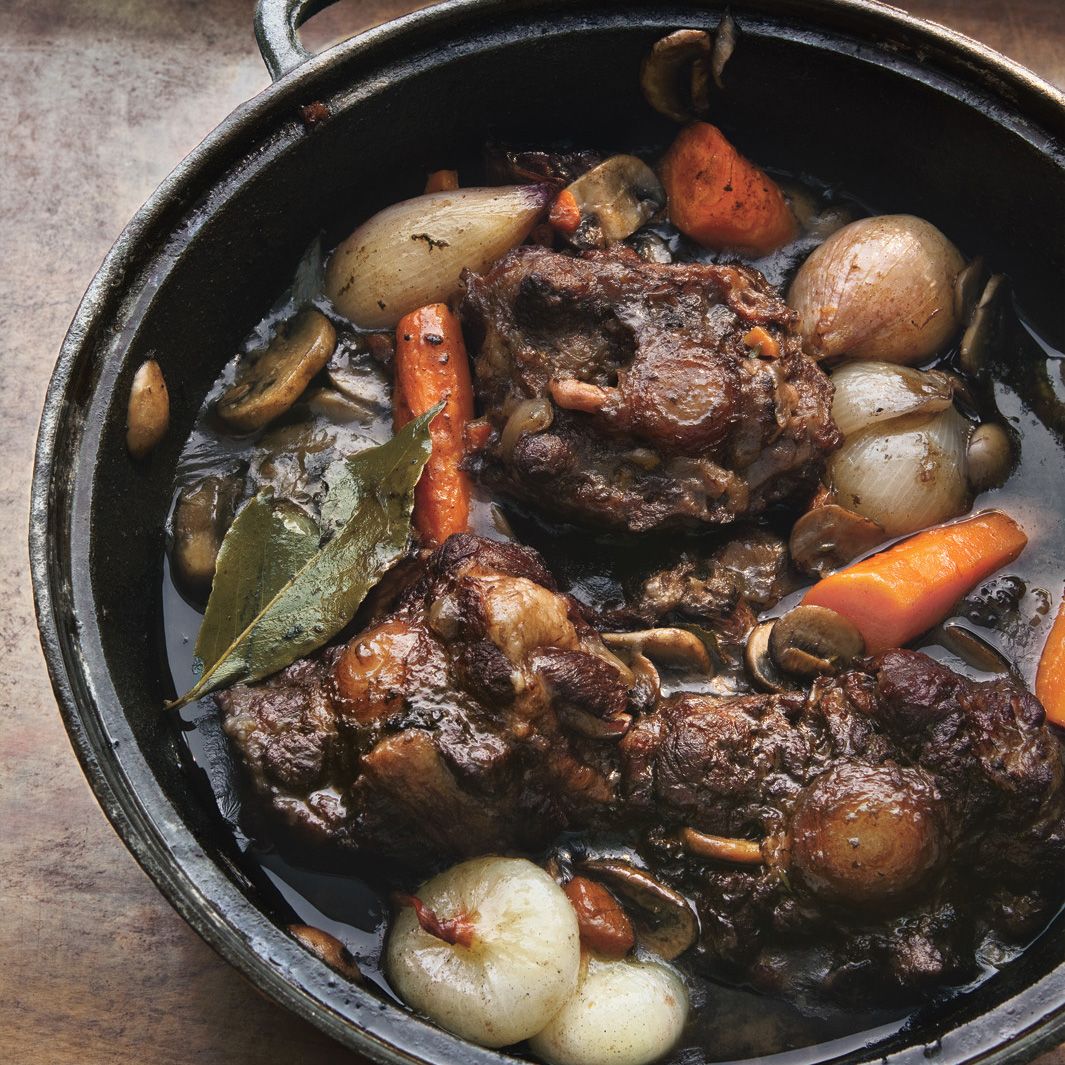
Oxtail is a cut of beef that is known for its rich, flavourful meat. When cooked properly, oxtail becomes tender and succulent, making it a popular choice for hearty stews and braised dishes. Here, we present a delicious oxtail recipe that will surely impress your family and friends.

Ingredients:

  • 2 kg oxtail pieces
  • 2 onions, chopped
  • 3 carrots, sliced
  • 3 celery sticks, chopped
  • 4 cloves of garlic, minced
  • 2 bay leaves
  • 1 sprig of thyme
  • 500ml beef stock
  • 400g chopped tomatoes
  • Salt and pepper to taste
  • Olive oil for cooking

Instructions:

  1. Season the oxtail pieces with salt and pepper.
  2. In a large pot, heat some olive oil over medium-high heat. Brown the oxtail pieces on all sides until they are nicely seared. Remove the oxtail from the pot and set aside.
  3. In the same pot, add the onions, carrots, celery, and garlic. Cook until the vegetables are softened.
  4. Return the oxtail to the pot and add the bay leaves, thyme, beef stock, and chopped tomatoes. Bring to a simmer.


  5. Cover the pot with a lid and let it simmer gently for about 3-4 hours or until the oxtail is tender.


  6. Taste and adjust seasoning with salt and pepper as needed.


  7. Serve the oxtail hot with your choice of side dishes such as mashed potatoes or crusty bread.


This oxtail recipe is perfect for a cosy night in or a special occasion. The slow cooking process allows the flavours to develop beautifully, resulting in a dish that is both comforting and impressive. Try this recipe today and savour the deliciousness of tender oxtail stew!


Top 6 FAQs About Cooking and Enjoying Oxtail

  1. Why does my stomach hurt after eating oxtail?
  2. How to make simple oxtail stew?
  3. What do you soak oxtails in before cooking?
  4. How does it take to cook oxtail?
  5. What’s the best way to cook an oxtail?
  6. What kind of meat is oxtail?

Why does my stomach hurt after eating oxtail?

If you experience stomach discomfort after eating oxtail, it may be due to the richness and fattiness of the meat. Oxtail is a cut known for its high fat content, which can be heavy on the digestive system for some individuals. To reduce the likelihood of stomach issues, it is advisable to consume oxtail in moderation and pair it with lighter side dishes that can help balance out the richness of the meat. Additionally, ensuring that the oxtail is cooked thoroughly and properly may also aid in easier digestion. If stomach discomfort persists, it is recommended to consult a healthcare professional for personalised advice and guidance.

How to make simple oxtail stew?

For those seeking a straightforward and delicious oxtail dish, making a simple oxtail stew is the perfect choice. To create this hearty stew, start by browning seasoned oxtail pieces in a pot. Then, sauté onions, carrots, celery, and garlic until softened before adding the oxtail back to the pot along with bay leaves, thyme, beef stock, and chopped tomatoes. Let the stew simmer gently for a few hours until the oxtail becomes tender and flavourful. Adjust seasoning to taste and serve hot with your preferred accompaniments for a comforting meal that is sure to satisfy.

What do you soak oxtails in before cooking?

Before cooking oxtails, it is common practice to soak them in cold water for at least 1-2 hours. This soaking process helps to remove any excess blood or impurities from the meat, resulting in a cleaner and clearer broth or sauce when cooking. Some people also add a splash of vinegar or lemon juice to the soaking water to further aid in the cleansing process. By taking the time to soak oxtails before cooking, you can ensure that your final dish is not only delicious but also free from any unwanted flavors or textures.

How does it take to cook oxtail?

Cooking oxtail requires patience and time to achieve the desired tenderness and flavour. Typically, oxtail needs to be cooked slowly over a low heat for an extended period to allow the tough meat to become tender and succulent. On average, oxtail can take around 3-4 hours of simmering to reach the perfect consistency. This slow cooking process allows the meat to absorb the flavours of the seasonings and ingredients in the dish, resulting in a rich and delicious final product that is well worth the wait.

What’s the best way to cook an oxtail?

When it comes to cooking oxtail, the best way to achieve tender, flavourful meat is through slow braising or stewing. This method allows the tough connective tissues in the oxtail to break down slowly, resulting in a melt-in-your-mouth texture and rich taste. By searing the oxtail first to enhance its flavour and then simmering it with aromatic vegetables, herbs, and liquids over low heat for several hours, you can create a delicious dish that showcases the unique qualities of this cut of beef. Patience is key when cooking oxtail, as allowing it to cook slowly and gently will yield the best results in terms of both texture and taste.

What kind of meat is oxtail?

Oxtail is a flavoursome and gelatin-rich meat that comes from the tail of cattle. Despite its name, oxtail does not necessarily come from oxen but can be sourced from various types of beef cattle. The meat is prized for its rich flavour and tender texture when cooked slowly, making it a popular choice for hearty stews and braised dishes. Oxtail is often used in traditional recipes around the world, adding depth and complexity to dishes with its unique taste and succulent quality.

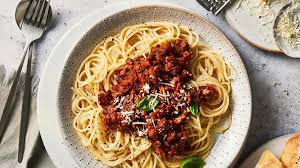
Savour the Flavours: Exploring the Delightful World of Spaghetti Bolognese

spaghetti bolognese

The Classic Comfort Food: Spaghetti Bolognese

Spaghetti Bolognese, a timeless Italian dish, has captured the hearts and taste buds of food enthusiasts around the world. This hearty and flavourful meal combines al dente spaghetti with a rich, meaty Bolognese sauce that is simmered to perfection.

The origins of Spaghetti Bolognese can be traced back to the city of Bologna in Italy, where it is known as “Ragù alla Bolognese.” The traditional recipe calls for a slow-cooked sauce made with minced meat, tomatoes, onions, carrots, celery, and a hint of red wine. The result is a luscious and savoury sauce that coats each strand of pasta with deliciousness.

One of the beauties of Spaghetti Bolognese is its versatility. While the classic version remains a favourite among purists, many variations exist to suit different tastes and dietary preferences. Vegetarians can enjoy a meat-free version using lentils or mushrooms as a substitute for the minced meat.

Whether enjoyed at a family dinner table or savoured in a cosy Italian trattoria, Spaghetti Bolognese never fails to evoke feelings of comfort and satisfaction. Its simple yet robust flavours make it a go-to meal for busy weeknights or leisurely weekend gatherings.

So next time you’re craving a comforting bowl of pasta, why not whip up a batch of Spaghetti Bolognese? With its delicious blend of textures and tastes, this classic dish is sure to warm your soul and leave you longing for more.


9 Essential Tips for Perfecting Your Spaghetti Bolognese

  1. Use high-quality minced beef for better flavour and texture.
  2. Cook the spaghetti until al dente for the best texture.
  3. Add a splash of red wine to enhance the depth of flavour in the sauce.
  4. Incorporate finely chopped vegetables like carrots and celery for added nutrition.
  5. Simmer the bolognese sauce slowly to allow the flavours to develop fully.
  6. Grate fresh Parmesan cheese on top before serving for extra richness.
  7. Consider using a mix of beef and pork mince for a more complex taste.
  8. Season generously with salt, pepper, and herbs like oregano and basil.
  9. Leftover bolognese can be frozen and used later for quick meals.

Use high-quality minced beef for better flavour and texture.

When preparing Spaghetti Bolognese, it is essential to use high-quality minced beef to enhance the dish’s flavour and texture. Opting for premium-grade beef ensures a richer and more succulent sauce, as the meat’s quality significantly impacts the overall taste of the dish. The superior marbling and freshness of high-quality minced beef not only elevate the Bolognese sauce but also contribute to a more satisfying dining experience, making each bite a delightful treat for the palate.

Cook the spaghetti until al dente for the best texture.

To achieve the perfect texture in your Spaghetti Bolognese, it is essential to cook the spaghetti until al dente. This Italian term, meaning “to the tooth,” refers to pasta that is cooked just enough to retain a firm bite and slight resistance when chewed. Cooking the spaghetti to al dente ensures that it complements the rich Bolognese sauce harmoniously, creating a satisfying contrast in textures that elevates the overall dining experience. Mastering this cooking technique is key to unlocking the full potential of your Spaghetti Bolognese and delighting your taste buds with every forkful.

Add a splash of red wine to enhance the depth of flavour in the sauce.

To elevate the richness of your Spaghetti Bolognese sauce, consider incorporating a splash of red wine into the mix. This simple tip can work wonders in enhancing the depth of flavour, adding a subtle complexity that complements the meaty and aromatic components of the dish. The red wine not only infuses a hint of acidity but also brings out the savoury notes, creating a more well-rounded and satisfying culinary experience for your taste buds.

Incorporate finely chopped vegetables like carrots and celery for added nutrition.

To enhance the nutritional value of your spaghetti bolognese, consider incorporating finely chopped vegetables such as carrots and celery into your sauce. These additions not only bring a delightful crunch to each bite but also introduce a wealth of vitamins and minerals to the dish. Carrots provide a natural sweetness and vibrant colour, while celery lends a refreshing note, creating a well-rounded flavour profile that complements the richness of the meat sauce. By including these wholesome ingredients, you can elevate the health benefits of your meal without compromising on taste.

Simmer the bolognese sauce slowly to allow the flavours to develop fully.

To enhance the depth of flavour in your Spaghetti Bolognese, it is crucial to simmer the bolognese sauce slowly. This cooking technique allows the ingredients to meld together harmoniously, unlocking a rich and complex taste profile. By giving the sauce ample time to simmer gently, you give each component the opportunity to release its full potential, resulting in a truly delectable dining experience. Embrace patience in the kitchen and let the magic of slow simmering elevate your Spaghetti Bolognese to new heights of culinary delight.

Grate fresh Parmesan cheese on top before serving for extra richness.

Enhance the indulgence of your Spaghetti Bolognese by generously grating fresh Parmesan cheese over the dish just before serving. The addition of this savoury and nutty cheese not only adds a touch of luxury but also brings a delightful richness to each bite. The creamy texture and bold flavour of Parmesan perfectly complement the hearty Bolognese sauce, elevating the overall dining experience to a whole new level of culinary delight.

Consider using a mix of beef and pork mince for a more complex taste.

For a more nuanced flavour profile in your Spaghetti Bolognese, it is recommended to use a combination of beef and pork mince. By blending these two types of meat, you can elevate the dish with a richer and more complex taste. The beef adds depth and savouriness, while the pork contributes a touch of sweetness and tenderness to the sauce. This harmonious mix creates a delightful balance that enhances the overall dining experience, making each bite of spaghetti even more satisfying and delicious.

Season generously with salt, pepper, and herbs like oregano and basil.

To enhance the flavours of your Spaghetti Bolognese, it is recommended to season generously with salt, pepper, and aromatic herbs such as oregano and basil. These ingredients not only add depth and complexity to the dish but also infuse it with a delightful fragrance that will tantalise your senses. The combination of savoury salt, zesty pepper, and earthy herbs creates a harmonious balance that elevates the overall taste of the Bolognese sauce, making each bite a truly satisfying experience.

Leftover bolognese can be frozen and used later for quick meals.

Leftover Bolognese sauce is a handy kitchen secret that can save time and effort on busy days. By freezing the extra sauce, you can easily whip up a delicious meal in no time whenever hunger strikes. Simply defrost the frozen Bolognese and serve it over freshly cooked spaghetti for a quick and satisfying dinner option. This tip not only helps reduce food waste but also ensures that you always have a comforting meal ready to enjoy at a moment’s notice.