Easy Chicken Pot Pie: A Simple, Comforting Family Favourite
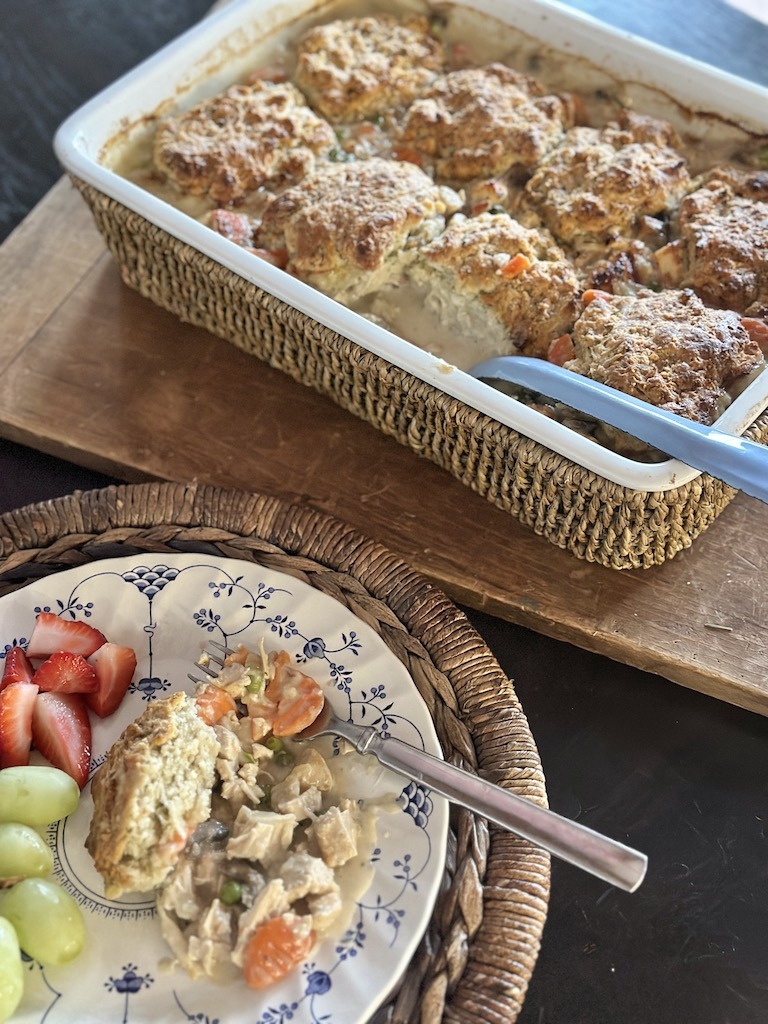
easy chicken pot pie

Easy Chicken Pot Pie

Golden, crisp pastry and a creamy chicken filling make this easy chicken pot pie a comforting favourite. Using cooked chicken and ready-rolled puff pastry keeps preparation simple, so it is ideal for a relaxed family dinner or a way to use up leftovers.

Prep time: 15 minutes

Cooking time: 30 minutes

Serves: 4

Ingredients

  • 1 tbsp olive oil or butter
  • 1 small onion, finely chopped
  • 2 carrots, peeled and diced
  • 150g frozen peas
  • 30g butter
  • 30g plain flour
  • 300ml chicken stock
  • 150ml milk
  • 350g cooked chicken, shredded or chopped
  • 1 tsp dried thyme
  • Salt and freshly ground black pepper
  • 1 sheet ready-rolled puff pastry, chilled
  • 1 egg, beaten, for glazing

Method

  1. Heat the oven. Preheat it to 200°C (180°C fan/Gas Mark 6). Lightly grease a medium pie dish.
  2. Cook the vegetables. Heat the oil or a little butter in a saucepan over a medium heat. Add the onion and carrots and cook for 5–7 minutes, stirring occasionally, until beginning to soften.
  3. Make the sauce. Add the butter. Once melted, stir in the flour and cook for 1 minute. Gradually pour in the stock, stirring well to keep the sauce smooth. Add the milk and thyme, then simmer gently for a few minutes until thickened.
  4. Add the filling. Stir in the cooked chicken and peas. Season with salt and pepper, then spoon the mixture into the prepared pie dish.
  5. Add the pastry. Lay the pastry over the dish and trim away any excess. Press the edges down to seal, then cut a small slit in the centre to let steam escape. Brush the top with beaten egg.
  6. Bake. Cook for 25–30 minutes, until the pastry is puffed and deep golden and the filling is piping hot. Leave to stand for a few minutes before serving.

Easy Variations

Use leftover roast chicken or shop-bought cooked chicken. You can swap the peas for sweetcorn, add sliced mushrooms with the onion, or use leftover cooked vegetables. For a richer filling, replace some of the milk with cream.

Helpful Tips

  • Let the filling cool slightly before adding the pastry. This helps the pastry stay crisp and makes it easier to handle.
  • If the pastry browns before the filling is hot, cover it loosely with foil and continue baking.
  • For individual pies, divide the filling between ovenproof dishes and cut the pastry to fit each one.
  • Refrigerate leftovers promptly and use within two days. Reheat until piping hot throughout.

Serve your chicken pot pie with mashed potatoes, steamed greens or a crisp green salad for a satisfying, fuss-free meal.


7 Reasons Why Easy Chicken Pot Pie is the Ultimate Comfort Dish

  1. Quick and easy to prepare
  2. Uses convenient ready-rolled pastry
  3. A comforting family favourite
  4. Great for leftover chicken
  5. Easy to customise with vegetables
  6. Crisp, golden pastry topping
  7. Makes a satisfying one-dish meal


Considerations Before Making Easy Chicken Pot Pie: 6 Potential Drawbacks

  1. Ready-made pastry may contain additives.
  2. The creamy filling can be high in calories.
  3. It takes time to bake and cool.
  4. The pastry can become soggy underneath.
  5. Suitable only if you have cooked chicken ready.
  6. Leftovers may lose their crisp pastry texture.

Quick and easy to prepare

One of the best things about an easy chicken pot pie is how quickly it comes together. With cooked chicken, a few simple ingredients and ready-rolled pastry, you can prepare the filling in minutes and let the oven do the rest. It’s a handy choice for a comforting, satisfying meal without spending hours in the kitchen.

Uses convenient ready-rolled pastry

Ready-rolled pastry makes this chicken pot pie especially easy to prepare, saving time and effort in the kitchen. Simply unroll it, place it over the filling and trim the edges for a golden, flaky topping—no mixing, rolling or extra equipment required.

A comforting family favourite

Easy chicken pot pie is a comforting family favourite, bringing everyone together over tender chicken, a creamy filling and golden, flaky pastry. Its familiar, hearty flavours make it a welcome choice for chilly evenings, relaxed Sunday dinners or whenever the family fancies a satisfying home-cooked meal.

Great for leftover chicken

Easy chicken pot pie is a brilliant way to use up leftover roast chicken. Simply shred or chop the cooked meat and stir it into the creamy filling, turning yesterday’s dinner into a comforting new meal while helping to reduce food waste.

Easy to customise with vegetables

One of the best things about easy chicken pot pie is how simple it is to customise with vegetables. Add peas, carrots, sweetcorn, mushrooms or green beans, or use up leftover cooked vegetables from another meal. Choose your favourites, adjust the quantities to suit your taste and make the most of whatever you have in the fridge.

Crisp, golden pastry topping

A crisp, golden pastry topping gives easy chicken pot pie its irresistible finishing touch. As it bakes, the pastry turns beautifully flaky on the outside while staying light and tender underneath, creating a delicious contrast with the creamy chicken filling. It looks inviting straight from the oven and adds plenty of satisfying crunch to every spoonful.

Makes a satisfying one-dish meal

Easy chicken pot pie makes a satisfying one-dish meal, bringing tender chicken, vegetables and a creamy sauce together beneath a golden pastry crust. It’s filling and comforting on its own, so there’s less need to prepare several separate dishes—though you can add a simple green salad or extra vegetables if you like.

Ready-made pastry may contain additives.

Ready-made pastry is a convenient time-saver, but some varieties may contain additives such as preservatives, emulsifiers or flavourings. Check the ingredient list if you prefer to avoid these, and compare brands, as recipes can vary. For a simpler option, choose pastry with fewer ingredients or make your own at home.

The creamy filling can be high in calories.

One drawback of easy chicken pot pie is that its creamy filling can be high in calories, particularly when made with butter, milk or cream and served beneath a generous pastry topping. For a lighter version, use reduced-fat milk, add extra vegetables and keep an eye on portion sizes.

It takes time to bake and cool.

One drawback of easy chicken pot pie is that, although it is quick to prepare, it still needs around 25–30 minutes in the oven, followed by a few minutes to cool before serving. That wait can be inconvenient on busy evenings, especially when everyone is hungry and dinner needs to be on the table quickly.

The pastry can become soggy underneath.

One drawback of an easy chicken pot pie is that the pastry can become soggy underneath, especially if the filling is very moist or still hot when the pastry is added. To help keep the base crisp, let the filling cool slightly, avoid adding too much liquid and bake the pie in a fully preheated oven until the pastry is golden and cooked through.

Suitable only if you have cooked chicken ready.

One drawback of this easy chicken pot pie is that it relies on cooked chicken being ready to use. If you only have raw chicken, you’ll need to cook it first, adding extra time and preparation to the recipe.

Leftovers may lose their crisp pastry texture.

One drawback of easy chicken pot pie is that the pastry can lose its crisp, flaky texture once the pie has been stored. Moisture from the creamy filling tends to soften the crust, so leftovers may not be quite as appealing as they are fresh from the oven. Reheating in the oven can help crisp the pastry again, although it may not fully restore its original texture.

Classic Cottage Pie Recipe: A Comforting British Family Favourite

cottage pie recipe

Classic Cottage Pie Recipe

Cottage pie is a comforting British favourite: savoury minced beef cooked with vegetables in a rich gravy, then topped with creamy mashed potato and baked until golden. It is often confused with shepherd’s pie, but the traditional distinction is simple: cottage pie is made with beef, while shepherd’s pie is made with lamb.

This recipe serves four to six and is ideal for a relaxed family meal. It can also be made ahead and baked when you are ready to eat.

Preparation and cooking time

  • Preparation: 25 minutes
  • Cooking: 50 minutes
  • Serves: 4–6

Ingredients

For the filling

  • 1 tablespoon vegetable oil
  • 1 onion, finely chopped
  • 2 carrots, diced
  • 500g beef mince
  • 2 tablespoons tomato purée
  • 1 tablespoon plain flour
  • 1 teaspoon Worcestershire sauce
  • 400ml beef stock
  • 100g frozen peas
  • 1 teaspoon dried thyme, or a few fresh sprigs
  • Salt and freshly ground black pepper

For the potato topping

  • 900g floury potatoes, such as Maris Piper or King Edward, peeled and cut into chunks
  • 50g butter
  • About 100ml milk, warmed
  • 50g mature Cheddar, grated (optional)
  • Salt and freshly ground black pepper

Method

  1. Cook the potatoes. Put the potatoes in a large pan of cold, salted water. Bring to the boil, then simmer for 15–20 minutes, or until tender. Drain well and leave them to steam-dry for a minute.
  2. Make the filling. Meanwhile, heat the oil in a large frying pan or saucepan over a medium heat. Add the onion and carrots and cook for 6–8 minutes, stirring occasionally, until softened.
  3. Add the beef mince and cook for 5–7 minutes, breaking it up with a spoon, until browned. Stir in the tomato purée and flour and cook for a minute.
  4. Pour in the beef stock and add the Worcestershire sauce and thyme. Stir well, bring to a gentle simmer and cook for 20–25 minutes, until the sauce has thickened. Stir in the peas for the final few minutes. Season to taste.
  5. Mash the potatoes. Mash the drained potatoes with the butter and enough warm milk to make a smooth, fluffy mash. Season with salt and pepper. Stir in the grated Cheddar, if using.
  6. Assemble the pie. Heat the oven to 200°C (180°C fan)/400°F/gas mark 6. Spoon the beef filling into an ovenproof dish. Spread the mash evenly over the top, taking it right to the edges. Roughen the surface with a fork to help it turn golden.
  7. Bake. Place the dish on a baking tray and bake for 25–30 minutes, until bubbling around the edges and golden on top. Leave it to stand for 5 minutes before serving.

Tips for a delicious cottage pie

  • Allow the filling to simmer until thick. If it is too runny, the potato topping may sink into it.
  • For extra flavour, add a splash of red wine with the stock, or stir in a teaspoon of mustard.
  • Make the topping crispier by brushing it with a little melted butter before baking.
  • Serve with steamed greens, cabbage or green beans.

Make-ahead and storage

The filling can be prepared a day ahead and kept covered in the fridge. Assemble the pie once the filling has cooled, then refrigerate it until needed. Add a little extra baking time if cooking it straight from the fridge, and make sure it is piping hot all the way through.

Leftovers can be stored in a covered container in the fridge for up to three days. Reheat thoroughly until steaming hot. Cottage pie can also be frozen; for the best texture, freeze it before baking, then defrost it in the fridge before cooking.


Everything You Need to Know About Making the Perfect Cottage Pie: FAQs Answered

  1. What is the difference between cottage pie and shepherd’s pie?
  2. What ingredients do you need to make cottage pie?
  3. How do you make the mashed potato topping creamy?
  4. How long should cottage pie bake in the oven?
  5. Can you make cottage pie ahead of time?
  6. Can cottage pie be frozen?
  7. How do you stop cottage pie filling from becoming watery?
  8. What should you serve with cottage pie?

What is the difference between cottage pie and shepherd’s pie?

The main difference between cottage pie and shepherd’s pie is the meat: cottage pie is traditionally made with minced beef, while shepherd’s pie uses minced lamb. Both are topped with mashed potato and baked until golden, and their fillings often include vegetables, gravy and herbs.

What ingredients do you need to make cottage pie?

To make cottage pie, you’ll need beef mince, onion, carrots, peas, beef stock, tomato purée, Worcestershire sauce and a little flour to thicken the filling. Season it with salt, pepper and thyme, then top with mashed potatoes made from floury potatoes, butter and milk. Mature Cheddar is optional, but adds a savoury finish to the topping.

How do you make the mashed potato topping creamy?

For a creamy mashed potato topping, use floury potatoes such as Maris Piper or King Edward, and cook them until completely tender. Drain them well and let them steam-dry briefly, then mash while hot with butter and warm milk, adding the milk gradually until the mash is smooth and fluffy. Avoid overworking the potatoes, as this can make them gluey. Season well, and stir in a little grated Cheddar or a spoonful of cream for extra richness, if you like.

How long should cottage pie bake in the oven?

Cottage pie should usually bake in a preheated oven at 200°C (180°C fan)/400°F/gas mark 6 for 25–30 minutes, until the filling is bubbling around the edges and the potato topping is golden. If the pie has been chilled, allow a little extra time and check that it is piping hot all the way through before serving.

Can you make cottage pie ahead of time?

Yes, cottage pie is ideal for making ahead. Prepare the filling and mashed potato, assemble the pie, then cover and refrigerate it for up to 24 hours before baking. You can also bake it in advance and reheat it until piping hot throughout. If baking straight from the fridge, allow a little extra time in the oven, and check that the centre is thoroughly heated before serving.

Can cottage pie be frozen?

Yes, cottage pie freezes well. For the best results, let it cool completely, then cover it tightly or transfer it to a freezer-safe container and freeze for up to three months. You can freeze it before or after baking, though freezing before baking usually gives the potato topping a better texture. Defrost overnight in the fridge, then bake until piping hot throughout. If reheating a cooked pie, make sure it is thoroughly hot before serving.

How do you stop cottage pie filling from becoming watery?

To stop cottage pie filling from becoming watery, simmer it uncovered until the sauce has reduced and thickened before adding it to the baking dish. A little plain flour stirred into the browned mince can help, too. Avoid adding too much stock, and let frozen vegetables thaw and drain before using them. The filling should be moist but not runny; if it looks thin, cook it for a few more minutes before topping with mash.

What should you serve with cottage pie?

Cottage pie pairs beautifully with simple vegetables that balance its rich, savoury filling. Try serving it with steamed green beans, peas, broccoli or cabbage, or add roasted carrots for extra sweetness. A crisp green salad can make the meal feel lighter, while a little extra gravy is always welcome.

Chuck Roast Recipes: Three Comforting Ways to Cook a Flavourful Cut

chuck roast recipes

Chuck Roast Recipes: Three Comforting Ways to Cook This Flavourful Cut

Chuck roast is a well-marbled cut of beef from the shoulder. It can be a little tough when cooked quickly, but long, gentle cooking breaks down its connective tissue and makes the meat tender, rich and full of flavour. That makes it ideal for Sunday lunch, slow-cooker suppers and dishes that can be prepared ahead.

For the best results, brown the beef before braising, keep it moist and cook it until a fork slides easily into the meat. The recipes below offer three simple ways to enjoy chuck roast: a classic pot roast, slow-cooked shredded beef and a warming red-wine braise.

Classic Chuck Roast Pot Roast

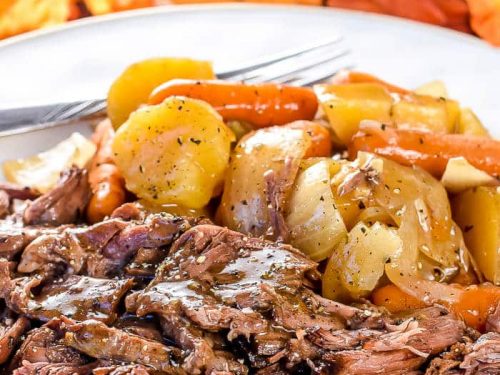
This traditional one-pot meal combines tender beef with potatoes, carrots and a savoury cooking liquid. Serve it straight from the casserole dish, with the juices spooned over the top.

Ingredients

  • 1.5 kg chuck roast
  • Salt and freshly ground black pepper
  • 2 tablespoons vegetable oil
  • 1 large onion, cut into wedges
  • 2 tablespoons plain flour
  • 2 tablespoons tomato purée
  • 500 ml beef stock
  • 2 sprigs of fresh thyme
  • 2 bay leaves
  • 500 g waxy potatoes, halved if large
  • 300 g carrots, cut into thick chunks

Method

  1. Heat the oven to 160°C, or 140°C fan. Pat the beef dry and season it generously with salt and pepper.
  2. Heat the oil in a large, ovenproof casserole over a medium-high heat. Brown the beef on all sides, then transfer it to a plate.
  3. Add the onion to the casserole and cook for 3–4 minutes. Stir in the flour and tomato purée, then gradually pour in the stock, scraping up any browned bits from the base.
  4. Return the beef to the casserole. Add the thyme and bay leaves. The liquid should come about halfway up the meat; add a little water if needed.
  5. Cover and cook in the oven for 2½ hours. Add the potatoes and carrots, then cook for a further 60–90 minutes, until the beef is very tender and the vegetables are cooked through.
  6. Remove the herbs and let the roast rest for 10 minutes before slicing or pulling it apart. Spoon over the cooking juices to serve.

Slow-Cooker Shredded Chuck Roast

Shredded beef is a versatile option for sandwiches, tacos, baked potatoes or rice bowls. A slow cooker keeps the preparation straightforward: brown the meat first for extra flavour, then let it cook gently until it falls apart.

Ingredients

  • 1.5 kg chuck roast
  • Salt and freshly ground black pepper
  • 1 tablespoon vegetable oil
  • 1 onion, finely sliced
  • 250 ml beef stock
  • 2 tablespoons Worcestershire sauce
  • 1 tablespoon tomato purée
  • 1 teaspoon smoked paprika
  • 1 teaspoon dried oregano

Method

  1. Season the beef with salt and pepper. Heat the oil in a frying pan and brown the joint on all sides.
  2. Put the onion in the slow cooker and place the beef on top. Whisk together the stock, Worcestershire sauce, tomato purée, smoked paprika and oregano, then pour the mixture around the meat.
  3. Cover and cook on low for 8–10 hours or on high for 4–6 hours, until the beef is tender enough to shred easily.
  4. Transfer the beef to a board and shred it with two forks. Stir it back into the cooking juices and taste for seasoning.

Serve the shredded beef in soft rolls with coleslaw, or spoon it into warm tortillas with salsa and fresh coriander. Refrigerate leftovers promptly and use them within three days.

Chuck Roast Braised with Red Wine

Red wine, stock and aromatic vegetables create a deeply savoury sauce in this slow-braised version. It works well for a relaxed dinner with mashed potatoes or crusty bread.

Ingredients

  • 1.5 kg chuck roast
  • Salt and freshly ground black pepper
  • 2 tablespoons olive oil
  • 1 onion, chopped
  • 2 carrots, chopped
  • 2 celery sticks, chopped
  • 2 tablespoons plain flour
  • 300 ml dry red wine
  • 300 ml beef stock
  • 2 sprigs of rosemary
  • 2 bay leaves

Method

  1. Heat the oven to 160°C, or 140°C fan. Season the beef. Warm the olive oil in a heavy casserole and brown the meat thoroughly on all sides. Set aside.
  2. Add the onion, carrots and celery to the casserole and cook for about 5 minutes, stirring occasionally. Sprinkle over the flour and stir for 1 minute.
  3. Pour in the wine a little at a time, scraping the base of the pan. Add the stock, rosemary and bay leaves, then return the beef to the casserole.
  4. Cover and braise for 3–3½ hours, turning the beef once, until it is tender. If the sauce seems thin, remove the meat when cooked and simmer the liquid uncovered until it reaches the consistency you like.
  5. Rest the beef for 10 minutes, then slice or pull it into pieces. Serve with the sauce and your choice of potatoes or bread.

Tips for Tender Chuck Roast

  • Brown the meat well. A deep brown crust adds flavour to both the beef and the cooking liquid.
  • Cook it gently. Chuck roast is best suited to low, slow cooking rather than a quick, high-temperature roast.
  • Allow enough time. The beef is ready when it is tender throughout, not simply when it reaches a particular cooking time. Larger or thicker joints may need longer.
  • Keep some liquid in the pot. Braising does not require the meat to be fully submerged, but there should be enough liquid to create steam and prevent the base from drying out.
  • Rest before serving. A short rest makes the meat easier to carve and gives the juices time to settle.

Whether you choose a classic pot roast, convenient slow-cooker beef or a wine-rich braise, chuck roast rewards patient cooking. Make a little extra and the leftovers can become sandwiches, pies or a quick meal tossed through pasta the next day.


Frequently Asked Questions About Cooking Chuck Roast: Tips and Techniques for Tender, Delicious Meals

  1. What is chuck roast called in the UK?
  2. What is the best way to cook chuck roast so it becomes tender?
  3. How long should chuck roast cook in the oven?
  4. Can you cook chuck roast in a slow cooker?
  5. Should chuck roast be seared before slow cooking or braising?
  6. What temperature should chuck roast reach to become fall-apart tender?
  7. What can you serve with chuck roast?

What is chuck roast called in the UK?

In the UK, “chuck roast” is not a widely used name for a standard supermarket cut. The closest equivalent is usually beef chuck or shoulder of beef; for a slow-cooked joint, ask a butcher for a boneless beef shoulder suitable for braising. “Braising steak” comes from a similar area, but it is often sold in slices or pieces rather than as a roasting joint.

What is the best way to cook chuck roast so it becomes tender?

The best way to make chuck roast tender is to cook it slowly with a little liquid, using a covered casserole in a low oven or a slow cooker. First, pat the beef dry and brown it on all sides to build flavour. Add stock or another braising liquid, cover and cook gently until the meat is fork-tender and easy to pull apart—usually around 3–4 hours in a low oven, or 8–10 hours on a slow-cooker’s low setting, depending on the size of the joint. Avoid rushing the cooking: chuck contains connective tissue that needs time to soften.

How long should chuck roast cook in the oven?

Chuck roast is best cooked slowly in a covered casserole at 160°C (140°C fan) for around 3–4 hours, depending on the size and thickness of the joint. Add enough stock or other braising liquid to keep the meat moist, and check that it is fork-tender before serving; if it still feels firm, return it to the oven and continue cooking in 30-minute intervals.

Can you cook chuck roast in a slow cooker?

Yes, chuck roast is ideal for a slow cooker. Its marbling and connective tissue break down during long, gentle cooking, leaving the beef tender and easy to pull apart. For extra flavour, brown the joint in a hot pan first, then add it to the slow cooker with a little stock, seasoning and any vegetables or herbs you like. Cook on low for around 8–10 hours or on high for 4–6 hours, until the meat is fork-tender; timings can vary depending on the size of the joint and your appliance.

Should chuck roast be seared before slow cooking or braising?

Searing chuck roast before slow cooking or braising is recommended, though not essential. Browning the meat in a hot pan develops a rich, savoury crust that adds depth to the finished dish and its cooking liquid. Pat the roast dry first, season it, then sear it on all sides; transfer it to the slow cooker or braising pot and continue with the recipe. If you’re short on time, you can skip this step—the beef will still become tender when cooked slowly, but the flavour may be less complex.

What temperature should chuck roast reach to become fall-apart tender?

For chuck roast to become fall-apart tender, aim for an internal temperature of about 90–96°C. At this range, the connective tissue has had time to break down, although cooking time and the size of the joint also matter. Rather than relying on temperature alone, check that a fork or probe slides into the meat easily; if it still feels firm, continue cooking gently and check again.

What can you serve with chuck roast?

Chuck roast pairs well with sides that soak up its rich, savoury juices. Try mashed potatoes, roast potatoes, buttered noodles or crusty bread, alongside vegetables such as carrots, green beans, peas or cabbage. For a lighter balance, serve it with a crisp green salad. If the roast is cooked with potatoes and carrots, add a simple extra side such as steamed greens or bread.

Deliciously Simple: Quick and Easy Dinner Ideas for Busy Evenings

quick and easy dinner ideas

Quick and Easy Dinner Ideas

After a long day at work or running errands, the last thing you want to do is spend hours in the kitchen preparing dinner. Luckily, there are plenty of quick and easy dinner ideas that are not only delicious but also save you time and effort. Here are some simple yet satisfying recipes to try:

One-Pot Pasta

One-pot pasta dishes are a lifesaver when you need a speedy meal. Simply throw all your ingredients into a single pot – pasta, vegetables, protein, and sauce – and let it simmer until everything is cooked to perfection. Minimal washing up and maximum flavour!

Stir-Fry Delight

A stir-fry is a versatile and quick option for dinner. Choose your favourite vegetables, protein (such as chicken, tofu, or prawns), and sauce. Stir-fry everything together in a hot pan for a nutritious meal that’s ready in minutes.

Baked Stuffed Potatoes

Baked potatoes are not only easy to make but also incredibly filling. To elevate this classic dish, try stuffing your baked potatoes with toppings like cheese, beans, sour cream, or bacon for a hearty and satisfying meal.

Quesadillas

Quesadillas are perfect for a quick dinner or snack. Simply fill tortillas with cheese, vegetables, chicken or beef, fold them over, and cook until crispy on both sides. Serve with salsa and guacamole for an extra flavour kick.

Sheet Pan Dinners

Sheet pan dinners involve roasting all your ingredients on a single baking sheet – from meat to vegetables – for an easy cleanup and delicious meal. Season everything with herbs and spices of your choice for added flavour.

Next time you’re short on time but still want a tasty homemade dinner, give these quick and easy ideas a try. With minimal prep and cooking time required, you’ll have more time to relax and enjoy your meal.


7 Effortless Dinner Tips for Quick and Easy Meals

  1. Prepare simple one-pot meals for easy cleanup.
  2. Use leftovers to create new dishes or add them to salads.
  3. Opt for quick-cooking protein sources like fish or tofu.
  4. Plan your meals ahead to save time during busy evenings.
  5. Experiment with stir-fries for a fast and flavourful dinner option.
  6. Try meal prepping on weekends to have ready-to-cook ingredients on hand.
  7. Utilise kitchen gadgets like slow cookers or pressure cookers for convenient cooking.

Prepare simple one-pot meals for easy cleanup.

When looking for quick and easy dinner ideas, consider preparing simple one-pot meals for a hassle-free cleanup. One-pot meals involve cooking all the ingredients together in a single pot, which not only saves time on cooking but also minimizes the number of dishes to wash afterwards. This approach is perfect for busy evenings when you want a delicious homemade meal without the added stress of multiple pots and pans to clean up. Try recipes like one-pot pasta or hearty stews for a convenient and satisfying dinner solution.

Use leftovers to create new dishes or add them to salads.

When looking for quick and easy dinner ideas, a helpful tip is to utilise leftovers creatively. Transforming leftover ingredients into new dishes or incorporating them into salads can save time and reduce food waste. By repurposing yesterday’s meal components, such as cooked meats, vegetables, or grains, you can easily create a fresh and exciting dish without starting from scratch. Adding leftovers to salads can also provide additional texture and flavour, making for a satisfying and nutritious meal in no time.

Opt for quick-cooking protein sources like fish or tofu.

When looking for quick and easy dinner ideas, opting for fast-cooking protein sources such as fish or tofu can significantly reduce your cooking time. Fish, known for its quick cooking properties, can be pan-seared, grilled, or baked in a matter of minutes. Tofu, a versatile plant-based protein, absorbs flavours quickly and can be stir-fried or baked swiftly. Incorporating these speedy protein options into your meals not only saves time but also ensures a nutritious and satisfying dinner on the table in no time.

Plan your meals ahead to save time during busy evenings.

Planning your meals ahead is a smart strategy to save time during hectic evenings. By taking the time to plan your dinners in advance, you can streamline the cooking process and avoid last-minute stress. Whether you batch cook on weekends or simply outline a rough meal plan for the week, this proactive approach ensures that you have all the ingredients you need on hand and can quickly whip up a delicious meal when time is limited. Plus, meal planning allows for healthier choices and reduces the temptation to opt for less nutritious fast food options.

Experiment with stir-fries for a fast and flavourful dinner option.

For a fast and flavourful dinner option, consider experimenting with stir-fries. Stir-fries are versatile and convenient, allowing you to combine your favourite vegetables, protein choices like chicken or tofu, and a variety of sauces for a delicious meal in no time. The quick cooking process helps retain the freshness of the ingredients while infusing them with bold and aromatic flavours. With stir-fries, you can easily customise your dish to suit your preferences and create a satisfying meal that is both quick to prepare and bursting with taste.

Try meal prepping on weekends to have ready-to-cook ingredients on hand.

Meal prepping on weekends is a fantastic tip for ensuring quick and easy dinners throughout the week. By dedicating some time to prepare ingredients in advance, such as chopping vegetables, marinating proteins, or pre-cooking grains, you can significantly reduce the time it takes to put together a meal after a busy day. Having these ready-to-cook components at your fingertips not only saves time but also encourages healthier eating habits as you’re more likely to opt for a home-cooked meal over takeout when the prep work is already done.

Utilise kitchen gadgets like slow cookers or pressure cookers for convenient cooking.

Utilising kitchen gadgets such as slow cookers or pressure cookers can be a game-changer when it comes to convenient cooking for quick and easy dinner ideas. These appliances help save time and effort by allowing you to simply add your ingredients, set the cooking time, and let the gadget do the work for you. Slow cookers are perfect for preparing flavourful stews, soups, and tender meats with minimal supervision, while pressure cookers can drastically reduce cooking times for dishes like risottos, curries, and braised meats. By incorporating these kitchen gadgets into your meal preparation routine, you can enjoy delicious homemade dinners without the hassle of constant monitoring or lengthy cooking processes.

Savouring Affordable Delights: Mastering the Art of Cheap Meals

The Art of Enjoying Cheap Meals Without Compromising on Taste

When it comes to dining on a budget, many people assume that they have to sacrifice flavour and quality. However, with a little creativity and resourcefulness, enjoying delicious meals without breaking the bank is entirely possible.

One of the keys to preparing cheap meals is to focus on ingredients that are both affordable and versatile. Staples such as rice, beans, pasta, and seasonal vegetables can serve as the foundation for a wide variety of dishes.

Another cost-effective strategy is to plan your meals in advance and make use of leftovers. By cooking in batches and repurposing ingredients, you can minimise waste and stretch your budget further.

Exploring different cuisines can also be a great way to enjoy cheap meals that are bursting with flavour. Dishes from countries like Mexico, India, and Thailand often feature affordable ingredients that pack a punch in terms of taste.

Additionally, don’t underestimate the power of herbs, spices, and condiments in enhancing the taste of simple dishes. A sprinkle of fresh herbs or a dash of hot sauce can elevate a basic meal into something truly special.

Ultimately, enjoying cheap meals is not just about saving money – it’s about embracing creativity in the kitchen and discovering new flavours along the way. With a bit of planning and ingenuity, anyone can savour delicious meals without straining their wallet.


Budget-Friendly Dining: Top FAQs on Affordable Meal Solutions

  1. What is the cheapest meal to cook?
  2. What foods stretch your budget?
  3. How to feed 100 people cheap?
  4. How do I budget for cheap meals?

What is the cheapest meal to cook?

When it comes to finding the cheapest meal to cook, a simple and budget-friendly option that often comes to mind is a classic bowl of pasta with tomato sauce. This humble yet satisfying dish typically requires just a few basic ingredients like pasta, canned tomatoes, garlic, onion, and some herbs and spices. Not only is it easy on the wallet, but it also offers a comforting and versatile meal that can be customised with additional toppings or protein sources for added variety. Whether enjoyed as a quick solo dinner or shared with family and friends, pasta with tomato sauce remains a popular go-to choice for those seeking an affordable and delicious meal option.

What foods stretch your budget?

When it comes to stretching your budget while still enjoying satisfying meals, certain foods can be real money-saving heroes. Staples like rice, beans, lentils, and pasta are excellent choices as they are not only affordable but also versatile enough to be used in a wide range of dishes. Seasonal fruits and vegetables are another great option, providing both nutrition and value for money. Additionally, eggs, canned tuna, and frozen vegetables are budget-friendly ingredients that can help create delicious and filling meals without breaking the bank. By incorporating these cost-effective foods into your meal planning, you can make the most of your budget without compromising on taste or quality.

How to feed 100 people cheap?

When faced with the challenge of feeding a large group of 100 people on a budget, strategic planning and smart choices are essential. To feed 100 people cheaply, consider opting for cost-effective bulk ingredients such as rice, beans, pasta, and seasonal vegetables. Planning a menu that includes hearty and filling dishes like casseroles, soups, or pasta bakes can help stretch your budget while ensuring that everyone is well-fed. Additionally, enlisting the help of volunteers for meal preparation and sourcing ingredients from local markets or discount stores can further reduce costs. By being resourceful and creative in your approach to feeding a large group, it is possible to provide satisfying meals without overspending.

How do I budget for cheap meals?

Budgeting for cheap meals involves careful planning and smart shopping strategies. Start by setting a weekly or monthly food budget based on your financial situation. Make a list of affordable staple ingredients like rice, beans, and seasonal vegetables that can be used in multiple dishes. Look out for sales, discounts, and coupons when shopping for groceries to maximise savings. Meal prepping in batches can help you save time and money by avoiding impulse purchases or dining out. Experiment with simple recipes and explore cost-effective cooking methods to make the most of your budget while still enjoying delicious and nutritious meals.

Savoury Chicken Casserole Recipes to Delight Your Taste Buds

chicken casserole recipes

Delicious Chicken Casserole Recipes

Delicious Chicken Casserole Recipes

Chicken casseroles are hearty and comforting dishes that are perfect for a family dinner or a gathering with friends. Here are two mouth-watering chicken casserole recipes that are sure to become favourites:

1. Classic Chicken and Mushroom Casserole

This timeless recipe combines tender chicken pieces with earthy mushrooms in a rich and creamy sauce. Here’s how to make it:

  • Preheat the oven to 180°C.
  • Heat oil in a pan and brown the chicken pieces.
  • Add sliced mushrooms, onions, and garlic to the pan and cook until softened.
  • Pour in chicken stock, cream, and season with salt, pepper, and herbs.
  • Transfer the mixture to a casserole dish and bake for 30-40 minutes until the chicken is cooked through.
  • Serve hot with crusty bread or steamed rice.

2. Cheesy Chicken and Broccoli Casserole

This cheesy twist on a classic casserole adds broccoli for an extra burst of flavour and nutrition. Follow these steps to create this crowd-pleasing dish:

  • Cook diced chicken in a skillet until browned.
  • Add broccoli florets, cooked pasta, and a cheese sauce made from milk, flour, butter, and cheddar cheese.
  • Mix everything together and transfer to a baking dish.
  • Sprinkle more cheese on top and bake until bubbly and golden brown.
  • Garnish with chopped parsley before serving.

These chicken casserole recipes are versatile and can be adapted to suit your taste preferences. Whether you prefer a creamy mushroom sauce or a cheesy broccoli topping, there’s a chicken casserole recipe for everyone to enjoy!


9 Compelling Reasons to Embrace Chicken Casserole Recipes for Effortless and Delicious Meals

  1. Chicken casseroles are easy to prepare, making them perfect for busy weeknights.
  2. They are a great way to use up leftover chicken or vegetables, reducing food waste.
  3. Casseroles are versatile dishes that can be customised with different ingredients and seasonings.
  4. Chicken casseroles are hearty and filling, satisfying even the biggest appetites.
  5. They can be made in advance and reheated, ideal for meal prepping or entertaining guests.
  6. Casseroles often yield generous portions, making them suitable for feeding a crowd or large families.
  7. These recipes usually require minimal cleanup since they are cooked in one dish.
  8. Chicken casseroles are budget-friendly as they make good use of affordable ingredients like chicken, rice, and vegetables.
  9. The slow cooking process allows the flavours to meld together beautifully, resulting in a delicious and comforting meal.


Challenges of Chicken Casserole Recipes: Time, Nutrition, and Clean-Up Considerations

  1. Chicken casserole recipes can be time-consuming to prepare due to the need for various ingredients and lengthy cooking times.
  2. Some chicken casserole recipes may be high in fat and calories, especially those that include creamy sauces and cheese.
  3. Leftover chicken casserole dishes may not retain their original texture and flavour when reheated.
  4. Certain individuals with dietary restrictions or allergies may need to modify chicken casserole recipes to suit their needs.
  5. Cooking chicken casseroles at high temperatures for extended periods can sometimes result in dry or overcooked chicken pieces.
  6. Cleaning up after making a chicken casserole can be cumbersome, as baked-on cheese or sauce residue may require extra effort to remove.

Chicken casseroles are easy to prepare, making them perfect for busy weeknights.

Chicken casseroles offer the convenience of being easy to prepare, making them an ideal choice for busy weeknights. With simple steps and minimal preparation time, these dishes allow individuals to enjoy a delicious homemade meal without spending hours in the kitchen. By combining wholesome ingredients in a single dish, chicken casseroles streamline the cooking process and provide a hearty and satisfying meal option for those with hectic schedules. Whether it’s a classic recipe or a creative twist, chicken casseroles offer a quick and convenient solution for satisfying hunger without compromising on taste.

They are a great way to use up leftover chicken or vegetables, reducing food waste.

Chicken casserole recipes offer a wonderful advantage by providing a fantastic solution for utilising leftover chicken or vegetables, thereby helping to minimise food waste. By incorporating these ingredients into a delicious casserole dish, not only do you create a hearty and satisfying meal, but you also contribute to sustainable practices in the kitchen. This pro of chicken casseroles not only promotes resourcefulness but also adds versatility to meal planning, making them a practical and eco-friendly choice for home cooks looking to make the most of their ingredients.

Casseroles are versatile dishes that can be customised with different ingredients and seasonings.

Casseroles are versatile dishes that offer endless possibilities for customization with various ingredients and seasonings. Whether you prefer a classic combination of chicken and mushrooms in a creamy sauce or want to experiment with adding different vegetables, herbs, or spices, chicken casserole recipes can easily adapt to suit your taste preferences. This flexibility allows you to get creative in the kitchen and tailor each casserole to your liking, making it a perfect choice for those looking to explore different flavour profiles and culinary combinations.

Chicken casseroles are hearty and filling, satisfying even the biggest appetites.

Chicken casseroles are renowned for their ability to be hearty and filling, making them a perfect choice for satisfying even the biggest appetites. Packed with tender chicken, wholesome vegetables, and flavourful seasonings, these comforting dishes provide a satisfying meal that leaves diners feeling content and nourished. Whether enjoyed on a cozy night in or served at a gathering, chicken casseroles are sure to impress with their generous portions and deliciously fulfilling nature.

They can be made in advance and reheated, ideal for meal prepping or entertaining guests.

Chicken casserole recipes offer the convenience of being able to be made in advance and reheated, making them perfect for meal prepping or entertaining guests. This time-saving feature allows busy individuals to prepare a delicious and satisfying meal ahead of time, ensuring that they can enjoy a homemade dish without the stress of cooking from scratch. Additionally, the ability to reheat chicken casseroles without compromising on taste or quality makes them a versatile option for hosting gatherings or dinner parties, as hosts can focus on socializing with guests rather than spending time in the kitchen.

Casseroles often yield generous portions, making them suitable for feeding a crowd or large families.

Casseroles offer the advantage of producing ample servings, making them an ideal choice for feeding a large group or accommodating sizeable families. With their generous portions, chicken casserole recipes ensure that everyone around the table can enjoy a hearty and satisfying meal together without worrying about running out of food. This convenience makes casseroles a practical and efficient option for gatherings, celebrations, or simply when cooking for a hungry household.

These recipes usually require minimal cleanup since they are cooked in one dish.

Cooking chicken casserole recipes offers the convenience of minimal cleanup as they are typically prepared and cooked in a single dish. This not only simplifies the cooking process but also reduces the number of pots and pans that need washing afterwards. The beauty of these recipes lies in their ability to combine all the ingredients in one container, allowing for easy preparation and serving, making them ideal for busy weeknights or lazy weekends when you want a delicious meal without the hassle of extensive cleaning up.

Chicken casseroles are budget-friendly as they make good use of affordable ingredients like chicken, rice, and vegetables.

Chicken casseroles offer a notable advantage in their budget-friendly nature, utilising economical ingredients such as chicken, rice, and vegetables. By combining these simple and cost-effective components, chicken casserole recipes present a practical and affordable meal option for individuals and families looking to enjoy a hearty and satisfying dish without breaking the bank. The versatility of these ingredients allows for endless variations, ensuring that delicious and wallet-friendly meals can be easily prepared time and time again.

The slow cooking process allows the flavours to meld together beautifully, resulting in a delicious and comforting meal.

The slow cooking process of chicken casserole recipes is a significant advantage as it enables the flavours to blend harmoniously, creating a delectable and soothing meal. As the dish simmers gently over time, the ingredients intertwine, enhancing each other’s taste profiles and textures. This methodical approach ensures that every bite is infused with a rich depth of flavour, making each serving of chicken casserole a truly satisfying culinary experience.

Chicken casserole recipes can be time-consuming to prepare due to the need for various ingredients and lengthy cooking times.

Preparing chicken casserole recipes can be a time-consuming task, primarily due to the requirement of gathering a variety of ingredients and the lengthy cooking times involved. From chopping vegetables to marinating chicken, assembling the casserole, and allowing it to bake slowly in the oven, this process demands patience and careful attention to detail. While the end result is often a delicious and comforting dish, the time and effort required may deter individuals looking for quick and easy meal options.

Some chicken casserole recipes may be high in fat and calories, especially those that include creamy sauces and cheese.

Some chicken casserole recipes may pose a downside due to their high fat and calorie content, particularly those incorporating creamy sauces and cheese. While these ingredients contribute to the rich and indulgent taste of the dish, they can also increase its overall caloric and fat content. It is essential for individuals mindful of their dietary intake to be cautious when indulging in such decadent chicken casserole variations, opting for lighter alternatives or moderating portion sizes to maintain a balanced diet.

Leftover chicken casserole dishes may not retain their original texture and flavour when reheated.

When it comes to chicken casserole recipes, one potential drawback is that leftover dishes may lose their original texture and flavour when reheated. The reheating process can sometimes cause the chicken to become dry and tough, while the sauce or toppings may not maintain their initial consistency and taste. To mitigate this issue, it’s advisable to reheat leftover chicken casseroles gently and evenly, perhaps adding a splash of broth or sauce to help retain moisture and freshness. Additionally, storing leftovers properly in airtight containers in the refrigerator can also help preserve the overall quality of the dish for a more enjoyable dining experience upon reheating.

Certain individuals with dietary restrictions or allergies may need to modify chicken casserole recipes to suit their needs.

For some individuals with specific dietary restrictions or allergies, enjoying traditional chicken casserole recipes may require modifications to accommodate their needs. Whether it’s adjusting ingredients to avoid allergens or finding suitable substitutes, being mindful of dietary limitations is crucial when preparing and consuming chicken casserole dishes. By making thoughtful adjustments, individuals can still savour the delicious flavours of chicken casseroles while ensuring their health and well-being are prioritised.

Cooking chicken casseroles at high temperatures for extended periods can sometimes result in dry or overcooked chicken pieces.

Cooking chicken casseroles at high temperatures for extended periods can sometimes lead to a common drawback – dry or overcooked chicken pieces. The prolonged exposure to intense heat can cause the chicken to lose its moisture, resulting in a less-than-ideal texture and taste. To avoid this issue, it is essential to monitor the cooking time and temperature carefully, ensuring that the chicken remains tender and juicy throughout the casserole preparation process. Adjusting cooking times or covering the casserole dish with foil can help prevent the chicken from drying out while still allowing it to cook thoroughly.

Cleaning up after making a chicken casserole can be cumbersome, as baked-on cheese or sauce residue may require extra effort to remove.

Cleaning up after making a chicken casserole can be a downside, as the baked-on cheese or sauce residue may prove to be stubborn and require extra effort to remove. The task of scrubbing off hardened remnants from the casserole dish or baking pan can be time-consuming and cumbersome, adding an extra step to the cooking process. However, with proper soaking and using suitable cleaning agents, this con can be managed effectively to ensure that the delicious meal is enjoyed without the hassle of tough cleanup afterwards.