Classic Chicken Pie Recipe with Golden Puff Pastry
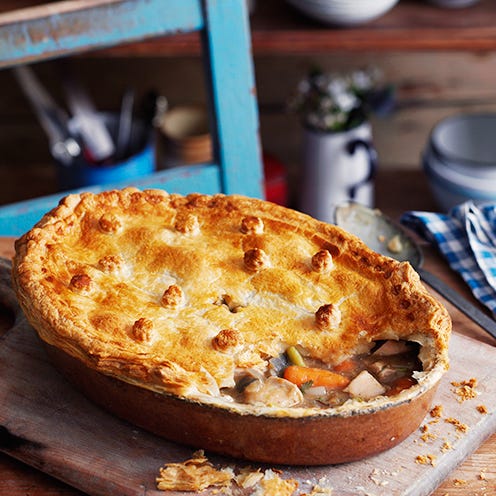
chicken pie recipe

Classic Chicken Pie Recipe

A golden, flaky pastry crust and a creamy chicken filling make this comforting pie a favourite for family dinners. It is a useful way to use leftover roast chicken, and the filling can be prepared ahead to make mealtimes easier.

Serves: 4–6

Preparation time: 25 minutes

Cooking time: 35–40 minutes

Ingredients

  • 40g butter
  • 1 medium onion, finely chopped
  • 2 carrots, diced
  • 2 celery sticks, finely sliced
  • 40g plain flour
  • 400ml chicken stock
  • 150ml double cream
  • 700g cooked chicken, cut into bite-sized pieces
  • 1 tsp fresh thyme leaves, or ½ tsp dried thyme
  • Salt and freshly ground black pepper
  • 1 sheet ready-rolled puff pastry, about 320g
  • 1 egg, beaten

Method

  1. Prepare the filling. Melt the butter in a large saucepan over a medium heat. Add the onion, carrots and celery, then cook for 8–10 minutes, stirring occasionally, until softened.
  2. Make the sauce. Stir in the flour and cook for 1 minute. Gradually pour in the chicken stock, stirring well to prevent lumps. Bring to a gentle simmer and cook for 3–4 minutes, until thickened.
  3. Add the chicken. Stir in the cream, cooked chicken and thyme. Season with salt and pepper. Remove from the heat and leave the filling to cool for at least 15 minutes.
  4. Heat the oven. Preheat it to 200°C (180°C fan)/400°F/gas mark 6. Spoon the cooled filling into a pie dish, around 1.5 litres in capacity.
  5. Add the pastry. Lay the pastry over the dish and trim the edges, leaving a slight overhang. Press the pastry firmly around the rim to seal. Cut a small slit in the centre to let steam escape, then brush the top with beaten egg.
  6. Bake. Place the pie on a baking tray and bake for 35–40 minutes, until the pastry is puffed and golden and the filling is piping hot.
  7. Rest and serve. Leave the pie to stand for 5 minutes before serving. It goes well with peas, green beans or steamed vegetables.

Tips for a Better Chicken Pie

  • Let the filling cool before adding the pastry. This helps keep the pastry crisp and makes it easier to handle.
  • For extra flavour, add a handful of sliced mushrooms or a little chopped parsley to the filling.
  • If using raw chicken, cook it thoroughly before adding it to the sauce. The finished pie should be piping hot throughout.
  • Leftovers should be cooled promptly, covered and refrigerated, then reheated until piping hot. Avoid reheating them more than once.

This chicken pie is simple to adapt: use leftover roast chicken, vary the vegetables or add herbs to suit your taste. Serve it straight from the oven for a satisfying, homely meal.


Mastering Chicken Pie: Essential Tips and Recipes for the Perfect Homemade Dish

  1. How do you make a classic chicken pie from scratch?
  2. What ingredients do you need for a chicken pie?
  3. How long should you bake a chicken pie, and at what temperature?
  4. Can you make chicken pie ahead of time or freeze it?
  5. How do you stop the pastry on a chicken pie from going soggy?

How do you make a classic chicken pie from scratch?

To make a classic chicken pie from scratch, cook chopped onion, carrots and celery in butter until softened, then stir in flour and gradually add chicken stock to make a smooth, thick sauce. Add cooked chicken, a splash of cream and herbs such as thyme, and season to taste. Spoon the filling into a pie dish and let it cool slightly before covering with puff pastry. Seal the edges, cut a small slit in the top to let steam escape, brush with beaten egg and bake at 200°C (180°C fan)/400°F/gas mark 6 for 35–40 minutes, until the pastry is golden and the filling is piping hot.

What ingredients do you need for a chicken pie?

For a classic chicken pie, you’ll need cooked chicken, onion, carrots and celery for the filling, plus butter, plain flour, chicken stock and cream to make a rich sauce. Season it with thyme, salt and black pepper, then top the filling with ready-rolled puff pastry brushed with beaten egg for a golden finish.

How long should you bake a chicken pie, and at what temperature?

Bake a chicken pie in a preheated oven at 200°C (180°C fan)/400°F/gas mark 6 for around 35–40 minutes, or until the pastry is puffed and golden and the filling is piping hot throughout. If the filling is cold or the pie is particularly deep, it may need a little longer; cover the pastry loosely with foil if it begins to brown too quickly.

Can you make chicken pie ahead of time or freeze it?

Yes, chicken pie can be made ahead. Prepare the filling and keep it covered in the fridge for up to two days, then assemble and bake when needed. Alternatively, assemble the pie, wrap it well and freeze it unbaked for up to three months; bake from frozen, allowing extra time and covering the pastry if it browns too quickly. You can also freeze baked pie, once completely cooled, and thaw it overnight in the fridge before reheating until piping hot throughout. Follow food-safety guidance and avoid reheating the pie more than once.

How do you stop the pastry on a chicken pie from going soggy?

To keep the pastry crisp, let the chicken filling cool and thicken before topping it, as hot or watery filling can create steam and soften the pastry. Avoid overfilling the dish, cut a small steam vent in the pastry, and bake the pie in a fully preheated oven. For extra protection, place the pie dish on a preheated baking tray so the base heats quickly.
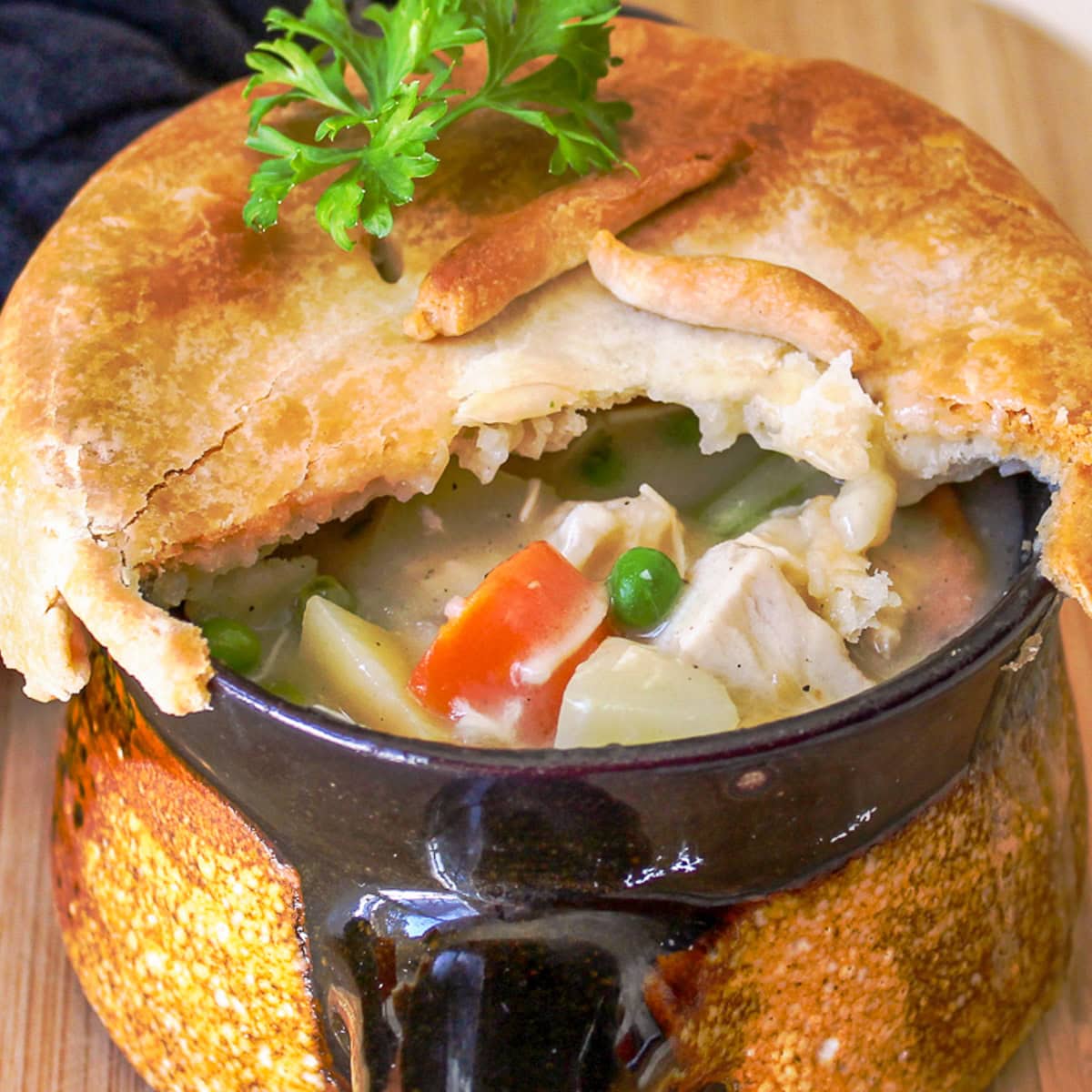
Easy Chicken Pot Pie Recipe with Golden, Flaky Pastry

chicken pot pie recipe

Chicken Pot Pie Recipe

Golden, flaky pastry and a creamy chicken filling make chicken pot pie a comforting meal for any day of the week. This straightforward version uses cooked chicken and ready-rolled puff pastry, so it’s easy to prepare without compromising on flavour. Serve it hot with greens or a crisp salad.

Serves: 4–6

Preparation time: 20 minutes

Cooking time: 35 minutes

Ingredients

  • 1 tablespoon olive oil or butter
  • 1 onion, finely chopped
  • 2 carrots, diced
  • 150g mushrooms, sliced (optional)
  • 2 tablespoons plain flour
  • 400ml chicken stock
  • 150ml milk
  • 1 teaspoon Dijon mustard
  • ½ teaspoon dried thyme
  • 300g cooked chicken, shredded or chopped
  • 100g frozen peas
  • Salt and freshly ground black pepper
  • 1 sheet ready-rolled puff pastry, about 320g
  • 1 egg, beaten, for glazing

Method

  1. Heat the oil or butter in a large saucepan over a medium heat. Add the onion and carrots and cook for 5 minutes, stirring occasionally. If using mushrooms, add them and cook for a further 3 minutes.
  2. Stir in the flour and cook for 1 minute. Gradually pour in the stock, stirring all the time to prevent lumps. Add the milk, mustard and thyme, then simmer for 5–7 minutes until the sauce has thickened.
  3. Stir in the cooked chicken and peas. Season with salt and pepper, then remove the pan from the heat. Leave the filling to cool slightly while you prepare the pastry.
  4. Heat the oven to 200°C (180°C fan, Gas Mark 6). Spoon the filling into a medium ovenproof pie dish.
  5. Lay the pastry over the dish. Trim away any excess and press the edges gently to seal. Cut a small slit in the centre to let steam escape. Brush the top with beaten egg.
  6. Bake for 25–30 minutes, until the pastry is puffed and deep golden and the filling is piping hot. Leave to stand for 5 minutes before serving.

Tips for a Great Chicken Pot Pie

Make sure the filling has cooled a little before adding the pastry; this helps it stay crisp. For extra flavour, use leftover roast chicken and add a handful of chopped parsley. You can also swap the peas for sweetcorn or include diced celery with the onion and carrots.

To prepare the pie ahead, make the filling and refrigerate it for up to a day. Add the pastry just before baking. Leftovers can be stored in the fridge for up to 2 days and reheated thoroughly until piping hot.


Essential FAQs for Perfecting Your Chicken Pot Pie Recipe

  1. What ingredients do I need to make chicken pot pie?
  2. How do I make chicken pot pie from scratch?
  3. Can I use cooked or leftover chicken in chicken pot pie?
  4. What pastry is best for chicken pot pie?
  5. How do I stop the bottom of the pastry from going soggy?
  6. How long should I bake chicken pot pie, and at what temperature?
  7. Can I make chicken pot pie ahead of time?
  8. Can chicken pot pie be frozen, and how should I reheat it?
  9. What can I serve with chicken pot pie?

What ingredients do I need to make chicken pot pie?

To make chicken pot pie, you’ll need cooked chicken, puff pastry, onion, carrots, chicken stock, milk, plain flour, butter or olive oil, and seasonings such as salt, black pepper and thyme. Peas add a touch of sweetness, while mushrooms and Dijon mustard are optional extras for extra flavour. A beaten egg is useful for brushing over the pastry before baking, giving it a golden finish.

How do I make chicken pot pie from scratch?

To make chicken pot pie from scratch, cook diced onion, carrots and any other vegetables you like in a little butter or oil, then stir in flour and gradually add chicken stock and milk to create a creamy sauce. Add cooked chicken, peas and herbs, season to taste, and spoon the filling into a pie dish. Cover with homemade shortcrust or puff pastry, seal the edges, cut a small slit in the top and brush with beaten egg. Bake at 200°C (180°C fan) until the pastry is golden and the filling is piping hot, usually around 25–35 minutes.

Can I use cooked or leftover chicken in chicken pot pie?

Yes, cooked or leftover chicken works perfectly in chicken pot pie. Shred or chop it into bite-sized pieces, then stir it into the sauce with the vegetables just before assembling the pie. As the chicken is already cooked, there’s no need to simmer it for long—just make sure the filling is piping hot before baking. Leftover roast chicken is especially tasty, and it’s a handy way to make use of leftovers.

What pastry is best for chicken pot pie?

Puff pastry is a popular choice for chicken pot pie because it bakes into a light, crisp, golden topping with minimal effort. Shortcrust pastry is another good option, especially if you prefer a sturdier, more traditional crust; use it for the lid or to line the dish. Whichever you choose, add the pastry once the filling has cooled slightly to help prevent a soggy base.

How do I stop the bottom of the pastry from going soggy?

To help keep the bottom pastry crisp, let the filling cool before assembling the pie, as hot filling creates steam that can make the pastry soggy. Make sure the sauce is thick rather than runny, and avoid overfilling the dish. For extra insurance, preheat a sturdy baking tray in the oven and place the pie dish on it; the direct heat helps cook the base. You can also blind-bake a pastry base for 10–15 minutes before adding the filling, especially if you’re making a deep pie.

How long should I bake chicken pot pie, and at what temperature?

Bake chicken pot pie in a preheated oven at 200°C (180°C fan, Gas Mark 6) for about 25–30 minutes, or until the pastry is puffed and golden and the filling is piping hot. If the filling is cold or the pie is particularly deep, it may need a little longer; cover the pastry loosely with foil if it begins to brown too quickly. Allow the pie to stand for a few minutes before serving.

Can I make chicken pot pie ahead of time?

Yes, you can prepare chicken pot pie ahead of time. Make the filling, let it cool completely, then cover and refrigerate it for up to 24 hours. For the best, crispest pastry, add it just before baking. If you assemble the whole pie in advance, keep it covered in the fridge and bake it within a day; it may need a few extra minutes in the oven. Ensure the filling is piping hot before serving.

Can chicken pot pie be frozen, and how should I reheat it?

Yes, chicken pot pie can be frozen, either baked or unbaked. For the best pastry, freeze the unbaked pie well wrapped for up to 2–3 months, then thaw it overnight in the fridge before baking until golden and piping hot throughout. To freeze a baked pie, cool it completely, wrap it tightly and freeze; thaw in the fridge, then reheat in an oven at 180°C (160°C fan, Gas Mark 4) until piping hot in the centre. Cover loosely with foil if the pastry browns too quickly, and reheat leftovers only once.

What can I serve with chicken pot pie?

Chicken pot pie is rich and comforting, so it pairs well with simple, fresh sides. Try steamed green beans, peas, broccoli or roasted seasonal vegetables, or serve it with a crisp green salad dressed with a light vinaigrette. If you’d like something heartier, buttery mashed potatoes work well, though the pastry and creamy filling may be filling enough on their own.

Easy Omelette Recipe: A Quick and Delicious Meal

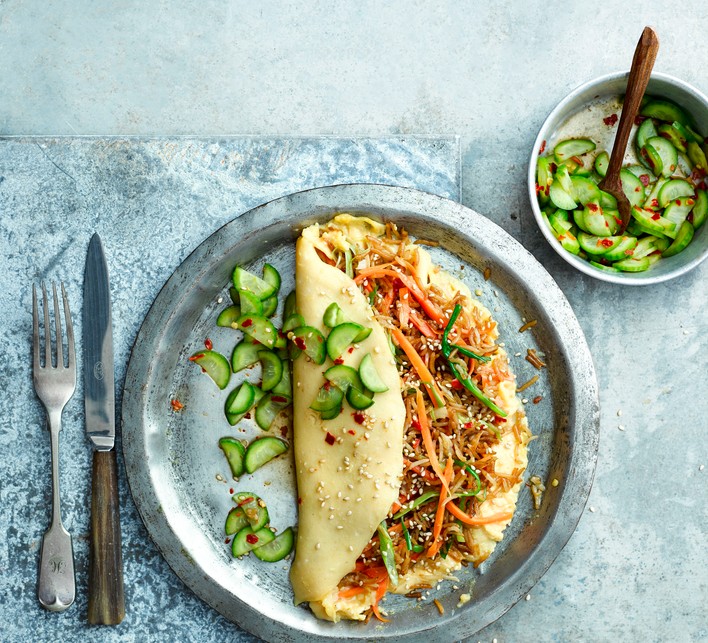
omelette recipe

How to Make the Perfect Omelette

A good omelette is quick, satisfying and easy to customise. With just a few ingredients and a little care, you can make one that is soft, tender and full of flavour. Enjoy it plain, or add cheese, herbs or vegetables for a more substantial meal.

Ingredients

  • 2 or 3 large eggs
  • 1 tablespoon milk or water (optional)
  • A pinch of salt and freshly ground black pepper
  • 1 teaspoon butter
  • 25g grated cheese, such as Cheddar (optional)
  • Chopped fresh herbs, such as chives or parsley (optional)

Method

  1. Crack the eggs into a bowl. Add the milk or water, if using, and season with salt and pepper. Beat with a fork until the yolks and whites are just combined.
  2. Warm a non-stick frying pan over a medium heat. Add the butter and swirl it around the pan until melted and lightly foaming.
  3. Pour in the eggs. Leave them for a few seconds, then gently draw the mixture from the edges towards the centre with a spatula. Tilt the pan so the uncooked egg runs into the gaps.
  4. When the omelette is mostly set but still slightly soft on top, scatter over the cheese and herbs, if using.
  5. Fold the omelette in half with the spatula and slide it onto a plate. Serve straight away.

Tips for a Better Omelette

Use a properly heated pan, but avoid cooking over a high heat, which can make the eggs tough. For a soft, tender result, take the omelette off the heat while it is still just a little glossy on top; it will continue cooking from its own heat.

If you are adding vegetables such as mushrooms, peppers or spinach, cook them separately first to soften them and remove excess moisture. Add them to the omelette shortly before folding.

Variations to Try

  • Cheese and chive: Add grated Cheddar and finely chopped chives.
  • Mushroom and spinach: Fry sliced mushrooms until golden, then stir in a handful of spinach until wilted.
  • Tomato and basil: Add a few chopped cherry tomatoes and fresh basil leaves.

Serve your omelette with toast, a green salad or simply on its own for a quick breakfast, lunch or light supper.


7 Reasons to Love This Easy Omelette Recipe

  1. Quick to prepare
  2. Uses simple ingredients
  3. Easy to customise
  4. A good source of protein
  5. Suitable for breakfast, lunch or supper
  6. Works well with leftovers
  7. Requires minimal washing-up


Five Drawbacks of Making an Omelette

  1. Can be easy to overcook.
  2. Needs attention while cooking.
  3. May stick to the pan.
  4. Not ideal for batch cooking.
  5. Some fillings can make it soggy.

Quick to prepare

One of the biggest advantages of an omelette is how quick it is to prepare. With just a few everyday ingredients and a frying pan, you can have a tasty meal ready in around ten minutes. It’s an ideal choice for busy mornings, a speedy lunch or a simple supper when you don’t have much time to cook.

Uses simple ingredients

One of the best things about an omelette is that it uses simple, everyday ingredients. Eggs, a little butter and basic seasoning are all you need to make a tasty meal, while optional extras such as cheese, herbs or leftover vegetables can be added if you have them. This makes an omelette an easy, affordable choice when you want something satisfying without a complicated shopping list.

Easy to customise

One of the best things about an omelette is how easy it is to customise. Add grated cheese, fresh herbs, cooked vegetables or leftover ingredients to suit your taste and make use of what you have in the fridge. You can keep it simple with just a few additions or combine different flavours for a more filling meal.

A good source of protein

An omelette is a good source of protein, thanks to its main ingredient: eggs. Protein helps the body grow and repair tissue, and can also make meals feel more satisfying. Enjoy your omelette on its own or pair it with vegetables and wholegrain toast for a balanced meal.

Suitable for breakfast, lunch or supper

One of the best things about an omelette is its versatility: it makes a quick, filling meal at any time of day. Serve it with toast for breakfast, pair it with a fresh salad for lunch, or add vegetables and potatoes for a simple supper.

Works well with leftovers

An omelette is a brilliant way to use up leftovers and reduce food waste. Add cooked vegetables, roast potatoes, cheese, herbs or small pieces of meat from the fridge, and turn them into a quick, satisfying meal. Just make sure any leftovers are stored safely and heated through properly while the eggs cook.

Requires minimal washing-up

One of the best things about an omelette is that it requires minimal washing-up. You can mix the eggs in a single bowl and cook them in one frying pan, so there are fewer dishes to clean afterwards. That makes an omelette a practical choice for a quick meal, especially on busy days.

Can be easy to overcook.

One drawback of an omelette is that it can be easy to overcook. Eggs set quickly in a hot pan, and even a little too much time on the heat can leave them dry, firm or rubbery instead of soft and tender. For the best results, cook over a medium heat and remove the omelette while the centre is still slightly soft; it will continue to set on the plate.

Needs attention while cooking.

An omelette needs your attention while it cooks, as eggs set quickly and can become dry or overcooked if left unattended. You’ll need to watch the pan and gently move the eggs as they cook, so it may not be the best choice when you’re looking for a completely hands-off meal.

May stick to the pan.

One potential drawback when making an omelette is that it may stick to the pan, making it difficult to fold neatly and serve in one piece. This is more likely if the pan is not non-stick, the heat is too high or there is not enough butter or oil. Use a clean, well-heated non-stick pan and lightly coat the surface with fat to help prevent sticking.

Not ideal for batch cooking.

Omelettes are best cooked and eaten straight away, so they’re not ideal for batch cooking. Once cooled and reheated, they can lose their soft, tender texture and become dry or rubbery. For the best results, make each omelette fresh when you’re ready to serve it.

Some fillings can make it soggy.

Some fillings, particularly watery vegetables such as tomatoes, mushrooms and courgettes, can release moisture as they cook and leave an omelette soggy. To avoid this, cook fillings separately first and drain off any excess liquid before adding them to the eggs.

Chicken Marinade: An Easy Guide to Tender, Flavourful Chicken

chicken marinade

Chicken Marinade: How to Make Chicken Full of Flavour

A good chicken marinade can transform a simple meal, adding flavour and helping the meat stay tender as it cooks. Whether the chicken is destined for the grill, oven or frying pan, a balanced marinade is easy to make with everyday ingredients.

What makes a good chicken marinade?

Most marinades combine three elements:

  • Oil helps coat the chicken and carries flavours from herbs and spices.
  • Acidity, from ingredients such as lemon juice, vinegar or yoghurt, adds brightness and can gently soften the surface of the meat.
  • Seasoning, including salt, garlic, herbs and spices, gives the chicken its character.

Sweet ingredients such as honey or brown sugar can add colour and a hint of sweetness, but they may burn over high heat. If using them, cook the chicken over a moderate heat and keep an eye on it.

Easy all-purpose chicken marinade

This versatile marinade works well with chicken breasts, thighs or drumsticks.

Ingredients

  • 3 tablespoons olive oil
  • 2 tablespoons lemon juice
  • 2 garlic cloves, finely grated or crushed
  • 1 teaspoon dried oregano
  • 1 teaspoon paprika
  • ½ teaspoon salt
  • ¼ teaspoon black pepper

Method

  1. Whisk the olive oil, lemon juice, garlic, oregano, paprika, salt and pepper together in a bowl.
  2. Add the chicken and turn it so that every piece is coated. Alternatively, place the chicken and marinade in a food-safe, resealable bag.
  3. Cover and refrigerate for at least 30 minutes. For a deeper flavour, leave it for a few hours.
  4. Remove the chicken from the marinade and cook using your preferred method. Check that it is cooked through before serving.

How long should chicken marinate?

Even 30 minutes can add flavour, while two to four hours is often convenient for a more pronounced result. Chicken can generally be marinated in the fridge for up to 24 hours, but very acidic mixtures may affect the texture if left for too long. For a yoghurt-based marinade, several hours or overnight can work well.

Simple variations

  • Herby: Add chopped parsley, thyme or rosemary and a little lemon zest.
  • Smoky: Increase the paprika and add a pinch of ground cumin.
  • Spicy: Mix in chilli flakes, cayenne pepper or a little hot sauce.
  • Asian-inspired: Use soy sauce, ginger, garlic, sesame oil and a touch of honey. Reduce or omit the salt, as soy sauce is already salty.
  • Creamy and tangy: Replace the oil and lemon with plain yoghurt, garlic, lemon juice and ground spices.

Marinating and food safety

Always marinate chicken in the fridge, not on the worktop. Keep raw chicken and its juices away from ready-to-eat foods, and wash your hands, utensils and surfaces after handling it. Do not reuse marinade that has touched raw chicken as a sauce unless it has been brought to a thorough boil. It is safer to set aside a clean portion before adding the chicken.

Cook chicken until it is piping hot throughout, with no pink meat remaining and the juices running clear. If using a food thermometer, the thickest part should reach 75°C. Rest the cooked chicken briefly before serving.

A little preparation goes a long way

Chicken marinade is an easy way to vary everyday meals. Start with oil, an acidic ingredient and seasonings, then adjust the flavours to suit the dish. With a little time in the fridge and careful cooking, even a simple chicken supper can be full of flavour.


Chicken Marinade FAQs: Timing, Ingredients and Food Safety

  1. How long should you marinate chicken?
  2. Can you marinate chicken overnight?
  3. Should chicken be marinated in the fridge?
  4. What ingredients make the best chicken marinade?
  5. Can you reuse marinade that has touched raw chicken?
  6. How do you cook marinated chicken safely?

How long should you marinate chicken?

Chicken can be marinated in the fridge for as little as 30 minutes, though two to four hours gives the flavours more time to develop. For a stronger flavour, you can leave it for up to 24 hours, but highly acidic marinades containing lemon juice or vinegar may affect the texture if left too long. Always marinate chicken in the fridge, never at room temperature.

Can you marinate chicken overnight?

Yes, chicken can be marinated overnight in the fridge, and the extra time allows the flavours to develop. Keep it covered in a food-safe container, and avoid leaving it for much longer than 24 hours. If the marinade contains a lot of lemon juice, vinegar or another acidic ingredient, marinating for too long may affect the chicken’s texture. Never leave chicken to marinate at room temperature.

Should chicken be marinated in the fridge?

Yes. Chicken should always be marinated in the fridge, not at room temperature, to help prevent harmful bacteria from multiplying. Keep it covered in a food-safe container or sealed bag, and store it away from ready-to-eat foods. After marinating, discard any marinade that has touched raw chicken, unless you bring it to a thorough boil before using it as a sauce.

What ingredients make the best chicken marinade?

The best chicken marinades balance oil, acidity and flavourings. Olive oil helps coat the chicken, while lemon juice, vinegar or yoghurt adds tang and can gently tenderise the surface. Garlic, herbs, spices, salt and pepper build flavour; a little honey or brown sugar can add sweetness and help the chicken brown. Adjust the ingredients to suit your dish, and avoid marinating for too long in a highly acidic mixture, as it can affect the chicken’s texture.

Can you reuse marinade that has touched raw chicken?

No, marinade that has touched raw chicken should not be reused as a sauce or poured over cooked food, as it may contain harmful bacteria. Discard it after use, or set aside a separate portion before adding the chicken. If you want to use the used marinade, bring it to a thorough boil first; however, making a fresh sauce is the safer and simpler option.

How do you cook marinated chicken safely?

To cook marinated chicken safely, keep it refrigerated until you’re ready to cook, and discard any marinade that has touched raw chicken—or boil it thoroughly before using it as a sauce. Cook the chicken until piping hot throughout, with no pink meat and clear juices; if using a food thermometer, check that the thickest part reaches 75°C. Wash your hands and any utensils or surfaces that have come into contact with raw chicken.