Easy Teriyaki Sauce Recipe: A Glossy, Savoury-Sweet Homemade Favourite
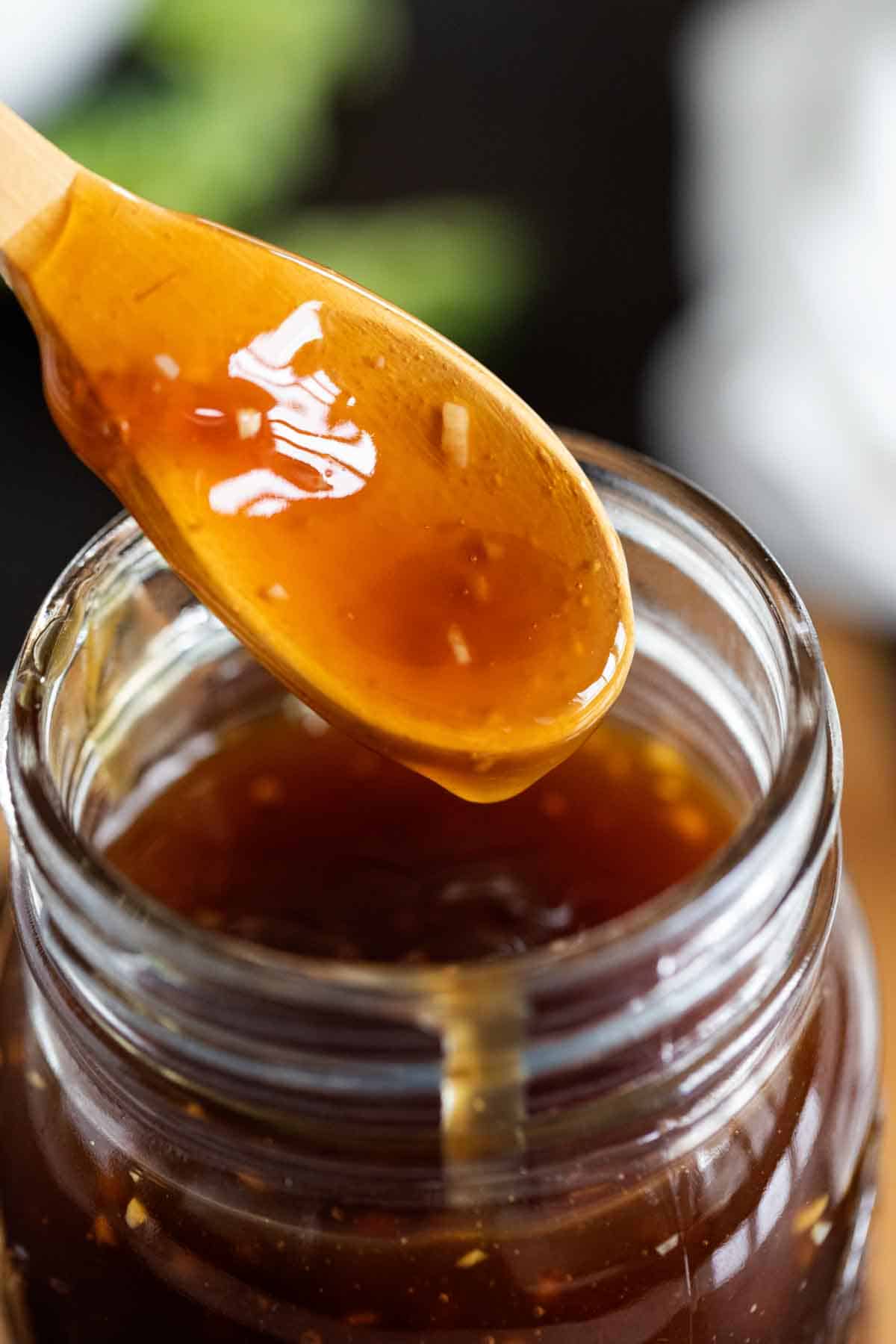
teriyaki sauce recipe

Easy Teriyaki Sauce Recipe

Glossy, savoury and gently sweet, homemade teriyaki sauce is simple to make and far more versatile than its reputation as a glaze suggests. Use it to coat grilled chicken, salmon, tofu or vegetables, or serve it as a dipping sauce. This quick recipe uses a handful of ingredients and takes about 15 minutes.

What is teriyaki sauce?

Teriyaki refers to a Japanese cooking method in which food is grilled or broiled and coated with a shiny glaze. The sauce is commonly made with soy sauce, mirin, sake and sugar. As it simmers, it reduces to a savoury-sweet glaze that clings beautifully to food.

Ingredients

  • 120 ml soy sauce
  • 120 ml mirin
  • 60 ml sake
  • 2 tablespoons caster sugar, or to taste
  • 1 teaspoon finely grated fresh ginger, optional
  • 1 small garlic clove, finely grated, optional

For a thicker sauce (optional): mix 1 teaspoon cornflour with 1 tablespoon cold water.

Method

  1. Put the soy sauce, mirin, sake and sugar in a small saucepan. Add the ginger and garlic, if using.
  2. Set the pan over a medium heat and stir until the sugar dissolves.
  3. Bring the mixture to a gentle simmer. Cook for 8–12 minutes, stirring occasionally, until it has reduced slightly and looks glossy. It will thicken further as it cools.
  4. For a thicker, more pourable sauce, stir in the cornflour mixture. Simmer for 1–2 minutes, stirring constantly, until the sauce reaches your preferred consistency.
  5. Remove from the heat. Strain out the ginger and garlic if you would like a smooth sauce, then leave to cool before using or storing.

Tips for the best teriyaki sauce

  • Adjust the sweetness: start with 2 tablespoons of sugar, then add a little more if you prefer a sweeter glaze.
  • Let it reduce: simmering concentrates the flavour and creates a glossy finish. Avoid boiling it rapidly, as it can reduce too far or taste too salty.
  • Use cornflour only if needed: a traditional-style sauce thickens through reduction, while cornflour gives a quicker, thicker result.
  • Choose low-salt soy sauce if preferred: this makes it easier to control the saltiness, especially when using the sauce as a dip.
  • For a gluten-free version: use certified gluten-free tamari and check that the mirin and sake are suitable.

How to use it

Brush the sauce over food towards the end of cooking so the sugars do not burn. It works particularly well with grilled chicken, salmon, prawns, tofu and aubergine. You can also stir a spoonful through fried rice or noodles, or serve it in a small bowl as a dip.

Storage

Once cooled, transfer the sauce to a clean, sealed jar and refrigerate. Use within one week, and always use a clean spoon when serving. If the sauce has been in contact with raw meat or fish, do not return it to the jar; discard it or bring it to a full boil before serving.


Essential Guide to Homemade Teriyaki Sauce: Ingredients, Preparation, and Pairing Tips

  1. What ingredients do you need to make teriyaki sauce?
  2. How do you make teriyaki sauce from scratch?
  3. How can you thicken homemade teriyaki sauce?
  4. Can you make teriyaki sauce without mirin or sake?
  5. How long does homemade teriyaki sauce keep in the fridge?
  6. What foods go well with teriyaki sauce?

What ingredients do you need to make teriyaki sauce?

To make a simple teriyaki sauce, you’ll need soy sauce, mirin, sake and sugar. These ingredients create its characteristic savoury-sweet flavour and glossy finish. Freshly grated ginger and garlic are optional additions for extra depth, while a little cornflour mixed with cold water can be used to thicken the sauce if desired.

How do you make teriyaki sauce from scratch?

To make teriyaki sauce from scratch, combine soy sauce, mirin, sake and sugar in a small saucepan. Warm over a medium heat, stirring until the sugar dissolves, then simmer gently for 8–12 minutes until the sauce reduces and turns glossy. For a thicker sauce, stir in a little cornflour mixed with cold water and simmer for another minute or two. Let it cool before using; it will thicken further as it cools.

How can you thicken homemade teriyaki sauce?

To thicken homemade teriyaki sauce, simmer it gently until it reduces and becomes glossy; it will thicken further as it cools. For a quicker, thicker result, mix one teaspoon of cornflour with one tablespoon of cold water, then stir it into the simmering sauce a little at a time. Cook for a minute or two, stirring, until it reaches the consistency you like.

Can you make teriyaki sauce without mirin or sake?

Yes, you can make teriyaki sauce without mirin or sake. For a mirin substitute, use an equal amount of water or apple juice with a little extra sugar; for sake, use water or unsalted stock. The flavour will be slightly different, but soy sauce, sugar, ginger and garlic will still make a tasty glaze. Adjust the sweetness to taste, then simmer until the sauce reaches your preferred consistency.

How long does homemade teriyaki sauce keep in the fridge?

Homemade teriyaki sauce will usually keep in the fridge for up to one week when stored in a clean, airtight container. Let it cool before refrigerating, and use a clean spoon each time you serve it. If it has been in contact with raw meat, fish or their juices, don’t pour it back into the container; discard it, or boil it thoroughly before using.

What foods go well with teriyaki sauce?

Teriyaki sauce pairs well with grilled or pan-fried chicken, salmon, beef and prawns, as well as tofu and vegetables such as broccoli, aubergine and peppers. It also adds a savoury-sweet flavour to rice bowls, stir-fries and noodles. Brush it onto food near the end of cooking so the sugars do not burn, or serve it on the side as a dip.

Elevate Your BBQ Game with the Ultimate Grilled Chicken Marinade

grilled chicken marinade

The Perfect Grilled Chicken Marinade: Elevate Your BBQ Game

Grilling season is upon us, and what better way to impress your guests than with a mouth-watering grilled chicken dish marinated to perfection? A good marinade can take your chicken from bland to flavourful, tender, and juicy. Let’s explore the key ingredients and steps to create the ultimate grilled chicken marinade.

Ingredients:

  • 4 boneless, skinless chicken breasts
  • 1/4 cup olive oil
  • 2 cloves of garlic, minced
  • 2 tablespoons soy sauce
  • 1 tablespoon honey
  • 1 teaspoon paprika
  • Salt and pepper to taste

Instructions:

  1. In a bowl, whisk together the olive oil, minced garlic, soy sauce, honey, paprika, salt, and pepper.
  2. Place the chicken breasts in a resealable plastic bag or shallow dish.
  3. Pour the marinade over the chicken, ensuring it is evenly coated. Seal the bag or cover the dish with plastic wrap and refrigerate for at least 30 minutes (or up to 24 hours for maximum flavour).
  4. Preheat your grill to medium-high heat.
  5. Remove the chicken from the marinade and discard any excess marinade.
  6. Grill the chicken for about 6-7 minutes per side or until fully cooked (internal temperature of 75°C).
  7. Once done, let the chicken rest for a few minutes before serving to allow the juices to redistribute.

This simple yet delicious grilled chicken marinade is sure to be a hit at your next barbecue gathering. The combination of savoury soy sauce, sweet honey, and aromatic garlic creates a harmonious blend of flavours that will leave everyone asking for seconds. So fire up that grill, marinate your chicken, and get ready to elevate your BBQ game!

Bon appétit!


Essential FAQs for Perfectly Marinated Grilled Chicken

  1. 1. How long should I marinate chicken for grilling?
  2. 2. What are the key ingredients for a grilled chicken marinade?
  3. 3. Can I use a store-bought marinade for grilled chicken?
  4. 4. Is it better to marinate chicken in the fridge or at room temperature?
  5. 5. How can I prevent my grilled chicken from drying out?
  6. 6. Are there any alternatives to olive oil in a marinade?
  7. 7. Should I pierce the chicken before marinating it?
  8. 8. Can I reuse leftover marinade?

1. How long should I marinate chicken for grilling?

When it comes to marinating chicken for grilling, the duration plays a crucial role in enhancing the flavour and tenderness of the meat. The ideal marinating time for chicken typically ranges from 30 minutes to 24 hours. While a minimum of 30 minutes allows the flavours to penetrate the surface of the chicken, longer marination periods, such as overnight, can intensify the taste and texture. It is essential to strike a balance between marinating adequately for optimal flavour infusion without over-marinating, which can result in a mushy texture. Experimenting with different marinating times can help you find the perfect balance to achieve deliciously grilled chicken every time.

2. What are the key ingredients for a grilled chicken marinade?

When it comes to creating a delicious grilled chicken marinade, the key ingredients play a crucial role in enhancing the flavour profile of the dish. Typically, a well-balanced marinade for grilled chicken includes olive oil for moisture, minced garlic for a robust aroma, soy sauce for savouriness, honey for sweetness, paprika for a hint of smokiness, and of course, salt and pepper to season to taste. These ingredients work together harmoniously to infuse the chicken with layers of taste that will leave your taste buds delighted.

3. Can I use a store-bought marinade for grilled chicken?

When it comes to marinating grilled chicken, a common query arises: Can I use a store-bought marinade? The answer is yes, you can certainly use a store-bought marinade for your grilled chicken. Store-bought marinades offer convenience and a variety of flavour options, making them a popular choice for those looking to save time without compromising on taste. However, it’s important to read the ingredients and nutritional information on the label to ensure the marinade aligns with your dietary preferences and requirements. Feel free to experiment with different store-bought marinades to discover your favourite flavours for that perfect grilled chicken dish.

4. Is it better to marinate chicken in the fridge or at room temperature?

When it comes to marinating chicken, it is generally recommended to marinate it in the fridge rather than at room temperature. Marinating chicken in the fridge helps to keep it at a safe temperature, preventing the growth of harmful bacteria. Additionally, refrigeration allows the flavours of the marinade to penetrate the chicken more effectively over a longer period, resulting in a more tender and flavourful end product. So, for optimal food safety and taste, it’s best to marinate your chicken in the fridge for a specified amount of time before grilling.

5. How can I prevent my grilled chicken from drying out?

To prevent your grilled chicken from drying out, it is essential to pay attention to both the cooking time and the marinade. Overcooking can lead to dry chicken, so be sure to cook it just until it reaches an internal temperature of 75°C. Additionally, using a well-balanced marinade with ingredients like olive oil, soy sauce, and honey can help lock in moisture and enhance the flavour of the chicken. Marinating the chicken for an adequate amount of time before grilling can make a significant difference in keeping the meat juicy and succulent. Remember to let the grilled chicken rest for a few minutes after cooking to allow the juices to redistribute before serving. By following these tips, you can enjoy perfectly moist and delicious grilled chicken every time.

6. Are there any alternatives to olive oil in a marinade?

When it comes to alternatives for olive oil in a marinade, there are several options that can impart unique flavours to your grilled chicken. One popular substitute is avocado oil, known for its mild taste and high smoke point, making it ideal for grilling. Another alternative is sesame oil, which adds a rich nutty flavour to the marinade. Additionally, you can consider using melted butter or coconut oil for a touch of richness and sweetness. Each alternative brings its own distinct profile to the marinade, offering versatility in customising the taste of your grilled chicken to suit your preferences.

7. Should I pierce the chicken before marinating it?

When it comes to marinating chicken, the question of whether to pierce the meat before marinating often arises. While some believe that piercing the chicken allows the marinade to penetrate deeper and enhance flavour, others argue that it can lead to loss of natural juices and result in drier meat. In general, it is not necessary to pierce the chicken before marinating, as a well-made marinade will still impart plenty of flavour without compromising the juiciness of the meat. Instead, focus on ensuring that the marinade covers the chicken evenly and allow an adequate marinating time for optimal results.

8. Can I reuse leftover marinade?

When it comes to reusing leftover marinade from grilled chicken, it is generally not recommended due to food safety concerns. Once raw chicken has been marinated in a mixture, it can introduce harmful bacteria. If you do wish to reuse the marinade for basting or as a sauce, it is crucial to boil it first to kill any bacteria present. However, for the best results and to ensure food safety, it is advisable to prepare a fresh batch of marinade if needed. Prioritising food hygiene and avoiding potential risks is key when handling leftover marinades in cooking practices.