Classic Fish Pie Recipe: A Comforting British Favourite
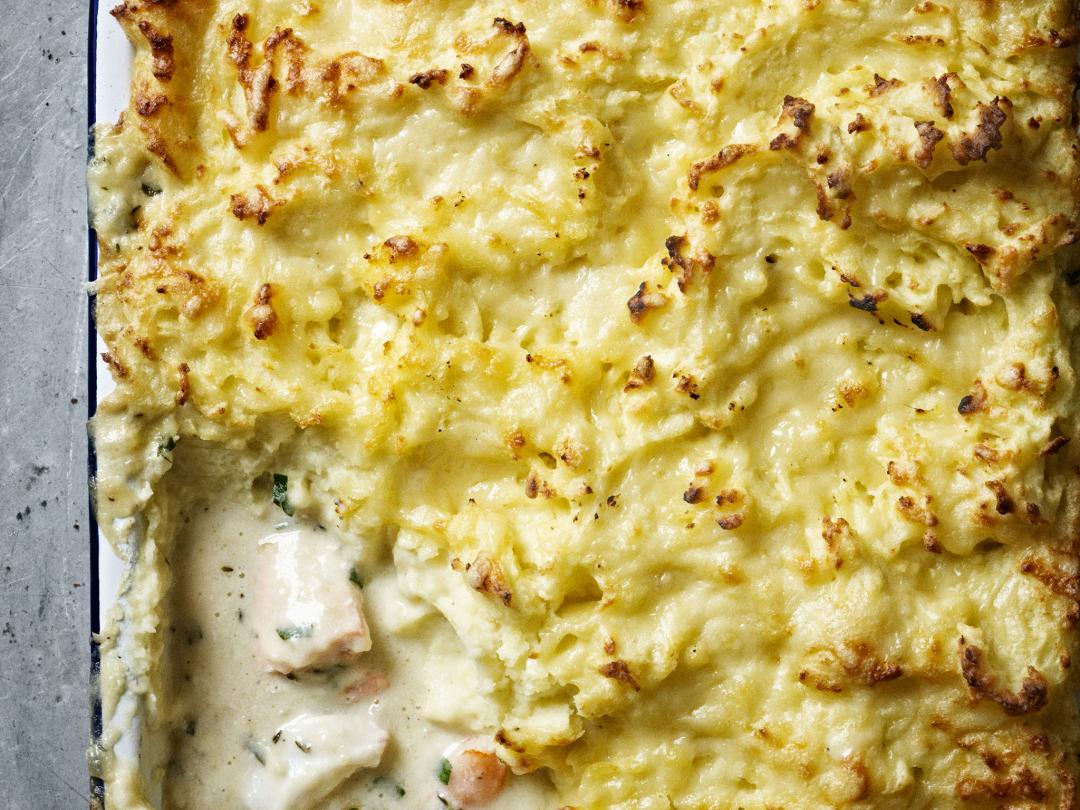
fish pie recipe

Classic Fish Pie Recipe

Comforting, creamy and topped with golden mashed potato, fish pie is a British favourite that makes a satisfying family meal. This version combines flaky white fish and salmon in a simple parsley sauce. Serve it straight from the oven with peas or greens.

Serves: 4–6

Preparation time: 25 minutes

Cooking time: 35 minutes

Ingredients

For the topping

  • 900g floury potatoes, peeled and cut into chunks
  • 40g butter
  • 3–4 tbsp milk
  • Salt and freshly ground black pepper

For the filling

  • 600g mixed fish, such as cod, smoked haddock and salmon, cut into bite-sized pieces
  • 40g butter
  • 40g plain flour
  • 500ml milk
  • 1 tsp Dijon mustard, optional
  • 2 tbsp chopped fresh parsley
  • 100g frozen peas, optional
  • Salt and freshly ground black pepper

Method

  1. Cook the potatoes. Put the potatoes in a saucepan, cover with cold salted water and bring to the boil. Simmer for 15–20 minutes, or until tender. Drain well, then mash with the butter and enough milk to make a smooth topping. Season to taste.
  2. Make the sauce. Melt the butter in a saucepan over a medium heat. Stir in the flour and cook for 1 minute, stirring constantly. Gradually add the milk, whisking as you go to keep the sauce smooth. Bring to a gentle simmer and cook for 3–5 minutes, until thickened.
  3. Season and add the filling. Stir the mustard, if using, and parsley into the sauce. Season with pepper and a little salt, taking care if using smoked fish. Fold in the fish and peas.
  4. Assemble the pie. Heat the oven to 200°C (180°C fan)/400°F/Gas Mark 6. Spoon the fish mixture into an ovenproof dish. Spread the mashed potato over the top, taking it right to the edges. Rough up the surface with a fork to help it turn golden.
  5. Bake. Place the dish on a baking tray and bake for 25–30 minutes, until bubbling around the edges and golden on top. Leave to stand for a few minutes before serving.

Tips for a Great Fish Pie

  • Use a mix of fish for contrasting flavours and textures. Check carefully for bones before adding it to the dish.
  • For a richer sauce, replace a little of the milk with cream.
  • Grated cheese can be mixed into the mash or sprinkled over the top before baking.
  • If preparing the pie ahead, cool the filling before assembling and refrigerate it. Bake until piping hot throughout.

Serve your fish pie with steamed greens, buttered cabbage or a simple side salad for an easy, comforting supper.


9 Reasons Why Fish Pie is the Ultimate Comfort Dish

  1. Comforting and warming
  2. Creamy, satisfying filling
  3. Golden, fluffy potato topping
  4. Easy to customise with different fish
  5. A good way to include vegetables
  6. Ideal for family meals
  7. Can be prepared ahead
  8. Pairs well with simple greens
  9. Makes delicious leftovers


7 Drawbacks of Preparing the Classic Fish Pie Recipe

  1. Takes time to prepare.
  2. Uses several pans and utensils.
  3. Can be rich and filling.
  4. Fresh fish may be expensive.
  5. Smoked fish can make it salty.
  6. The topping may brown unevenly.
  7. Leftovers can dry out when reheated.

Comforting and warming

Fish pie is the ultimate comfort food: its creamy fish filling and soft, golden mashed-potato topping make every mouthful warming and satisfying. Served fresh from the oven, it’s a cosy choice for chilly evenings and relaxed family meals.

Creamy, satisfying filling

The creamy filling is what makes fish pie so comforting and satisfying. A smooth, gently seasoned sauce brings together the flaky fish and tender vegetables, adding plenty of flavour without overpowering the ingredients. Paired with its golden potato topping, it makes a hearty dish that’s perfect for a cosy family meal.

Golden, fluffy potato topping

A golden, fluffy potato topping makes this fish pie especially inviting. Lightly mash the potatoes with butter and milk, then rough up the surface with a fork before baking. The ridges turn crisp and golden in the oven, while the soft, pillowy mash underneath pairs beautifully with the creamy fish filling.

Easy to customise with different fish

One of the best things about fish pie is how easy it is to tailor to your taste or what you have available. Use cod, haddock, salmon or smoked fish, or combine a few varieties for a more varied flavour and texture. Just choose fish that will hold up well in the sauce, remove any skin and check carefully for bones before cooking.

A good way to include vegetables

Fish pie is an easy way to add more vegetables to a family meal. Stir peas, sweetcorn, spinach or finely chopped leeks into the creamy filling, or serve it with a side of greens. The flavours blend naturally with the fish and sauce, making vegetables a welcome part of a comforting, satisfying dish.

Ideal for family meals

Fish pie is ideal for family meals because it’s comforting, filling and easy to serve straight from the oven. The creamy fish filling and soft potato topping are popular with a range of ages, while peas or other vegetables can be added to make it a complete one-dish dinner. It’s also simple to prepare in a larger baking dish, making it a practical choice when feeding a crowd.

Can be prepared ahead

One of the great advantages of fish pie is that it can be prepared ahead, making mealtimes easier on busy days. Assemble the pie, cover it and keep it in the fridge until you’re ready to cook. When baking from chilled, allow extra time and check that it is piping hot all the way through before serving.

Pairs well with simple greens

Fish pie pairs beautifully with simple greens, such as peas, steamed broccoli or green beans. Their fresh flavour and gentle crunch balance the pie’s creamy filling and golden potato topping, making the meal feel lighter without taking attention away from the main dish.

Makes delicious leftovers

Fish pie makes delicious leftovers, as the flavours have time to mingle and deepen overnight. Once cooled, cover and refrigerate it promptly, then reheat only the portion you need until piping hot throughout. It’s just as comforting the next day, served on its own or with fresh greens.

Takes time to prepare.

One drawback of fish pie is that it takes time to prepare. You’ll need to cook and mash the potatoes, make the sauce, prepare the fish and assemble the dish before it goes into the oven. Although much of the work is straightforward, it may not be the quickest choice for a busy weeknight.

Uses several pans and utensils.

One drawback of this fish pie recipe is that it uses several pans and utensils: you’ll need equipment for boiling and mashing the potatoes, making the sauce and assembling the pie. This can mean more washing-up than a simpler one-pot meal.

Can be rich and filling.

Fish pie can be rich and filling, particularly when it’s made with a creamy sauce, buttery mash and plenty of cheese. A generous portion may feel quite heavy, so serve it with lighter sides such as steamed greens or a crisp salad, and adjust the amount of butter or cream to suit your taste.

Fresh fish may be expensive.

Fresh fish can be expensive, particularly if you choose premium varieties such as salmon or smoked haddock. This can make fish pie a costly meal, but using affordable options such as frozen fish, white fish fillets or supermarket fish pie mix can help keep the price down without sacrificing flavour.

Smoked fish can make it salty.

Smoked fish adds a distinctive, savoury flavour to fish pie, but it can also make the filling quite salty. Taste the sauce before adding any extra salt, and consider using a milder fish or a smaller amount of smoked fish if you prefer a less salty pie.

The topping may brown unevenly.

The mashed potato topping can brown unevenly, leaving some patches golden while others stay pale. This may happen if the mash is spread at different thicknesses or the oven has hot spots. For a more even finish, smooth the topping into a consistent layer, rough it lightly with a fork and rotate the dish halfway through baking if needed.

Leftovers can dry out when reheated.

Fish pie can lose its creamy texture when reheated, as the fish and mashed-potato topping may dry out. To help prevent this, cover the dish and warm it gently in the oven until piping hot throughout; adding a splash of milk or cream to the filling before reheating can also help restore its moisture.
Easy Teriyaki Sauce Recipe: A Glossy, Savoury-Sweet Homemade Favourite

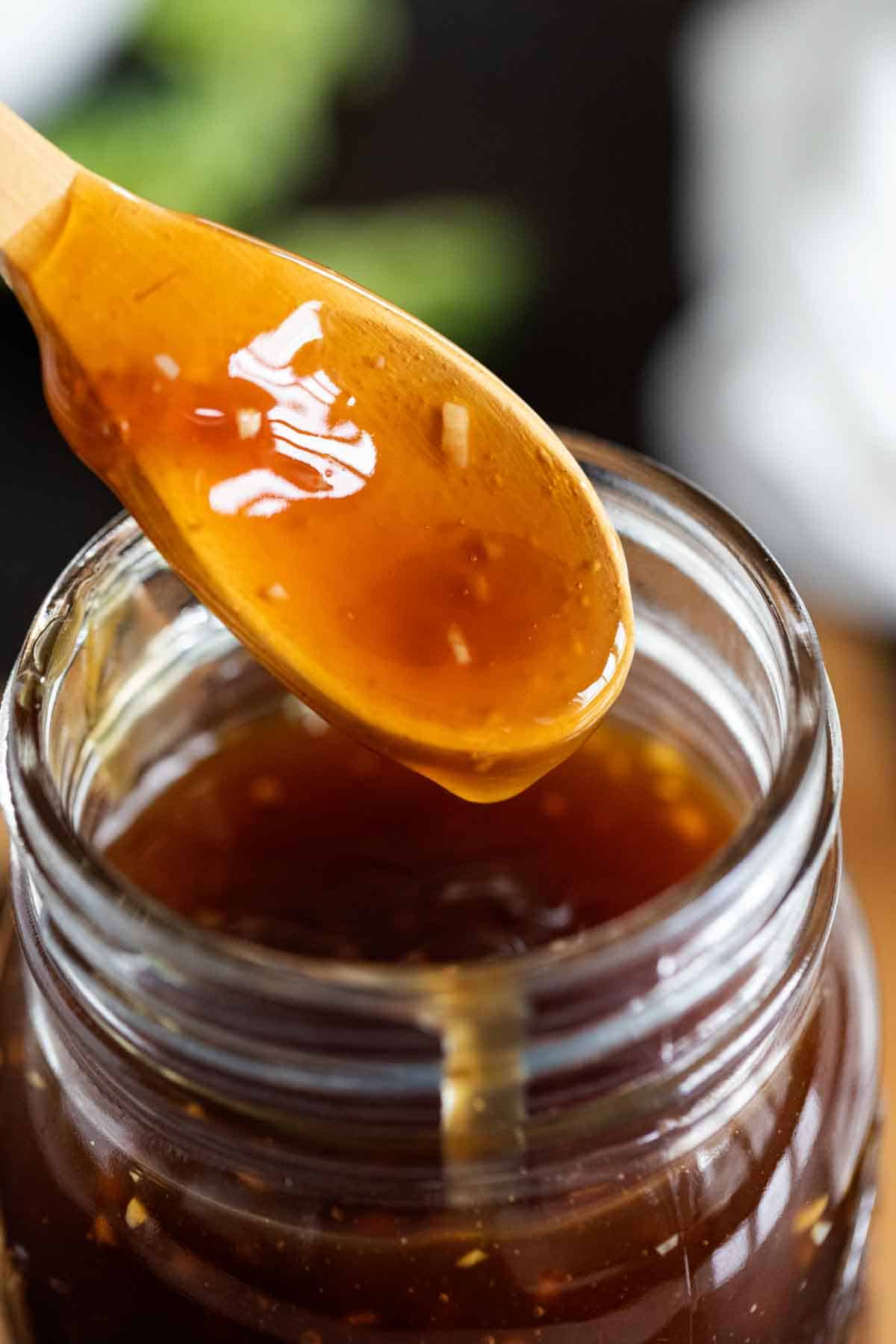
teriyaki sauce recipe

Easy Teriyaki Sauce Recipe

Glossy, savoury and gently sweet, homemade teriyaki sauce is simple to make and far more versatile than its reputation as a glaze suggests. Use it to coat grilled chicken, salmon, tofu or vegetables, or serve it as a dipping sauce. This quick recipe uses a handful of ingredients and takes about 15 minutes.

What is teriyaki sauce?

Teriyaki refers to a Japanese cooking method in which food is grilled or broiled and coated with a shiny glaze. The sauce is commonly made with soy sauce, mirin, sake and sugar. As it simmers, it reduces to a savoury-sweet glaze that clings beautifully to food.

Ingredients

  • 120 ml soy sauce
  • 120 ml mirin
  • 60 ml sake
  • 2 tablespoons caster sugar, or to taste
  • 1 teaspoon finely grated fresh ginger, optional
  • 1 small garlic clove, finely grated, optional

For a thicker sauce (optional): mix 1 teaspoon cornflour with 1 tablespoon cold water.

Method

  1. Put the soy sauce, mirin, sake and sugar in a small saucepan. Add the ginger and garlic, if using.
  2. Set the pan over a medium heat and stir until the sugar dissolves.
  3. Bring the mixture to a gentle simmer. Cook for 8–12 minutes, stirring occasionally, until it has reduced slightly and looks glossy. It will thicken further as it cools.
  4. For a thicker, more pourable sauce, stir in the cornflour mixture. Simmer for 1–2 minutes, stirring constantly, until the sauce reaches your preferred consistency.
  5. Remove from the heat. Strain out the ginger and garlic if you would like a smooth sauce, then leave to cool before using or storing.

Tips for the best teriyaki sauce

  • Adjust the sweetness: start with 2 tablespoons of sugar, then add a little more if you prefer a sweeter glaze.
  • Let it reduce: simmering concentrates the flavour and creates a glossy finish. Avoid boiling it rapidly, as it can reduce too far or taste too salty.
  • Use cornflour only if needed: a traditional-style sauce thickens through reduction, while cornflour gives a quicker, thicker result.
  • Choose low-salt soy sauce if preferred: this makes it easier to control the saltiness, especially when using the sauce as a dip.
  • For a gluten-free version: use certified gluten-free tamari and check that the mirin and sake are suitable.

How to use it

Brush the sauce over food towards the end of cooking so the sugars do not burn. It works particularly well with grilled chicken, salmon, prawns, tofu and aubergine. You can also stir a spoonful through fried rice or noodles, or serve it in a small bowl as a dip.

Storage

Once cooled, transfer the sauce to a clean, sealed jar and refrigerate. Use within one week, and always use a clean spoon when serving. If the sauce has been in contact with raw meat or fish, do not return it to the jar; discard it or bring it to a full boil before serving.


Essential Guide to Homemade Teriyaki Sauce: Ingredients, Preparation, and Pairing Tips

  1. What ingredients do you need to make teriyaki sauce?
  2. How do you make teriyaki sauce from scratch?
  3. How can you thicken homemade teriyaki sauce?
  4. Can you make teriyaki sauce without mirin or sake?
  5. How long does homemade teriyaki sauce keep in the fridge?
  6. What foods go well with teriyaki sauce?

What ingredients do you need to make teriyaki sauce?

To make a simple teriyaki sauce, you’ll need soy sauce, mirin, sake and sugar. These ingredients create its characteristic savoury-sweet flavour and glossy finish. Freshly grated ginger and garlic are optional additions for extra depth, while a little cornflour mixed with cold water can be used to thicken the sauce if desired.

How do you make teriyaki sauce from scratch?

To make teriyaki sauce from scratch, combine soy sauce, mirin, sake and sugar in a small saucepan. Warm over a medium heat, stirring until the sugar dissolves, then simmer gently for 8–12 minutes until the sauce reduces and turns glossy. For a thicker sauce, stir in a little cornflour mixed with cold water and simmer for another minute or two. Let it cool before using; it will thicken further as it cools.

How can you thicken homemade teriyaki sauce?

To thicken homemade teriyaki sauce, simmer it gently until it reduces and becomes glossy; it will thicken further as it cools. For a quicker, thicker result, mix one teaspoon of cornflour with one tablespoon of cold water, then stir it into the simmering sauce a little at a time. Cook for a minute or two, stirring, until it reaches the consistency you like.

Can you make teriyaki sauce without mirin or sake?

Yes, you can make teriyaki sauce without mirin or sake. For a mirin substitute, use an equal amount of water or apple juice with a little extra sugar; for sake, use water or unsalted stock. The flavour will be slightly different, but soy sauce, sugar, ginger and garlic will still make a tasty glaze. Adjust the sweetness to taste, then simmer until the sauce reaches your preferred consistency.

How long does homemade teriyaki sauce keep in the fridge?

Homemade teriyaki sauce will usually keep in the fridge for up to one week when stored in a clean, airtight container. Let it cool before refrigerating, and use a clean spoon each time you serve it. If it has been in contact with raw meat, fish or their juices, don’t pour it back into the container; discard it, or boil it thoroughly before using.

What foods go well with teriyaki sauce?

Teriyaki sauce pairs well with grilled or pan-fried chicken, salmon, beef and prawns, as well as tofu and vegetables such as broccoli, aubergine and peppers. It also adds a savoury-sweet flavour to rice bowls, stir-fries and noodles. Brush it onto food near the end of cooking so the sugars do not burn, or serve it on the side as a dip.

Delicious High-Protein Meals to Fuel Your Day

high protein meals

The Power of High-Protein Meals: Fuel Your Body Right

When it comes to maintaining a healthy diet, the importance of protein cannot be overstated. Protein is an essential macronutrient that plays a crucial role in building and repairing tissues, supporting muscle growth, and keeping you feeling full and satisfied.

For those looking to increase their protein intake, incorporating high-protein meals into your daily diet is key. Not only does protein help with weight management and muscle development, but it also provides long-lasting energy to keep you going throughout the day.

Benefits of High-Protein Meals

Muscle Growth: Protein is made up of amino acids, which are the building blocks of muscle tissue. Consuming adequate protein helps support muscle repair and growth, especially after exercise.

Satiety: Protein-rich foods are known to be more filling than carbohydrates or fats. Including protein in your meals can help curb cravings and prevent overeating.

Metabolism Boost: The thermic effect of food (TEF) for protein is higher than that of carbohydrates or fats, meaning your body burns more calories digesting protein-rich foods.

High-Protein Meal Ideas

Here are some delicious and nutritious high-protein meal ideas to incorporate into your daily menu:

  • Baked Salmon with Quinoa Salad: A perfect blend of lean protein from salmon and high-fiber quinoa for a satisfying meal.
  • Greek Yogurt Parfait: Layer Greek yogurt with fresh fruits, nuts, and a drizzle of honey for a protein-packed breakfast or snack.
  • Grilled Chicken Caesar Salad: Grilled chicken breast on a bed of crisp romaine lettuce with Parmesan cheese and Caesar dressing for a tasty yet nutritious meal.
  • Lentil Soup with Wholegrain Bread: A hearty soup made with lentils paired with wholegrain bread for a complete meal rich in plant-based proteins.
  • Egg White Omelette with Spinach and Feta: Whisk up egg whites with fresh spinach and crumbled feta cheese for a low-calorie, high-protein breakfast option.

Incorporating high-protein meals into your diet doesn’t have to be complicated. By choosing nutrient-dense foods rich in protein, you can fuel your body right and reap the many benefits that come with prioritising this essential macronutrient.


9 High-Protein Meal Tips: Boost Your Diet with Lean Meats, Fish, and Plant-Based Options

  1. Include lean meats like chicken and turkey for a high protein boost.
  2. Incorporate fish such as salmon and tuna, which are rich in protein and omega-3 fatty acids.
  3. Use eggs as a versatile protein source in meals like omelettes or salads.
  4. Add legumes such as lentils and chickpeas to dishes for plant-based protein.
  5. Opt for Greek yoghurt as a snack or breakfast option with added fruits or nuts.
  6. Include cottage cheese in your diet, either on its own or mixed with fruit.
  7. Try tofu or tempeh in stir-fries for a vegetarian protein alternative.
  8. Sprinkle seeds like chia or flaxseeds on cereals or smoothies for extra protein.
  9. Choose whole grains such as quinoa, which offer more protein than other grains.

Include lean meats like chicken and turkey for a high protein boost.

When aiming to increase your protein intake, incorporating lean meats such as chicken and turkey into your meals can provide a significant boost. These sources of protein are not only low in fat but also rich in essential amino acids that support muscle growth and repair. By including lean meats in your diet, you can enjoy a delicious and nutritious way to meet your protein needs while keeping your meals satisfying and wholesome.

Incorporate fish such as salmon and tuna, which are rich in protein and omega-3 fatty acids.

When aiming to boost your protein intake, consider incorporating fish like salmon and tuna into your meals. Not only are these seafood options excellent sources of protein, but they also provide essential omega-3 fatty acids that support heart health and overall well-being. By including salmon and tuna in your diet, you can enjoy a delicious way to increase your protein consumption while reaping the benefits of these nutritious fish varieties.

Use eggs as a versatile protein source in meals like omelettes or salads.

Eggs are a versatile and convenient protein source that can be easily incorporated into a variety of meals. Whether enjoyed as part of a fluffy omelette packed with veggies or added to a fresh salad for an extra protein boost, eggs offer a delicious and nutritious way to increase your protein intake. Their versatility makes them a go-to option for those looking to create satisfying and balanced high-protein dishes without sacrificing flavour.

Add legumes such as lentils and chickpeas to dishes for plant-based protein.

Adding legumes such as lentils and chickpeas to your dishes is a fantastic way to boost the protein content with plant-based sources. These nutrient-packed legumes not only provide a significant amount of protein but also offer essential vitamins, minerals, and dietary fibre. Whether you’re looking to enhance the protein content of a salad, soup, or curry, incorporating lentils and chickpeas adds both texture and flavour while contributing to a well-rounded and balanced meal.

Opt for Greek yoghurt as a snack or breakfast option with added fruits or nuts.

When aiming to increase your protein intake, opting for Greek yogurt as a snack or breakfast option can be a smart choice. Greek yogurt is rich in protein and can be easily paired with added fruits or nuts to enhance both the flavour and nutritional value of your meal. By combining the creamy texture of Greek yogurt with the natural sweetness of fruits or the crunchiness of nuts, you create a satisfying and balanced high-protein snack that will keep you feeling full and energised throughout the day.

Include cottage cheese in your diet, either on its own or mixed with fruit.

Including cottage cheese in your diet is a fantastic way to boost your protein intake. Whether enjoyed on its own as a creamy and satisfying snack or mixed with fresh fruits for a delightful combination of flavours, cottage cheese is a versatile and nutritious option. With its high protein content and creamy texture, cottage cheese provides a delicious way to add more protein to your meals and keep you feeling full and energised throughout the day.

Try tofu or tempeh in stir-fries for a vegetarian protein alternative.

For a vegetarian protein alternative in your stir-fries, consider incorporating tofu or tempeh. Both tofu and tempeh are excellent sources of plant-based protein that can add a substantial and satisfying element to your dishes. Tofu’s versatility allows it to absorb the flavours of your stir-fry sauce, while tempeh’s nutty taste provides a unique texture and depth of flavour. By including these plant-based options in your stir-fries, you can enjoy a delicious meal packed with protein while exploring new culinary possibilities.

Sprinkle seeds like chia or flaxseeds on cereals or smoothies for extra protein.

Enhance the protein content of your meals by incorporating a simple yet effective tip: sprinkle seeds such as chia or flaxseeds onto your cereals or smoothies. These tiny powerhouses are packed with protein, fibre, and essential nutrients, making them a convenient and versatile addition to your diet. By adding a sprinkle of seeds to your breakfast or snack, you can boost your protein intake effortlessly while enjoying a delightful crunch and nutty flavour.

Choose whole grains such as quinoa, which offer more protein than other grains.

When opting for high-protein meals, selecting whole grains like quinoa can significantly boost your protein intake compared to other grains. Quinoa stands out as a nutritious choice due to its impressive protein content, making it a valuable addition to your diet. By incorporating quinoa into your meals, you not only increase your protein consumption but also benefit from its rich array of essential nutrients, supporting your overall health and well-being.