Easy Tomato Pie Recipe: A Savoury Bake for Ripe Tomatoes
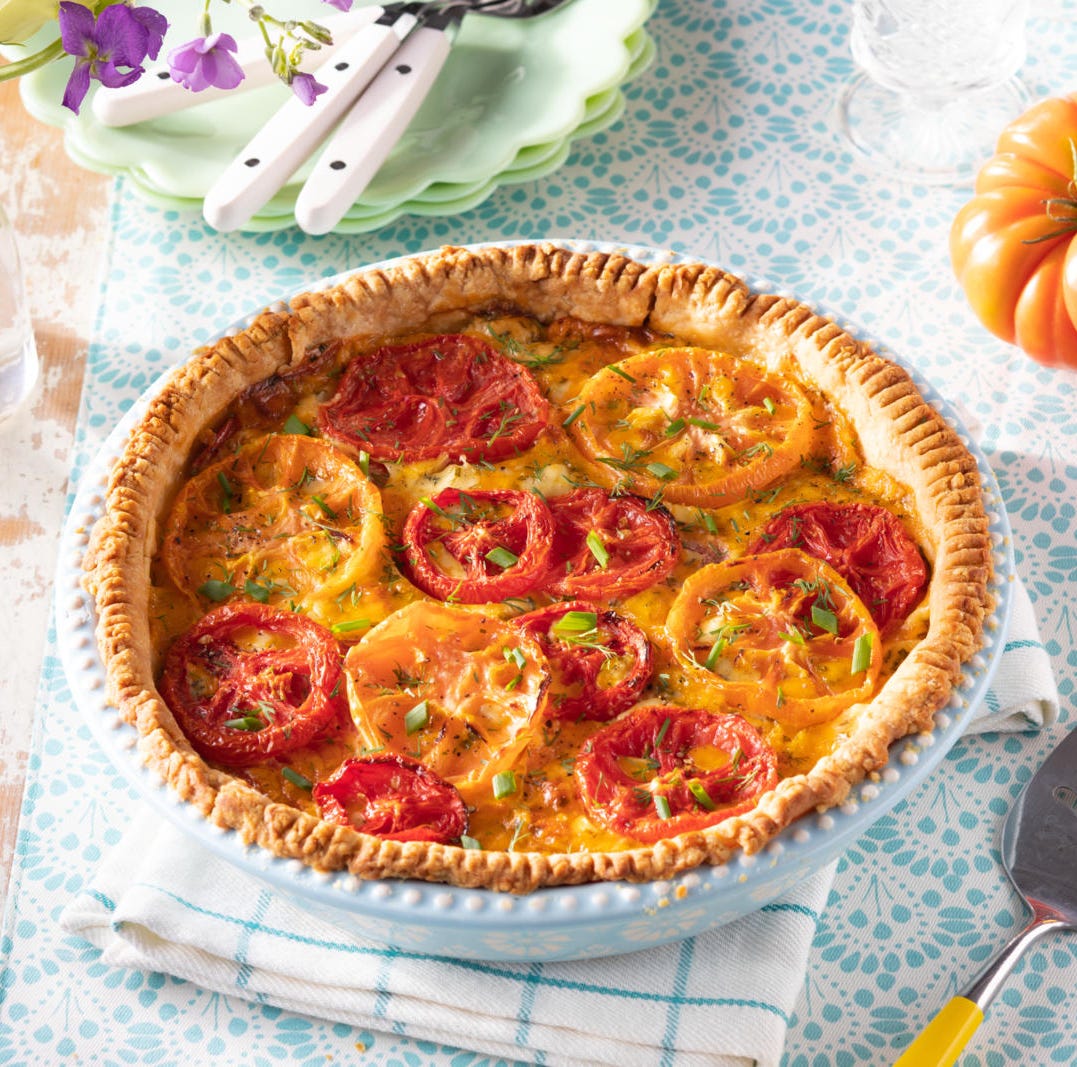
tomato pie recipe

Tomato Pie Recipe

This savoury tomato pie is a lovely way to make the most of ripe, juicy tomatoes. A crisp pastry case is filled with tender tomatoes, fresh herbs and a creamy cheese topping, then baked until golden and bubbling. Serve it warm for lunch, or at room temperature as part of a picnic or light supper.

At a glance

  • Preparation time: 25 minutes, plus 30 minutes to drain the tomatoes
  • Cooking time: 35–40 minutes
  • Serves: 6

Ingredients

  • 1 sheet of ready-rolled shortcrust pastry, about 320g
  • 700g ripe tomatoes
  • 1 tsp fine salt
  • 1 small onion, finely sliced
  • 1 tbsp olive oil
  • 1 tbsp chopped fresh basil, plus extra to serve
  • 1 tbsp chopped fresh chives
  • 150g mature Cheddar, grated
  • 100g mozzarella, grated or torn into small pieces
  • 120g mayonnaise
  • ½ tsp freshly ground black pepper
  • 1 tsp Dijon mustard (optional)

Method

  1. Prepare the tomatoes. Slice the tomatoes and arrange them in a single layer on a plate or tray. Sprinkle with the salt and leave for 30 minutes. This draws out excess moisture and helps prevent a soggy pie.
  2. Heat the oven. Preheat the oven to 200°C (180°C fan)/400°F/Gas Mark 6. Place a baking tray in the oven to heat.
  3. Prepare the pastry case. Line a 23cm tart tin with the pastry, pressing it gently into the edges. Trim off any excess, prick the base with a fork and chill for 10 minutes.
  4. Blind-bake the pastry. Line the pastry with baking paper and fill with baking beans or uncooked rice. Place the tin on the hot baking tray and bake for 15 minutes. Remove the paper and beans, then bake for a further 5 minutes until the base looks dry and lightly golden.
  5. Cook the onion. While the pastry bakes, warm the olive oil in a small frying pan over a medium heat. Add the onion and cook for 5–7 minutes until soft. Set aside to cool slightly.
  6. Dry the tomatoes. Pat the tomato slices thoroughly with kitchen paper to remove as much moisture as possible.
  7. Make the topping. In a bowl, mix the Cheddar, mozzarella, mayonnaise, black pepper and mustard, if using.
  8. Assemble the pie. Spread the cooked onion over the pastry base. Add the tomatoes in an even layer, scattering the basil and chives between them. Spoon the cheese mixture over the top and spread it gently to cover.
  9. Bake. Bake for 25–30 minutes, until the topping is golden and bubbling. Leave the pie to stand for at least 15 minutes before slicing, so the filling has time to settle.
  10. Serve. Scatter with extra basil and serve warm or at room temperature.

Tips for the best tomato pie

  • Choose flavourful tomatoes. Ripe but firm tomatoes hold their shape and give the pie plenty of flavour.
  • Don’t skip the draining step. Removing excess liquid is the key to a crisp pastry base.
  • Try different cheeses. A little Parmesan can add savoury depth, while Gruyère makes a rich alternative to Cheddar.
  • Make it your own. Add a pinch of chilli flakes, a few sliced spring onions or a little fresh thyme.

How to store tomato pie

Once cooled, cover and refrigerate the pie for up to three days. Reheat slices in the oven at 180°C (160°C fan)/350°F/Gas Mark 4 until piping hot. The pastry is best on the day it is baked, but leftovers are also delicious served cold.


Everything You Need to Know About Making the Perfect Tomato Pie

  1. What is in a tomato pie?
  2. Do you have to peel tomatoes for tomato pie?
  3. How to make a simple tomato pie?
  4. How to make tomato and onion pie?
  5. What is the original tomato pie?
  6. How to make tomato pie not soggy?
  7. Do you need to peel tomatoes for tomato pie?
  8. What are the ingredients for the best tomato pie?

What is in a tomato pie?

A tomato pie typically consists of a pastry crust filled with ripe tomatoes, herbs and a savoury cheese topping. In this recipe, the filling includes sliced tomatoes, onion, basil and chives, topped with a mixture of Cheddar, mozzarella and mayonnaise. Ingredients vary between recipes, but draining the tomatoes first helps keep the pastry crisp.

Do you have to peel tomatoes for tomato pie?

No, you don’t have to peel tomatoes for tomato pie. The skins soften as the pie bakes and help the slices hold their shape. If you prefer a smoother texture, or the skins are particularly tough, peel the tomatoes before slicing. In either case, salt the slices and pat them dry before adding them to the pie to remove excess moisture and help keep the pastry crisp.

How to make a simple tomato pie?

To make a simple tomato pie, line a tart tin with shortcrust pastry and blind-bake it until lightly golden. Slice ripe tomatoes, sprinkle them with salt and leave them to drain for about 30 minutes, then pat them dry to prevent a soggy base. Arrange the tomatoes in the pastry case with a little chopped basil, and top with a mixture of grated cheese and mayonnaise. Bake at 200°C (180°C fan) for about 25–30 minutes, until golden and bubbling, then leave to rest before serving.

How to make tomato and onion pie?

To make tomato and onion pie, line a tart tin with shortcrust pastry and blind-bake it until lightly golden. Slice ripe tomatoes, sprinkle them with salt and leave them to drain for about 30 minutes, then pat dry. Soften sliced onions in a little olive oil and spread them over the pastry base, followed by the tomatoes and herbs such as basil or thyme. Top with grated Cheddar mixed with a little mayonnaise, then bake at 200°C (180°C fan)/400°F/Gas Mark 6 for 25–30 minutes, until golden and bubbling. Leave the pie to rest before slicing.

What is the original tomato pie?

The name “tomato pie” refers to more than one traditional dish. In the American South, particularly in parts of the Carolinas, it usually means a baked savoury pie made with fresh tomatoes, herbs and a creamy cheese topping in a pastry crust. In Italy, *torta di pomodoro* describes a range of tomato-filled pies, often made with regional ingredients. There is also the Sicilian-American bakery style: a thick, rectangular pizza topped with tomato sauce and usually served without cheese. So there is no single universally recognised original tomato pie; the version depends on the region and its food traditions.

How to make tomato pie not soggy?

To keep tomato pie from becoming soggy, remove as much moisture from the tomatoes as possible before baking. Slice them, sprinkle with salt and leave them to drain for about 30 minutes, then pat them dry with kitchen paper. Blind-bake the pastry case until lightly golden, and avoid overfilling it with wet ingredients. For extra protection, brush the pastry base with a thin layer of beaten egg after blind-baking, then let it set briefly before adding the filling.

Do you need to peel tomatoes for tomato pie?

No, you don’t need to peel tomatoes for tomato pie. The skins soften as the pie bakes and help the slices hold their shape. If the skins are particularly tough, you can remove them by briefly blanching the tomatoes in boiling water, then transferring them to cold water before peeling. Whichever you choose, salt and drain the sliced tomatoes first to remove excess moisture and help keep the pastry crisp.

What are the ingredients for the best tomato pie?

For the best tomato pie, use ripe but firm tomatoes, well-drained to prevent a soggy pastry base, and pair them with crisp shortcrust pastry, sweet onion, fresh basil and chives. A generous topping of mature Cheddar and mozzarella mixed with mayonnaise creates a creamy, golden finish, while black pepper and a little Dijon mustard add extra savoury flavour.
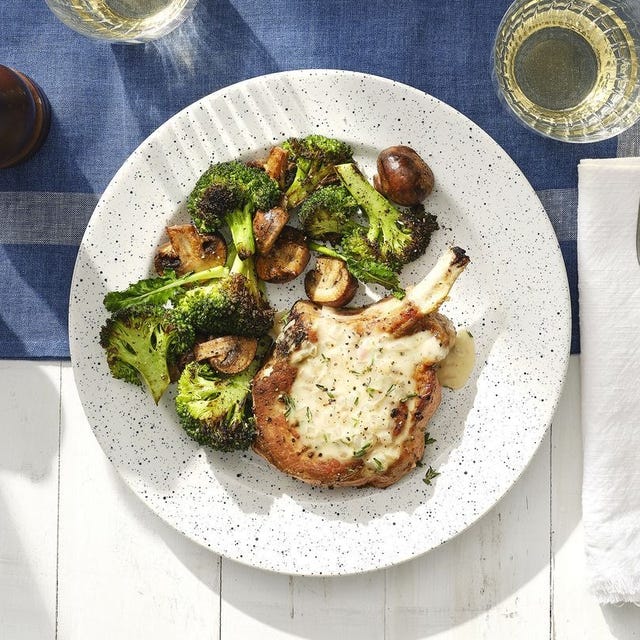
Easy Low Carb Recipes for Delicious Everyday Meals

low carb recipes

Easy Low-Carb Recipes for Everyday Meals

Eating fewer carbohydrates does not mean giving up satisfying, flavourful meals. With a few simple swaps, vegetables, eggs, fish, meat, cheese, nuts and seeds can form the basis of dishes that are both filling and easy to prepare.

Low-carb eating means different things to different people, so there is no single definition that suits everyone. The recipes below focus on reducing starchy ingredients such as bread, pasta and rice while keeping plenty of flavour on the plate. They are suitable for lunch or dinner and can be adapted to your preferences.

Cheesy Courgette and Spinach Frittata

This simple frittata makes a satisfying breakfast, lunch or light supper. It is also a useful way to use up vegetables in the fridge.

Ingredients

  • 6 eggs
  • 1 medium courgette, thinly sliced
  • 2 handfuls of fresh spinach
  • 50g grated cheddar
  • 1 tablespoon olive oil
  • Salt and black pepper
  • A pinch of dried oregano, optional

Method

  1. Heat the grill to medium. Beat the eggs in a bowl and season with salt, pepper and oregano.
  2. Warm the olive oil in an ovenproof frying pan over a medium heat. Add the courgette and cook for 4–5 minutes until softened.
  3. Add the spinach and stir until wilted. Pour in the eggs and cook gently for a few minutes, drawing the edges towards the centre as they set.
  4. Scatter over the cheddar and place the pan under the grill until the top is set and golden. Check that the handle is suitable for grilling.
  5. Leave to stand for a few minutes before slicing. Serve warm or cold with a green salad.

Lemon Garlic Salmon with Roasted Broccoli

Salmon and broccoli make a straightforward, flavourful combination. Roasting the vegetables brings out their sweetness, while lemon and garlic keep the dish fresh.

Ingredients

  • 2 salmon fillets
  • 1 large head of broccoli, cut into florets
  • 2 tablespoons olive oil
  • 1 garlic clove, finely chopped
  • ½ lemon, plus extra wedges to serve
  • Salt and black pepper
  • 1 tablespoon chopped fresh parsley, optional

Method

  1. Heat the oven to 200°C (180°C fan). Put the broccoli on a baking tray, drizzle with half the olive oil and season. Roast for 10 minutes.
  2. Mix the remaining oil with the garlic and the juice of half a lemon. Place the salmon on the tray and spoon the mixture over the fillets.
  3. Return the tray to the oven for 10–15 minutes, until the salmon is cooked through and flakes easily. Cooking time will depend on the thickness of the fillets.
  4. Finish with parsley, if using, and serve with lemon wedges.

Turkey Lettuce Cups with Avocado

These crisp lettuce cups offer a lighter alternative to wraps. The filling can be made ahead and served warm or cold.

Ingredients

  • 300g turkey mince
  • 1 tablespoon olive oil
  • 1 small red pepper, finely diced
  • 2 spring onions, sliced
  • 1 tablespoon soy sauce or tamari
  • ½ teaspoon smoked paprika
  • 1 ripe avocado, sliced
  • 8 large lettuce leaves, washed and dried
  • Fresh coriander and lime wedges, to serve

Method

  1. Heat the oil in a frying pan. Add the turkey mince and cook, breaking it up with a wooden spoon, until browned and cooked through.
  2. Stir in the red pepper, spring onions, soy sauce and smoked paprika. Cook for a further 3–4 minutes, until the pepper has softened slightly.
  3. Spoon the mixture into the lettuce leaves. Top with avocado and coriander, then serve with lime wedges.

Simple Tips for Low-Carb Cooking

  • Build meals around protein and vegetables. Eggs, fish, poultry, tofu and pulses can all be useful ingredients, alongside plenty of non-starchy vegetables.
  • Try simple swaps. Use lettuce leaves instead of wraps, courgette ribbons instead of some pasta, or cauliflower in place of rice.
  • Pay attention to sauces and extras. Some ready-made sauces, dressings and marinades contain added sugar or starch, so check the label if you are keeping track of carbohydrate intake.
  • Keep meals varied. Rotate ingredients and cooking methods to make everyday meals more enjoyable and balanced.

These low-carb recipes are designed as flexible ideas rather than strict rules. Adjust the ingredients to suit your tastes, and serve them with additional vegetables or a side salad if you wish. Anyone managing a health condition or following a prescribed diet should seek guidance from a suitably qualified health professional before making significant changes to their eating habits.


Low-carb recipes: answers to 8 frequently asked questions

  1. What foods can I use in low-carb recipes?
  2. What can I use instead of pasta, rice or potatoes in low-carb meals?
  3. Are low-carb recipes suitable for vegetarians?
  4. Can low-carb recipes be made ahead and frozen?
  5. How can I make low-carb meals filling and balanced?
  6. Are low-carb recipes suitable for people with diabetes?
  7. How do I check the carbohydrate content of a recipe?
  8. Can I adapt family favourites to make them lower in carbohydrates?

What foods can I use in low-carb recipes?

Low-carb recipes can include eggs, fish, meat, tofu, cheese, nuts and seeds, along with plenty of non-starchy vegetables such as leafy greens, courgettes, broccoli, cauliflower, peppers and mushrooms. For alternatives to higher-carb staples, try cauliflower rice, courgette ribbons or lettuce leaves in place of rice, pasta or wraps. Check labels on sauces and packaged ingredients, as some contain added sugars or starches.

What can I use instead of pasta, rice or potatoes in low-carb meals?

Instead of pasta, try courgette ribbons, shredded cabbage or thinly sliced aubergine; for rice, use finely chopped cauliflower or broccoli; and in place of potatoes, serve roasted cauliflower, celeriac, turnip or extra non-starchy vegetables. Spiralised vegetables and lettuce leaves can also make handy bases for sauces and fillings. Choose the substitute that best suits the dish, and season it well with herbs, spices, olive oil or a flavourful sauce.

Are low-carb recipes suitable for vegetarians?

Yes, low-carb recipes can be suitable for vegetarians. Eggs, cheese, Greek yoghurt, tofu, tempeh, nuts and seeds can provide protein, while vegetables add colour and variety. Beans and lentils are nutritious vegetarian options, although they contain more carbohydrates, so portions may need adjusting depending on your goals. Check labels on meat-free products too, as some contain added starches or sugars.

Can low-carb recipes be made ahead and frozen?

Yes, many low-carb recipes can be made ahead and frozen in airtight, portion-sized containers. Casseroles, soups, cooked meat and egg-based dishes usually freeze well, while leafy salads and vegetables with a high water content may become soft after thawing; cream-based sauces can also separate. Cool food promptly, freeze it as soon as practical, then thaw it in the fridge and reheat until piping hot throughout.

How can I make low-carb meals filling and balanced?

To make low-carb meals filling and balanced, include a good source of protein, such as eggs, fish, chicken, tofu or beans, alongside plenty of non-starchy vegetables. Add healthy fats from ingredients such as avocado, olive oil, nuts or seeds for flavour and staying power. Vary your choices to include different colours, textures and nutrients, and adjust portions to suit your appetite and needs.

Are low-carb recipes suitable for people with diabetes?

Low-carb recipes may help some people with diabetes manage blood glucose, but they are not suitable for everyone and their effects can vary. If you have diabetes, speak to your GP or diabetes dietitian before making a significant change to your carbohydrate intake, particularly if you take insulin or medicines that can cause low blood sugar, as your treatment may need review.

How do I check the carbohydrate content of a recipe?

To check the carbohydrate content of a recipe, add together the carbohydrate values for each ingredient, using UK food labels or a reliable nutrition database, then divide the total by the number of portions. Check the quantities carefully, especially for ingredients such as sauces, flour and vegetables, and remember that UK nutrition labels list carbohydrate separately from fibre. If you change an ingredient or serving size, recalculate the total to keep your estimate accurate.

Can I adapt family favourites to make them lower in carbohydrates?

Yes, many family favourites can be adapted to be lower in carbohydrates with a few simple swaps. Try serving bolognese with courgette ribbons or roasted vegetables instead of pasta, using lettuce leaves in place of wraps, or replacing some of the rice in a dish with cauliflower rice. You can also reduce the amount of bread, potatoes or pastry and add extra vegetables, while keeping familiar flavours with herbs, spices and sauces. Changes don’t have to be all-or-nothing: adjusting a recipe gradually can help everyone find a version they enjoy.

Delicious Egg Salad Recipe: A Simple and Satisfying Dish

egg salad recipe

The Perfect Egg Salad Recipe

Looking for a simple yet delicious dish to enjoy for lunch or as a side? Try this classic egg salad recipe that never fails to satisfy. With its creamy texture and rich flavour, it’s sure to become a favourite in your recipe collection.

Ingredients:

  • 6 hard-boiled eggs
  • 1/4 cup mayonnaise
  • 1 tablespoon Dijon mustard
  • 1/4 cup finely chopped celery
  • 2 tablespoons finely chopped red onion
  • Salt and pepper to taste
  • Fresh chives for garnish (optional)

Instructions:

  1. Peel the hard-boiled eggs and chop them into small pieces.
  2. In a mixing bowl, combine the chopped eggs, mayonnaise, Dijon mustard, celery, and red onion. Mix gently until well combined.
  3. Season with salt and pepper according to your taste preferences. Stir again to ensure the seasoning is evenly distributed.
  4. Cover the bowl with cling film and refrigerate for at least 30 minutes to allow the flavours to meld together.
  5. Serve the egg salad on its own, as a sandwich filling, or as a topping for crackers or toast. Garnish with fresh chives if desired.

This egg salad recipe is versatile and can be easily customised to suit your preferences. Feel free to add ingredients like diced pickles, fresh herbs, or a splash of lemon juice for an extra burst of flavour. Enjoy this simple yet satisfying dish any time of the day!

Bon appétit!


Eight Benefits of Egg Salad: A Versatile and Nutritious Delight

  1. Quick and easy to prepare
  2. Requires simple and readily available ingredients
  3. Versatile dish that can be enjoyed on its own or as a filling
  4. Creamy texture with a rich flavour
  5. Perfect for a light lunch or as a side dish
  6. Can be customised with additional ingredients to suit personal taste
  7. Provides a good source of protein from the eggs
  8. Refreshing and satisfying option for warm weather meals


Considerations Before Making Egg Salad: Six Potential Drawbacks to Keep in Mind

  1. Mayonnaise-based, which may not be suitable for those watching their calorie intake
  2. Contains eggs, making it unsuitable for individuals with egg allergies
  3. Requires hard-boiled eggs, which can be time-consuming to prepare
  4. The texture may not appeal to those who dislike creamy or mushy foods
  5. Leftover egg salad can become watery when stored in the fridge for extended periods
  6. The strong flavour of red onion may overpower other ingredients for some palates

Quick and easy to prepare

When it comes to the egg salad recipe, one of its standout advantages is its quick and easy preparation. With just a handful of ingredients and simple steps, you can have a delicious dish ready in no time. Whether you need a speedy lunch option or a hassle-free side dish for gatherings, this recipe’s convenience makes it a go-to choice for busy days or last-minute meal plans. The minimal effort required to create a tasty egg salad ensures that you can enjoy a satisfying meal without sacrificing flavour or quality.

Requires simple and readily available ingredients

When it comes to the egg salad recipe, one of its standout advantages is the fact that it requires simple and readily available ingredients. With just hard-boiled eggs, mayonnaise, mustard, celery, red onion, salt, and pepper, you can easily whip up a delicious egg salad in no time. This accessibility to basic ingredients makes it a convenient choice for a quick and satisfying meal or snack. Whether you’re craving a simple lunch or need a side dish for a gathering, the simplicity of this recipe ensures that you can enjoy a tasty egg salad without any fuss.

Versatile dish that can be enjoyed on its own or as a filling

The egg salad recipe offers a versatile dining experience, serving as a delightful dish that can be relished on its own or used as a delectable filling. Whether savoured as a standalone salad or sandwiched between slices of bread, this recipe’s adaptability allows for a range of dining options to suit various preferences and occasions. Its ability to seamlessly transition from a light meal to a hearty sandwich filling makes it a convenient and satisfying choice for any mealtime.

Creamy texture with a rich flavour

The egg salad recipe boasts a delightful pro with its creamy texture and rich flavour. The combination of perfectly boiled eggs, mayonnaise, and seasonings creates a harmonious blend that is both indulgent and satisfying. Each bite offers a velvety smoothness that melts in the mouth, accompanied by a depth of taste that tantalises the palate. This winning feature makes the egg salad a versatile and delectable dish suitable for any occasion.

Perfect for a light lunch or as a side dish

Indulge in the delightful simplicity of this egg salad recipe, perfect for a light lunch or as a versatile side dish. Whether enjoyed on its own or paired with your favourite main course, the creamy texture and rich flavours of the egg salad make it a refreshing and satisfying choice. Its easy preparation and ability to complement a variety of dishes make it an ideal option for those seeking a quick and delicious meal or a tasty accompaniment to any dining experience.

Can be customised with additional ingredients to suit personal taste

One of the key advantages of the egg salad recipe is its versatility in accommodating personal preferences. By allowing for the addition of extra ingredients, such as diced pickles, fresh herbs, or a touch of lemon juice, individuals can tailor the dish to suit their unique tastes and flavour preferences. This customisation aspect not only enhances the overall dining experience but also encourages creativity in the kitchen, making each batch of egg salad a personalised culinary creation.

Provides a good source of protein from the eggs

Egg salad is not only a delicious dish but also a great source of protein, thanks to the eggs it contains. Protein is essential for building and repairing tissues in the body, making it an important nutrient for overall health and well-being. By incorporating egg salad into your diet, you can easily boost your protein intake, helping you feel full and satisfied while supporting your body’s vital functions. Whether enjoyed as a standalone meal or as a tasty sandwich filling, this recipe offers a convenient and nutritious way to incorporate quality protein into your daily meals.

Refreshing and satisfying option for warm weather meals

When the temperature rises and you’re craving a light and satisfying meal, the egg salad recipe shines as a refreshing choice. With its creamy texture and rich flavour, this dish offers a delightful contrast to the heat of warm weather. Whether enjoyed on its own or as a sandwich filling, the egg salad provides a cooling sensation that is perfect for al fresco dining or picnics in the sun. Its simplicity and versatility make it an ideal option for those seeking a quick and delicious meal during the summer months.

Mayonnaise-based, which may not be suitable for those watching their calorie intake

While egg salad is a beloved dish for many, one potential drawback is its mayonnaise-based dressing. Mayonnaise is high in calories and fat, making it less suitable for individuals who are mindful of their calorie intake or following a low-fat diet. For those looking to enjoy a lighter version of egg salad, alternatives such as using Greek yogurt or avocado as a base can be considered to reduce the calorie content while still maintaining a creamy texture and delicious flavour. Making small adjustments to traditional recipes like egg salad can help cater to a wider range of dietary preferences and restrictions.

Contains eggs, making it unsuitable for individuals with egg allergies

It’s important to note that one of the drawbacks of this egg salad recipe is its primary ingredient: eggs. This makes the dish unsuitable for individuals with egg allergies or sensitivities. For those who cannot consume eggs due to allergies, it is advisable to explore alternative recipes that cater to their dietary restrictions while still providing a similar taste and texture experience.

Requires hard-boiled eggs, which can be time-consuming to prepare

While the egg salad recipe offers a delightful and creamy dish, one drawback is the necessity of using hard-boiled eggs, which can be quite time-consuming to prepare. Boiling and cooling the eggs before incorporating them into the salad adds an extra step to the cooking process, potentially making this recipe less convenient for those seeking a quick meal or snack. However, with a bit of planning and preparation, the rich and satisfying flavours of the egg salad are well worth the effort.

The texture may not appeal to those who dislike creamy or mushy foods

While the egg salad recipe offers a creamy and rich flavour profile, it may not be suitable for individuals who prefer textures that are not creamy or mushy. The soft consistency of the egg salad could potentially deter those who seek more texture variation in their meals. For individuals with a preference for crunchier or firmer dishes, this particular recipe may not align with their taste preferences.

Leftover egg salad can become watery when stored in the fridge for extended periods

One downside of the egg salad recipe is that leftover portions stored in the fridge for extended periods can sometimes become watery. The moisture from the salad ingredients, particularly the eggs and mayonnaise, can separate over time, resulting in a less appealing texture. To mitigate this issue, it is recommended to consume the egg salad within a few days of preparation or to drain any excess liquid before serving. Properly sealing the container and storing it in the coldest part of the fridge can also help maintain the salad’s consistency for longer.

The strong flavour of red onion may overpower other ingredients for some palates

Some individuals may find that the robust taste of red onion in this egg salad recipe could potentially overshadow the flavours of the other ingredients, leading to a less balanced or harmonious overall taste experience. It is important to consider personal preferences and adjust the amount of red onion used accordingly to ensure that the dish remains enjoyable for all palates.