Delightful Pumpkin Pie Recipe for a Taste of Autumn

pumpkin pie recipe

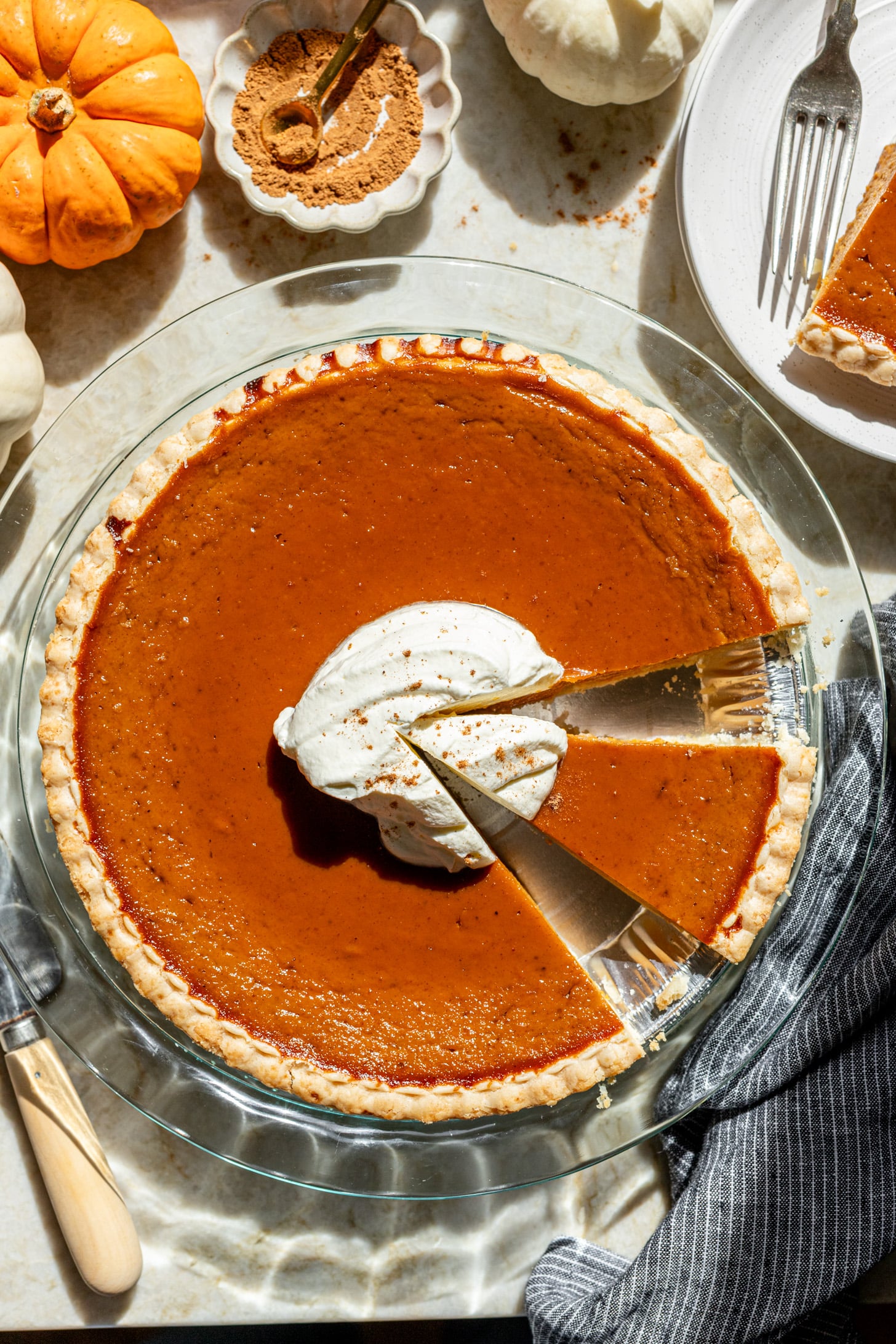
The Perfect Pumpkin Pie Recipe

There’s nothing quite like the warm, comforting taste of pumpkin pie on a crisp autumn day. Whether you’re preparing for a festive gathering or simply craving a seasonal treat, this classic recipe is sure to delight your taste buds.

Ingredients:

  • 1 1/2 cups pumpkin puree
  • 1 can (14 oz) sweetened condensed milk
  • 2 eggs
  • 1 teaspoon ground cinnamon
  • 1/2 teaspoon ground ginger
  • 1/4 teaspoon ground nutmeg
  • 1/4 teaspoon salt
  • 1 unbaked 9-inch pie crust

Instructions:

  1. Preheat your oven to 425°F (220°C).
  2. In a large mixing bowl, combine the pumpkin puree, sweetened condensed milk, eggs, spices, and salt. Mix until smooth and well combined.
  3. Pour the mixture into the unbaked pie crust and spread it evenly.
  4. Bake the pie in the preheated oven for 15 minutes.
  5. Reduce the oven temperature to 350°F (180°C) and continue baking for another 35-40 minutes or until the filling is set.

Serving Suggestions:

This pumpkin pie is delicious on its own, but you can take it to the next level by serving it with a dollop of whipped cream or a scoop of vanilla ice cream. Sprinkle some cinnamon on top for an extra touch of flavour.

Enjoy this homemade pumpkin pie with loved ones and savour the taste of autumn in every bite!


Top 5 Tips for Perfecting Your Pumpkin Pie Recipe

  1. Use fresh pumpkin puree for the best flavour and texture.
  2. Add warming spices like cinnamon, nutmeg, and ginger for a delicious autumnal taste.
  3. Pre-bake the pie crust before adding the filling to prevent it from becoming soggy.
  4. Let the pie cool completely before serving to allow the flavours to develop fully.
  5. Serve with a dollop of whipped cream or a scoop of vanilla ice cream for a delightful finishing touch.

Use fresh pumpkin puree for the best flavour and texture.

For the best flavour and texture in your pumpkin pie, it is recommended to use fresh pumpkin puree. By using fresh pumpkin, you can enhance the natural sweetness and richness of the pie, resulting in a more authentic and delectable dessert. Fresh pumpkin puree adds a depth of flavour that canned versions may lack, giving your pie a homemade touch that will surely impress your taste buds and those who indulge in this seasonal treat.

Add warming spices like cinnamon, nutmeg, and ginger for a delicious autumnal taste.

Enhance the flavour of your pumpkin pie by incorporating a medley of warming spices such as cinnamon, nutmeg, and ginger. These aromatic additions not only infuse your dessert with a delightful autumnal essence but also elevate its overall taste profile. The combination of these spices adds depth and richness to each bite, creating a truly comforting and seasonal treat that is bound to be a hit at any gathering or as a special indulgence for yourself.

Pre-bake the pie crust before adding the filling to prevent it from becoming soggy.

To ensure a perfect pumpkin pie with a crisp and flaky crust, it is recommended to pre-bake the pie crust before adding the filling. This crucial step helps prevent the crust from becoming soggy as it bakes with the pumpkin mixture. By pre-baking the crust, you create a barrier that maintains the texture and integrity of the pastry, resulting in a delightful contrast to the creamy pumpkin filling. This simple tip ensures that every slice of your pumpkin pie is met with a satisfying crunch and delicious flavour combination.

Let the pie cool completely before serving to allow the flavours to develop fully.

To truly savour the delightful flavours of a freshly baked pumpkin pie, it is essential to exercise patience and allow the pie to cool completely before serving. This crucial step not only enhances the texture of the pie but also allows the rich blend of spices and pumpkin to meld together, resulting in a more harmonious and fully developed taste experience. By giving the pie ample time to cool, you are ensuring that each bite is a delicious celebration of autumn’s finest flavours.

Serve with a dollop of whipped cream or a scoop of vanilla ice cream for a delightful finishing touch.

Enhance the indulgent experience of enjoying a slice of freshly baked pumpkin pie by adding a generous dollop of airy whipped cream or a scoop of creamy vanilla ice cream. The contrasting textures and flavours create a harmonious balance that elevates the dessert to new heights, offering a delightful and satisfying finishing touch to each bite. Whether served at a festive gathering or as a cosy treat at home, this simple addition adds an extra layer of decadence to an already beloved autumn classic.

Delightful Homemade Cake Recipe: A Guide to Baking Sweet Perfection

cake recipe

The Perfect Victoria Sponge Cake Recipe

Indulge in the classic delight of a homemade Victoria Sponge cake with this simple and delicious recipe. Whether you’re hosting a tea party or simply craving a sweet treat, this cake is sure to impress.

Ingredients:

  • 200g unsalted butter, softened
  • 200g caster sugar
  • 4 medium eggs
  • 200g self-raising flour
  • 1 tsp baking powder
  • 2 tbsp milk
  • Raspberry jam and whipped cream, to fill
  • Icing sugar, for dusting

Instructions:

  1. Preheat your oven to 180°C (160°C fan) and grease two 20cm round cake tins.
  2. In a large bowl, cream together the butter and sugar until light and fluffy.
  3. Add the eggs one at a time, beating well after each addition.
  4. Sift in the flour and baking powder, then gently fold into the mixture until well combined. Add the milk to loosen the batter slightly.

    li>Divide the batter evenly between the prepared cake tins and smooth the tops with a spatula.

    li>Bake in the preheated oven for 20-25 minutes or until golden and springy to the touch.

    li>Allow the cakes to cool in their tins for 5 minutes before transferring them to a wire rack to cool completely.

    li>To assemble the cake, spread raspberry jam on one layer and whipped cream on top of it. Place the second layer on top.

    li>Dust with icing sugar before serving. Enjoy your delicious homemade Victoria Sponge cake!

This Victoria Sponge cake is a timeless classic that never fails to impress. With its light and fluffy texture complemented by sweet jam and cream filling, it’s perfect for any occasion. So why not roll up your sleeves, preheat that oven, and treat yourself to a slice of homemade goodness?

Bon appétit!


Essential Tips and Tricks for Perfecting Your Cake Baking Skills: Answers to Common Questions

  1. 1. How do I make a basic sponge cake?
  2. 2. What are the essential ingredients for a classic Victoria Sponge cake?
  3. 3. Can I substitute self-raising flour with plain flour in a cake recipe?
  4. 4. How can I prevent my cake from being too dry?
  5. 5. What is the best method for creaming butter and sugar when baking a cake?
  6. 6. How do I know when my cake is fully baked and ready to be taken out of the oven?
  7. 7. Is it necessary to preheat the oven before baking a cake?
  8. 8. What are some creative ideas for decorating a homemade cake?
  9. 9. Are there any tips for storing leftover cake to keep it fresh?

1. How do I make a basic sponge cake?

For those wondering how to make a basic sponge cake, the process is surprisingly straightforward. Start by creaming together softened butter and caster sugar until light and fluffy. Then, gradually add eggs one at a time, ensuring each is well incorporated. Sift in self-raising flour and baking powder, gently folding them into the mixture. A touch of milk can be added to achieve the desired consistency. Divide the batter between cake tins, bake until golden and springy, then allow to cool before filling with jam and cream. This simple recipe results in a light, airy sponge cake that is perfect for any occasion.

2. What are the essential ingredients for a classic Victoria Sponge cake?

When it comes to baking a classic Victoria Sponge cake, the essential ingredients you’ll need include unsalted butter for richness, caster sugar for sweetness, eggs for structure, self-raising flour for lightness, baking powder for a bit of lift, and a touch of milk to bring everything together. These key components come together to create a soft and moist sponge that serves as the perfect base for layering with raspberry jam and whipped cream. Mastering the balance of these ingredients is crucial in achieving that quintessential Victoria Sponge cake texture and flavour that everyone loves.

3. Can I substitute self-raising flour with plain flour in a cake recipe?

When it comes to baking cakes, the choice between self-raising flour and plain flour can impact the texture and rise of your final product. While self-raising flour already contains a raising agent, such as baking powder, plain flour does not. If you find yourself without self-raising flour, you can create a substitute by adding baking powder to plain flour. However, it’s essential to adjust the quantities carefully to ensure the right balance of ingredients for your cake recipe. Experimenting with different flour options can lead to variations in texture and density, so it’s advisable to follow the recipe closely for best results.

4. How can I prevent my cake from being too dry?

To prevent your cake from turning out too dry, there are a few key tips to keep in mind. Firstly, make sure not to overmix the batter, as this can result in a tough and dry texture. Be sure to measure your ingredients accurately and follow the recipe instructions closely. Additionally, avoid overbaking the cake by regularly checking it towards the end of the baking time and using a toothpick to test for doneness. If the toothpick comes out clean with a few crumbs attached, it’s ready to be taken out of the oven. Lastly, consider adding ingredients like sour cream, buttermilk, or applesauce to help maintain moisture in your cake. By following these guidelines, you can ensure a moist and delicious cake every time you bake.

5. What is the best method for creaming butter and sugar when baking a cake?

When baking a cake, the best method for creaming butter and sugar is to ensure that the butter is at room temperature for optimal results. Start by placing softened unsalted butter and caster sugar in a mixing bowl. Using an electric mixer or wooden spoon, beat the butter and sugar together until light and fluffy. This process incorporates air into the mixture, resulting in a lighter texture for your cake. It is essential to cream the butter and sugar adequately to create a smooth and uniform base for your cake batter, which will ultimately contribute to a moist and tender crumb in the finished cake.

6. How do I know when my cake is fully baked and ready to be taken out of the oven?

To determine if your cake is fully baked and ready to be taken out of the oven, you can use a few simple techniques. Firstly, check the colour of the cake – it should be golden brown and evenly baked. You can also insert a skewer or toothpick into the centre of the cake; if it comes out clean with no wet batter sticking to it, your cake is likely done. Additionally, gently press the top of the cake – if it springs back when touched, it’s a good indicator that it’s fully baked. Remember that every oven is different, so keep an eye on your cake towards the end of the baking time to ensure it is not overcooked.

7. Is it necessary to preheat the oven before baking a cake?

Preheating the oven before baking a cake is essential for achieving the best results. A preheated oven ensures that the cake batter starts to cook immediately upon entering the oven, helping the cake rise evenly and develop the desired texture. Without preheating, the baking time and temperature may be inconsistent, leading to an undercooked or unevenly baked cake. Therefore, to ensure your cake bakes perfectly and turns out delicious every time, it is highly recommended to preheat your oven before starting the baking process.

8. What are some creative ideas for decorating a homemade cake?

When it comes to decorating a homemade cake, the possibilities are endless for unleashing your creativity. Some innovative ideas include using fresh fruits like berries or citrus slices as vibrant toppings, creating intricate designs with piped buttercream frosting, or adding edible flowers for a touch of elegance. Alternatively, you can experiment with chocolate ganache drips, colourful sprinkles, or even personalised fondant decorations to make your cake truly unique and visually stunning. Let your imagination run wild and have fun turning your homemade creation into a work of art that not only tastes delicious but also looks absolutely spectacular.

9. Are there any tips for storing leftover cake to keep it fresh?

When it comes to storing leftover cake to maintain its freshness, there are a few handy tips to keep in mind. Firstly, ensure that the cake is completely cooled before storing it. Once cooled, wrap the cake tightly in cling film or place it in an airtight container to prevent it from drying out. For cakes with frosting, refrigeration may be necessary to preserve the frosting’s texture. If you plan to store the cake for an extended period, consider freezing individual slices wrapped in parchment paper and placed in a freezer-safe bag. By following these storage tips, you can enjoy your leftover cake for longer while still savoring its delicious taste and texture.

Unlocking the Power of a Nutritious and Energising Healthy Breakfast

healthy breakfast

The Importance of a Healthy Breakfast

Breakfast is often referred to as the most important meal of the day, and for good reason. A nutritious breakfast sets the tone for the rest of the day, providing essential nutrients and energy to fuel both body and mind.

Here are some key reasons why starting your day with a healthy breakfast is crucial:

Boosts Metabolism

Eating a balanced breakfast kickstarts your metabolism, helping your body burn calories more efficiently throughout the day. This can aid in weight management and overall energy levels.

Enhances Cognitive Function

A nutritious breakfast fuels your brain with vital nutrients, improving concentration, focus, and memory. Starting the day with a healthy meal can enhance cognitive function and productivity.

Supports Weight Management

Individuals who eat a healthy breakfast are more likely to maintain a healthy weight compared to those who skip this meal. A balanced breakfast helps regulate appetite and prevents overeating later in the day.

Provides Essential Nutrients

A well-rounded breakfast should include a mix of carbohydrates, protein, healthy fats, vitamins, and minerals. This combination ensures that your body receives the necessary nutrients for optimal functioning.

Improves Mood and Well-being

Starting your day with a nutritious breakfast can have positive effects on mood and overall well-being. It can reduce feelings of irritability, fatigue, and stress while promoting a sense of satisfaction and contentment.

In conclusion, prioritising a healthy breakfast is key to setting yourself up for success each day. By incorporating nutrient-rich foods into your morning routine, you can reap numerous benefits that contribute to both physical health and mental well-being.


7 Essential Tips for a Nutritious and Balanced Breakfast

  1. Include a source of protein, such as eggs or Greek yogurt, in your breakfast.
  2. Opt for whole grains like oats or whole wheat bread for sustained energy.
  3. Incorporate fruits and vegetables for added vitamins and minerals.
  4. Choose low-fat dairy products to reduce saturated fat intake.
  5. Limit added sugars by avoiding sugary cereals and pastries.
  6. Stay hydrated by drinking water or herbal teas alongside your breakfast.
  7. Plan ahead to ensure you have nutritious options available in the morning.

Include a source of protein, such as eggs or Greek yogurt, in your breakfast.

Including a source of protein, such as eggs or Greek yogurt, in your breakfast is a smart choice for maintaining a balanced and healthy diet. Protein is essential for building and repairing tissues, supporting muscle growth, and keeping you feeling full and satisfied throughout the morning. By incorporating protein-rich foods into your breakfast routine, you can kickstart your metabolism, regulate blood sugar levels, and promote overall well-being. Consider starting your day with a serving of eggs or Greek yogurt to fuel your body with the nutrients it needs to thrive.

Opt for whole grains like oats or whole wheat bread for sustained energy.

When aiming for a healthy breakfast, consider opting for whole grains such as oats or whole wheat bread. These choices provide sustained energy throughout the morning due to their complex carbohydrates, which are digested more slowly than refined grains. By incorporating whole grains into your breakfast routine, you can maintain stable blood sugar levels and feel fuller for longer, supporting your overall energy levels and well-being throughout the day.

Incorporate fruits and vegetables for added vitamins and minerals.

Including a variety of fruits and vegetables in your breakfast is a simple yet effective way to boost your intake of essential vitamins and minerals. These nutrient-rich foods not only add vibrant colours and flavours to your meal but also provide a plethora of health benefits. Fruits like berries, bananas, and citrus fruits offer antioxidants and fibre, while vegetables such as spinach, tomatoes, and avocados pack a powerful punch of vitamins A, C, and K. By incorporating fruits and vegetables into your breakfast routine, you can enhance the nutritional value of your meal and support overall well-being.

Choose low-fat dairy products to reduce saturated fat intake.

Opting for low-fat dairy products is a smart choice when aiming to improve the healthiness of your breakfast. By selecting options such as skimmed milk, low-fat yogurt, or reduced-fat cheese, you can effectively lower your intake of saturated fats. This simple swap not only promotes heart health but also contributes to a more balanced and nutritious morning meal. Incorporating low-fat dairy into your breakfast routine is a small yet impactful step towards achieving a healthier diet overall.

Limit added sugars by avoiding sugary cereals and pastries.

Limiting added sugars in your breakfast is essential for maintaining a healthy diet. By avoiding sugary cereals and pastries, you can reduce your intake of empty calories and prevent energy crashes later in the day. Opting for whole foods such as fresh fruits, whole grains, and protein-rich options will provide sustained energy levels and essential nutrients without the harmful effects of excessive sugar consumption. Making smart choices when it comes to breakfast can have a significant impact on your overall health and well-being throughout the day.

Stay hydrated by drinking water or herbal teas alongside your breakfast.

To enhance the benefits of a healthy breakfast, it is advisable to stay hydrated by incorporating water or herbal teas into your morning routine. Hydration plays a vital role in supporting digestion, nutrient absorption, and overall well-being. By pairing your breakfast with hydrating beverages, you can help maintain optimal hydration levels and promote a more balanced start to your day.

Plan ahead to ensure you have nutritious options available in the morning.

Planning ahead is a crucial tip for maintaining a healthy breakfast routine. By preparing nutritious options in advance, you can ensure that you have convenient and wholesome choices available in the morning. Whether it’s prepping overnight oats, chopping fresh fruits, or making a batch of homemade granola, having these items ready to go can help you resist the temptation of reaching for less nutritious alternatives when time is limited. This proactive approach not only saves time but also sets the foundation for a balanced and energising start to your day.

Indulge in Irresistible Cookie Recipes: A Sweet Symphony of Flavours

cookie recipes

The Ultimate Guide to Delicious Cookie Recipes

Who can resist the temptation of a freshly baked cookie? Whether you’re a fan of classic chocolate chip or enjoy experimenting with unique flavours, there’s a cookie recipe out there for everyone. In this article, we’ll explore some mouth-watering cookie recipes that are sure to satisfy your sweet tooth.

Classic Chocolate Chip Cookies

Start with a buttery dough mixed with chocolate chips for the perfect balance of sweet and savoury. Bake until golden brown for a crispy exterior and gooey centre.

Oatmeal Raisin Cookies

Add oats and raisins to your cookie dough for a hearty and wholesome treat. The chewy texture and hint of cinnamon make these cookies a comforting delight.

Peanut Butter Cookies

If you’re a peanut butter lover, these cookies are a must-try. With a rich peanut flavour and crumbly texture, they are simply irresistible.

White Chocolate Macadamia Nut Cookies

Elevate your cookie game with this decadent combination of white chocolate chips and crunchy macadamia nuts. Each bite is a symphony of flavours and textures.

Vegan Almond Butter Cookies

For those following a vegan lifestyle, these almond butter cookies are the perfect choice. They are soft, chewy, and packed with nutty goodness.

Whether you’re baking for yourself or sharing with loved ones, these cookie recipes are guaranteed to bring joy to any occasion. So preheat your oven, gather your ingredients, and let the baking begin!

Enjoyed these recipes? Explore more delightful treats on our website!

Contact us at: [email protected]


Top Cookie Recipe FAQs: Simple Ingredients, Easiest Bakes, and Popular Favourites

  1. How to make a 5 ingredient cookie?
  2. What are the easiest cookies to make?
  3. What is the number one homemade cookie?
  4. What are the 10 most popular homemade cookies?

Creating a delicious 5-ingredient cookie is simpler than you might think. Start with a basic cookie dough base consisting of flour, butter, sugar, and eggs. Then, add your choice of fifth ingredient to enhance the flavour profile – whether it’s chocolate chips, nuts, dried fruit, or a hint of spice. By keeping the recipe minimalistic yet versatile, you can effortlessly whip up a batch of scrumptious cookies with just a handful of key ingredients.

What are the easiest cookies to make?

When it comes to easy-to-make cookies, there are a few classic recipes that stand out for their simplicity and delicious results. One of the easiest cookies to make is the classic shortbread cookie, which requires just a few basic ingredients like butter, sugar, and flour. Another popular choice is the peanut butter cookie, known for its minimal ingredient list and quick preparation. For those looking for a healthy option, oatmeal cookies are a great choice as they come together quickly and can be customised with various add-ins like raisins or nuts. These straightforward recipes are perfect for beginners or anyone looking to whip up a batch of homemade cookies in no time.

When it comes to the title of the number one homemade cookie, opinions may vary among baking enthusiasts. However, one classic contender that often claims the top spot is the beloved chocolate chip cookie. Its winning combination of buttery dough and gooey chocolate chips has made it a timeless favourite for many. Whether enjoyed warm from the oven or dunked in a glass of milk, the chocolate chip cookie continues to hold a special place in the hearts (and stomachs) of cookie lovers worldwide.

When it comes to homemade cookies, there are certain classics that have stood the test of time and continue to be beloved by many. The 10 most popular homemade cookies include the iconic chocolate chip cookies, comforting oatmeal raisin cookies, indulgent peanut butter cookies, delightful sugar cookies, rich and fudgy brownies, traditional shortbread cookies, festive gingerbread cookies, buttery snickerdoodles, chewy double chocolate cookies, and fragrant almond biscotti. These timeless favourites cater to a variety of tastes and preferences, making them go-to choices for baking enthusiasts looking to create delicious treats at home.

Indulge in the Timeless Charm of Sponge Cake Delight

sponge cake

The Delightful Fluffiness of Sponge Cake

When it comes to light, airy, and utterly delicious cakes, few can rival the classic sponge cake. This beloved dessert has been a staple in baking for centuries, enchanting taste buds with its delicate texture and versatility.

What sets sponge cake apart is its unique method of preparation. Unlike butter cakes that rely on creaming butter and sugar together, sponge cake achieves its airy consistency through the incorporation of whipped eggs. This process creates a tender crumb that practically melts in your mouth with each bite.

One of the key characteristics of a well-made sponge cake is its ability to absorb flavours effortlessly. Whether paired with fresh berries and cream for a summery treat or layered with rich chocolate ganache for a decadent dessert, sponge cake serves as a blank canvas for a myriad of flavour combinations.

Despite its simplicity in ingredients – typically just eggs, sugar, flour, and sometimes a hint of vanilla – mastering the art of baking the perfect sponge cake requires precision and care. From gently folding in the flour to ensuring the eggs are whipped to just the right consistency, every step plays a crucial role in achieving that sought-after lightness.

Whether enjoyed on its own with a dusting of icing sugar or as part of an elaborate celebration cake, sponge cake never fails to captivate with its fluffy allure. So next time you crave a slice of pure indulgence, look no further than this timeless classic that continues to reign supreme in the world of baking.


Essential Guide to Sponge Cake: FAQs on Types, Recipes, and Techniques

  1. What are the 4 types of sponge cakes?
  2. How do I make a simple sponge cake?
  3. What is the difference between cake and sponge cake?
  4. What are the ingredients of sponge cake?
  5. What is sponge cake called in America?
  6. What are the 4 types of cake?
  7. What is the secret to a good sponge cake?
  8. How to make a very moist sponge cake?

What are the 4 types of sponge cakes?

In the realm of baking, the question of the four types of sponge cakes often arises, sparking curiosity among both novice and seasoned bakers. The four main variations include the classic Victoria sponge, known for its simplicity and versatility; the airy genoise sponge, favoured for its lightness and suitability for layered cakes; the rich chiffon sponge, celebrated for its moist texture and use of oil instead of butter; and the indulgent devil’s food sponge, characterised by its deep chocolate flavour and dense crumb. Each type offers a unique baking experience, showcasing the diverse possibilities that this beloved dessert has to offer.

How do I make a simple sponge cake?

Creating a simple sponge cake is a delightful journey that begins with just a few basic ingredients and a touch of culinary finesse. To embark on this baking adventure, start by whisking together eggs and sugar until they form a light and fluffy mixture. Gradually fold in sifted flour, being careful not to overmix to preserve the cake’s airy texture. Pour the batter into a prepared cake tin and bake in a preheated oven until the cake rises beautifully and turns golden brown. Once cooled, dust with icing sugar or adorn with your favourite toppings for a delicious treat that embodies the essence of homemade goodness.

What is the difference between cake and sponge cake?

When exploring the distinction between cake and sponge cake, it’s essential to note that all sponge cakes are cakes, but not all cakes are sponge cakes. The primary difference lies in their texture and ingredients. While traditional cakes often contain butter, resulting in a denser and richer crumb, sponge cakes rely on whipped eggs for their light and airy consistency. Sponge cakes tend to be less sweet and more delicate in flavour, making them a popular choice for layered desserts or as a base for intricate decorations. Ultimately, the defining factor between the two lies in the method of preparation and the desired end result – with sponge cake offering a fluffy and tender alternative to the more decadent qualities of a standard cake.

What are the ingredients of sponge cake?

For those curious about the ingredients that make up a delectable sponge cake, simplicity reigns supreme. A classic sponge cake typically calls for just a handful of basic components: eggs, sugar, flour, and often a touch of vanilla extract for added flavour. What sets this airy confection apart is its reliance on whipped eggs to achieve that coveted light and fluffy texture. By combining these humble ingredients with care and precision, bakers can create a delightful treat that is both versatile and utterly delicious.

What is sponge cake called in America?

In America, sponge cake is commonly referred to as “angel food cake.” This light and fluffy dessert is known for its airy texture and sweet flavour, making it a popular choice for various occasions. Unlike traditional sponge cakes that may contain butter and egg yolks, angel food cake is made primarily with egg whites, sugar, flour, and sometimes a touch of vanilla extract. Its name reflects its ethereal quality, resembling the lightness of an angel’s wings. Whether enjoyed on its own or topped with fresh fruits and whipped cream, angel food cake remains a beloved treat in American baking culture.

What are the 4 types of cake?

When it comes to exploring the diverse world of cakes, one often encounters the question: “What are the 4 types of cake?” The answer to this query typically includes butter cakes, sponge cakes, chiffon cakes, and foam cakes. Among these varieties, sponge cake stands out for its light and airy texture achieved through the use of whipped eggs. Each type of cake brings its own unique characteristics and flavours to the table, catering to a wide range of preferences and occasions. Whether indulging in a rich butter cake or savouring the delicate crumb of a sponge cake, there is a type of cake to suit every taste and celebration.

What is the secret to a good sponge cake?

Achieving the perfect sponge cake is often a quest for home bakers and pastry enthusiasts alike, prompting the frequently asked question: What is the secret to a good sponge cake? The answer lies in mastering the delicate balance of key elements such as properly whipped eggs, precise folding of flour, and just the right amount of leavening agent. Ensuring that the eggs are beaten to a light and airy consistency is crucial for creating that signature fluffy texture. Additionally, gentle handling during the mixing process, along with careful oven temperature control, plays a significant role in preventing the cake from becoming dense or dry. Attention to detail and practice are essential in unlocking the secrets to baking a truly exceptional sponge cake that delights both the eyes and taste buds.

How to make a very moist sponge cake?

Achieving a very moist sponge cake requires attention to detail and a few key techniques. To ensure a moist outcome, consider using ingredients like buttermilk or sour cream in the batter, as they add richness and moisture. Be cautious not to overmix the batter, as this can lead to a tough texture – instead, gently fold the ingredients together until just combined. Additionally, baking the sponge cake at the correct temperature for the right amount of time is crucial; an oven that is too hot can dry out the cake. Lastly, once baked, storing the sponge cake properly in an airtight container can help retain its moisture for longer-lasting enjoyment.

Delightful Recipe for a Classic British Victoria Sponge Cake

recipe for

The Perfect Recipe for a Delicious Lemon Drizzle Cake

Indulge in the zesty goodness of a classic Lemon Drizzle Cake with this simple yet scrumptious recipe. Whether you’re hosting a tea party or simply craving a sweet treat, this cake is sure to delight your taste buds.

Ingredients:

  • 225g unsalted butter, softened
  • 225g caster sugar
  • 4 large eggs
  • 225g self-raising flour
  • Zest of 2 lemons
  • Juice of 1 lemon
  • 100g granulated sugar

Instructions:

  1. Preheat your oven to 180°C (160°C fan) and grease a loaf tin.
  2. In a mixing bowl, cream together the butter and caster sugar until light and fluffy.
  3. Add the eggs one at a time, beating well after each addition.
  4. Gently fold in the self-raising flour and lemon zest until combined.
  5. Pour the batter into the prepared tin and bake for 45-50 minutes or until golden and a skewer inserted comes out clean.
  6. While the cake is baking, mix together the lemon juice and granulated sugar to make the drizzle.
  7. Once the cake is out of the oven, prick it all over with a skewer and pour over the lemon drizzle while it’s still warm.
  8. Allow the cake to cool in the tin before removing and serving slices with a dollop of cream or ice cream.

Enjoy this delightful Lemon Drizzle Cake as a perfect accompaniment to your afternoon tea or as a tasty dessert after dinner. Its tangy flavour and moist texture are bound to make it a firm favourite among family and friends!


Five Essential Tips for Perfecting Your Recipe Every Time

  1. Always read the recipe thoroughly before starting to ensure you have all the ingredients and equipment needed.
  2. Use fresh, high-quality ingredients for the best flavour in your dish.
  3. Follow the measurements and instructions carefully to achieve the desired outcome.
  4. Don’t be afraid to experiment with different herbs, spices, or cooking techniques to personalise the recipe to your taste.
  5. Taste as you go and adjust seasoning if necessary to perfect your dish.

Always read the recipe thoroughly before starting to ensure you have all the ingredients and equipment needed.

Before embarking on any culinary adventure, it is essential to heed the wise advice of reading the recipe thoroughly beforehand. By familiarising yourself with the ingredients and equipment required, you can ensure a smooth and successful cooking experience. Checking that you have everything on hand not only saves time but also prevents any last-minute dashes to the store mid-preparation. So, take a moment to peruse the recipe, gather your tools, and set yourself up for cooking success from the very start.

Use fresh, high-quality ingredients for the best flavour in your dish.

For a truly exceptional culinary experience, it is essential to utilise fresh, high-quality ingredients when preparing your dish. The integrity and richness of flavours that come from using the finest produce can elevate the taste profile of your creation to new heights. Whether it’s vibrant vegetables, succulent meats, or aromatic herbs, sourcing top-notch ingredients ensures that every bite is a delightful sensation for your taste buds. Embrace the essence of premium quality ingredients to unlock the full potential of your cooking and deliver a dining experience that is nothing short of extraordinary.

Follow the measurements and instructions carefully to achieve the desired outcome.

It is crucial to follow the measurements and instructions meticulously when preparing a recipe to ensure the desired outcome. Each ingredient plays a specific role in the overall taste and texture of the dish, so precision is key. By adhering closely to the specified quantities and steps, you can enhance the flavours and consistency of your creation, ultimately leading to a successful and delicious result that will impress both yourself and those you are cooking for.

Don’t be afraid to experiment with different herbs, spices, or cooking techniques to personalise the recipe to your taste.

When it comes to cooking, don’t be afraid to get creative and experiment with various herbs, spices, or cooking techniques to tailor the recipe to your unique taste preferences. Adding a pinch of this or a dash of that can elevate the flavours and bring a personal touch to your dishes. Whether you prefer a hint of spice, a burst of freshness from herbs, or a new cooking method to enhance texture, embracing experimentation in the kitchen can lead to exciting culinary discoveries that cater specifically to your palate.

Taste as you go and adjust seasoning if necessary to perfect your dish.

When following a recipe, it’s crucial to taste as you go and adjust the seasoning accordingly to enhance the flavours of your dish. By regularly sampling your creation throughout the cooking process, you can ensure that the seasoning levels are just right, allowing you to perfect the taste and achieve a delicious outcome. This simple tip not only helps in creating a well-balanced and flavourful dish but also allows you to tailor the seasoning to your personal preference, resulting in a culinary masterpiece that will delight your palate.

Wholesome Oats Recipe Ideas for a Nutritious Breakfast

oats recipe

Delicious Oats Recipe

The Perfect Oats Recipe for a Healthy Breakfast

Oats are a versatile and nutritious ingredient that can be transformed into a delicious and satisfying breakfast. Whether you prefer your oats sweet or savoury, there are countless ways to enjoy this wholesome grain.

Classic Porridge

To make a classic bowl of porridge, combine oats with milk (or water) in a saucepan over medium heat. Stir continuously until the oats have absorbed the liquid and reached your desired consistency. Top with your favourite fruits, nuts, or honey for added flavour.

Oatmeal Pancakes

For a twist on traditional pancakes, try making oatmeal pancakes. Simply blend oats, milk, eggs, and a pinch of baking powder until smooth. Cook the batter on a hot griddle until golden brown. Serve with maple syrup and fresh berries for a wholesome breakfast treat.

Savoury Oat Bowl

If you prefer savoury flavours in the morning, consider creating a savoury oat bowl. Cook oats with vegetable broth instead of milk and top with sautéed vegetables, a poached egg, and a sprinkle of cheese for a hearty and nutritious meal.

Experiment with different ingredients and flavour combinations to find your perfect oats recipe. Whether you enjoy them warm or cold, sweet or savoury, oats are sure to become a staple in your breakfast routine.


Exploring Oats: Classic Porridge, Pancake Variations, Savoury Dishes, Flavour Enhancements, and Overnight Recipes

  1. How do I make classic porridge with oats?
  2. What are some variations of oatmeal pancakes?
  3. Can oats be used in savoury breakfast recipes?
  4. How can I add flavour to plain oats?
  5. Are there any overnight oats recipes for a quick breakfast?

How do I make classic porridge with oats?

To make a classic porridge with oats, start by combining oats and milk (or water) in a saucepan over medium heat. Stir the mixture continuously until the oats have absorbed the liquid and reached your desired consistency. This process usually takes about 5-10 minutes, depending on the type of oats used and how thick you prefer your porridge. Once cooked, you can add a pinch of salt or sweeten with honey or sugar to taste. Serve your classic porridge hot and top it with your favourite fruits, nuts, seeds, or a drizzle of maple syrup for added flavour. Enjoy this comforting and nutritious breakfast dish to kickstart your day!

What are some variations of oatmeal pancakes?

When it comes to oatmeal pancakes, there are numerous variations that can cater to different tastes and preferences. Some popular options include adding mashed bananas or blueberries to the batter for a fruity twist, incorporating cinnamon and nutmeg for a warm and spicy flavour, or mixing in chocolate chips or chopped nuts for added texture and richness. For a healthier alternative, you can use Greek yogurt or applesauce as a substitute for some of the traditional ingredients. These creative variations allow you to customise your oatmeal pancakes to create a breakfast dish that suits your individual palate.

Can oats be used in savoury breakfast recipes?

Oats can indeed be a versatile addition to savoury breakfast recipes, offering a nutritious and hearty alternative to sweet options. By incorporating oats into savoury dishes such as oat bowls with vegetables, eggs, and cheese, or using them in savoury oat pancakes topped with savoury spreads or herbs, you can create delicious and satisfying breakfast options that cater to a variety of tastes. The neutral flavour of oats allows them to adapt well to savoury seasonings and ingredients, making them a great choice for those looking to explore new and creative breakfast ideas beyond the traditional sweet offerings.

How can I add flavour to plain oats?

Adding flavour to plain oats is a simple and creative way to enhance your breakfast experience. There are numerous delicious options to elevate the taste of plain oats. You can stir in a variety of ingredients such as fresh fruits like berries or bananas, a drizzle of honey or maple syrup for sweetness, a sprinkle of cinnamon or nutmeg for warmth, chopped nuts or seeds for crunch, and a dash of vanilla extract for extra aroma. Experimenting with different flavour combinations allows you to customise your oats to suit your preferences and create a delightful and satisfying meal each morning.

Are there any overnight oats recipes for a quick breakfast?

For those seeking a quick and convenient breakfast option, overnight oats recipes are a popular choice. By preparing your oats the night before, you can wake up to a ready-to-eat meal that is both nutritious and delicious. Simply combine oats with your choice of milk or yogurt, add in toppings like fruits, nuts, or seeds, and let the mixture sit in the fridge overnight. The oats will soften and absorb the flavours, creating a creamy and satisfying breakfast that requires minimal effort in the morning. Whether you prefer classic flavours like cinnamon and honey or more adventurous combinations like peanut butter and banana, overnight oats offer endless possibilities for a hassle-free start to your day.

Authentic Empanada Recipe: A Taste of Latin Flavour

empanada recipe

The Perfect Empanada Recipe: A Taste of Latin Flavour

Empanadas are a beloved dish in Latin American cuisine, known for their delicious fillings and crispy pastry shells. Whether you prefer them baked or fried, empanadas are a versatile treat that can be enjoyed as a snack or a meal. Here, we share a classic empanada recipe that will transport your taste buds to the vibrant streets of Latin America.

Ingredients:

  • 2 cups all-purpose flour
  • 1/2 teaspoon salt
  • 1/2 cup cold unsalted butter, cubed
  • 1/4 – 1/2 cup cold water
  • 1 tablespoon olive oil
  • 1 small onion, finely chopped
  • 2 cloves garlic, minced
  • 1 red bell pepper, diced
  • 250g ground beef or chicken
  • 1 teaspoon cumin
  • Salt and pepper to taste
  • 1/4 cup pitted green olives, sliced
  • 2 hard-boiled eggs, chopped

Instructions:

  1. Prepare the Dough:
  2. – In a large bowl, combine the flour and salt.

    – Add the cubed butter and rub it into the flour mixture until it resembles breadcrumbs.

    – Slowly add the cold water and mix until the dough comes together.

    – Shape the dough into a ball, wrap it in cling film, and refrigerate for 30 minutes.

  3. Make the Filling:
  4. – In a pan, heat olive oil over medium heat.

    – Add the onion and garlic, sauté until softened.

    – Stir in the bell pepper and cook for another 3-4 minutes.

    – Add the ground beef or chicken, cumin, salt, and pepper. Cook until browned.

    – Remove from heat and stir in olives and chopped eggs.

  5. Assemble the Empanadas:
  6. – Preheat oven to 200°C (180°C fan).

    – Roll out the dough on a floured surface to about 0.5cm thickness.

    – Using a round cutter or a small plate as a guide, cut out circles from the dough.

    – Spoon some filling onto each circle.

    – Fold over to create half-moon shapes and seal by pressing edges with a fork.

  7. Cooking Options:
  8. – To bake: Place empanadas on a baking tray lined with parchment paper. Brush with egg wash. Bake for 20-25 minutes until golden brown.

    – To fry: Heat oil in a deep pan. Fry empanadas until crispy and golden on both sides.

  9. Serve & Enjoy:
  10. – Serve hot with your favourite dipping sauce or salsa.

    – Enjoy these homemade empanadas as a delightful snack or meal that captures the essence of Latin American cuisine.

Gather your friends and family to savour these homemade empanadas filled with flavourful ingredients that will surely satisfy your cravings for authentic Latin cuisine.


Empanada Recipe FAQs: Dough Types, Cooking Methods, Common Mistakes, and Pastry Tips

  1. What dough are empanadas made of?
  2. Is it better to fry or bake empanadas?
  3. What are common empanada mistakes?
  4. What pastry is best for empanadas?
  5. Is empanada dough the same as pizza dough?

What dough are empanadas made of?

Empanadas are typically made with a simple dough consisting of all-purpose flour, salt, cold butter, and water. This dough is easy to work with and can be shaped into the perfect pastry shell for enclosing the delicious fillings that make empanadas so irresistible. The combination of these basic ingredients results in a crispy yet tender crust that complements the savoury or sweet fillings inside. Whether baked or fried, the dough used for empanadas plays a crucial role in creating a delightful culinary experience that captures the essence of this popular Latin American dish.

Is it better to fry or bake empanadas?

When it comes to preparing empanadas, the choice between frying and baking often depends on personal preference and dietary considerations. Frying empanadas typically results in a crispy, golden exterior that many find irresistible, while baking offers a healthier alternative with a slightly lighter texture. Frying may enhance the overall richness of the dish, while baking can be a convenient and less messy option. Ultimately, whether you fry or bake your empanadas, both methods can yield delicious results that cater to different tastes and dietary needs.

What are common empanada mistakes?

When preparing empanadas, there are common mistakes that can affect the final outcome of this beloved Latin American dish. One frequent error is overfilling the empanadas, which can lead to leaks during baking or frying. Another common mistake is not properly sealing the edges of the empanadas, resulting in filling spilling out during cooking. Additionally, using a dough that is too thick or too thin can impact the texture and overall taste of the empanadas. It’s essential to follow the recipe closely and pay attention to details such as dough consistency and filling distribution to ensure a successful batch of delicious empanadas.

What pastry is best for empanadas?

When it comes to choosing the best pastry for empanadas, many enthusiasts swear by a simple dough made with all-purpose flour, butter, and water. This classic pastry recipe yields a crisp and flaky shell that perfectly complements the savoury fillings of traditional empanadas. The key is to achieve a balance between a sturdy crust that holds the filling together and a light texture that melts in your mouth with each bite. Experimenting with different types of dough, such as those incorporating lard or even puff pastry, can also add unique textures and flavours to your empanadas, catering to personal preferences and culinary creativity. Ultimately, the best pastry for empanadas is one that enhances the overall taste experience while staying true to the dish’s cultural roots.

Is empanada dough the same as pizza dough?

When it comes to empanadas and pizza, the dough used for each dish differs in texture and composition. Empanada dough is typically more flaky and sturdy, designed to hold the filling securely without becoming soggy. On the other hand, pizza dough is softer and more elastic, ideal for stretching into a thin crust that bakes to perfection in a hot oven. While both doughs share basic ingredients like flour and water, their ratios and preparation methods vary significantly to suit the specific requirements of each culinary delight.

Elevate Your Weekend with Creative Brunch Ideas

Brunch Ideas

Delicious Brunch Ideas to Elevate Your Weekend

Brunch is the perfect combination of breakfast and lunch, offering a leisurely meal that allows you to start your day a little later. If you’re looking to impress your guests or simply treat yourself to a special weekend meal, here are some creative brunch ideas to inspire your next culinary adventure:

Avocado Toast with Poached Eggs

Upgrade the classic avocado toast by topping it with perfectly poached eggs. The creamy avocado paired with the runny yolk creates a heavenly combination that is both nutritious and delicious.

Smoked Salmon Bagels

Indulge in the luxurious flavours of smoked salmon on a fresh bagel. Add some cream cheese, capers, and red onion for a sophisticated twist that will make your brunch feel like a fancy affair.

Banana Pancakes with Maple Syrup

Satisfy your sweet tooth with fluffy banana pancakes drizzled with warm maple syrup. This comforting dish is sure to be a hit with both kids and adults alike.

Shakshuka

Spice up your brunch with a hearty shakshuka – eggs poached in a flavourful tomato and pepper sauce. Serve it with crusty bread for dipping and enjoy the rich and aromatic flavours of this Middle Eastern dish.

Fruit Parfait

Create a vibrant fruit parfait by layering Greek yogurt with fresh berries, granola, and honey. This light and refreshing option is perfect for those who prefer a healthier brunch choice.

Whether you prefer savoury or sweet dishes, these brunch ideas are sure to add flair to your weekend gatherings or solo indulgences. Experiment with different ingredients and flavours to create a memorable brunch experience that will leave you feeling satisfied and content.


Top 5 Brunch Ideas: From Traditional English Breakfasts to Luxurious Treats

  1. Try a traditional English breakfast with bacon, eggs, sausages, baked beans, mushrooms, and toast.
  2. Experiment with different types of pancakes like fluffy American pancakes or thin French crepes.
  3. Include some fresh fruit salad or smoothies for a healthy and refreshing option.
  4. Consider serving smoked salmon with cream cheese on bagels for a luxurious brunch treat.
  5. Don’t forget to offer a selection of hot drinks like tea and coffee to accompany your brunch spread.

Try a traditional English breakfast with bacon, eggs, sausages, baked beans, mushrooms, and toast.

Indulge in the comforting and hearty flavours of a traditional English breakfast for your next brunch. Savor the crispy bacon, perfectly cooked eggs, succulent sausages, flavourful baked beans, earthy mushrooms, and golden toast that make up this iconic meal. This classic combination of savoury elements promises to satisfy your taste buds and provide a wholesome start to your day. Embrace the rich culinary heritage of England with this timeless brunch idea that is sure to delight both guests and family members alike.

Experiment with different types of pancakes like fluffy American pancakes or thin French crepes.

When planning your brunch menu, consider adding a touch of variety by experimenting with different types of pancakes. From the fluffy and indulgent American pancakes to the delicate and thin French crepes, each style offers a unique texture and flavour profile that can elevate your brunch experience. Whether you prefer a stack of thick, syrup-drenched pancakes or a plate of elegant, filled crepes, incorporating these diverse pancake options will add a delightful twist to your morning meal.

Include some fresh fruit salad or smoothies for a healthy and refreshing option.

For a healthy and refreshing addition to your brunch spread, consider including some fresh fruit salad or smoothies. A colourful fruit salad bursting with a variety of seasonal fruits not only adds a vibrant touch to your meal but also provides a nutritious option that is rich in vitamins and antioxidants. Alternatively, whip up some delicious smoothies using a blend of fresh fruits, yogurt, and a splash of juice for a cooling and invigorating beverage that complements the other brunch dishes perfectly. Incorporating these fruity delights into your brunch menu will not only enhance the overall dining experience but also contribute to a balanced and wholesome meal.

Consider serving smoked salmon with cream cheese on bagels for a luxurious brunch treat.

Elevate your brunch experience with a touch of luxury by serving smoked salmon with cream cheese on fresh bagels. This decadent combination offers a sophisticated twist to your meal, combining the rich, silky texture of smoked salmon with the creamy indulgence of cream cheese. The pairing of these flavours on a toasted bagel creates a mouth-watering treat that is perfect for special occasions or simply when you want to add a touch of elegance to your weekend brunch.

Don’t forget to offer a selection of hot drinks like tea and coffee to accompany your brunch spread.

When planning your brunch spread, remember to complement your dishes with a selection of hot drinks such as tea and coffee. The warmth and aroma of a freshly brewed cup can enhance the overall dining experience, providing a comforting accompaniment to your delicious brunch creations. Whether it’s a robust coffee to kick-start your day or a soothing cup of tea to unwind, offering a variety of hot beverages ensures that your guests can sip and savour alongside their meal, adding an extra touch of hospitality to the gathering.

Savoury Delight: Authentic Quiche Lorraine Recipe

quiche lorraine recipe

Delicious Quiche Lorraine Recipe

Quiche Lorraine is a classic French dish that is loved for its rich and creamy texture. This savoury tart combines the goodness of eggs, cream, cheese, and bacon to create a mouthwatering treat that is perfect for any meal of the day.

Ingredients:

  • 1 pre-made pie crust
  • 6 slices of bacon, cooked and crumbled
  • 1 cup shredded Gruyère cheese
  • 4 eggs
  • 1 cup heavy cream
  • Salt and pepper to taste
  • A pinch of nutmeg

Instructions:

  1. Preheat your oven to 190°C (375°F).
  2. Place the pie crust in a quiche dish or pie pan, pressing it firmly against the bottom and sides.
  3. Sprinkle the bacon and shredded Gruyère cheese evenly over the bottom of the pie crust.
  4. In a mixing bowl, whisk together the eggs, heavy cream, salt, pepper, and nutmeg until well combined.
  5. Pour the egg mixture over the bacon and cheese in the pie crust.
  6. Bake in the preheated oven for about 30-35 minutes or until the quiche is set and golden brown on top.
  7. Remove from oven and let it cool slightly before slicing and serving.

This Quiche Lorraine recipe is perfect for brunch, lunch or dinner. Serve it warm with a side salad for a complete and satisfying meal. Enjoy this delightful French classic with friends and family!


Quiche Lorraine: Your Top Questions Answered

  1. 1. What is Quiche Lorraine?
  2. 2. How do you make Quiche Lorraine?
  3. 3. What are the traditional ingredients in Quiche Lorraine?
  4. 4. Can I use a store-bought pie crust for Quiche Lorraine?
  5. 5. Is Quiche Lorraine suitable for vegetarians?
  6. 6. How long does it take to bake a Quiche Lorraine?
  7. 7. Can I substitute Gruyère cheese with another type of cheese in the recipe?
  8. 8. Are there any variations of Quiche Lorraine that I can try?

1. What is Quiche Lorraine?

Quiche Lorraine is a traditional French dish that originates from the Lorraine region. It is a savoury tart made with a buttery pastry crust filled with a rich mixture of eggs, cream, cheese (typically Gruyère), and bacon or lardons. The name “Lorraine” in Quiche Lorraine signifies its place of origin, and this classic dish has become popular worldwide for its delicious combination of flavours. Perfect for any meal of the day, Quiche Lorraine is loved for its creamy texture and savoury taste that delights the palate with every bite.

2. How do you make Quiche Lorraine?

To make Quiche Lorraine, you start by preheating your oven and preparing a pie crust in a quiche dish or pie pan. Next, you layer cooked and crumbled bacon along with shredded Gruyère cheese in the pie crust. Then, whisk together eggs, heavy cream, salt, pepper, and a pinch of nutmeg until well combined. Pour this egg mixture over the bacon and cheese in the pie crust. Bake the quiche in the oven until it is set and golden brown on top. Once done, allow it to cool slightly before slicing and serving. This classic French dish is a delightful combination of flavours that can be enjoyed for any meal of the day.

3. What are the traditional ingredients in Quiche Lorraine?

Quiche Lorraine, a beloved French dish, traditionally consists of a few key ingredients that contribute to its irresistible flavour. The classic components of Quiche Lorraine include eggs, cream, bacon, and Gruyère cheese. These ingredients come together harmoniously to create a creamy and savoury filling that is encased in a buttery pie crust. The combination of the smoky bacon, rich cheese, and custardy texture makes Quiche Lorraine a timeless favourite that is perfect for any occasion.

4. Can I use a store-bought pie crust for Quiche Lorraine?

Using a store-bought pie crust for Quiche Lorraine is a convenient option that can save you time in the kitchen. While making your own pie crust can add a homemade touch to the dish, store-bought crusts work just as well and still result in a delicious quiche. Simply follow the instructions on the packaging for pre-baking or using the crust directly in your quiche dish. The pre-made crust will provide a flaky and crisp base for your Quiche Lorraine, allowing you to focus on preparing the creamy filling with bacon, cheese, and eggs. Whether you opt for homemade or store-bought, your Quiche Lorraine is sure to be a delightful treat for any meal.

5. Is Quiche Lorraine suitable for vegetarians?

Quiche Lorraine, traditionally made with bacon as one of its key ingredients, is not typically suitable for vegetarians. However, with some modifications, it can easily be adapted to cater to a vegetarian diet. By omitting the bacon and using alternative ingredients such as spinach, mushrooms, or sundried tomatoes, a delicious vegetarian version of Quiche Lorraine can be created. This adaptation allows vegetarians to enjoy the creamy and flavourful nature of quiche while staying true to their dietary preferences.

6. How long does it take to bake a Quiche Lorraine?

Baking a Quiche Lorraine typically takes around 30 to 35 minutes in a preheated oven set at 190°C (375°F). The exact baking time may vary slightly depending on the individual oven and the thickness of the quiche. It is essential to bake the quiche until it is set and has a golden brown top to ensure that it is cooked through and has a delicious texture. Keep an eye on the quiche towards the end of the baking time to avoid overcooking, and allow it to cool slightly before slicing and serving for the best results.

7. Can I substitute Gruyère cheese with another type of cheese in the recipe?

When considering a substitution for Gruyère cheese in the Quiche Lorraine recipe, it’s important to choose a cheese that complements the flavours of the dish. While Gruyère is known for its nutty and slightly sweet taste, you can experiment with alternatives like Swiss cheese, Emmental, or even cheddar for a different flavour profile. Each cheese will bring its own unique characteristics to the quiche, so feel free to explore and tailor the recipe to your personal taste preferences.

8. Are there any variations of Quiche Lorraine that I can try?

If you’re looking to explore different variations of the classic Quiche Lorraine recipe, there are indeed several creative twists you can try. One popular variation is adding caramelized onions to impart a sweet and savoury flavour profile to the dish. Alternatively, you can experiment with different types of cheeses such as Swiss or cheddar to add a unique taste dimension. For a healthier option, consider incorporating spinach or mushrooms into the quiche filling. The beauty of Quiche Lorraine lies in its versatility, allowing you to customise the recipe according to your preferences and culinary imagination.