Easy Spanakopita Recipe: Crispy Greek Spinach and Feta Pie
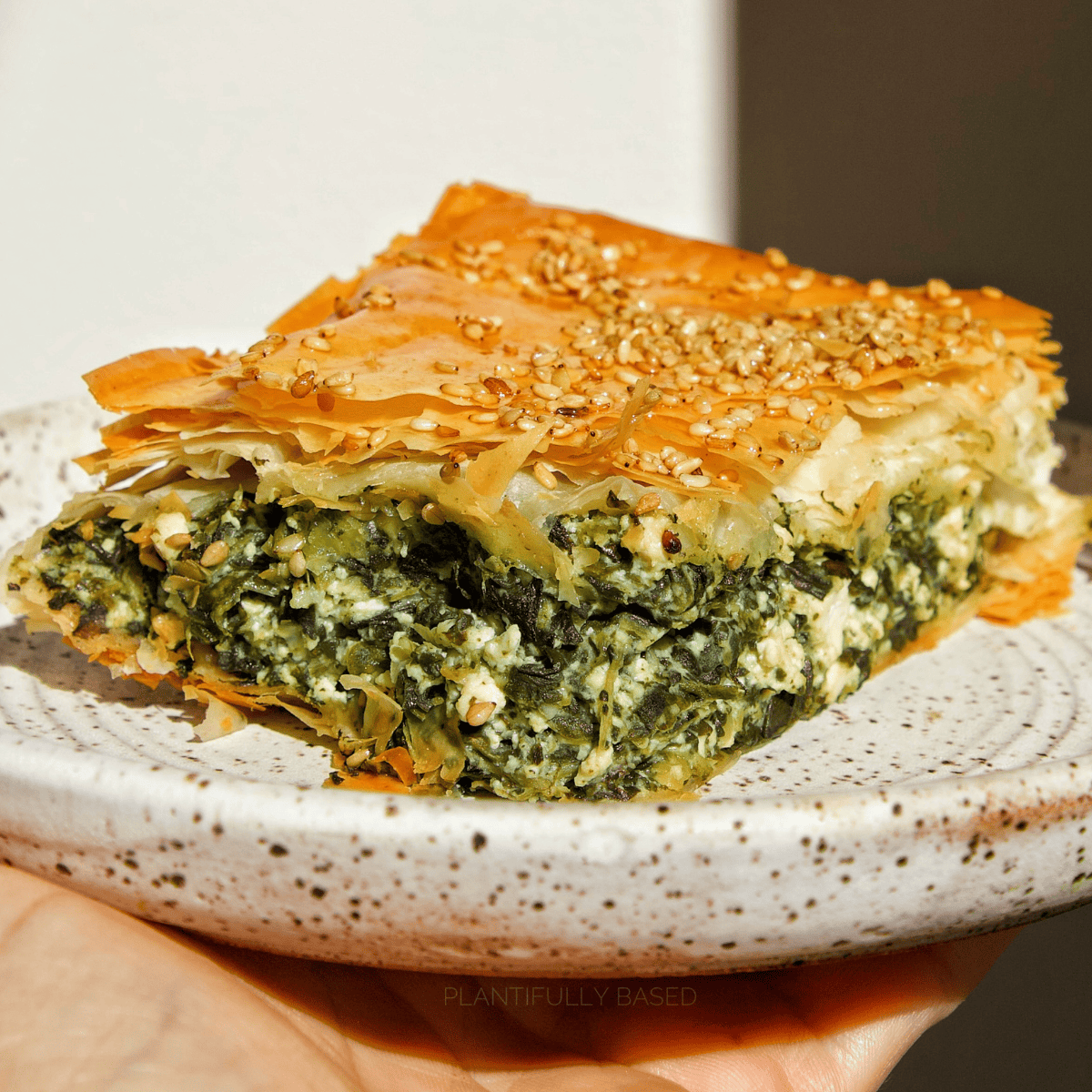
spanakopita recipe

Spanakopita: A Classic Greek Spinach and Feta Pie

Golden, crisp and filled with savoury spinach, herbs and tangy feta, spanakopita is one of Greece’s best-loved pies. It makes a satisfying lunch, a sharing dish for a gathering or a tasty addition to a mezze spread. This version uses ready-made filo pastry for a straightforward bake at home.

Serves: 6–8

Preparation time: 25 minutes

Cooking time: 40–45 minutes

Ingredients

  • 700g fresh spinach, or 450g frozen spinach, defrosted
  • 2 tablespoons olive oil, plus extra for brushing
  • 1 medium onion, finely chopped
  • 4 spring onions, thinly sliced
  • 2 garlic cloves, finely chopped
  • 200g feta, crumbled
  • 2 eggs, lightly beaten
  • Small handful of fresh dill, finely chopped
  • Small handful of flat-leaf parsley, finely chopped
  • ¼ teaspoon grated nutmeg (optional)
  • Freshly ground black pepper
  • 8–10 sheets filo pastry
  • 50g butter, melted, or extra olive oil

Method

  1. Prepare the spinach. If using fresh spinach, wilt it in batches in a large pan over a medium heat. Transfer to a colander and leave to cool. If using defrosted frozen spinach, place it in a clean tea towel and squeeze out as much liquid as possible. Chop the spinach roughly.
  2. Cook the aromatics. Heat the olive oil in a frying pan. Add the onion and spring onions and cook for 5–7 minutes, until soft. Stir in the garlic and cook for another minute. Leave the mixture to cool slightly.
  3. Make the filling. Put the spinach, onion mixture, feta, eggs, dill and parsley in a bowl. Add the nutmeg, if using, and a good grind of black pepper. Mix gently. Taste before adding salt, as feta can be quite salty.
  4. Prepare the pastry. Heat the oven to 190°C (170°C fan, Gas Mark 5). Lightly oil a baking tin, approximately 23 x 33cm. Keep the filo covered with a clean, slightly damp tea towel while you work so it does not dry out.
  5. Layer the base. Lay one sheet of filo in the tin, letting any excess hang over the sides. Brush lightly with melted butter or olive oil. Add another sheet at a slight angle and brush again. Repeat until you have used about half of the pastry.
  6. Add the filling. Spoon the spinach mixture over the pastry and spread it into an even layer.
  7. Top the pie. Layer the remaining filo sheets over the filling, brushing each with butter or oil. Fold the overhanging pastry over the top to form a neat edge. Brush the surface generously and score the top lightly into portions with a sharp knife, taking care not to cut all the way through the filling.
  8. Bake. Bake for 40–45 minutes, until the pastry is deeply golden and crisp. Leave the pie to rest for 10 minutes before cutting and serving.

Tips for a crisp, flavourful spanakopita

  • Remove excess moisture. Wet spinach can make the pastry soggy, so squeeze it thoroughly after wilting or defrosting.
  • Work quickly with filo. Keep unused sheets covered and brush each layer lightly; too much butter or oil can make the pastry heavy.
  • Make it ahead. Assemble the pie, cover and refrigerate it for a few hours before baking. You can also bake it in advance and reheat it in the oven to bring back its crispness.
  • Serve it simply. Spanakopita is delicious warm or at room temperature, with a crisp salad, olives or a spoonful of Greek yoghurt.

With its flaky layers and bright, herby filling, spanakopita is a versatile pie that is easy to share. Cut it into generous squares for a main meal or smaller pieces for a buffet or picnic.


Top 5 FAQs About Spanakopita: Ingredients, Serving Suggestions, and Tips for a Crispy Delight

  1. Why is the bottom of my spanakopita soggy?
  2. What are the main ingredients of spanakopita?
  3. How do you keep spanakopita crispy?
  4. What is traditionally served with spanakopita?
  5. What do Greeks eat with spanakopita?

Why is the bottom of my spanakopita soggy?

A soggy bottom is usually caused by excess moisture in the spinach or by the pie not baking long enough. Squeeze wilted or defrosted spinach very thoroughly before mixing the filling, and avoid adding any liquid left in the pan. Make sure the oven is fully preheated and bake the spanakopita until the base and top are crisp and golden; using a metal baking tin and placing it on a lower oven shelf can also help the bottom cook through. Allow the pie to rest briefly before slicing so the filling can settle.

What are the main ingredients of spanakopita?

The main ingredients in spanakopita are spinach, feta cheese and filo pastry. The filling is often flavoured with onion, spring onions, garlic and fresh herbs such as dill and parsley, then bound with egg. Olive oil or melted butter is brushed between the filo layers to help them turn crisp and golden as the pie bakes.

How do you keep spanakopita crispy?

To keep spanakopita crispy, squeeze as much liquid as possible from the spinach before mixing the filling, as excess moisture can soften the pastry. Brush the filo lightly with melted butter or olive oil between layers, and bake until deeply golden. Once cooked, leave the pie uncovered while it cools; covering it traps steam and makes the pastry soggy. Reheat leftovers in the oven rather than the microwave to restore their crispness.

What is traditionally served with spanakopita?

Spanakopita is traditionally served warm or at room temperature, often as part of a Greek meal alongside a crisp salad, olives and other small dishes such as tzatziki. It can also be enjoyed on its own as a light lunch or snack, with a squeeze of lemon for a fresh, tangy finish.

What do Greeks eat with spanakopita?

Greeks often enjoy spanakopita on its own as a snack or light meal, but it also pairs well with a fresh Greek salad, olives and a little tzatziki or plain Greek yoghurt. As part of a larger meal, it can be served alongside grilled meat or fish and other small dishes, such as dips and roasted vegetables. It is delicious warm or at room temperature.
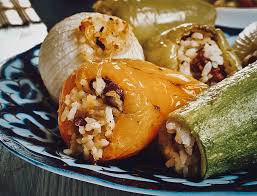
Exploring Authentic Armenian Cuisine: Delectable Recipes to Try

armenian cuisine recipes

The Delights of Armenian Cuisine: Authentic Recipes to Try

Armenian cuisine is a treasure trove of flavours, combining influences from the Mediterranean, Middle East, and Eastern Europe. From hearty stews to delicate pastries, Armenian dishes are a celebration of fresh ingredients and time-honoured traditions. Here are some authentic recipes for you to recreate the magic of Armenian cooking in your own kitchen:

Dolma

A beloved dish in Armenian households, dolma consists of grape leaves stuffed with a mixture of rice, minced meat, onions, and aromatic herbs. The rolls are then gently simmered in a tangy tomato sauce until tender. Serve with a dollop of creamy yogurt for a truly satisfying meal.

Lavash

Lavash is a thin and soft flatbread that holds a special place in Armenian cuisine. Made with just flour, water, and salt, this versatile bread is perfect for wrapping kebabs, scooping up dips like hummus or muhammara, or simply enjoyed on its own as a snack.

Harissa

Harissa is a comforting wheat porridge cooked with chicken or lamb, seasoned with butter and warming spices like cinnamon and cumin. This hearty dish is often enjoyed during festive occasions and family gatherings, bringing warmth and comfort to all who savour it.

Pakhlava

Pakhlava is Armenia’s answer to baklava – layers of flaky pastry filled with nuts and sweetened with syrup or honey. The combination of crunchy nuts and sticky sweetness makes this dessert an irresistible treat that is sure to satisfy your sweet tooth.

Armenian cuisine is not just about food; it’s about sharing stories, creating memories, and celebrating life’s moments around the dining table. So why not bring the flavours of Armenia into your home with these authentic recipes? Explore the culinary heritage of Armenia and embark on a delicious journey that will delight your taste buds and nourish your soul.


Exploring Armenian Cuisine: Six Tips for Authentic Flavours and Dishes

  1. Experiment with traditional Armenian spices like paprika, cumin, and coriander for authentic flavour.
  2. Incorporate fresh herbs like parsley, mint, and dill to add a burst of freshness to your dishes.
  3. Don’t be afraid to use plenty of garlic in your recipes – it’s a staple ingredient in Armenian cuisine.
  4. Try making traditional dishes like dolma (stuffed grape leaves) or khorovats (grilled meat skewers) for an authentic taste of Armenia.
  5. Explore Armenian desserts like baklava and gata to satisfy your sweet tooth with unique flavours.
  6. Pair your Armenian dishes with local wines such as Areni for a complete culinary experience.

Experiment with traditional Armenian spices like paprika, cumin, and coriander for authentic flavour.

To truly capture the essence of Armenian cuisine, it is essential to experiment with traditional Armenian spices such as paprika, cumin, and coriander. These aromatic spices not only add depth and complexity to dishes but also infuse them with an authentic flavour that is characteristic of Armenian cooking. By incorporating these key ingredients into your recipes, you can elevate your culinary creations to new heights and experience the rich tapestry of flavours that define Armenian gastronomy.

Incorporate fresh herbs like parsley, mint, and dill to add a burst of freshness to your dishes.

To elevate the flavours of your Armenian cuisine recipes, consider incorporating an array of fresh herbs such as parsley, mint, and dill. These vibrant herbs not only infuse your dishes with a burst of freshness but also bring a delightful aromatic quality that enhances the overall taste experience. Whether sprinkled as a finishing touch or finely chopped for a more integrated flavour, the addition of these fragrant herbs can truly elevate your culinary creations to new heights.

Don’t be afraid to use plenty of garlic in your recipes – it’s a staple ingredient in Armenian cuisine.

In Armenian cuisine, don’t hesitate to incorporate generous amounts of garlic into your recipes. Renowned as a staple ingredient, garlic adds depth and richness to dishes, infusing them with its distinctive aroma and flavour. Embracing the boldness of garlic not only enhances the authenticity of Armenian cuisine but also elevates the overall taste experience, creating dishes that are robust and full of character. So go ahead, unleash the power of garlic in your cooking and savour the true essence of Armenian culinary traditions.

Try making traditional dishes like dolma (stuffed grape leaves) or khorovats (grilled meat skewers) for an authentic taste of Armenia.

For an authentic taste of Armenia, immerse yourself in the culinary delights of traditional dishes such as dolma (stuffed grape leaves) and khorovats (grilled meat skewers). These iconic Armenian recipes not only showcase the rich flavours and textures of the region but also offer a glimpse into the cultural heritage and traditions that have shaped Armenian cuisine over generations. Whether you’re hosting a gathering or simply craving a taste of something new, exploring these beloved dishes will transport your senses to the vibrant kitchens of Armenia.

Explore Armenian desserts like baklava and gata to satisfy your sweet tooth with unique flavours.

Indulge your sweet tooth with a taste of Armenia by exploring traditional desserts such as baklava and gata. These delectable treats offer a unique blend of flavours and textures that are sure to delight your palate. Baklava, with its layers of flaky pastry and nuts drenched in syrup, provides a symphony of sweetness and crunch. On the other hand, gata, a rich and buttery pastry filled with sweet filling, offers a comforting and satisfying experience. Don’t miss out on the opportunity to savour these Armenian delights that are steeped in history and culture.

Pair your Armenian dishes with local wines such as Areni for a complete culinary experience.

When indulging in Armenian cuisine recipes, enhance your dining experience by pairing your dishes with local wines like Areni. This exquisite wine, derived from the indigenous Areni grape variety cultivated in the Armenian highlands for centuries, complements the rich and diverse flavours of Armenian dishes perfectly. The fruity notes and subtle undertones of Areni add a delightful dimension to your meal, elevating it to a truly complete culinary experience that embodies the essence of Armenian gastronomy.