Easy Crockpot Chili Recipe for a Hearty, Hands-Off Dinner
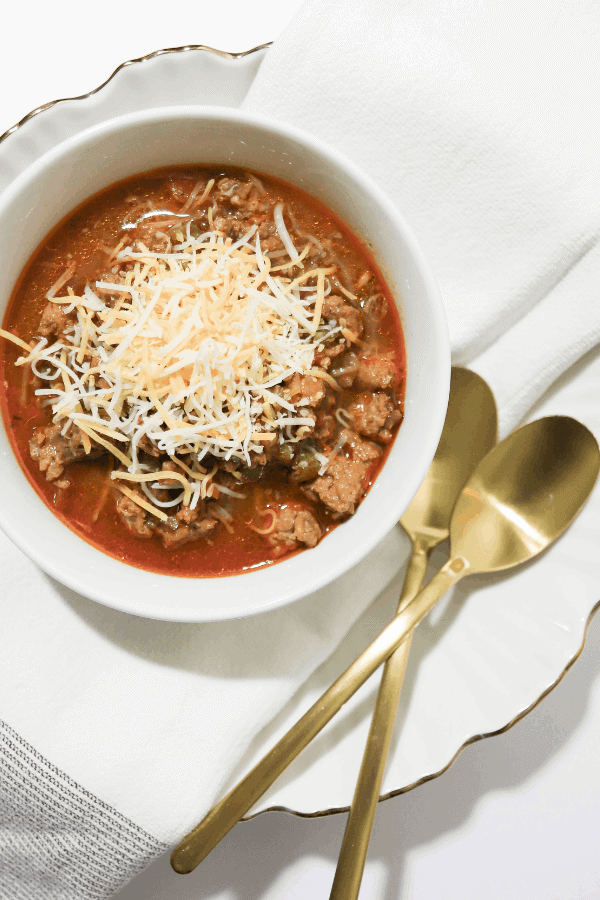
crockpot chili recipe

Easy Crockpot Chilli Recipe

This hearty Crockpot chilli is ideal for a relaxed supper, a weekend gathering or a meal to prepare ahead. Let it cook slowly until the beef is tender and the flavours have had time to mingle. Serve it with rice, jacket potatoes, tortilla chips or warm bread.

Serves: 6

Preparation time: 20 minutes

Cooking time: 6–8 hours on low or 3–4 hours on high

Ingredients

  • 1 tablespoon vegetable oil
  • 500g beef mince
  • 1 large onion, finely chopped
  • 1 red pepper, diced
  • 2 garlic cloves, crushed
  • 2 tablespoons tomato purée
  • 2 teaspoons ground cumin
  • 2 teaspoons paprika
  • 1–2 teaspoons chilli powder, to taste
  • 1 teaspoon dried oregano
  • 400g tin chopped tomatoes
  • 400g tin kidney beans, drained and rinsed
  • 200ml beef stock
  • Salt and freshly ground black pepper

Method

  1. Brown the mince. Heat the oil in a frying pan over a medium-high heat. Add the beef mince and cook for 5–7 minutes, breaking it up with a wooden spoon, until browned. Drain off excess fat if needed.
  2. Soften the vegetables. Add the onion and red pepper to the pan and cook for 3–4 minutes. Stir in the garlic and tomato purée, then cook for another minute.
  3. Add the spices. Mix in the cumin, paprika, chilli powder and oregano. Season with a little salt and pepper.
  4. Fill the slow cooker. Transfer the mixture to the Crockpot. Add the chopped tomatoes, kidney beans and beef stock, then stir to combine.
  5. Cook slowly. Cover and cook on low for 6–8 hours or on high for 3–4 hours. Check the seasoning before serving.

Serving Suggestions

Serve the chilli with fluffy rice, baked potatoes or tortilla chips. Add toppings such as grated cheddar, a spoonful of soured cream, sliced spring onions, avocado or fresh coriander. For a lighter option, serve it with a crisp green salad.

Tips for the Best Slow Cooker Chilli

  • Brown the mince first. This adds flavour and helps prevent excess fat from collecting in the slow cooker.
  • Adjust the heat. Start with one teaspoon of chilli powder, then add more next time if you prefer a hotter chilli. You can also serve fresh chilli on the side.
  • Keep the lid on. Each time the lid is lifted, heat escapes and the cooking time can increase.
  • Thicken if needed. If the chilli is thinner than you would like, remove the lid for the final 20–30 minutes, if your slow cooker instructions allow. Alternatively, mash a few of the beans into the sauce.

Variations

For a meat-free version, replace the beef with extra beans, lentils or plant-based mince, and use vegetable stock. Black beans or pinto beans work well alongside kidney beans. You can also stir in sweetcorn during the final 30 minutes of cooking.

Storing and Reheating

Cool leftovers promptly and store them in a covered container in the fridge for up to three days. Reheat until piping hot, either in a saucepan or in the microwave, stirring well. The chilli can also be frozen in portions for up to three months; defrost it in the fridge before reheating.


Essential Tips and FAQs for Perfecting Your Crockpot Chilli Recipe

  1. Can I put raw beef in a crockpot for chili?
  2. Can you slow cook chili for 10 hours?
  3. Can you put raw mince in a slow cooker for chilli?
  4. Is Chilli better in crockpot or stove?
  5. Can chili cook on low for 8 hours?
  6. How to make chili in a slow cooker?
  7. What is the secret to really good chili?
  8. How do you make homemade chili taste better?

Can I put raw beef in a crockpot for chili?

Yes, you can put raw beef mince straight into a Crockpot when making chilli, provided it cooks fully and reaches a safe temperature. However, browning it in a pan first is recommended: it adds richer flavour, improves the texture and lets you drain away excess fat. If adding it raw, break the mince up well and make sure the slow cooker is not overfilled.

Can you slow cook chili for 10 hours?

Yes, chilli can usually be slow-cooked for 10 hours on the low setting, and the extra time can help the flavours develop. Check your slow cooker’s instructions, as temperatures vary, and make sure there is enough liquid to prevent the chilli becoming too thick. For the best texture, use beef mince that has been browned first and avoid cooking the beans for longer than necessary if you prefer them to hold their shape. Keep the lid on during cooking, and refrigerate any leftovers promptly.

Can you put raw mince in a slow cooker for chilli?

Yes, you can add raw mince straight to a slow cooker when making chilli, provided it cooks thoroughly and the appliance is used according to its instructions. However, browning the mince in a frying pan first is recommended: it adds flavour, breaks up clumps and lets you drain off excess fat before adding it to the slow cooker.

Is Chilli better in crockpot or stove?

Whether chilli is better in a crockpot or on the hob depends on your time and taste. A crockpot cooks it slowly and gently, giving the flavours plenty of time to develop while requiring little attention—ideal for a hands-off meal. Cooking chilli on the hob is quicker and makes it easier to adjust the seasoning or thicken the sauce as it simmers. Both methods can produce a delicious result, so choose the crockpot for convenience and the hob when you want more control.

Can chili cook on low for 8 hours?

Yes, chilli can usually cook on low for 8 hours in a slow cooker, and the extended cooking time helps the flavours develop. Make sure there is enough liquid to prevent it drying out, and keep the lid on while it cooks. Slow cookers vary, so check your manufacturer’s guidance and avoid leaving the chilli on a warm setting for too long once it is cooked.

How to make chili in a slow cooker?

To make chilli in a slow cooker, brown the mince in a frying pan first, then add it to the slow cooker with chopped onion, pepper, garlic, spices, chopped tomatoes, beans and stock. Stir everything together, cover and cook on low for 6–8 hours or on high for 3–4 hours, until rich and well flavoured. Taste and adjust the seasoning before serving with rice, jacket potatoes or your favourite toppings.

What is the secret to really good chili?

The secret to really good chilli is building layers of flavour and giving them time to develop. Brown the mince and soften the onions before adding them to the slow cooker, then toast the spices briefly to bring out their aroma. Use good-quality tomatoes and stock, season carefully, and let the chilli cook slowly so the flavours meld together. Taste before serving and adjust the seasoning or heat as needed; a splash of vinegar or a squeeze of lime can add a welcome final lift.

How do you make homemade chili taste better?

To make homemade chilli taste better, build flavour at every stage: brown the mince well, then cook the onion, pepper and garlic until softened before adding the spices and tomato purée. Let the spices toast briefly, and give the chilli plenty of time to cook slowly so the flavours can deepen. Taste before serving and adjust with salt, pepper and extra chilli; a small splash of Worcestershire sauce or a pinch of sugar can also balance the tomatoes. Finish with a squeeze of lime or a little fresh coriander, and add toppings such as grated cheese or soured cream for extra richness.

Authentic Empanada Recipe: A Taste of Latin Flavour

empanada recipe

The Perfect Empanada Recipe: A Taste of Latin Flavour

Empanadas are a beloved dish in Latin American cuisine, known for their delicious fillings and crispy pastry shells. Whether you prefer them baked or fried, empanadas are a versatile treat that can be enjoyed as a snack or a meal. Here, we share a classic empanada recipe that will transport your taste buds to the vibrant streets of Latin America.

Ingredients:

  • 2 cups all-purpose flour
  • 1/2 teaspoon salt
  • 1/2 cup cold unsalted butter, cubed
  • 1/4 – 1/2 cup cold water
  • 1 tablespoon olive oil
  • 1 small onion, finely chopped
  • 2 cloves garlic, minced
  • 1 red bell pepper, diced
  • 250g ground beef or chicken
  • 1 teaspoon cumin
  • Salt and pepper to taste
  • 1/4 cup pitted green olives, sliced
  • 2 hard-boiled eggs, chopped

Instructions:

  1. Prepare the Dough:
  2. – In a large bowl, combine the flour and salt.

    – Add the cubed butter and rub it into the flour mixture until it resembles breadcrumbs.

    – Slowly add the cold water and mix until the dough comes together.

    – Shape the dough into a ball, wrap it in cling film, and refrigerate for 30 minutes.

  3. Make the Filling:
  4. – In a pan, heat olive oil over medium heat.

    – Add the onion and garlic, sauté until softened.

    – Stir in the bell pepper and cook for another 3-4 minutes.

    – Add the ground beef or chicken, cumin, salt, and pepper. Cook until browned.

    – Remove from heat and stir in olives and chopped eggs.

  5. Assemble the Empanadas:
  6. – Preheat oven to 200°C (180°C fan).

    – Roll out the dough on a floured surface to about 0.5cm thickness.

    – Using a round cutter or a small plate as a guide, cut out circles from the dough.

    – Spoon some filling onto each circle.

    – Fold over to create half-moon shapes and seal by pressing edges with a fork.

  7. Cooking Options:
  8. – To bake: Place empanadas on a baking tray lined with parchment paper. Brush with egg wash. Bake for 20-25 minutes until golden brown.

    – To fry: Heat oil in a deep pan. Fry empanadas until crispy and golden on both sides.

  9. Serve & Enjoy:
  10. – Serve hot with your favourite dipping sauce or salsa.

    – Enjoy these homemade empanadas as a delightful snack or meal that captures the essence of Latin American cuisine.

Gather your friends and family to savour these homemade empanadas filled with flavourful ingredients that will surely satisfy your cravings for authentic Latin cuisine.


Empanada Recipe FAQs: Dough Types, Cooking Methods, Common Mistakes, and Pastry Tips

  1. What dough are empanadas made of?
  2. Is it better to fry or bake empanadas?
  3. What are common empanada mistakes?
  4. What pastry is best for empanadas?
  5. Is empanada dough the same as pizza dough?

What dough are empanadas made of?

Empanadas are typically made with a simple dough consisting of all-purpose flour, salt, cold butter, and water. This dough is easy to work with and can be shaped into the perfect pastry shell for enclosing the delicious fillings that make empanadas so irresistible. The combination of these basic ingredients results in a crispy yet tender crust that complements the savoury or sweet fillings inside. Whether baked or fried, the dough used for empanadas plays a crucial role in creating a delightful culinary experience that captures the essence of this popular Latin American dish.

Is it better to fry or bake empanadas?

When it comes to preparing empanadas, the choice between frying and baking often depends on personal preference and dietary considerations. Frying empanadas typically results in a crispy, golden exterior that many find irresistible, while baking offers a healthier alternative with a slightly lighter texture. Frying may enhance the overall richness of the dish, while baking can be a convenient and less messy option. Ultimately, whether you fry or bake your empanadas, both methods can yield delicious results that cater to different tastes and dietary needs.

What are common empanada mistakes?

When preparing empanadas, there are common mistakes that can affect the final outcome of this beloved Latin American dish. One frequent error is overfilling the empanadas, which can lead to leaks during baking or frying. Another common mistake is not properly sealing the edges of the empanadas, resulting in filling spilling out during cooking. Additionally, using a dough that is too thick or too thin can impact the texture and overall taste of the empanadas. It’s essential to follow the recipe closely and pay attention to details such as dough consistency and filling distribution to ensure a successful batch of delicious empanadas.

What pastry is best for empanadas?

When it comes to choosing the best pastry for empanadas, many enthusiasts swear by a simple dough made with all-purpose flour, butter, and water. This classic pastry recipe yields a crisp and flaky shell that perfectly complements the savoury fillings of traditional empanadas. The key is to achieve a balance between a sturdy crust that holds the filling together and a light texture that melts in your mouth with each bite. Experimenting with different types of dough, such as those incorporating lard or even puff pastry, can also add unique textures and flavours to your empanadas, catering to personal preferences and culinary creativity. Ultimately, the best pastry for empanadas is one that enhances the overall taste experience while staying true to the dish’s cultural roots.

Is empanada dough the same as pizza dough?

When it comes to empanadas and pizza, the dough used for each dish differs in texture and composition. Empanada dough is typically more flaky and sturdy, designed to hold the filling securely without becoming soggy. On the other hand, pizza dough is softer and more elastic, ideal for stretching into a thin crust that bakes to perfection in a hot oven. While both doughs share basic ingredients like flour and water, their ratios and preparation methods vary significantly to suit the specific requirements of each culinary delight.

Exploring Authentic Armenian Cuisine: Delectable Recipes to Try

armenian cuisine recipes

The Delights of Armenian Cuisine: Authentic Recipes to Try

Armenian cuisine is a treasure trove of flavours, combining influences from the Mediterranean, Middle East, and Eastern Europe. From hearty stews to delicate pastries, Armenian dishes are a celebration of fresh ingredients and time-honoured traditions. Here are some authentic recipes for you to recreate the magic of Armenian cooking in your own kitchen:

Dolma

A beloved dish in Armenian households, dolma consists of grape leaves stuffed with a mixture of rice, minced meat, onions, and aromatic herbs. The rolls are then gently simmered in a tangy tomato sauce until tender. Serve with a dollop of creamy yogurt for a truly satisfying meal.

Lavash

Lavash is a thin and soft flatbread that holds a special place in Armenian cuisine. Made with just flour, water, and salt, this versatile bread is perfect for wrapping kebabs, scooping up dips like hummus or muhammara, or simply enjoyed on its own as a snack.

Harissa

Harissa is a comforting wheat porridge cooked with chicken or lamb, seasoned with butter and warming spices like cinnamon and cumin. This hearty dish is often enjoyed during festive occasions and family gatherings, bringing warmth and comfort to all who savour it.

Pakhlava

Pakhlava is Armenia’s answer to baklava – layers of flaky pastry filled with nuts and sweetened with syrup or honey. The combination of crunchy nuts and sticky sweetness makes this dessert an irresistible treat that is sure to satisfy your sweet tooth.

Armenian cuisine is not just about food; it’s about sharing stories, creating memories, and celebrating life’s moments around the dining table. So why not bring the flavours of Armenia into your home with these authentic recipes? Explore the culinary heritage of Armenia and embark on a delicious journey that will delight your taste buds and nourish your soul.


Exploring Armenian Cuisine: Six Tips for Authentic Flavours and Dishes

  1. Experiment with traditional Armenian spices like paprika, cumin, and coriander for authentic flavour.
  2. Incorporate fresh herbs like parsley, mint, and dill to add a burst of freshness to your dishes.
  3. Don’t be afraid to use plenty of garlic in your recipes – it’s a staple ingredient in Armenian cuisine.
  4. Try making traditional dishes like dolma (stuffed grape leaves) or khorovats (grilled meat skewers) for an authentic taste of Armenia.
  5. Explore Armenian desserts like baklava and gata to satisfy your sweet tooth with unique flavours.
  6. Pair your Armenian dishes with local wines such as Areni for a complete culinary experience.

Experiment with traditional Armenian spices like paprika, cumin, and coriander for authentic flavour.

To truly capture the essence of Armenian cuisine, it is essential to experiment with traditional Armenian spices such as paprika, cumin, and coriander. These aromatic spices not only add depth and complexity to dishes but also infuse them with an authentic flavour that is characteristic of Armenian cooking. By incorporating these key ingredients into your recipes, you can elevate your culinary creations to new heights and experience the rich tapestry of flavours that define Armenian gastronomy.

Incorporate fresh herbs like parsley, mint, and dill to add a burst of freshness to your dishes.

To elevate the flavours of your Armenian cuisine recipes, consider incorporating an array of fresh herbs such as parsley, mint, and dill. These vibrant herbs not only infuse your dishes with a burst of freshness but also bring a delightful aromatic quality that enhances the overall taste experience. Whether sprinkled as a finishing touch or finely chopped for a more integrated flavour, the addition of these fragrant herbs can truly elevate your culinary creations to new heights.

Don’t be afraid to use plenty of garlic in your recipes – it’s a staple ingredient in Armenian cuisine.

In Armenian cuisine, don’t hesitate to incorporate generous amounts of garlic into your recipes. Renowned as a staple ingredient, garlic adds depth and richness to dishes, infusing them with its distinctive aroma and flavour. Embracing the boldness of garlic not only enhances the authenticity of Armenian cuisine but also elevates the overall taste experience, creating dishes that are robust and full of character. So go ahead, unleash the power of garlic in your cooking and savour the true essence of Armenian culinary traditions.

Try making traditional dishes like dolma (stuffed grape leaves) or khorovats (grilled meat skewers) for an authentic taste of Armenia.

For an authentic taste of Armenia, immerse yourself in the culinary delights of traditional dishes such as dolma (stuffed grape leaves) and khorovats (grilled meat skewers). These iconic Armenian recipes not only showcase the rich flavours and textures of the region but also offer a glimpse into the cultural heritage and traditions that have shaped Armenian cuisine over generations. Whether you’re hosting a gathering or simply craving a taste of something new, exploring these beloved dishes will transport your senses to the vibrant kitchens of Armenia.

Explore Armenian desserts like baklava and gata to satisfy your sweet tooth with unique flavours.

Indulge your sweet tooth with a taste of Armenia by exploring traditional desserts such as baklava and gata. These delectable treats offer a unique blend of flavours and textures that are sure to delight your palate. Baklava, with its layers of flaky pastry and nuts drenched in syrup, provides a symphony of sweetness and crunch. On the other hand, gata, a rich and buttery pastry filled with sweet filling, offers a comforting and satisfying experience. Don’t miss out on the opportunity to savour these Armenian delights that are steeped in history and culture.

Pair your Armenian dishes with local wines such as Areni for a complete culinary experience.

When indulging in Armenian cuisine recipes, enhance your dining experience by pairing your dishes with local wines like Areni. This exquisite wine, derived from the indigenous Areni grape variety cultivated in the Armenian highlands for centuries, complements the rich and diverse flavours of Armenian dishes perfectly. The fruity notes and subtle undertones of Areni add a delightful dimension to your meal, elevating it to a truly complete culinary experience that embodies the essence of Armenian gastronomy.