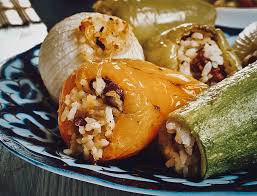
Delicious Turkey Breast Recipe: A Must-Try for Your Next Meal!

turkey breast recipe

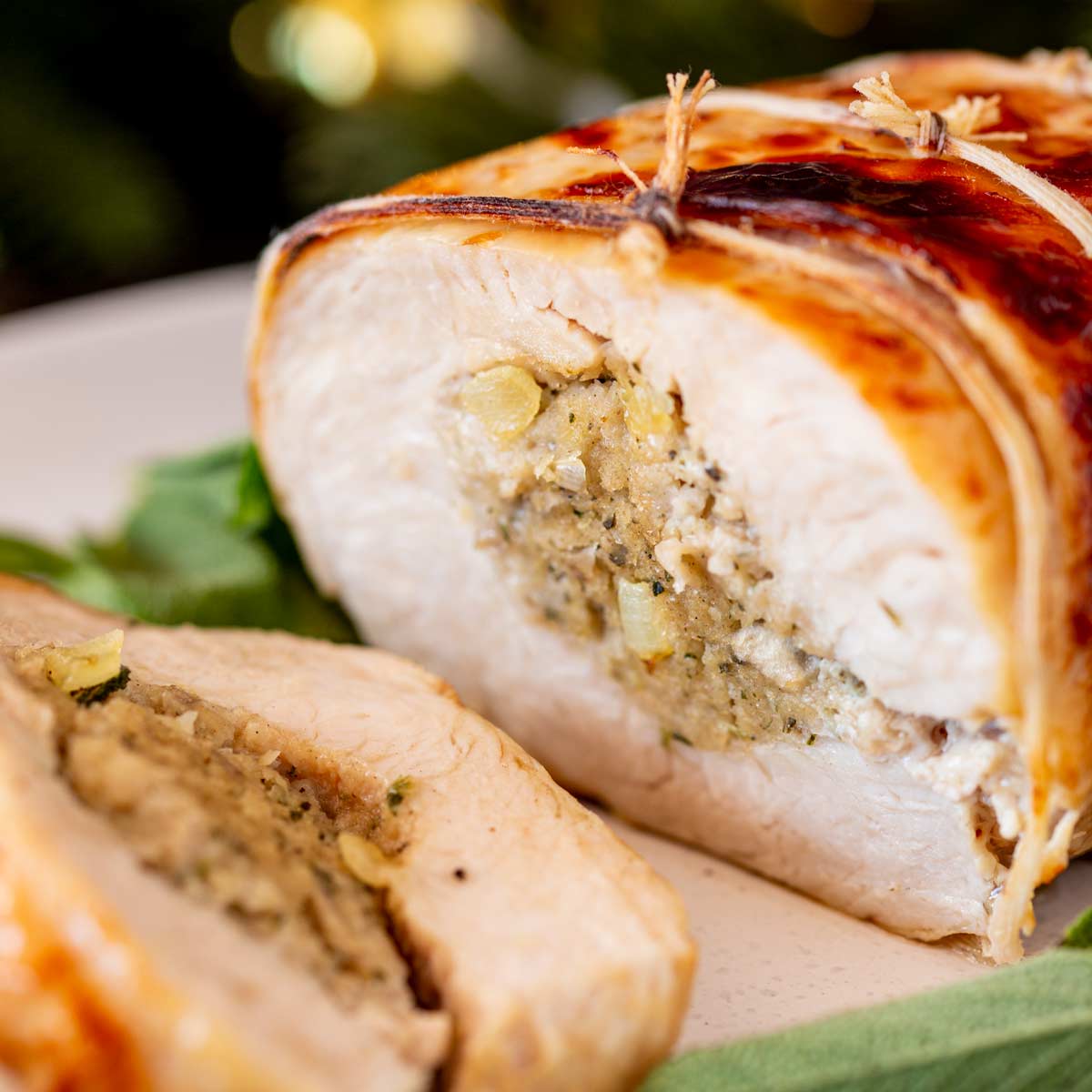
The Perfect Turkey Breast Recipe

Looking for a delicious and simple turkey breast recipe to impress your guests or enjoy with your family? Look no further! This recipe combines juicy turkey breast with a flavorful seasoning blend that will have everyone coming back for seconds.

Ingredients:

  • 1 boneless turkey breast
  • 2 tablespoons olive oil
  • 1 teaspoon garlic powder
  • 1 teaspoon paprika
  • Salt and pepper to taste
  • Fresh herbs for garnish (optional)

Instructions:

  1. Preheat your oven to 180°C (350°F).
  2. In a small bowl, mix together the olive oil, garlic powder, paprika, salt, and pepper to create a seasoning paste.
  3. Place the turkey breast in a roasting pan and rub the seasoning paste all over the meat, ensuring it is evenly coated.
  4. Cover the roasting pan with foil and bake in the preheated oven for about 1 hour or until the internal temperature of the turkey reaches 75°C (165°F).
  5. Once cooked, remove the foil and allow the turkey breast to rest for 10 minutes before slicing.
  6. Garnish with fresh herbs if desired and serve hot.

This succulent turkey breast recipe is perfect for any occasion, whether it’s a festive dinner or a casual weekday meal. The combination of tender meat and aromatic seasonings is sure to delight your taste buds. Give this recipe a try and enjoy a mouthwatering dish that will have everyone asking for more!

Bon appétit!


Eight Reasons to Choose Turkey Breast: A Juicy, Versatile, and Healthy Recipe

  1. Juicy and tender turkey breast meat that is low in fat.
  2. Versatile recipe that can be easily adapted with different seasonings and herbs.
  3. Quick and simple preparation, perfect for busy weeknights or special occasions.
  4. Healthy option for a protein-rich meal that is also delicious.
  5. Budget-friendly choice compared to whole turkey roasts.
  6. Great option for smaller gatherings or when cooking for a smaller group.
  7. Leftovers can be used in sandwiches, salads, or other dishes for added convenience.
  8. Impressive presentation that will impress your guests without requiring extensive cooking skills.


Challenges of Cooking Turkey Breast: Avoiding Dryness, Blandness, and Extended Preparation Time

  1. Turkey breast can dry out easily if overcooked.
  2. It may lack the richness and depth of flavour compared to darker meat cuts.
  3. Some people find turkey breast to be less juicy than other parts of the turkey.
  4. Cooking a large turkey breast can require longer preparation and cooking times.
  5. Seasoning and marinating are crucial to prevent the meat from being bland or tasteless.

Juicy and tender turkey breast meat that is low in fat.

Indulge in the succulent delight of our turkey breast recipe, boasting juicy and tender meat that is not only a culinary delight but also a healthier choice. With its low-fat content, this dish offers a guilt-free option for those looking to enjoy a delicious meal without compromising on their dietary goals. Savour every bite of the lean and flavourful turkey breast, knowing that you are treating yourself to a wholesome and satisfying dining experience.

Versatile recipe that can be easily adapted with different seasonings and herbs.

This turkey breast recipe offers a versatile culinary experience, allowing for easy adaptation with a variety of seasonings and herbs. Whether you prefer a zesty lemon and herb infusion or a smoky barbecue rub, the flexibility of this recipe enables you to customise the flavours to suit your taste preferences. With the ability to experiment with different combinations, you can create unique and exciting variations of this dish each time you prepare it, adding a touch of creativity to your dining experience.

Quick and simple preparation, perfect for busy weeknights or special occasions.

Indulge in the convenience of this turkey breast recipe, offering a quick and straightforward preparation process that is ideal for hectic weeknights or memorable special occasions. With minimal effort required, you can effortlessly whip up a delectable dish that is sure to impress your loved ones. Whether you are short on time during the week or looking to create a delightful meal for a celebratory gathering, this recipe’s ease and efficiency make it a go-to choice for any occasion.

Healthy option for a protein-rich meal that is also delicious.

Indulge in a guilt-free and nutritious dining experience with our turkey breast recipe. This dish offers a healthy option for a protein-rich meal that is not only delicious but also satisfying. Turkey breast is lean, packed with essential nutrients, and low in fat, making it an ideal choice for those looking to maintain a balanced diet without compromising on taste. Treat yourself to a flavoursome and wholesome meal that will leave you feeling nourished and content.

Budget-friendly choice compared to whole turkey roasts.

For those looking to enjoy a delicious turkey meal without breaking the bank, opting for a turkey breast recipe is a budget-friendly choice compared to whole turkey roasts. Turkey breasts are typically more affordable and require less preparation time, making them a practical option for smaller gatherings or everyday meals. Despite being cost-effective, turkey breasts still offer the same succulent and flavourful experience as larger roasts, making them a smart and tasty choice for those seeking a wallet-friendly yet satisfying dining option.

Great option for smaller gatherings or when cooking for a smaller group.

When considering the advantages of a turkey breast recipe, one notable benefit is its suitability for smaller gatherings or when cooking for a smaller group. Unlike a whole turkey, which can be overwhelming to prepare and serve for fewer people, a turkey breast offers a more manageable portion size that is perfect for intimate dinners or occasions with limited guests. This makes it an ideal choice for those looking to enjoy a traditional turkey dish without the excess leftovers, ensuring a delicious and satisfying meal tailored to the needs of a smaller party.

Leftovers can be used in sandwiches, salads, or other dishes for added convenience.

Make the most of your turkey breast recipe by enjoying the convenience of using leftovers in a variety of ways. Whether it’s adding slices to sandwiches for a quick and satisfying meal, incorporating them into refreshing salads for a healthy twist, or experimenting with new dishes to elevate your culinary creations, the versatility of leftover turkey breast ensures that you can savour its delicious flavours beyond the initial serving. Embrace the flexibility and ease that come with repurposing leftovers to enhance your dining experience.

Impressive presentation that will impress your guests without requiring extensive cooking skills.

Elevate your dining experience with this turkey breast recipe’s impressive presentation that is sure to impress your guests, all without the need for extensive cooking skills. The beautifully seasoned and perfectly cooked turkey breast not only delights the palate but also adds a touch of elegance to any meal. With minimal effort, you can create a dish that looks and tastes like it was prepared by a professional chef, leaving your guests impressed and satisfied.

Turkey breast can dry out easily if overcooked.

When preparing a turkey breast, one must be cautious of the risk of it drying out if overcooked. Due to its lean nature, turkey breast has a tendency to lose moisture and become dry if left in the oven for too long or at high temperatures. To ensure a juicy and tender outcome, it is essential to monitor the cooking time carefully and use a meat thermometer to achieve the ideal internal temperature without overcooking. By being mindful of this potential drawback, one can savour the succulence of perfectly cooked turkey breast without falling victim to dryness.

It may lack the richness and depth of flavour compared to darker meat cuts.

While turkey breast is a lean and healthy option, one potential drawback is that it may lack the richness and depth of flavour found in darker meat cuts such as the thighs or drumsticks. Dark meat tends to be more succulent and carries a deeper flavour profile due to its higher fat content. However, with the right seasoning and cooking techniques, turkey breast can still be incredibly delicious and satisfying. Adding herbs, spices, or marinades can help enhance the taste of the lean meat, ensuring a tasty dish despite its potential for less intense flavour compared to darker cuts.

Some people find turkey breast to be less juicy than other parts of the turkey.

While turkey breast is a popular choice for its lean and healthy qualities, some individuals may find it to be less juicy compared to other parts of the turkey. Due to its lower fat content, turkey breast has a tendency to dry out more easily during cooking, potentially resulting in a less succulent texture. However, with the right cooking techniques and seasoning, such as brining or using a marinade, it is possible to enhance the juiciness and flavour of turkey breast, ensuring a delightful dining experience for all.

Cooking a large turkey breast can require longer preparation and cooking times.

When considering the preparation of a large turkey breast, one must acknowledge that the process may necessitate extended preparation and cooking durations. The size of the turkey breast directly impacts the time required for seasoning, roasting, and ensuring thorough cooking throughout. With larger cuts of meat, it is essential to allow ample time for marinating and cooking to achieve optimal tenderness and flavour. While the longer cooking times may test one’s patience, the end result of a perfectly cooked and succulent turkey breast is well worth the wait.

Seasoning and marinating are crucial to prevent the meat from being bland or tasteless.

To ensure that your turkey breast is bursting with flavour and not bland or tasteless, proper seasoning and marinating are essential steps in the cooking process. By infusing the meat with a well-balanced blend of herbs, spices, and seasonings, you can enhance its natural taste and create a delicious depth of flavour that will leave your taste buds tingling. Taking the time to season and marinate your turkey breast is a simple yet crucial technique that can elevate the overall dining experience and ensure a mouthwatering outcome with every bite.

Delectable Chicken Breast Recipes for a Memorable Dinner Feast

chicken breast recipes for dinner

Delicious Chicken Breast Recipes for Dinner

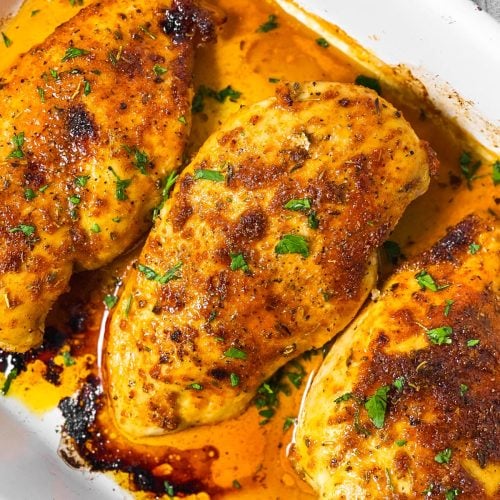
Chicken breast is a versatile and lean protein that can be transformed into a variety of mouth-watering dishes for dinner. Whether you prefer grilled, baked, or sautéed chicken, there’s a recipe out there to suit your taste buds. Here are three delectable chicken breast recipes to inspire your next dinner:

Lemon Herb Grilled Chicken Breast

Marinate chicken breasts in a mixture of lemon juice, olive oil, garlic, and fresh herbs such as rosemary and thyme. Grill the chicken until perfectly charred and juicy. Serve with a side of roasted vegetables for a wholesome meal.

Creamy Parmesan Baked Chicken Breast

Dip seasoned chicken breasts in a creamy mixture of parmesan cheese, mayonnaise, and breadcrumbs. Bake in the oven until the chicken is cooked through and the topping is golden brown. Pair with a green salad or pasta for a comforting dinner.

Spicy Honey Garlic Sautéed Chicken Breast

Sauté chicken breasts in a hot pan with a spicy honey garlic sauce made from soy sauce, honey, garlic, and red pepper flakes. Cook until the sauce thickens and coats the chicken beautifully. Serve over steamed rice or quinoa for an explosion of flavours.

These tantalising chicken breast recipes are sure to elevate your dinner game and impress your family or guests. Get creative in the kitchen and experiment with different seasonings and ingredients to customise these recipes to your liking.

Enjoy the deliciousness of perfectly cooked chicken breasts with these simple yet flavourful recipes!


Essential FAQs on Preparing Chicken Breast for Dinner: Tips, Substitutions, and Techniques

  1. 1. How long should I marinate chicken breast before cooking?
  2. 2. What are some healthy cooking methods for chicken breast?
  3. 3. Can I substitute chicken breast with other cuts of chicken in recipes?
  4. 4. How do I know when chicken breast is cooked thoroughly?
  5. 5. Are there any low-carb recipes using chicken breast for dinner?
  6. 6. Can I freeze cooked chicken breasts for later use?
  7. 7. What are some popular seasoning blends for seasoning grilled or bakedchicken breasts?
  8. 8.Can I use a slow cooker to cookchickenbreastsfor dinnerrecipes?

1. How long should I marinate chicken breast before cooking?

When it comes to marinating chicken breast before cooking, the ideal marinating time can vary depending on the recipe and the flavours you want to infuse into the meat. In general, it is recommended to marinate chicken breast for at least 30 minutes to allow the marinade to penetrate the meat and enhance its taste. However, for more intense flavour profiles, you can marinate chicken breast for up to 24 hours in the refrigerator. Be cautious not to over-marinate, as acidic ingredients in the marinade can break down the proteins in the chicken if left for too long. Experiment with different marinating times to find what works best for your desired taste preferences when preparing delicious chicken breast recipes for dinner.

2. What are some healthy cooking methods for chicken breast?

When it comes to preparing chicken breast in a healthy way for dinner, there are several cooking methods to consider. Grilling or baking chicken breast without excessive oil helps retain its natural flavours while keeping the dish low in added fats. Poaching chicken breast in broth or water is another healthy option that ensures the meat stays moist and tender without the need for additional oils. Additionally, opting for methods like steaming or stir-frying with minimal oil and plenty of vegetables can create a nutritious and balanced meal. These healthier cooking techniques for chicken breast allow you to enjoy a delicious dinner without compromising on taste or nutrition.

3. Can I substitute chicken breast with other cuts of chicken in recipes?

When it comes to substituting chicken breast with other cuts of chicken in recipes, it is indeed possible, but it may alter the texture and flavour of the dish. Chicken thighs, for example, are juicier and more flavourful than chicken breast, making them a suitable substitute in recipes where a richer taste is desired. Drumsticks or wings can also be used in place of chicken breast, but cooking times may vary. It’s essential to consider the characteristics of the alternative cut of chicken and adjust cooking methods accordingly to ensure a delicious outcome.

4. How do I know when chicken breast is cooked thoroughly?

When determining if chicken breast is cooked thoroughly, it is essential to rely on a reliable method to ensure both safety and optimal taste. The most accurate way to check for doneness is by using a meat thermometer. Insert the thermometer into the thickest part of the chicken breast, ensuring it does not touch any bone. The internal temperature should reach at least 75°C (165°F) for the chicken to be fully cooked and safe to eat. Additionally, cutting into the thickest part of the chicken breast and checking that the juices run clear without any pinkness is another visual indicator of doneness. By following these guidelines, you can confidently prepare delicious and perfectly cooked chicken breast dishes for a satisfying dinner.

5. Are there any low-carb recipes using chicken breast for dinner?

For those seeking low-carb options for dinner, there are plenty of delicious recipes using chicken breast that fit the bill. From grilled chicken with a side of steamed vegetables to chicken Caesar salad without croutons, the possibilities are endless. You can also try making chicken breast stuffed with spinach and feta cheese or enjoy a creamy chicken Alfredo with zucchini noodles instead of pasta. These low-carb chicken breast recipes not only cater to your dietary needs but also satisfy your taste buds with their delightful flavours and textures.

6. Can I freeze cooked chicken breasts for later use?

When it comes to the question of whether you can freeze cooked chicken breasts for later use, the answer is a resounding yes. Freezing cooked chicken breasts is a convenient way to extend their shelf life and have a quick protein option on hand for future meals. Make sure to cool the cooked chicken breasts completely before transferring them to an airtight container or freezer bag. Properly stored in the freezer, cooked chicken breasts can last for up to three months without compromising their taste or texture. Simply thaw them in the refrigerator overnight before reheating and incorporating them into your favourite chicken breast recipes for dinner.

When it comes to seasoning grilled or baked chicken breasts, there are several popular blends that can elevate the flavour profile of the dish. Some commonly used seasoning blends include a classic mix of garlic powder, onion powder, paprika, salt, and pepper for a well-rounded taste. Alternatively, you can opt for a zesty combination of lemon pepper, oregano, and thyme for a refreshing and aromatic twist. For those craving a bit of heat, a blend of cayenne pepper, chili powder, and cumin can add a spicy kick to your chicken breasts. Experimenting with different seasoning blends is key to discovering your favourite flavour profile when preparing grilled or baked chicken breasts for a delicious dinner.

8.Can I use a slow cooker to cookchickenbreastsfor dinnerrecipes?

Using a slow cooker to cook chicken breasts for dinner recipes is a convenient and popular method for many home cooks. Slow cooking chicken breasts in a crockpot can result in tender, juicy meat that easily shreds or slices for various dishes. By adding seasonings, vegetables, and liquids to the slow cooker along with the chicken breasts, you can create flavourful and effortless meals. The slow cooker allows the chicken to cook slowly over several hours, infusing it with delicious flavours and ensuring a moist texture. Whether you’re preparing a creamy chicken stew or flavourful shredded chicken tacos, using a slow cooker can simplify your dinner preparation while delivering tasty results.

Savour the Flavour: A Delectable Brisket Recipe for Your Next Feast

brisket recipe

The Perfect Brisket Recipe for a Delicious Meal

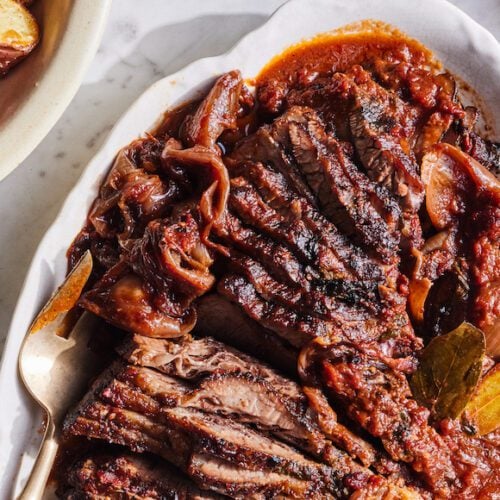
Brisket is a classic dish that never fails to impress with its tender texture and rich flavour. Whether you’re hosting a family gathering or simply craving a hearty meal, this brisket recipe is sure to satisfy your taste buds.

Ingredients:

  • 1 4-5 pound beef brisket
  • 2 tablespoons olive oil
  • 1 onion, chopped
  • 4 cloves garlic, minced
  • 2 cups beef broth
  • 1 cup red wine
  • 2 tablespoons Worcestershire sauce
  • Salt and pepper to taste
  • Fresh herbs for garnish (optional)

Instructions:

  1. Preheat your oven to 160°C.
  2. In a large oven-safe pot or Dutch oven, heat the olive oil over medium-high heat. Sear the brisket on all sides until browned, then remove from the pot and set aside.
  3. Add the chopped onion and garlic to the pot and sauté until softened.
  4. Pour in the beef broth, red wine, and Worcestershire sauce. Season with salt and pepper.
  5. Add the seared brisket back into the pot. Cover with a lid or foil.
  6. lI>Bake in the preheated oven for about 3-4 hours, or until the brisket is fork-tender.lI

    lIemove from the oven and let it rest for 10-15 minutes before slicing.lI

    Serve the brisket slices with the cooking liquid spooned over them.lI

    Garnish with fresh herbs if desired.l

Enjoy this mouth-watering brisket recipe with your favourite sides for a memorable dining experience!l


Top 6 FAQs for Perfecting Your Brisket Recipe

  1. 1. How long does it take to cook brisket?
  2. 2. What is the best way to season brisket?
  3. 3. Can I cook brisket in a slow cooker?
  4. 4. Should I trim the fat off the brisket before cooking?
  5. 5. What temperature should I set my oven for cooking brisket?
  6. 6. How do I know when the brisket is done cooking?

1. How long does it take to cook brisket?

When cooking brisket, the duration can vary depending on the cooking method chosen. Typically, a beef brisket needs to be cooked low and slow to achieve that melt-in-your-mouth tenderness. On average, it can take around 3-4 hours in the oven at 160°C for a 4-5 pound brisket to become fork-tender. However, some recipes may call for longer cooking times if using a smoker or slow cooker. The key is to cook the brisket until it reaches the desired level of doneness and can easily be shredded or sliced for serving. Patience is essential when preparing this delectable dish to ensure a flavoursome outcome that will delight your taste buds.

2. What is the best way to season brisket?

When it comes to seasoning brisket, the best way is to keep it simple yet flavourful. A classic combination of salt, pepper, and garlic powder works wonders in enhancing the natural taste of the beef. You can also experiment with adding paprika, onion powder, or even a hint of cayenne for a kick of heat. The key is to generously coat the brisket with your chosen seasonings, ensuring that every inch is covered for a well-balanced flavour profile. Remember to let the brisket sit with the seasonings for some time before cooking to allow the flavours to penetrate the meat effectively.

3. Can I cook brisket in a slow cooker?

Cooking brisket in a slow cooker is a popular method that many home cooks swear by for achieving tender and flavourful results. The slow, low-temperature cooking process allows the brisket to become incredibly succulent and easy to shred. By placing the brisket in a slow cooker along with your choice of seasonings and liquids, you can let it simmer gently for hours until it reaches the desired level of tenderness. This convenient cooking technique is perfect for busy individuals who want to enjoy a delicious brisket meal without constant monitoring.

4. Should I trim the fat off the brisket before cooking?

When preparing a brisket recipe, the decision to trim the fat off the brisket before cooking is a matter of personal preference and cooking style. Some chefs believe that leaving a layer of fat on the brisket can enhance the flavour and juiciness of the meat during cooking, while others prefer to trim excess fat for a leaner end result. Ultimately, whether you choose to trim the fat or not depends on your desired level of tenderness and richness in the final dish. It’s recommended to consider your own taste preferences and cooking techniques when making this decision.

5. What temperature should I set my oven for cooking brisket?

When cooking brisket in the oven, it is recommended to set the temperature to around 160°C (320°F). This moderate heat allows the brisket to cook slowly and evenly, resulting in a tender and flavourful dish. By cooking the brisket at this temperature for several hours, you can achieve the perfect texture and ensure that the meat is cooked to perfection. Remember to cover the brisket while baking to retain moisture and enhance its succulence.

6. How do I know when the brisket is done cooking?

Knowing when a brisket is done cooking is crucial to achieving the perfect texture and flavour. A common indicator of doneness is the tenderness of the meat. You can test this by inserting a fork or meat thermometer into the thickest part of the brisket. If it easily slides in and out with little resistance, the brisket is likely done. Another method is to check for the internal temperature, which should reach around 93°C for a well-cooked brisket. Additionally, the meat should have a rich aroma and a caramelised exterior when fully cooked. By paying attention to these cues, you can ensure that your brisket is cooked to perfection every time.

Savouring Culinary Delights: Exploring Global Dishes

dishes

The Art of Dishes: Exploring Culinary Delights

Food has always been a central aspect of human culture, bringing people together and offering a glimpse into different traditions and lifestyles. One of the most fascinating elements of cuisine is the diversity of dishes found around the world, each with its unique flavours, ingredients, and preparation methods.

Exploring Global Flavours

From the spicy curries of India to the comforting pasta dishes of Italy, every corner of the world boasts a rich culinary heritage. Each dish tells a story, reflecting the history, geography, and cultural influences of its place of origin.

The Artistry of Cooking

Cooking is more than just combining ingredients; it is an art form that requires skill, creativity, and passion. Chefs around the world dedicate themselves to perfecting their craft, creating dishes that not only satisfy hunger but also tantalise the taste buds and ignite the senses.

Culinary Traditions

Many dishes have been passed down through generations, preserving age-old recipes and techniques that capture the essence of a particular culture. Whether it’s a hearty stew simmering on a stove or delicate pastries being lovingly crafted by hand, these traditions connect us to our roots and remind us of who we are.

The Joy of Sharing

Food has a unique ability to bring people together, fostering connections and creating memories that last a lifetime. Whether it’s a family gathering around a table or friends sharing a meal at a restaurant, the act of sharing dishes transcends language barriers and cultural differences.

Conclusion

As we journey through the world of cuisine, let us savour each dish with gratitude and appreciation for the artistry and passion that goes into its creation. Let us embrace the diversity of flavours that enrich our lives and celebrate the joy that comes from sharing food with others.


Top 5 Tips for Perfecting Your Culinary Creations

  1. Always season your dishes with salt and pepper to enhance the flavour.
  2. Use fresh herbs and spices to add depth and complexity to your dishes.
  3. Don’t overcrowd the pan when cooking, as it can prevent proper browning and cooking of ingredients.
  4. Taste as you cook and adjust seasoning accordingly to ensure a well-balanced dish.
  5. Follow recipes closely, especially when baking, as precise measurements are crucial for success.

Always season your dishes with salt and pepper to enhance the flavour.

Seasoning your dishes with salt and pepper is a fundamental tip in the culinary world, essential for enhancing the flavour profile of your creations. The judicious use of these simple yet powerful seasonings can elevate the taste of a dish, bringing out the natural flavours of the ingredients and adding depth and complexity to the overall experience. Whether sprinkled lightly for a subtle enhancement or used more generously for a bolder impact, salt and pepper are versatile tools that can transform a meal from ordinary to extraordinary with just a simple twist of the grinder.

Use fresh herbs and spices to add depth and complexity to your dishes.

Enhancing the flavours of your dishes is effortlessly achieved by incorporating fresh herbs and spices, which not only infuse depth but also introduce a delightful complexity to your culinary creations. The vibrant aromas and distinct tastes of these natural ingredients elevate the overall sensory experience, transforming a simple meal into a gastronomic delight that tantalises the palate. By embracing the use of fresh herbs and spices in your cooking, you unlock a world of possibilities that enriches your dishes with nuances and nuances that truly stand out.

Don’t overcrowd the pan when cooking, as it can prevent proper browning and cooking of ingredients.

When cooking, it is essential to avoid overcrowding the pan as it can hinder the proper browning and cooking of ingredients. By allowing enough space between items in the pan, heat can circulate evenly, ensuring that each piece cooks to perfection. Overcrowding can lead to steaming rather than browning, resulting in a loss of flavour and texture. To achieve optimal results and enhance the overall taste of your dishes, it is advisable to cook in batches or use a larger pan when preparing meals.

Taste as you cook and adjust seasoning accordingly to ensure a well-balanced dish.

When preparing a dish, it is essential to taste as you cook and make adjustments to the seasoning as needed. By sampling the flavours throughout the cooking process, you can ensure that the dish is well-balanced and perfectly seasoned. This practice allows you to fine-tune the saltiness, spiciness, sweetness, or acidity of the dish, resulting in a harmonious blend of flavours that will delight your taste buds. Remember, a well-seasoned dish can elevate the dining experience and showcase your culinary skills.

Follow recipes closely, especially when baking, as precise measurements are crucial for success.

When preparing dishes, particularly in the realm of baking, it is essential to follow recipes diligently. Precise measurements play a critical role in achieving successful outcomes. Each ingredient contributes to the overall texture, flavour, and structure of the dish, making accuracy paramount. By adhering closely to recipes, one can ensure that every element harmonizes perfectly, resulting in a delectable creation that delights both the palate and senses.

Exploring Authentic Armenian Cuisine: Delectable Recipes to Try

armenian cuisine recipes

The Delights of Armenian Cuisine: Authentic Recipes to Try

Armenian cuisine is a treasure trove of flavours, combining influences from the Mediterranean, Middle East, and Eastern Europe. From hearty stews to delicate pastries, Armenian dishes are a celebration of fresh ingredients and time-honoured traditions. Here are some authentic recipes for you to recreate the magic of Armenian cooking in your own kitchen:

Dolma

A beloved dish in Armenian households, dolma consists of grape leaves stuffed with a mixture of rice, minced meat, onions, and aromatic herbs. The rolls are then gently simmered in a tangy tomato sauce until tender. Serve with a dollop of creamy yogurt for a truly satisfying meal.

Lavash

Lavash is a thin and soft flatbread that holds a special place in Armenian cuisine. Made with just flour, water, and salt, this versatile bread is perfect for wrapping kebabs, scooping up dips like hummus or muhammara, or simply enjoyed on its own as a snack.

Harissa

Harissa is a comforting wheat porridge cooked with chicken or lamb, seasoned with butter and warming spices like cinnamon and cumin. This hearty dish is often enjoyed during festive occasions and family gatherings, bringing warmth and comfort to all who savour it.

Pakhlava

Pakhlava is Armenia’s answer to baklava – layers of flaky pastry filled with nuts and sweetened with syrup or honey. The combination of crunchy nuts and sticky sweetness makes this dessert an irresistible treat that is sure to satisfy your sweet tooth.

Armenian cuisine is not just about food; it’s about sharing stories, creating memories, and celebrating life’s moments around the dining table. So why not bring the flavours of Armenia into your home with these authentic recipes? Explore the culinary heritage of Armenia and embark on a delicious journey that will delight your taste buds and nourish your soul.


Exploring Armenian Cuisine: Six Tips for Authentic Flavours and Dishes

  1. Experiment with traditional Armenian spices like paprika, cumin, and coriander for authentic flavour.
  2. Incorporate fresh herbs like parsley, mint, and dill to add a burst of freshness to your dishes.
  3. Don’t be afraid to use plenty of garlic in your recipes – it’s a staple ingredient in Armenian cuisine.
  4. Try making traditional dishes like dolma (stuffed grape leaves) or khorovats (grilled meat skewers) for an authentic taste of Armenia.
  5. Explore Armenian desserts like baklava and gata to satisfy your sweet tooth with unique flavours.
  6. Pair your Armenian dishes with local wines such as Areni for a complete culinary experience.

Experiment with traditional Armenian spices like paprika, cumin, and coriander for authentic flavour.

To truly capture the essence of Armenian cuisine, it is essential to experiment with traditional Armenian spices such as paprika, cumin, and coriander. These aromatic spices not only add depth and complexity to dishes but also infuse them with an authentic flavour that is characteristic of Armenian cooking. By incorporating these key ingredients into your recipes, you can elevate your culinary creations to new heights and experience the rich tapestry of flavours that define Armenian gastronomy.

Incorporate fresh herbs like parsley, mint, and dill to add a burst of freshness to your dishes.

To elevate the flavours of your Armenian cuisine recipes, consider incorporating an array of fresh herbs such as parsley, mint, and dill. These vibrant herbs not only infuse your dishes with a burst of freshness but also bring a delightful aromatic quality that enhances the overall taste experience. Whether sprinkled as a finishing touch or finely chopped for a more integrated flavour, the addition of these fragrant herbs can truly elevate your culinary creations to new heights.

Don’t be afraid to use plenty of garlic in your recipes – it’s a staple ingredient in Armenian cuisine.

In Armenian cuisine, don’t hesitate to incorporate generous amounts of garlic into your recipes. Renowned as a staple ingredient, garlic adds depth and richness to dishes, infusing them with its distinctive aroma and flavour. Embracing the boldness of garlic not only enhances the authenticity of Armenian cuisine but also elevates the overall taste experience, creating dishes that are robust and full of character. So go ahead, unleash the power of garlic in your cooking and savour the true essence of Armenian culinary traditions.

Try making traditional dishes like dolma (stuffed grape leaves) or khorovats (grilled meat skewers) for an authentic taste of Armenia.

For an authentic taste of Armenia, immerse yourself in the culinary delights of traditional dishes such as dolma (stuffed grape leaves) and khorovats (grilled meat skewers). These iconic Armenian recipes not only showcase the rich flavours and textures of the region but also offer a glimpse into the cultural heritage and traditions that have shaped Armenian cuisine over generations. Whether you’re hosting a gathering or simply craving a taste of something new, exploring these beloved dishes will transport your senses to the vibrant kitchens of Armenia.

Explore Armenian desserts like baklava and gata to satisfy your sweet tooth with unique flavours.

Indulge your sweet tooth with a taste of Armenia by exploring traditional desserts such as baklava and gata. These delectable treats offer a unique blend of flavours and textures that are sure to delight your palate. Baklava, with its layers of flaky pastry and nuts drenched in syrup, provides a symphony of sweetness and crunch. On the other hand, gata, a rich and buttery pastry filled with sweet filling, offers a comforting and satisfying experience. Don’t miss out on the opportunity to savour these Armenian delights that are steeped in history and culture.

Pair your Armenian dishes with local wines such as Areni for a complete culinary experience.

When indulging in Armenian cuisine recipes, enhance your dining experience by pairing your dishes with local wines like Areni. This exquisite wine, derived from the indigenous Areni grape variety cultivated in the Armenian highlands for centuries, complements the rich and diverse flavours of Armenian dishes perfectly. The fruity notes and subtle undertones of Areni add a delightful dimension to your meal, elevating it to a truly complete culinary experience that embodies the essence of Armenian gastronomy.