Succulent Pork Loin Roast Recipe for a Memorable Meal

pork loin roast recipe

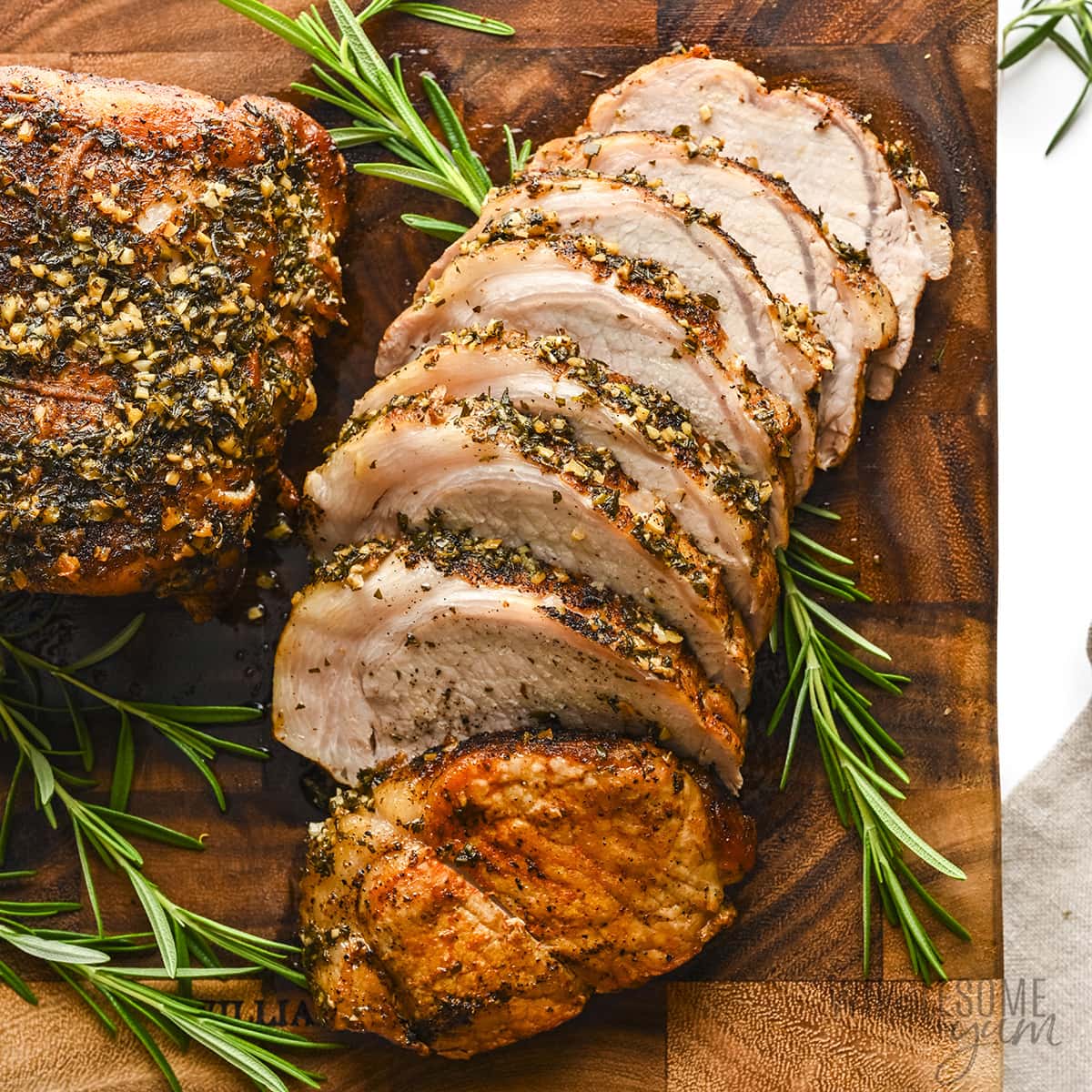
The Perfect Pork Loin Roast Recipe

Looking for a delicious and impressive dish to serve at your next gathering? A succulent pork loin roast is sure to be a crowd-pleaser. With the right seasoning and cooking technique, you can create a mouth-watering centrepiece that will have everyone coming back for seconds.

Ingredients:

  • 1 3-pound pork loin roast
  • 2 cloves of garlic, minced
  • 1 tablespoon of fresh rosemary, chopped
  • 1 tablespoon of fresh thyme, chopped
  • Salt and pepper to taste
  • Olive oil

Instructions:

  1. Preheat your oven to 180°C (350°F).
  2. In a small bowl, mix together the minced garlic, rosemary, thyme, salt, pepper, and a drizzle of olive oil to create a fragrant herb rub.
  3. Rub the herb mixture all over the pork loin roast, ensuring it is evenly coated.
  4. Place the seasoned pork loin roast in a roasting pan and roast in the preheated oven for about 1 hour or until the internal temperature reaches 63°C (145°F).
  5. Remove the pork loin roast from the oven and let it rest for 10-15 minutes before slicing.
  6. Serve your perfectly cooked pork loin roast with roasted vegetables or creamy mashed potatoes for a complete meal that will leave your guests impressed.

Whether you’re hosting a special dinner or simply craving a hearty meal, this pork loin roast recipe is guaranteed to satisfy your taste buds. Enjoy the tender meat infused with aromatic herbs and savour every bite of this culinary delight!

Bon appétit!


9 Reasons to Savour a Pork Loin Roast: A Delicious and Versatile Centrepiece

  1. Delicious and flavourful main dish
  2. Impressive centrepiece for gatherings
  3. Simple and easy to prepare
  4. Versatile – pairs well with various side dishes
  5. Tender and juicy meat when cooked correctly
  6. Aromatic herbs enhance the taste of the pork loin roast
  7. Suitable for special occasions or everyday meals
  8. Leftovers can be used in sandwiches or salads
  9. Cooking aroma fills the house with a mouth-watering scent


Considerations and Challenges of Cooking a Pork Loin Roast

  1. Pork loin roast can be prone to drying out if overcooked.
  2. Some individuals may prefer leaner cuts of meat, making pork loin roast less appealing.
  3. Preparing a pork loin roast requires careful seasoning and monitoring to ensure optimal flavour and tenderness.
  4. Cooking a large pork loin roast can take a significant amount of time, which may not be suitable for quick meals.
  5. People with dietary restrictions or preferences against pork may not find this recipe suitable.
  6. Leftover pork loin roast can sometimes lose its juiciness upon reheating.

Delicious and flavourful main dish

Indulge in the culinary delight of a perfectly cooked pork loin roast, a delicious and flavourful main dish that is sure to elevate any dining experience. The succulent meat, infused with aromatic herbs and seasonings, offers a symphony of tastes that will tantalise your taste buds with every bite. Whether served at a special gathering or enjoyed as a comforting meal at home, this pork loin roast recipe promises to impress with its rich flavours and tender texture, making it a standout choice for those seeking a memorable dining experience.

Impressive centrepiece for gatherings

When it comes to hosting gatherings, a pork loin roast recipe serves as an impressive centrepiece that never fails to captivate guests. The aroma of the seasoned pork loin roasting in the oven creates an inviting atmosphere, setting the stage for a memorable dining experience. As the perfectly cooked roast is brought to the table and elegantly carved, it becomes a focal point that draws admiration and anticipation from all attendees. With its tender texture, rich flavour, and visually appealing presentation, a pork loin roast truly elevates any gathering into a special occasion filled with culinary delight and shared enjoyment.

Simple and easy to prepare

Indulge in the culinary delight of a pork loin roast with the added benefit of its simplicity and ease of preparation. This recipe offers a straightforward approach, making it accessible even for novice cooks. With just a handful of ingredients and basic cooking techniques, you can effortlessly create a mouth-watering pork loin roast that is sure to impress your guests. Enjoy the convenience of a delicious meal without the hassle, and let the oven work its magic as you savour the delightful flavours of this classic dish.

Versatile – pairs well with various side dishes

When it comes to the pork loin roast recipe, one of its standout pros is its versatility. This delectable dish pairs exceptionally well with a wide range of side dishes, allowing you to customise your meal to suit any occasion or preference. Whether served alongside roasted vegetables for a wholesome touch, paired with creamy mashed potatoes for a comforting classic, or accompanied by a fresh salad for a lighter option, the pork loin roast effortlessly adapts to complement and enhance the flavours of diverse accompaniments. Its ability to harmonise with different sides makes it a go-to choice for creating a memorable and satisfying dining experience for all tastes.

Tender and juicy meat when cooked correctly

When prepared with precision and care, the pork loin roast recipe offers a delightful pro: tender and juicy meat that is a true delight for the senses. Through the right cooking techniques and seasoning, the pork loin roast transforms into a succulent dish that melts in your mouth with each savoured bite. The result is a culinary masterpiece that embodies perfection, promising a satisfying dining experience for all who indulge in its tender and juicy goodness.

Aromatic herbs enhance the taste of the pork loin roast

The use of aromatic herbs in this pork loin roast recipe significantly elevates the overall flavour profile of the dish. The blend of fresh rosemary, thyme, and garlic not only adds depth and complexity to the meat but also infuses it with a delightful fragrance that tantalises the senses. These herbs complement the natural richness of the pork loin, creating a harmonious marriage of flavours that is both comforting and satisfying. With each succulent bite, the herb-infused pork loin roast promises a culinary experience that is as aromatic as it is delicious.

Suitable for special occasions or everyday meals

Indulge in the versatility of the pork loin roast recipe, perfect for any occasion, whether it’s a festive celebration or a casual weekday dinner. This culinary masterpiece strikes the right balance between sophistication and simplicity, making it an ideal choice to impress guests at special gatherings or to elevate your everyday meals with its succulent flavours and tender texture. With minimal effort and maximum flavour, the pork loin roast recipe seamlessly transitions from a gourmet centerpiece to a comforting family favourite, ensuring that every bite is a delightful experience worth savouring.

Leftovers can be used in sandwiches or salads

Make the most of your pork loin roast leftovers by incorporating them into delicious sandwiches or refreshing salads. The tender and flavourful meat from the roast can add a savoury twist to your lunchtime favourites. Whether thinly sliced in a sandwich with some mustard or tossed into a vibrant salad for added protein, repurposing leftovers in this way ensures that every last bite of the delectable pork loin roast is enjoyed to the fullest.

Cooking aroma fills the house with a mouth-watering scent

The enticing aroma that fills the house while cooking a pork loin roast is truly irresistible. The mouth-watering scent of seasoned meat and herbs wafting through the air creates a warm and inviting atmosphere, heightening anticipation for the delicious meal to come. This sensory experience not only tantalizes the taste buds but also evokes feelings of comfort and satisfaction, making the act of cooking a pork loin roast a delightful sensory journey for both the chef and those eagerly awaiting the feast.

Pork loin roast can be prone to drying out if overcooked.

When preparing a pork loin roast, it is essential to exercise caution as it can easily dry out if overcooked. The lean nature of pork loin makes it susceptible to becoming tough and less juicy when subjected to high temperatures for an extended period. To avoid this common pitfall, it is advisable to monitor the cooking time diligently and use a meat thermometer to ensure the pork loin reaches the ideal internal temperature without being overdone. By taking care not to overcook the pork loin roast, you can preserve its tenderness and succulence, resulting in a delectable dish that will impress your guests.

Some individuals may prefer leaner cuts of meat, making pork loin roast less appealing.

While a pork loin roast is a delicious and versatile dish, some individuals may find it less appealing due to their preference for leaner cuts of meat. Pork loin, though tender and flavourful, does have a slightly higher fat content compared to leaner cuts like pork tenderloin. For those seeking a leaner option, alternatives such as pork tenderloin or skinless chicken breast may better suit their dietary preferences. However, with the right cooking techniques and portion control, pork loin roast can still be enjoyed as an indulgent treat for special occasions or gatherings.

Preparing a pork loin roast requires careful seasoning and monitoring to ensure optimal flavour and tenderness.

Preparing a pork loin roast demands meticulous attention to seasoning and monitoring throughout the cooking process to achieve the desired level of flavour and tenderness. From selecting the right herbs and spices to coating the roast evenly, every step plays a crucial role in enhancing the taste and texture of the dish. Additionally, monitoring the cooking time and internal temperature is essential to prevent overcooking, ensuring that the pork loin remains juicy and succulent. By dedicating time and effort to these details, one can elevate a simple pork loin roast into a culinary masterpiece that delights the senses with each bite.

Cooking a large pork loin roast can take a significant amount of time, which may not be suitable for quick meals.

When considering the preparation of a large pork loin roast, it is important to acknowledge that the cooking process can be time-consuming, making it less ideal for those seeking quick meal options. The lengthy cooking time required to ensure the roast is tender and perfectly cooked may not align with busy schedules or last-minute dinner plans. However, for those willing to invest the time and effort, the end result of a succulent and flavourful pork loin roast is well worth the wait, offering a delicious reward for patience and culinary dedication.

People with dietary restrictions or preferences against pork may not find this recipe suitable.

For individuals with dietary restrictions or preferences that exclude pork from their meals, this pork loin roast recipe may not be suitable. While the succulent flavours and juicy textures of the pork loin roast can be enticing for many, those who do not consume pork for personal, cultural, or religious reasons may need to explore alternative recipes that align with their dietary choices. It is essential to respect and accommodate diverse dietary needs when planning meals to ensure inclusivity and enjoyment for all diners.

Leftover pork loin roast can sometimes lose its juiciness upon reheating.

When it comes to the delectable pork loin roast, one potential downside to keep in mind is that leftover portions may lose some of their juiciness when reheated. While the initial serving is bursting with succulent flavours and moist texture, reheating can sometimes result in a drier consistency. To combat this, consider adding a splash of broth or gravy when reheating the pork loin roast to help retain its moisture and enhance its overall taste. Additionally, slicing the meat thinly before reheating can also aid in preserving its juiciness. With a few simple tricks, you can still enjoy the deliciousness of leftover pork loin roast without compromising on its tenderness.

Delectable Chicken Breast Recipes for a Memorable Dinner Feast

chicken breast recipes for dinner

Delicious Chicken Breast Recipes for Dinner

Chicken breast is a versatile and lean protein that can be transformed into a variety of mouth-watering dishes for dinner. Whether you prefer grilled, baked, or sautéed chicken, there’s a recipe out there to suit your taste buds. Here are three delectable chicken breast recipes to inspire your next dinner:

Lemon Herb Grilled Chicken Breast

Marinate chicken breasts in a mixture of lemon juice, olive oil, garlic, and fresh herbs such as rosemary and thyme. Grill the chicken until perfectly charred and juicy. Serve with a side of roasted vegetables for a wholesome meal.

Creamy Parmesan Baked Chicken Breast

Dip seasoned chicken breasts in a creamy mixture of parmesan cheese, mayonnaise, and breadcrumbs. Bake in the oven until the chicken is cooked through and the topping is golden brown. Pair with a green salad or pasta for a comforting dinner.

Spicy Honey Garlic Sautéed Chicken Breast

Sauté chicken breasts in a hot pan with a spicy honey garlic sauce made from soy sauce, honey, garlic, and red pepper flakes. Cook until the sauce thickens and coats the chicken beautifully. Serve over steamed rice or quinoa for an explosion of flavours.

These tantalising chicken breast recipes are sure to elevate your dinner game and impress your family or guests. Get creative in the kitchen and experiment with different seasonings and ingredients to customise these recipes to your liking.

Enjoy the deliciousness of perfectly cooked chicken breasts with these simple yet flavourful recipes!


Essential FAQs on Preparing Chicken Breast for Dinner: Tips, Substitutions, and Techniques

  1. 1. How long should I marinate chicken breast before cooking?
  2. 2. What are some healthy cooking methods for chicken breast?
  3. 3. Can I substitute chicken breast with other cuts of chicken in recipes?
  4. 4. How do I know when chicken breast is cooked thoroughly?
  5. 5. Are there any low-carb recipes using chicken breast for dinner?
  6. 6. Can I freeze cooked chicken breasts for later use?
  7. 7. What are some popular seasoning blends for seasoning grilled or bakedchicken breasts?
  8. 8.Can I use a slow cooker to cookchickenbreastsfor dinnerrecipes?

1. How long should I marinate chicken breast before cooking?

When it comes to marinating chicken breast before cooking, the ideal marinating time can vary depending on the recipe and the flavours you want to infuse into the meat. In general, it is recommended to marinate chicken breast for at least 30 minutes to allow the marinade to penetrate the meat and enhance its taste. However, for more intense flavour profiles, you can marinate chicken breast for up to 24 hours in the refrigerator. Be cautious not to over-marinate, as acidic ingredients in the marinade can break down the proteins in the chicken if left for too long. Experiment with different marinating times to find what works best for your desired taste preferences when preparing delicious chicken breast recipes for dinner.

2. What are some healthy cooking methods for chicken breast?

When it comes to preparing chicken breast in a healthy way for dinner, there are several cooking methods to consider. Grilling or baking chicken breast without excessive oil helps retain its natural flavours while keeping the dish low in added fats. Poaching chicken breast in broth or water is another healthy option that ensures the meat stays moist and tender without the need for additional oils. Additionally, opting for methods like steaming or stir-frying with minimal oil and plenty of vegetables can create a nutritious and balanced meal. These healthier cooking techniques for chicken breast allow you to enjoy a delicious dinner without compromising on taste or nutrition.

3. Can I substitute chicken breast with other cuts of chicken in recipes?

When it comes to substituting chicken breast with other cuts of chicken in recipes, it is indeed possible, but it may alter the texture and flavour of the dish. Chicken thighs, for example, are juicier and more flavourful than chicken breast, making them a suitable substitute in recipes where a richer taste is desired. Drumsticks or wings can also be used in place of chicken breast, but cooking times may vary. It’s essential to consider the characteristics of the alternative cut of chicken and adjust cooking methods accordingly to ensure a delicious outcome.

4. How do I know when chicken breast is cooked thoroughly?

When determining if chicken breast is cooked thoroughly, it is essential to rely on a reliable method to ensure both safety and optimal taste. The most accurate way to check for doneness is by using a meat thermometer. Insert the thermometer into the thickest part of the chicken breast, ensuring it does not touch any bone. The internal temperature should reach at least 75°C (165°F) for the chicken to be fully cooked and safe to eat. Additionally, cutting into the thickest part of the chicken breast and checking that the juices run clear without any pinkness is another visual indicator of doneness. By following these guidelines, you can confidently prepare delicious and perfectly cooked chicken breast dishes for a satisfying dinner.

5. Are there any low-carb recipes using chicken breast for dinner?

For those seeking low-carb options for dinner, there are plenty of delicious recipes using chicken breast that fit the bill. From grilled chicken with a side of steamed vegetables to chicken Caesar salad without croutons, the possibilities are endless. You can also try making chicken breast stuffed with spinach and feta cheese or enjoy a creamy chicken Alfredo with zucchini noodles instead of pasta. These low-carb chicken breast recipes not only cater to your dietary needs but also satisfy your taste buds with their delightful flavours and textures.

6. Can I freeze cooked chicken breasts for later use?

When it comes to the question of whether you can freeze cooked chicken breasts for later use, the answer is a resounding yes. Freezing cooked chicken breasts is a convenient way to extend their shelf life and have a quick protein option on hand for future meals. Make sure to cool the cooked chicken breasts completely before transferring them to an airtight container or freezer bag. Properly stored in the freezer, cooked chicken breasts can last for up to three months without compromising their taste or texture. Simply thaw them in the refrigerator overnight before reheating and incorporating them into your favourite chicken breast recipes for dinner.

When it comes to seasoning grilled or baked chicken breasts, there are several popular blends that can elevate the flavour profile of the dish. Some commonly used seasoning blends include a classic mix of garlic powder, onion powder, paprika, salt, and pepper for a well-rounded taste. Alternatively, you can opt for a zesty combination of lemon pepper, oregano, and thyme for a refreshing and aromatic twist. For those craving a bit of heat, a blend of cayenne pepper, chili powder, and cumin can add a spicy kick to your chicken breasts. Experimenting with different seasoning blends is key to discovering your favourite flavour profile when preparing grilled or baked chicken breasts for a delicious dinner.

8.Can I use a slow cooker to cookchickenbreastsfor dinnerrecipes?

Using a slow cooker to cook chicken breasts for dinner recipes is a convenient and popular method for many home cooks. Slow cooking chicken breasts in a crockpot can result in tender, juicy meat that easily shreds or slices for various dishes. By adding seasonings, vegetables, and liquids to the slow cooker along with the chicken breasts, you can create flavourful and effortless meals. The slow cooker allows the chicken to cook slowly over several hours, infusing it with delicious flavours and ensuring a moist texture. Whether you’re preparing a creamy chicken stew or flavourful shredded chicken tacos, using a slow cooker can simplify your dinner preparation while delivering tasty results.

Savoury Delights: Exploring Mouth-Watering Beef Recipes

beef recipes

The Ultimate Guide to Delicious Beef Recipes

Beef is a versatile and flavourful meat that can be transformed into a wide array of mouth-watering dishes. Whether you prefer hearty stews, succulent roasts, or sizzling stir-fries, there’s a beef recipe out there to satisfy every craving. Here are some delectable beef recipes to inspire your next culinary adventure:

Classic Beef Wellington

Indulge in the luxurious flavours of a classic Beef Wellington. Tender beef fillet coated with mushroom duxelles and encased in buttery puff pastry – this elegant dish is sure to impress at any dinner party.

Slow-Cooked Beef Stew

Warm up on a chilly evening with a comforting bowl of slow-cooked beef stew. Packed with tender chunks of beef, root vegetables, and aromatic herbs, this hearty dish is the epitome of comfort food.

Spicy Beef Stir-Fry

Add some heat to your dinner table with a fiery beef stir-fry. Sliced beef cooked quickly with vibrant vegetables and zesty sauces results in a dish that is both satisfying and full of flavour.

Beef Burger with Caramelised Onions

Elevate your burger game with a juicy beef patty topped with sweet caramelised onions. Whether grilled on the barbecue or cooked indoors, this classic favourite never fails to please.

Roast Beef with Red Wine Jus

Celebrate a special occasion with a succulent roast beef drizzled in rich red wine jus. Pair this show-stopping dish with roasted potatoes and seasonal vegetables for a meal that is both elegant and delicious.

With these tantalising beef recipes at your fingertips, you’re ready to embark on a culinary journey filled with bold flavours and satisfying meals. So fire up your stove, sharpen your knives, and let the magic of beef transform your dining experience.


Top Tips for Cooking Beef: Your Questions Answered

  1. 1. How can I make my beef stew more flavourful?
  2. 2. What is the best cut of beef for a roast dinner?
  3. 3. How long should I marinate beef before cooking?
  4. 4. Can I substitute ground beef for other types of meat in recipes?
  5. 5. What are some popular seasonings and spices to use when cooking beef?
  6. 6. How do I know when my steak is cooked to the desired level of doneness?
  7. 7. Are there any healthy alternatives to frying beef for recipes?

1. How can I make my beef stew more flavourful?

To enhance the flavour of your beef stew, consider incorporating a variety of aromatic herbs and spices such as thyme, rosemary, bay leaves, and paprika. Additionally, adding depth to the stew with ingredients like red wine, Worcestershire sauce, or soy sauce can elevate its taste profile. For a richer and more complex flavour, try browning the beef before adding it to the stew and deglazing the pan with broth or wine to capture all those delicious caramelised bits. Finally, allowing the stew to simmer low and slow for an extended period will help meld all the flavours together for a truly delicious and flavourful dish.

2. What is the best cut of beef for a roast dinner?

When it comes to preparing a roast dinner, choosing the best cut of beef is crucial for achieving a tender and flavoursome result. One of the most popular choices for a roast dinner is the sirloin or ribeye cut. These cuts are well-marbled with fat, which helps keep the meat juicy and adds richness to the flavour. Another excellent option is the tenderloin, known for its melt-in-your-mouth texture and mild taste. Ultimately, the best cut of beef for a roast dinner depends on personal preference, desired level of tenderness, and budget considerations.

3. How long should I marinate beef before cooking?

Marinating beef before cooking is a popular technique to enhance its flavour and tenderness. The ideal marinating time for beef can vary depending on the cut and thickness of the meat, as well as the type of marinade used. In general, it is recommended to marinate beef for at least 30 minutes to allow the flavours to penetrate the meat. However, for tougher cuts like flank steak or brisket, marinating for several hours or even overnight can help break down the muscle fibers and result in a more tender texture. It’s important not to over-marinate beef, as prolonged exposure to acidic marinades can toughen the meat. Experimenting with different marinating times and ingredients can help you discover your preferred method for achieving deliciously seasoned beef dishes.

4. Can I substitute ground beef for other types of meat in recipes?

When it comes to substituting ground beef for other types of meat in recipes, the answer is yes, but with some considerations. Ground beef is a versatile ingredient that can often be swapped with ground turkey, chicken, pork, or even plant-based alternatives like tofu or lentils. However, keep in mind that different meats have varying fat content and flavours, which can affect the overall taste and texture of the dish. It’s essential to adjust seasonings and cooking times accordingly to ensure that your substituted meat complements the recipe harmoniously. Experimenting with different meat substitutions can lead to exciting culinary discoveries and cater to various dietary preferences or restrictions.

When it comes to enhancing the flavour of beef dishes, there are several popular seasonings and spices that can elevate the taste profile. Common choices include garlic powder, onion powder, paprika, cumin, and chilli powder for adding depth and warmth to beef recipes. Additionally, herbs like rosemary, thyme, and parsley can bring a fresh and aromatic element to dishes such as roasts or stews. Soy sauce, Worcestershire sauce, and balsamic vinegar are also popular choices for adding umami richness and complexity to beef marinades or sauces. Experimenting with a combination of these seasonings and spices can help create deliciously seasoned beef dishes that tantalise the taste buds.

6. How do I know when my steak is cooked to the desired level of doneness?

Determining the desired level of doneness for your steak is a crucial aspect of cooking the perfect piece of beef. To gauge the doneness of your steak, you can use various methods. One common technique is to rely on touch – pressing the steak and comparing its firmness to different parts of your hand (for example, touching your thumb to your index finger for rare doneness). Alternatively, you can use a meat thermometer to measure the internal temperature of the steak; typically, 50°C for rare, 60°C for medium-rare, 70°C for medium, and 75°C for well-done. By mastering these methods, you can ensure that your steak is cooked exactly how you like it – whether rare and juicy or well-done and tender.

7. Are there any healthy alternatives to frying beef for recipes?

When it comes to preparing beef for recipes, there are indeed healthy alternatives to frying that can help you achieve delicious results without compromising on nutrition. Grilling, baking, or broiling beef are excellent options that require minimal added fats while retaining the meat’s natural flavours. Marinating beef in herbs, spices, and citrus juices before cooking can also enhance its taste without the need for excessive oil or butter. By exploring these healthier cooking methods, you can enjoy flavourful beef dishes that are both satisfying and nutritious.