Hearty Oxtail Recipe: A Delicious Dish to Savour
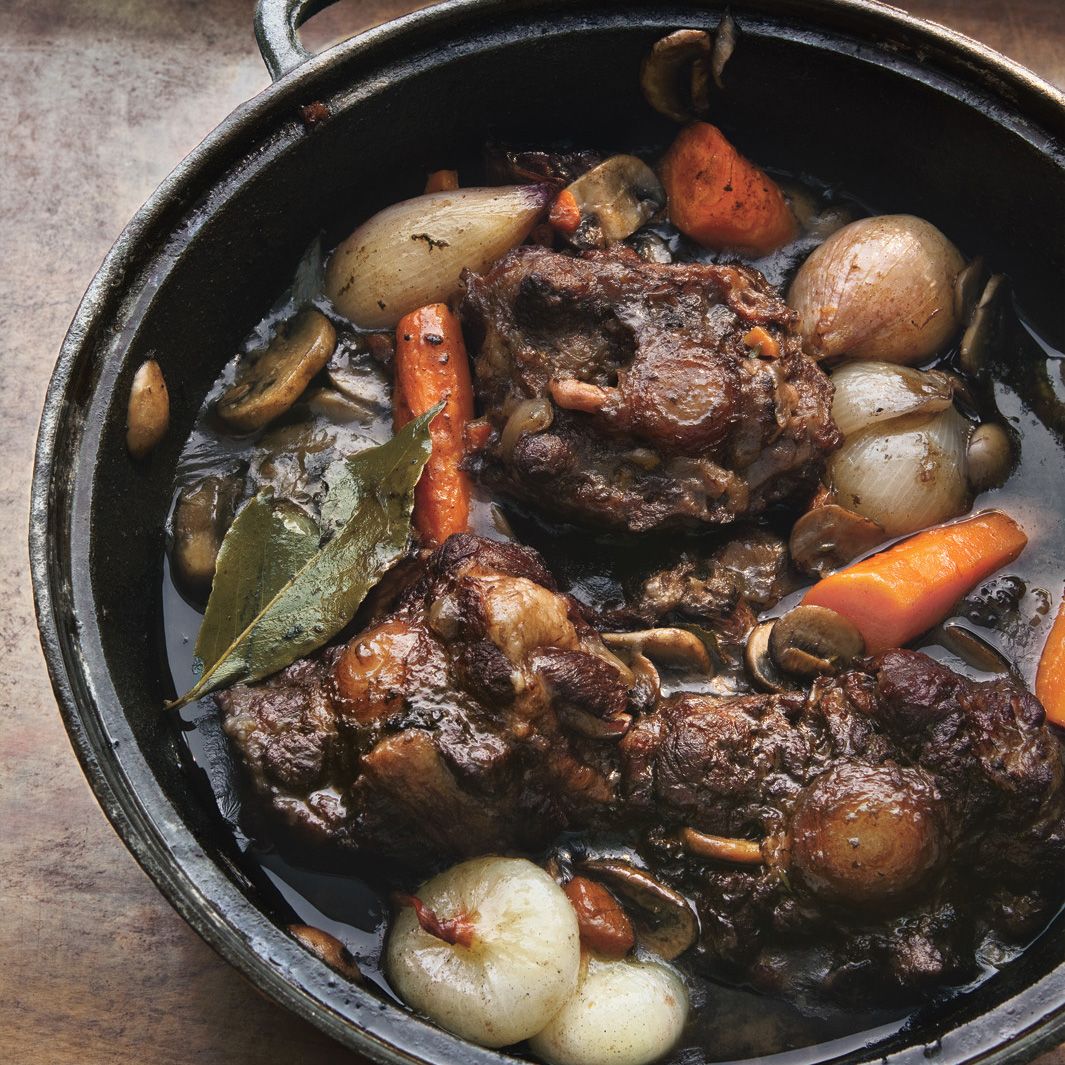
oxtail recipe

The Perfect Oxtail Recipe: A Hearty and Delicious Dish

Oxtail is a cut of beef that is known for its rich, flavourful meat. When cooked properly, oxtail becomes tender and succulent, making it a popular choice for hearty stews and braised dishes. Here, we present a delicious oxtail recipe that will surely impress your family and friends.

Ingredients:

  • 2 kg oxtail pieces
  • 2 onions, chopped
  • 3 carrots, sliced
  • 3 celery sticks, chopped
  • 4 cloves of garlic, minced
  • 2 bay leaves
  • 1 sprig of thyme
  • 500ml beef stock
  • 400g chopped tomatoes
  • Salt and pepper to taste
  • Olive oil for cooking

Instructions:

  1. Season the oxtail pieces with salt and pepper.
  2. In a large pot, heat some olive oil over medium-high heat. Brown the oxtail pieces on all sides until they are nicely seared. Remove the oxtail from the pot and set aside.
  3. In the same pot, add the onions, carrots, celery, and garlic. Cook until the vegetables are softened.
  4. Return the oxtail to the pot and add the bay leaves, thyme, beef stock, and chopped tomatoes. Bring to a simmer.


  5. Cover the pot with a lid and let it simmer gently for about 3-4 hours or until the oxtail is tender.


  6. Taste and adjust seasoning with salt and pepper as needed.


  7. Serve the oxtail hot with your choice of side dishes such as mashed potatoes or crusty bread.


This oxtail recipe is perfect for a cosy night in or a special occasion. The slow cooking process allows the flavours to develop beautifully, resulting in a dish that is both comforting and impressive. Try this recipe today and savour the deliciousness of tender oxtail stew!


Top 6 FAQs About Cooking and Enjoying Oxtail

  1. Why does my stomach hurt after eating oxtail?
  2. How to make simple oxtail stew?
  3. What do you soak oxtails in before cooking?
  4. How does it take to cook oxtail?
  5. What’s the best way to cook an oxtail?
  6. What kind of meat is oxtail?

Why does my stomach hurt after eating oxtail?

If you experience stomach discomfort after eating oxtail, it may be due to the richness and fattiness of the meat. Oxtail is a cut known for its high fat content, which can be heavy on the digestive system for some individuals. To reduce the likelihood of stomach issues, it is advisable to consume oxtail in moderation and pair it with lighter side dishes that can help balance out the richness of the meat. Additionally, ensuring that the oxtail is cooked thoroughly and properly may also aid in easier digestion. If stomach discomfort persists, it is recommended to consult a healthcare professional for personalised advice and guidance.

How to make simple oxtail stew?

For those seeking a straightforward and delicious oxtail dish, making a simple oxtail stew is the perfect choice. To create this hearty stew, start by browning seasoned oxtail pieces in a pot. Then, sauté onions, carrots, celery, and garlic until softened before adding the oxtail back to the pot along with bay leaves, thyme, beef stock, and chopped tomatoes. Let the stew simmer gently for a few hours until the oxtail becomes tender and flavourful. Adjust seasoning to taste and serve hot with your preferred accompaniments for a comforting meal that is sure to satisfy.

What do you soak oxtails in before cooking?

Before cooking oxtails, it is common practice to soak them in cold water for at least 1-2 hours. This soaking process helps to remove any excess blood or impurities from the meat, resulting in a cleaner and clearer broth or sauce when cooking. Some people also add a splash of vinegar or lemon juice to the soaking water to further aid in the cleansing process. By taking the time to soak oxtails before cooking, you can ensure that your final dish is not only delicious but also free from any unwanted flavors or textures.

How does it take to cook oxtail?

Cooking oxtail requires patience and time to achieve the desired tenderness and flavour. Typically, oxtail needs to be cooked slowly over a low heat for an extended period to allow the tough meat to become tender and succulent. On average, oxtail can take around 3-4 hours of simmering to reach the perfect consistency. This slow cooking process allows the meat to absorb the flavours of the seasonings and ingredients in the dish, resulting in a rich and delicious final product that is well worth the wait.

What’s the best way to cook an oxtail?

When it comes to cooking oxtail, the best way to achieve tender, flavourful meat is through slow braising or stewing. This method allows the tough connective tissues in the oxtail to break down slowly, resulting in a melt-in-your-mouth texture and rich taste. By searing the oxtail first to enhance its flavour and then simmering it with aromatic vegetables, herbs, and liquids over low heat for several hours, you can create a delicious dish that showcases the unique qualities of this cut of beef. Patience is key when cooking oxtail, as allowing it to cook slowly and gently will yield the best results in terms of both texture and taste.

What kind of meat is oxtail?

Oxtail is a flavoursome and gelatin-rich meat that comes from the tail of cattle. Despite its name, oxtail does not necessarily come from oxen but can be sourced from various types of beef cattle. The meat is prized for its rich flavour and tender texture when cooked slowly, making it a popular choice for hearty stews and braised dishes. Oxtail is often used in traditional recipes around the world, adding depth and complexity to dishes with its unique taste and succulent quality.

Savour the Flavours of Louisiana with this Classic Gumbo Recipe

gumbo recipe

The Perfect Gumbo Recipe: A Taste of Louisiana

Gumbo is a traditional dish that hails from the heart of Louisiana, known for its rich flavors and comforting warmth. This iconic Creole and Cajun dish is a delightful blend of African, French, Spanish, and Native American influences, creating a culinary masterpiece that has stood the test of time.

Ingredients:

  • 1/2 cup vegetable oil
  • 1/2 cup all-purpose flour
  • 1 onion, diced
  • 1 green bell pepper, diced
  • 3 celery stalks, diced
  • 3 cloves garlic, minced
  • 1 pound andouille sausage, sliced
  • 1 pound chicken thighs, cut into chunks
  • 4 cups chicken broth
  • 1 can diced tomatoes
  • 2 bay leaves
  • 1 teaspoon thyme
  • Salt and pepper to taste

Instructions:

    Roux:

    In a large pot, heat vegetable oil over medium heat. Slowly whisk in flour to create a roux. Stir continuously until the roux turns a deep brown colour.

    Gumbo:

    Add onions, bell pepper, celery, and garlic to the roux. Cook until vegetables are soft.

    Add andouille sausage and chicken to the pot. Cook until meat is browned.

    Pour in chicken broth and diced tomatoes. Add bay leaves, thyme, salt, and pepper. Bring to a boil then reduce heat and simmer for 1-2 hours.

    Serve hot over rice or with crusty bread for an authentic taste of Louisiana!

This gumbo recipe captures the essence of Louisiana cuisine with its bold flavours and soul-warming goodness. Whether enjoyed on a chilly evening or shared with loved ones at a festive gathering, gumbo never fails to delight the senses and warm the heart.

Bon appétit!

*Recipe serves 6-8 people*


Six Essential Tips for Perfecting Your Gumbo Recipe

  1. Use a dark roux for a rich flavour.
  2. Include the ‘holy trinity’ of onions, celery, and bell peppers for authentic taste.
  3. Add okra for thickness and a unique flavour.
  4. Season generously with herbs and spices like thyme, oregano, and paprika.
  5. Choose quality sausage or seafood to enhance the dish.
  6. Simmer the gumbo slowly to allow the flavours to develop fully.

Use a dark roux for a rich flavour.

To enhance the depth of flavour in your gumbo, it is recommended to use a dark roux. The process of slowly cooking the flour and oil mixture until it reaches a deep brown colour not only adds a rich, nutty taste to the dish but also contributes to its characteristic complexity. A dark roux serves as the flavourful foundation of gumbo, infusing every spoonful with a deep, satisfying essence that truly embodies the soul of Louisiana cuisine.

Include the ‘holy trinity’ of onions, celery, and bell peppers for authentic taste.

To achieve an authentic taste in your gumbo recipe, it is essential to incorporate the ‘holy trinity’ of onions, celery, and bell peppers. This classic combination forms the flavourful base of many Creole and Cajun dishes, infusing your gumbo with a depth of taste that is unmistakably Louisiana. The harmonious blend of these aromatic vegetables adds complexity and richness to the dish, elevating it to a level of true culinary excellence that captures the essence of traditional Southern cooking.

Add okra for thickness and a unique flavour.

For an extra touch of authenticity and flavour in your gumbo recipe, consider adding okra. Not only does okra contribute to the thickness of the dish, but it also brings a unique taste that enhances the overall complexity of flavours. In traditional Louisiana cooking, okra is a staple ingredient known for its ability to enrich stews and soups with a subtle earthy sweetness. Give your gumbo a delicious twist by incorporating okra into the mix, elevating it to a whole new level of culinary delight.

Season generously with herbs and spices like thyme, oregano, and paprika.

To enhance the depth of flavour in your gumbo, it is essential to season generously with a blend of aromatic herbs and spices such as thyme, oregano, and paprika. These ingredients not only add layers of complexity to the dish but also infuse it with a tantalising aroma that will entice your taste buds. The combination of thyme’s earthy notes, oregano’s herbaceous freshness, and paprika’s smoky richness creates a harmonious balance that elevates the overall taste profile of your gumbo, ensuring a culinary experience that is truly unforgettable.

Choose quality sausage or seafood to enhance the dish.

When preparing a gumbo recipe, selecting high-quality sausage or seafood can significantly elevate the flavour profile of the dish. The choice of premium ingredients such as andouille sausage or fresh seafood not only adds depth and richness to the gumbo but also enhances its overall taste experience. By opting for top-notch sausage or seafood, you can ensure that each bite is bursting with deliciousness, making your gumbo a standout culinary delight that will be savoured and enjoyed by all who partake in this classic Louisiana dish.

Simmer the gumbo slowly to allow the flavours to develop fully.

To enhance the depth and richness of your gumbo, it is essential to simmer the dish slowly, allowing the medley of flavours to meld and develop fully. By taking your time with the simmering process, each ingredient has the opportunity to release its essence and infuse the broth with a harmonious blend of tastes. This patient approach ensures that every spoonful of gumbo is bursting with layers of deliciousness, capturing the true essence of this beloved Louisiana dish.

Savoury Delights: Exploring Mouth-Watering Beef Recipes

beef recipes

The Ultimate Guide to Delicious Beef Recipes

Beef is a versatile and flavourful meat that can be transformed into a wide array of mouth-watering dishes. Whether you prefer hearty stews, succulent roasts, or sizzling stir-fries, there’s a beef recipe out there to satisfy every craving. Here are some delectable beef recipes to inspire your next culinary adventure:

Classic Beef Wellington

Indulge in the luxurious flavours of a classic Beef Wellington. Tender beef fillet coated with mushroom duxelles and encased in buttery puff pastry – this elegant dish is sure to impress at any dinner party.

Slow-Cooked Beef Stew

Warm up on a chilly evening with a comforting bowl of slow-cooked beef stew. Packed with tender chunks of beef, root vegetables, and aromatic herbs, this hearty dish is the epitome of comfort food.

Spicy Beef Stir-Fry

Add some heat to your dinner table with a fiery beef stir-fry. Sliced beef cooked quickly with vibrant vegetables and zesty sauces results in a dish that is both satisfying and full of flavour.

Beef Burger with Caramelised Onions

Elevate your burger game with a juicy beef patty topped with sweet caramelised onions. Whether grilled on the barbecue or cooked indoors, this classic favourite never fails to please.

Roast Beef with Red Wine Jus

Celebrate a special occasion with a succulent roast beef drizzled in rich red wine jus. Pair this show-stopping dish with roasted potatoes and seasonal vegetables for a meal that is both elegant and delicious.

With these tantalising beef recipes at your fingertips, you’re ready to embark on a culinary journey filled with bold flavours and satisfying meals. So fire up your stove, sharpen your knives, and let the magic of beef transform your dining experience.


Top Tips for Cooking Beef: Your Questions Answered

  1. 1. How can I make my beef stew more flavourful?
  2. 2. What is the best cut of beef for a roast dinner?
  3. 3. How long should I marinate beef before cooking?
  4. 4. Can I substitute ground beef for other types of meat in recipes?
  5. 5. What are some popular seasonings and spices to use when cooking beef?
  6. 6. How do I know when my steak is cooked to the desired level of doneness?
  7. 7. Are there any healthy alternatives to frying beef for recipes?

1. How can I make my beef stew more flavourful?

To enhance the flavour of your beef stew, consider incorporating a variety of aromatic herbs and spices such as thyme, rosemary, bay leaves, and paprika. Additionally, adding depth to the stew with ingredients like red wine, Worcestershire sauce, or soy sauce can elevate its taste profile. For a richer and more complex flavour, try browning the beef before adding it to the stew and deglazing the pan with broth or wine to capture all those delicious caramelised bits. Finally, allowing the stew to simmer low and slow for an extended period will help meld all the flavours together for a truly delicious and flavourful dish.

2. What is the best cut of beef for a roast dinner?

When it comes to preparing a roast dinner, choosing the best cut of beef is crucial for achieving a tender and flavoursome result. One of the most popular choices for a roast dinner is the sirloin or ribeye cut. These cuts are well-marbled with fat, which helps keep the meat juicy and adds richness to the flavour. Another excellent option is the tenderloin, known for its melt-in-your-mouth texture and mild taste. Ultimately, the best cut of beef for a roast dinner depends on personal preference, desired level of tenderness, and budget considerations.

3. How long should I marinate beef before cooking?

Marinating beef before cooking is a popular technique to enhance its flavour and tenderness. The ideal marinating time for beef can vary depending on the cut and thickness of the meat, as well as the type of marinade used. In general, it is recommended to marinate beef for at least 30 minutes to allow the flavours to penetrate the meat. However, for tougher cuts like flank steak or brisket, marinating for several hours or even overnight can help break down the muscle fibers and result in a more tender texture. It’s important not to over-marinate beef, as prolonged exposure to acidic marinades can toughen the meat. Experimenting with different marinating times and ingredients can help you discover your preferred method for achieving deliciously seasoned beef dishes.

4. Can I substitute ground beef for other types of meat in recipes?

When it comes to substituting ground beef for other types of meat in recipes, the answer is yes, but with some considerations. Ground beef is a versatile ingredient that can often be swapped with ground turkey, chicken, pork, or even plant-based alternatives like tofu or lentils. However, keep in mind that different meats have varying fat content and flavours, which can affect the overall taste and texture of the dish. It’s essential to adjust seasonings and cooking times accordingly to ensure that your substituted meat complements the recipe harmoniously. Experimenting with different meat substitutions can lead to exciting culinary discoveries and cater to various dietary preferences or restrictions.

When it comes to enhancing the flavour of beef dishes, there are several popular seasonings and spices that can elevate the taste profile. Common choices include garlic powder, onion powder, paprika, cumin, and chilli powder for adding depth and warmth to beef recipes. Additionally, herbs like rosemary, thyme, and parsley can bring a fresh and aromatic element to dishes such as roasts or stews. Soy sauce, Worcestershire sauce, and balsamic vinegar are also popular choices for adding umami richness and complexity to beef marinades or sauces. Experimenting with a combination of these seasonings and spices can help create deliciously seasoned beef dishes that tantalise the taste buds.

6. How do I know when my steak is cooked to the desired level of doneness?

Determining the desired level of doneness for your steak is a crucial aspect of cooking the perfect piece of beef. To gauge the doneness of your steak, you can use various methods. One common technique is to rely on touch – pressing the steak and comparing its firmness to different parts of your hand (for example, touching your thumb to your index finger for rare doneness). Alternatively, you can use a meat thermometer to measure the internal temperature of the steak; typically, 50°C for rare, 60°C for medium-rare, 70°C for medium, and 75°C for well-done. By mastering these methods, you can ensure that your steak is cooked exactly how you like it – whether rare and juicy or well-done and tender.

7. Are there any healthy alternatives to frying beef for recipes?

When it comes to preparing beef for recipes, there are indeed healthy alternatives to frying that can help you achieve delicious results without compromising on nutrition. Grilling, baking, or broiling beef are excellent options that require minimal added fats while retaining the meat’s natural flavours. Marinating beef in herbs, spices, and citrus juices before cooking can also enhance its taste without the need for excessive oil or butter. By exploring these healthier cooking methods, you can enjoy flavourful beef dishes that are both satisfying and nutritious.