Hearty Oxtail Recipe: A Delicious Dish to Savour

oxtail recipe

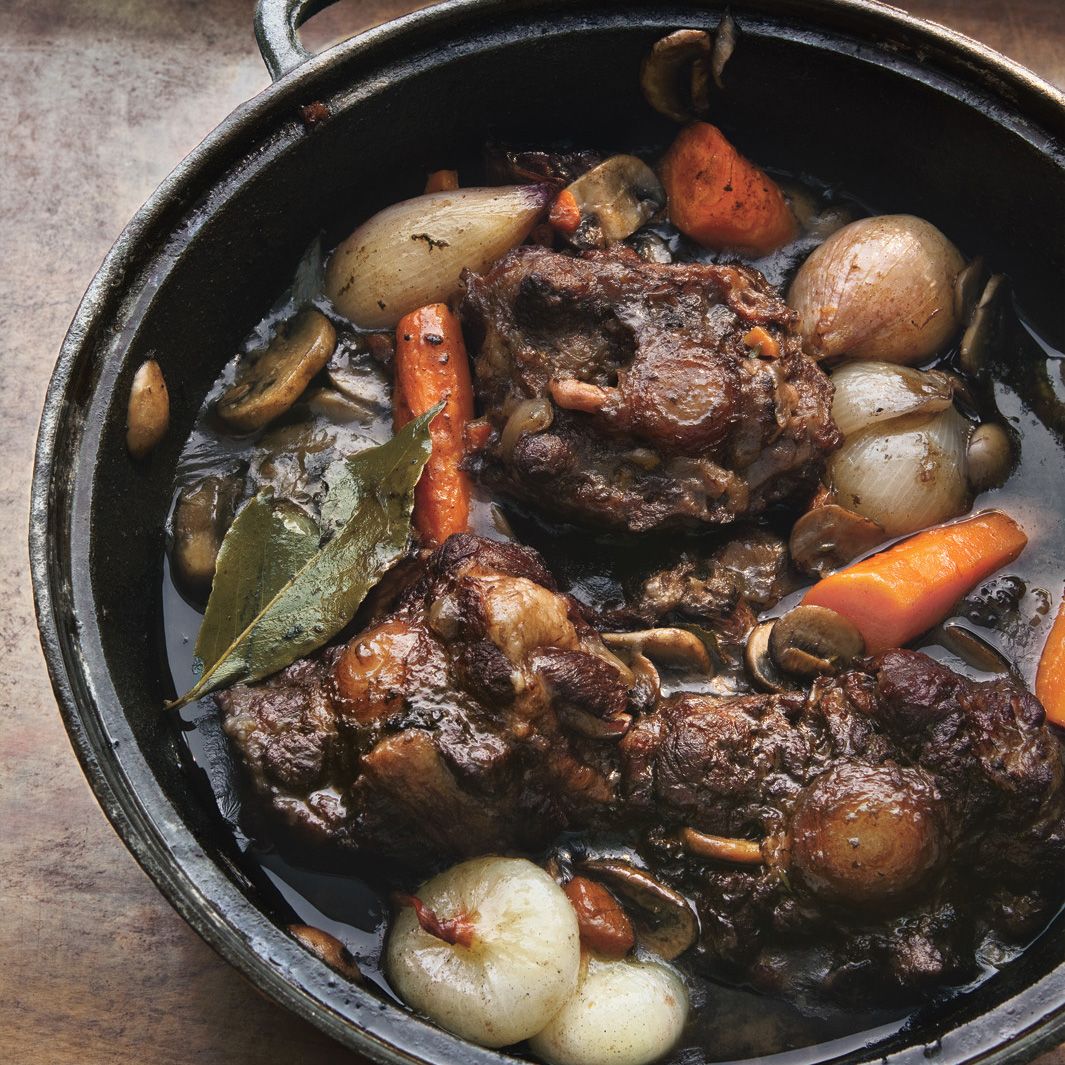
The Perfect Oxtail Recipe: A Hearty and Delicious Dish

Oxtail is a cut of beef that is known for its rich, flavourful meat. When cooked properly, oxtail becomes tender and succulent, making it a popular choice for hearty stews and braised dishes. Here, we present a delicious oxtail recipe that will surely impress your family and friends.

Ingredients:

  • 2 kg oxtail pieces
  • 2 onions, chopped
  • 3 carrots, sliced
  • 3 celery sticks, chopped
  • 4 cloves of garlic, minced
  • 2 bay leaves
  • 1 sprig of thyme
  • 500ml beef stock
  • 400g chopped tomatoes
  • Salt and pepper to taste
  • Olive oil for cooking

Instructions:

  1. Season the oxtail pieces with salt and pepper.
  2. In a large pot, heat some olive oil over medium-high heat. Brown the oxtail pieces on all sides until they are nicely seared. Remove the oxtail from the pot and set aside.
  3. In the same pot, add the onions, carrots, celery, and garlic. Cook until the vegetables are softened.
  4. Return the oxtail to the pot and add the bay leaves, thyme, beef stock, and chopped tomatoes. Bring to a simmer.


  5. Cover the pot with a lid and let it simmer gently for about 3-4 hours or until the oxtail is tender.


  6. Taste and adjust seasoning with salt and pepper as needed.


  7. Serve the oxtail hot with your choice of side dishes such as mashed potatoes or crusty bread.


This oxtail recipe is perfect for a cosy night in or a special occasion. The slow cooking process allows the flavours to develop beautifully, resulting in a dish that is both comforting and impressive. Try this recipe today and savour the deliciousness of tender oxtail stew!


Top 6 FAQs About Cooking and Enjoying Oxtail

  1. Why does my stomach hurt after eating oxtail?
  2. How to make simple oxtail stew?
  3. What do you soak oxtails in before cooking?
  4. How does it take to cook oxtail?
  5. What’s the best way to cook an oxtail?
  6. What kind of meat is oxtail?

Why does my stomach hurt after eating oxtail?

If you experience stomach discomfort after eating oxtail, it may be due to the richness and fattiness of the meat. Oxtail is a cut known for its high fat content, which can be heavy on the digestive system for some individuals. To reduce the likelihood of stomach issues, it is advisable to consume oxtail in moderation and pair it with lighter side dishes that can help balance out the richness of the meat. Additionally, ensuring that the oxtail is cooked thoroughly and properly may also aid in easier digestion. If stomach discomfort persists, it is recommended to consult a healthcare professional for personalised advice and guidance.

How to make simple oxtail stew?

For those seeking a straightforward and delicious oxtail dish, making a simple oxtail stew is the perfect choice. To create this hearty stew, start by browning seasoned oxtail pieces in a pot. Then, sauté onions, carrots, celery, and garlic until softened before adding the oxtail back to the pot along with bay leaves, thyme, beef stock, and chopped tomatoes. Let the stew simmer gently for a few hours until the oxtail becomes tender and flavourful. Adjust seasoning to taste and serve hot with your preferred accompaniments for a comforting meal that is sure to satisfy.

What do you soak oxtails in before cooking?

Before cooking oxtails, it is common practice to soak them in cold water for at least 1-2 hours. This soaking process helps to remove any excess blood or impurities from the meat, resulting in a cleaner and clearer broth or sauce when cooking. Some people also add a splash of vinegar or lemon juice to the soaking water to further aid in the cleansing process. By taking the time to soak oxtails before cooking, you can ensure that your final dish is not only delicious but also free from any unwanted flavors or textures.

How does it take to cook oxtail?

Cooking oxtail requires patience and time to achieve the desired tenderness and flavour. Typically, oxtail needs to be cooked slowly over a low heat for an extended period to allow the tough meat to become tender and succulent. On average, oxtail can take around 3-4 hours of simmering to reach the perfect consistency. This slow cooking process allows the meat to absorb the flavours of the seasonings and ingredients in the dish, resulting in a rich and delicious final product that is well worth the wait.

What’s the best way to cook an oxtail?

When it comes to cooking oxtail, the best way to achieve tender, flavourful meat is through slow braising or stewing. This method allows the tough connective tissues in the oxtail to break down slowly, resulting in a melt-in-your-mouth texture and rich taste. By searing the oxtail first to enhance its flavour and then simmering it with aromatic vegetables, herbs, and liquids over low heat for several hours, you can create a delicious dish that showcases the unique qualities of this cut of beef. Patience is key when cooking oxtail, as allowing it to cook slowly and gently will yield the best results in terms of both texture and taste.

What kind of meat is oxtail?

Oxtail is a flavoursome and gelatin-rich meat that comes from the tail of cattle. Despite its name, oxtail does not necessarily come from oxen but can be sourced from various types of beef cattle. The meat is prized for its rich flavour and tender texture when cooked slowly, making it a popular choice for hearty stews and braised dishes. Oxtail is often used in traditional recipes around the world, adding depth and complexity to dishes with its unique taste and succulent quality.

Savour the Flavour: A Delectable Brisket Recipe for Your Next Feast

brisket recipe

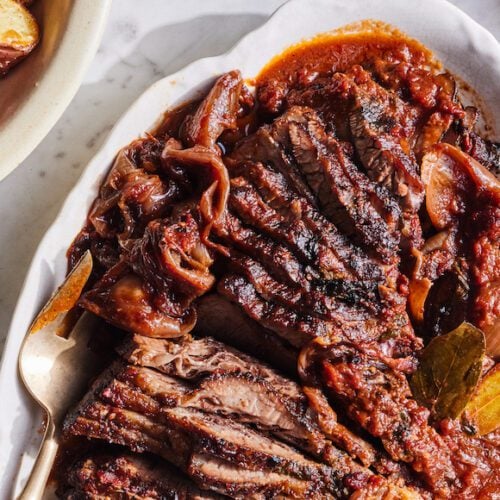
The Perfect Brisket Recipe for a Delicious Meal

Brisket is a classic dish that never fails to impress with its tender texture and rich flavour. Whether you’re hosting a family gathering or simply craving a hearty meal, this brisket recipe is sure to satisfy your taste buds.

Ingredients:

  • 1 4-5 pound beef brisket
  • 2 tablespoons olive oil
  • 1 onion, chopped
  • 4 cloves garlic, minced
  • 2 cups beef broth
  • 1 cup red wine
  • 2 tablespoons Worcestershire sauce
  • Salt and pepper to taste
  • Fresh herbs for garnish (optional)

Instructions:

  1. Preheat your oven to 160°C.
  2. In a large oven-safe pot or Dutch oven, heat the olive oil over medium-high heat. Sear the brisket on all sides until browned, then remove from the pot and set aside.
  3. Add the chopped onion and garlic to the pot and sauté until softened.
  4. Pour in the beef broth, red wine, and Worcestershire sauce. Season with salt and pepper.
  5. Add the seared brisket back into the pot. Cover with a lid or foil.
  6. lI>Bake in the preheated oven for about 3-4 hours, or until the brisket is fork-tender.lI

    lIemove from the oven and let it rest for 10-15 minutes before slicing.lI

    Serve the brisket slices with the cooking liquid spooned over them.lI

    Garnish with fresh herbs if desired.l

Enjoy this mouth-watering brisket recipe with your favourite sides for a memorable dining experience!l


Top 6 FAQs for Perfecting Your Brisket Recipe

  1. 1. How long does it take to cook brisket?
  2. 2. What is the best way to season brisket?
  3. 3. Can I cook brisket in a slow cooker?
  4. 4. Should I trim the fat off the brisket before cooking?
  5. 5. What temperature should I set my oven for cooking brisket?
  6. 6. How do I know when the brisket is done cooking?

1. How long does it take to cook brisket?

When cooking brisket, the duration can vary depending on the cooking method chosen. Typically, a beef brisket needs to be cooked low and slow to achieve that melt-in-your-mouth tenderness. On average, it can take around 3-4 hours in the oven at 160°C for a 4-5 pound brisket to become fork-tender. However, some recipes may call for longer cooking times if using a smoker or slow cooker. The key is to cook the brisket until it reaches the desired level of doneness and can easily be shredded or sliced for serving. Patience is essential when preparing this delectable dish to ensure a flavoursome outcome that will delight your taste buds.

2. What is the best way to season brisket?

When it comes to seasoning brisket, the best way is to keep it simple yet flavourful. A classic combination of salt, pepper, and garlic powder works wonders in enhancing the natural taste of the beef. You can also experiment with adding paprika, onion powder, or even a hint of cayenne for a kick of heat. The key is to generously coat the brisket with your chosen seasonings, ensuring that every inch is covered for a well-balanced flavour profile. Remember to let the brisket sit with the seasonings for some time before cooking to allow the flavours to penetrate the meat effectively.

3. Can I cook brisket in a slow cooker?

Cooking brisket in a slow cooker is a popular method that many home cooks swear by for achieving tender and flavourful results. The slow, low-temperature cooking process allows the brisket to become incredibly succulent and easy to shred. By placing the brisket in a slow cooker along with your choice of seasonings and liquids, you can let it simmer gently for hours until it reaches the desired level of tenderness. This convenient cooking technique is perfect for busy individuals who want to enjoy a delicious brisket meal without constant monitoring.

4. Should I trim the fat off the brisket before cooking?

When preparing a brisket recipe, the decision to trim the fat off the brisket before cooking is a matter of personal preference and cooking style. Some chefs believe that leaving a layer of fat on the brisket can enhance the flavour and juiciness of the meat during cooking, while others prefer to trim excess fat for a leaner end result. Ultimately, whether you choose to trim the fat or not depends on your desired level of tenderness and richness in the final dish. It’s recommended to consider your own taste preferences and cooking techniques when making this decision.

5. What temperature should I set my oven for cooking brisket?

When cooking brisket in the oven, it is recommended to set the temperature to around 160°C (320°F). This moderate heat allows the brisket to cook slowly and evenly, resulting in a tender and flavourful dish. By cooking the brisket at this temperature for several hours, you can achieve the perfect texture and ensure that the meat is cooked to perfection. Remember to cover the brisket while baking to retain moisture and enhance its succulence.

6. How do I know when the brisket is done cooking?

Knowing when a brisket is done cooking is crucial to achieving the perfect texture and flavour. A common indicator of doneness is the tenderness of the meat. You can test this by inserting a fork or meat thermometer into the thickest part of the brisket. If it easily slides in and out with little resistance, the brisket is likely done. Another method is to check for the internal temperature, which should reach around 93°C for a well-cooked brisket. Additionally, the meat should have a rich aroma and a caramelised exterior when fully cooked. By paying attention to these cues, you can ensure that your brisket is cooked to perfection every time.

Savouring Culinary Delights: Exploring Global Dishes

dishes

The Art of Dishes: Exploring Culinary Delights

Food has always been a central aspect of human culture, bringing people together and offering a glimpse into different traditions and lifestyles. One of the most fascinating elements of cuisine is the diversity of dishes found around the world, each with its unique flavours, ingredients, and preparation methods.

Exploring Global Flavours

From the spicy curries of India to the comforting pasta dishes of Italy, every corner of the world boasts a rich culinary heritage. Each dish tells a story, reflecting the history, geography, and cultural influences of its place of origin.

The Artistry of Cooking

Cooking is more than just combining ingredients; it is an art form that requires skill, creativity, and passion. Chefs around the world dedicate themselves to perfecting their craft, creating dishes that not only satisfy hunger but also tantalise the taste buds and ignite the senses.

Culinary Traditions

Many dishes have been passed down through generations, preserving age-old recipes and techniques that capture the essence of a particular culture. Whether it’s a hearty stew simmering on a stove or delicate pastries being lovingly crafted by hand, these traditions connect us to our roots and remind us of who we are.

The Joy of Sharing

Food has a unique ability to bring people together, fostering connections and creating memories that last a lifetime. Whether it’s a family gathering around a table or friends sharing a meal at a restaurant, the act of sharing dishes transcends language barriers and cultural differences.

Conclusion

As we journey through the world of cuisine, let us savour each dish with gratitude and appreciation for the artistry and passion that goes into its creation. Let us embrace the diversity of flavours that enrich our lives and celebrate the joy that comes from sharing food with others.


Top 5 Tips for Perfecting Your Culinary Creations

  1. Always season your dishes with salt and pepper to enhance the flavour.
  2. Use fresh herbs and spices to add depth and complexity to your dishes.
  3. Don’t overcrowd the pan when cooking, as it can prevent proper browning and cooking of ingredients.
  4. Taste as you cook and adjust seasoning accordingly to ensure a well-balanced dish.
  5. Follow recipes closely, especially when baking, as precise measurements are crucial for success.

Always season your dishes with salt and pepper to enhance the flavour.

Seasoning your dishes with salt and pepper is a fundamental tip in the culinary world, essential for enhancing the flavour profile of your creations. The judicious use of these simple yet powerful seasonings can elevate the taste of a dish, bringing out the natural flavours of the ingredients and adding depth and complexity to the overall experience. Whether sprinkled lightly for a subtle enhancement or used more generously for a bolder impact, salt and pepper are versatile tools that can transform a meal from ordinary to extraordinary with just a simple twist of the grinder.

Use fresh herbs and spices to add depth and complexity to your dishes.

Enhancing the flavours of your dishes is effortlessly achieved by incorporating fresh herbs and spices, which not only infuse depth but also introduce a delightful complexity to your culinary creations. The vibrant aromas and distinct tastes of these natural ingredients elevate the overall sensory experience, transforming a simple meal into a gastronomic delight that tantalises the palate. By embracing the use of fresh herbs and spices in your cooking, you unlock a world of possibilities that enriches your dishes with nuances and nuances that truly stand out.

Don’t overcrowd the pan when cooking, as it can prevent proper browning and cooking of ingredients.

When cooking, it is essential to avoid overcrowding the pan as it can hinder the proper browning and cooking of ingredients. By allowing enough space between items in the pan, heat can circulate evenly, ensuring that each piece cooks to perfection. Overcrowding can lead to steaming rather than browning, resulting in a loss of flavour and texture. To achieve optimal results and enhance the overall taste of your dishes, it is advisable to cook in batches or use a larger pan when preparing meals.

Taste as you cook and adjust seasoning accordingly to ensure a well-balanced dish.

When preparing a dish, it is essential to taste as you cook and make adjustments to the seasoning as needed. By sampling the flavours throughout the cooking process, you can ensure that the dish is well-balanced and perfectly seasoned. This practice allows you to fine-tune the saltiness, spiciness, sweetness, or acidity of the dish, resulting in a harmonious blend of flavours that will delight your taste buds. Remember, a well-seasoned dish can elevate the dining experience and showcase your culinary skills.

Follow recipes closely, especially when baking, as precise measurements are crucial for success.

When preparing dishes, particularly in the realm of baking, it is essential to follow recipes diligently. Precise measurements play a critical role in achieving successful outcomes. Each ingredient contributes to the overall texture, flavour, and structure of the dish, making accuracy paramount. By adhering closely to recipes, one can ensure that every element harmonizes perfectly, resulting in a delectable creation that delights both the palate and senses.

Savour the Flavours of Louisiana with this Classic Gumbo Recipe

gumbo recipe

The Perfect Gumbo Recipe: A Taste of Louisiana

Gumbo is a traditional dish that hails from the heart of Louisiana, known for its rich flavors and comforting warmth. This iconic Creole and Cajun dish is a delightful blend of African, French, Spanish, and Native American influences, creating a culinary masterpiece that has stood the test of time.

Ingredients:

  • 1/2 cup vegetable oil
  • 1/2 cup all-purpose flour
  • 1 onion, diced
  • 1 green bell pepper, diced
  • 3 celery stalks, diced
  • 3 cloves garlic, minced
  • 1 pound andouille sausage, sliced
  • 1 pound chicken thighs, cut into chunks
  • 4 cups chicken broth
  • 1 can diced tomatoes
  • 2 bay leaves
  • 1 teaspoon thyme
  • Salt and pepper to taste

Instructions:

    Roux:

    In a large pot, heat vegetable oil over medium heat. Slowly whisk in flour to create a roux. Stir continuously until the roux turns a deep brown colour.

    Gumbo:

    Add onions, bell pepper, celery, and garlic to the roux. Cook until vegetables are soft.

    Add andouille sausage and chicken to the pot. Cook until meat is browned.

    Pour in chicken broth and diced tomatoes. Add bay leaves, thyme, salt, and pepper. Bring to a boil then reduce heat and simmer for 1-2 hours.

    Serve hot over rice or with crusty bread for an authentic taste of Louisiana!

This gumbo recipe captures the essence of Louisiana cuisine with its bold flavours and soul-warming goodness. Whether enjoyed on a chilly evening or shared with loved ones at a festive gathering, gumbo never fails to delight the senses and warm the heart.

Bon appétit!

*Recipe serves 6-8 people*


Six Essential Tips for Perfecting Your Gumbo Recipe

  1. Use a dark roux for a rich flavour.
  2. Include the ‘holy trinity’ of onions, celery, and bell peppers for authentic taste.
  3. Add okra for thickness and a unique flavour.
  4. Season generously with herbs and spices like thyme, oregano, and paprika.
  5. Choose quality sausage or seafood to enhance the dish.
  6. Simmer the gumbo slowly to allow the flavours to develop fully.

Use a dark roux for a rich flavour.

To enhance the depth of flavour in your gumbo, it is recommended to use a dark roux. The process of slowly cooking the flour and oil mixture until it reaches a deep brown colour not only adds a rich, nutty taste to the dish but also contributes to its characteristic complexity. A dark roux serves as the flavourful foundation of gumbo, infusing every spoonful with a deep, satisfying essence that truly embodies the soul of Louisiana cuisine.

Include the ‘holy trinity’ of onions, celery, and bell peppers for authentic taste.

To achieve an authentic taste in your gumbo recipe, it is essential to incorporate the ‘holy trinity’ of onions, celery, and bell peppers. This classic combination forms the flavourful base of many Creole and Cajun dishes, infusing your gumbo with a depth of taste that is unmistakably Louisiana. The harmonious blend of these aromatic vegetables adds complexity and richness to the dish, elevating it to a level of true culinary excellence that captures the essence of traditional Southern cooking.

Add okra for thickness and a unique flavour.

For an extra touch of authenticity and flavour in your gumbo recipe, consider adding okra. Not only does okra contribute to the thickness of the dish, but it also brings a unique taste that enhances the overall complexity of flavours. In traditional Louisiana cooking, okra is a staple ingredient known for its ability to enrich stews and soups with a subtle earthy sweetness. Give your gumbo a delicious twist by incorporating okra into the mix, elevating it to a whole new level of culinary delight.

Season generously with herbs and spices like thyme, oregano, and paprika.

To enhance the depth of flavour in your gumbo, it is essential to season generously with a blend of aromatic herbs and spices such as thyme, oregano, and paprika. These ingredients not only add layers of complexity to the dish but also infuse it with a tantalising aroma that will entice your taste buds. The combination of thyme’s earthy notes, oregano’s herbaceous freshness, and paprika’s smoky richness creates a harmonious balance that elevates the overall taste profile of your gumbo, ensuring a culinary experience that is truly unforgettable.

Choose quality sausage or seafood to enhance the dish.

When preparing a gumbo recipe, selecting high-quality sausage or seafood can significantly elevate the flavour profile of the dish. The choice of premium ingredients such as andouille sausage or fresh seafood not only adds depth and richness to the gumbo but also enhances its overall taste experience. By opting for top-notch sausage or seafood, you can ensure that each bite is bursting with deliciousness, making your gumbo a standout culinary delight that will be savoured and enjoyed by all who partake in this classic Louisiana dish.

Simmer the gumbo slowly to allow the flavours to develop fully.

To enhance the depth and richness of your gumbo, it is essential to simmer the dish slowly, allowing the medley of flavours to meld and develop fully. By taking your time with the simmering process, each ingredient has the opportunity to release its essence and infuse the broth with a harmonious blend of tastes. This patient approach ensures that every spoonful of gumbo is bursting with layers of deliciousness, capturing the true essence of this beloved Louisiana dish.