Hearty Oxtail Recipe: A Delicious Dish to Savour

oxtail recipe

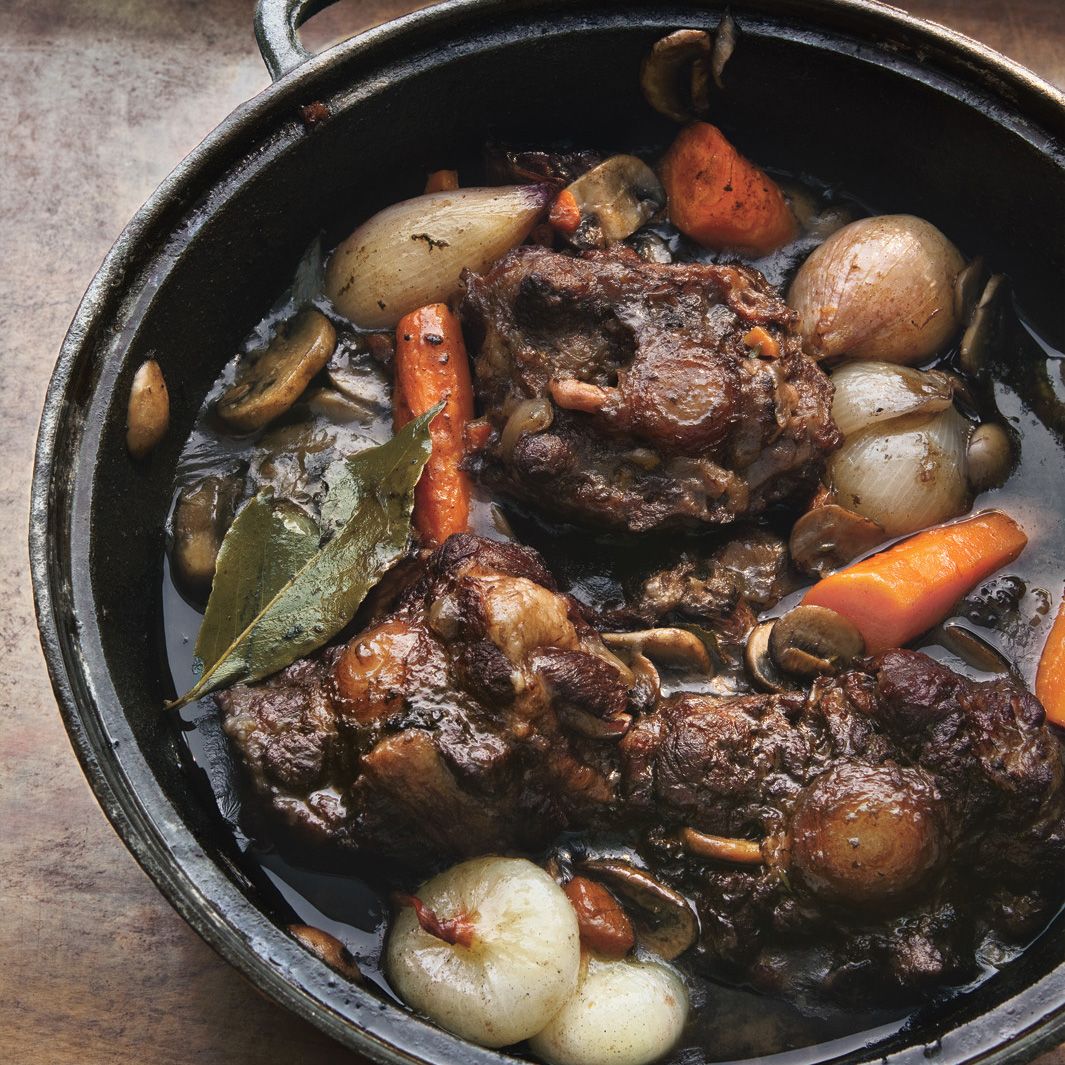
The Perfect Oxtail Recipe: A Hearty and Delicious Dish

Oxtail is a cut of beef that is known for its rich, flavourful meat. When cooked properly, oxtail becomes tender and succulent, making it a popular choice for hearty stews and braised dishes. Here, we present a delicious oxtail recipe that will surely impress your family and friends.

Ingredients:

  • 2 kg oxtail pieces
  • 2 onions, chopped
  • 3 carrots, sliced
  • 3 celery sticks, chopped
  • 4 cloves of garlic, minced
  • 2 bay leaves
  • 1 sprig of thyme
  • 500ml beef stock
  • 400g chopped tomatoes
  • Salt and pepper to taste
  • Olive oil for cooking

Instructions:

  1. Season the oxtail pieces with salt and pepper.
  2. In a large pot, heat some olive oil over medium-high heat. Brown the oxtail pieces on all sides until they are nicely seared. Remove the oxtail from the pot and set aside.
  3. In the same pot, add the onions, carrots, celery, and garlic. Cook until the vegetables are softened.
  4. Return the oxtail to the pot and add the bay leaves, thyme, beef stock, and chopped tomatoes. Bring to a simmer.


  5. Cover the pot with a lid and let it simmer gently for about 3-4 hours or until the oxtail is tender.


  6. Taste and adjust seasoning with salt and pepper as needed.


  7. Serve the oxtail hot with your choice of side dishes such as mashed potatoes or crusty bread.


This oxtail recipe is perfect for a cosy night in or a special occasion. The slow cooking process allows the flavours to develop beautifully, resulting in a dish that is both comforting and impressive. Try this recipe today and savour the deliciousness of tender oxtail stew!


Top 6 FAQs About Cooking and Enjoying Oxtail

  1. Why does my stomach hurt after eating oxtail?
  2. How to make simple oxtail stew?
  3. What do you soak oxtails in before cooking?
  4. How does it take to cook oxtail?
  5. What’s the best way to cook an oxtail?
  6. What kind of meat is oxtail?

Why does my stomach hurt after eating oxtail?

If you experience stomach discomfort after eating oxtail, it may be due to the richness and fattiness of the meat. Oxtail is a cut known for its high fat content, which can be heavy on the digestive system for some individuals. To reduce the likelihood of stomach issues, it is advisable to consume oxtail in moderation and pair it with lighter side dishes that can help balance out the richness of the meat. Additionally, ensuring that the oxtail is cooked thoroughly and properly may also aid in easier digestion. If stomach discomfort persists, it is recommended to consult a healthcare professional for personalised advice and guidance.

How to make simple oxtail stew?

For those seeking a straightforward and delicious oxtail dish, making a simple oxtail stew is the perfect choice. To create this hearty stew, start by browning seasoned oxtail pieces in a pot. Then, sauté onions, carrots, celery, and garlic until softened before adding the oxtail back to the pot along with bay leaves, thyme, beef stock, and chopped tomatoes. Let the stew simmer gently for a few hours until the oxtail becomes tender and flavourful. Adjust seasoning to taste and serve hot with your preferred accompaniments for a comforting meal that is sure to satisfy.

What do you soak oxtails in before cooking?

Before cooking oxtails, it is common practice to soak them in cold water for at least 1-2 hours. This soaking process helps to remove any excess blood or impurities from the meat, resulting in a cleaner and clearer broth or sauce when cooking. Some people also add a splash of vinegar or lemon juice to the soaking water to further aid in the cleansing process. By taking the time to soak oxtails before cooking, you can ensure that your final dish is not only delicious but also free from any unwanted flavors or textures.

How does it take to cook oxtail?

Cooking oxtail requires patience and time to achieve the desired tenderness and flavour. Typically, oxtail needs to be cooked slowly over a low heat for an extended period to allow the tough meat to become tender and succulent. On average, oxtail can take around 3-4 hours of simmering to reach the perfect consistency. This slow cooking process allows the meat to absorb the flavours of the seasonings and ingredients in the dish, resulting in a rich and delicious final product that is well worth the wait.

What’s the best way to cook an oxtail?

When it comes to cooking oxtail, the best way to achieve tender, flavourful meat is through slow braising or stewing. This method allows the tough connective tissues in the oxtail to break down slowly, resulting in a melt-in-your-mouth texture and rich taste. By searing the oxtail first to enhance its flavour and then simmering it with aromatic vegetables, herbs, and liquids over low heat for several hours, you can create a delicious dish that showcases the unique qualities of this cut of beef. Patience is key when cooking oxtail, as allowing it to cook slowly and gently will yield the best results in terms of both texture and taste.

What kind of meat is oxtail?

Oxtail is a flavoursome and gelatin-rich meat that comes from the tail of cattle. Despite its name, oxtail does not necessarily come from oxen but can be sourced from various types of beef cattle. The meat is prized for its rich flavour and tender texture when cooked slowly, making it a popular choice for hearty stews and braised dishes. Oxtail is often used in traditional recipes around the world, adding depth and complexity to dishes with its unique taste and succulent quality.

Savoury Chicken Casserole Recipes to Delight Your Taste Buds

chicken casserole recipes

Delicious Chicken Casserole Recipes

Delicious Chicken Casserole Recipes

Chicken casseroles are hearty and comforting dishes that are perfect for a family dinner or a gathering with friends. Here are two mouth-watering chicken casserole recipes that are sure to become favourites:

1. Classic Chicken and Mushroom Casserole

This timeless recipe combines tender chicken pieces with earthy mushrooms in a rich and creamy sauce. Here’s how to make it:

  • Preheat the oven to 180°C.
  • Heat oil in a pan and brown the chicken pieces.
  • Add sliced mushrooms, onions, and garlic to the pan and cook until softened.
  • Pour in chicken stock, cream, and season with salt, pepper, and herbs.
  • Transfer the mixture to a casserole dish and bake for 30-40 minutes until the chicken is cooked through.
  • Serve hot with crusty bread or steamed rice.

2. Cheesy Chicken and Broccoli Casserole

This cheesy twist on a classic casserole adds broccoli for an extra burst of flavour and nutrition. Follow these steps to create this crowd-pleasing dish:

  • Cook diced chicken in a skillet until browned.
  • Add broccoli florets, cooked pasta, and a cheese sauce made from milk, flour, butter, and cheddar cheese.
  • Mix everything together and transfer to a baking dish.
  • Sprinkle more cheese on top and bake until bubbly and golden brown.
  • Garnish with chopped parsley before serving.

These chicken casserole recipes are versatile and can be adapted to suit your taste preferences. Whether you prefer a creamy mushroom sauce or a cheesy broccoli topping, there’s a chicken casserole recipe for everyone to enjoy!


9 Compelling Reasons to Embrace Chicken Casserole Recipes for Effortless and Delicious Meals

  1. Chicken casseroles are easy to prepare, making them perfect for busy weeknights.
  2. They are a great way to use up leftover chicken or vegetables, reducing food waste.
  3. Casseroles are versatile dishes that can be customised with different ingredients and seasonings.
  4. Chicken casseroles are hearty and filling, satisfying even the biggest appetites.
  5. They can be made in advance and reheated, ideal for meal prepping or entertaining guests.
  6. Casseroles often yield generous portions, making them suitable for feeding a crowd or large families.
  7. These recipes usually require minimal cleanup since they are cooked in one dish.
  8. Chicken casseroles are budget-friendly as they make good use of affordable ingredients like chicken, rice, and vegetables.
  9. The slow cooking process allows the flavours to meld together beautifully, resulting in a delicious and comforting meal.


Challenges of Chicken Casserole Recipes: Time, Nutrition, and Clean-Up Considerations

  1. Chicken casserole recipes can be time-consuming to prepare due to the need for various ingredients and lengthy cooking times.
  2. Some chicken casserole recipes may be high in fat and calories, especially those that include creamy sauces and cheese.
  3. Leftover chicken casserole dishes may not retain their original texture and flavour when reheated.
  4. Certain individuals with dietary restrictions or allergies may need to modify chicken casserole recipes to suit their needs.
  5. Cooking chicken casseroles at high temperatures for extended periods can sometimes result in dry or overcooked chicken pieces.
  6. Cleaning up after making a chicken casserole can be cumbersome, as baked-on cheese or sauce residue may require extra effort to remove.

Chicken casseroles are easy to prepare, making them perfect for busy weeknights.

Chicken casseroles offer the convenience of being easy to prepare, making them an ideal choice for busy weeknights. With simple steps and minimal preparation time, these dishes allow individuals to enjoy a delicious homemade meal without spending hours in the kitchen. By combining wholesome ingredients in a single dish, chicken casseroles streamline the cooking process and provide a hearty and satisfying meal option for those with hectic schedules. Whether it’s a classic recipe or a creative twist, chicken casseroles offer a quick and convenient solution for satisfying hunger without compromising on taste.

They are a great way to use up leftover chicken or vegetables, reducing food waste.

Chicken casserole recipes offer a wonderful advantage by providing a fantastic solution for utilising leftover chicken or vegetables, thereby helping to minimise food waste. By incorporating these ingredients into a delicious casserole dish, not only do you create a hearty and satisfying meal, but you also contribute to sustainable practices in the kitchen. This pro of chicken casseroles not only promotes resourcefulness but also adds versatility to meal planning, making them a practical and eco-friendly choice for home cooks looking to make the most of their ingredients.

Casseroles are versatile dishes that can be customised with different ingredients and seasonings.

Casseroles are versatile dishes that offer endless possibilities for customization with various ingredients and seasonings. Whether you prefer a classic combination of chicken and mushrooms in a creamy sauce or want to experiment with adding different vegetables, herbs, or spices, chicken casserole recipes can easily adapt to suit your taste preferences. This flexibility allows you to get creative in the kitchen and tailor each casserole to your liking, making it a perfect choice for those looking to explore different flavour profiles and culinary combinations.

Chicken casseroles are hearty and filling, satisfying even the biggest appetites.

Chicken casseroles are renowned for their ability to be hearty and filling, making them a perfect choice for satisfying even the biggest appetites. Packed with tender chicken, wholesome vegetables, and flavourful seasonings, these comforting dishes provide a satisfying meal that leaves diners feeling content and nourished. Whether enjoyed on a cozy night in or served at a gathering, chicken casseroles are sure to impress with their generous portions and deliciously fulfilling nature.

They can be made in advance and reheated, ideal for meal prepping or entertaining guests.

Chicken casserole recipes offer the convenience of being able to be made in advance and reheated, making them perfect for meal prepping or entertaining guests. This time-saving feature allows busy individuals to prepare a delicious and satisfying meal ahead of time, ensuring that they can enjoy a homemade dish without the stress of cooking from scratch. Additionally, the ability to reheat chicken casseroles without compromising on taste or quality makes them a versatile option for hosting gatherings or dinner parties, as hosts can focus on socializing with guests rather than spending time in the kitchen.

Casseroles often yield generous portions, making them suitable for feeding a crowd or large families.

Casseroles offer the advantage of producing ample servings, making them an ideal choice for feeding a large group or accommodating sizeable families. With their generous portions, chicken casserole recipes ensure that everyone around the table can enjoy a hearty and satisfying meal together without worrying about running out of food. This convenience makes casseroles a practical and efficient option for gatherings, celebrations, or simply when cooking for a hungry household.

These recipes usually require minimal cleanup since they are cooked in one dish.

Cooking chicken casserole recipes offers the convenience of minimal cleanup as they are typically prepared and cooked in a single dish. This not only simplifies the cooking process but also reduces the number of pots and pans that need washing afterwards. The beauty of these recipes lies in their ability to combine all the ingredients in one container, allowing for easy preparation and serving, making them ideal for busy weeknights or lazy weekends when you want a delicious meal without the hassle of extensive cleaning up.

Chicken casseroles are budget-friendly as they make good use of affordable ingredients like chicken, rice, and vegetables.

Chicken casseroles offer a notable advantage in their budget-friendly nature, utilising economical ingredients such as chicken, rice, and vegetables. By combining these simple and cost-effective components, chicken casserole recipes present a practical and affordable meal option for individuals and families looking to enjoy a hearty and satisfying dish without breaking the bank. The versatility of these ingredients allows for endless variations, ensuring that delicious and wallet-friendly meals can be easily prepared time and time again.

The slow cooking process allows the flavours to meld together beautifully, resulting in a delicious and comforting meal.

The slow cooking process of chicken casserole recipes is a significant advantage as it enables the flavours to blend harmoniously, creating a delectable and soothing meal. As the dish simmers gently over time, the ingredients intertwine, enhancing each other’s taste profiles and textures. This methodical approach ensures that every bite is infused with a rich depth of flavour, making each serving of chicken casserole a truly satisfying culinary experience.

Chicken casserole recipes can be time-consuming to prepare due to the need for various ingredients and lengthy cooking times.

Preparing chicken casserole recipes can be a time-consuming task, primarily due to the requirement of gathering a variety of ingredients and the lengthy cooking times involved. From chopping vegetables to marinating chicken, assembling the casserole, and allowing it to bake slowly in the oven, this process demands patience and careful attention to detail. While the end result is often a delicious and comforting dish, the time and effort required may deter individuals looking for quick and easy meal options.

Some chicken casserole recipes may be high in fat and calories, especially those that include creamy sauces and cheese.

Some chicken casserole recipes may pose a downside due to their high fat and calorie content, particularly those incorporating creamy sauces and cheese. While these ingredients contribute to the rich and indulgent taste of the dish, they can also increase its overall caloric and fat content. It is essential for individuals mindful of their dietary intake to be cautious when indulging in such decadent chicken casserole variations, opting for lighter alternatives or moderating portion sizes to maintain a balanced diet.

Leftover chicken casserole dishes may not retain their original texture and flavour when reheated.

When it comes to chicken casserole recipes, one potential drawback is that leftover dishes may lose their original texture and flavour when reheated. The reheating process can sometimes cause the chicken to become dry and tough, while the sauce or toppings may not maintain their initial consistency and taste. To mitigate this issue, it’s advisable to reheat leftover chicken casseroles gently and evenly, perhaps adding a splash of broth or sauce to help retain moisture and freshness. Additionally, storing leftovers properly in airtight containers in the refrigerator can also help preserve the overall quality of the dish for a more enjoyable dining experience upon reheating.

Certain individuals with dietary restrictions or allergies may need to modify chicken casserole recipes to suit their needs.

For some individuals with specific dietary restrictions or allergies, enjoying traditional chicken casserole recipes may require modifications to accommodate their needs. Whether it’s adjusting ingredients to avoid allergens or finding suitable substitutes, being mindful of dietary limitations is crucial when preparing and consuming chicken casserole dishes. By making thoughtful adjustments, individuals can still savour the delicious flavours of chicken casseroles while ensuring their health and well-being are prioritised.

Cooking chicken casseroles at high temperatures for extended periods can sometimes result in dry or overcooked chicken pieces.

Cooking chicken casseroles at high temperatures for extended periods can sometimes lead to a common drawback – dry or overcooked chicken pieces. The prolonged exposure to intense heat can cause the chicken to lose its moisture, resulting in a less-than-ideal texture and taste. To avoid this issue, it is essential to monitor the cooking time and temperature carefully, ensuring that the chicken remains tender and juicy throughout the casserole preparation process. Adjusting cooking times or covering the casserole dish with foil can help prevent the chicken from drying out while still allowing it to cook thoroughly.

Cleaning up after making a chicken casserole can be cumbersome, as baked-on cheese or sauce residue may require extra effort to remove.

Cleaning up after making a chicken casserole can be a downside, as the baked-on cheese or sauce residue may prove to be stubborn and require extra effort to remove. The task of scrubbing off hardened remnants from the casserole dish or baking pan can be time-consuming and cumbersome, adding an extra step to the cooking process. However, with proper soaking and using suitable cleaning agents, this con can be managed effectively to ensure that the delicious meal is enjoyed without the hassle of tough cleanup afterwards.