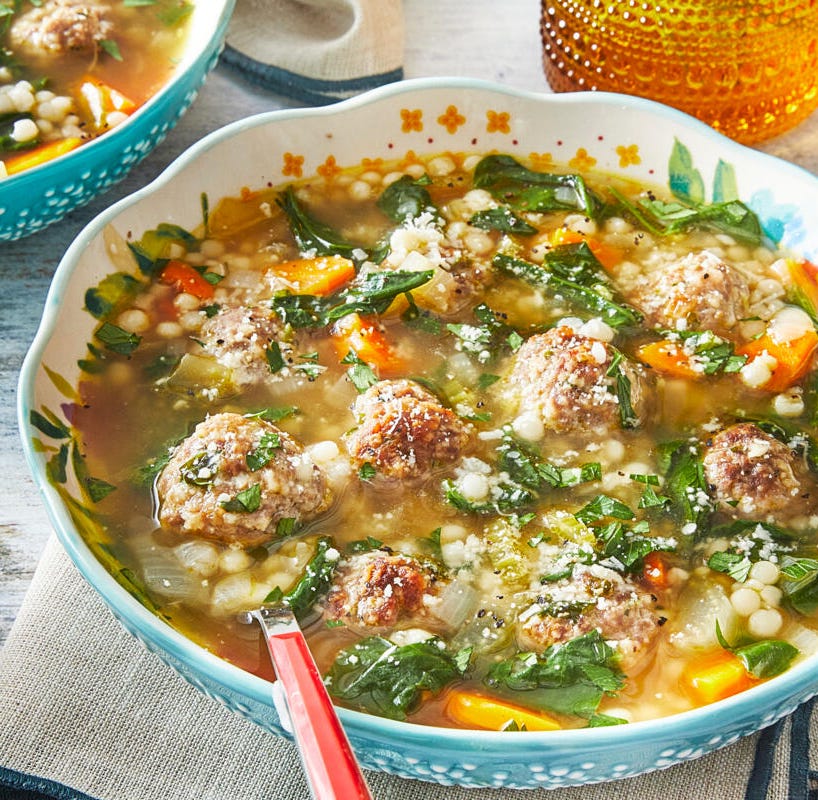
Family Meals: Bringing Everyone Together Around the Table
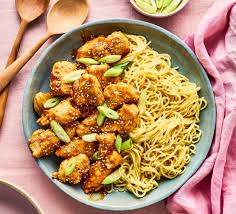
family meals

Family Meals: More Than Just Food

A family meal may seem like a simple part of the day, but sharing food can bring people together in a way few other routines do. Whether it is a quick breakfast before school, a Sunday roast or a casual supper around the kitchen table, eating together creates time to talk, listen and enjoy one another’s company.

A chance to connect

Busy schedules can make it difficult for families to spend time together. A shared meal offers a natural pause in the day. Conversations do not have to be serious or carefully planned: talking about a funny moment, a new interest or what everyone hopes to do at the weekend can help family members feel connected.

For children, mealtimes can also be a comfortable setting in which to practise conversation and learn to listen to others. For adults, they offer a chance to catch up and notice how everyone is doing. Even a short meal together can become a valued daily ritual.

Food, memories and tradition

Many family memories are tied to particular dishes. A recipe passed down through generations, a favourite birthday meal or the smell of something baking can bring back a sense of home. Preparing familiar food can help keep family traditions alive, while trying new recipes gives everyone the chance to create fresh ones.

Traditions need not be elaborate. They might involve making pancakes together, choosing a meal for Friday night or inviting relatives over for lunch once a month. What matters is the shared experience, not how impressive the menu looks.

Making mealtimes welcoming

There is no single right way to have a family meal. Some households sit at a table, while others eat together in a different part of the home. Work patterns, caring responsibilities and children’s activities can all affect when people are available. A regular meal at the same time every day may not be realistic, and that is perfectly fine.

Small steps can make shared meals easier:

  • Choose one or two meals each week when everyone is most likely to be free.
  • Keep a few simple, reliable recipes for busy days.
  • Invite family members to help with planning, cooking or laying the table.
  • Make room for different tastes and dietary needs.
  • Keep the atmosphere relaxed rather than expecting every meal to be perfect.

Cooking together

Preparing a meal can be part of the time spent together. Children might wash vegetables, stir ingredients or help set the table, depending on their age. Teenagers can choose a recipe or take responsibility for a dish, while adults can share skills and family recipes. These small tasks help everyone feel involved and can make cooking less of a burden for one person.

Cooking together also creates opportunities to learn practical skills. Measuring ingredients, following instructions and safely using kitchen equipment can all build confidence. Mistakes are part of the process—and sometimes they become the stories everyone remembers.

Making space for everyone

A good family meal is not defined by the food on the plate or the number of people at the table. Families come in many forms, and people may share meals with relatives, partners, housemates or close friends. Some may have different shifts or live far apart. A video call, a packed lunch shared during a break or a meal saved for someone who gets home later can also be meaningful ways to include one another.

Ultimately, family meals are about more than eating. They are a chance to slow down, share everyday moments and strengthen relationships. Whether the meal is homemade or brought in, formal or informal, what counts most is making time to be together.


Your Guide to Family Meals: Definitions, Ideas, and Healthy Options

  1. What is the definition of family meals?
  2. What should I eat for family meals?
  3. What are some good freezer meals?
  4. What are good family dinners?
  5. What are some good ideas for Saturday night dinner?
  6. What is family meal in a kitchen?
  7. What are some healthy and tasty meal ideas for babies?

What is the definition of family meals?

A family meal is a shared eating occasion involving members of a family or household. It may take place at breakfast, lunch or dinner, at home or elsewhere, and can be a simple, informal gathering or a more traditional sit-down meal. Beyond sharing food, family meals often offer time to talk, connect and maintain family routines.

What should I eat for family meals?

For family meals, choose balanced dishes that everyone can enjoy, such as vegetables, a source of protein like beans, eggs, fish or chicken, and potatoes, rice, pasta or bread. Simple options include vegetable pasta, soup with wholemeal bread, or a build-your-own meal with fillings served separately so each person can choose what they like. Consider allergies, dietary needs and different preferences, and remember that family meals do not need to be elaborate: easy, varied food shared together is often best.

What are some good freezer meals?

Good freezer meals are dishes that retain their flavour and texture when reheated, such as soups, stews, curries, chilli, lasagne, pasta sauces and cottage pie. Prepare a little extra when cooking, then cool it promptly and freeze it in clearly labelled, airtight, meal-sized containers. Defrost food safely in the fridge or use the microwave’s defrost setting, and reheat until piping hot throughout. Add fresh toppings, herbs or a side salad just before serving for an easy meal that feels freshly made.

What are good family dinners?

Good family dinners are meals that suit everyone’s tastes, budget and schedule, rather than complicated dishes that take hours to prepare. Try crowd-pleasers such as pasta with tomato sauce, shepherd’s pie, vegetable curry, homemade pizza, baked potatoes with a choice of toppings, or roast chicken with vegetables. One-pot meals and traybakes can make cooking and washing up easier, while serving sauces or toppings separately helps everyone tailor their plate. Involving family members in choosing or preparing dinner can also make mealtimes more enjoyable.

What are some good ideas for Saturday night dinner?

Saturday night dinner can be a chance to enjoy something a little different without making the evening complicated. Try homemade pizzas, letting everyone choose their own toppings, or make-your-own tacos with a selection of fillings and sides. For a cosy meal, a hearty pasta bake, curry or homemade burgers are easy crowd-pleasers; if the weather is fine, you could also have a barbecue. Get family members involved in choosing and preparing the food, and finish with a simple dessert such as fruit crumble or ice cream.

What is family meal in a kitchen?

In a professional kitchen, a “family meal” is a simple meal prepared for the restaurant’s staff, usually before service or during a break. The team eats together, often sharing dishes made from available ingredients, such as vegetables or leftovers that are still safe to use. It gives staff a chance to refuel, connect and enjoy a meal before returning to work; it is generally separate from the food served to customers.

What are some healthy and tasty meal ideas for babies?

Healthy, tasty meals for babies depend on their age, development and any allergies, so follow current NHS guidance and ask a health visitor or GP if you are unsure. Once your baby is ready for solid foods, offer a variety of soft, age-appropriate foods, such as mashed avocado, vegetables, lentils, beans, eggs, plain yoghurt, soft fruit, or flaked fish with the bones carefully removed. As they progress, try finely chopped or soft finger foods, such as omelette strips, tender vegetables, and small pieces of pasta. Avoid adding salt or sugar, and never give honey to babies under 12 months. Always supervise your baby while eating and prepare food in a texture and size that reduces the risk of choking.
Armenian Traditional Dishes: A Taste of History and Hospitality

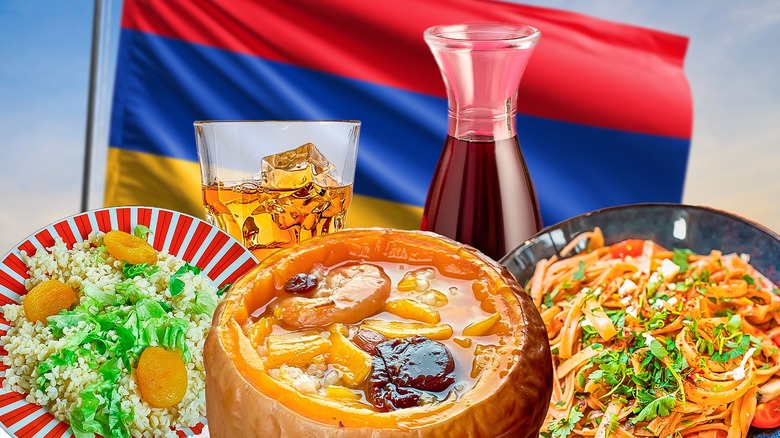
armenian traditional dishes

Armenian Traditional Dishes: A Taste of History and Hospitality

Armenian cuisine is shaped by centuries of history, the country’s varied landscapes and the customs of its people. Meals often bring family and friends together, with generous shared dishes made from seasonal produce, grains, herbs and locally raised meat. Recipes vary from one region and household to another, but hospitality is a constant: guests are warmly welcomed and rarely leave the table hungry.

Khorovats: Armenian Barbecue

Khorovats is a much-loved Armenian barbecue, usually made with pieces of pork, lamb or beef cooked over hot coals. Vegetables such as aubergines, peppers and tomatoes may be grilled alongside the meat, then served with fresh herbs, lavash and salads. Khorovats is especially associated with outdoor gatherings and celebrations, where preparing and sharing the meal can be as important as eating it.

Tolma: Stuffed Leaves and Vegetables

Tolma—also known in many places as dolma—is made by wrapping a savoury filling in vine leaves or cabbage. The filling often combines minced meat, rice, herbs and spices, although meat-free versions are also popular. Peppers, tomatoes and aubergines can be stuffed in a similar way. Tolma is a familiar dish at family meals and festive occasions, with recipes differing across Armenia and the wider region.

Harissa: A Slow-Cooked Comfort Food

Harissa is a hearty dish of wheat and meat, traditionally chicken or lamb, cooked slowly until the ingredients become soft and creamy. It is stirred until the grains and meat come together into a thick porridge-like texture. The dish has a strong place in Armenian food traditions and is often prepared for communal occasions. Despite its name, Armenian harissa is quite different from the spicy North African chilli paste.

Lavash: Bread at the Heart of the Table

Lavash is a thin, soft flatbread baked in a traditional underground clay oven called a tonir. It is used to accompany meals, wrap grilled meat and herbs, or scoop up dips and other dishes. Lavash can also be dried and stored, then softened with water when needed. Its preparation and sharing are recognised by UNESCO as part of the Intangible Cultural Heritage of Humanity, reflecting the bread’s importance in Armenian life.

Ghapama: A Festive Pumpkin Dish

Ghapama is a whole pumpkin filled with a mixture of rice, dried fruit, nuts and, sometimes, honey or butter. It is baked until tender and often served as a striking centrepiece at celebrations. The contrast between sweet fruit, crunchy nuts and soft pumpkin makes ghapama a distinctive example of Armenia’s love of combining simple ingredients in generous, celebratory dishes.

Jingalov Hats: Herbs Wrapped in Bread

Jingalov hats is a flatbread filled with a mixture of finely chopped greens and herbs. The exact combination depends on the season and what is available, and may include wild herbs, leafy vegetables and spring onions. The dough is rolled thin, filled, folded and cooked on a hot griddle. This speciality is particularly associated with Artsakh and is a delicious reminder of the role that fresh greens play in Armenian cooking.

Spas: A Cooling Yoghurt Soup

Spas is a comforting soup made with yoghurt, wheat or grains, and herbs. It can be served warm in colder weather or chilled during the summer. Its tangy flavour and simple ingredients make it a refreshing contrast to richer meat dishes, and family recipes may vary in texture and seasoning.

Gata: A Sweet Treat for Sharing

Gata is a traditional Armenian pastry with a soft or flaky dough and a sweet filling, often made from flour, butter and sugar. It comes in many regional shapes and styles, from round loaves to smaller individual pastries. Gata is commonly served with tea or coffee and is a popular choice for holidays and family gatherings.

A Cuisine Made for Sharing

Armenian traditional dishes tell stories of place, season and family. From smoky khorovats and carefully prepared tolma to freshly baked lavash and sweet gata, the food is deeply connected to the pleasure of welcoming others. Trying these dishes offers more than a taste of Armenia: it offers a glimpse into a culture where cooking, sharing and hospitality go hand in hand.


Traditional Armenian Dishes: Frequently Asked Questions

  1. What are the most popular traditional Armenian dishes?
  2. What ingredients are commonly used in Armenian cuisine?
  3. What is the difference between Armenian tolma and dolma?
  4. Is traditional Armenian food spicy?
  5. What Armenian dishes are traditionally served at celebrations?

Some of the most popular traditional Armenian dishes include khorovats, a barbecue of grilled meat and vegetables; tolma, vine leaves or vegetables filled with rice, herbs and often minced meat; and harissa, a slow-cooked dish of wheat and meat. Lavash, a thin traditional flatbread, is served with many meals, while jingalov hats is a herb-filled flatbread especially associated with Artsakh. For something sweet, gata—a buttery pastry with a sweet filling—is a favourite. Recipes and ingredients vary across Armenia, with many dishes made for sharing at family gatherings.

What ingredients are commonly used in Armenian cuisine?

Armenian cuisine commonly uses fresh herbs and vegetables, grains such as wheat and rice, pulses, fruit, nuts and dairy products, alongside lamb, pork, beef and poultry. Garlic, onions, herbs such as coriander and parsley, and spices add flavour, while yoghurt and cheese feature in many dishes. Ingredients vary by region and season, but traditional cooking often celebrates simple, locally available produce.

What is the difference between Armenian tolma and dolma?

Armenian tolma and dolma belong to the same family of stuffed dishes, and the names are often used interchangeably. “Tolma” is the name commonly used in Armenia, while “dolma” is widely used in neighbouring cuisines and beyond; both may refer to vine leaves, cabbage or vegetables filled with rice, herbs and sometimes minced meat. There is no single strict distinction between them, as ingredients and preparation vary by region and family.

Is traditional Armenian food spicy?

Traditional Armenian food is generally flavourful rather than very spicy. Dishes are often seasoned with herbs, garlic, onion, black pepper and spices such as paprika, while fresh ingredients and slow cooking bring out their natural flavours. Some recipes can have a little heat, and spicy condiments may be served alongside, but chilli is not usually the main feature. As with any cuisine, recipes vary between regions and households.

What Armenian dishes are traditionally served at celebrations?

At Armenian celebrations, tables are often filled with dishes made for sharing. Khorovats (barbecued meat), tolma (vine leaves or vegetables stuffed with rice, herbs and sometimes meat), and lavash are popular choices, often served alongside salads, fresh herbs and seasonal vegetables. Festive meals may also include ghapama, a pumpkin filled with rice, dried fruit and nuts, while gata is commonly enjoyed as a sweet treat with tea or coffee. Traditions vary between families and regions, but generous hospitality is always part of the occasion.

Ground Beef Dinner Ideas: Easy, Tasty Meals for Every Night of the Week

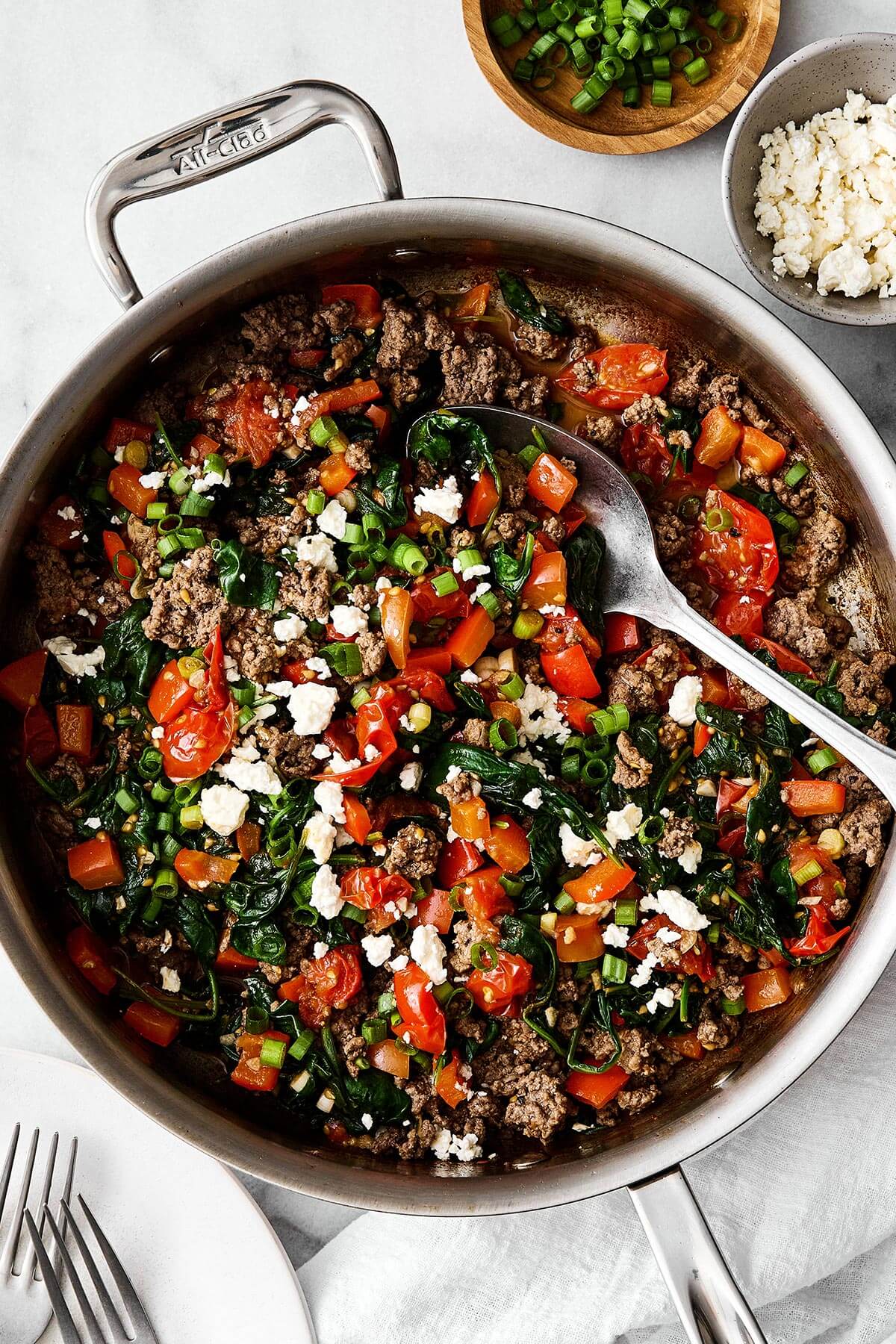
ground beef dinner ideas

Ground Beef Dinner Ideas for Every Night of the Week

Ground beef, known as beef mince in the UK, is a handy ingredient for quick, satisfying dinners. It cooks quickly, takes on flavours beautifully and works in everything from comforting classics to fresh, lighter meals. Whether you have a pack in the fridge or are planning the week’s meals, these ideas can help turn it into something delicious.

Classic spaghetti bolognese

Cook beef mince with onion, carrot and celery, then add garlic, chopped tomatoes and a little stock. Let the sauce simmer until rich and tender, and serve with spaghetti. A splash of milk or a pinch of dried herbs can round out the flavour. Make extra for an easy lunch the next day.

Beef tacos

Brown the mince with onion, cumin, paprika and chilli powder, then spoon it into warm tortillas or crisp taco shells. Add shredded lettuce, tomato, grated cheese and a dollop of yoghurt or sour cream. Put the toppings on the table and let everyone build their own.

Cottage pie

For a comforting family meal, simmer mince with onion, carrots, peas and gravy, then top with mashed potato. Bake until the filling is bubbling and the potato is golden. Cottage pie is also a good way to use up leftover vegetables or mash.

Beef-stuffed peppers

Mix browned mince with cooked rice, chopped tomatoes, herbs and a little grated cheese. Spoon the mixture into halved peppers and bake until the peppers are tender. Serve with a green salad for a colourful, well-rounded dinner.

Beef and bean chilli

Brown the mince with onion and garlic, then add tomatoes, kidney beans, chilli and spices. Simmer until the flavours come together and serve with rice, baked potatoes or warm flatbreads. Adjust the chilli to suit your taste, and add sweetcorn or extra beans if you like.

Homemade beef burgers

Season the mince with salt and pepper, shape it gently into patties and cook until thoroughly done. Serve in toasted buns with lettuce, sliced tomato, cheese and your favourite sauce. Roasted potato wedges make an easy side.

Quick beef noodle stir-fry

Brown the mince in a hot pan, then add sliced vegetables such as peppers, carrots and spring onions. Stir in cooked noodles and a simple sauce made with soy sauce, garlic and a little honey or ginger. It is a quick option for using up vegetables in the fridge.

Beef meatballs

Combine mince with breadcrumbs, an egg and seasoning, then roll into small balls. Cook them in tomato sauce and serve with pasta, rice or crusty bread. You can add finely grated onion or herbs to the mixture for extra flavour.

Simple tips for better beef mince dinners

  • Brown it well: Give the mince room in the pan and cook in batches if needed. A good sear adds savoury flavour.
  • Build flavour: Onion, garlic, herbs, spices and tomato paste are easy ways to make a simple mince dish more interesting.
  • Make it go further: Add lentils, beans, grated vegetables or mushrooms to stretch a meal and add texture.
  • Plan for leftovers: Cooked mince dishes can often be refrigerated and reheated for another meal. Cool leftovers promptly and follow food-safety guidance.
  • Cook safely: Follow the instructions on the packaging and make sure minced beef is cooked thoroughly, with no pink meat remaining.

From a quick stir-fry to a slow-simmered cottage pie, beef mince can be adapted to suit different tastes, budgets and schedules. Keep a few store-cupboard staples on hand, and you will have plenty of easy dinner possibilities ready to go.


Beef Mince Dinner Ideas: 7 Frequently Asked Questions

  1. What to make for dinner tonight with beef mince?
  2. What is the healthiest way to cook ground beef?
  3. What can I make with ground beef and nothing else?
  4. What is the best idea for dinner?
  5. What is the best way to eat ground beef?
  6. What is a cowboy dinner?
  7. What is the most popular meal for dinner?

What to make for dinner tonight with beef mince?

If you’re wondering what to make for dinner tonight with beef mince, try a quick beef and tomato pasta, tacos or a noodle stir-fry. For a cosy meal, turn it into cottage pie or a simple chilli with beans. Brown the mince with onion and garlic, add your favourite seasoning and vegetables, then serve with pasta, rice, potatoes or wraps—whatever you have to hand.

What is the healthiest way to cook ground beef?

The healthiest way to cook ground beef (beef mince) is to choose a lean option, then brown it in a non-stick pan with little or no added oil, or grill it so excess fat can drain away. Drain off any rendered fat, avoid charring the meat, and cook it thoroughly; in the UK, the Food Standards Agency advises cooking minced meat until steaming hot throughout, with no pink meat remaining. For a balanced meal, serve it with plenty of vegetables and wholegrains.

What can I make with ground beef and nothing else?

If you have only ground beef (beef mince), you can simply brown it in a non-stick pan, breaking it up as it cooks; it should release enough fat to prevent sticking. Cook it thoroughly, with no pink remaining, and eat it as it is. It won’t be especially seasoned, but it makes a simple, filling meal—and if you find even a pinch of salt or pepper, that will improve the flavour.

What is the best idea for dinner?

The best dinner idea depends on your tastes and how much time you have, but beef mince tacos are a quick, versatile choice. Brown the mince with onion and spices, then serve it in warm tortillas with salad, grated cheese and yoghurt or salsa. For a comforting meal, cottage pie is another dependable favourite.

What is the best way to eat ground beef?

There’s no single best way to eat ground beef (beef mince): it’s delicious in tacos, pasta sauce, chilli, burgers or a comforting cottage pie. For a tasty, balanced meal, brown it with onions, garlic and your favourite herbs or spices, then serve with vegetables and rice, pasta or potatoes. Cook mince thoroughly until steaming hot all the way through, following the instructions on the packaging.

What is a cowboy dinner?

A cowboy dinner is a hearty, informal meal inspired by American ranch and campfire cooking. There is no single set recipe, but it often combines ground beef with beans, sweetcorn, tomatoes and potatoes, seasoned with spices such as chilli, paprika or cumin. It may be cooked in one pan or baked as a casserole, making it a filling, easy-to-prepare dinner.

There is no single dinner that is most popular everywhere, as tastes vary by country, culture and household. However, familiar favourites such as pasta, burgers, tacos and casseroles are enjoyed in many places. For an easy ground beef dinner, spaghetti bolognese is a particularly popular choice: it is comforting, simple to prepare and easy to adapt with vegetables, herbs or different seasonings.

Savoury Delights: Authentic Italian Wedding Soup Recipe

italian wedding soup recipe

Delicious Italian Wedding Soup Recipe

Italian wedding soup is a classic dish that combines savory meatballs, hearty greens, and flavorful broth. This comforting soup is perfect for any occasion and is sure to warm your soul. Here’s a simple recipe to help you recreate this Italian favourite in your own kitchen.

Ingredients:

  • 500g ground beef
  • 1/2 cup breadcrumbs
  • 1/4 cup grated Parmesan cheese
  • 1 egg
  • 1 small onion, finely chopped
  • 2 cloves of garlic, minced
  • Salt and pepper to taste
  • 8 cups chicken broth
  • 2 cups chopped spinach or kale
  • 1/2 cup orzo pasta

Instructions:

  1. In a bowl, combine the ground beef, breadcrumbs, Parmesan cheese, egg, onion, garlic, salt, and pepper. Mix well and form small meatballs.
  2. In a large pot, bring the chicken broth to a simmer. Add the meatballs and cook for about 10 minutes until they are cooked through.
  3. Add the chopped spinach or kale and orzo pasta to the pot. Simmer for an additional 10 minutes until the greens are wilted and the pasta is cooked.
  4. Your delicious Italian wedding soup is now ready to be served. Ladle into bowls and garnish with extra Parmesan cheese if desired. Enjoy!


Discover the Delight of Italian Wedding Soup: A Hearty, Customisable Recipe Perfect for Any Gathering

  1. 1. Comforting and hearty soup that is perfect for cold weather.
  2. 2. Easy-to-follow recipe with simple ingredients that are readily available.
  3. 3. Versatile dish that can be customised with different greens or pasta shapes.
  4. 4. The combination of meatballs, greens, and broth creates a delicious and balanced flavour profile.
  5. 5. Ideal for gatherings or family meals as it can be prepared in large batches.


Challenges of Preparing Traditional Italian Wedding Soup: Time, Ingredient Availability, and Freshness Concerns

  1. Preparation can be time-consuming due to making the meatballs from scratch.
  2. Some ingredients may not be readily available in all supermarkets.
  3. Leftovers may not retain the same freshness and flavour compared to when freshly cooked.

1. Comforting and hearty soup that is perfect for cold weather.

Indulge in the warmth and heartiness of Italian wedding soup, a comforting dish that is ideal for chilly weather. This soul-soothing soup not only fills your belly but also warms you from the inside out, making it a perfect choice for those cold winter days. The combination of savoury meatballs, nourishing greens, and flavourful broth creates a satisfying meal that brings a sense of comfort and coziness with every spoonful.

2. Easy-to-follow recipe with simple ingredients that are readily available.

This Italian wedding soup recipe offers the advantage of being easy to follow, using simple ingredients that are easily accessible. With basic components like ground beef, breadcrumbs, and broth, this recipe allows for a straightforward preparation process without the need for specialized or hard-to-find items. By utilising common ingredients that can be found in most kitchens or local grocery stores, this recipe ensures convenience and practicality for anyone looking to recreate this comforting and flavourful dish at home.

3. Versatile dish that can be customised with different greens or pasta shapes.

Italian wedding soup is a versatile dish that offers the flexibility to be customised according to personal preferences. One of its key advantages is the ability to experiment with various greens, such as spinach, kale, or escarole, to add different textures and flavours. Additionally, you can choose to use different pasta shapes like orzo, small shells, or ditalini to tailor the soup to your liking. This adaptability allows for endless variations of the traditional recipe, making it a delightful and personalised culinary experience for every cook and diner.

4. The combination of meatballs, greens, and broth creates a delicious and balanced flavour profile.

The Italian wedding soup recipe offers a delightful advantage with its harmonious blend of meatballs, greens, and broth. This combination results in a delicious and well-balanced flavour profile that tantalizes the taste buds. The savoury meatballs provide richness, while the hearty greens bring a fresh and vibrant element to the dish. Paired with the comforting broth, this medley of ingredients creates a satisfying and appetising culinary experience that is sure to please any palate.

5. Ideal for gatherings or family meals as it can be prepared in large batches.

Italian wedding soup is an ideal choice for gatherings or family meals due to its versatility in being prepared in large batches. This convenient aspect allows for easy scaling of the recipe to accommodate a larger number of guests without compromising on flavour or quality. Whether you’re hosting a special occasion or simply enjoying a cosy meal with loved ones, the ability to make a generous amount of this hearty soup ensures that everyone can savour its delicious taste together.

Preparation can be time-consuming due to making the meatballs from scratch.

Creating the meatballs from scratch for the Italian wedding soup recipe can be a time-consuming aspect of the preparation process. Crafting each meatball with care and ensuring they are perfectly seasoned and shaped requires patience and attention to detail. However, the effort put into making homemade meatballs is well worth it, as it adds a personal touch to the dish and enhances its flavour profile. While it may take a bit more time, the end result of a delicious and authentic Italian wedding soup is truly rewarding.

Some ingredients may not be readily available in all supermarkets.

One potential drawback of preparing an Italian wedding soup is that some of the ingredients required may not be readily available in all supermarkets. This can pose a challenge for individuals who prefer to source all their cooking essentials from a single store or those living in areas with limited access to specialty ingredients. However, with a bit of planning and exploration, alternative options or online shopping can often help overcome this obstacle, ensuring that you can still enjoy this delicious and comforting dish in the comfort of your own home.

Leftovers may not retain the same freshness and flavour compared to when freshly cooked.

When it comes to Italian wedding soup, one potential downside to consider is that leftovers may not maintain the same level of freshness and flavour as when the dish is freshly cooked. Due to the nature of the ingredients and broth, reheating the soup can sometimes result in a slight change in taste and texture. It is recommended to enjoy this soup fresh for the best culinary experience, although reheating leftovers can still offer a comforting meal with a slightly altered profile.