Traditional Armenian Dishes: A Taste of History and Hospitality

traditional armenian dishes

Traditional Armenian Dishes: A Taste of History and Hospitality

Armenian cuisine is shaped by the country’s mountainous landscape, changing seasons and long history at the crossroads of different cultures. Its food is known for fresh herbs, grains, vegetables, fruit and carefully prepared meats. Recipes often vary from one family or region to another, but sharing a generous meal is a constant: in Armenia, food is closely connected with hospitality and togetherness.

Lavash: Bread at the Heart of the Table

Lavash is a thin, soft flatbread traditionally baked in a clay oven called a tonir. It is served with many meals and used to wrap fillings such as cheese, herbs and grilled meat. Lavash can also be dried and stored, then softened with water when needed. Its preparation and cultural role are recognised by UNESCO as part of the Intangible Cultural Heritage of Humanity.

Khorovats: Armenian Barbecue

Khorovats is the Armenian name for barbecue. Chunks of meat—often pork, lamb or beef—are seasoned, threaded onto skewers and cooked over an open fire. Vegetables such as tomatoes, peppers and aubergines may be grilled alongside them. Khorovats is especially associated with gatherings and celebrations, where the cooking itself becomes part of the occasion.

Dolma: Vegetables and Leaves Filled with Goodness

Dolma is made by filling grape leaves or vegetables with a mixture that commonly includes rice, herbs and minced meat. Popular versions use peppers, tomatoes and aubergines, while meat-free recipes are also enjoyed. The word is used for a family of dishes found across the region, and Armenian cooks have their own distinctive ways of seasoning and serving them.

Harissa: A Dish of Wheat and Meat

Harissa is a comforting, slow-cooked dish traditionally made with wheat and chicken or lamb. The ingredients are cooked until soft and stirred to create a thick, smooth texture. It is often prepared for special occasions and has an important place in Armenian cultural memory. Despite its name, Armenian harissa is quite different from the spicy North African condiment of the same name.

Ghapama: A Festive Stuffed Pumpkin

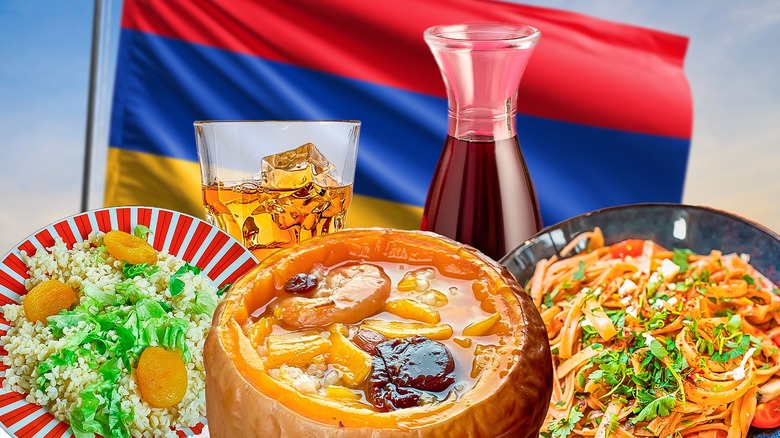
Ghapama is a striking dish made by hollowing out a pumpkin and filling it with rice, dried fruit, nuts and spices. The pumpkin is baked until tender, then brought to the table and cut into wedges. Its combination of sweet and savoury flavours makes it a popular choice for festive meals and celebrations.

Spas: Yoghurt Soup for Every Season

Spas is a traditional yoghurt-based soup, often prepared with wheat or grains and fresh herbs. It can be served warm or cold, depending on the recipe and the weather. Light yet satisfying, it offers a refreshing contrast to richer grilled or baked dishes.

Gata: A Sweet Treat with Many Variations

Gata is a beloved Armenian pastry, usually filled with a sweet mixture of flour, butter and sugar. It may be baked as a round cake or made into smaller portions, and recipes differ between regions and families. Gata is commonly served with tea or coffee and is often enjoyed during holidays and family visits.

More Than a Meal

Traditional Armenian dishes tell stories of place, season and family. From lavash shared around the table to the patient preparation of harissa, many recipes are as much about the people gathered together as the ingredients themselves. Exploring Armenian cuisine is therefore a way to discover not only distinctive flavours, but also a strong tradition of welcome and community.


Traditional Armenian Food and Culture: 5 Frequently Asked Questions

  1. What is Armenia’s national dish?
  2. Is Armenian food similar to Lebanese?
  3. What do Armenians eat for breakfast?
  4. What ethnicity is Armenian closest to?
  5. What is traditional Armenian food?

What is Armenia’s national dish?

Armenia does not have an officially designated national dish, but khorovats—Armenian barbecue, usually made with meat grilled over an open fire—is often described as the country’s best-known signature dish. Harissa, a slow-cooked mixture of wheat and meat, and dolma, vegetables or grape leaves filled with rice, herbs and sometimes meat, are also central to Armenian food culture. Which dish is considered most representative often depends on the region, occasion and family tradition.

Is Armenian food similar to Lebanese?

Armenian and Lebanese food share some ingredients and dishes, reflecting their place within the wider Middle Eastern and Eastern Mediterranean region. Both cuisines make generous use of fresh herbs, grains, vegetables, grilled meats and stuffed vine leaves, and meals are often centred on sharing. However, they are not the same: Lebanese cuisine is rooted in Levantine traditions, while Armenian cooking also reflects the Caucasus, Anatolia and Persian influences. Dishes such as lavash, khorovats and gata are particularly associated with Armenian food, even though recipes and flavours can vary across both cuisines.

What do Armenians eat for breakfast?

Armenian breakfasts vary by region and household, but often include lavash or other fresh bread served with cheese, butter, olives, eggs, honey, jam and seasonal vegetables such as tomatoes and cucumbers. Herbs and greens may also feature, while yoghurt and tea are common accompaniments. On busy mornings, breakfast can be simple; at weekends or when guests are visiting, it may become a more leisurely spread shared around the table.

What ethnicity is Armenian closest to?

Armenians are a distinct ethnic group with a long history in the South Caucasus, so there is no single ethnicity they are simply “closest” to. Armenia’s neighbours—including Georgians, Persians, Turks and other peoples of the region—have influenced its history and cuisine, but Armenian identity, language and food traditions remain distinctive. As with any population, genetic comparisons vary according to the people and methods studied, and they do not define cultural identity.

What is traditional Armenian food?

Traditional Armenian food is known for its fresh herbs, grains, vegetables, fruit and grilled or slow-cooked meats. Popular dishes include lavash, a thin flatbread; khorovats, Armenian barbecue; dolma, stuffed leaves or vegetables; and harissa, a hearty dish of wheat and meat. Recipes vary between regions and families, but meals are often made for sharing and reflect Armenia’s rich history and tradition of hospitality.
Armenian Traditional Dishes: A Taste of History and Hospitality

armenian traditional dishes

Armenian Traditional Dishes: A Taste of History and Hospitality

Armenian cuisine is shaped by centuries of history, the country’s varied landscapes and the customs of its people. Meals often bring family and friends together, with generous shared dishes made from seasonal produce, grains, herbs and locally raised meat. Recipes vary from one region and household to another, but hospitality is a constant: guests are warmly welcomed and rarely leave the table hungry.

Khorovats: Armenian Barbecue

Khorovats is a much-loved Armenian barbecue, usually made with pieces of pork, lamb or beef cooked over hot coals. Vegetables such as aubergines, peppers and tomatoes may be grilled alongside the meat, then served with fresh herbs, lavash and salads. Khorovats is especially associated with outdoor gatherings and celebrations, where preparing and sharing the meal can be as important as eating it.

Tolma: Stuffed Leaves and Vegetables

Tolma—also known in many places as dolma—is made by wrapping a savoury filling in vine leaves or cabbage. The filling often combines minced meat, rice, herbs and spices, although meat-free versions are also popular. Peppers, tomatoes and aubergines can be stuffed in a similar way. Tolma is a familiar dish at family meals and festive occasions, with recipes differing across Armenia and the wider region.

Harissa: A Slow-Cooked Comfort Food

Harissa is a hearty dish of wheat and meat, traditionally chicken or lamb, cooked slowly until the ingredients become soft and creamy. It is stirred until the grains and meat come together into a thick porridge-like texture. The dish has a strong place in Armenian food traditions and is often prepared for communal occasions. Despite its name, Armenian harissa is quite different from the spicy North African chilli paste.

Lavash: Bread at the Heart of the Table

Lavash is a thin, soft flatbread baked in a traditional underground clay oven called a tonir. It is used to accompany meals, wrap grilled meat and herbs, or scoop up dips and other dishes. Lavash can also be dried and stored, then softened with water when needed. Its preparation and sharing are recognised by UNESCO as part of the Intangible Cultural Heritage of Humanity, reflecting the bread’s importance in Armenian life.

Ghapama: A Festive Pumpkin Dish

Ghapama is a whole pumpkin filled with a mixture of rice, dried fruit, nuts and, sometimes, honey or butter. It is baked until tender and often served as a striking centrepiece at celebrations. The contrast between sweet fruit, crunchy nuts and soft pumpkin makes ghapama a distinctive example of Armenia’s love of combining simple ingredients in generous, celebratory dishes.

Jingalov Hats: Herbs Wrapped in Bread

Jingalov hats is a flatbread filled with a mixture of finely chopped greens and herbs. The exact combination depends on the season and what is available, and may include wild herbs, leafy vegetables and spring onions. The dough is rolled thin, filled, folded and cooked on a hot griddle. This speciality is particularly associated with Artsakh and is a delicious reminder of the role that fresh greens play in Armenian cooking.

Spas: A Cooling Yoghurt Soup

Spas is a comforting soup made with yoghurt, wheat or grains, and herbs. It can be served warm in colder weather or chilled during the summer. Its tangy flavour and simple ingredients make it a refreshing contrast to richer meat dishes, and family recipes may vary in texture and seasoning.

Gata: A Sweet Treat for Sharing

Gata is a traditional Armenian pastry with a soft or flaky dough and a sweet filling, often made from flour, butter and sugar. It comes in many regional shapes and styles, from round loaves to smaller individual pastries. Gata is commonly served with tea or coffee and is a popular choice for holidays and family gatherings.

A Cuisine Made for Sharing

Armenian traditional dishes tell stories of place, season and family. From smoky khorovats and carefully prepared tolma to freshly baked lavash and sweet gata, the food is deeply connected to the pleasure of welcoming others. Trying these dishes offers more than a taste of Armenia: it offers a glimpse into a culture where cooking, sharing and hospitality go hand in hand.


Traditional Armenian Dishes: Frequently Asked Questions

  1. What are the most popular traditional Armenian dishes?
  2. What ingredients are commonly used in Armenian cuisine?
  3. What is the difference between Armenian tolma and dolma?
  4. Is traditional Armenian food spicy?
  5. What Armenian dishes are traditionally served at celebrations?

Some of the most popular traditional Armenian dishes include khorovats, a barbecue of grilled meat and vegetables; tolma, vine leaves or vegetables filled with rice, herbs and often minced meat; and harissa, a slow-cooked dish of wheat and meat. Lavash, a thin traditional flatbread, is served with many meals, while jingalov hats is a herb-filled flatbread especially associated with Artsakh. For something sweet, gata—a buttery pastry with a sweet filling—is a favourite. Recipes and ingredients vary across Armenia, with many dishes made for sharing at family gatherings.

What ingredients are commonly used in Armenian cuisine?

Armenian cuisine commonly uses fresh herbs and vegetables, grains such as wheat and rice, pulses, fruit, nuts and dairy products, alongside lamb, pork, beef and poultry. Garlic, onions, herbs such as coriander and parsley, and spices add flavour, while yoghurt and cheese feature in many dishes. Ingredients vary by region and season, but traditional cooking often celebrates simple, locally available produce.

What is the difference between Armenian tolma and dolma?

Armenian tolma and dolma belong to the same family of stuffed dishes, and the names are often used interchangeably. “Tolma” is the name commonly used in Armenia, while “dolma” is widely used in neighbouring cuisines and beyond; both may refer to vine leaves, cabbage or vegetables filled with rice, herbs and sometimes minced meat. There is no single strict distinction between them, as ingredients and preparation vary by region and family.

Is traditional Armenian food spicy?

Traditional Armenian food is generally flavourful rather than very spicy. Dishes are often seasoned with herbs, garlic, onion, black pepper and spices such as paprika, while fresh ingredients and slow cooking bring out their natural flavours. Some recipes can have a little heat, and spicy condiments may be served alongside, but chilli is not usually the main feature. As with any cuisine, recipes vary between regions and households.

What Armenian dishes are traditionally served at celebrations?

At Armenian celebrations, tables are often filled with dishes made for sharing. Khorovats (barbecued meat), tolma (vine leaves or vegetables stuffed with rice, herbs and sometimes meat), and lavash are popular choices, often served alongside salads, fresh herbs and seasonal vegetables. Festive meals may also include ghapama, a pumpkin filled with rice, dried fruit and nuts, while gata is commonly enjoyed as a sweet treat with tea or coffee. Traditions vary between families and regions, but generous hospitality is always part of the occasion.