Armenian Traditional Dishes: A Taste of History and Hospitality

armenian traditional dishes

Armenian Traditional Dishes: A Taste of History and Hospitality
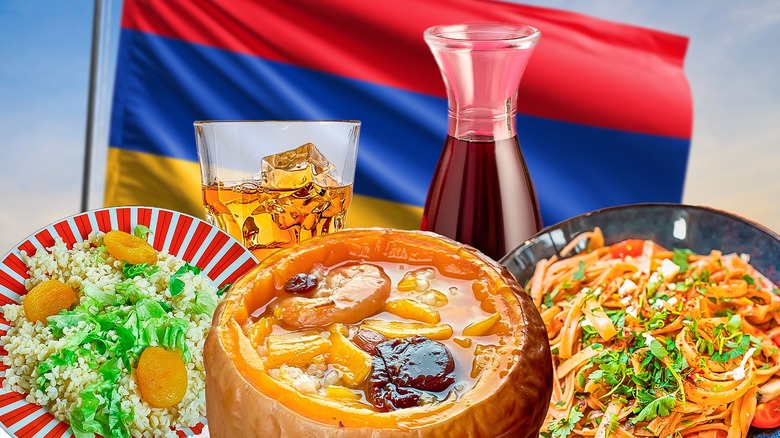
Armenian cuisine is shaped by centuries of history, the country’s varied landscapes and the customs of its people. Meals often bring family and friends together, with generous shared dishes made from seasonal produce, grains, herbs and locally raised meat. Recipes vary from one region and household to another, but hospitality is a constant: guests are warmly welcomed and rarely leave the table hungry.

Khorovats: Armenian Barbecue

Khorovats is a much-loved Armenian barbecue, usually made with pieces of pork, lamb or beef cooked over hot coals. Vegetables such as aubergines, peppers and tomatoes may be grilled alongside the meat, then served with fresh herbs, lavash and salads. Khorovats is especially associated with outdoor gatherings and celebrations, where preparing and sharing the meal can be as important as eating it.

Tolma: Stuffed Leaves and Vegetables

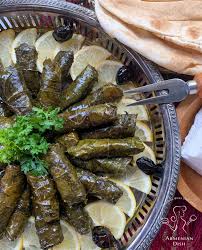
Tolma—also known in many places as dolma—is made by wrapping a savoury filling in vine leaves or cabbage. The filling often combines minced meat, rice, herbs and spices, although meat-free versions are also popular. Peppers, tomatoes and aubergines can be stuffed in a similar way. Tolma is a familiar dish at family meals and festive occasions, with recipes differing across Armenia and the wider region.

Harissa: A Slow-Cooked Comfort Food

Harissa is a hearty dish of wheat and meat, traditionally chicken or lamb, cooked slowly until the ingredients become soft and creamy. It is stirred until the grains and meat come together into a thick porridge-like texture. The dish has a strong place in Armenian food traditions and is often prepared for communal occasions. Despite its name, Armenian harissa is quite different from the spicy North African chilli paste.

Lavash: Bread at the Heart of the Table

Lavash is a thin, soft flatbread baked in a traditional underground clay oven called a tonir. It is used to accompany meals, wrap grilled meat and herbs, or scoop up dips and other dishes. Lavash can also be dried and stored, then softened with water when needed. Its preparation and sharing are recognised by UNESCO as part of the Intangible Cultural Heritage of Humanity, reflecting the bread’s importance in Armenian life.

Ghapama: A Festive Pumpkin Dish

Ghapama is a whole pumpkin filled with a mixture of rice, dried fruit, nuts and, sometimes, honey or butter. It is baked until tender and often served as a striking centrepiece at celebrations. The contrast between sweet fruit, crunchy nuts and soft pumpkin makes ghapama a distinctive example of Armenia’s love of combining simple ingredients in generous, celebratory dishes.

Jingalov Hats: Herbs Wrapped in Bread

Jingalov hats is a flatbread filled with a mixture of finely chopped greens and herbs. The exact combination depends on the season and what is available, and may include wild herbs, leafy vegetables and spring onions. The dough is rolled thin, filled, folded and cooked on a hot griddle. This speciality is particularly associated with Artsakh and is a delicious reminder of the role that fresh greens play in Armenian cooking.

Spas: A Cooling Yoghurt Soup

Spas is a comforting soup made with yoghurt, wheat or grains, and herbs. It can be served warm in colder weather or chilled during the summer. Its tangy flavour and simple ingredients make it a refreshing contrast to richer meat dishes, and family recipes may vary in texture and seasoning.

Gata: A Sweet Treat for Sharing

Gata is a traditional Armenian pastry with a soft or flaky dough and a sweet filling, often made from flour, butter and sugar. It comes in many regional shapes and styles, from round loaves to smaller individual pastries. Gata is commonly served with tea or coffee and is a popular choice for holidays and family gatherings.

A Cuisine Made for Sharing

Armenian traditional dishes tell stories of place, season and family. From smoky khorovats and carefully prepared tolma to freshly baked lavash and sweet gata, the food is deeply connected to the pleasure of welcoming others. Trying these dishes offers more than a taste of Armenia: it offers a glimpse into a culture where cooking, sharing and hospitality go hand in hand.


Traditional Armenian Dishes: Frequently Asked Questions

  1. What are the most popular traditional Armenian dishes?
  2. What ingredients are commonly used in Armenian cuisine?
  3. What is the difference between Armenian tolma and dolma?
  4. Is traditional Armenian food spicy?
  5. What Armenian dishes are traditionally served at celebrations?

Some of the most popular traditional Armenian dishes include khorovats, a barbecue of grilled meat and vegetables; tolma, vine leaves or vegetables filled with rice, herbs and often minced meat; and harissa, a slow-cooked dish of wheat and meat. Lavash, a thin traditional flatbread, is served with many meals, while jingalov hats is a herb-filled flatbread especially associated with Artsakh. For something sweet, gata—a buttery pastry with a sweet filling—is a favourite. Recipes and ingredients vary across Armenia, with many dishes made for sharing at family gatherings.

What ingredients are commonly used in Armenian cuisine?

Armenian cuisine commonly uses fresh herbs and vegetables, grains such as wheat and rice, pulses, fruit, nuts and dairy products, alongside lamb, pork, beef and poultry. Garlic, onions, herbs such as coriander and parsley, and spices add flavour, while yoghurt and cheese feature in many dishes. Ingredients vary by region and season, but traditional cooking often celebrates simple, locally available produce.

What is the difference between Armenian tolma and dolma?

Armenian tolma and dolma belong to the same family of stuffed dishes, and the names are often used interchangeably. “Tolma” is the name commonly used in Armenia, while “dolma” is widely used in neighbouring cuisines and beyond; both may refer to vine leaves, cabbage or vegetables filled with rice, herbs and sometimes minced meat. There is no single strict distinction between them, as ingredients and preparation vary by region and family.

Is traditional Armenian food spicy?

Traditional Armenian food is generally flavourful rather than very spicy. Dishes are often seasoned with herbs, garlic, onion, black pepper and spices such as paprika, while fresh ingredients and slow cooking bring out their natural flavours. Some recipes can have a little heat, and spicy condiments may be served alongside, but chilli is not usually the main feature. As with any cuisine, recipes vary between regions and households.

What Armenian dishes are traditionally served at celebrations?

At Armenian celebrations, tables are often filled with dishes made for sharing. Khorovats (barbecued meat), tolma (vine leaves or vegetables stuffed with rice, herbs and sometimes meat), and lavash are popular choices, often served alongside salads, fresh herbs and seasonal vegetables. Festive meals may also include ghapama, a pumpkin filled with rice, dried fruit and nuts, while gata is commonly enjoyed as a sweet treat with tea or coffee. Traditions vary between families and regions, but generous hospitality is always part of the occasion.
Exploring the Culinary Delights of Armenian Cuisine

armenian cuisine

The Rich Flavours of Armenian Cuisine

Armenian cuisine is a delightful fusion of flavours, traditions, and history that have been passed down through generations. Known for its rich and hearty dishes, Armenian food reflects the country’s diverse cultural influences and agricultural abundance.

One of the staples of Armenian cuisine is lavash, a thin and soft flatbread that is enjoyed with various dishes. Another popular dish is dolma, which consists of grape leaves stuffed with a mixture of rice, minced meat, and herbs. Khorovats, or Armenian barbecue, is a beloved favourite that features grilled meats marinated in a blend of spices.

Vegetables play a prominent role in Armenian cooking, with eggplant being a star ingredient in dishes like ajapsandali (vegetable stew) and badrijani (stuffed eggplant). Lentils and bulgur are commonly used in soups and salads, adding depth and nutrition to the cuisine.

No Armenian meal is complete without dessert. Pakhlava, a sweet pastry made with layers of nuts and honey, is a popular treat during special occasions. Gata, a sweet bread filled with sugar and nuts, is another indulgent delight that showcases the artistry of Armenian bakers.

Armenian cuisine not only delights the taste buds but also tells a story of resilience and creativity. The use of fresh ingredients, aromatic spices, and traditional cooking methods all contribute to the unique identity of Armenian food.

Whether you are savouring a comforting bowl of harissa (chicken and wheat porridge) or enjoying the tangy flavours of matnakash (sour yogurt soup), Armenian cuisine invites you to experience a true feast for the senses.


Exploring the Rich Tapestry of Armenian Cuisine: A Celebration of Flavour, Tradition, and Diversity

  1. Rich in flavour and aroma due to the use of fresh herbs and spices.
  2. Offers a variety of vegetarian dishes that are both nutritious and delicious.
  3. Showcases a blend of Middle Eastern, Mediterranean, and Caucasian culinary influences.
  4. Includes traditional bread like lavash, which is an essential part of every meal.
  5. Features hearty meat dishes such as khorovats (barbecue) that are grilled to perfection.
  6. Incorporates unique ingredients like pomegranate seeds, apricots, and walnuts for added texture and taste.
  7. Boasts a range of sweet desserts like baklava and gata that satisfy any sweet tooth.
  8. Reflects the agricultural abundance of Armenia with farm-fresh produce and dairy products.
  9. Celebrates seasonal festivals with special dishes that have been cherished for centuries.


Considerations of Armenian Cuisine: Hearty Portions, Preparation Time, Ingredient Accessibility, and Dietary Preferences

  1. Armenian cuisine can be quite heavy and calorie-dense, which may not suit those looking for lighter meal options.
  2. Some traditional Armenian dishes require intricate preparation techniques and long cooking times, making them time-consuming to prepare.
  3. Certain Armenian dishes contain ingredients that may be less familiar or accessible outside of Armenia, making it challenging to replicate the authentic flavours.
  4. The use of animal fats and oils in some Armenian recipes may not align with dietary preferences or restrictions of certain individuals.

Rich in flavour and aroma due to the use of fresh herbs and spices.

Armenian cuisine stands out for its exceptional richness in flavour and aroma, attributed to the meticulous use of fresh herbs and spices. The vibrant culinary tradition of Armenia incorporates a diverse array of aromatic herbs such as mint, parsley, coriander, and dill, enhancing the taste profile of dishes with their fragrant notes. Additionally, a harmonious blend of spices like cumin, paprika, cinnamon, and sumac infuse each recipe with depth and complexity, creating a sensory experience that is both captivating and unforgettable. The careful selection and expert combination of these fresh ingredients elevate Armenian cuisine to a level of culinary excellence that delights the palate and tantalizes the senses.

Offers a variety of vegetarian dishes that are both nutritious and delicious.

Armenian cuisine shines in its ability to cater to vegetarians with a diverse array of dishes that are not only nutritious but also bursting with delicious flavours. From hearty vegetable stews like ajapsandali to flavourful lentil soups and fresh salads, Armenian cuisine showcases the art of creating satisfying meat-free meals that appeal to both the palate and the health-conscious diner. With a focus on using fresh produce, aromatic herbs, and wholesome grains, Armenian vegetarian dishes offer a delightful culinary experience that celebrates the abundance of plant-based ingredients in a truly delectable way.

Showcases a blend of Middle Eastern, Mediterranean, and Caucasian culinary influences.

Armenian cuisine shines brightly as it beautifully showcases a harmonious blend of Middle Eastern, Mediterranean, and Caucasian culinary influences. This unique fusion of flavours and techniques creates a diverse and vibrant gastronomic experience that sets Armenian food apart. From the aromatic spices reminiscent of Middle Eastern dishes to the fresh seafood and olive oil typical of Mediterranean cuisine, and the hearty meats and dairy products characteristic of Caucasian fare, Armenian culinary traditions offer a delightful tapestry of tastes that cater to a wide range of palates.

Includes traditional bread like lavash, which is an essential part of every meal.

Armenian cuisine boasts a captivating pro with its inclusion of traditional bread like lavash, a staple that holds significant cultural importance and is considered an essential part of every meal. This thin and soft flatbread not only serves as a versatile accompaniment to various dishes but also symbolizes the deep-rooted traditions and heritage of Armenia. Its presence on the dining table signifies the warmth and hospitality that are integral to Armenian culinary customs, making every meal a wholesome experience enriched by the comforting presence of lavash.

Features hearty meat dishes such as khorovats (barbecue) that are grilled to perfection.

Armenian cuisine shines with its hearty meat dishes, exemplified by the mouth-watering khorovats, a type of barbecue that showcases the art of grilling to perfection. The tender and flavourful meats, marinated with a blend of aromatic spices, are expertly grilled to create a smoky and succulent dish that is a true delight for meat lovers. The tradition of khorovats not only highlights the culinary skills of Armenian cooks but also embodies the spirit of communal gatherings and celebrations where friends and family come together to savour these delicious grilled delicacies.

Incorporates unique ingredients like pomegranate seeds, apricots, and walnuts for added texture and taste.

Armenian cuisine stands out for its innovative use of distinctive ingredients such as pomegranate seeds, apricots, and walnuts, which elevate dishes with their unique textures and flavours. The sweet-tart burst of pomegranate seeds adds a refreshing contrast to savoury dishes, while apricots bring a subtle sweetness that enhances the overall taste profile. Walnuts, with their rich nuttiness and crunch, provide depth and complexity to various recipes. By incorporating these special ingredients, Armenian cuisine not only showcases creativity but also offers a truly unforgettable culinary experience.

Boasts a range of sweet desserts like baklava and gata that satisfy any sweet tooth.

Armenian cuisine boasts a delightful range of sweet desserts, such as baklava and gata, that are sure to satisfy any sweet tooth. Baklava, with its layers of flaky pastry, nuts, and honey, offers a perfect balance of crunchy texture and sweet indulgence. On the other hand, gata, a traditional Armenian sweet bread filled with sugar and nuts, showcases the country’s expertise in creating delectable treats. Whether you prefer the nutty richness of baklava or the comforting sweetness of gata, Armenian desserts are a true delight for those with a penchant for sugary delights.

Reflects the agricultural abundance of Armenia with farm-fresh produce and dairy products.

Armenian cuisine shines brightly in its reflection of the agricultural abundance of Armenia, boasting a wealth of farm-fresh produce and dairy products. From vibrant fruits and vegetables cultivated in fertile lands to creamy cheeses and yoghurts sourced from local dairy farms, Armenian dishes are a celebration of the bountiful harvests that grace the country’s landscapes. This emphasis on using high-quality, locally-sourced ingredients not only enhances the flavours of traditional Armenian recipes but also underscores the deep connection between the people and the land they call home.

Celebrates seasonal festivals with special dishes that have been cherished for centuries.

Armenian cuisine shines brightly in its tradition of celebrating seasonal festivals with special dishes that have been cherished for centuries. Each festival brings an array of unique culinary delights that reflect the bounty of the season and the cultural significance of the occasion. From Easter to New Year’s, Armenians gather around tables filled with dishes steeped in history and symbolism, creating a sense of connection to their heritage and community through the shared experience of enjoying these time-honoured recipes.

Armenian cuisine can be quite heavy and calorie-dense, which may not suit those looking for lighter meal options.

Armenian cuisine, while rich in flavour and tradition, is often characterised by its hearty and calorie-dense nature. This aspect of Armenian food may not be ideal for individuals seeking lighter meal options or watching their calorie intake. Dishes like khorovats (barbecue) and dolma (stuffed grape leaves) are delicious but can be quite filling and high in calories. For those with dietary preferences towards lighter fare, exploring lighter variations or smaller portions of Armenian dishes may be a more suitable approach to enjoy the diverse flavours of this cuisine without compromising on health goals.

Some traditional Armenian dishes require intricate preparation techniques and long cooking times, making them time-consuming to prepare.

Traditional Armenian cuisine, while rich in flavour and cultural significance, poses a challenge with its intricate preparation techniques and lengthy cooking times. The dedication and patience required to master these recipes can be daunting for modern-day cooks seeking quick and convenient meal options. From labor-intensive dishes like dolma to slow-cooked stews such as harissa, the time commitment involved in preparing authentic Armenian meals may deter individuals looking for more efficient culinary experiences. Despite this con, the reward of savouring a meticulously crafted Armenian dish often outweighs the time invested in its creation, offering a taste of tradition and history with every bite.

Certain Armenian dishes contain ingredients that may be less familiar or accessible outside of Armenia, making it challenging to replicate the authentic flavours.

In exploring Armenian cuisine, one notable challenge arises from the use of ingredients that may be less familiar or readily available outside of Armenia. The authenticity of certain Armenian dishes relies on specific components that contribute to their distinct flavours and textures. This can pose a hurdle for those seeking to replicate traditional recipes outside the country, as sourcing these unique ingredients may prove difficult. The essence of Armenian cuisine lies in its regional produce and culinary heritage, making it a rewarding yet sometimes challenging endeavour to recreate the true essence of these dishes beyond Armenia’s borders.

The use of animal fats and oils in some Armenian recipes may not align with dietary preferences or restrictions of certain individuals.

In Armenian cuisine, a potential drawback for some individuals lies in the use of animal fats and oils in certain recipes. This aspect may not align with the dietary preferences or restrictions of those following specific dietary guidelines or seeking to reduce their intake of animal products. While these ingredients contribute to the rich and indulgent flavours characteristic of Armenian dishes, individuals with dietary considerations may need to exercise caution or seek alternative options to fully enjoy the culinary delights of Armenian cuisine.