Family Meals: Bringing Everyone Together Around the Table

family meals

Family Meals: More Than Just Food

A family meal may seem like a simple part of the day, but sharing food can bring people together in a way few other routines do. Whether it is a quick breakfast before school, a Sunday roast or a casual supper around the kitchen table, eating together creates time to talk, listen and enjoy one another’s company.

A chance to connect

Busy schedules can make it difficult for families to spend time together. A shared meal offers a natural pause in the day. Conversations do not have to be serious or carefully planned: talking about a funny moment, a new interest or what everyone hopes to do at the weekend can help family members feel connected.

For children, mealtimes can also be a comfortable setting in which to practise conversation and learn to listen to others. For adults, they offer a chance to catch up and notice how everyone is doing. Even a short meal together can become a valued daily ritual.

Food, memories and tradition

Many family memories are tied to particular dishes. A recipe passed down through generations, a favourite birthday meal or the smell of something baking can bring back a sense of home. Preparing familiar food can help keep family traditions alive, while trying new recipes gives everyone the chance to create fresh ones.

Traditions need not be elaborate. They might involve making pancakes together, choosing a meal for Friday night or inviting relatives over for lunch once a month. What matters is the shared experience, not how impressive the menu looks.

Making mealtimes welcoming

There is no single right way to have a family meal. Some households sit at a table, while others eat together in a different part of the home. Work patterns, caring responsibilities and children’s activities can all affect when people are available. A regular meal at the same time every day may not be realistic, and that is perfectly fine.

Small steps can make shared meals easier:

  • Choose one or two meals each week when everyone is most likely to be free.
  • Keep a few simple, reliable recipes for busy days.
  • Invite family members to help with planning, cooking or laying the table.
  • Make room for different tastes and dietary needs.
  • Keep the atmosphere relaxed rather than expecting every meal to be perfect.

Cooking together

Preparing a meal can be part of the time spent together. Children might wash vegetables, stir ingredients or help set the table, depending on their age. Teenagers can choose a recipe or take responsibility for a dish, while adults can share skills and family recipes. These small tasks help everyone feel involved and can make cooking less of a burden for one person.

Cooking together also creates opportunities to learn practical skills. Measuring ingredients, following instructions and safely using kitchen equipment can all build confidence. Mistakes are part of the process—and sometimes they become the stories everyone remembers.

Making space for everyone

A good family meal is not defined by the food on the plate or the number of people at the table. Families come in many forms, and people may share meals with relatives, partners, housemates or close friends. Some may have different shifts or live far apart. A video call, a packed lunch shared during a break or a meal saved for someone who gets home later can also be meaningful ways to include one another.

Ultimately, family meals are about more than eating. They are a chance to slow down, share everyday moments and strengthen relationships. Whether the meal is homemade or brought in, formal or informal, what counts most is making time to be together.


Your Guide to Family Meals: Definitions, Ideas, and Healthy Options

  1. What is the definition of family meals?
  2. What should I eat for family meals?
  3. What are some good freezer meals?
  4. What are good family dinners?
  5. What are some good ideas for Saturday night dinner?
  6. What is family meal in a kitchen?
  7. What are some healthy and tasty meal ideas for babies?

What is the definition of family meals?

A family meal is a shared eating occasion involving members of a family or household. It may take place at breakfast, lunch or dinner, at home or elsewhere, and can be a simple, informal gathering or a more traditional sit-down meal. Beyond sharing food, family meals often offer time to talk, connect and maintain family routines.

What should I eat for family meals?

For family meals, choose balanced dishes that everyone can enjoy, such as vegetables, a source of protein like beans, eggs, fish or chicken, and potatoes, rice, pasta or bread. Simple options include vegetable pasta, soup with wholemeal bread, or a build-your-own meal with fillings served separately so each person can choose what they like. Consider allergies, dietary needs and different preferences, and remember that family meals do not need to be elaborate: easy, varied food shared together is often best.

What are some good freezer meals?

Good freezer meals are dishes that retain their flavour and texture when reheated, such as soups, stews, curries, chilli, lasagne, pasta sauces and cottage pie. Prepare a little extra when cooking, then cool it promptly and freeze it in clearly labelled, airtight, meal-sized containers. Defrost food safely in the fridge or use the microwave’s defrost setting, and reheat until piping hot throughout. Add fresh toppings, herbs or a side salad just before serving for an easy meal that feels freshly made.

What are good family dinners?

Good family dinners are meals that suit everyone’s tastes, budget and schedule, rather than complicated dishes that take hours to prepare. Try crowd-pleasers such as pasta with tomato sauce, shepherd’s pie, vegetable curry, homemade pizza, baked potatoes with a choice of toppings, or roast chicken with vegetables. One-pot meals and traybakes can make cooking and washing up easier, while serving sauces or toppings separately helps everyone tailor their plate. Involving family members in choosing or preparing dinner can also make mealtimes more enjoyable.

What are some good ideas for Saturday night dinner?

Saturday night dinner can be a chance to enjoy something a little different without making the evening complicated. Try homemade pizzas, letting everyone choose their own toppings, or make-your-own tacos with a selection of fillings and sides. For a cosy meal, a hearty pasta bake, curry or homemade burgers are easy crowd-pleasers; if the weather is fine, you could also have a barbecue. Get family members involved in choosing and preparing the food, and finish with a simple dessert such as fruit crumble or ice cream.

What is family meal in a kitchen?

In a professional kitchen, a “family meal” is a simple meal prepared for the restaurant’s staff, usually before service or during a break. The team eats together, often sharing dishes made from available ingredients, such as vegetables or leftovers that are still safe to use. It gives staff a chance to refuel, connect and enjoy a meal before returning to work; it is generally separate from the food served to customers.

What are some healthy and tasty meal ideas for babies?

Healthy, tasty meals for babies depend on their age, development and any allergies, so follow current NHS guidance and ask a health visitor or GP if you are unsure. Once your baby is ready for solid foods, offer a variety of soft, age-appropriate foods, such as mashed avocado, vegetables, lentils, beans, eggs, plain yoghurt, soft fruit, or flaked fish with the bones carefully removed. As they progress, try finely chopped or soft finger foods, such as omelette strips, tender vegetables, and small pieces of pasta. Avoid adding salt or sugar, and never give honey to babies under 12 months. Always supervise your baby while eating and prepare food in a texture and size that reduces the risk of choking.
Tourist Guides: Discovering Armenia with Local Insight

tourist guides

Tourist Guides: A Better Way to Discover Armenia

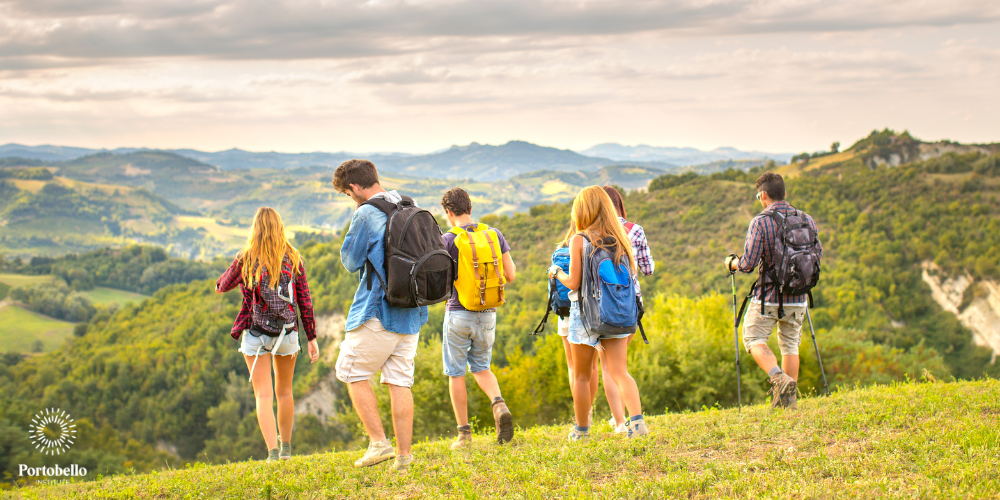
A visit to Armenia can take you from the lively streets of Yerevan to ancient monasteries, mountain villages and dramatic landscapes. While guidebooks and maps are useful, a knowledgeable local guide can bring these places to life, adding context, personal stories and practical advice along the way.

What does a tourist guide do?

A good tourist guide does more than lead the way. They explain the history behind a landmark, help visitors understand local customs and answer questions that might not appear in a guidebook. They can also make a trip easier by planning a sensible route, arranging transport and helping visitors make the most of limited time.

In Armenia, a guide might introduce visitors to the history and architecture of a monastery, point out details in a city neighbourhood or share stories about regional food and family traditions. The best guides connect well-known sights with the everyday life of the places around them.

Choosing the right guide

Before booking, consider what sort of experience you want. A walking tour of Yerevan, a day trip to historical sites and a mountain excursion call for different kinds of knowledge and preparation. Look for a guide whose experience matches your plans.

  • Check their experience: Read recent reviews and look for clear information about their background and the tours they offer.
  • Ask about the itinerary: Find out how long the tour lasts, what is included and whether there will be time for breaks or questions.
  • Discuss language: Confirm that the guide can lead the tour comfortably in your preferred language.
  • Be clear about your interests: Tell the guide whether you are especially interested in history, food, architecture, nature or local life.
  • Check practical details: Ask about transport, accessibility, entrance fees, clothing recommendations and what to bring.

Private tours and group tours

A private tour offers flexibility. The route and pace can often be adapted to suit your interests, making it a good option for families, small groups or visitors with specific plans. Group tours can be a more affordable way to explore and offer the chance to meet other travellers, though the schedule is usually less flexible.

Neither option is automatically better. Consider your budget, preferred pace and the kind of experience you enjoy before deciding.

Guides for cities, history and the outdoors

Different destinations call for different expertise. In a city, a guide can help you notice architectural details, navigate between neighbourhoods and understand how the past is reflected in modern life. At historic sites, an informed explanation can make the setting easier to appreciate. For hiking or other outdoor activities, choose someone with relevant local knowledge and ask about the route, weather conditions and safety arrangements.

When visiting religious sites, a guide can also explain local customs. Visitors should follow posted instructions, dress respectfully where appropriate and ask before photographing people or ceremonies.

Making the most of your tour

Arrive on time, wear comfortable shoes and bring water, especially for longer walks or trips outside the city. Let your guide know about mobility needs, dietary requirements or other considerations in advance. Questions are welcome, and sharing what interests you can help shape a more rewarding experience.

It is also worth remembering that a guide’s perspective is one person’s account of a place. If a subject has several interpretations, ask how different people or communities understand it. Listening with curiosity can lead to a richer conversation.

A more personal journey

Travelling independently offers freedom, but a skilled tourist guide can provide understanding that is difficult to gain from signs and maps alone. Whether you are exploring Yerevan, visiting historic landmarks or heading into the countryside, the right guide can help turn a day of sightseeing into a meaningful encounter with Armenia and its people.


Top 5 Benefits of Tourist Guides: Enhancing Your Travel Experience

  1. Provide local knowledge and insights.
  2. Make destinations easier to navigate.
  3. Bring history and culture to life.
  4. Help save time with planned itineraries.
  5. Offer practical tips and recommendations.


Drawbacks of Guided Tours: Cost, Rigidity, Pace, and Variable Expertise

  1. Guided tours can be expensive.
  2. Fixed itineraries offer less flexibility.
  3. Large groups may feel rushed.
  4. Guide quality can vary.

Provide local knowledge and insights.

Tourist guides offer local knowledge and insights that can bring a destination to life. They share stories, traditions and details that visitors might otherwise miss, while offering a deeper understanding of the area’s history and everyday culture. Their recommendations can also help travellers discover worthwhile places beyond the usual tourist trail.

Make destinations easier to navigate.

Tourist guides make destinations easier to navigate, helping visitors find their way around unfamiliar streets, transport systems and attractions. Their local knowledge can save time, prevent confusion and make it easier to discover places that might otherwise be missed. This is especially useful when signs are unclear or when a destination has complex routes and limited transport options.

Bring history and culture to life.

A knowledgeable tourist guide can bring history and culture to life by connecting landmarks and traditions with the people and events behind them. Instead of simply looking at an old building or hearing a date, visitors can discover the stories, customs and local perspectives that give a place its character. These insights make the experience more engaging and help travellers form a deeper connection with the destination.

Help save time with planned itineraries.

Tourist guides can save valuable time by planning an itinerary that makes the most of each day. With local knowledge, they can group nearby attractions, choose efficient routes and help avoid unnecessary detours, leaving more time to enjoy the places you visit.

Offer practical tips and recommendations.

Tourist guides can make a visit easier by sharing practical tips and recommendations based on local knowledge. They may suggest the best time to visit a popular attraction, recommend places to eat, explain local customs or point out convenient transport options. This advice can help visitors save time, avoid common difficulties and discover experiences they might otherwise miss.

Guided tours can be expensive.

Guided tours can be expensive, particularly private tours or longer excursions that include transport and entrance fees. For travellers on a tight budget, the cost may be difficult to justify, especially when some sights can be explored independently using maps, guidebooks or free online resources. It is worth checking exactly what the price covers and comparing a few options before booking.

Fixed itineraries offer less flexibility.

One drawback of joining a guided tour is that the itinerary is usually fixed, leaving less room to explore at your own pace. You may have to move on from a place just as it becomes interesting, or skip a stop that catches your eye. This can be frustrating for travellers who prefer spontaneous discoveries or want to spend more time on particular sights.

Large groups may feel rushed.

One drawback of joining a large guided tour is that the pace may feel rushed. Guides need to keep everyone together and stick to the schedule, leaving less time to explore a particular place, take photographs or ask questions. Travellers who prefer a more relaxed experience may find a smaller group or private tour more suitable.

Guide quality can vary.

The quality of tourist guides can vary considerably. Some are knowledgeable, engaging and well prepared, while others may offer limited information, follow a rigid itinerary or struggle to answer questions. It is worth checking recent reviews, experience and tour details before booking, so expectations are clear.