Tourist Guides: Discovering Armenia with Local Insight
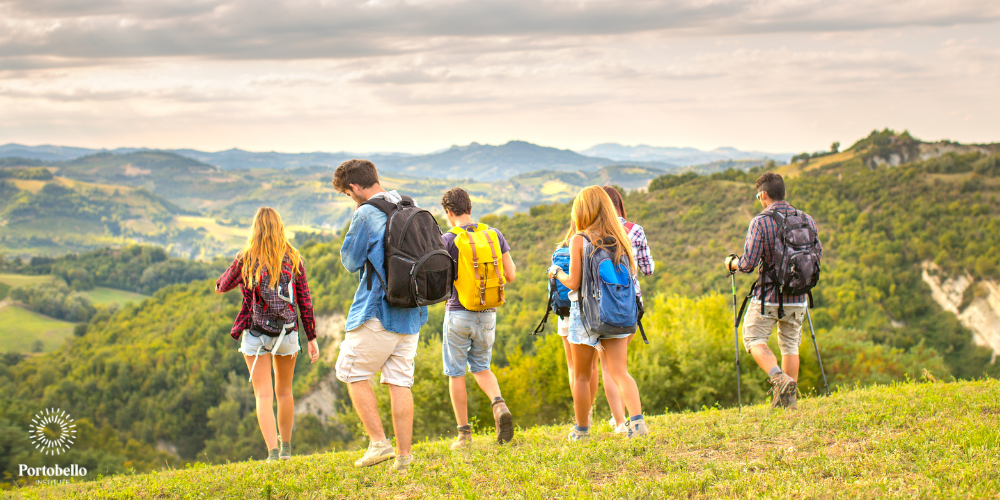
tourist guides

Tourist Guides: A Better Way to Discover Armenia

A visit to Armenia can take you from the lively streets of Yerevan to ancient monasteries, mountain villages and dramatic landscapes. While guidebooks and maps are useful, a knowledgeable local guide can bring these places to life, adding context, personal stories and practical advice along the way.

What does a tourist guide do?

A good tourist guide does more than lead the way. They explain the history behind a landmark, help visitors understand local customs and answer questions that might not appear in a guidebook. They can also make a trip easier by planning a sensible route, arranging transport and helping visitors make the most of limited time.

In Armenia, a guide might introduce visitors to the history and architecture of a monastery, point out details in a city neighbourhood or share stories about regional food and family traditions. The best guides connect well-known sights with the everyday life of the places around them.

Choosing the right guide

Before booking, consider what sort of experience you want. A walking tour of Yerevan, a day trip to historical sites and a mountain excursion call for different kinds of knowledge and preparation. Look for a guide whose experience matches your plans.

  • Check their experience: Read recent reviews and look for clear information about their background and the tours they offer.
  • Ask about the itinerary: Find out how long the tour lasts, what is included and whether there will be time for breaks or questions.
  • Discuss language: Confirm that the guide can lead the tour comfortably in your preferred language.
  • Be clear about your interests: Tell the guide whether you are especially interested in history, food, architecture, nature or local life.
  • Check practical details: Ask about transport, accessibility, entrance fees, clothing recommendations and what to bring.

Private tours and group tours

A private tour offers flexibility. The route and pace can often be adapted to suit your interests, making it a good option for families, small groups or visitors with specific plans. Group tours can be a more affordable way to explore and offer the chance to meet other travellers, though the schedule is usually less flexible.

Neither option is automatically better. Consider your budget, preferred pace and the kind of experience you enjoy before deciding.

Guides for cities, history and the outdoors

Different destinations call for different expertise. In a city, a guide can help you notice architectural details, navigate between neighbourhoods and understand how the past is reflected in modern life. At historic sites, an informed explanation can make the setting easier to appreciate. For hiking or other outdoor activities, choose someone with relevant local knowledge and ask about the route, weather conditions and safety arrangements.

When visiting religious sites, a guide can also explain local customs. Visitors should follow posted instructions, dress respectfully where appropriate and ask before photographing people or ceremonies.

Making the most of your tour

Arrive on time, wear comfortable shoes and bring water, especially for longer walks or trips outside the city. Let your guide know about mobility needs, dietary requirements or other considerations in advance. Questions are welcome, and sharing what interests you can help shape a more rewarding experience.

It is also worth remembering that a guide’s perspective is one person’s account of a place. If a subject has several interpretations, ask how different people or communities understand it. Listening with curiosity can lead to a richer conversation.

A more personal journey

Travelling independently offers freedom, but a skilled tourist guide can provide understanding that is difficult to gain from signs and maps alone. Whether you are exploring Yerevan, visiting historic landmarks or heading into the countryside, the right guide can help turn a day of sightseeing into a meaningful encounter with Armenia and its people.


Top 5 Benefits of Tourist Guides: Enhancing Your Travel Experience

  1. Provide local knowledge and insights.
  2. Make destinations easier to navigate.
  3. Bring history and culture to life.
  4. Help save time with planned itineraries.
  5. Offer practical tips and recommendations.


Drawbacks of Guided Tours: Cost, Rigidity, Pace, and Variable Expertise

  1. Guided tours can be expensive.
  2. Fixed itineraries offer less flexibility.
  3. Large groups may feel rushed.
  4. Guide quality can vary.

Provide local knowledge and insights.

Tourist guides offer local knowledge and insights that can bring a destination to life. They share stories, traditions and details that visitors might otherwise miss, while offering a deeper understanding of the area’s history and everyday culture. Their recommendations can also help travellers discover worthwhile places beyond the usual tourist trail.

Make destinations easier to navigate.

Tourist guides make destinations easier to navigate, helping visitors find their way around unfamiliar streets, transport systems and attractions. Their local knowledge can save time, prevent confusion and make it easier to discover places that might otherwise be missed. This is especially useful when signs are unclear or when a destination has complex routes and limited transport options.

Bring history and culture to life.

A knowledgeable tourist guide can bring history and culture to life by connecting landmarks and traditions with the people and events behind them. Instead of simply looking at an old building or hearing a date, visitors can discover the stories, customs and local perspectives that give a place its character. These insights make the experience more engaging and help travellers form a deeper connection with the destination.

Help save time with planned itineraries.

Tourist guides can save valuable time by planning an itinerary that makes the most of each day. With local knowledge, they can group nearby attractions, choose efficient routes and help avoid unnecessary detours, leaving more time to enjoy the places you visit.

Offer practical tips and recommendations.

Tourist guides can make a visit easier by sharing practical tips and recommendations based on local knowledge. They may suggest the best time to visit a popular attraction, recommend places to eat, explain local customs or point out convenient transport options. This advice can help visitors save time, avoid common difficulties and discover experiences they might otherwise miss.

Guided tours can be expensive.

Guided tours can be expensive, particularly private tours or longer excursions that include transport and entrance fees. For travellers on a tight budget, the cost may be difficult to justify, especially when some sights can be explored independently using maps, guidebooks or free online resources. It is worth checking exactly what the price covers and comparing a few options before booking.

Fixed itineraries offer less flexibility.

One drawback of joining a guided tour is that the itinerary is usually fixed, leaving less room to explore at your own pace. You may have to move on from a place just as it becomes interesting, or skip a stop that catches your eye. This can be frustrating for travellers who prefer spontaneous discoveries or want to spend more time on particular sights.

Large groups may feel rushed.

One drawback of joining a large guided tour is that the pace may feel rushed. Guides need to keep everyone together and stick to the schedule, leaving less time to explore a particular place, take photographs or ask questions. Travellers who prefer a more relaxed experience may find a smaller group or private tour more suitable.

Guide quality can vary.

The quality of tourist guides can vary considerably. Some are knowledgeable, engaging and well prepared, while others may offer limited information, follow a rigid itinerary or struggle to answer questions. It is worth checking recent reviews, experience and tour details before booking, so expectations are clear.
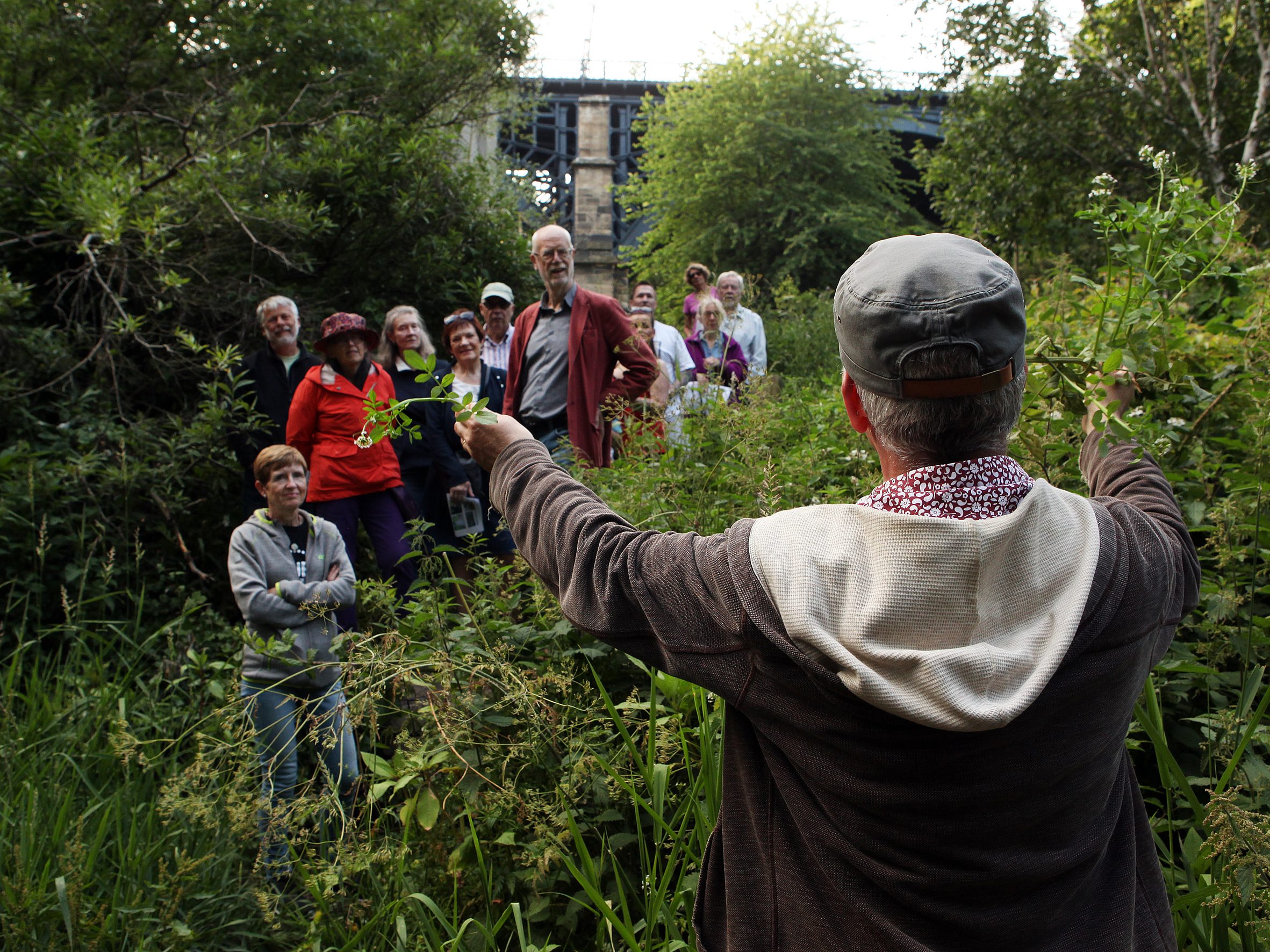
Unlocking Destinations: The Essential Role of a Tour Guide

The Role of a Tour Guide in Enhancing Your Travel Experience

Travelling to a new destination can be both exciting and overwhelming. Amidst the unfamiliar sights and sounds, a knowledgeable tour guide can serve as your beacon, illuminating the wonders of a place and enriching your travel experience.

One of the primary roles of a tour guide is to provide insights into the history, culture, and attractions of the destination. With their expertise and passion for storytelling, they bring to life the significance behind monuments, landmarks, and traditions that may otherwise go unnoticed.

Moreover, a tour guide is not just a source of information but also a facilitator of memorable experiences. They can recommend hidden gems off the beaten path, introduce you to local delicacies, and offer insider tips that enhance your understanding and appreciation of the place you are visiting.

Beyond their knowledge and recommendations, a good tour guide possesses excellent communication skills and a friendly demeanour. They create a welcoming atmosphere for travellers, fostering connections and camaraderie within the group.

Furthermore, in addition to enhancing your travel experience, tour guides play a crucial role in promoting sustainable tourism practices. By educating visitors about responsible travel behaviours and conservation efforts, they help preserve the natural beauty and cultural heritage of destinations for future generations to enjoy.

In conclusion, whether you are exploring ancient ruins, navigating bustling markets, or embarking on outdoor adventures, having a skilled tour guide by your side can truly elevate your journey. Their expertise, passion, and dedication ensure that every moment of your travels is filled with discovery and delight.


Top 5 Tips for Becoming an Exceptional Tour Guide

  1. Be knowledgeable about the history and culture of the places you are guiding tours in.
  2. Engage with your audience by sharing interesting stories and facts.
  3. Ensure clear communication with your group, including instructions and information about the itinerary.
  4. Be friendly, approachable, and attentive to the needs of the tourists.
  5. Stay organized and punctual to provide a smooth and enjoyable tour experience.

Be knowledgeable about the history and culture of the places you are guiding tours in.

To excel as a tour guide, it is essential to deepen your understanding of the history and culture of the destinations you are leading tours in. By immersing yourself in the rich tapestry of each location’s past and traditions, you can offer valuable insights that resonate with travellers seeking a meaningful and enlightening experience. Being knowledgeable about the historical significance of landmarks, the intricacies of local customs, and the stories that shape a place allows you to paint a vivid picture for your guests, fostering a deeper connection with the destination and creating lasting memories that go beyond surface-level tourism.

Engage with your audience by sharing interesting stories and facts.

To enhance the tour experience, it is essential for a tour guide to engage with their audience by sharing captivating stories and intriguing facts about the destination. By weaving narratives that bring history and culture to life, tour guides can create a more immersive and memorable journey for travellers. These anecdotes not only educate but also entertain, fostering a deeper connection between the audience and the place they are exploring. Through storytelling, tour guides have the power to spark curiosity, ignite imaginations, and leave a lasting impression on those they guide.

Ensure clear communication with your group, including instructions and information about the itinerary.

Clear communication is paramount when it comes to the role of a tour guide. Ensuring that instructions and information about the itinerary are effectively conveyed to the group not only enhances the overall experience but also fosters a sense of cohesion and understanding among travellers. By providing clear guidance and insights, a tour guide can help participants navigate unfamiliar surroundings with confidence and make the most of their journey. Effective communication is key to creating a seamless and enjoyable travel experience for all involved.

Be friendly, approachable, and attentive to the needs of the tourists.

To excel as a tour guide, it is essential to embody qualities of friendliness, approachability, and attentiveness towards the needs of the tourists. By being warm and welcoming, tour guides create a comfortable environment for travellers to engage and ask questions. Approachability fosters open communication and builds rapport, enabling guides to better understand the preferences and interests of their guests. Additionally, being attentive to the needs of tourists ensures that their experiences are personalised and enjoyable, leading to lasting memories and positive feedback.

Stay organized and punctual to provide a smooth and enjoyable tour experience.

To ensure a seamless and enjoyable tour experience, it is essential for tour guides to stay organised and punctual. By meticulously planning the itinerary, coordinating logistics, and adhering to schedules, tour guides can create a structured and efficient journey for their guests. Punctuality not only demonstrates professionalism but also instils confidence in travellers, allowing them to relax and fully immerse themselves in the sights and activities without unnecessary delays or disruptions. A well-organised and punctual approach by tour guides sets the foundation for a smooth and memorable exploration of the destination.

Tour Guides: Discover a Destination Through Local Stories

tour guides

Tour Guides: Bringing a Destination to Life

A memorable journey is about more than the places you visit. It is also shaped by the stories you hear, the people you meet and the details you might otherwise miss. A knowledgeable tour guide can bring all of these elements together, helping visitors understand a destination beyond its landmarks and photographs.

What does a tour guide do?

Tour guides introduce visitors to a place and help them explore it with confidence. Depending on the tour, they may explain local history, point out architectural features, share cultural traditions or offer practical advice. They can also help organise the route, answer questions and make sure the group has time to enjoy the experience.

The best guides do more than recite facts. They connect information to the places around them, adapting their explanations to the interests of the group. A walk through an old town, for example, might become a conversation about its changing communities, local customs and everyday life.

Why choose a local guide?

Local guides often offer valuable insight into the character of a destination. They may know the history behind a modest-looking building, recommend a family-run café or explain the significance of a festival or custom. Their knowledge can add depth to a visit and help travellers see beyond the most familiar sights.

In a country such as Armenia, a guide can help visitors make connections between ancient heritage and contemporary life. Historical sites, monasteries, landscapes and cities each have their own stories, and a well-informed guide can place them in context while sharing perspectives rooted in local experience.

Choosing the right tour

Before booking, consider what you would like from the experience. Some tours focus on history or architecture, while others explore food, nature, crafts or neighbourhood life. Check the tour’s length, group size, meeting point and accessibility, and make sure the language is suitable for everyone taking part.

It is also worth reading recent reviews and checking what is included in the price. If you have particular interests or requirements, ask the guide in advance whether the itinerary can be adapted. A good guide will be clear about what the tour offers and happy to answer reasonable questions.

Making the most of your experience

  • Arrive at the meeting point on time and wear comfortable footwear.
  • Bring water and weather-appropriate clothing, especially for outdoor excursions.
  • Ask questions: a conversation can make the tour more rewarding.
  • Be considerate when visiting religious or culturally significant places.
  • Follow guidance about photography, local customs and access to private spaces.

A richer way to explore

Tour guides can turn a collection of sights into a more meaningful journey. Through their knowledge, stories and recommendations, they help visitors understand not only what they are seeing, but why it matters. Whether exploring a historic city, a mountain landscape or a local market, choosing the right guide can make a trip more engaging and memorable.


Essential Tips for Choosing and Enjoying a Tour Guide Experience

  1. Choose a guide with strong local knowledge.
  2. Check reviews before booking.
  3. Ask about group size and pace.
  4. Wear comfortable shoes and weather-appropriate clothes.
  5. Arrive on time at the meeting point.
  6. Tip only if it feels deserved.

Choose a guide with strong local knowledge.

Choose a guide with strong local knowledge to gain a deeper understanding of the places you visit. A local guide can share the stories behind historic sites, explain customs and traditions, and point you towards neighbourhoods or experiences you might otherwise miss. Their first-hand insight can help you see a destination through the eyes of the people who live there.

Check reviews before booking.

Before booking a tour, take a few minutes to read recent reviews from other travellers. Look for comments on the guide’s knowledge, communication, punctuality and ability to make the experience engaging. Reviews can also reveal practical details, such as whether the pace is suitable or the tour matches its description. Consider several opinions rather than relying on a single review, and check that feedback relates to the specific tour you plan to book.

Ask about group size and pace.

Ask about the group size and pace before booking a tour. Smaller groups can make it easier to hear the guide, ask questions and explore places without feeling rushed, while larger groups may offer a more sociable atmosphere. Check how much walking is involved, whether there are regular breaks and how quickly the itinerary moves between stops, so you can choose a tour that suits your interests and comfort level.

Wear comfortable shoes and weather-appropriate clothes.

Wear comfortable shoes and weather-appropriate clothing to make the most of your tour. You may be walking or standing for long periods, and the weather can change during the day, particularly on outdoor excursions. Check the forecast beforehand and choose practical layers to stay comfortable throughout.

Arrive on time at the meeting point.

Arrive at the meeting point on time so the tour can begin as planned and the group does not have to wait. Check the location and route in advance, and allow extra time for traffic or getting lost. If you are delayed, contact the guide as soon as possible.

Tip only if it feels deserved.

Tipping your tour guide is a personal choice, not an obligation. If the guide made your experience especially informative, enjoyable or welcoming, a tip can be a thoughtful way to show appreciation. Consider local customs and what you can comfortably afford; a sincere thank-you is always welcome, too.

Embracing the Solo Traveller Experience: A Journey of Self-Discovery

The Joys and Challenges of Being a Solo Traveller

Travelling solo is a unique experience that offers both incredible opportunities for personal growth and moments of solitude. For many, embarking on a solo journey is a chance to explore the world on their terms, free from the constraints of group dynamics and schedules.

One of the most rewarding aspects of solo travel is the freedom it provides. Solo travellers have the flexibility to choose their destinations, activities, and pace without having to compromise with others. This independence allows for a deeper connection with the places visited, as well as with oneself.

However, solo travel also comes with its own set of challenges. Navigating unfamiliar territories alone can be daunting, especially in countries where language barriers exist. Safety concerns may also arise, prompting solo travellers to exercise caution and vigilance throughout their journey.

Despite these challenges, many solo travellers find that the benefits far outweigh the risks. The sense of accomplishment that comes from successfully navigating a foreign city or making new friends along the way is unparalleled. Solo travel fosters self-reliance, confidence, and adaptability – qualities that can be invaluable both on the road and in everyday life.

Ultimately, whether you’re seeking solitude or adventure, embarking on a solo journey can be a transformative experience. It offers a chance to step out of your comfort zone, discover new perspectives, and create lasting memories that are uniquely your own.


Top 5 Essential Tips for the Solo Traveller

  1. Research your destination thoroughly before you go.
  2. Pack light and only bring the essentials.
  3. Stay connected with family and friends back home.
  4. Trust your instincts and stay aware of your surroundings.
  5. Make an effort to meet new people and be open to new experiences.

Research your destination thoroughly before you go.

Before embarking on your solo travel adventure, it is crucial to research your destination thoroughly. Understanding the local customs, culture, and potential risks can help you navigate unfamiliar territories with confidence and preparedness. By familiarising yourself with the local language, transportation options, and safety guidelines, you can enhance your overall travel experience and mitigate any unexpected challenges that may arise. Comprehensive research ensures that you make the most of your solo journey while staying informed and proactive throughout your travels.

Pack light and only bring the essentials.

When embarking on a solo travel adventure, it is essential to pack light and bring only the essentials. Travelling with minimal luggage not only makes it easier to move around independently but also reduces the risk of feeling weighed down by unnecessary items. By packing light, solo travellers can enjoy greater mobility and flexibility, allowing them to focus on the experiences and destinations ahead without being burdened by excess baggage. Prioritising essentials such as versatile clothing, travel documents, and personal care items ensures a smoother and more enjoyable journey.

Stay connected with family and friends back home.

It is crucial for solo travellers to stay connected with their family and friends back home while on their journey. Regular communication not only provides a sense of comfort and security but also allows loved ones to stay updated on the traveller’s well-being. In case of emergencies, having a support system in place can be invaluable. Whether through phone calls, messages, or video chats, maintaining these connections helps bridge the distance and ensures that solo travellers feel connected to their roots even as they explore new horizons.

Trust your instincts and stay aware of your surroundings.

It is essential for solo travellers to trust their instincts and stay vigilant of their surroundings. Intuition often serves as a valuable guide, helping individuals assess potentially risky situations and make informed decisions while exploring unfamiliar places alone. By remaining aware and observant, solo travellers can better navigate new environments, anticipate any potential dangers, and ensure their safety throughout their journey.

Make an effort to meet new people and be open to new experiences.

When travelling solo, it is essential to make an effort to meet new people and be open to new experiences. Engaging with locals and fellow travellers can enrich your journey by providing insights, recommendations, and meaningful connections. By stepping out of your comfort zone and embracing unfamiliar situations, you open yourself up to a world of possibilities that can enhance your travel experience in ways you never imagined. Embracing spontaneity and welcoming new encounters can lead to memorable moments and lasting friendships that truly enrich your solo adventure.