Tour Guides: Discover a Destination Through Local Stories
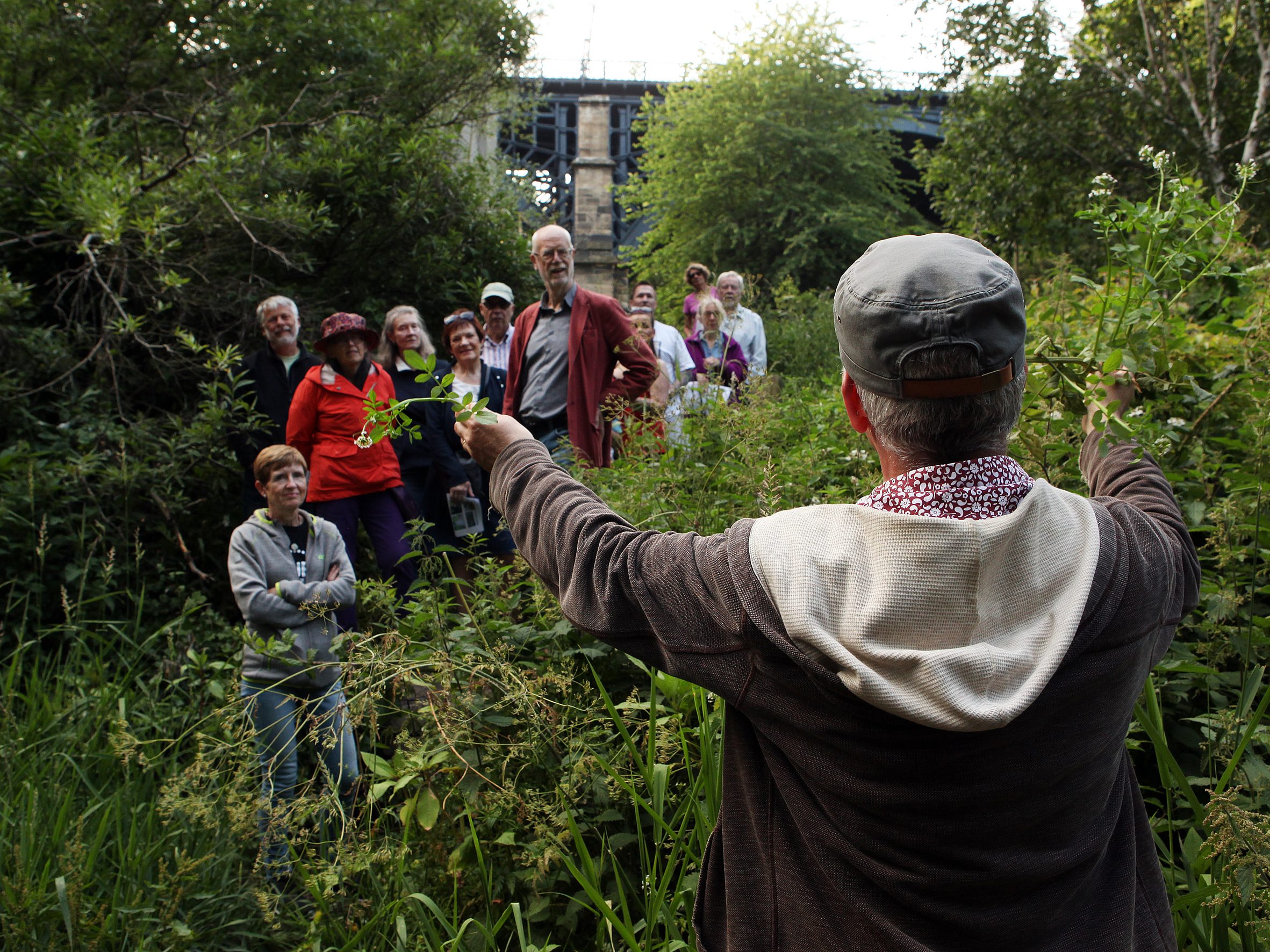
Tour Guides: Bringing a Destination to Life
A memorable journey is about more than the places you visit. It is also shaped by the stories you hear, the people you meet and the details you might otherwise miss. A knowledgeable tour guide can bring all of these elements together, helping visitors understand a destination beyond its landmarks and photographs.
What does a tour guide do?
Tour guides introduce visitors to a place and help them explore it with confidence. Depending on the tour, they may explain local history, point out architectural features, share cultural traditions or offer practical advice. They can also help organise the route, answer questions and make sure the group has time to enjoy the experience.
The best guides do more than recite facts. They connect information to the places around them, adapting their explanations to the interests of the group. A walk through an old town, for example, might become a conversation about its changing communities, local customs and everyday life.
Why choose a local guide?
Local guides often offer valuable insight into the character of a destination. They may know the history behind a modest-looking building, recommend a family-run café or explain the significance of a festival or custom. Their knowledge can add depth to a visit and help travellers see beyond the most familiar sights.
In a country such as Armenia, a guide can help visitors make connections between ancient heritage and contemporary life. Historical sites, monasteries, landscapes and cities each have their own stories, and a well-informed guide can place them in context while sharing perspectives rooted in local experience.
Choosing the right tour
Before booking, consider what you would like from the experience. Some tours focus on history or architecture, while others explore food, nature, crafts or neighbourhood life. Check the tour’s length, group size, meeting point and accessibility, and make sure the language is suitable for everyone taking part.
It is also worth reading recent reviews and checking what is included in the price. If you have particular interests or requirements, ask the guide in advance whether the itinerary can be adapted. A good guide will be clear about what the tour offers and happy to answer reasonable questions.
Making the most of your experience
- Arrive at the meeting point on time and wear comfortable footwear.
- Bring water and weather-appropriate clothing, especially for outdoor excursions.
- Ask questions: a conversation can make the tour more rewarding.
- Be considerate when visiting religious or culturally significant places.
- Follow guidance about photography, local customs and access to private spaces.
A richer way to explore
Tour guides can turn a collection of sights into a more meaningful journey. Through their knowledge, stories and recommendations, they help visitors understand not only what they are seeing, but why it matters. Whether exploring a historic city, a mountain landscape or a local market, choosing the right guide can make a trip more engaging and memorable.
Essential Tips for Choosing and Enjoying a Tour Guide Experience
- Choose a guide with strong local knowledge.
- Check reviews before booking.
- Ask about group size and pace.
- Wear comfortable shoes and weather-appropriate clothes.
- Arrive on time at the meeting point.
- Tip only if it feels deserved.
Choose a guide with strong local knowledge.
Choose a guide with strong local knowledge to gain a deeper understanding of the places you visit. A local guide can share the stories behind historic sites, explain customs and traditions, and point you towards neighbourhoods or experiences you might otherwise miss. Their first-hand insight can help you see a destination through the eyes of the people who live there.
Check reviews before booking.
Before booking a tour, take a few minutes to read recent reviews from other travellers. Look for comments on the guide’s knowledge, communication, punctuality and ability to make the experience engaging. Reviews can also reveal practical details, such as whether the pace is suitable or the tour matches its description. Consider several opinions rather than relying on a single review, and check that feedback relates to the specific tour you plan to book.
Ask about group size and pace.
Ask about the group size and pace before booking a tour. Smaller groups can make it easier to hear the guide, ask questions and explore places without feeling rushed, while larger groups may offer a more sociable atmosphere. Check how much walking is involved, whether there are regular breaks and how quickly the itinerary moves between stops, so you can choose a tour that suits your interests and comfort level.
Wear comfortable shoes and weather-appropriate clothes.
Wear comfortable shoes and weather-appropriate clothing to make the most of your tour. You may be walking or standing for long periods, and the weather can change during the day, particularly on outdoor excursions. Check the forecast beforehand and choose practical layers to stay comfortable throughout.
Arrive on time at the meeting point.
Arrive at the meeting point on time so the tour can begin as planned and the group does not have to wait. Check the location and route in advance, and allow extra time for traffic or getting lost. If you are delayed, contact the guide as soon as possible.
Tip only if it feels deserved.
Tipping your tour guide is a personal choice, not an obligation. If the guide made your experience especially informative, enjoyable or welcoming, a tip can be a thoughtful way to show appreciation. Consider local customs and what you can comfortably afford; a sincere thank-you is always welcome, too.