Succulent Pork Loin Roast Recipe for a Memorable Meal

pork loin roast recipe

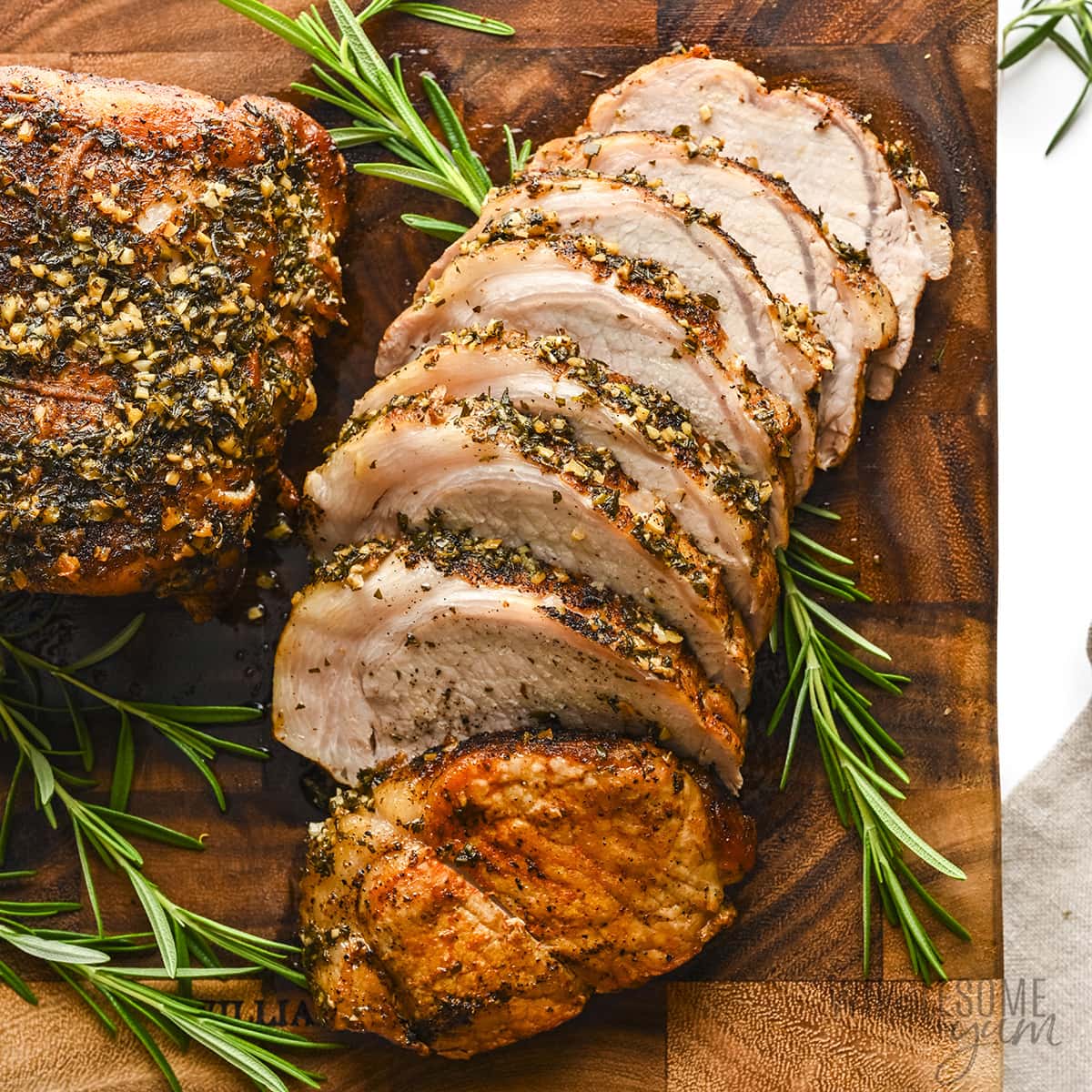
The Perfect Pork Loin Roast Recipe

Looking for a delicious and impressive dish to serve at your next gathering? A succulent pork loin roast is sure to be a crowd-pleaser. With the right seasoning and cooking technique, you can create a mouth-watering centrepiece that will have everyone coming back for seconds.

Ingredients:

  • 1 3-pound pork loin roast
  • 2 cloves of garlic, minced
  • 1 tablespoon of fresh rosemary, chopped
  • 1 tablespoon of fresh thyme, chopped
  • Salt and pepper to taste
  • Olive oil

Instructions:

  1. Preheat your oven to 180°C (350°F).
  2. In a small bowl, mix together the minced garlic, rosemary, thyme, salt, pepper, and a drizzle of olive oil to create a fragrant herb rub.
  3. Rub the herb mixture all over the pork loin roast, ensuring it is evenly coated.
  4. Place the seasoned pork loin roast in a roasting pan and roast in the preheated oven for about 1 hour or until the internal temperature reaches 63°C (145°F).
  5. Remove the pork loin roast from the oven and let it rest for 10-15 minutes before slicing.
  6. Serve your perfectly cooked pork loin roast with roasted vegetables or creamy mashed potatoes for a complete meal that will leave your guests impressed.

Whether you’re hosting a special dinner or simply craving a hearty meal, this pork loin roast recipe is guaranteed to satisfy your taste buds. Enjoy the tender meat infused with aromatic herbs and savour every bite of this culinary delight!

Bon appétit!


9 Reasons to Savour a Pork Loin Roast: A Delicious and Versatile Centrepiece

  1. Delicious and flavourful main dish
  2. Impressive centrepiece for gatherings
  3. Simple and easy to prepare
  4. Versatile – pairs well with various side dishes
  5. Tender and juicy meat when cooked correctly
  6. Aromatic herbs enhance the taste of the pork loin roast
  7. Suitable for special occasions or everyday meals
  8. Leftovers can be used in sandwiches or salads
  9. Cooking aroma fills the house with a mouth-watering scent


Considerations and Challenges of Cooking a Pork Loin Roast

  1. Pork loin roast can be prone to drying out if overcooked.
  2. Some individuals may prefer leaner cuts of meat, making pork loin roast less appealing.
  3. Preparing a pork loin roast requires careful seasoning and monitoring to ensure optimal flavour and tenderness.
  4. Cooking a large pork loin roast can take a significant amount of time, which may not be suitable for quick meals.
  5. People with dietary restrictions or preferences against pork may not find this recipe suitable.
  6. Leftover pork loin roast can sometimes lose its juiciness upon reheating.

Delicious and flavourful main dish

Indulge in the culinary delight of a perfectly cooked pork loin roast, a delicious and flavourful main dish that is sure to elevate any dining experience. The succulent meat, infused with aromatic herbs and seasonings, offers a symphony of tastes that will tantalise your taste buds with every bite. Whether served at a special gathering or enjoyed as a comforting meal at home, this pork loin roast recipe promises to impress with its rich flavours and tender texture, making it a standout choice for those seeking a memorable dining experience.

Impressive centrepiece for gatherings

When it comes to hosting gatherings, a pork loin roast recipe serves as an impressive centrepiece that never fails to captivate guests. The aroma of the seasoned pork loin roasting in the oven creates an inviting atmosphere, setting the stage for a memorable dining experience. As the perfectly cooked roast is brought to the table and elegantly carved, it becomes a focal point that draws admiration and anticipation from all attendees. With its tender texture, rich flavour, and visually appealing presentation, a pork loin roast truly elevates any gathering into a special occasion filled with culinary delight and shared enjoyment.

Simple and easy to prepare

Indulge in the culinary delight of a pork loin roast with the added benefit of its simplicity and ease of preparation. This recipe offers a straightforward approach, making it accessible even for novice cooks. With just a handful of ingredients and basic cooking techniques, you can effortlessly create a mouth-watering pork loin roast that is sure to impress your guests. Enjoy the convenience of a delicious meal without the hassle, and let the oven work its magic as you savour the delightful flavours of this classic dish.

Versatile – pairs well with various side dishes

When it comes to the pork loin roast recipe, one of its standout pros is its versatility. This delectable dish pairs exceptionally well with a wide range of side dishes, allowing you to customise your meal to suit any occasion or preference. Whether served alongside roasted vegetables for a wholesome touch, paired with creamy mashed potatoes for a comforting classic, or accompanied by a fresh salad for a lighter option, the pork loin roast effortlessly adapts to complement and enhance the flavours of diverse accompaniments. Its ability to harmonise with different sides makes it a go-to choice for creating a memorable and satisfying dining experience for all tastes.

Tender and juicy meat when cooked correctly

When prepared with precision and care, the pork loin roast recipe offers a delightful pro: tender and juicy meat that is a true delight for the senses. Through the right cooking techniques and seasoning, the pork loin roast transforms into a succulent dish that melts in your mouth with each savoured bite. The result is a culinary masterpiece that embodies perfection, promising a satisfying dining experience for all who indulge in its tender and juicy goodness.

Aromatic herbs enhance the taste of the pork loin roast

The use of aromatic herbs in this pork loin roast recipe significantly elevates the overall flavour profile of the dish. The blend of fresh rosemary, thyme, and garlic not only adds depth and complexity to the meat but also infuses it with a delightful fragrance that tantalises the senses. These herbs complement the natural richness of the pork loin, creating a harmonious marriage of flavours that is both comforting and satisfying. With each succulent bite, the herb-infused pork loin roast promises a culinary experience that is as aromatic as it is delicious.

Suitable for special occasions or everyday meals

Indulge in the versatility of the pork loin roast recipe, perfect for any occasion, whether it’s a festive celebration or a casual weekday dinner. This culinary masterpiece strikes the right balance between sophistication and simplicity, making it an ideal choice to impress guests at special gatherings or to elevate your everyday meals with its succulent flavours and tender texture. With minimal effort and maximum flavour, the pork loin roast recipe seamlessly transitions from a gourmet centerpiece to a comforting family favourite, ensuring that every bite is a delightful experience worth savouring.

Leftovers can be used in sandwiches or salads

Make the most of your pork loin roast leftovers by incorporating them into delicious sandwiches or refreshing salads. The tender and flavourful meat from the roast can add a savoury twist to your lunchtime favourites. Whether thinly sliced in a sandwich with some mustard or tossed into a vibrant salad for added protein, repurposing leftovers in this way ensures that every last bite of the delectable pork loin roast is enjoyed to the fullest.

Cooking aroma fills the house with a mouth-watering scent

The enticing aroma that fills the house while cooking a pork loin roast is truly irresistible. The mouth-watering scent of seasoned meat and herbs wafting through the air creates a warm and inviting atmosphere, heightening anticipation for the delicious meal to come. This sensory experience not only tantalizes the taste buds but also evokes feelings of comfort and satisfaction, making the act of cooking a pork loin roast a delightful sensory journey for both the chef and those eagerly awaiting the feast.

Pork loin roast can be prone to drying out if overcooked.

When preparing a pork loin roast, it is essential to exercise caution as it can easily dry out if overcooked. The lean nature of pork loin makes it susceptible to becoming tough and less juicy when subjected to high temperatures for an extended period. To avoid this common pitfall, it is advisable to monitor the cooking time diligently and use a meat thermometer to ensure the pork loin reaches the ideal internal temperature without being overdone. By taking care not to overcook the pork loin roast, you can preserve its tenderness and succulence, resulting in a delectable dish that will impress your guests.

Some individuals may prefer leaner cuts of meat, making pork loin roast less appealing.

While a pork loin roast is a delicious and versatile dish, some individuals may find it less appealing due to their preference for leaner cuts of meat. Pork loin, though tender and flavourful, does have a slightly higher fat content compared to leaner cuts like pork tenderloin. For those seeking a leaner option, alternatives such as pork tenderloin or skinless chicken breast may better suit their dietary preferences. However, with the right cooking techniques and portion control, pork loin roast can still be enjoyed as an indulgent treat for special occasions or gatherings.

Preparing a pork loin roast requires careful seasoning and monitoring to ensure optimal flavour and tenderness.

Preparing a pork loin roast demands meticulous attention to seasoning and monitoring throughout the cooking process to achieve the desired level of flavour and tenderness. From selecting the right herbs and spices to coating the roast evenly, every step plays a crucial role in enhancing the taste and texture of the dish. Additionally, monitoring the cooking time and internal temperature is essential to prevent overcooking, ensuring that the pork loin remains juicy and succulent. By dedicating time and effort to these details, one can elevate a simple pork loin roast into a culinary masterpiece that delights the senses with each bite.

Cooking a large pork loin roast can take a significant amount of time, which may not be suitable for quick meals.

When considering the preparation of a large pork loin roast, it is important to acknowledge that the cooking process can be time-consuming, making it less ideal for those seeking quick meal options. The lengthy cooking time required to ensure the roast is tender and perfectly cooked may not align with busy schedules or last-minute dinner plans. However, for those willing to invest the time and effort, the end result of a succulent and flavourful pork loin roast is well worth the wait, offering a delicious reward for patience and culinary dedication.

People with dietary restrictions or preferences against pork may not find this recipe suitable.

For individuals with dietary restrictions or preferences that exclude pork from their meals, this pork loin roast recipe may not be suitable. While the succulent flavours and juicy textures of the pork loin roast can be enticing for many, those who do not consume pork for personal, cultural, or religious reasons may need to explore alternative recipes that align with their dietary choices. It is essential to respect and accommodate diverse dietary needs when planning meals to ensure inclusivity and enjoyment for all diners.

Leftover pork loin roast can sometimes lose its juiciness upon reheating.

When it comes to the delectable pork loin roast, one potential downside to keep in mind is that leftover portions may lose some of their juiciness when reheated. While the initial serving is bursting with succulent flavours and moist texture, reheating can sometimes result in a drier consistency. To combat this, consider adding a splash of broth or gravy when reheating the pork loin roast to help retain its moisture and enhance its overall taste. Additionally, slicing the meat thinly before reheating can also aid in preserving its juiciness. With a few simple tricks, you can still enjoy the deliciousness of leftover pork loin roast without compromising on its tenderness.

Savouring Culinary Delights: Exploring Global Dishes

dishes

The Art of Dishes: Exploring Culinary Delights

Food has always been a central aspect of human culture, bringing people together and offering a glimpse into different traditions and lifestyles. One of the most fascinating elements of cuisine is the diversity of dishes found around the world, each with its unique flavours, ingredients, and preparation methods.

Exploring Global Flavours

From the spicy curries of India to the comforting pasta dishes of Italy, every corner of the world boasts a rich culinary heritage. Each dish tells a story, reflecting the history, geography, and cultural influences of its place of origin.

The Artistry of Cooking

Cooking is more than just combining ingredients; it is an art form that requires skill, creativity, and passion. Chefs around the world dedicate themselves to perfecting their craft, creating dishes that not only satisfy hunger but also tantalise the taste buds and ignite the senses.

Culinary Traditions

Many dishes have been passed down through generations, preserving age-old recipes and techniques that capture the essence of a particular culture. Whether it’s a hearty stew simmering on a stove or delicate pastries being lovingly crafted by hand, these traditions connect us to our roots and remind us of who we are.

The Joy of Sharing

Food has a unique ability to bring people together, fostering connections and creating memories that last a lifetime. Whether it’s a family gathering around a table or friends sharing a meal at a restaurant, the act of sharing dishes transcends language barriers and cultural differences.

Conclusion

As we journey through the world of cuisine, let us savour each dish with gratitude and appreciation for the artistry and passion that goes into its creation. Let us embrace the diversity of flavours that enrich our lives and celebrate the joy that comes from sharing food with others.


Top 5 Tips for Perfecting Your Culinary Creations

  1. Always season your dishes with salt and pepper to enhance the flavour.
  2. Use fresh herbs and spices to add depth and complexity to your dishes.
  3. Don’t overcrowd the pan when cooking, as it can prevent proper browning and cooking of ingredients.
  4. Taste as you cook and adjust seasoning accordingly to ensure a well-balanced dish.
  5. Follow recipes closely, especially when baking, as precise measurements are crucial for success.

Always season your dishes with salt and pepper to enhance the flavour.

Seasoning your dishes with salt and pepper is a fundamental tip in the culinary world, essential for enhancing the flavour profile of your creations. The judicious use of these simple yet powerful seasonings can elevate the taste of a dish, bringing out the natural flavours of the ingredients and adding depth and complexity to the overall experience. Whether sprinkled lightly for a subtle enhancement or used more generously for a bolder impact, salt and pepper are versatile tools that can transform a meal from ordinary to extraordinary with just a simple twist of the grinder.

Use fresh herbs and spices to add depth and complexity to your dishes.

Enhancing the flavours of your dishes is effortlessly achieved by incorporating fresh herbs and spices, which not only infuse depth but also introduce a delightful complexity to your culinary creations. The vibrant aromas and distinct tastes of these natural ingredients elevate the overall sensory experience, transforming a simple meal into a gastronomic delight that tantalises the palate. By embracing the use of fresh herbs and spices in your cooking, you unlock a world of possibilities that enriches your dishes with nuances and nuances that truly stand out.

Don’t overcrowd the pan when cooking, as it can prevent proper browning and cooking of ingredients.

When cooking, it is essential to avoid overcrowding the pan as it can hinder the proper browning and cooking of ingredients. By allowing enough space between items in the pan, heat can circulate evenly, ensuring that each piece cooks to perfection. Overcrowding can lead to steaming rather than browning, resulting in a loss of flavour and texture. To achieve optimal results and enhance the overall taste of your dishes, it is advisable to cook in batches or use a larger pan when preparing meals.

Taste as you cook and adjust seasoning accordingly to ensure a well-balanced dish.

When preparing a dish, it is essential to taste as you cook and make adjustments to the seasoning as needed. By sampling the flavours throughout the cooking process, you can ensure that the dish is well-balanced and perfectly seasoned. This practice allows you to fine-tune the saltiness, spiciness, sweetness, or acidity of the dish, resulting in a harmonious blend of flavours that will delight your taste buds. Remember, a well-seasoned dish can elevate the dining experience and showcase your culinary skills.

Follow recipes closely, especially when baking, as precise measurements are crucial for success.

When preparing dishes, particularly in the realm of baking, it is essential to follow recipes diligently. Precise measurements play a critical role in achieving successful outcomes. Each ingredient contributes to the overall texture, flavour, and structure of the dish, making accuracy paramount. By adhering closely to recipes, one can ensure that every element harmonizes perfectly, resulting in a delectable creation that delights both the palate and senses.

Savouring the Art of Crafting a Delectable Dish

dish

The Art of Creating a Delicious Dish

Creating a mouth-watering dish is not just about combining ingredients; it’s an art form that requires skill, passion, and creativity. From the selection of fresh produce to the final presentation, every step in the cooking process contributes to the overall experience of enjoying a well-prepared meal.

One of the key elements in crafting a delicious dish is choosing high-quality ingredients. Fresh vegetables, tender meats, aromatic herbs, and flavourful spices form the foundation of any great recipe. The careful selection of these components ensures that each bite bursts with exquisite taste and texture.

Another crucial aspect of culinary artistry is the cooking technique employed. Whether it’s grilling, roasting, sautéing, or simmering, each method imparts its unique flavours and enhances the overall character of the dish. Skilfully balancing heat and timing is essential to achieve optimal results in terms of taste and tenderness.

Seasoning plays a vital role in elevating the flavours of a dish. The judicious use of salt, pepper, spices, and condiments can transform a simple recipe into a culinary masterpiece. Experimenting with different combinations and adjusting seasoning to suit individual preferences is where creativity truly shines in the kitchen.

Finally, presentation adds the finishing touch to a delicious dish. Plating techniques, garnishes, and serving suggestions contribute not only to visual appeal but also to the overall dining experience. A beautifully presented meal stimulates not only the taste buds but also the eyes, creating a feast for all senses.

In conclusion, creating a delicious dish is more than just cooking; it’s an expression of artistry that delights both the chef and those fortunate enough to enjoy the fruits of their labour. So next time you step into your kitchen, remember that with passion, skill, and creativity, you too can master the art of crafting unforgettable culinary creations.


Exploring the Essentials: Frequently Asked Questions About This Dish

  1. What is the definition of a dish?
  2. How do you prepare this dish?
  3. What ingredients are needed to make this dish?
  4. Are there any variations or substitutions for certain ingredients in this dish?
  5. Can this dish be made vegetarian/vegan/gluten-free?
  6. What is the history or origin of this dish?
  7. What are some popular side dishes that pair well with this main dish?

What is the definition of a dish?

A dish is a specific type of food prepared in a particular way, typically involving a combination of ingredients cooked or served together. It can refer to a single food item or a complete meal, and the term “dish” often encompasses a wide range of culinary creations, from appetisers and main courses to desserts. The definition of a dish extends beyond its physical components to include the flavours, textures, and presentation that contribute to its overall appeal and enjoyment. In essence, a dish represents not just sustenance but also artistry and creativity in the realm of gastronomy.

How do you prepare this dish?

When it comes to preparing a dish, the process typically begins with gathering all the necessary ingredients and equipment. Following a recipe or using one’s culinary expertise, the preparation involves various steps such as chopping, marinating, cooking, and seasoning. Each ingredient is handled with care to ensure optimal flavour and texture in the final dish. Techniques like sautéing, boiling, baking, or grilling may be employed depending on the recipe requirements. Attention to detail and timing are crucial aspects of preparing a dish successfully, ensuring that every element comes together harmoniously to create a delicious and satisfying meal.

What ingredients are needed to make this dish?

When considering the question “What ingredients are needed to make this dish?” it is essential to understand that the foundation of any recipe lies in the careful selection of high-quality components. Fresh produce, premium meats, aromatic herbs, and flavourful spices are typically key elements in creating a delicious dish. The precise combination and balance of these ingredients play a crucial role in determining the overall taste and texture of the final culinary creation. Additionally, individual preferences and dietary restrictions may influence ingredient choices, highlighting the importance of flexibility and creativity in adapting recipes to suit diverse needs and tastes.

Are there any variations or substitutions for certain ingredients in this dish?

When considering variations or substitutions for ingredients in a dish, it’s important to understand the role each component plays in the overall flavour profile and texture. While some recipes may allow for flexibility in ingredient choices, others may rely on specific elements for authenticity or key taste notes. Experimenting with alternative ingredients can sometimes lead to delightful surprises, offering a chance to personalise the dish to suit individual preferences or dietary restrictions. However, it’s advisable to maintain a balance between creativity and adherence to the essential characteristics of the recipe to ensure a successful outcome that honours the original intent of the dish.

Can this dish be made vegetarian/vegan/gluten-free?

When considering whether a dish can be made vegetarian, vegan, or gluten-free, it often depends on the specific ingredients and cooking methods involved. To accommodate dietary preferences or restrictions, substitutions and modifications can be made to adapt the recipe accordingly. For example, replacing animal-based products with plant-based alternatives can transform a dish into a vegetarian or vegan-friendly option. Similarly, using gluten-free ingredients in place of wheat-based ones can cater to individuals with gluten sensitivities or allergies. By being mindful of ingredient choices and preparation techniques, many dishes can be creatively adjusted to meet various dietary requirements without compromising on taste or quality.

What is the history or origin of this dish?

The history and origin of a dish often reveal fascinating insights into its cultural significance and evolution over time. Exploring the roots of a particular culinary creation can unveil a rich tapestry of traditions, influences, and stories that have shaped its identity. Whether tracing back to ancient recipes passed down through generations or reflecting the fusion of diverse culinary heritages, understanding the history of a dish provides a deeper appreciation for its flavours and symbolism. By delving into the origins of a dish, we not only satisfy our curiosity but also connect with the heritage and narratives that make each bite a journey through time.

When considering complementary side dishes to accompany a main dish, there are several popular options that can elevate the overall dining experience. For this particular main dish, some delicious side dishes that pair well include garlic roasted potatoes, sautéed green beans with almonds, and a fresh garden salad with a zesty vinaigrette dressing. These sides not only provide a variety of textures and flavours but also enhance the main dish by offering contrasting or complementary elements that create a harmonious balance on the plate. Experimenting with different side dish combinations can add depth and complexity to the meal, ensuring a satisfying and well-rounded dining experience.

Ultimate Guide to the Perfect Scrambled Eggs Recipe

scrambled eggs recipe

The Perfect Scrambled Eggs Recipe

Scrambled eggs are a classic breakfast dish that is loved by many for its simplicity and deliciousness. With just a few basic ingredients and a little bit of technique, you can create the perfect scrambled eggs that are creamy, fluffy, and full of flavour.

Ingredients:

  • 4 large eggs
  • Salt and pepper to taste
  • 1 tablespoon butter
  • 2 tablespoons milk or cream (optional)

Instructions:

  1. Crack the eggs into a bowl and whisk them until well combined. Add salt, pepper, and milk or cream if using, and whisk again.
  2. Heat a non-stick pan over medium heat and add the butter. Allow it to melt and coat the bottom of the pan.
  3. Pour the egg mixture into the pan. Let it sit for a few seconds until the edges start to set.
  4. Using a spatula, gently stir the eggs from the edges towards the centre. Continue stirring occasionally until the eggs are mostly set but still slightly runny.
  5. Remove the pan from heat as the residual heat will continue to cook the eggs to perfection.
  6. Serve your scrambled eggs hot with toast, bacon, or your favourite breakfast sides.

Whether you like your scrambled eggs soft and creamy or well-cooked and fluffy, this recipe allows you to customise your dish to suit your preferences. Enjoy this simple yet satisfying breakfast treat any time of day!


Five Essential Tips for Perfectly Fluffy Scrambled Eggs

  1. Whisk the eggs thoroughly before cooking to ensure a light and fluffy texture.
  2. Add a splash of milk or cream to the beaten eggs for extra creaminess.
  3. Cook the scrambled eggs over low heat to prevent them from becoming rubbery.
  4. Season with salt and pepper towards the end of cooking to avoid drawing out moisture from the eggs.
  5. For added flavour, consider mixing in ingredients like cheese, herbs, or cooked vegetables.

Whisk the eggs thoroughly before cooking to ensure a light and fluffy texture.

To achieve a light and fluffy texture in your scrambled eggs, it is essential to whisk the eggs thoroughly before cooking. Whisking the eggs not only helps to incorporate air into the mixture but also ensures a uniform consistency, resulting in eggs that are tender and airy. This simple yet crucial step can elevate your scrambled eggs from ordinary to extraordinary, making them a delightful addition to any breakfast spread.

Add a splash of milk or cream to the beaten eggs for extra creaminess.

For an extra touch of creaminess in your scrambled eggs, consider adding a splash of milk or cream to the beaten eggs before cooking. This simple tip helps create a silkier texture and enhances the overall richness of the dish. The addition of milk or cream brings a subtle depth of flavour to the eggs, making them even more decadent and satisfying. Give this trick a try to elevate your scrambled eggs to a whole new level of deliciousness.

Cook the scrambled eggs over low heat to prevent them from becoming rubbery.

To ensure that your scrambled eggs turn out perfectly creamy and fluffy, it’s important to cook them over low heat. This gentle cooking method helps prevent the eggs from becoming rubbery and overcooked. By taking your time and cooking the eggs slowly, you can achieve a velvety texture that melts in your mouth. Low heat allows the eggs to cook evenly and retain their moisture, resulting in a delicious breakfast dish that is sure to impress.

Season with salt and pepper towards the end of cooking to avoid drawing out moisture from the eggs.

For the perfect scrambled eggs, a key tip is to season with salt and pepper towards the end of cooking rather than at the beginning. This technique helps to prevent the eggs from releasing excess moisture, resulting in a creamier and more flavourful dish. By waiting until the end to add seasoning, you can ensure that your scrambled eggs are cooked to perfection without becoming watery.

For added flavour, consider mixing in ingredients like cheese, herbs, or cooked vegetables.

To elevate the flavour of your scrambled eggs, consider incorporating additional ingredients such as cheese, herbs, or cooked vegetables. Adding a sprinkle of grated cheese like cheddar or feta can bring a rich and savoury dimension to your eggs. Fresh herbs like chives, parsley, or dill can impart a burst of freshness and aroma. For a nutritious twist, mix in sautéed vegetables such as bell peppers, spinach, or mushrooms to add texture and depth to your scrambled eggs. Experimenting with these extra elements can take your breakfast dish to a whole new level of taste and enjoyment.

Egg-cellent Egg Dishes: Exploring the Versatility of Eggs in Cuisine

egg dishes

The Versatility of Egg Dishes

Eggs are a staple ingredient in cuisines around the world, valued for their versatility and nutritional benefits. From breakfast classics to gourmet creations, egg dishes never fail to impress with their simplicity and deliciousness.

Classic Breakfast Options

One of the most popular ways to enjoy eggs is in a traditional breakfast spread. Whether scrambled, fried, poached, or boiled, eggs can be prepared in various ways to suit different tastes. Pair them with crispy bacon, buttery toast, and fresh tomatoes for a hearty start to the day.

International Delicacies

Across the globe, eggs feature prominently in diverse cuisines. In Italy, creamy carbonara pasta is made with eggs and pancetta, creating a rich and satisfying dish. In Japan, tamagoyaki – a rolled omelette – is a beloved snack that showcases the delicate flavour of eggs.

Gourmet Creations

Chefs often elevate egg dishes to gourmet status by incorporating luxurious ingredients. Truffle-infused scrambled eggs offer a decadent twist on a classic dish, while caviar-topped devilled eggs add sophistication to any appetiser platter.

Healthy Options

Eggs are not only delicious but also packed with essential nutrients. They are an excellent source of protein and vitamins, making them a nutritious choice for those looking to maintain a balanced diet. Egg white omelettes and veggie frittatas are popular options for health-conscious individuals.

Sweet Treats

While commonly associated with savoury dishes, eggs can also be used in sweet treats. Custards, meringues, and cakes rely on eggs for their structure and texture. A fluffy soufflé or a silky crème brûlée showcases the versatility of this humble ingredient.

In conclusion, egg dishes offer endless possibilities for culinary exploration. Whether enjoyed as part of a comforting breakfast or as an elegant dinner option, eggs continue to captivate food lovers with their simplicity and adaptability.


Top Tips for Perfecting Your Egg Dishes: Enhance Flavour and Variety

  1. Always use fresh eggs for the best taste and texture.
  2. Try different cooking methods such as boiling, frying, poaching, or baking to create variety in egg dishes.
  3. Season your eggs with salt and pepper to enhance their flavour.
  4. Experiment with adding ingredients like cheese, vegetables, herbs or meats to create more complex and delicious dishes.
  5. Avoid overcooking eggs as they can become rubbery and lose their delicate texture.
  6. Use a non-stick pan when frying or scrambling eggs to prevent sticking and make cleanup easier.
  7. For a healthier option, consider using egg whites instead of whole eggs in some dishes.
  8. Don’t forget to garnish your egg dishes with fresh herbs or a sprinkle of paprika for an attractive presentation.

Always use fresh eggs for the best taste and texture.

When preparing egg dishes, it is essential to always use fresh eggs to achieve the best taste and texture. Fresh eggs not only offer a superior flavour but also contribute to the overall quality of the dish. The yolks are vibrant and rich, while the whites are firm and hold their shape better when cooked. By prioritising the use of fresh eggs, you can elevate your egg dishes to new heights, ensuring a delightful culinary experience for yourself and those you share your creations with.

Try different cooking methods such as boiling, frying, poaching, or baking to create variety in egg dishes.

To add variety to your egg dishes, experiment with a range of cooking methods such as boiling, frying, poaching, or baking. Each technique brings out unique textures and flavours in the eggs, allowing you to explore a diverse array of culinary possibilities. Whether you prefer the simplicity of boiled eggs, the crispiness of fried eggs, the tenderness of poached eggs, or the richness of baked eggs, trying different cooking methods is sure to elevate your egg dishes and delight your taste buds with each delicious variation.

Season your eggs with salt and pepper to enhance their flavour.

To enhance the flavour of your egg dishes, it is essential to season them with a sprinkle of salt and pepper. These simple yet powerful seasonings can elevate the taste of eggs, adding depth and enhancing their natural richness. The salt helps to bring out the inherent flavours of the eggs, while the pepper provides a subtle kick of spice that complements their creamy texture. By seasoning your eggs with salt and pepper, you can ensure a delicious and well-balanced dish that delights the taste buds with every bite.

Experiment with adding ingredients like cheese, vegetables, herbs or meats to create more complex and delicious dishes.

To elevate your egg dishes, consider experimenting with a variety of ingredients such as cheese, vegetables, herbs, or meats. By incorporating these elements, you can add layers of flavour and texture to create more complex and delicious dishes. For example, adding grated cheddar cheese to your scrambled eggs can result in a creamy and indulgent breakfast treat, while mixing sautéed spinach and mushrooms into an omelette can offer a wholesome and satisfying meal. Don’t be afraid to get creative in the kitchen and explore different combinations to enhance the taste of your favourite egg recipes.

Avoid overcooking eggs as they can become rubbery and lose their delicate texture.

When preparing egg dishes, it is crucial to avoid overcooking them to prevent the eggs from becoming rubbery and losing their delicate texture. Overcooking eggs can result in a tough and unappetising consistency, diminishing the overall enjoyment of the dish. By cooking eggs gently and paying close attention to timing, you can preserve their softness and flavour, ensuring a satisfying culinary experience with each bite.

Use a non-stick pan when frying or scrambling eggs to prevent sticking and make cleanup easier.

When preparing egg dishes, such as frying or scrambling eggs, it is advisable to use a non-stick pan. This simple tip not only prevents the eggs from sticking to the pan but also makes the cleanup process much easier. The non-stick surface ensures that the eggs slide off effortlessly, resulting in perfectly cooked and intact eggs without any messy residue left behind. By incorporating this kitchen hack into your cooking routine, you can enjoy hassle-free egg dishes with minimal effort and maximum satisfaction.

For a healthier option, consider using egg whites instead of whole eggs in some dishes.

For a healthier alternative, it is worth considering the use of egg whites instead of whole eggs in certain dishes. Egg whites are low in calories and fat, making them a popular choice for those looking to reduce their intake of cholesterol and saturated fats. By incorporating egg whites into recipes such as omelettes, scrambles, and baked goods, you can enjoy the nutritional benefits of eggs without the added concerns of consuming excess calories or cholesterol. This simple swap can help you create lighter and more health-conscious meals without compromising on taste or texture.

Don’t forget to garnish your egg dishes with fresh herbs or a sprinkle of paprika for an attractive presentation.

Enhance the visual appeal of your egg dishes by adding a finishing touch of fresh herbs or a dusting of paprika. This simple tip not only elevates the presentation but also adds a burst of flavour and vibrancy to your culinary creations. Fresh herbs like parsley, chives, or dill can provide a pop of colour and freshness, while a sprinkle of paprika lends a subtle hint of spice. By paying attention to the garnish, you can transform your egg dishes into visually stunning and appetising delights that are sure to impress both guests and yourself.