The Essence of Sushi Rice: A Culinary Journey Through Japan’s Finest Grain
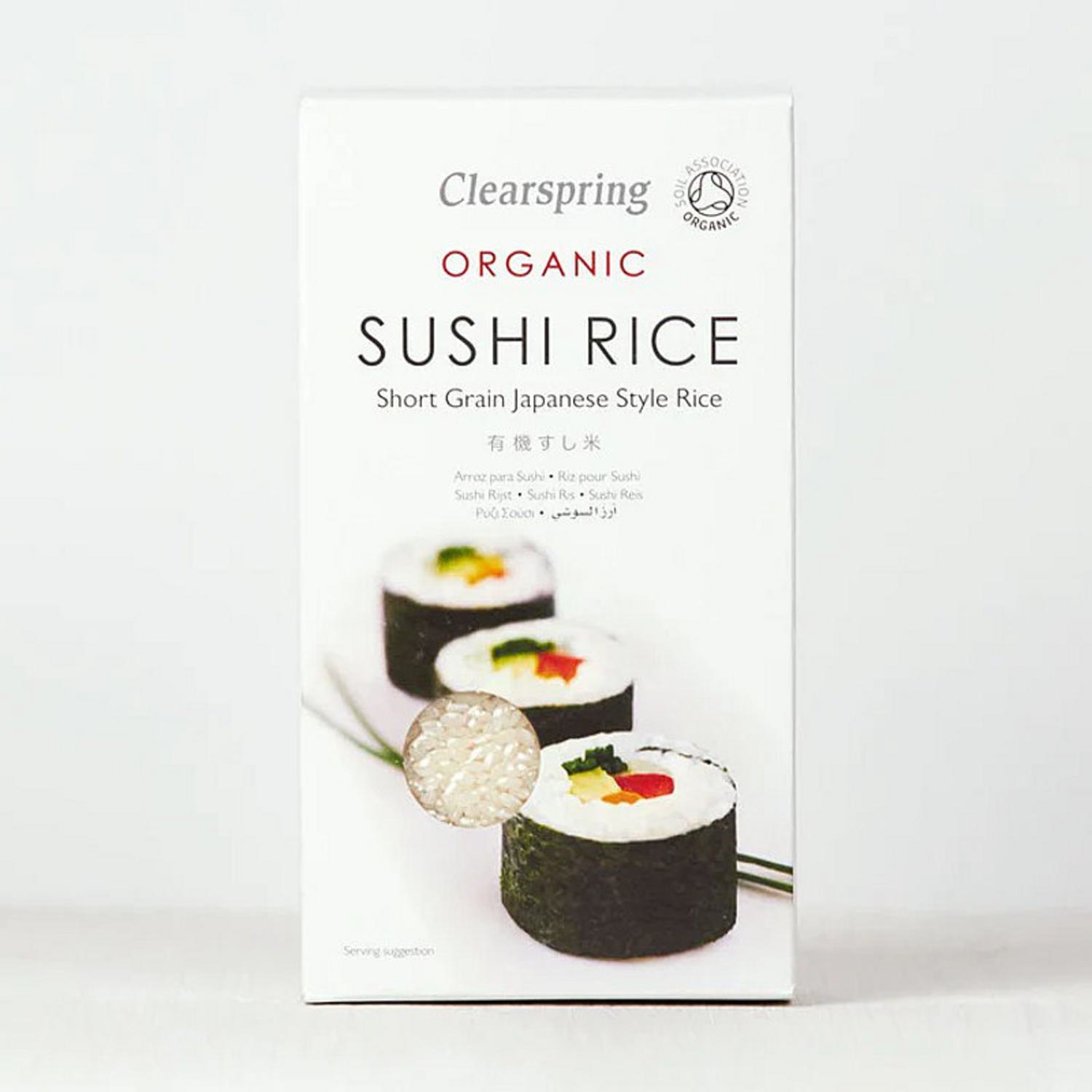
The Art of Sushi Rice: A Culinary Masterpiece
Sushi, a beloved Japanese delicacy, is not just about fresh fish and colourful toppings. At the heart of every sushi roll lies a crucial element that often goes unnoticed but plays a pivotal role in the overall taste and texture – sushi rice.
Sushi rice, also known as shari or sumeshi, is more than just steamed rice. It is a carefully crafted blend of short-grain Japanese rice, vinegar, sugar, and salt. The art of making sushi rice involves precise measurements and meticulous technique to achieve the perfect balance of flavours.
What sets sushi rice apart from regular steamed rice is its seasoning. The combination of vinegar, sugar, and salt not only enhances the taste but also gives the rice its characteristic glossy sheen and sticky texture that holds the sushi roll together.
When preparing sushi rice, it is essential to use high-quality Japanese short-grain rice known for its sticky consistency when cooked. The rice is rinsed multiple times to remove excess starch before being cooked in water. Once cooked, it is seasoned with a mixture of rice vinegar, sugar, and salt while still hot.
The seasoned sushi rice serves as the foundation for various types of sushi – from nigiri (hand-pressed sushi) to maki (sushi rolls). Its subtle tanginess complements the fresh seafood or other toppings placed on top, creating a harmonious blend of flavours with each bite.
In Japanese culinary tradition, mastering the art of sushi rice is considered a mark of skill and expertise. Sushi chefs spend years honing their craft to achieve the perfect balance of flavours and textures that elevate each bite into a culinary masterpiece.
Next time you savour a piece of sushi, take a moment to appreciate the humble yet essential ingredient that binds it all together – the meticulously prepared sushi rice.
The Benefits of Sushi Rice: Texture, Flavour, Versatility, and Culinary Artistry
- Sushi rice has a sticky texture that holds the sushi roll together, making it easy to eat.
- The seasoning of sushi rice with vinegar, sugar, and salt adds a delightful tangy flavour to each bite.
- High-quality Japanese short-grain rice used for sushi rice is known for its excellent stickiness when cooked.
- Sushi rice is versatile and serves as the base for various types of sushi, from nigiri to maki rolls.
- The glossy sheen of sushi rice enhances the visual appeal of sushi dishes.
- Mastering the art of preparing sushi rice showcases culinary skill and attention to detail.
Considerations When Eating Sushi Rice: High Carbohydrates, Calorie Density, and Allergen Risks
Sushi rice has a sticky texture that holds the sushi roll together, making it easy to eat.
The sticky texture of sushi rice is a key advantage that enhances the overall dining experience. By holding the sushi roll together effectively, this unique characteristic makes it effortless and enjoyable to eat. The cohesive nature of sushi rice ensures that each bite maintains its form, allowing diners to relish the flavours and textures without worrying about the roll falling apart. This practical aspect adds to the appeal of sushi as a convenient and satisfying culinary choice for those seeking a seamless dining experience.
The seasoning of sushi rice with vinegar, sugar, and salt adds a delightful tangy flavour to each bite.
The artful seasoning of sushi rice with a blend of vinegar, sugar, and salt introduces a delightful tangy essence to every bite. This harmonious combination not only enhances the overall taste of the sushi but also contributes to its unique character, offering a refreshing and nuanced flavour profile that complements the fresh ingredients and elevates the dining experience.
High-quality Japanese short-grain rice used for sushi rice is known for its excellent stickiness when cooked.
High-quality Japanese short-grain rice, favoured for sushi rice preparation, boasts a remarkable stickiness once cooked. This unique characteristic of the rice variety plays a vital role in the art of sushi-making, as it enables the grains to bind together seamlessly, creating the perfect texture for sushi rolls and nigiri. The inherent stickiness of this rice variety not only enhances the structural integrity of the sushi but also contributes to the overall dining experience by ensuring that each bite is cohesive and satisfying.
Sushi rice is versatile and serves as the base for various types of sushi, from nigiri to maki rolls.
Sushi rice’s versatility shines as it serves as the fundamental component for a wide array of sushi creations, ranging from traditional nigiri to popular maki rolls. Its sticky texture and subtly seasoned flavour make it the perfect canvas for showcasing an assortment of fresh toppings and fillings, allowing for endless creativity in crafting diverse sushi dishes. Whether elegantly hand-pressed into nigiri or tightly rolled into colourful maki rolls, sushi rice’s adaptability and ability to harmonize with different ingredients truly make it a cornerstone of Japanese culinary artistry.
The glossy sheen of sushi rice enhances the visual appeal of sushi dishes.
The glossy sheen of sushi rice serves as more than just a visual enhancement to sushi dishes; it is a testament to the meticulous preparation and skilled craftsmanship involved in creating these culinary delights. This lustrous finish not only adds an element of sophistication to the presentation but also signals the quality and attention to detail that goes into every sushi roll. The shiny appearance of the rice entices diners, inviting them to indulge in a sensory experience that is not only delicious but visually captivating as well.
Mastering the art of preparing sushi rice showcases culinary skill and attention to detail.
Mastering the art of preparing sushi rice showcases culinary skill and attention to detail. The precision required in measuring the ingredients, the delicate balance of vinegar, sugar, and salt, and the meticulous technique of cooking and seasoning the rice all demonstrate a chef’s dedication to their craft. The ability to create perfectly seasoned sushi rice not only enhances the overall flavour profile of sushi dishes but also reflects a deep understanding of Japanese culinary traditions. Attention to detail in every step of the rice preparation process is essential to ensure that each grain is infused with just the right amount of flavour, resulting in a harmonious blend that elevates the entire sushi dining experience.
High in Carbohydrates
One drawback of sushi rice is its high carbohydrate content, making it a less ideal choice for individuals adhering to low-carb diets. The combination of rice, vinegar, sugar, and salt used in sushi rice results in a significant carbohydrate load per serving. For those watching their carb intake, opting for alternatives like cauliflower rice or seaweed wraps can provide a lower-carb option while still enjoying the flavours of sushi. It’s important for individuals mindful of their carbohydrate consumption to consider the impact of sushi rice on their dietary preferences and make informed choices accordingly.
Calorie Dense
One drawback of sushi rice is its calorie density. The addition of sugar in the seasoning process can significantly increase the calorie content of the rice. Consuming sushi rice excessively may contribute to weight gain, as the extra calories from the sugar can add up quickly. It’s important for individuals mindful of their calorie intake to be aware of this aspect when enjoying sushi, and to practice moderation to maintain a balanced diet.
Potential Allergen
For some individuals, sushi rice may pose a potential con as it contains ingredients that could trigger allergic reactions. The seasoning of sushi rice often includes vinegar, which can be problematic for those with vinegar allergies. Additionally, certain types of rice used in sushi preparation may also be allergenic to some individuals. These allergens have the potential to cause adverse reactions in sensitive individuals, highlighting the importance of being mindful of ingredient choices when enjoying sushi dishes.