Homemade Chicken Pot Pie: A Comforting Classic with Golden, Flaky Pastry
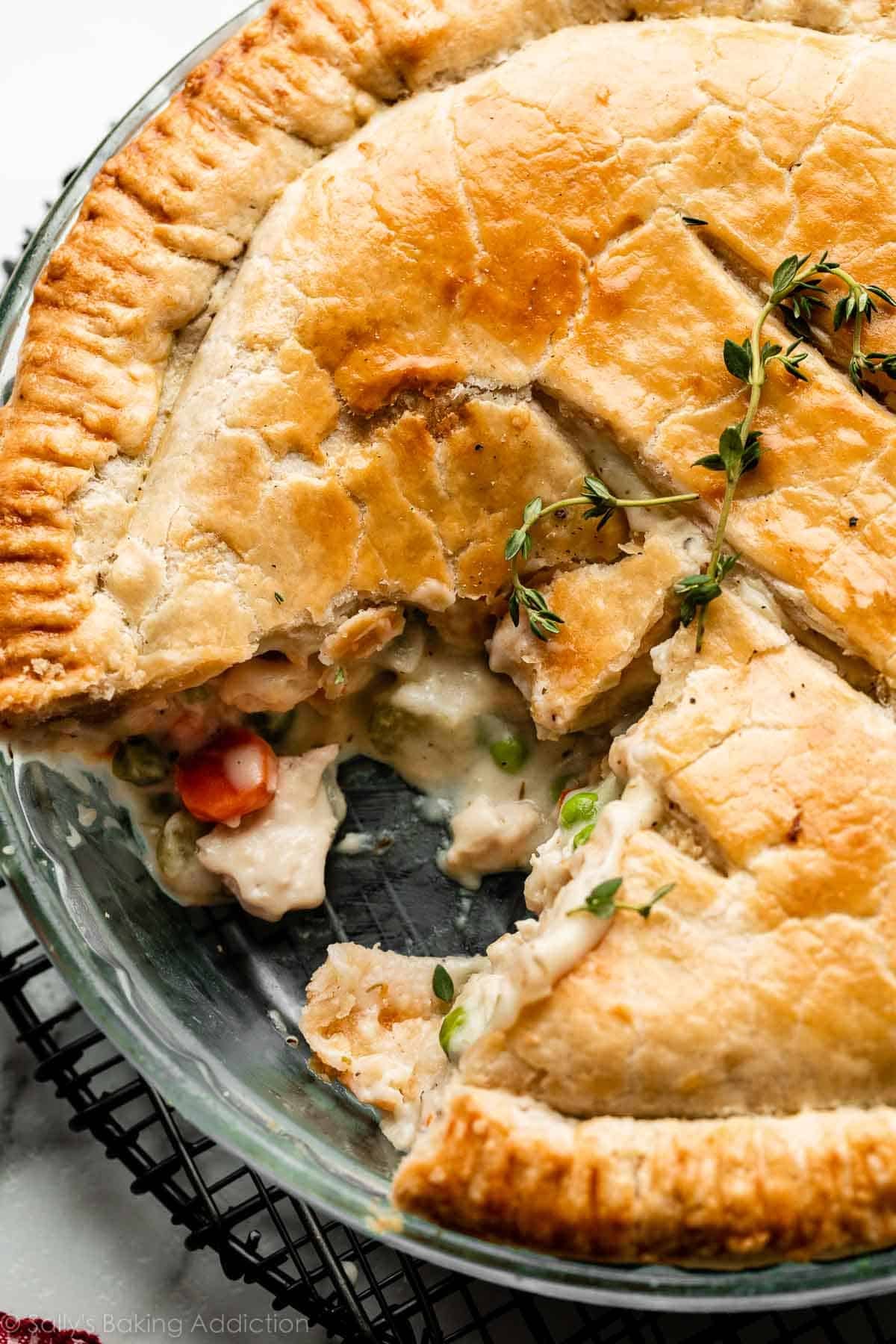
homemade chicken pot pie

Homemade Chicken Pot Pie

Golden, flaky pastry wrapped around tender chicken and vegetables in a creamy sauce makes chicken pot pie a comforting favourite. It is a satisfying meal for a chilly evening, and a useful way to turn leftover cooked chicken into something special. This version has a crisp pastry lid and a rich, savoury filling.

At a glance

  • Serves: 6
  • Preparation time: 30 minutes
  • Cooking time: 45 minutes

Ingredients

For the pastry

  • 250g plain flour, plus extra for rolling
  • 125g cold unsalted butter, cut into cubes
  • A pinch of salt
  • 4–6 tablespoons cold water
  • 1 egg, beaten, for glazing

For the filling

  • 40g butter
  • 1 onion, finely chopped
  • 2 carrots, peeled and diced
  • 2 celery sticks, diced
  • 40g plain flour
  • 500ml chicken stock
  • 150ml double cream or whole milk
  • 500g cooked chicken, cut into bite-sized pieces
  • 150g frozen peas
  • 1 teaspoon fresh thyme leaves, or ½ teaspoon dried thyme
  • Salt and freshly ground black pepper

Method

  1. Make the pastry. Put the flour and salt into a bowl. Rub in the cold butter with your fingertips until the mixture resembles breadcrumbs. Add the cold water a little at a time, mixing until the dough just comes together. Shape it into a flat disc, wrap and chill for at least 30 minutes.

  2. Cook the vegetables. Melt the butter in a large saucepan over a medium heat. Add the onion, carrots and celery and cook for 8–10 minutes, stirring now and then, until beginning to soften.

  3. Make the sauce. Stir in the flour and cook for 1 minute. Gradually pour in the chicken stock, stirring to keep the sauce smooth. Bring to a gentle simmer and cook for 5–7 minutes, until thickened. Stir in the cream or milk, chicken, peas and thyme. Season to taste, then leave the filling to cool slightly.

  4. Prepare the pie. Heat the oven to 200°C (180°C fan) or Gas Mark 6. Spoon the filling into a deep pie dish. On a lightly floured surface, roll out the pastry until it is slightly larger than the dish.

  5. Add the pastry lid. Brush the rim of the dish with a little beaten egg. Lay the pastry over the filling and press the edges down to seal. Trim away any excess and crimp the edge with your fingers or a fork. Cut a small slit in the centre to let steam escape, then brush the pastry with beaten egg.

  6. Bake. Place the pie on a baking tray and bake for 30–35 minutes, until the pastry is puffed and deep golden and the filling is bubbling. Leave it to stand for 10 minutes before serving.

Tips for a delicious pie

  • Cool the filling before adding the pastry. A hot filling can soften the pastry before it has a chance to bake.
  • Keep the pastry as cool as possible while working with it, and handle it gently for a tender, flaky result.
  • For extra flavour, use leftover roast chicken and include any meat from the legs as well as the breast.
  • Put the pie dish on a baking tray to catch any filling that bubbles over.
  • Make sure the filling is piping hot throughout before serving. If using freshly cooked chicken, it should reach a safe internal temperature of 75°C.

What to serve with chicken pot pie

Chicken pot pie is a hearty meal on its own, but it also goes well with steamed greens, tender-stem broccoli or a crisp green salad. For an especially comforting supper, serve it with buttery mashed potatoes.

Storing and reheating

Cool leftovers promptly and store them in a covered container in the fridge for up to two days. Reheat until piping hot throughout. The pie can also be assembled ahead of time: keep the filling and pastry separate in the fridge, then add the pastry lid and bake when ready.


Understanding Homemade Chicken Pot Pie: Ingredients, Crust, and Creamy Filling Explained

  1. What is the crust on a pot pie made of?
  2. What is chicken pot pie filling made of?
  3. What is chicken pot pie gravy made of?
  4. What are the main ingredients of chicken pot pie?
  5. What is the sauce made of in chicken pot pie?
  6. What makes chicken pot pie creamy?

What is the crust on a pot pie made of?

The crust on a homemade chicken pot pie is usually made from plain flour, cold butter, a pinch of salt and just enough cold water to bring the mixture together. This creates a tender, flaky pastry lid. Some recipes use ready-made shortcrust or puff pastry instead, while others add a bottom crust as well as a lid.

What is chicken pot pie filling made of?

Chicken pot pie filling is typically made with cooked chicken, vegetables such as carrots, peas, onion and celery, and a creamy sauce. The sauce is often thickened with flour and made using butter, chicken stock and milk or cream, then seasoned with salt, pepper and herbs such as thyme. Ingredients can be varied to suit your taste or make use of leftover vegetables.

What is chicken pot pie gravy made of?

Chicken pot pie gravy is usually made by cooking butter and flour together to form a roux, then gradually whisking in chicken stock until smooth and thick. Cream or milk adds richness, while salt, pepper and herbs such as thyme provide flavour. The chicken and vegetables are stirred through the sauce before the pie is topped with pastry and baked.

What are the main ingredients of chicken pot pie?

The main ingredients in a homemade chicken pot pie are cooked chicken, vegetables such as carrots, peas, onion and celery, and a creamy sauce made with butter, flour and chicken stock. These are topped with pastry—often shortcrust or puff pastry—and baked until golden. Seasonings such as thyme, salt and black pepper add extra flavour.

What is the sauce made of in chicken pot pie?

The sauce in chicken pot pie is usually made from butter, flour and chicken stock, with milk or cream added for a smooth, rich finish. The butter and flour are cooked together to make a roux, then the stock is stirred in gradually until the sauce thickens. Seasonings such as salt, black pepper and thyme add extra flavour.

What makes chicken pot pie creamy?

Chicken pot pie gets its creamy texture from a thickened sauce made with butter, flour and chicken stock, finished with double cream or whole milk. The butter and flour form a roux, which helps the sauce thicken, while the dairy adds richness and a smooth finish. For an extra-creamy filling, stir in a little more cream, but keep the sauce thick enough to hold its shape beneath the pastry.
Mincemeat Pie: A Much-Loved British Christmas Treat

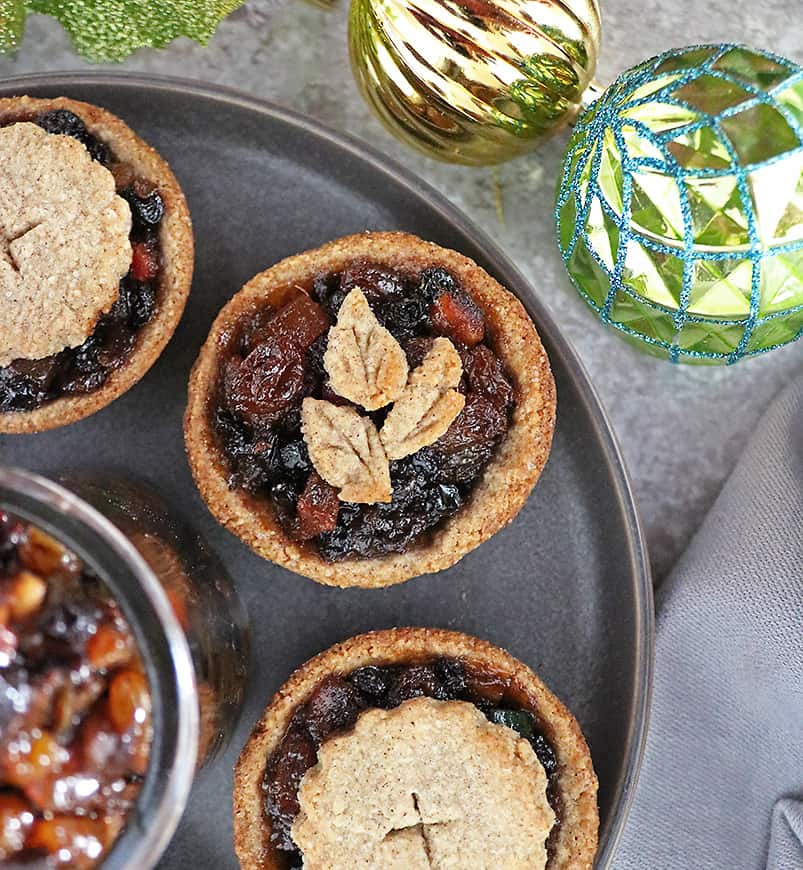
mincemeat pie

Mincemeat Pie: A Much-Loved British Christmas Treat

Few flavours are more closely associated with a British Christmas than mincemeat pie. These small, golden pastries are filled with a fragrant mixture of dried fruit, citrus peel, spices and sugar. Despite its name, modern mincemeat usually contains no meat at all.

What is mincemeat?

Mincemeat is a rich, sweet filling traditionally made with ingredients such as raisins, currants, sultanas, chopped apple, candied peel, spices and suet. Brandy or another spirit is often added, though alcohol-free versions are also widely available. The mixture is left to mature so the flavours can mingle, making it a convenient filling to prepare ahead of the festive season.

The name reflects the filling’s history. Early versions of mincemeat combined chopped meat with fruit and spices. Over time, the meat became less common, and the sweet fruit mixture familiar today took its place. Some modern recipes still use suet, while others use butter or a vegetable alternative.

A Christmas tradition

Mincemeat pies have been part of British festive food for centuries. Their ingredients once carried associations with celebration and abundance, and the pies gradually became a seasonal staple. Today, they are sold in bakeries and supermarkets throughout the Christmas period and are also a favourite to make at home.

They are usually made with shortcrust pastry, though puff pastry is sometimes used. The filling is enclosed in a pastry case or topped with a smaller pastry lid, then baked until golden. Some bakers add a star-shaped lid, while others finish the pies with a dusting of icing sugar.

How to serve mincemeat pies

Mincemeat pies can be enjoyed warm or at room temperature. They are often served with a little cream, brandy butter, custard or ice cream. A cup of tea is a classic accompaniment, while mulled wine or coffee also pairs well with their sweet, spiced flavour.

Making them at home

For homemade pies, prepare or buy mincemeat and use it to fill pastry-lined tins. Avoid overfilling, as the mixture can bubble up during baking. Add a pastry lid, seal the edges and make a small slit in each top to let steam escape. Bake until the pastry is crisp and golden, then leave the pies to cool slightly before serving.

There is plenty of room to adapt the recipe. You can choose vegetarian or vegan pastry and filling, use alcohol-free mincemeat, or add extra citrus zest for a brighter flavour. However they are made, mincemeat pies remain a simple and satisfying way to bring the taste of Christmas to the table.


Top Tips for Perfecting Your Mincemeat Pie

  1. Chill the pastry before rolling it out.
  2. Use a little flour to prevent sticking.
  3. Spoon mincemeat in without overfilling.
  4. Brush the pastry tops with milk or beaten egg.
  5. Bake until golden, then cool before serving.

Chill the pastry before rolling it out.

Chilling the pastry before rolling it out helps keep the fat firm, making it easier to handle and less likely to stick or tear. Wrap it and refrigerate for around 20–30 minutes, then let it soften slightly if it feels too hard to roll. The result is pastry that holds its shape better and bakes into a tender, crumbly case for your mincemeat pies.

Use a little flour to prevent sticking.

Dust your work surface and rolling pin with a little flour before rolling out the pastry to help prevent it sticking. Use only a light sprinkling, as too much flour can make the pastry dry and tough.

Spoon mincemeat in without overfilling.

Spoon the mincemeat into each pastry case, leaving a little space at the top. It can bubble up as the pies bake, so avoid overfilling to help prevent the filling from spilling out and the pastry edges from becoming sticky.

Brush the pastry tops with milk or beaten egg.

Before baking, brush the pastry tops with a little milk or beaten egg. Milk gives the pies a gentle golden finish, while beaten egg creates a deeper colour and a glossy sheen. Use a light, even coating and try not to let it run down the sides, as this can make the pastry stick to the tin.

Bake until golden, then cool before serving.

Bake the mincemeat pies until the pastry is crisp and golden. Once out of the oven, leave them to cool for a few minutes before serving; the filling will be extremely hot, and cooling also helps the pies hold their shape. Enjoy them warm or at room temperature, perhaps with cream, custard or a dusting of icing sugar.

Savoury Delight: Authentic Quiche Lorraine Recipe

quiche lorraine recipe

Delicious Quiche Lorraine Recipe

Quiche Lorraine is a classic French dish that is loved for its rich and creamy texture. This savoury tart combines the goodness of eggs, cream, cheese, and bacon to create a mouthwatering treat that is perfect for any meal of the day.

Ingredients:

  • 1 pre-made pie crust
  • 6 slices of bacon, cooked and crumbled
  • 1 cup shredded Gruyère cheese
  • 4 eggs
  • 1 cup heavy cream
  • Salt and pepper to taste
  • A pinch of nutmeg

Instructions:

  1. Preheat your oven to 190°C (375°F).
  2. Place the pie crust in a quiche dish or pie pan, pressing it firmly against the bottom and sides.
  3. Sprinkle the bacon and shredded Gruyère cheese evenly over the bottom of the pie crust.
  4. In a mixing bowl, whisk together the eggs, heavy cream, salt, pepper, and nutmeg until well combined.
  5. Pour the egg mixture over the bacon and cheese in the pie crust.
  6. Bake in the preheated oven for about 30-35 minutes or until the quiche is set and golden brown on top.
  7. Remove from oven and let it cool slightly before slicing and serving.

This Quiche Lorraine recipe is perfect for brunch, lunch or dinner. Serve it warm with a side salad for a complete and satisfying meal. Enjoy this delightful French classic with friends and family!


Quiche Lorraine: Your Top Questions Answered

  1. 1. What is Quiche Lorraine?
  2. 2. How do you make Quiche Lorraine?
  3. 3. What are the traditional ingredients in Quiche Lorraine?
  4. 4. Can I use a store-bought pie crust for Quiche Lorraine?
  5. 5. Is Quiche Lorraine suitable for vegetarians?
  6. 6. How long does it take to bake a Quiche Lorraine?
  7. 7. Can I substitute Gruyère cheese with another type of cheese in the recipe?
  8. 8. Are there any variations of Quiche Lorraine that I can try?

1. What is Quiche Lorraine?

Quiche Lorraine is a traditional French dish that originates from the Lorraine region. It is a savoury tart made with a buttery pastry crust filled with a rich mixture of eggs, cream, cheese (typically Gruyère), and bacon or lardons. The name “Lorraine” in Quiche Lorraine signifies its place of origin, and this classic dish has become popular worldwide for its delicious combination of flavours. Perfect for any meal of the day, Quiche Lorraine is loved for its creamy texture and savoury taste that delights the palate with every bite.

2. How do you make Quiche Lorraine?

To make Quiche Lorraine, you start by preheating your oven and preparing a pie crust in a quiche dish or pie pan. Next, you layer cooked and crumbled bacon along with shredded Gruyère cheese in the pie crust. Then, whisk together eggs, heavy cream, salt, pepper, and a pinch of nutmeg until well combined. Pour this egg mixture over the bacon and cheese in the pie crust. Bake the quiche in the oven until it is set and golden brown on top. Once done, allow it to cool slightly before slicing and serving. This classic French dish is a delightful combination of flavours that can be enjoyed for any meal of the day.

3. What are the traditional ingredients in Quiche Lorraine?

Quiche Lorraine, a beloved French dish, traditionally consists of a few key ingredients that contribute to its irresistible flavour. The classic components of Quiche Lorraine include eggs, cream, bacon, and Gruyère cheese. These ingredients come together harmoniously to create a creamy and savoury filling that is encased in a buttery pie crust. The combination of the smoky bacon, rich cheese, and custardy texture makes Quiche Lorraine a timeless favourite that is perfect for any occasion.

4. Can I use a store-bought pie crust for Quiche Lorraine?

Using a store-bought pie crust for Quiche Lorraine is a convenient option that can save you time in the kitchen. While making your own pie crust can add a homemade touch to the dish, store-bought crusts work just as well and still result in a delicious quiche. Simply follow the instructions on the packaging for pre-baking or using the crust directly in your quiche dish. The pre-made crust will provide a flaky and crisp base for your Quiche Lorraine, allowing you to focus on preparing the creamy filling with bacon, cheese, and eggs. Whether you opt for homemade or store-bought, your Quiche Lorraine is sure to be a delightful treat for any meal.

5. Is Quiche Lorraine suitable for vegetarians?

Quiche Lorraine, traditionally made with bacon as one of its key ingredients, is not typically suitable for vegetarians. However, with some modifications, it can easily be adapted to cater to a vegetarian diet. By omitting the bacon and using alternative ingredients such as spinach, mushrooms, or sundried tomatoes, a delicious vegetarian version of Quiche Lorraine can be created. This adaptation allows vegetarians to enjoy the creamy and flavourful nature of quiche while staying true to their dietary preferences.

6. How long does it take to bake a Quiche Lorraine?

Baking a Quiche Lorraine typically takes around 30 to 35 minutes in a preheated oven set at 190°C (375°F). The exact baking time may vary slightly depending on the individual oven and the thickness of the quiche. It is essential to bake the quiche until it is set and has a golden brown top to ensure that it is cooked through and has a delicious texture. Keep an eye on the quiche towards the end of the baking time to avoid overcooking, and allow it to cool slightly before slicing and serving for the best results.

7. Can I substitute Gruyère cheese with another type of cheese in the recipe?

When considering a substitution for Gruyère cheese in the Quiche Lorraine recipe, it’s important to choose a cheese that complements the flavours of the dish. While Gruyère is known for its nutty and slightly sweet taste, you can experiment with alternatives like Swiss cheese, Emmental, or even cheddar for a different flavour profile. Each cheese will bring its own unique characteristics to the quiche, so feel free to explore and tailor the recipe to your personal taste preferences.

8. Are there any variations of Quiche Lorraine that I can try?

If you’re looking to explore different variations of the classic Quiche Lorraine recipe, there are indeed several creative twists you can try. One popular variation is adding caramelized onions to impart a sweet and savoury flavour profile to the dish. Alternatively, you can experiment with different types of cheeses such as Swiss or cheddar to add a unique taste dimension. For a healthier option, consider incorporating spinach or mushrooms into the quiche filling. The beauty of Quiche Lorraine lies in its versatility, allowing you to customise the recipe according to your preferences and culinary imagination.

Ultimate Guide to the Perfect Scrambled Eggs Recipe

scrambled eggs recipe

The Perfect Scrambled Eggs Recipe

Scrambled eggs are a classic breakfast dish that is loved by many for its simplicity and deliciousness. With just a few basic ingredients and a little bit of technique, you can create the perfect scrambled eggs that are creamy, fluffy, and full of flavour.

Ingredients:

  • 4 large eggs
  • Salt and pepper to taste
  • 1 tablespoon butter
  • 2 tablespoons milk or cream (optional)

Instructions:

  1. Crack the eggs into a bowl and whisk them until well combined. Add salt, pepper, and milk or cream if using, and whisk again.
  2. Heat a non-stick pan over medium heat and add the butter. Allow it to melt and coat the bottom of the pan.
  3. Pour the egg mixture into the pan. Let it sit for a few seconds until the edges start to set.
  4. Using a spatula, gently stir the eggs from the edges towards the centre. Continue stirring occasionally until the eggs are mostly set but still slightly runny.
  5. Remove the pan from heat as the residual heat will continue to cook the eggs to perfection.
  6. Serve your scrambled eggs hot with toast, bacon, or your favourite breakfast sides.

Whether you like your scrambled eggs soft and creamy or well-cooked and fluffy, this recipe allows you to customise your dish to suit your preferences. Enjoy this simple yet satisfying breakfast treat any time of day!


Five Essential Tips for Perfectly Fluffy Scrambled Eggs

  1. Whisk the eggs thoroughly before cooking to ensure a light and fluffy texture.
  2. Add a splash of milk or cream to the beaten eggs for extra creaminess.
  3. Cook the scrambled eggs over low heat to prevent them from becoming rubbery.
  4. Season with salt and pepper towards the end of cooking to avoid drawing out moisture from the eggs.
  5. For added flavour, consider mixing in ingredients like cheese, herbs, or cooked vegetables.

Whisk the eggs thoroughly before cooking to ensure a light and fluffy texture.

To achieve a light and fluffy texture in your scrambled eggs, it is essential to whisk the eggs thoroughly before cooking. Whisking the eggs not only helps to incorporate air into the mixture but also ensures a uniform consistency, resulting in eggs that are tender and airy. This simple yet crucial step can elevate your scrambled eggs from ordinary to extraordinary, making them a delightful addition to any breakfast spread.

Add a splash of milk or cream to the beaten eggs for extra creaminess.

For an extra touch of creaminess in your scrambled eggs, consider adding a splash of milk or cream to the beaten eggs before cooking. This simple tip helps create a silkier texture and enhances the overall richness of the dish. The addition of milk or cream brings a subtle depth of flavour to the eggs, making them even more decadent and satisfying. Give this trick a try to elevate your scrambled eggs to a whole new level of deliciousness.

Cook the scrambled eggs over low heat to prevent them from becoming rubbery.

To ensure that your scrambled eggs turn out perfectly creamy and fluffy, it’s important to cook them over low heat. This gentle cooking method helps prevent the eggs from becoming rubbery and overcooked. By taking your time and cooking the eggs slowly, you can achieve a velvety texture that melts in your mouth. Low heat allows the eggs to cook evenly and retain their moisture, resulting in a delicious breakfast dish that is sure to impress.

Season with salt and pepper towards the end of cooking to avoid drawing out moisture from the eggs.

For the perfect scrambled eggs, a key tip is to season with salt and pepper towards the end of cooking rather than at the beginning. This technique helps to prevent the eggs from releasing excess moisture, resulting in a creamier and more flavourful dish. By waiting until the end to add seasoning, you can ensure that your scrambled eggs are cooked to perfection without becoming watery.

For added flavour, consider mixing in ingredients like cheese, herbs, or cooked vegetables.

To elevate the flavour of your scrambled eggs, consider incorporating additional ingredients such as cheese, herbs, or cooked vegetables. Adding a sprinkle of grated cheese like cheddar or feta can bring a rich and savoury dimension to your eggs. Fresh herbs like chives, parsley, or dill can impart a burst of freshness and aroma. For a nutritious twist, mix in sautéed vegetables such as bell peppers, spinach, or mushrooms to add texture and depth to your scrambled eggs. Experimenting with these extra elements can take your breakfast dish to a whole new level of taste and enjoyment.