Delightful Apple Tart Recipe for a Sweet Treat

apple tart recipe

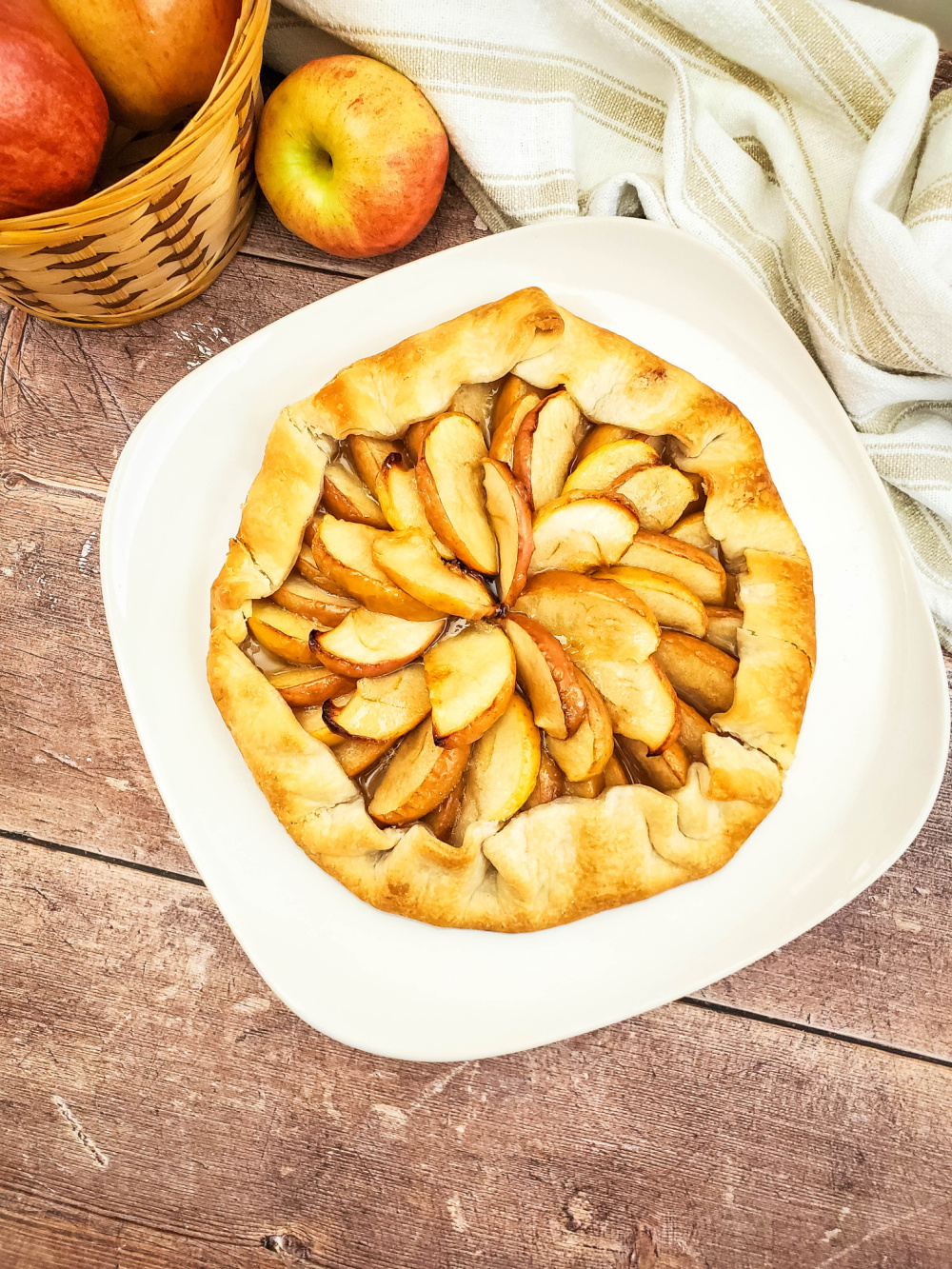
The Perfect Apple Tart Recipe

Indulge in the delightful flavours of a classic apple tart with this easy-to-follow recipe. Whether you’re a seasoned baker or a novice in the kitchen, this dessert is sure to impress your family and friends.

Ingredients:

  • 6-8 medium-sized apples (peeled, cored, and thinly sliced)
  • 1 sheet of ready-rolled puff pastry
  • 50g unsalted butter, melted
  • 3 tbsp brown sugar
  • 1 tsp ground cinnamon
  • A pinch of nutmeg
  • Apricot jam for glazing

Instructions:

  1. Preheat your oven to 200°C (180°C fan).
  2. Roll out the puff pastry on a floured surface and transfer it to a baking tray lined with parchment paper.
  3. In a bowl, mix the melted butter, brown sugar, cinnamon, and nutmeg until well combined.
  4. Spread this mixture evenly over the puff pastry, leaving a small border around the edges.
  5. Arrange the apple slices on top of the pastry in an overlapping pattern.
  6. Bake in the preheated oven for 25-30 minutes or until the pastry is golden brown and the apples are tender.
  7. Remove from the oven and brush the top of the tart with warm apricot jam for a glossy finish.
  8. >

    li>Serve warm with a dollop of whipped cream or a scoop of vanilla ice cream.

p>Note: Feel free to experiment by adding raisins, almonds or a drizzle of caramel sauce to make this apple tart your own!

p>Bon appétit!


Eight Reasons to Love This Easy and Versatile Apple Tart Recipe

  1. Deliciously sweet and tangy flavour combination of apples and cinnamon.
  2. Easy-to-follow recipe suitable for both experienced bakers and beginners.
  3. Requires simple ingredients that are readily available in most kitchens.
  4. Quick to prepare, making it a perfect dessert option for last-minute gatherings.
  5. Versatile dish that can be enjoyed warm or cold, with or without accompaniments.
  6. Impressive presentation that is sure to wow guests at dinner parties or special occasions.
  7. Can be easily customised by adding nuts, raisins, or a drizzle of caramel for extra indulgence.
  8. Leftovers (if any!) can be stored in the fridge and enjoyed the next day for a tasty treat.


Considerations Before Baking: Potential Drawbacks of an Apple Tart Recipe

  1. Requires peeling and slicing multiple apples, which can be time-consuming.
  2. Puff pastry may not always bake evenly, resulting in some parts being undercooked.
  3. High sugar content from brown sugar and apricot jam may not be suitable for individuals with dietary restrictions.
  4. Leftover apple tart may become soggy when stored in the refrigerator.
  5. Nutritional value is relatively low due to the high amount of butter and sugar used in the recipe.
  6. May not be suitable for those who are allergic to ingredients like nuts or cinnamon.

Deliciously sweet and tangy flavour combination of apples and cinnamon.

Experience the perfect harmony of flavours in our apple tart recipe, where the sweetness of ripe apples meets the warm spiciness of cinnamon. This delightful blend creates a tantalising balance between sweet and tangy notes, making every bite a truly indulgent treat for your taste buds.

Easy-to-follow recipe suitable for both experienced bakers and beginners.

This apple tart recipe offers a pro that makes it appealing to both experienced bakers and beginners alike. With clear and straightforward instructions, this recipe is easy to follow, guiding bakers of all levels through the steps with ease. Whether you’re a seasoned baker looking for a quick dessert option or a novice eager to try your hand at baking, this recipe ensures a delicious outcome that will impress your taste buds and guests.

Requires simple ingredients that are readily available in most kitchens.

Creating a delicious apple tart is made even more appealing by the fact that this recipe requires simple ingredients that are readily available in most kitchens. With just a few basic items like apples, puff pastry, butter, sugar, and spices, anyone can embark on the journey of baking a delectable apple tart without the need for special or hard-to-find ingredients. This accessibility makes it convenient for home cooks to whip up this delightful dessert whenever the craving strikes, adding a touch of sweetness to any occasion effortlessly.

Quick to prepare, making it a perfect dessert option for last-minute gatherings.

When it comes to the apple tart recipe, one of its standout advantages is its quick preparation time. This makes it an ideal dessert option for those impromptu gatherings or last-minute dinner parties. With simple steps and readily available ingredients, you can whip up a delicious apple tart in no time, impressing your guests with a homemade treat that is both visually appealing and irresistibly tasty. The convenience and speed of this recipe make it a go-to choice for any occasion where you need a delightful dessert in a pinch.

Versatile dish that can be enjoyed warm or cold, with or without accompaniments.

Indulge in the versatility of this apple tart recipe, a dish that can be savoured in various ways. Whether enjoyed warm straight out of the oven, or chilled for a refreshing treat, this dessert caters to different preferences. It can be relished on its own for a simple delight, or paired with accompaniments like whipped cream or ice cream for an extra touch of indulgence. The adaptability of this apple tart makes it a perfect choice for any occasion, offering a delightful experience however you choose to enjoy it.

Impressive presentation that is sure to wow guests at dinner parties or special occasions.

Elevate your hosting game with the apple tart recipe’s standout feature: its impressive presentation that is guaranteed to dazzle guests at dinner parties or special occasions. The beautifully arranged layers of thinly sliced apples atop a golden puff pastry base not only promise a visual feast but also hint at the delicious flavours waiting to be savoured. Whether as a show-stopping dessert or a centrepiece on the dining table, this apple tart is sure to leave a lasting impression and make any gathering truly memorable.

Can be easily customised by adding nuts, raisins, or a drizzle of caramel for extra indulgence.

Elevate the indulgence of our apple tart recipe by customising it with your favourite additions. Whether you prefer the crunch of nuts, the sweetness of raisins, or the decadence of caramel, these extra touches can take your dessert to a whole new level. Feel free to experiment and make this apple tart uniquely yours by incorporating these delicious enhancements.

Leftovers (if any!) can be stored in the fridge and enjoyed the next day for a tasty treat.

When it comes to the apple tart recipe, one of its appealing advantages is the option to store any leftovers in the fridge for a delectable treat the following day. This means that you can savour the delicious flavours of the tart beyond its initial serving, allowing you to enjoy a delightful dessert without any waste. Simply refrigerate the remaining slices and look forward to indulging in a tasty and convenient snack whenever you desire.

Requires peeling and slicing multiple apples, which can be time-consuming.

Peeling and slicing multiple apples for this apple tart recipe can be quite time-consuming and laborious. The process of preparing the apples may deter those looking for a quick and easy dessert option. However, the effort put into meticulously arranging the apple slices pays off in the end result, as each bite of the tart showcases the sweet and tender fruit. For those willing to invest the time and attention to detail, the delicious outcome is well worth the extra effort.

Puff pastry may not always bake evenly, resulting in some parts being undercooked.

One potential drawback of preparing an apple tart using puff pastry is the inconsistency in baking. Due to the nature of puff pastry, there is a risk that it may not bake evenly, leading to certain areas remaining undercooked while others turn golden brown. This uneven baking can affect the overall texture and presentation of the tart, potentially detracting from the perfect balance of flavours that one would expect. To mitigate this issue, it is crucial to monitor the tart closely during baking and consider techniques such as pre-baking the pastry or adjusting oven temperature for a more uniform outcome.

High sugar content from brown sugar and apricot jam may not be suitable for individuals with dietary restrictions.

The apple tart recipe, while delicious and indulgent, may pose a challenge for individuals with dietary restrictions due to its high sugar content from brown sugar and apricot jam. Those who need to monitor their sugar intake or follow specific dietary guidelines may find this dessert unsuitable. It’s important to consider alternative sweeteners or modifications to adapt the recipe to accommodate different dietary needs without compromising on taste and enjoyment.

Leftover apple tart may become soggy when stored in the refrigerator.

When storing leftover apple tart in the refrigerator, one potential downside to be mindful of is the risk of it becoming soggy. The moisture from the apples can seep into the pastry over time, compromising its texture and overall appeal. To prevent this, consider placing a paper towel or a piece of parchment paper between the tart and its storage container to absorb excess moisture. Additionally, reheating the apple tart in the oven before serving can help revive its crispness and freshness.

Nutritional value is relatively low due to the high amount of butter and sugar used in the recipe.

While apple tart is undeniably a delicious treat, one downside to consider is its relatively low nutritional value. This is primarily attributed to the significant amounts of butter and sugar required in the recipe. The indulgent nature of these ingredients can contribute to higher calorie and fat content, which may not align with a balanced diet. It’s important to enjoy apple tart in moderation and perhaps explore alternative recipes that incorporate healthier substitutes to enhance its nutritional profile.

May not be suitable for those who are allergic to ingredients like nuts or cinnamon.

Individuals with allergies to ingredients such as nuts or cinnamon should exercise caution when considering this apple tart recipe. The presence of these allergens in the dish may pose a risk to those with sensitivities or intolerances. It is important for individuals with specific dietary restrictions to carefully review the recipe and potentially seek alternative ingredients or substitutes to ensure their safety and enjoyment of the dessert.

Delightful Roasted Vegetables Recipe: A Flavourful Dish for Every Occasion

roasted vegetables recipe

The Perfect Roasted Vegetables Recipe

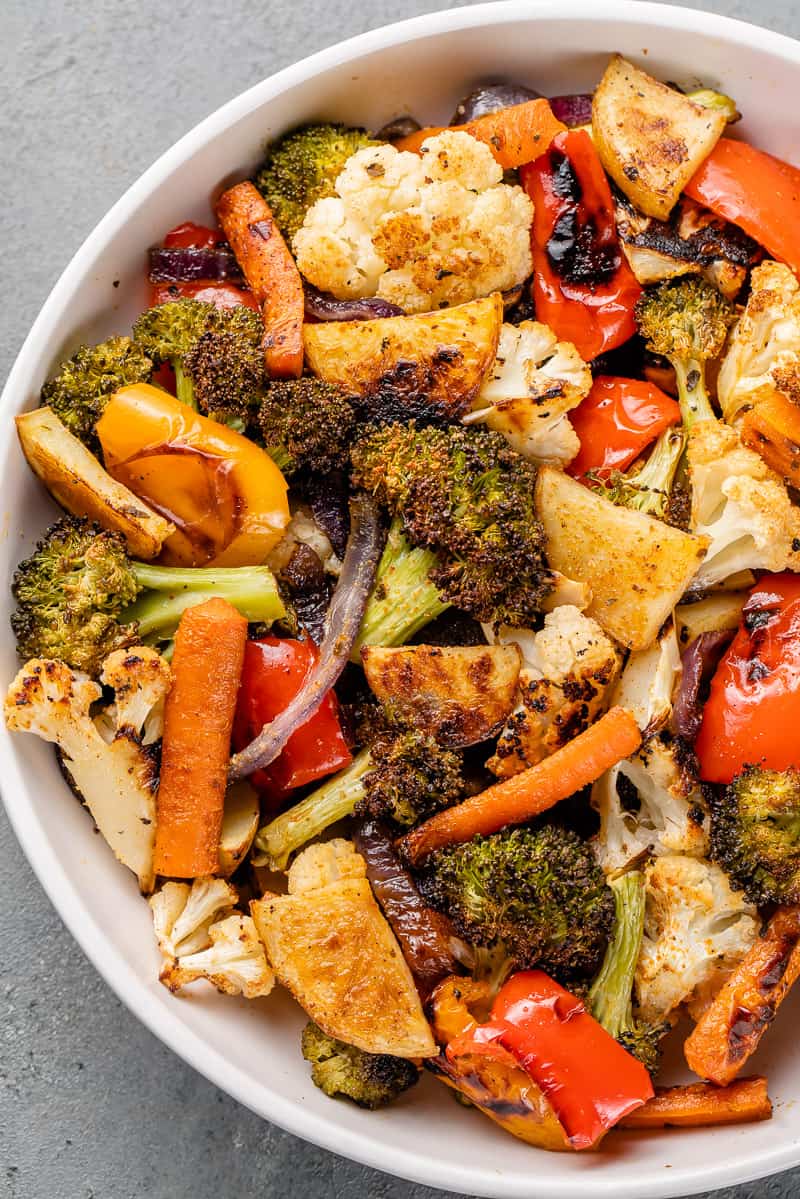
Roasted vegetables are a delicious and nutritious addition to any meal. Not only are they easy to prepare, but they also bring out the natural flavours of the vegetables, creating a mouth-watering dish that is sure to impress. Here’s a simple yet flavourful roasted vegetables recipe that you can try at home:

Ingredients:

  • Assorted vegetables (such as bell peppers, zucchini, carrots, cherry tomatoes, and red onions)
  • Olive oil
  • Garlic powder
  • Dried herbs (such as thyme, rosemary, or oregano)
  • Salt and pepper to taste

Instructions:

  1. Preheat your oven to 200°C.
  2. Cut the vegetables into bite-sized pieces and place them in a large mixing bowl.
  3. Drizzle olive oil over the vegetables and toss them until evenly coated.
  4. Sprinkle garlic powder, dried herbs, salt, and pepper over the vegetables and mix well.
  5. Spread the seasoned vegetables in a single layer on a baking tray lined with parchment paper.
  6. Roast in the preheated oven for 25-30 minutes or until the vegetables are tender and slightly caramelised.
  7. Remove from the oven and let cool slightly before serving.

These roasted vegetables can be enjoyed on their own as a healthy snack or served as a side dish with your favourite main course. The combination of flavours and textures will leave you wanting more!

Experiment with different vegetable combinations and seasonings to create your own signature roasted vegetable dish that will delight your taste buds every time.

So why not give this roasted vegetables recipe a try today? Your family and friends will thank you for it!


Eight Reasons to Love Roasted Vegetables: A Nutritious and Versatile Delight

  1. 1. Nutritious
  2. 2. Versatile
  3. 3. Easy Preparation
  4. 4. Flavourful
  5. 5. Colourful Presentation
  6. 6. Textural Contrast
  7. 7. Customisable Seasonings
  8. 8. Crowd-Pleaser


Challenges of Roasting Vegetables: Time, Texture, and Nutrient Retention

  1. Roasting vegetables can take some time, as they typically require around 25-30 minutes in the oven to cook thoroughly.
  2. Certain vegetables may release moisture during roasting, which can affect the crispiness of the dish.
  3. Overcooking roasted vegetables can lead to a mushy texture and loss of some nutrients.

1. Nutritious

Roasting vegetables is not only a delicious way to enjoy them but also a highly nutritious cooking method. By roasting vegetables, they retain more nutrients compared to other cooking methods, such as boiling or frying. The gentle heat of the oven helps preserve the vitamins and minerals in the vegetables, ensuring that you get the maximum nutritional benefit from your meal. So, by including roasted vegetables in your diet, you can savour their rich flavours while also nourishing your body with a powerhouse of essential nutrients.

2. Versatile

The versatility of this roasted vegetables recipe is truly a standout feature. By allowing you to use a wide range of vegetables, from colourful bell peppers to hearty carrots and everything in between, it offers endless possibilities for customisation based on your personal preferences. Whether you prefer a medley of flavours or have specific vegetable favourites, this recipe adapts effortlessly to accommodate your tastes, ensuring that each dish is uniquely tailored to suit your palate.

3. Easy Preparation

With the roasted vegetables recipe, one of its key benefits is the easy preparation process. By simply chopping the vegetables, seasoning them, and popping them in the oven to roast, minimal effort is required to achieve a delicious outcome. This hassle-free method makes it a convenient choice for busy individuals looking to create a tasty and nutritious dish without spending hours in the kitchen. The straightforward steps ensure that anyone can enjoy the flavoursome results of roasted vegetables with ease.

4. Flavourful

Roasting vegetables is a culinary technique that brings out the best in them, making them incredibly flavourful. By subjecting the vegetables to high heat, their natural sugars caramelise, resulting in a delightful sweetness and depth of flavour that is truly irresistible. This process not only intensifies the taste of the vegetables but also creates a rich and complex profile that adds a delicious twist to any dish. The enhanced flavours achieved through roasting make it a preferred cooking method for those looking to elevate the taste of their vegetables and create a memorable dining experience.

5. Colourful Presentation

The colourful presentation of roasted vegetables is undeniably one of its standout features. The vibrant hues of assorted vegetables, from the rich reds of bell peppers to the bright oranges of carrots and the deep greens of zucchini, not only add a pop of colour to the plate but also enhance the overall visual appeal of any dish. Incorporating roasted vegetables into your meal not only pleases the palate but also delights the eyes, making for a visually stunning and appetising dining experience.

6. Textural Contrast

The roasted vegetables recipe offers a delightful textural experience with its perfect balance of crispy edges and tender insides. As the vegetables roast in the oven, they develop a caramelised exterior that adds a satisfying crunch, while retaining their juicy and soft interior. This contrast in textures creates a harmonious blend that enhances the overall enjoyment of the dish, making each bite a true culinary delight.

7. Customisable Seasonings

One of the advantages of this roasted vegetables recipe is its customisable seasonings. By allowing you to experiment with various herbs and spices, you have the freedom to tailor the flavours to your liking. Whether you prefer a hint of thyme, a kick of paprika, or a sprinkle of cumin, the ability to personalise the seasonings ensures that each batch of roasted vegetables is uniquely delicious and perfectly suited to your taste buds.

8. Crowd-Pleaser

Roasted vegetables have a unique ability to please a crowd, appealing to both adults and children alike. This versatility makes them an ideal side dish for any meal, as their delicious flavours and crispy textures are universally enjoyed. Whether served alongside a hearty roast dinner or as a standalone snack, roasted vegetables have the power to bring smiles to the faces of all who indulge in their wholesome goodness.

Roasting vegetables can take some time, as they typically require around 25-30 minutes in the oven to cook thoroughly.

One downside of preparing roasted vegetables is the time commitment involved in the cooking process. Roasting vegetables usually demands a cooking time of approximately 25-30 minutes in the oven to ensure they are cooked through and tender. This longer cooking duration may not be ideal for those seeking quick and convenient meal options. However, the delicious flavour and texture that result from this roasting method often make the wait worthwhile for those who appreciate a well-prepared dish.

Certain vegetables may release moisture during roasting, which can affect the crispiness of the dish.

When preparing roasted vegetables, it is important to be mindful of the moisture content in certain vegetables. Some vegetables have a higher water content and may release moisture during the roasting process. This excess moisture can hinder the desired crispiness of the dish, resulting in a softer texture instead. To combat this issue, consider patting dry the vegetables before roasting or adjusting the cooking time and temperature to achieve a balance between tenderness and crispiness. By being aware of this potential drawback, you can take steps to ensure that your roasted vegetables turn out perfectly every time.

Overcooking roasted vegetables can lead to a mushy texture and loss of some nutrients.

Overcooking roasted vegetables can detract from the overall appeal of the dish, resulting in a mushy texture that lacks the desired crunch and flavour. Additionally, prolonged cooking times can cause certain nutrients in the vegetables to break down and diminish, reducing their nutritional value. It is important to keep a close eye on the roasting process to ensure that the vegetables are cooked to perfection – tender with a slight caramelization, while retaining their natural goodness and texture. By avoiding overcooking, you can preserve both the taste and nutritional benefits of roasted vegetables for a truly satisfying culinary experience.

Savour the Flavour: A Delectable Brisket Recipe for Your Next Feast

brisket recipe

The Perfect Brisket Recipe for a Delicious Meal

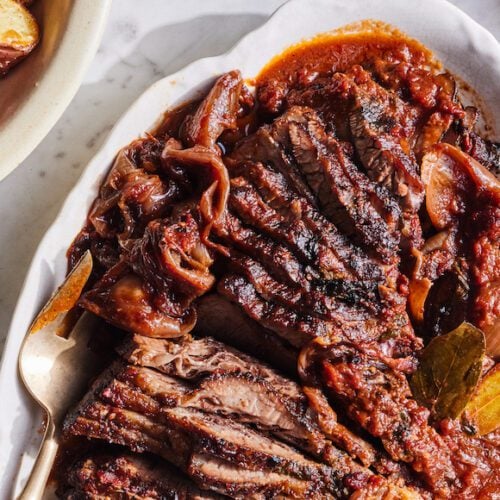
Brisket is a classic dish that never fails to impress with its tender texture and rich flavour. Whether you’re hosting a family gathering or simply craving a hearty meal, this brisket recipe is sure to satisfy your taste buds.

Ingredients:

  • 1 4-5 pound beef brisket
  • 2 tablespoons olive oil
  • 1 onion, chopped
  • 4 cloves garlic, minced
  • 2 cups beef broth
  • 1 cup red wine
  • 2 tablespoons Worcestershire sauce
  • Salt and pepper to taste
  • Fresh herbs for garnish (optional)

Instructions:

  1. Preheat your oven to 160°C.
  2. In a large oven-safe pot or Dutch oven, heat the olive oil over medium-high heat. Sear the brisket on all sides until browned, then remove from the pot and set aside.
  3. Add the chopped onion and garlic to the pot and sauté until softened.
  4. Pour in the beef broth, red wine, and Worcestershire sauce. Season with salt and pepper.
  5. Add the seared brisket back into the pot. Cover with a lid or foil.
  6. lI>Bake in the preheated oven for about 3-4 hours, or until the brisket is fork-tender.lI

    lIemove from the oven and let it rest for 10-15 minutes before slicing.lI

    Serve the brisket slices with the cooking liquid spooned over them.lI

    Garnish with fresh herbs if desired.l

Enjoy this mouth-watering brisket recipe with your favourite sides for a memorable dining experience!l


Top 6 FAQs for Perfecting Your Brisket Recipe

  1. 1. How long does it take to cook brisket?
  2. 2. What is the best way to season brisket?
  3. 3. Can I cook brisket in a slow cooker?
  4. 4. Should I trim the fat off the brisket before cooking?
  5. 5. What temperature should I set my oven for cooking brisket?
  6. 6. How do I know when the brisket is done cooking?

1. How long does it take to cook brisket?

When cooking brisket, the duration can vary depending on the cooking method chosen. Typically, a beef brisket needs to be cooked low and slow to achieve that melt-in-your-mouth tenderness. On average, it can take around 3-4 hours in the oven at 160°C for a 4-5 pound brisket to become fork-tender. However, some recipes may call for longer cooking times if using a smoker or slow cooker. The key is to cook the brisket until it reaches the desired level of doneness and can easily be shredded or sliced for serving. Patience is essential when preparing this delectable dish to ensure a flavoursome outcome that will delight your taste buds.

2. What is the best way to season brisket?

When it comes to seasoning brisket, the best way is to keep it simple yet flavourful. A classic combination of salt, pepper, and garlic powder works wonders in enhancing the natural taste of the beef. You can also experiment with adding paprika, onion powder, or even a hint of cayenne for a kick of heat. The key is to generously coat the brisket with your chosen seasonings, ensuring that every inch is covered for a well-balanced flavour profile. Remember to let the brisket sit with the seasonings for some time before cooking to allow the flavours to penetrate the meat effectively.

3. Can I cook brisket in a slow cooker?

Cooking brisket in a slow cooker is a popular method that many home cooks swear by for achieving tender and flavourful results. The slow, low-temperature cooking process allows the brisket to become incredibly succulent and easy to shred. By placing the brisket in a slow cooker along with your choice of seasonings and liquids, you can let it simmer gently for hours until it reaches the desired level of tenderness. This convenient cooking technique is perfect for busy individuals who want to enjoy a delicious brisket meal without constant monitoring.

4. Should I trim the fat off the brisket before cooking?

When preparing a brisket recipe, the decision to trim the fat off the brisket before cooking is a matter of personal preference and cooking style. Some chefs believe that leaving a layer of fat on the brisket can enhance the flavour and juiciness of the meat during cooking, while others prefer to trim excess fat for a leaner end result. Ultimately, whether you choose to trim the fat or not depends on your desired level of tenderness and richness in the final dish. It’s recommended to consider your own taste preferences and cooking techniques when making this decision.

5. What temperature should I set my oven for cooking brisket?

When cooking brisket in the oven, it is recommended to set the temperature to around 160°C (320°F). This moderate heat allows the brisket to cook slowly and evenly, resulting in a tender and flavourful dish. By cooking the brisket at this temperature for several hours, you can achieve the perfect texture and ensure that the meat is cooked to perfection. Remember to cover the brisket while baking to retain moisture and enhance its succulence.

6. How do I know when the brisket is done cooking?

Knowing when a brisket is done cooking is crucial to achieving the perfect texture and flavour. A common indicator of doneness is the tenderness of the meat. You can test this by inserting a fork or meat thermometer into the thickest part of the brisket. If it easily slides in and out with little resistance, the brisket is likely done. Another method is to check for the internal temperature, which should reach around 93°C for a well-cooked brisket. Additionally, the meat should have a rich aroma and a caramelised exterior when fully cooked. By paying attention to these cues, you can ensure that your brisket is cooked to perfection every time.

Delightful Sea Bass Recipe for Seafood Enthusiasts

sea bass recipe

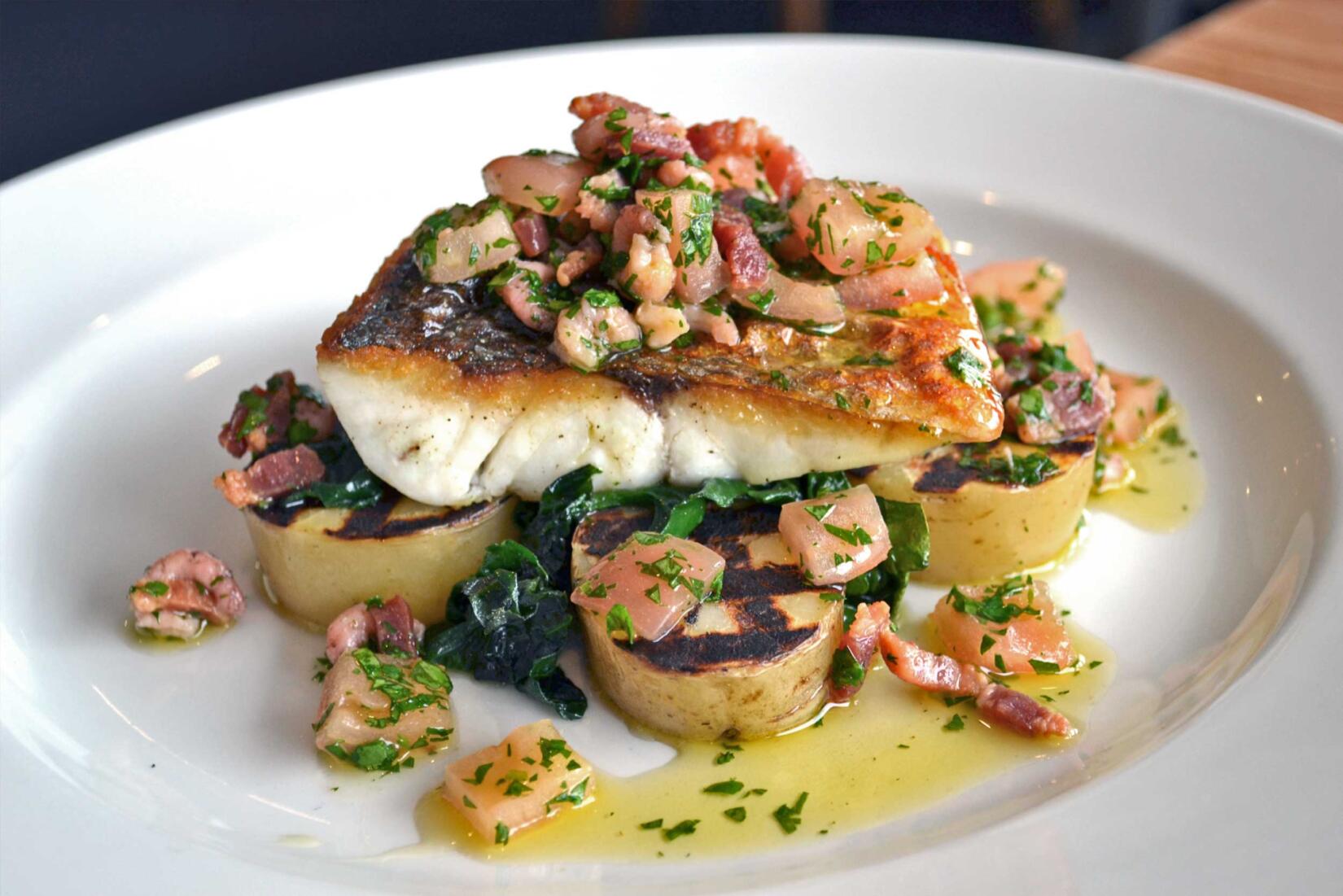
The Perfect Sea Bass Recipe for Seafood Lovers

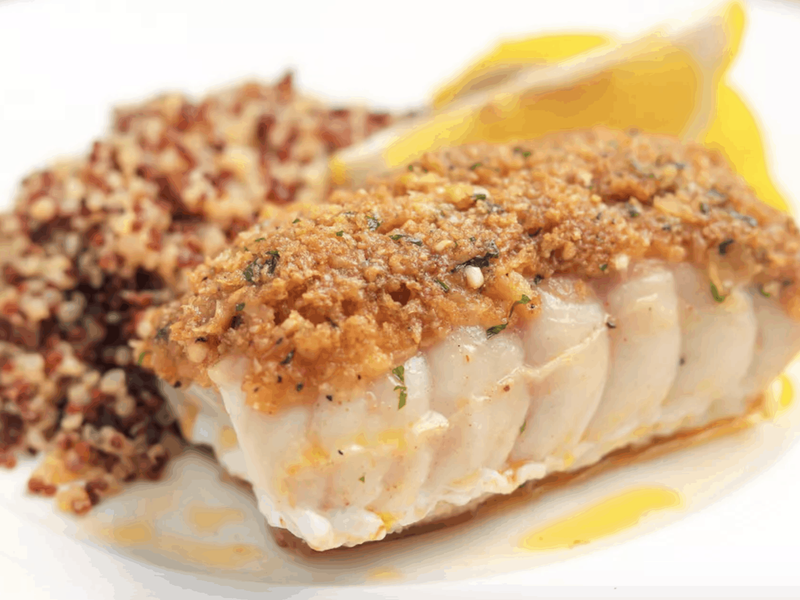
Sea bass is a versatile and delicious fish that is a favourite among seafood enthusiasts. Its delicate flavour and flaky texture make it a popular choice for many culinary creations. If you’re looking to impress your guests or simply treat yourself to a gourmet meal, this sea bass recipe is sure to delight your taste buds.

Ingredients:

  • 2 fresh sea bass fillets
  • 2 tablespoons of olive oil
  • 1 lemon, sliced
  • A handful of fresh parsley, chopped
  • Salt and pepper to taste

Instructions:

  1. Preheat your oven to 200°C (390°F).
  2. Place the sea bass fillets on a baking tray lined with parchment paper.
  3. Drizzle the fillets with olive oil and season with salt and pepper.
  4. Place lemon slices on top of the fillets for added flavour.
  5. Bake in the preheated oven for 15-20 minutes or until the fish is cooked through and flakes easily with a fork.
  6. Sprinkle freshly chopped parsley over the sea bass before serving.

This simple yet elegant sea bass recipe pairs beautifully with a side of roasted vegetables or a light salad. Whether you’re hosting a dinner party or enjoying a quiet evening at home, this dish is sure to elevate your dining experience. Bon appétit!

Note: Feel free to experiment with additional herbs and seasonings to customise this recipe to your liking.


9 Essential Tips for Perfecting Your Sea Bass Recipe

  1. Choose fresh sea bass for the best flavour
  2. Season the sea bass generously with salt and pepper
  3. Consider stuffing the sea bass with herbs or lemon slices for extra flavour
  4. Use high-quality olive oil when cooking sea bass
  5. Grill or bake the sea bass for a healthier cooking method
  6. Avoid overcooking the sea bass to prevent it from becoming dry
  7. Serve the sea bass with a squeeze of lemon juice for a refreshing touch
  8. Pair the sea bass with light side dishes like steamed vegetables or a fresh salad
  9. Experiment with different herbs and spices to create unique flavour profiles

Choose fresh sea bass for the best flavour

When preparing a sea bass recipe, it is crucial to select fresh sea bass to achieve the best flavour possible. The quality of the fish greatly impacts the overall taste and texture of the dish. Opting for fresh sea bass ensures a delicate and rich flavour profile that truly shines in every bite. By prioritising freshness in your ingredients, you can elevate your sea bass recipe to a gourmet level that will impress even the most discerning seafood connoisseurs.

Season the sea bass generously with salt and pepper

To enhance the flavour profile of your sea bass dish, it is recommended to season the fish generously with salt and pepper. The seasoning not only adds depth and richness to the delicate taste of the sea bass but also helps to create a delicious crust when cooked. By ensuring that each fillet is adequately seasoned, you can elevate the overall dining experience and bring out the natural freshness of this exquisite seafood.

Consider stuffing the sea bass with herbs or lemon slices for extra flavour

For an extra burst of flavour in your sea bass dish, consider stuffing the fish with fragrant herbs or zesty lemon slices before cooking. This simple yet effective tip can elevate the taste profile of the sea bass, infusing it with additional aromas and nuances that will delight your palate. Whether you opt for a blend of fresh herbs like dill and parsley or prefer the citrusy tang of lemon, this method of stuffing adds a delicious twist to your seafood experience. Give it a try and savour the enhanced flavours that this easy technique brings to your sea bass recipe.

Use high-quality olive oil when cooking sea bass

When preparing a delectable sea bass dish, it is essential to use high-quality olive oil. The choice of olive oil can significantly impact the overall flavour and texture of the fish. Opting for a premium olive oil not only enhances the taste of the sea bass but also adds a subtle richness that complements its delicate nature. Investing in quality ingredients, such as top-notch olive oil, can elevate your sea bass recipe to a gourmet level, ensuring a culinary experience that is truly unforgettable.

Grill or bake the sea bass for a healthier cooking method

For a healthier cooking approach when preparing sea bass, consider grilling or baking the fish. These methods help retain the natural flavours of the sea bass without the need for excessive oils or fats. Grilling imparts a smoky charred taste to the fish, while baking ensures a moist and tender texture. By opting for grilling or baking, you can enjoy a delicious sea bass dish that is not only nutritious but also full of flavour.

Avoid overcooking the sea bass to prevent it from becoming dry

To ensure a succulent and flavourful sea bass dish, it is crucial to avoid overcooking the fish. Overcooking can lead to dry and tough sea bass, compromising its delicate texture and taste. By closely monitoring the cooking time and removing the sea bass from heat as soon as it is cooked through, you can preserve its moistness and tenderness, allowing the natural flavours to shine through. Remember, a perfectly cooked sea bass will melt in your mouth with each delectable bite.

Serve the sea bass with a squeeze of lemon juice for a refreshing touch

Enhance the delightful flavours of the sea bass recipe by serving it with a generous squeeze of fresh lemon juice. The zesty citrus notes will provide a refreshing and tangy contrast to the rich, flaky fish, elevating the dish to a whole new level of culinary excellence. This simple addition not only adds a burst of brightness to each bite but also complements the natural taste of the sea bass, creating a harmonious balance of flavours that is sure to impress your palate.

Pair the sea bass with light side dishes like steamed vegetables or a fresh salad

For a well-balanced and wholesome meal, consider pairing your delectable sea bass dish with light and refreshing side dishes such as steamed vegetables or a crisp, fresh salad. The lightness of these sides complements the delicate flavour of the sea bass, creating a harmonious dining experience that is both satisfying and nourishing. By incorporating these healthy accompaniments, you can elevate the overall taste profile of your meal while ensuring a satisfying and well-rounded culinary delight.

Experiment with different herbs and spices to create unique flavour profiles

For those seeking to elevate their sea bass culinary experience, a valuable tip is to experiment with an array of herbs and spices. By incorporating diverse flavour enhancers, such as dill, thyme, or paprika, one can create unique and tantalising profiles that add depth and character to the dish. Whether aiming for a zesty Mediterranean twist or a fragrant Asian fusion, the possibilities are endless when it comes to customising sea bass recipes to suit individual tastes and preferences.

Delightful Recipe for a Classic British Victoria Sponge Cake

recipe for

The Perfect Recipe for a Delicious Lemon Drizzle Cake

Indulge in the zesty goodness of a classic Lemon Drizzle Cake with this simple yet scrumptious recipe. Whether you’re hosting a tea party or simply craving a sweet treat, this cake is sure to delight your taste buds.

Ingredients:

  • 225g unsalted butter, softened
  • 225g caster sugar
  • 4 large eggs
  • 225g self-raising flour
  • Zest of 2 lemons
  • Juice of 1 lemon
  • 100g granulated sugar

Instructions:

  1. Preheat your oven to 180°C (160°C fan) and grease a loaf tin.
  2. In a mixing bowl, cream together the butter and caster sugar until light and fluffy.
  3. Add the eggs one at a time, beating well after each addition.
  4. Gently fold in the self-raising flour and lemon zest until combined.
  5. Pour the batter into the prepared tin and bake for 45-50 minutes or until golden and a skewer inserted comes out clean.
  6. While the cake is baking, mix together the lemon juice and granulated sugar to make the drizzle.
  7. Once the cake is out of the oven, prick it all over with a skewer and pour over the lemon drizzle while it’s still warm.
  8. Allow the cake to cool in the tin before removing and serving slices with a dollop of cream or ice cream.

Enjoy this delightful Lemon Drizzle Cake as a perfect accompaniment to your afternoon tea or as a tasty dessert after dinner. Its tangy flavour and moist texture are bound to make it a firm favourite among family and friends!


Five Essential Tips for Perfecting Your Recipe Every Time

  1. Always read the recipe thoroughly before starting to ensure you have all the ingredients and equipment needed.
  2. Use fresh, high-quality ingredients for the best flavour in your dish.
  3. Follow the measurements and instructions carefully to achieve the desired outcome.
  4. Don’t be afraid to experiment with different herbs, spices, or cooking techniques to personalise the recipe to your taste.
  5. Taste as you go and adjust seasoning if necessary to perfect your dish.

Always read the recipe thoroughly before starting to ensure you have all the ingredients and equipment needed.

Before embarking on any culinary adventure, it is essential to heed the wise advice of reading the recipe thoroughly beforehand. By familiarising yourself with the ingredients and equipment required, you can ensure a smooth and successful cooking experience. Checking that you have everything on hand not only saves time but also prevents any last-minute dashes to the store mid-preparation. So, take a moment to peruse the recipe, gather your tools, and set yourself up for cooking success from the very start.

Use fresh, high-quality ingredients for the best flavour in your dish.

For a truly exceptional culinary experience, it is essential to utilise fresh, high-quality ingredients when preparing your dish. The integrity and richness of flavours that come from using the finest produce can elevate the taste profile of your creation to new heights. Whether it’s vibrant vegetables, succulent meats, or aromatic herbs, sourcing top-notch ingredients ensures that every bite is a delightful sensation for your taste buds. Embrace the essence of premium quality ingredients to unlock the full potential of your cooking and deliver a dining experience that is nothing short of extraordinary.

Follow the measurements and instructions carefully to achieve the desired outcome.

It is crucial to follow the measurements and instructions meticulously when preparing a recipe to ensure the desired outcome. Each ingredient plays a specific role in the overall taste and texture of the dish, so precision is key. By adhering closely to the specified quantities and steps, you can enhance the flavours and consistency of your creation, ultimately leading to a successful and delicious result that will impress both yourself and those you are cooking for.

Don’t be afraid to experiment with different herbs, spices, or cooking techniques to personalise the recipe to your taste.

When it comes to cooking, don’t be afraid to get creative and experiment with various herbs, spices, or cooking techniques to tailor the recipe to your unique taste preferences. Adding a pinch of this or a dash of that can elevate the flavours and bring a personal touch to your dishes. Whether you prefer a hint of spice, a burst of freshness from herbs, or a new cooking method to enhance texture, embracing experimentation in the kitchen can lead to exciting culinary discoveries that cater specifically to your palate.

Taste as you go and adjust seasoning if necessary to perfect your dish.

When following a recipe, it’s crucial to taste as you go and adjust the seasoning accordingly to enhance the flavours of your dish. By regularly sampling your creation throughout the cooking process, you can ensure that the seasoning levels are just right, allowing you to perfect the taste and achieve a delicious outcome. This simple tip not only helps in creating a well-balanced and flavourful dish but also allows you to tailor the seasoning to your personal preference, resulting in a culinary masterpiece that will delight your palate.

Savoury Delights: Authentic Calzone Recipe Straight from Italy

The Perfect Calzone Recipe: A Taste of Italy

Calzone, a delicious folded pizza filled with a variety of tasty ingredients, is a popular dish that originated in Italy. This savoury treat is perfect for those craving a comforting meal that combines the flavours of pizza in a unique way.

Ingredients:

  • 500g pizza dough
  • 200g mozzarella cheese, shredded
  • 100g ricotta cheese
  • 100g pepperoni slices
  • 1 bell pepper, diced
  • 1 small onion, chopped
  • 2 cloves of garlic, minced
  • 1/2 teaspoon dried oregano
  • Salt and pepper to taste
  • Olive oil for brushing

Instructions:

  1. Preheat your oven to 200°C.
  2. In a pan, sauté the onion, bell pepper, and garlic until softened. Remove from heat and set aside.
  3. In a bowl, mix the mozzarella, ricotta, pepperoni slices, oregano, salt and pepper.
  4. Dust your work surface with flour and roll out the pizza dough into a circle or rectangle shape.
  5. Spoon the cheese mixture onto one half of the dough.
  6. Fold the other half of the dough over the filling and crimp the edges to seal.
  7. Brush the top of the calzone with olive oil and make small slits on top to allow steam to escape.
  8. Bake in the preheated oven for 20-25 minutes or until golden brown.
  9. Serve hot and enjoy your homemade calzone!

This calzone recipe offers a delightful combination of gooey cheese, savoury meats, and aromatic herbs all wrapped up in a crispy crust. Whether enjoyed as a quick meal or shared with friends and family during gatherings, calzones are sure to satisfy your cravings for Italian flavours.


9 Reasons to Love Calzones: Versatile, Portable, and Perfect for Any Occasion

  1. Versatile
  2. Portable
  3. Satisfying
  4. Family-friendly
  5. Great for gatherings
  6. Easy to make
  7. Creative option
  8. Comfort food
  9. Authentic Italian taste


Calzone Concerns: Calorie Content, Dough Difficulty, and Filling Fumbles

  1. Calzones can be high in calories and fat due to the cheese and meat fillings.
  2. Preparing the dough from scratch can be time-consuming and requires some skill.
  3. It may be challenging to get the perfect balance of ingredients inside the calzone, leading to a messy filling.

Versatile

The versatility of a calzone recipe lies in its ability to be customised to suit individual taste preferences. Whether you prefer a classic combination of cheeses and meats or opt for a vegetarian-friendly medley of veggies and herbs, the beauty of making calzones is that you can tailor the fillings to create a personalised culinary experience. This flexibility allows you to experiment with different ingredients, textures, and flavours, ensuring that each calzone you make is uniquely suited to your palate.

Portable

Calzones offer the convenience of portability, making them a perfect choice for those on the move. The folded nature of calzones allows for easy handling and eating without the need for utensils, making them ideal for a quick meal on the go. Whether you’re rushing to work or heading out for a picnic, calzones provide a delicious and satisfying option that can be enjoyed anywhere, anytime.

Satisfying

Indulge in the satisfying experience of a calzone, where the harmonious blend of cheese, meats, and veggies creates a hearty and fulfilling meal. With each bite, you are treated to a medley of flavours that come together to satisfy your cravings and leave you feeling content. The richness of the cheese, the savouriness of the meats, and the freshness of the veggies all contribute to making calzones a truly satisfying culinary delight that is perfect for any occasion.

Family-friendly

Calzones are undeniably family-friendly, appealing to both kids and adults with their delicious flavours and comforting appeal. The versatility of calzones allows for endless variations to suit different tastes, making them a crowd-pleaser at family gatherings or weeknight dinners. Whether filled with classic ingredients like cheese and pepperoni or customised with favourite toppings, calzones bring everyone together around the table to enjoy a satisfying and tasty meal that is sure to please even the pickiest eaters.

Great for gatherings

Calzones are a fantastic choice for gatherings and social events, making them ideal for sharing at parties or potlucks. Their convenient handheld nature and ability to be easily sliced into portions make them a crowd-pleasing option for feeding a group of people. Whether served as a main dish or cut into smaller pieces for appetisers, calzones offer a delicious and satisfying meal that can cater to various tastes and preferences, making them a versatile and practical choice for any social gathering.

Easy to make

Creating calzones is a breeze thanks to the convenience of pre-made pizza dough. With this time-saving ingredient, assembling these delicious folded pizzas becomes a quick and straightforward process. Whether you’re a seasoned cook or a beginner in the kitchen, the ease of using pre-made dough allows you to enjoy homemade calzones without the hassle of making dough from scratch. This pro of the calzone recipe makes it an accessible and convenient choice for anyone looking to whip up a satisfying meal in no time.

Creative option

For those seeking culinary creativity, the calzone recipe offers a fantastic opportunity to experiment with various ingredients and create unique flavour combinations. From swapping out traditional toppings for more unconventional choices to incorporating seasonal produce or artisanal cheeses, the calzone allows home cooks to showcase their inventiveness in the kitchen. Whether it’s adding a twist with spicy chorizo, earthy mushrooms, or sweet caramelized onions, the versatility of the calzone recipe encourages exploration and personalization, resulting in a truly bespoke dining experience that caters to individual tastes and preferences.

Comfort food

Calzones offer a comforting and indulgent eating experience that is hard to resist. The warm, cheesy filling enveloped in a crispy crust creates a sense of satisfaction and contentment with every bite. Whether enjoyed on a cozy night in or as a treat during gatherings, calzones have a way of soothing the soul and satisfying cravings for hearty, flavoursome food. This comforting aspect of calzones makes them a beloved choice for those seeking a delicious and fulfilling meal that brings joy with every bite.

Authentic Italian taste

Indulge in the authentic Italian taste of a calzone with this classic recipe. By following the steps to create this savoury delight, you can experience the rich flavours and traditional essence of Italy right in your own kitchen. From the gooey cheese to the perfectly seasoned fillings, each bite of the calzone offers a delicious reminder of the culinary heritage and warmth of Italian cuisine. Embrace the opportunity to savour a taste of Italy with every mouthful of this homemade calzone, bringing a touch of Mediterranean charm to your dining table.

Calzones can be high in calories and fat due to the cheese and meat fillings.

Calzones, while undeniably delicious, can pose a nutritional challenge as they tend to be high in calories and fat content, primarily attributed to the generous amounts of cheese and meat fillings they contain. The rich and savoury nature of these ingredients contributes to the indulgent taste of the calzone but also means that it may not be the most health-conscious choice for those watching their calorie and fat intake. It’s important to enjoy calzones in moderation and perhaps consider lighter ingredient options or portion sizes to balance out the calorie and fat content while still savouring this delectable Italian treat.

Preparing the dough from scratch can be time-consuming and requires some skill.

Preparing the dough from scratch for a calzone recipe can be seen as a drawback due to the time and skill it demands. Crafting the perfect pizza dough requires patience, precision, and a good understanding of the dough-making process. For those looking for a quick and convenient meal option, the time-consuming nature of preparing homemade dough may deter them from attempting this recipe. Additionally, mastering the art of dough-making can be challenging for beginners or those with limited experience in working with yeast-based recipes. However, despite these challenges, the satisfaction of creating a calzone from scratch and the delicious results it yields make the effort worthwhile for those willing to invest time and effort into perfecting their dough-making skills.

It may be challenging to get the perfect balance of ingredients inside the calzone, leading to a messy filling.

When preparing a calzone, one potential drawback is the difficulty in achieving the ideal balance of ingredients inside the folded dough. This challenge can result in a messy filling that may leak out during baking or serving. Ensuring that the filling is evenly distributed and not overly packed can help mitigate this issue, allowing for a neater and more enjoyable eating experience. Despite this con, mastering the art of calzone-making through practice and attention to detail can lead to delicious results that are well worth the effort.

Classic Stuffing Recipe: A Taste of Tradition for Your Holiday Feast

stuffing recipe

The Perfect Stuffing Recipe for Your Holiday Feast

Stuffing, also known as dressing, is a quintessential dish that graces the tables of many during the holiday season. Whether you prefer a traditional recipe or a modern twist, stuffing adds a comforting and flavourful element to any festive meal. Here, we present a classic stuffing recipe that is sure to impress your guests.

Ingredients:

  • 8 cups of cubed bread (preferably stale)
  • 1 large onion, diced
  • 3 stalks of celery, chopped
  • 2 cloves of garlic, minced
  • 1/2 cup of butter
  • 1 teaspoon of dried sage
  • 1 teaspoon of dried thyme
  • Salt and pepper to taste
  • 2 cups of chicken or vegetable broth

Instructions:

  1. Preheat your oven to 180°C (350°F).
  2. In a large pan, melt the butter over medium heat. Add the onion, celery, and garlic. Cook until softened.
  3. Add the sage and thyme to the pan. Season with salt and pepper.
  4. In a large mixing bowl, combine the cubed bread with the cooked vegetable mixture. Pour in the broth gradually until the bread is moistened but not soggy.
  5. Transfer the stuffing mixture into a baking dish. Cover with foil and bake for 30 minutes. li>Remove the foil and bake for an additional 15-20 minutes until golden brown.

    li>Your delicious stuffing is now ready to be served alongside your roast turkey or favourite holiday main course!

div>

pWhether you are hosting a festive gathering or simply craving a taste of tradition, this stuffing recipe is sure to delight your taste buds and warm your soul. Enjoy every bite of this classic dish that brings comfort and joy to any special occasion.

div>


Five Reasons Why Stuffing is the Perfect Addition to Your Holiday Feast

  1. Versatile dish that can be customised with various ingredients to suit different tastes.
  2. Adds a delicious and savoury element to any holiday meal.
  3. Great way to use up leftover bread, reducing food waste.
  4. Brings a sense of tradition and nostalgia to the dining table.
  5. Easy to prepare and can be made ahead of time, saving you valuable cooking time on the day of your feast.


Seven Drawbacks to Consider Before Making Traditional Stuffing from Scratch

  1. Requires time and effort to prepare from scratch.
  2. May be high in calories and fat due to butter content.
  3. Potential for the stuffing to become too soggy if not baked properly.
  4. Some people may have dietary restrictions that prevent them from enjoying traditional stuffing ingredients.
  5. Leftovers may not keep well and could lose their texture when reheated.
  6. Variations in taste preferences may lead to some guests not enjoying the flavour profile of the stuffing.
  7. Preparing stuffing alongside other dishes can be logistically challenging, requiring careful timing and coordination.

Versatile dish that can be customised with various ingredients to suit different tastes.

Stuffing is a versatile dish that offers endless possibilities for customization to cater to different tastes and preferences. Whether you prefer a traditional herb-infused stuffing or want to experiment with ingredients like dried fruits, nuts, or even spicy sausage, the beauty of stuffing lies in its adaptability. By adding your own unique twist to the recipe, you can create a stuffing that perfectly complements your main course and reflects your personal culinary style. The ability to tailor this classic dish to suit a variety of flavour profiles makes it a beloved favourite on many dining tables during festive occasions.

Adds a delicious and savoury element to any holiday meal.

The beauty of a well-prepared stuffing recipe lies in its ability to enhance the overall dining experience by adding a delicious and savoury element to any holiday meal. With its rich flavours and comforting textures, stuffing has the power to elevate a simple dish into a culinary delight that resonates with warmth and tradition. Whether served alongside roast turkey, baked ham, or as a standalone side dish, the addition of stuffing brings a depth of taste that truly embodies the spirit of festive feasting.

Great way to use up leftover bread, reducing food waste.

Using this stuffing recipe is a fantastic way to make use of leftover bread, thereby helping to reduce food waste. Instead of letting stale bread go to waste, you can transform it into a delicious and satisfying dish that adds depth and flavour to your holiday feast. By repurposing ingredients that might otherwise be discarded, you not only create a tasty addition to your meal but also contribute to more sustainable cooking practices. Embracing this pro of the stuffing recipe allows you to enjoy a hearty and comforting dish while being mindful of minimising food wastage in your kitchen.

Brings a sense of tradition and nostalgia to the dining table.

The beauty of a well-crafted stuffing recipe lies in its ability to evoke a sense of tradition and nostalgia at the dining table. With each spoonful of this comforting dish, one is transported back to cherished memories of family gatherings, festive celebrations, and the warmth of home-cooked meals shared with loved ones. The familiar aromas and flavours of stuffing not only fill the room but also fill our hearts with a deep sense of connection to the past, making every bite a reminder of the enduring traditions that bring us together year after year.

Easy to prepare and can be made ahead of time, saving you valuable cooking time on the day of your feast.

Preparing stuffing ahead of time offers a practical advantage, allowing you to efficiently manage your cooking schedule on the day of your feast. This pro of the stuffing recipe not only simplifies the meal preparation process but also ensures that you can focus on other dishes or enjoy more time with your loved ones during the holiday celebration. By making the stuffing in advance, you can alleviate last-minute stress in the kitchen and still serve a delicious and comforting side dish that complements your festive spread perfectly.

Requires time and effort to prepare from scratch.

Preparing stuffing from scratch can be a time-consuming and labour-intensive process. From gathering the ingredients to chopping and sautéing vegetables, mixing in herbs and seasonings, and ensuring the bread is perfectly moistened, making stuffing from scratch demands a significant investment of time and effort. However, for those who appreciate the art of homemade cooking and the satisfaction of creating a dish from start to finish, the end result is often well worth the dedication put into crafting a delicious and personalised stuffing recipe.

May be high in calories and fat due to butter content.

While stuffing is a beloved holiday dish that brings warmth and comfort to festive meals, it is important to be mindful of its potential drawbacks. One significant concern with traditional stuffing recipes is their high calorie and fat content, often attributed to the generous use of butter. While butter adds richness and flavour to the dish, excessive consumption can contribute to an increase in calorie intake and saturated fats. To enjoy stuffing in a healthier way, consider exploring alternative ingredients or cooking methods that reduce the overall calorie and fat content without compromising on taste.

Potential for the stuffing to become too soggy if not baked properly.

One potential downside of preparing stuffing is the risk of it becoming overly soggy if not baked properly. When the bread absorbs too much moisture from the broth or other liquid ingredients, the texture can become mushy and unappetising. To avoid this issue, it is essential to ensure that the bread cubes are adequately moistened without being drenched. Properly balancing the amount of liquid used and monitoring the baking time can help achieve a perfect consistency that is neither too dry nor too soggy, resulting in a delectable stuffing that complements your holiday meal beautifully.

Some people may have dietary restrictions that prevent them from enjoying traditional stuffing ingredients.

Some people may find it challenging to enjoy traditional stuffing due to dietary restrictions that limit their consumption of certain ingredients. For individuals with gluten intolerance, dairy allergies, or specific dietary preferences, the classic stuffing recipe containing bread and butter may not be suitable. However, with the growing awareness of various dietary needs, there are alternative recipes available that cater to different restrictions, ensuring that everyone can savour a delicious and satisfying stuffing dish tailored to their specific requirements.

Leftovers may not keep well and could lose their texture when reheated.

When considering the downside of a stuffing recipe, one potential con to keep in mind is that leftovers may not retain their original texture when reheated. Due to the nature of stuffing being a bread-based dish, reheating leftovers can sometimes result in a loss of moisture and a change in texture, potentially making the stuffing less appealing. It is important to store any leftover stuffing properly and consider creative ways to repurpose it to maintain its flavour and enjoy it to the fullest even after the initial serving.

Variations in taste preferences may lead to some guests not enjoying the flavour profile of the stuffing.

Variations in taste preferences can sometimes result in certain guests not fully appreciating the flavour profile of the stuffing. While some may relish the traditional blend of herbs and aromatics, others might prefer a different seasoning or texture. It’s important to consider the diverse palates of your guests when serving stuffing and perhaps offer alternative side dishes to cater to different tastes. Ultimately, embracing culinary diversity can enhance the dining experience and ensure that everyone finds something delicious to enjoy at the table.

Preparing stuffing alongside other dishes can be logistically challenging, requiring careful timing and coordination.

Preparing stuffing alongside other dishes can be logistically challenging, requiring careful timing and coordination. With various components needing attention simultaneously, such as chopping ingredients, sautéing vegetables, and baking the final dish, ensuring that everything comes together harmoniously can be quite a task. Juggling different cooking processes and timings to achieve a perfectly cooked stuffing while managing other elements of the meal demands precision and organization in the kitchen. Despite these challenges, the reward of serving a delicious stuffing that complements the main course makes the effort worthwhile.

Savoury Delight: Authentic Quiche Lorraine Recipe

quiche lorraine recipe

Delicious Quiche Lorraine Recipe

Quiche Lorraine is a classic French dish that is loved for its rich and creamy texture. This savoury tart combines the goodness of eggs, cream, cheese, and bacon to create a mouthwatering treat that is perfect for any meal of the day.

Ingredients:

  • 1 pre-made pie crust
  • 6 slices of bacon, cooked and crumbled
  • 1 cup shredded Gruyère cheese
  • 4 eggs
  • 1 cup heavy cream
  • Salt and pepper to taste
  • A pinch of nutmeg

Instructions:

  1. Preheat your oven to 190°C (375°F).
  2. Place the pie crust in a quiche dish or pie pan, pressing it firmly against the bottom and sides.
  3. Sprinkle the bacon and shredded Gruyère cheese evenly over the bottom of the pie crust.
  4. In a mixing bowl, whisk together the eggs, heavy cream, salt, pepper, and nutmeg until well combined.
  5. Pour the egg mixture over the bacon and cheese in the pie crust.
  6. Bake in the preheated oven for about 30-35 minutes or until the quiche is set and golden brown on top.
  7. Remove from oven and let it cool slightly before slicing and serving.

This Quiche Lorraine recipe is perfect for brunch, lunch or dinner. Serve it warm with a side salad for a complete and satisfying meal. Enjoy this delightful French classic with friends and family!


Quiche Lorraine: Your Top Questions Answered

  1. 1. What is Quiche Lorraine?
  2. 2. How do you make Quiche Lorraine?
  3. 3. What are the traditional ingredients in Quiche Lorraine?
  4. 4. Can I use a store-bought pie crust for Quiche Lorraine?
  5. 5. Is Quiche Lorraine suitable for vegetarians?
  6. 6. How long does it take to bake a Quiche Lorraine?
  7. 7. Can I substitute Gruyère cheese with another type of cheese in the recipe?
  8. 8. Are there any variations of Quiche Lorraine that I can try?

1. What is Quiche Lorraine?

Quiche Lorraine is a traditional French dish that originates from the Lorraine region. It is a savoury tart made with a buttery pastry crust filled with a rich mixture of eggs, cream, cheese (typically Gruyère), and bacon or lardons. The name “Lorraine” in Quiche Lorraine signifies its place of origin, and this classic dish has become popular worldwide for its delicious combination of flavours. Perfect for any meal of the day, Quiche Lorraine is loved for its creamy texture and savoury taste that delights the palate with every bite.

2. How do you make Quiche Lorraine?

To make Quiche Lorraine, you start by preheating your oven and preparing a pie crust in a quiche dish or pie pan. Next, you layer cooked and crumbled bacon along with shredded Gruyère cheese in the pie crust. Then, whisk together eggs, heavy cream, salt, pepper, and a pinch of nutmeg until well combined. Pour this egg mixture over the bacon and cheese in the pie crust. Bake the quiche in the oven until it is set and golden brown on top. Once done, allow it to cool slightly before slicing and serving. This classic French dish is a delightful combination of flavours that can be enjoyed for any meal of the day.

3. What are the traditional ingredients in Quiche Lorraine?

Quiche Lorraine, a beloved French dish, traditionally consists of a few key ingredients that contribute to its irresistible flavour. The classic components of Quiche Lorraine include eggs, cream, bacon, and Gruyère cheese. These ingredients come together harmoniously to create a creamy and savoury filling that is encased in a buttery pie crust. The combination of the smoky bacon, rich cheese, and custardy texture makes Quiche Lorraine a timeless favourite that is perfect for any occasion.

4. Can I use a store-bought pie crust for Quiche Lorraine?

Using a store-bought pie crust for Quiche Lorraine is a convenient option that can save you time in the kitchen. While making your own pie crust can add a homemade touch to the dish, store-bought crusts work just as well and still result in a delicious quiche. Simply follow the instructions on the packaging for pre-baking or using the crust directly in your quiche dish. The pre-made crust will provide a flaky and crisp base for your Quiche Lorraine, allowing you to focus on preparing the creamy filling with bacon, cheese, and eggs. Whether you opt for homemade or store-bought, your Quiche Lorraine is sure to be a delightful treat for any meal.

5. Is Quiche Lorraine suitable for vegetarians?

Quiche Lorraine, traditionally made with bacon as one of its key ingredients, is not typically suitable for vegetarians. However, with some modifications, it can easily be adapted to cater to a vegetarian diet. By omitting the bacon and using alternative ingredients such as spinach, mushrooms, or sundried tomatoes, a delicious vegetarian version of Quiche Lorraine can be created. This adaptation allows vegetarians to enjoy the creamy and flavourful nature of quiche while staying true to their dietary preferences.

6. How long does it take to bake a Quiche Lorraine?

Baking a Quiche Lorraine typically takes around 30 to 35 minutes in a preheated oven set at 190°C (375°F). The exact baking time may vary slightly depending on the individual oven and the thickness of the quiche. It is essential to bake the quiche until it is set and has a golden brown top to ensure that it is cooked through and has a delicious texture. Keep an eye on the quiche towards the end of the baking time to avoid overcooking, and allow it to cool slightly before slicing and serving for the best results.

7. Can I substitute Gruyère cheese with another type of cheese in the recipe?

When considering a substitution for Gruyère cheese in the Quiche Lorraine recipe, it’s important to choose a cheese that complements the flavours of the dish. While Gruyère is known for its nutty and slightly sweet taste, you can experiment with alternatives like Swiss cheese, Emmental, or even cheddar for a different flavour profile. Each cheese will bring its own unique characteristics to the quiche, so feel free to explore and tailor the recipe to your personal taste preferences.

8. Are there any variations of Quiche Lorraine that I can try?

If you’re looking to explore different variations of the classic Quiche Lorraine recipe, there are indeed several creative twists you can try. One popular variation is adding caramelized onions to impart a sweet and savoury flavour profile to the dish. Alternatively, you can experiment with different types of cheeses such as Swiss or cheddar to add a unique taste dimension. For a healthier option, consider incorporating spinach or mushrooms into the quiche filling. The beauty of Quiche Lorraine lies in its versatility, allowing you to customise the recipe according to your preferences and culinary imagination.

Authentic Pizza Recipe: A Taste of Italy in Your Kitchen

pizza recipe

The Perfect Pizza Recipe

Who can resist the delicious combination of gooey cheese, tangy tomato sauce, and a crispy crust? Pizza is a beloved dish enjoyed by people all around the world. Making your own pizza at home is not only fun but also allows you to customize it to your liking. Here’s a simple yet mouth-watering pizza recipe that will have you coming back for more.

Ingredients:

  • 300g strong white bread flour
  • 1 tsp instant yeast
  • 1 tsp salt
  • 1 tbsp olive oil
  • 200ml passata
  • A handful of fresh basil leaves
  • 125g mozzarella, torn into small pieces
  • A handful of cherry tomatoes, halved
  • A drizzle of olive oil
  • Salt and pepper to taste

Instructions:

  1. In a bowl, mix the flour, yeast, and salt. Add the olive oil and 200ml warm water. Mix until it forms a dough.
  2. Knead the dough on a floured surface for about 10 minutes until smooth and elastic. Place in a lightly oiled bowl, cover with a tea towel, and leave to rise for 1 hour.
  3. Preheat your oven to 240°C/fan 220°C/gas mark 8. Roll out the dough on a floured surface to your desired thickness.


    Spread the passata over the base, leaving a small border for the crust. Tear the basil leaves over the sauce.


    Scatter over the mozzarella pieces and cherry tomatoes. Drizzle with olive oil and season with salt and pepper.


    Bake in the preheated oven for 8-10 minutes or until the crust is golden and crispy.


Essential Tips and FAQs for Perfecting Your Homemade Pizza Recipe

  1. 1. How do I make pizza dough from scratch?
  2. 2. What is the best flour to use for pizza dough?
  3. 3. How long should I let the pizza dough rise?
  4. 4. Can I use a different sauce instead of passata for my pizza?
  5. 5. What are some popular pizza topping combinations?
  6. 6. How can I achieve a crispy crust on my homemade pizza?
  7. 7. Is it necessary to preheat the oven before baking the pizza?

1. How do I make pizza dough from scratch?

For those eager to create their own pizza dough from scratch, the process is simpler than you might think. To start, combine strong white bread flour with instant yeast and a pinch of salt in a bowl. Add a generous drizzle of olive oil and warm water to the mixture, stirring until it forms a cohesive dough. Knead the dough on a floured surface for around 10 minutes until it becomes smooth and elastic. Let the dough rise in a lightly oiled bowl for about an hour until it doubles in size. Once risen, roll out the dough to your desired thickness before adding your favourite toppings for a truly homemade pizza experience.

2. What is the best flour to use for pizza dough?

When it comes to making the perfect pizza dough, choosing the right flour is crucial. The best flour to use for pizza dough is strong white bread flour. This type of flour has a higher protein content compared to all-purpose flour, which helps create a chewy and elastic texture in the dough once baked. Strong white bread flour also provides better structure and rise, resulting in a crispy yet airy crust that complements the toppings beautifully. Its versatility and ability to hold up well to high temperatures make it a popular choice among pizza enthusiasts looking to achieve that authentic pizzeria taste at home.

3. How long should I let the pizza dough rise?

When it comes to letting pizza dough rise, the ideal duration can vary depending on the recipe and desired crust texture. In general, allowing the pizza dough to rise for about 1 to 2 hours at room temperature can help develop flavour and create a light and airy crust. However, some recipes may call for longer proofing times in the fridge to enhance the dough’s structure and taste. It’s essential to follow the specific instructions provided in your chosen recipe to achieve the perfect balance of flavours and textures in your homemade pizza.

4. Can I use a different sauce instead of passata for my pizza?

For those looking to experiment with different flavours, substituting passata with an alternative sauce can offer a unique twist to your pizza recipe. While passata provides a traditional tomato base, options like pesto, barbecue sauce, or even a creamy white sauce can add a whole new dimension of taste to your pizza. The choice of sauce can greatly influence the overall flavour profile of the dish, allowing for endless creative possibilities to cater to individual preferences and culinary creativity.

When it comes to popular pizza topping combinations, the options are endless and can cater to a wide range of tastes. Classic choices like pepperoni and mushroom, margherita with fresh basil and mozzarella, or Hawaiian with ham and pineapple are always crowd-pleasers. For those craving a more gourmet experience, toppings like prosciutto and arugula, BBQ chicken with red onions, or a Mediterranean mix of olives, feta cheese, and sun-dried tomatoes offer a delicious twist. Whether you prefer traditional flavours or more adventurous blends, experimenting with different topping combinations is part of the fun of creating your perfect pizza.

6. How can I achieve a crispy crust on my homemade pizza?

To achieve a crispy crust on your homemade pizza, there are a few key tips to keep in mind. Firstly, make sure to preheat your oven to a high temperature, around 240°C/fan 220°C/gas mark 8, as this will help create that desired crispiness. Secondly, roll out your pizza dough thinly and evenly to ensure even cooking and a crunchy base. Additionally, using a pizza stone or baking tray preheated in the oven can help mimic the effect of a traditional pizza oven and result in a crispier crust. Finally, avoid overloading your pizza with toppings, as excess moisture can make the crust soggy – instead, opt for a balance of ingredients that enhance flavour without compromising texture. By following these steps, you can enjoy a delicious homemade pizza with a perfectly crispy crust every time.

7. Is it necessary to preheat the oven before baking the pizza?

Preheating the oven before baking a pizza is crucial to achieving the perfect result. By preheating the oven, you ensure that the cooking temperature is consistent from the moment you place the pizza inside. This helps in creating a crispy crust while ensuring that the toppings cook evenly. Without preheating, the pizza may not cook properly, resulting in a soggy or undercooked base. Therefore, to enjoy a delicious and well-cooked pizza, it is highly recommended to preheat your oven before baking.