Delicious Spare Ribs Recipe: A Mouth-Watering Culinary Delight
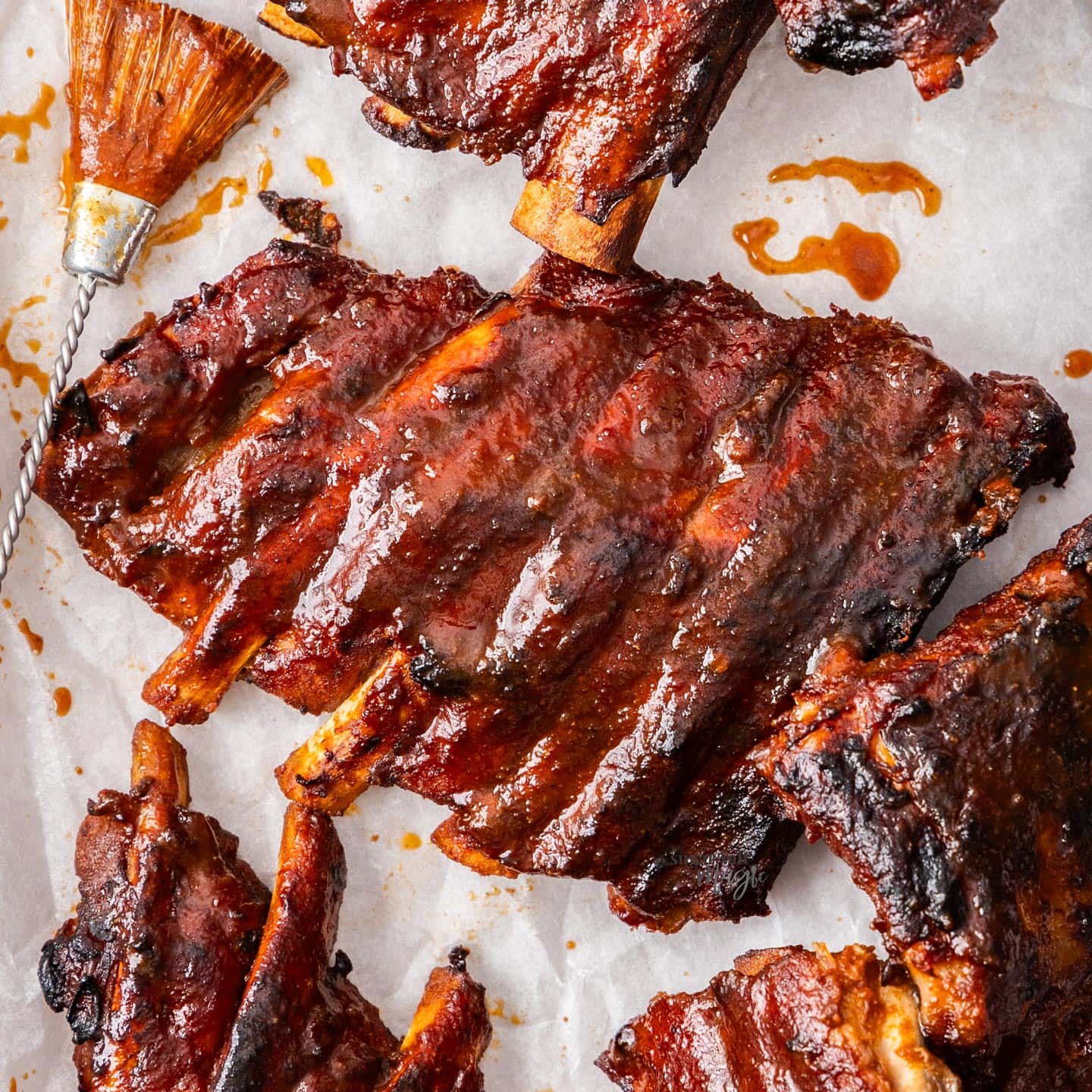
spare ribs recipe

The Ultimate Spare Ribs Recipe

Spare ribs are a classic dish that never fails to impress. Whether you’re hosting a barbecue or simply craving some hearty comfort food, this spare ribs recipe is sure to hit the spot. Follow these steps to create tender, flavourful spare ribs that will have your taste buds dancing.

Ingredients:

  • 2 lbs of spare ribs
  • 1 cup of barbecue sauce
  • 2 cloves of garlic, minced
  • 1 teaspoon of paprika
  • Salt and pepper to taste

Instructions:

  1. Preheat your oven to 160°C (320°F).
  2. In a bowl, mix together the barbecue sauce, minced garlic, paprika, salt, and pepper.
  3. Place the spare ribs in a baking dish and generously coat them with the sauce mixture. Make sure the ribs are evenly covered.
  4. Cover the baking dish with foil and bake in the preheated oven for 2 hours. This slow cooking method will ensure that the meat becomes tender and juicy.
  5. After 2 hours, remove the foil and increase the oven temperature to 200°C (390°F). Baste the spare ribs with any remaining sauce and continue baking for another 30 minutes or until they are caramelised and slightly crispy on the edges.
  6. Once cooked, remove the spare ribs from the oven and let them rest for a few minutes before serving. Garnish with some fresh herbs or additional barbecue sauce if desired.
  7. Enjoy your delicious spare ribs with your favourite sides and savour every bite of this mouth-watering dish!

Whether you’re a seasoned chef or just starting out in the kitchen, this spare ribs recipe is simple yet incredibly satisfying. Treat yourself to a delectable meal that will have everyone asking for seconds!


Essential FAQs for Perfecting Your Spare Ribs Recipe

  1. How long does it take to cook spare ribs?
  2. What is the best way to season spare ribs?
  3. Can I grill spare ribs instead of baking them?
  4. Do I need to remove the membrane from the back of the ribs before cooking?
  5. What are some popular side dishes to serve with spare ribs?
  6. How can I make my spare ribs more tender?
  7. Is there a vegetarian or vegan alternative to spare ribs?
  8. What type of barbecue sauce works best for spare ribs?
  9. How do I know when spare ribs are cooked through?

How long does it take to cook spare ribs?

When it comes to cooking spare ribs, the duration can vary depending on the method used. Typically, spare ribs are cooked low and slow to achieve maximum tenderness and flavour. In an oven set at 160°C (320°F), spare ribs usually take around 2 hours covered in foil, followed by an additional 30 minutes uncovered at a higher temperature of 200°C (390°F) to achieve that perfect caramelisation. This gradual cooking process allows the meat to become succulent and juicy, ensuring a mouth-watering dining experience. Remember, patience is key when cooking spare ribs to perfection!

What is the best way to season spare ribs?

When it comes to seasoning spare ribs, the best way is to create a flavourful blend that enhances the natural taste of the meat. A common approach is to use a combination of spices like paprika, garlic, salt, and pepper along with a generous amount of barbecue sauce for that classic smoky flavour. Marinating the spare ribs for a few hours or overnight allows the seasonings to penetrate the meat, resulting in tender and succulent ribs. Experimenting with different herbs and spices can also add depth and complexity to the dish, ensuring each bite is a burst of deliciousness.

Can I grill spare ribs instead of baking them?

Grilling spare ribs is a popular alternative to baking them, offering a smoky flavour and charred texture that many people enjoy. To grill spare ribs, simply prepare them as usual with your desired seasoning or marinade, then place them on a preheated grill over indirect heat. Cook the ribs low and slow, periodically basting them with sauce for added flavour. Grilling spare ribs can result in deliciously tender meat with a slightly crispy exterior, perfect for those who prefer the taste of barbecue-infused dishes. Experimenting with different cooking methods can help you discover your preferred way of preparing spare ribs to suit your taste preferences.

Do I need to remove the membrane from the back of the ribs before cooking?

One frequently asked question when preparing spare ribs is whether it is necessary to remove the membrane from the back of the ribs before cooking. While opinions may vary among chefs and home cooks, many recommend removing the membrane to ensure that the seasonings and flavours penetrate the meat more effectively during the cooking process. By peeling off this tough membrane, you can also achieve a more tender and succulent texture in your spare ribs. However, if you prefer a bit of chewiness or find it challenging to remove the membrane, leaving it on is also an option – just be aware that it may affect the overall taste and tenderness of the dish.

When serving spare ribs, there are several popular side dishes that complement this savoury dish perfectly. Coleslaw, with its crunchy texture and tangy dressing, provides a refreshing contrast to the rich flavours of the ribs. Baked beans, slow-cooked to perfection with a hint of sweetness, add a comforting touch to the meal. For a lighter option, a fresh garden salad tossed with vinaigrette dressing offers a healthy and vibrant accompaniment. Cornbread, with its golden crust and moist interior, is another classic choice that pairs well with spare ribs. These side dishes enhance the overall dining experience and create a well-rounded feast for everyone to enjoy.

How can I make my spare ribs more tender?

To make your spare ribs more tender, it is essential to employ cooking methods that allow for slow and gentle heat application. One effective technique is to cook the spare ribs in an oven at a low temperature for an extended period. This slow cooking process helps break down the tough connective tissues in the meat, resulting in a more tender and juicy texture. Additionally, marinating the spare ribs overnight in a flavourful mixture or using a tenderizing marinade can further enhance their tenderness. By taking these steps and ensuring proper cooking time, you can elevate your spare ribs to a melt-in-your-mouth perfection that will delight your taste buds.

Is there a vegetarian or vegan alternative to spare ribs?

For those seeking a vegetarian or vegan alternative to spare ribs, there are creative options available that capture the essence of this beloved dish without using meat. Plant-based substitutes such as seitan, tofu, or jackfruit can be used to mimic the texture and flavour of spare ribs. By marinating these alternatives in a smoky barbecue sauce and slow-cooking them to perfection, you can enjoy a delicious and cruelty-free version of spare ribs that satisfies your cravings while aligning with your dietary preferences. Experimenting with different ingredients and seasonings allows you to tailor the recipe to your taste, offering a satisfying meat-free alternative for those looking to indulge in a classic spare ribs experience.

What type of barbecue sauce works best for spare ribs?

When it comes to choosing the best barbecue sauce for spare ribs, the options are plentiful, catering to a range of tastes and preferences. Some prefer a tangy and sweet sauce with a hint of smokiness, while others may opt for a spicy and bold flavour profile. Popular choices include traditional hickory-smoked barbecue sauce, honey mustard-based sauces, or even Asian-inspired marinades for a unique twist. Ultimately, the best barbecue sauce for spare ribs is one that complements the richness of the meat and enhances its natural flavours, so feel free to experiment with different varieties to find your perfect match.

How do I know when spare ribs are cooked through?

Knowing when spare ribs are cooked through is crucial to achieving the perfect texture and flavour. One common method to determine if spare ribs are done is by checking the meat’s internal temperature. Using a meat thermometer, insert it into the thickest part of the rib without touching the bone. The ribs are ready when they reach an internal temperature of 75°C (165°F). Additionally, you can test for doneness by gently pulling on a rib bone – if it starts to separate easily from the meat, they are likely cooked through. Another indicator is the meat shrinking back from the ends of the bones. By using these methods in combination, you can ensure that your spare ribs are tender, juicy, and cooked to perfection every time.
Classic Stuffing Recipe: A Taste of Tradition for Your Holiday Feast

stuffing recipe

The Perfect Stuffing Recipe for Your Holiday Feast

Stuffing, also known as dressing, is a quintessential dish that graces the tables of many during the holiday season. Whether you prefer a traditional recipe or a modern twist, stuffing adds a comforting and flavourful element to any festive meal. Here, we present a classic stuffing recipe that is sure to impress your guests.

Ingredients:

  • 8 cups of cubed bread (preferably stale)
  • 1 large onion, diced
  • 3 stalks of celery, chopped
  • 2 cloves of garlic, minced
  • 1/2 cup of butter
  • 1 teaspoon of dried sage
  • 1 teaspoon of dried thyme
  • Salt and pepper to taste
  • 2 cups of chicken or vegetable broth

Instructions:

  1. Preheat your oven to 180°C (350°F).
  2. In a large pan, melt the butter over medium heat. Add the onion, celery, and garlic. Cook until softened.
  3. Add the sage and thyme to the pan. Season with salt and pepper.
  4. In a large mixing bowl, combine the cubed bread with the cooked vegetable mixture. Pour in the broth gradually until the bread is moistened but not soggy.
  5. Transfer the stuffing mixture into a baking dish. Cover with foil and bake for 30 minutes. li>Remove the foil and bake for an additional 15-20 minutes until golden brown.

    li>Your delicious stuffing is now ready to be served alongside your roast turkey or favourite holiday main course!

div>

pWhether you are hosting a festive gathering or simply craving a taste of tradition, this stuffing recipe is sure to delight your taste buds and warm your soul. Enjoy every bite of this classic dish that brings comfort and joy to any special occasion.

div>


Five Reasons Why Stuffing is the Perfect Addition to Your Holiday Feast

  1. Versatile dish that can be customised with various ingredients to suit different tastes.
  2. Adds a delicious and savoury element to any holiday meal.
  3. Great way to use up leftover bread, reducing food waste.
  4. Brings a sense of tradition and nostalgia to the dining table.
  5. Easy to prepare and can be made ahead of time, saving you valuable cooking time on the day of your feast.


Seven Drawbacks to Consider Before Making Traditional Stuffing from Scratch

  1. Requires time and effort to prepare from scratch.
  2. May be high in calories and fat due to butter content.
  3. Potential for the stuffing to become too soggy if not baked properly.
  4. Some people may have dietary restrictions that prevent them from enjoying traditional stuffing ingredients.
  5. Leftovers may not keep well and could lose their texture when reheated.
  6. Variations in taste preferences may lead to some guests not enjoying the flavour profile of the stuffing.
  7. Preparing stuffing alongside other dishes can be logistically challenging, requiring careful timing and coordination.

Versatile dish that can be customised with various ingredients to suit different tastes.

Stuffing is a versatile dish that offers endless possibilities for customization to cater to different tastes and preferences. Whether you prefer a traditional herb-infused stuffing or want to experiment with ingredients like dried fruits, nuts, or even spicy sausage, the beauty of stuffing lies in its adaptability. By adding your own unique twist to the recipe, you can create a stuffing that perfectly complements your main course and reflects your personal culinary style. The ability to tailor this classic dish to suit a variety of flavour profiles makes it a beloved favourite on many dining tables during festive occasions.

Adds a delicious and savoury element to any holiday meal.

The beauty of a well-prepared stuffing recipe lies in its ability to enhance the overall dining experience by adding a delicious and savoury element to any holiday meal. With its rich flavours and comforting textures, stuffing has the power to elevate a simple dish into a culinary delight that resonates with warmth and tradition. Whether served alongside roast turkey, baked ham, or as a standalone side dish, the addition of stuffing brings a depth of taste that truly embodies the spirit of festive feasting.

Great way to use up leftover bread, reducing food waste.

Using this stuffing recipe is a fantastic way to make use of leftover bread, thereby helping to reduce food waste. Instead of letting stale bread go to waste, you can transform it into a delicious and satisfying dish that adds depth and flavour to your holiday feast. By repurposing ingredients that might otherwise be discarded, you not only create a tasty addition to your meal but also contribute to more sustainable cooking practices. Embracing this pro of the stuffing recipe allows you to enjoy a hearty and comforting dish while being mindful of minimising food wastage in your kitchen.

Brings a sense of tradition and nostalgia to the dining table.

The beauty of a well-crafted stuffing recipe lies in its ability to evoke a sense of tradition and nostalgia at the dining table. With each spoonful of this comforting dish, one is transported back to cherished memories of family gatherings, festive celebrations, and the warmth of home-cooked meals shared with loved ones. The familiar aromas and flavours of stuffing not only fill the room but also fill our hearts with a deep sense of connection to the past, making every bite a reminder of the enduring traditions that bring us together year after year.

Easy to prepare and can be made ahead of time, saving you valuable cooking time on the day of your feast.

Preparing stuffing ahead of time offers a practical advantage, allowing you to efficiently manage your cooking schedule on the day of your feast. This pro of the stuffing recipe not only simplifies the meal preparation process but also ensures that you can focus on other dishes or enjoy more time with your loved ones during the holiday celebration. By making the stuffing in advance, you can alleviate last-minute stress in the kitchen and still serve a delicious and comforting side dish that complements your festive spread perfectly.

Requires time and effort to prepare from scratch.

Preparing stuffing from scratch can be a time-consuming and labour-intensive process. From gathering the ingredients to chopping and sautéing vegetables, mixing in herbs and seasonings, and ensuring the bread is perfectly moistened, making stuffing from scratch demands a significant investment of time and effort. However, for those who appreciate the art of homemade cooking and the satisfaction of creating a dish from start to finish, the end result is often well worth the dedication put into crafting a delicious and personalised stuffing recipe.

May be high in calories and fat due to butter content.

While stuffing is a beloved holiday dish that brings warmth and comfort to festive meals, it is important to be mindful of its potential drawbacks. One significant concern with traditional stuffing recipes is their high calorie and fat content, often attributed to the generous use of butter. While butter adds richness and flavour to the dish, excessive consumption can contribute to an increase in calorie intake and saturated fats. To enjoy stuffing in a healthier way, consider exploring alternative ingredients or cooking methods that reduce the overall calorie and fat content without compromising on taste.

Potential for the stuffing to become too soggy if not baked properly.

One potential downside of preparing stuffing is the risk of it becoming overly soggy if not baked properly. When the bread absorbs too much moisture from the broth or other liquid ingredients, the texture can become mushy and unappetising. To avoid this issue, it is essential to ensure that the bread cubes are adequately moistened without being drenched. Properly balancing the amount of liquid used and monitoring the baking time can help achieve a perfect consistency that is neither too dry nor too soggy, resulting in a delectable stuffing that complements your holiday meal beautifully.

Some people may have dietary restrictions that prevent them from enjoying traditional stuffing ingredients.

Some people may find it challenging to enjoy traditional stuffing due to dietary restrictions that limit their consumption of certain ingredients. For individuals with gluten intolerance, dairy allergies, or specific dietary preferences, the classic stuffing recipe containing bread and butter may not be suitable. However, with the growing awareness of various dietary needs, there are alternative recipes available that cater to different restrictions, ensuring that everyone can savour a delicious and satisfying stuffing dish tailored to their specific requirements.

Leftovers may not keep well and could lose their texture when reheated.

When considering the downside of a stuffing recipe, one potential con to keep in mind is that leftovers may not retain their original texture when reheated. Due to the nature of stuffing being a bread-based dish, reheating leftovers can sometimes result in a loss of moisture and a change in texture, potentially making the stuffing less appealing. It is important to store any leftover stuffing properly and consider creative ways to repurpose it to maintain its flavour and enjoy it to the fullest even after the initial serving.

Variations in taste preferences may lead to some guests not enjoying the flavour profile of the stuffing.

Variations in taste preferences can sometimes result in certain guests not fully appreciating the flavour profile of the stuffing. While some may relish the traditional blend of herbs and aromatics, others might prefer a different seasoning or texture. It’s important to consider the diverse palates of your guests when serving stuffing and perhaps offer alternative side dishes to cater to different tastes. Ultimately, embracing culinary diversity can enhance the dining experience and ensure that everyone finds something delicious to enjoy at the table.

Preparing stuffing alongside other dishes can be logistically challenging, requiring careful timing and coordination.

Preparing stuffing alongside other dishes can be logistically challenging, requiring careful timing and coordination. With various components needing attention simultaneously, such as chopping ingredients, sautéing vegetables, and baking the final dish, ensuring that everything comes together harmoniously can be quite a task. Juggling different cooking processes and timings to achieve a perfectly cooked stuffing while managing other elements of the meal demands precision and organization in the kitchen. Despite these challenges, the reward of serving a delicious stuffing that complements the main course makes the effort worthwhile.