Delicious Spare Ribs Recipe: A Mouth-Watering Culinary Delight

spare ribs recipe

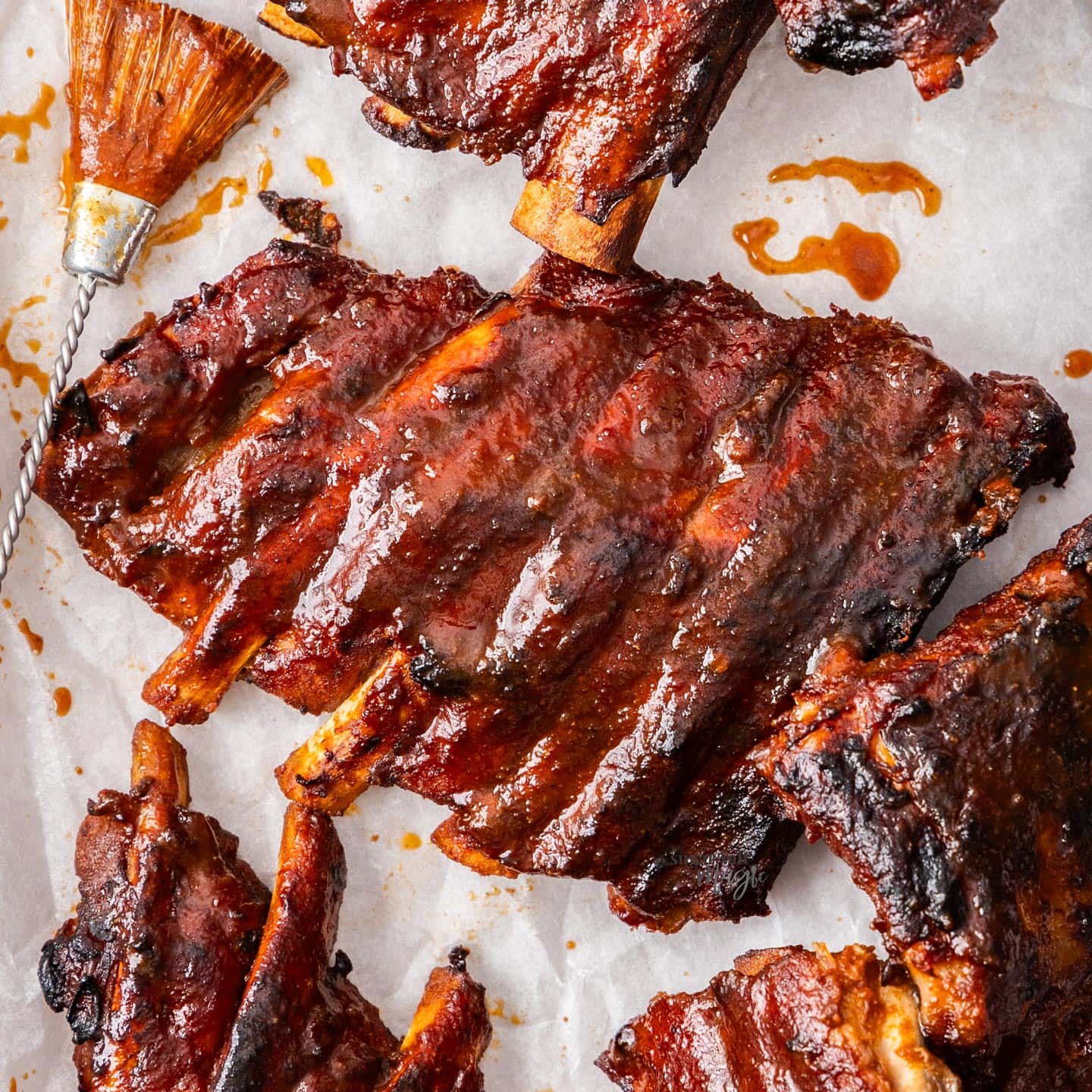
The Ultimate Spare Ribs Recipe

Spare ribs are a classic dish that never fails to impress. Whether you’re hosting a barbecue or simply craving some hearty comfort food, this spare ribs recipe is sure to hit the spot. Follow these steps to create tender, flavourful spare ribs that will have your taste buds dancing.

Ingredients:

  • 2 lbs of spare ribs
  • 1 cup of barbecue sauce
  • 2 cloves of garlic, minced
  • 1 teaspoon of paprika
  • Salt and pepper to taste

Instructions:

  1. Preheat your oven to 160°C (320°F).
  2. In a bowl, mix together the barbecue sauce, minced garlic, paprika, salt, and pepper.
  3. Place the spare ribs in a baking dish and generously coat them with the sauce mixture. Make sure the ribs are evenly covered.
  4. Cover the baking dish with foil and bake in the preheated oven for 2 hours. This slow cooking method will ensure that the meat becomes tender and juicy.
  5. After 2 hours, remove the foil and increase the oven temperature to 200°C (390°F). Baste the spare ribs with any remaining sauce and continue baking for another 30 minutes or until they are caramelised and slightly crispy on the edges.
  6. Once cooked, remove the spare ribs from the oven and let them rest for a few minutes before serving. Garnish with some fresh herbs or additional barbecue sauce if desired.
  7. Enjoy your delicious spare ribs with your favourite sides and savour every bite of this mouth-watering dish!

Whether you’re a seasoned chef or just starting out in the kitchen, this spare ribs recipe is simple yet incredibly satisfying. Treat yourself to a delectable meal that will have everyone asking for seconds!


Essential FAQs for Perfecting Your Spare Ribs Recipe

  1. How long does it take to cook spare ribs?
  2. What is the best way to season spare ribs?
  3. Can I grill spare ribs instead of baking them?
  4. Do I need to remove the membrane from the back of the ribs before cooking?
  5. What are some popular side dishes to serve with spare ribs?
  6. How can I make my spare ribs more tender?
  7. Is there a vegetarian or vegan alternative to spare ribs?
  8. What type of barbecue sauce works best for spare ribs?
  9. How do I know when spare ribs are cooked through?

How long does it take to cook spare ribs?

When it comes to cooking spare ribs, the duration can vary depending on the method used. Typically, spare ribs are cooked low and slow to achieve maximum tenderness and flavour. In an oven set at 160°C (320°F), spare ribs usually take around 2 hours covered in foil, followed by an additional 30 minutes uncovered at a higher temperature of 200°C (390°F) to achieve that perfect caramelisation. This gradual cooking process allows the meat to become succulent and juicy, ensuring a mouth-watering dining experience. Remember, patience is key when cooking spare ribs to perfection!

What is the best way to season spare ribs?

When it comes to seasoning spare ribs, the best way is to create a flavourful blend that enhances the natural taste of the meat. A common approach is to use a combination of spices like paprika, garlic, salt, and pepper along with a generous amount of barbecue sauce for that classic smoky flavour. Marinating the spare ribs for a few hours or overnight allows the seasonings to penetrate the meat, resulting in tender and succulent ribs. Experimenting with different herbs and spices can also add depth and complexity to the dish, ensuring each bite is a burst of deliciousness.

Can I grill spare ribs instead of baking them?

Grilling spare ribs is a popular alternative to baking them, offering a smoky flavour and charred texture that many people enjoy. To grill spare ribs, simply prepare them as usual with your desired seasoning or marinade, then place them on a preheated grill over indirect heat. Cook the ribs low and slow, periodically basting them with sauce for added flavour. Grilling spare ribs can result in deliciously tender meat with a slightly crispy exterior, perfect for those who prefer the taste of barbecue-infused dishes. Experimenting with different cooking methods can help you discover your preferred way of preparing spare ribs to suit your taste preferences.

Do I need to remove the membrane from the back of the ribs before cooking?

One frequently asked question when preparing spare ribs is whether it is necessary to remove the membrane from the back of the ribs before cooking. While opinions may vary among chefs and home cooks, many recommend removing the membrane to ensure that the seasonings and flavours penetrate the meat more effectively during the cooking process. By peeling off this tough membrane, you can also achieve a more tender and succulent texture in your spare ribs. However, if you prefer a bit of chewiness or find it challenging to remove the membrane, leaving it on is also an option – just be aware that it may affect the overall taste and tenderness of the dish.

When serving spare ribs, there are several popular side dishes that complement this savoury dish perfectly. Coleslaw, with its crunchy texture and tangy dressing, provides a refreshing contrast to the rich flavours of the ribs. Baked beans, slow-cooked to perfection with a hint of sweetness, add a comforting touch to the meal. For a lighter option, a fresh garden salad tossed with vinaigrette dressing offers a healthy and vibrant accompaniment. Cornbread, with its golden crust and moist interior, is another classic choice that pairs well with spare ribs. These side dishes enhance the overall dining experience and create a well-rounded feast for everyone to enjoy.

How can I make my spare ribs more tender?

To make your spare ribs more tender, it is essential to employ cooking methods that allow for slow and gentle heat application. One effective technique is to cook the spare ribs in an oven at a low temperature for an extended period. This slow cooking process helps break down the tough connective tissues in the meat, resulting in a more tender and juicy texture. Additionally, marinating the spare ribs overnight in a flavourful mixture or using a tenderizing marinade can further enhance their tenderness. By taking these steps and ensuring proper cooking time, you can elevate your spare ribs to a melt-in-your-mouth perfection that will delight your taste buds.

Is there a vegetarian or vegan alternative to spare ribs?

For those seeking a vegetarian or vegan alternative to spare ribs, there are creative options available that capture the essence of this beloved dish without using meat. Plant-based substitutes such as seitan, tofu, or jackfruit can be used to mimic the texture and flavour of spare ribs. By marinating these alternatives in a smoky barbecue sauce and slow-cooking them to perfection, you can enjoy a delicious and cruelty-free version of spare ribs that satisfies your cravings while aligning with your dietary preferences. Experimenting with different ingredients and seasonings allows you to tailor the recipe to your taste, offering a satisfying meat-free alternative for those looking to indulge in a classic spare ribs experience.

What type of barbecue sauce works best for spare ribs?

When it comes to choosing the best barbecue sauce for spare ribs, the options are plentiful, catering to a range of tastes and preferences. Some prefer a tangy and sweet sauce with a hint of smokiness, while others may opt for a spicy and bold flavour profile. Popular choices include traditional hickory-smoked barbecue sauce, honey mustard-based sauces, or even Asian-inspired marinades for a unique twist. Ultimately, the best barbecue sauce for spare ribs is one that complements the richness of the meat and enhances its natural flavours, so feel free to experiment with different varieties to find your perfect match.

How do I know when spare ribs are cooked through?

Knowing when spare ribs are cooked through is crucial to achieving the perfect texture and flavour. One common method to determine if spare ribs are done is by checking the meat’s internal temperature. Using a meat thermometer, insert it into the thickest part of the rib without touching the bone. The ribs are ready when they reach an internal temperature of 75°C (165°F). Additionally, you can test for doneness by gently pulling on a rib bone – if it starts to separate easily from the meat, they are likely cooked through. Another indicator is the meat shrinking back from the ends of the bones. By using these methods in combination, you can ensure that your spare ribs are tender, juicy, and cooked to perfection every time.

Delicious Air Fryer Chicken Recipes for Healthy Cooking

air fryer chicken recipes

Air Fryer Chicken Recipes: Delicious and Healthy Options

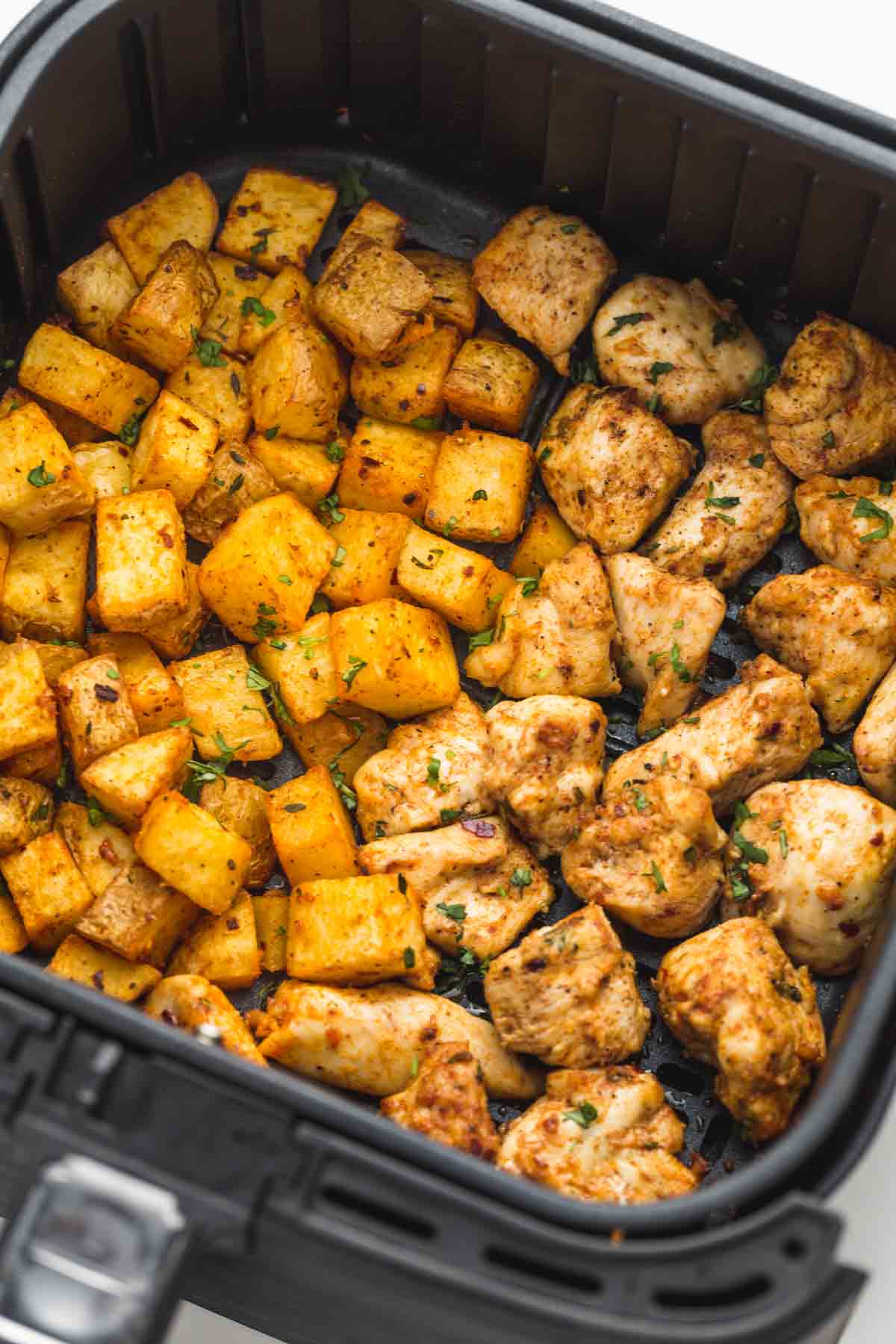
Looking for tasty and healthier ways to enjoy chicken? Air fryers are a popular kitchen appliance that can help you achieve crispy and flavourful chicken dishes without the need for excessive oil. Here are some mouth-watering air fryer chicken recipes to try:

Crispy Air Fryer Chicken Wings

Coat your chicken wings in a mixture of spices, breadcrumbs, or flour, then place them in the air fryer basket. Cook at a high temperature until they are golden brown and crispy on the outside.

Lemon Herb Air Fryer Chicken Breast

Marinate chicken breasts in a mixture of lemon juice, garlic, herbs, and olive oil. Place them in the air fryer and cook until they are tender and juicy. Serve with a side of roasted vegetables for a complete meal.

Spicy Air Fryer Chicken Tenders

Dip your chicken tenders in a spicy marinade or coating before placing them in the air fryer. Cook until they are cooked through and crispy. These make a great appetiser or main dish.

Honey Garlic Air Fryer Chicken Thighs

Coat chicken thighs in a sticky honey garlic sauce before air frying them to perfection. The sweet and savoury flavours combine beautifully to create a delicious dish that is sure to impress.

With an air fryer, you can enjoy all your favourite chicken recipes with less guilt and hassle. Experiment with different seasonings, sauces, and cooking times to discover your perfect air fryer chicken dish!

Whether you’re cooking for yourself or entertaining guests, these air fryer chicken recipes are bound to be a hit at any mealtime.


Top 5 Advantages of Air Fryer Chicken Recipes: A Healthier, Quicker, and Tastier Choice

  1. Healthier option compared to traditional frying methods as it requires less oil
  2. Cooks chicken quickly and evenly, saving time in the kitchen
  3. Produces crispy and delicious chicken without the need for deep frying
  4. Easy to clean and maintain, making it a convenient cooking appliance
  5. Versatile – allows for experimenting with different flavours and seasonings for varied chicken dishes


Potential Drawbacks of Air Fryer Chicken Recipes: Dryness, Monitoring Needs, and Limited Capacity

  1. May result in drier chicken compared to traditional cooking methods.
  2. Requires preheating and monitoring to ensure even cooking.
  3. Limited capacity for cooking larger quantities of chicken at once.

Healthier option compared to traditional frying methods as it requires less oil

Air fryer chicken recipes offer a healthier alternative to traditional frying methods due to their reduced oil requirement. By utilising hot air circulation to cook the chicken, air fryers can achieve that desirable crispy texture without the need for excessive oil. This not only helps in lowering the overall calorie and fat content of the dish but also makes it a more heart-friendly option for those conscious about their dietary intake. Enjoying deliciously cooked chicken with a fraction of the oil used in traditional frying methods is a significant benefit that air fryers bring to the table for health-conscious individuals.

Cooks chicken quickly and evenly, saving time in the kitchen

One notable advantage of air fryer chicken recipes is their ability to cook chicken quickly and evenly, which ultimately saves valuable time in the kitchen. The efficient air circulation within the air fryer ensures that the chicken is cooked through evenly, resulting in crispy and succulent meat in a fraction of the time compared to traditional cooking methods. This time-saving feature allows for convenient meal preparation, making air fryers a practical and efficient kitchen appliance for busy individuals looking to enjoy delicious chicken dishes without compromising on taste or texture.

Produces crispy and delicious chicken without the need for deep frying

One of the key advantages of using air fryer chicken recipes is that they allow you to achieve crispy and delicious chicken dishes without the need for deep frying. By circulating hot air around the food, air fryers create a crispy outer layer while keeping the inside tender and juicy. This method not only produces healthier chicken dishes with significantly less oil, but also eliminates the mess and potential hazards associated with traditional deep frying. Enjoying perfectly cooked, crunchy chicken has never been easier or more guilt-free than with the help of an air fryer.

Easy to clean and maintain, making it a convenient cooking appliance

Air fryer chicken recipes offer the advantage of being easy to clean and maintain, making the air fryer a convenient cooking appliance for busy individuals. Unlike traditional deep fryers that can be cumbersome to clean due to oil splatters and lingering odours, air fryers require minimal maintenance. The removable parts are usually dishwasher-safe, allowing for quick and hassle-free cleanup. This added convenience ensures that cooking with an air fryer is not only healthier but also more time-efficient, making it a popular choice for those seeking a convenient cooking solution in their kitchen.

Versatile – allows for experimenting with different flavours and seasonings for varied chicken dishes

Air fryer chicken recipes offer a versatile advantage by allowing cooks to experiment with a wide range of flavours and seasonings, resulting in diverse and exciting chicken dishes. Whether you prefer tangy lemon herb chicken breasts, spicy chicken tenders, or sweet honey garlic chicken thighs, the air fryer provides the perfect platform for culinary creativity. By adjusting ingredients and seasonings, individuals can customise their dishes to suit their preferences and explore new taste combinations effortlessly. This versatility adds a fun and dynamic element to cooking with air fryers, making meal preparation an enjoyable experience filled with delicious possibilities.

May result in drier chicken compared to traditional cooking methods.

While air fryer chicken recipes offer a convenient and healthier cooking option, one potential downside is that they may result in drier chicken compared to traditional cooking methods. The rapid air circulation in the fryer can sometimes lead to moisture loss from the chicken, resulting in a less juicy final product. To combat this, it’s important to monitor cooking times closely and consider marinating the chicken beforehand to help retain moisture and enhance flavour. Despite this drawback, with a bit of experimentation and careful attention to cooking techniques, you can still achieve delicious and satisfying air fryer chicken dishes.

Requires preheating and monitoring to ensure even cooking.

One drawback of air fryer chicken recipes is the need for preheating and careful monitoring throughout the cooking process to ensure even cooking. Preheating the air fryer can add extra time to the overall cooking process, and constant monitoring is necessary to prevent overcooking or undercooking certain parts of the chicken. This requirement for attention and precision may be a downside for those looking for a more hands-off cooking experience.

Limited capacity for cooking larger quantities of chicken at once.

One limitation of air fryer chicken recipes is the restricted capacity for cooking larger quantities of chicken simultaneously. Due to the size constraints of most air fryer baskets, it can be challenging to prepare a substantial amount of chicken in one batch. This could potentially lead to longer cooking times or the need for multiple rounds of cooking to cater to a larger group or family. It’s important to consider this limitation when planning meals that require cooking significant amounts of chicken to ensure that all portions are cooked evenly and efficiently.