Savoury Delight: Authentic Quiche Lorraine Recipe
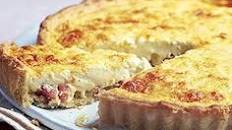
quiche lorraine recipe

Delicious Quiche Lorraine Recipe

Quiche Lorraine is a classic French dish that is loved for its rich and creamy texture. This savoury tart combines the goodness of eggs, cream, cheese, and bacon to create a mouthwatering treat that is perfect for any meal of the day.

Ingredients:

  • 1 pre-made pie crust
  • 6 slices of bacon, cooked and crumbled
  • 1 cup shredded Gruyère cheese
  • 4 eggs
  • 1 cup heavy cream
  • Salt and pepper to taste
  • A pinch of nutmeg

Instructions:

  1. Preheat your oven to 190°C (375°F).
  2. Place the pie crust in a quiche dish or pie pan, pressing it firmly against the bottom and sides.
  3. Sprinkle the bacon and shredded Gruyère cheese evenly over the bottom of the pie crust.
  4. In a mixing bowl, whisk together the eggs, heavy cream, salt, pepper, and nutmeg until well combined.
  5. Pour the egg mixture over the bacon and cheese in the pie crust.
  6. Bake in the preheated oven for about 30-35 minutes or until the quiche is set and golden brown on top.
  7. Remove from oven and let it cool slightly before slicing and serving.

This Quiche Lorraine recipe is perfect for brunch, lunch or dinner. Serve it warm with a side salad for a complete and satisfying meal. Enjoy this delightful French classic with friends and family!


Quiche Lorraine: Your Top Questions Answered

  1. 1. What is Quiche Lorraine?
  2. 2. How do you make Quiche Lorraine?
  3. 3. What are the traditional ingredients in Quiche Lorraine?
  4. 4. Can I use a store-bought pie crust for Quiche Lorraine?
  5. 5. Is Quiche Lorraine suitable for vegetarians?
  6. 6. How long does it take to bake a Quiche Lorraine?
  7. 7. Can I substitute Gruyère cheese with another type of cheese in the recipe?
  8. 8. Are there any variations of Quiche Lorraine that I can try?

1. What is Quiche Lorraine?

Quiche Lorraine is a traditional French dish that originates from the Lorraine region. It is a savoury tart made with a buttery pastry crust filled with a rich mixture of eggs, cream, cheese (typically Gruyère), and bacon or lardons. The name “Lorraine” in Quiche Lorraine signifies its place of origin, and this classic dish has become popular worldwide for its delicious combination of flavours. Perfect for any meal of the day, Quiche Lorraine is loved for its creamy texture and savoury taste that delights the palate with every bite.

2. How do you make Quiche Lorraine?

To make Quiche Lorraine, you start by preheating your oven and preparing a pie crust in a quiche dish or pie pan. Next, you layer cooked and crumbled bacon along with shredded Gruyère cheese in the pie crust. Then, whisk together eggs, heavy cream, salt, pepper, and a pinch of nutmeg until well combined. Pour this egg mixture over the bacon and cheese in the pie crust. Bake the quiche in the oven until it is set and golden brown on top. Once done, allow it to cool slightly before slicing and serving. This classic French dish is a delightful combination of flavours that can be enjoyed for any meal of the day.

3. What are the traditional ingredients in Quiche Lorraine?

Quiche Lorraine, a beloved French dish, traditionally consists of a few key ingredients that contribute to its irresistible flavour. The classic components of Quiche Lorraine include eggs, cream, bacon, and Gruyère cheese. These ingredients come together harmoniously to create a creamy and savoury filling that is encased in a buttery pie crust. The combination of the smoky bacon, rich cheese, and custardy texture makes Quiche Lorraine a timeless favourite that is perfect for any occasion.

4. Can I use a store-bought pie crust for Quiche Lorraine?

Using a store-bought pie crust for Quiche Lorraine is a convenient option that can save you time in the kitchen. While making your own pie crust can add a homemade touch to the dish, store-bought crusts work just as well and still result in a delicious quiche. Simply follow the instructions on the packaging for pre-baking or using the crust directly in your quiche dish. The pre-made crust will provide a flaky and crisp base for your Quiche Lorraine, allowing you to focus on preparing the creamy filling with bacon, cheese, and eggs. Whether you opt for homemade or store-bought, your Quiche Lorraine is sure to be a delightful treat for any meal.

5. Is Quiche Lorraine suitable for vegetarians?

Quiche Lorraine, traditionally made with bacon as one of its key ingredients, is not typically suitable for vegetarians. However, with some modifications, it can easily be adapted to cater to a vegetarian diet. By omitting the bacon and using alternative ingredients such as spinach, mushrooms, or sundried tomatoes, a delicious vegetarian version of Quiche Lorraine can be created. This adaptation allows vegetarians to enjoy the creamy and flavourful nature of quiche while staying true to their dietary preferences.

6. How long does it take to bake a Quiche Lorraine?

Baking a Quiche Lorraine typically takes around 30 to 35 minutes in a preheated oven set at 190°C (375°F). The exact baking time may vary slightly depending on the individual oven and the thickness of the quiche. It is essential to bake the quiche until it is set and has a golden brown top to ensure that it is cooked through and has a delicious texture. Keep an eye on the quiche towards the end of the baking time to avoid overcooking, and allow it to cool slightly before slicing and serving for the best results.

7. Can I substitute Gruyère cheese with another type of cheese in the recipe?

When considering a substitution for Gruyère cheese in the Quiche Lorraine recipe, it’s important to choose a cheese that complements the flavours of the dish. While Gruyère is known for its nutty and slightly sweet taste, you can experiment with alternatives like Swiss cheese, Emmental, or even cheddar for a different flavour profile. Each cheese will bring its own unique characteristics to the quiche, so feel free to explore and tailor the recipe to your personal taste preferences.

8. Are there any variations of Quiche Lorraine that I can try?

If you’re looking to explore different variations of the classic Quiche Lorraine recipe, there are indeed several creative twists you can try. One popular variation is adding caramelized onions to impart a sweet and savoury flavour profile to the dish. Alternatively, you can experiment with different types of cheeses such as Swiss or cheddar to add a unique taste dimension. For a healthier option, consider incorporating spinach or mushrooms into the quiche filling. The beauty of Quiche Lorraine lies in its versatility, allowing you to customise the recipe according to your preferences and culinary imagination.

Authentic Pizza Recipe: A Taste of Italy in Your Kitchen

pizza recipe

The Perfect Pizza Recipe

Who can resist the delicious combination of gooey cheese, tangy tomato sauce, and a crispy crust? Pizza is a beloved dish enjoyed by people all around the world. Making your own pizza at home is not only fun but also allows you to customize it to your liking. Here’s a simple yet mouth-watering pizza recipe that will have you coming back for more.

Ingredients:

  • 300g strong white bread flour
  • 1 tsp instant yeast
  • 1 tsp salt
  • 1 tbsp olive oil
  • 200ml passata
  • A handful of fresh basil leaves
  • 125g mozzarella, torn into small pieces
  • A handful of cherry tomatoes, halved
  • A drizzle of olive oil
  • Salt and pepper to taste

Instructions:

  1. In a bowl, mix the flour, yeast, and salt. Add the olive oil and 200ml warm water. Mix until it forms a dough.
  2. Knead the dough on a floured surface for about 10 minutes until smooth and elastic. Place in a lightly oiled bowl, cover with a tea towel, and leave to rise for 1 hour.
  3. Preheat your oven to 240°C/fan 220°C/gas mark 8. Roll out the dough on a floured surface to your desired thickness.


    Spread the passata over the base, leaving a small border for the crust. Tear the basil leaves over the sauce.


    Scatter over the mozzarella pieces and cherry tomatoes. Drizzle with olive oil and season with salt and pepper.


    Bake in the preheated oven for 8-10 minutes or until the crust is golden and crispy.


Essential Tips and FAQs for Perfecting Your Homemade Pizza Recipe

  1. 1. How do I make pizza dough from scratch?
  2. 2. What is the best flour to use for pizza dough?
  3. 3. How long should I let the pizza dough rise?
  4. 4. Can I use a different sauce instead of passata for my pizza?
  5. 5. What are some popular pizza topping combinations?
  6. 6. How can I achieve a crispy crust on my homemade pizza?
  7. 7. Is it necessary to preheat the oven before baking the pizza?

1. How do I make pizza dough from scratch?

For those eager to create their own pizza dough from scratch, the process is simpler than you might think. To start, combine strong white bread flour with instant yeast and a pinch of salt in a bowl. Add a generous drizzle of olive oil and warm water to the mixture, stirring until it forms a cohesive dough. Knead the dough on a floured surface for around 10 minutes until it becomes smooth and elastic. Let the dough rise in a lightly oiled bowl for about an hour until it doubles in size. Once risen, roll out the dough to your desired thickness before adding your favourite toppings for a truly homemade pizza experience.

2. What is the best flour to use for pizza dough?

When it comes to making the perfect pizza dough, choosing the right flour is crucial. The best flour to use for pizza dough is strong white bread flour. This type of flour has a higher protein content compared to all-purpose flour, which helps create a chewy and elastic texture in the dough once baked. Strong white bread flour also provides better structure and rise, resulting in a crispy yet airy crust that complements the toppings beautifully. Its versatility and ability to hold up well to high temperatures make it a popular choice among pizza enthusiasts looking to achieve that authentic pizzeria taste at home.

3. How long should I let the pizza dough rise?

When it comes to letting pizza dough rise, the ideal duration can vary depending on the recipe and desired crust texture. In general, allowing the pizza dough to rise for about 1 to 2 hours at room temperature can help develop flavour and create a light and airy crust. However, some recipes may call for longer proofing times in the fridge to enhance the dough’s structure and taste. It’s essential to follow the specific instructions provided in your chosen recipe to achieve the perfect balance of flavours and textures in your homemade pizza.

4. Can I use a different sauce instead of passata for my pizza?

For those looking to experiment with different flavours, substituting passata with an alternative sauce can offer a unique twist to your pizza recipe. While passata provides a traditional tomato base, options like pesto, barbecue sauce, or even a creamy white sauce can add a whole new dimension of taste to your pizza. The choice of sauce can greatly influence the overall flavour profile of the dish, allowing for endless creative possibilities to cater to individual preferences and culinary creativity.

When it comes to popular pizza topping combinations, the options are endless and can cater to a wide range of tastes. Classic choices like pepperoni and mushroom, margherita with fresh basil and mozzarella, or Hawaiian with ham and pineapple are always crowd-pleasers. For those craving a more gourmet experience, toppings like prosciutto and arugula, BBQ chicken with red onions, or a Mediterranean mix of olives, feta cheese, and sun-dried tomatoes offer a delicious twist. Whether you prefer traditional flavours or more adventurous blends, experimenting with different topping combinations is part of the fun of creating your perfect pizza.

6. How can I achieve a crispy crust on my homemade pizza?

To achieve a crispy crust on your homemade pizza, there are a few key tips to keep in mind. Firstly, make sure to preheat your oven to a high temperature, around 240°C/fan 220°C/gas mark 8, as this will help create that desired crispiness. Secondly, roll out your pizza dough thinly and evenly to ensure even cooking and a crunchy base. Additionally, using a pizza stone or baking tray preheated in the oven can help mimic the effect of a traditional pizza oven and result in a crispier crust. Finally, avoid overloading your pizza with toppings, as excess moisture can make the crust soggy – instead, opt for a balance of ingredients that enhance flavour without compromising texture. By following these steps, you can enjoy a delicious homemade pizza with a perfectly crispy crust every time.

7. Is it necessary to preheat the oven before baking the pizza?

Preheating the oven before baking a pizza is crucial to achieving the perfect result. By preheating the oven, you ensure that the cooking temperature is consistent from the moment you place the pizza inside. This helps in creating a crispy crust while ensuring that the toppings cook evenly. Without preheating, the pizza may not cook properly, resulting in a soggy or undercooked base. Therefore, to enjoy a delicious and well-cooked pizza, it is highly recommended to preheat your oven before baking.