Spaghetti and Meatballs: A Comforting Classic for Every Table
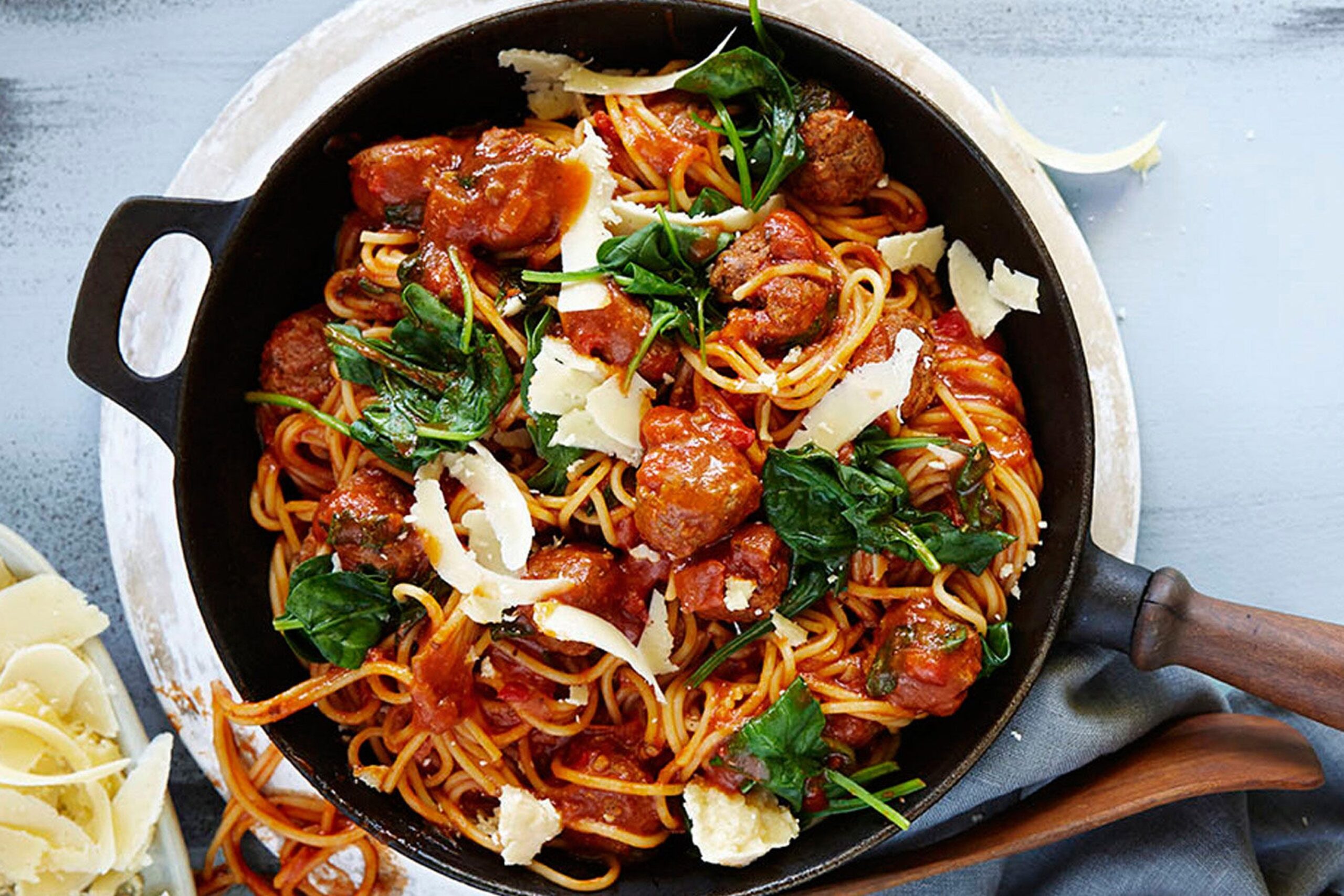
spaghetti and meatballs

Spaghetti and Meatballs: A Comforting Classic

Few dishes feel as welcoming as a bowl of spaghetti and meatballs. Long strands of pasta, a rich tomato sauce and tender, savoury meatballs make a combination that is hearty, satisfying and easy to share. It is now familiar around the world, but the dish is especially associated with Italian-American cooking.

A dish with a story

Meatballs and pasta both have deep roots in Italian cooking, but serving large meatballs with spaghetti in a generous portion of tomato sauce is more closely linked to Italian-American kitchens. In the late nineteenth and early twentieth centuries, Italian immigrants in the United States adapted familiar recipes using ingredients that were more readily available to them. Over time, the pairing became a much-loved dish in its own right.

There is no single definitive recipe. Families and cooks vary the meat, seasonings, sauce and cooking method, making spaghetti and meatballs a dish that is easy to personalise.

What makes a great plate?

Good meatballs should be tender rather than dense. A mixture of beef and pork is popular, while breadcrumbs and egg help hold the mixture together. Finely chopped onion, garlic, herbs and grated Parmesan add flavour. Mixing gently is important: working the meat too much can make the finished meatballs firm.

The sauce is just as important. A simple tomato sauce made with onion, garlic, tinned tomatoes and herbs gives the meatballs time to cook gently while adding depth to the dish. Simmering them in the sauce helps keep them moist and allows the flavours to mingle.

An easy recipe for spaghetti and meatballs

Ingredients

  • 400g spaghetti
  • 500g minced beef, or a mixture of beef and pork
  • 50g fresh breadcrumbs
  • 1 egg, lightly beaten
  • 1 small onion, finely grated or chopped
  • 1 garlic clove, crushed
  • 2 tablespoons grated Parmesan, plus extra to serve
  • 1 tablespoon chopped parsley
  • 1 tablespoon olive oil
  • 700ml passata or tinned chopped tomatoes
  • 1 teaspoon dried oregano
  • Salt and black pepper

Method

  1. Put the minced meat, breadcrumbs, egg, half the onion, half the garlic, Parmesan and parsley in a bowl. Season with salt and pepper, then mix gently until combined.
  2. Shape the mixture into small meatballs. Try to make them roughly the same size so they cook evenly.
  3. Heat the olive oil in a large, deep frying pan or saucepan. Brown the meatballs in batches, turning them carefully. They do not need to be cooked through at this stage. Transfer them to a plate.
  4. Add the remaining onion and garlic to the pan and cook gently until softened. Stir in the passata or tomatoes and oregano. Season to taste.
  5. Return the meatballs to the pan. Cover partially and simmer gently for 20–25 minutes, or until the meatballs are cooked through and the sauce has thickened.
  6. Meanwhile, cook the spaghetti in a large pan of salted boiling water according to the packet instructions. Drain, reserving a little of the pasta water.
  7. Toss the spaghetti with some of the sauce, adding a splash of pasta water if needed. Serve with the meatballs, extra sauce and grated Parmesan.

Ways to make it your own

For a lighter version, use turkey or chicken mince. A vegetarian alternative can be made with lentils, beans or plant-based mince. You can also add a pinch of chilli flakes to the sauce, swap parsley for basil, or finish the dish with a drizzle of olive oil.

Spaghetti and meatballs is best served straight away, while the pasta is hot and the sauce is glossy. Add a green salad or some crusty bread, and you have a relaxed, satisfying meal made for sharing.


7 Tips for Perfect Spaghetti and Meatballs

  1. Use beef and pork for juicy meatballs.
  2. Add breadcrumbs to keep meatballs tender.
  3. Season the mixture well with salt and pepper.
  4. Brown meatballs before simmering them in sauce.
  5. Cook spaghetti until just al dente.
  6. Salt the pasta water generously.
  7. Toss spaghetti with sauce before serving.

Use beef and pork for juicy meatballs.

For tender, juicy meatballs, combine beef and pork. Beef brings a rich, savoury flavour, while pork adds extra fat to keep the meatballs moist as they cook. Mix the mince gently with your other ingredients, as overworking it can make the meatballs dense.

Add breadcrumbs to keep meatballs tender.

Add breadcrumbs to your meatball mixture to help keep the finished meatballs tender and moist. They absorb some of the liquid as the meat cooks, helping to prevent the meat from becoming dense or dry. For an especially soft texture, soak the breadcrumbs briefly in milk before mixing them with the mince.

Season the mixture well with salt and pepper.

Season the meatball mixture generously with salt and freshly ground black pepper before shaping it. Proper seasoning brings out the flavour of the meat and other ingredients, while mixing it through evenly helps every meatball taste delicious. If you are unsure about the seasoning, cook a small piece of the mixture in a pan, taste it, and adjust before forming the rest.

Brown meatballs before simmering them in sauce.

Brown the meatballs in a little oil before adding them to the sauce. This creates a golden, flavourful crust and adds savoury depth to the dish. They do not need to cook through at this stage; let them finish gently in the sauce so they stay tender and absorb its rich tomato flavour.

Cook spaghetti until just al dente.

Cook the spaghetti until it is just al dente: tender but still slightly firm in the centre. Check it a minute or two before the packet’s recommended cooking time, as pasta can quickly become too soft. Drain it promptly, reserving a little cooking water to help the sauce cling to the strands.

Salt the pasta water generously.

Salt the pasta water generously to season the spaghetti from the inside as it cooks. Add the salt once the water is boiling, then stir in the pasta. This simple step brings out the pasta’s flavour and helps balance the rich tomato sauce and savoury meatballs.

Toss spaghetti with sauce before serving.

Toss the cooked spaghetti with the sauce just before serving so every strand is evenly coated and full of flavour. A splash of reserved pasta water can help the sauce cling to the spaghetti, making each mouthful deliciously glossy.


The Ultimate Best Lasagna Recipe: A Delicious Italian Classic

best lasagna recipe

The Ultimate Best Lasagna Recipe

Lasagna is a classic Italian dish that never fails to impress. Layers of rich tomato sauce, creamy cheese, and perfectly cooked pasta come together to create a hearty and comforting meal that is loved by many. If you’re looking to make the best lasagna ever, look no further than this tried-and-tested recipe.

Ingredients:

  • 500g minced beef
  • 1 onion, finely chopped
  • 2 cloves of garlic, minced
  • 800g canned chopped tomatoes
  • 2 tablespoons tomato puree
  • 1 teaspoon dried oregano
  • Salt and pepper to taste
  • 250g lasagna sheets
  • 500g ricotta cheese
  • 200g grated mozzarella cheese
  • 50g grated Parmesan cheese

Instructions:

    Step 1: In a large pan, brown the minced beef over medium heat. Add the onion and garlic and cook until softened.

    Step 2: Stir in the canned tomatoes, tomato puree, oregano, salt, and pepper. Simmer for 20 minutes until the sauce thickens.

    Step 3: Preheat the oven to 180°C (350°F). Spread a thin layer of the meat sauce in a baking dish.

    Step 4: Place a layer of lasagna sheets on top of the sauce. Spread a layer of ricotta cheese over the pasta sheets.

    Step 5: Repeat the layers until all ingredients are used up, finishing with a layer of meat sauce on top.

    Step 6: Sprinkle mozzarella and Parmesan cheese over the top layer. Cover with foil and bake for 30 minutes.


    Step 7: Remove the foil and bake for an additional 15 minutes until the cheese is golden brown.


    < strong > Step 8: Let it cool slightly before serving. Enjoy your delicious homemade lasagna!


    Whether you’re cooking for family dinner or hosting a gathering with friends, this best lasagna recipe is sure to be a hit. The layers of flavour and cheesy goodness will have everyone coming back for more!


    < em > Buon appetito!


    < em > Serves: 6-8 | Preparation time: 30 minutes | Cooking time: 1 hour


    7 Essential Tips for Crafting the Perfect Lasagne

    1. Use a combination of beef and pork mince for a richer flavour.
    2. Make your own tomato sauce using fresh tomatoes for a more authentic taste.
    3. Layer the lasagna with a generous amount of creamy bechamel sauce for richness.
    4. Don’t forget to season each layer with salt, pepper, and herbs for depth of flavour.
    5. Let the lasagna rest after baking to allow the flavours to meld together before serving.
    6. Top the lasagna with a mixture of mozzarella and Parmesan cheese for a gooey and flavourful finish.
    7. Serve the lasagna with garlic bread and a fresh green salad for a complete meal.

    Use a combination of beef and pork mince for a richer flavour.

    For a truly indulgent twist on the best lasagna recipe, consider using a combination of beef and pork mince. The blend of these two meats adds depth and richness to the dish, elevating its flavour profile to new heights. The beef brings its robust taste, while the pork introduces a subtle sweetness that complements the tomato sauce beautifully. This simple yet effective tip can take your lasagna from delicious to extraordinary, ensuring each bite is packed with a harmonious balance of savoury goodness.

    Make your own tomato sauce using fresh tomatoes for a more authentic taste.

    For a truly authentic and flavourful lasagna experience, consider making your own tomato sauce using fresh tomatoes. By opting for fresh ingredients, you can elevate the taste of your dish and bring out the natural sweetness of the tomatoes. This homemade sauce will not only add a vibrant and rich flavour to your lasagna but also infuse it with a delicious freshness that is unmatched by store-bought alternatives. Embrace the simplicity and purity of using fresh tomatoes in your sauce to achieve an authentic and mouth-watering lasagna that will impress even the most discerning palates.

    Layer the lasagna with a generous amount of creamy bechamel sauce for richness.

    For an extra touch of indulgence and richness in your lasagna, consider layering it with a generous amount of creamy béchamel sauce. This velvety sauce adds a luxurious texture and a subtle hint of nutty flavour that perfectly complements the hearty meat sauce and gooey cheese layers. The béchamel sauce not only enhances the overall creaminess of the dish but also elevates the taste to a whole new level, making each bite a truly decadent experience. Don’t hold back on this essential layer for a lasagna that is guaranteed to impress your taste buds with its lusciousness.

    Don’t forget to season each layer with salt, pepper, and herbs for depth of flavour.

    When following the best lasagna recipe, it is crucial not to overlook the importance of seasoning. To enhance the depth of flavour in every layer, remember to generously season with salt, pepper, and fragrant herbs. This simple yet essential step ensures that each bite of lasagna is bursting with deliciousness and perfectly balanced in taste. By seasoning diligently throughout the assembly process, you elevate the overall culinary experience and create a truly unforgettable dish that will leave everyone craving more.

    Let the lasagna rest after baking to allow the flavours to meld together before serving.

    Allowing the lasagna to rest after baking is a crucial tip to enhance its flavours. This resting period allows the layers of rich tomato sauce, creamy cheese, and perfectly cooked pasta to meld together harmoniously, resulting in a more delicious and cohesive dish. By giving the lasagna some time to settle, you allow the flavours to deepen and intensify, ensuring that each mouthful is a delightful explosion of taste. So, exercise patience and let your lasagna rest before serving to truly savour all the wonderful flavours it has to offer.

    Top the lasagna with a mixture of mozzarella and Parmesan cheese for a gooey and flavourful finish.

    For a gooey and flavourful finish to the best lasagna recipe, top the layers with a decadent mixture of mozzarella and Parmesan cheese. The combination of these cheeses adds a rich and melty texture that enhances the overall taste of the dish. As the lasagna bakes in the oven, the cheeses meld together to create a golden, bubbling crust that is irresistible. This final touch elevates the lasagna to a whole new level of indulgence, making each bite a deliciously cheesy experience.

    Serve the lasagna with garlic bread and a fresh green salad for a complete meal.

    Enhance your dining experience with the perfect accompaniments to the best lasagna recipe. Serve the decadent layers of lasagna alongside warm, garlic-infused bread and a crisp, fresh green salad. The combination of rich flavours from the lasagna, the savoury kick of garlic bread, and the refreshing crunch of a vibrant salad creates a harmonious and satisfying meal that is sure to delight your taste buds. Embrace this culinary trio for a complete dining experience that balances indulgence with freshness.

Authentic Pizza Recipe: A Taste of Italy in Your Kitchen

pizza recipe

The Perfect Pizza Recipe

Who can resist the delicious combination of gooey cheese, tangy tomato sauce, and a crispy crust? Pizza is a beloved dish enjoyed by people all around the world. Making your own pizza at home is not only fun but also allows you to customize it to your liking. Here’s a simple yet mouth-watering pizza recipe that will have you coming back for more.

Ingredients:

  • 300g strong white bread flour
  • 1 tsp instant yeast
  • 1 tsp salt
  • 1 tbsp olive oil
  • 200ml passata
  • A handful of fresh basil leaves
  • 125g mozzarella, torn into small pieces
  • A handful of cherry tomatoes, halved
  • A drizzle of olive oil
  • Salt and pepper to taste

Instructions:

  1. In a bowl, mix the flour, yeast, and salt. Add the olive oil and 200ml warm water. Mix until it forms a dough.
  2. Knead the dough on a floured surface for about 10 minutes until smooth and elastic. Place in a lightly oiled bowl, cover with a tea towel, and leave to rise for 1 hour.
  3. Preheat your oven to 240°C/fan 220°C/gas mark 8. Roll out the dough on a floured surface to your desired thickness.


    Spread the passata over the base, leaving a small border for the crust. Tear the basil leaves over the sauce.


    Scatter over the mozzarella pieces and cherry tomatoes. Drizzle with olive oil and season with salt and pepper.


    Bake in the preheated oven for 8-10 minutes or until the crust is golden and crispy.


Essential Tips and FAQs for Perfecting Your Homemade Pizza Recipe

  1. 1. How do I make pizza dough from scratch?
  2. 2. What is the best flour to use for pizza dough?
  3. 3. How long should I let the pizza dough rise?
  4. 4. Can I use a different sauce instead of passata for my pizza?
  5. 5. What are some popular pizza topping combinations?
  6. 6. How can I achieve a crispy crust on my homemade pizza?
  7. 7. Is it necessary to preheat the oven before baking the pizza?

1. How do I make pizza dough from scratch?

For those eager to create their own pizza dough from scratch, the process is simpler than you might think. To start, combine strong white bread flour with instant yeast and a pinch of salt in a bowl. Add a generous drizzle of olive oil and warm water to the mixture, stirring until it forms a cohesive dough. Knead the dough on a floured surface for around 10 minutes until it becomes smooth and elastic. Let the dough rise in a lightly oiled bowl for about an hour until it doubles in size. Once risen, roll out the dough to your desired thickness before adding your favourite toppings for a truly homemade pizza experience.

2. What is the best flour to use for pizza dough?

When it comes to making the perfect pizza dough, choosing the right flour is crucial. The best flour to use for pizza dough is strong white bread flour. This type of flour has a higher protein content compared to all-purpose flour, which helps create a chewy and elastic texture in the dough once baked. Strong white bread flour also provides better structure and rise, resulting in a crispy yet airy crust that complements the toppings beautifully. Its versatility and ability to hold up well to high temperatures make it a popular choice among pizza enthusiasts looking to achieve that authentic pizzeria taste at home.

3. How long should I let the pizza dough rise?

When it comes to letting pizza dough rise, the ideal duration can vary depending on the recipe and desired crust texture. In general, allowing the pizza dough to rise for about 1 to 2 hours at room temperature can help develop flavour and create a light and airy crust. However, some recipes may call for longer proofing times in the fridge to enhance the dough’s structure and taste. It’s essential to follow the specific instructions provided in your chosen recipe to achieve the perfect balance of flavours and textures in your homemade pizza.

4. Can I use a different sauce instead of passata for my pizza?

For those looking to experiment with different flavours, substituting passata with an alternative sauce can offer a unique twist to your pizza recipe. While passata provides a traditional tomato base, options like pesto, barbecue sauce, or even a creamy white sauce can add a whole new dimension of taste to your pizza. The choice of sauce can greatly influence the overall flavour profile of the dish, allowing for endless creative possibilities to cater to individual preferences and culinary creativity.

When it comes to popular pizza topping combinations, the options are endless and can cater to a wide range of tastes. Classic choices like pepperoni and mushroom, margherita with fresh basil and mozzarella, or Hawaiian with ham and pineapple are always crowd-pleasers. For those craving a more gourmet experience, toppings like prosciutto and arugula, BBQ chicken with red onions, or a Mediterranean mix of olives, feta cheese, and sun-dried tomatoes offer a delicious twist. Whether you prefer traditional flavours or more adventurous blends, experimenting with different topping combinations is part of the fun of creating your perfect pizza.

6. How can I achieve a crispy crust on my homemade pizza?

To achieve a crispy crust on your homemade pizza, there are a few key tips to keep in mind. Firstly, make sure to preheat your oven to a high temperature, around 240°C/fan 220°C/gas mark 8, as this will help create that desired crispiness. Secondly, roll out your pizza dough thinly and evenly to ensure even cooking and a crunchy base. Additionally, using a pizza stone or baking tray preheated in the oven can help mimic the effect of a traditional pizza oven and result in a crispier crust. Finally, avoid overloading your pizza with toppings, as excess moisture can make the crust soggy – instead, opt for a balance of ingredients that enhance flavour without compromising texture. By following these steps, you can enjoy a delicious homemade pizza with a perfectly crispy crust every time.

7. Is it necessary to preheat the oven before baking the pizza?

Preheating the oven before baking a pizza is crucial to achieving the perfect result. By preheating the oven, you ensure that the cooking temperature is consistent from the moment you place the pizza inside. This helps in creating a crispy crust while ensuring that the toppings cook evenly. Without preheating, the pizza may not cook properly, resulting in a soggy or undercooked base. Therefore, to enjoy a delicious and well-cooked pizza, it is highly recommended to preheat your oven before baking.