Traditional Apple Pie Recipe: A Taste of Home
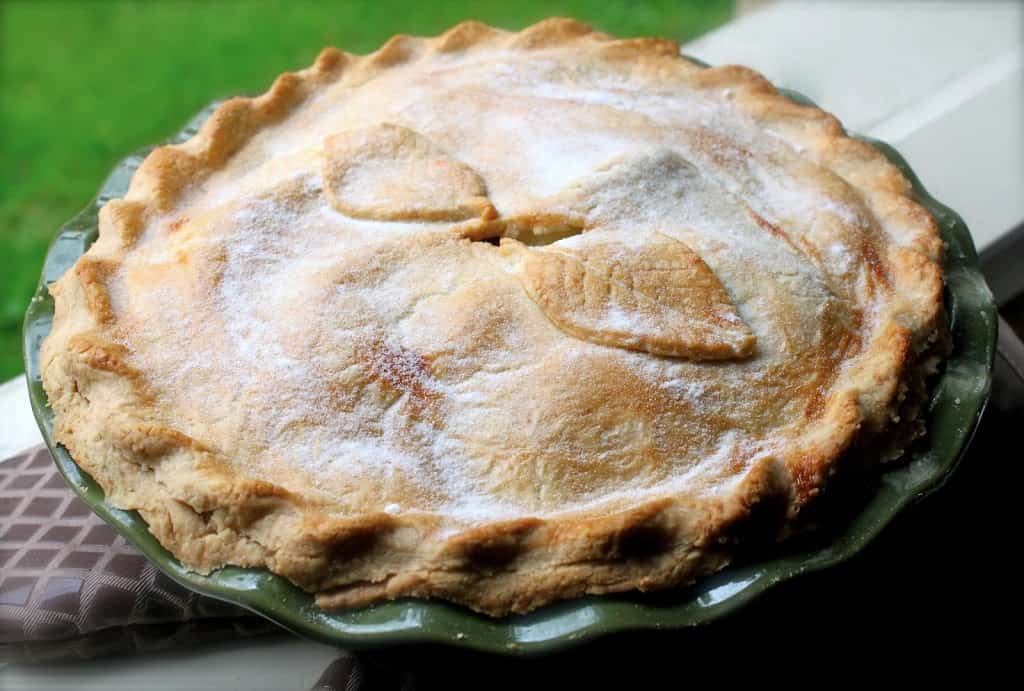
apple pie recipe

Delicious Apple Pie Recipe

Delicious Apple Pie Recipe

If you’re looking for a classic dessert that never fails to please, then an apple pie is the perfect choice. With its buttery crust and sweet, cinnamon-spiced apple filling, this homemade treat is sure to become a family favourite.

Ingredients:

  • 6-7 medium-sized apples, peeled and sliced
  • 1 cup sugar
  • 2 tablespoons all-purpose flour
  • 1 teaspoon ground cinnamon
  • 1/4 teaspoon salt
  • 1 tablespoon lemon juice
  • Pastry for a double-crust pie (store-bought or homemade)
  • 2 tablespoons butter, cut into small pieces

Instructions:

  1. Preheat your oven to 200°C (400°F).
  2. In a large bowl, combine the sliced apples, sugar, flour, cinnamon, salt, and lemon juice. Toss until the apples are evenly coated.
  3. Roll out half of the pastry and line a 9-inch pie dish with it. Trim any excess dough hanging over the edges.
  4. Pour the apple mixture into the pastry-lined dish and dot with butter pieces.

  • Roll out the remaining pastry and place it over the apple filling. Trim and crimp the edges to seal the pie.

  • Cut slits in the top crust to allow steam to escape during baking.

  • Bake in the preheated oven for 45-50 minutes or until the crust is golden brown and the filling is bubbly.

  • Allow the pie to cool slightly before serving. Enjoy your delicious homemade apple pie!

  • .


    Essential Tips and Tricks for Perfecting Your Apple Pie Recipe

    1. 1. How do I make a homemade apple pie crust?
    2. 2. What are the best apples to use for apple pie?
    3. 3. Can I add other fruits to my apple pie filling?
    4. 4. How do I prevent my apple pie from becoming too watery?
    5. 5. Can I make an apple pie in advance and freeze it?
    6. 6. Is it necessary to peel the apples before making the pie?
    7. 7. What is the ideal thickness for rolling out the pastry for an apple pie?
    8. 8. Are there any alternative ingredients that can be used to replace sugar in the recipe?

    1. How do I make a homemade apple pie crust?

    For those wondering how to make a homemade apple pie crust, it’s easier than you think! To start, combine flour, salt, and cold butter in a bowl, then use a pastry cutter or your fingertips to blend the mixture until it resembles coarse crumbs. Gradually add ice water and mix until the dough comes together. Divide the dough into two portions, shape them into discs, wrap in plastic wrap, and chill in the fridge for at least an hour. When ready to use, roll out one disc for the bottom crust, fill with your apple pie filling, then cover with the second rolled-out disc for the top crust. Trim and crimp the edges before baking to golden perfection. Enjoy your delicious homemade apple pie with a flaky and buttery crust!

    2. What are the best apples to use for apple pie?

    When it comes to making the perfect apple pie, choosing the right apples is crucial to achieving a delicious outcome. The best apples for apple pie are those that strike a balance between sweet and tart flavours and hold their shape well during baking. Popular choices include Granny Smith apples for their tartness, Honeycrisp for their sweetness, and Jonagold for a combination of both. Experimenting with a mix of different apple varieties can also add depth to the flavour profile of your pie, ensuring a harmonious blend of tastes in every bite.

    3. Can I add other fruits to my apple pie filling?

    When it comes to making apple pie, the question of adding other fruits to the filling often arises. While traditional apple pie recipes typically focus on the delicious combination of apples, sugar, and spices, some adventurous bakers like to experiment with adding other fruits for a unique twist. Popular choices include berries like raspberries or blueberries, which can add a tart sweetness to complement the apples. Pears or peaches are also excellent options that can enhance the overall flavour profile of the pie. Ultimately, the decision to add other fruits comes down to personal preference and creativity in the kitchen.

    4. How do I prevent my apple pie from becoming too watery?

    To prevent your apple pie from becoming too watery, it is essential to take a few key steps during the preparation process. One effective method is to pre-cook the apples slightly before assembling the pie. This helps to release some of the moisture from the fruit, reducing the chances of a soggy bottom crust. Additionally, incorporating a thickening agent like flour or cornstarch into the apple filling can help absorb excess liquid and create a more stable consistency. Lastly, ensuring that there are proper vents or slits in the top crust allows steam to escape during baking, preventing condensation and potential sogginess. By following these tips, you can enjoy a perfectly balanced and delicious apple pie with a crisp crust and flavourful filling.

    5. Can I make an apple pie in advance and freeze it?

    Yes, you can make an apple pie in advance and freeze it for later. To freeze an apple pie, assemble the pie as usual but do not bake it. Instead, wrap the unbaked pie tightly in plastic wrap or aluminum foil to prevent freezer burn. You can then store the wrapped pie in the freezer for up to 4-6 months. When you’re ready to bake the frozen pie, simply place it in a preheated oven and add a few extra minutes to the baking time to ensure that the filling is cooked through. Freezing an apple pie is a convenient way to have a homemade dessert on hand whenever you need it.

    6. Is it necessary to peel the apples before making the pie?

    When preparing an apple pie, whether or not to peel the apples is a matter of personal preference. While some recipes call for peeled apples to achieve a smoother texture in the filling, leaving the peels on can add a rustic appearance and extra nutrients to the pie. The decision to peel or not to peel ultimately depends on your desired taste and texture for the final dish.

    7. What is the ideal thickness for rolling out the pastry for an apple pie?

    When it comes to rolling out pastry for an apple pie, the ideal thickness plays a crucial role in achieving the perfect balance between a flaky crust and a well-cooked filling. Generally, aiming for a thickness of around 1/8 to 1/4 inch (3-6 mm) is recommended. This thickness allows the pastry to hold its shape while baking, ensuring that it is sturdy enough to support the juicy apple filling yet remains tender and delicious. It’s important to roll out the pastry evenly to maintain consistency throughout the pie and create a harmonious texture with each bite.

    8. Are there any alternative ingredients that can be used to replace sugar in the recipe?

    For those looking to reduce their sugar intake or explore alternative sweeteners, there are several options that can be used as substitutes in an apple pie recipe. One popular choice is to use honey or maple syrup as a natural sweetener, adding a unique flavour profile to the dessert. Another option is to opt for a sugar substitute like stevia or erythritol for a lower-calorie alternative. Experimenting with different sweeteners can provide a healthier twist to the traditional apple pie while still maintaining its delicious taste and appeal.

    Authentic Pizza Recipe: A Taste of Italy in Your Kitchen

    pizza recipe

    The Perfect Pizza Recipe

    Who can resist the delicious combination of gooey cheese, tangy tomato sauce, and a crispy crust? Pizza is a beloved dish enjoyed by people all around the world. Making your own pizza at home is not only fun but also allows you to customize it to your liking. Here’s a simple yet mouth-watering pizza recipe that will have you coming back for more.

    Ingredients:

    • 300g strong white bread flour
    • 1 tsp instant yeast
    • 1 tsp salt
    • 1 tbsp olive oil
    • 200ml passata
    • A handful of fresh basil leaves
    • 125g mozzarella, torn into small pieces
    • A handful of cherry tomatoes, halved
    • A drizzle of olive oil
    • Salt and pepper to taste

    Instructions:

    1. In a bowl, mix the flour, yeast, and salt. Add the olive oil and 200ml warm water. Mix until it forms a dough.
    2. Knead the dough on a floured surface for about 10 minutes until smooth and elastic. Place in a lightly oiled bowl, cover with a tea towel, and leave to rise for 1 hour.
    3. Preheat your oven to 240°C/fan 220°C/gas mark 8. Roll out the dough on a floured surface to your desired thickness.


      Spread the passata over the base, leaving a small border for the crust. Tear the basil leaves over the sauce.


      Scatter over the mozzarella pieces and cherry tomatoes. Drizzle with olive oil and season with salt and pepper.


      Bake in the preheated oven for 8-10 minutes or until the crust is golden and crispy.


    Essential Tips and FAQs for Perfecting Your Homemade Pizza Recipe

    1. 1. How do I make pizza dough from scratch?
    2. 2. What is the best flour to use for pizza dough?
    3. 3. How long should I let the pizza dough rise?
    4. 4. Can I use a different sauce instead of passata for my pizza?
    5. 5. What are some popular pizza topping combinations?
    6. 6. How can I achieve a crispy crust on my homemade pizza?
    7. 7. Is it necessary to preheat the oven before baking the pizza?

    1. How do I make pizza dough from scratch?

    For those eager to create their own pizza dough from scratch, the process is simpler than you might think. To start, combine strong white bread flour with instant yeast and a pinch of salt in a bowl. Add a generous drizzle of olive oil and warm water to the mixture, stirring until it forms a cohesive dough. Knead the dough on a floured surface for around 10 minutes until it becomes smooth and elastic. Let the dough rise in a lightly oiled bowl for about an hour until it doubles in size. Once risen, roll out the dough to your desired thickness before adding your favourite toppings for a truly homemade pizza experience.

    2. What is the best flour to use for pizza dough?

    When it comes to making the perfect pizza dough, choosing the right flour is crucial. The best flour to use for pizza dough is strong white bread flour. This type of flour has a higher protein content compared to all-purpose flour, which helps create a chewy and elastic texture in the dough once baked. Strong white bread flour also provides better structure and rise, resulting in a crispy yet airy crust that complements the toppings beautifully. Its versatility and ability to hold up well to high temperatures make it a popular choice among pizza enthusiasts looking to achieve that authentic pizzeria taste at home.

    3. How long should I let the pizza dough rise?

    When it comes to letting pizza dough rise, the ideal duration can vary depending on the recipe and desired crust texture. In general, allowing the pizza dough to rise for about 1 to 2 hours at room temperature can help develop flavour and create a light and airy crust. However, some recipes may call for longer proofing times in the fridge to enhance the dough’s structure and taste. It’s essential to follow the specific instructions provided in your chosen recipe to achieve the perfect balance of flavours and textures in your homemade pizza.

    4. Can I use a different sauce instead of passata for my pizza?

    For those looking to experiment with different flavours, substituting passata with an alternative sauce can offer a unique twist to your pizza recipe. While passata provides a traditional tomato base, options like pesto, barbecue sauce, or even a creamy white sauce can add a whole new dimension of taste to your pizza. The choice of sauce can greatly influence the overall flavour profile of the dish, allowing for endless creative possibilities to cater to individual preferences and culinary creativity.

    When it comes to popular pizza topping combinations, the options are endless and can cater to a wide range of tastes. Classic choices like pepperoni and mushroom, margherita with fresh basil and mozzarella, or Hawaiian with ham and pineapple are always crowd-pleasers. For those craving a more gourmet experience, toppings like prosciutto and arugula, BBQ chicken with red onions, or a Mediterranean mix of olives, feta cheese, and sun-dried tomatoes offer a delicious twist. Whether you prefer traditional flavours or more adventurous blends, experimenting with different topping combinations is part of the fun of creating your perfect pizza.

    6. How can I achieve a crispy crust on my homemade pizza?

    To achieve a crispy crust on your homemade pizza, there are a few key tips to keep in mind. Firstly, make sure to preheat your oven to a high temperature, around 240°C/fan 220°C/gas mark 8, as this will help create that desired crispiness. Secondly, roll out your pizza dough thinly and evenly to ensure even cooking and a crunchy base. Additionally, using a pizza stone or baking tray preheated in the oven can help mimic the effect of a traditional pizza oven and result in a crispier crust. Finally, avoid overloading your pizza with toppings, as excess moisture can make the crust soggy – instead, opt for a balance of ingredients that enhance flavour without compromising texture. By following these steps, you can enjoy a delicious homemade pizza with a perfectly crispy crust every time.

    7. Is it necessary to preheat the oven before baking the pizza?

    Preheating the oven before baking a pizza is crucial to achieving the perfect result. By preheating the oven, you ensure that the cooking temperature is consistent from the moment you place the pizza inside. This helps in creating a crispy crust while ensuring that the toppings cook evenly. Without preheating, the pizza may not cook properly, resulting in a soggy or undercooked base. Therefore, to enjoy a delicious and well-cooked pizza, it is highly recommended to preheat your oven before baking.