Traditional Apple Pie Recipe: A Taste of Home
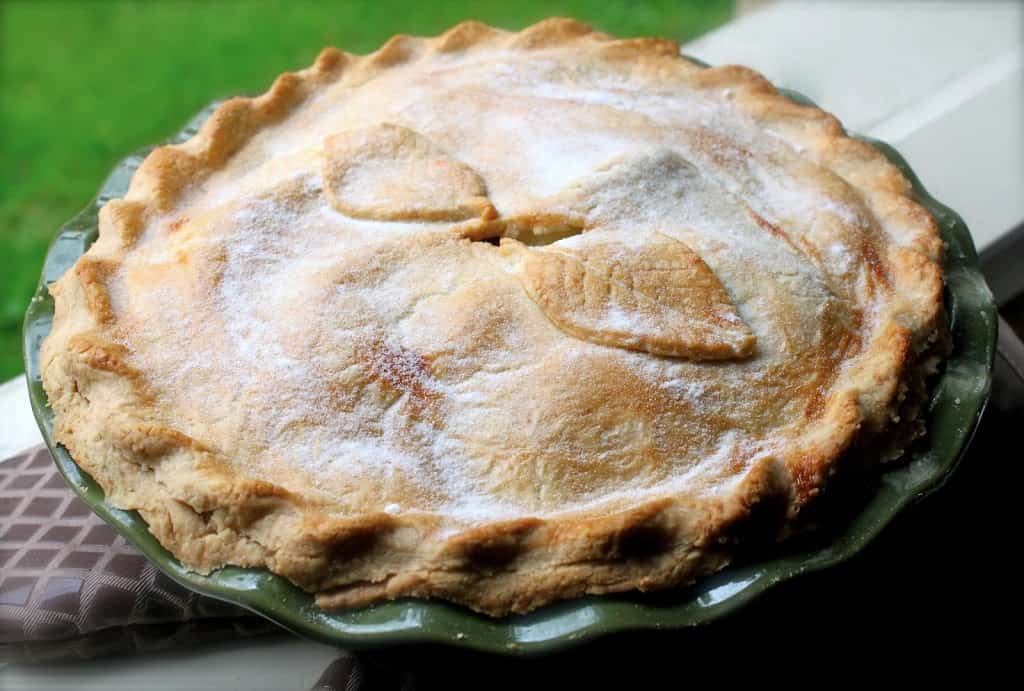
apple pie recipe

Delicious Apple Pie Recipe

Delicious Apple Pie Recipe

If you’re looking for a classic dessert that never fails to please, then an apple pie is the perfect choice. With its buttery crust and sweet, cinnamon-spiced apple filling, this homemade treat is sure to become a family favourite.

Ingredients:

  • 6-7 medium-sized apples, peeled and sliced
  • 1 cup sugar
  • 2 tablespoons all-purpose flour
  • 1 teaspoon ground cinnamon
  • 1/4 teaspoon salt
  • 1 tablespoon lemon juice
  • Pastry for a double-crust pie (store-bought or homemade)
  • 2 tablespoons butter, cut into small pieces

Instructions:

  1. Preheat your oven to 200°C (400°F).
  2. In a large bowl, combine the sliced apples, sugar, flour, cinnamon, salt, and lemon juice. Toss until the apples are evenly coated.
  3. Roll out half of the pastry and line a 9-inch pie dish with it. Trim any excess dough hanging over the edges.
  4. Pour the apple mixture into the pastry-lined dish and dot with butter pieces.

  • Roll out the remaining pastry and place it over the apple filling. Trim and crimp the edges to seal the pie.

  • Cut slits in the top crust to allow steam to escape during baking.

  • Bake in the preheated oven for 45-50 minutes or until the crust is golden brown and the filling is bubbly.

  • Allow the pie to cool slightly before serving. Enjoy your delicious homemade apple pie!

  • .


    Essential Tips and Tricks for Perfecting Your Apple Pie Recipe

    1. 1. How do I make a homemade apple pie crust?
    2. 2. What are the best apples to use for apple pie?
    3. 3. Can I add other fruits to my apple pie filling?
    4. 4. How do I prevent my apple pie from becoming too watery?
    5. 5. Can I make an apple pie in advance and freeze it?
    6. 6. Is it necessary to peel the apples before making the pie?
    7. 7. What is the ideal thickness for rolling out the pastry for an apple pie?
    8. 8. Are there any alternative ingredients that can be used to replace sugar in the recipe?

    1. How do I make a homemade apple pie crust?

    For those wondering how to make a homemade apple pie crust, it’s easier than you think! To start, combine flour, salt, and cold butter in a bowl, then use a pastry cutter or your fingertips to blend the mixture until it resembles coarse crumbs. Gradually add ice water and mix until the dough comes together. Divide the dough into two portions, shape them into discs, wrap in plastic wrap, and chill in the fridge for at least an hour. When ready to use, roll out one disc for the bottom crust, fill with your apple pie filling, then cover with the second rolled-out disc for the top crust. Trim and crimp the edges before baking to golden perfection. Enjoy your delicious homemade apple pie with a flaky and buttery crust!

    2. What are the best apples to use for apple pie?

    When it comes to making the perfect apple pie, choosing the right apples is crucial to achieving a delicious outcome. The best apples for apple pie are those that strike a balance between sweet and tart flavours and hold their shape well during baking. Popular choices include Granny Smith apples for their tartness, Honeycrisp for their sweetness, and Jonagold for a combination of both. Experimenting with a mix of different apple varieties can also add depth to the flavour profile of your pie, ensuring a harmonious blend of tastes in every bite.

    3. Can I add other fruits to my apple pie filling?

    When it comes to making apple pie, the question of adding other fruits to the filling often arises. While traditional apple pie recipes typically focus on the delicious combination of apples, sugar, and spices, some adventurous bakers like to experiment with adding other fruits for a unique twist. Popular choices include berries like raspberries or blueberries, which can add a tart sweetness to complement the apples. Pears or peaches are also excellent options that can enhance the overall flavour profile of the pie. Ultimately, the decision to add other fruits comes down to personal preference and creativity in the kitchen.

    4. How do I prevent my apple pie from becoming too watery?

    To prevent your apple pie from becoming too watery, it is essential to take a few key steps during the preparation process. One effective method is to pre-cook the apples slightly before assembling the pie. This helps to release some of the moisture from the fruit, reducing the chances of a soggy bottom crust. Additionally, incorporating a thickening agent like flour or cornstarch into the apple filling can help absorb excess liquid and create a more stable consistency. Lastly, ensuring that there are proper vents or slits in the top crust allows steam to escape during baking, preventing condensation and potential sogginess. By following these tips, you can enjoy a perfectly balanced and delicious apple pie with a crisp crust and flavourful filling.

    5. Can I make an apple pie in advance and freeze it?

    Yes, you can make an apple pie in advance and freeze it for later. To freeze an apple pie, assemble the pie as usual but do not bake it. Instead, wrap the unbaked pie tightly in plastic wrap or aluminum foil to prevent freezer burn. You can then store the wrapped pie in the freezer for up to 4-6 months. When you’re ready to bake the frozen pie, simply place it in a preheated oven and add a few extra minutes to the baking time to ensure that the filling is cooked through. Freezing an apple pie is a convenient way to have a homemade dessert on hand whenever you need it.

    6. Is it necessary to peel the apples before making the pie?

    When preparing an apple pie, whether or not to peel the apples is a matter of personal preference. While some recipes call for peeled apples to achieve a smoother texture in the filling, leaving the peels on can add a rustic appearance and extra nutrients to the pie. The decision to peel or not to peel ultimately depends on your desired taste and texture for the final dish.

    7. What is the ideal thickness for rolling out the pastry for an apple pie?

    When it comes to rolling out pastry for an apple pie, the ideal thickness plays a crucial role in achieving the perfect balance between a flaky crust and a well-cooked filling. Generally, aiming for a thickness of around 1/8 to 1/4 inch (3-6 mm) is recommended. This thickness allows the pastry to hold its shape while baking, ensuring that it is sturdy enough to support the juicy apple filling yet remains tender and delicious. It’s important to roll out the pastry evenly to maintain consistency throughout the pie and create a harmonious texture with each bite.

    8. Are there any alternative ingredients that can be used to replace sugar in the recipe?

    For those looking to reduce their sugar intake or explore alternative sweeteners, there are several options that can be used as substitutes in an apple pie recipe. One popular choice is to use honey or maple syrup as a natural sweetener, adding a unique flavour profile to the dessert. Another option is to opt for a sugar substitute like stevia or erythritol for a lower-calorie alternative. Experimenting with different sweeteners can provide a healthier twist to the traditional apple pie while still maintaining its delicious taste and appeal.

    Delectable Chicken Breast Recipes for a Memorable Dinner Feast

    chicken breast recipes for dinner

    Delicious Chicken Breast Recipes for Dinner

    Chicken breast is a versatile and lean protein that can be transformed into a variety of mouth-watering dishes for dinner. Whether you prefer grilled, baked, or sautéed chicken, there’s a recipe out there to suit your taste buds. Here are three delectable chicken breast recipes to inspire your next dinner:

    Lemon Herb Grilled Chicken Breast

    Marinate chicken breasts in a mixture of lemon juice, olive oil, garlic, and fresh herbs such as rosemary and thyme. Grill the chicken until perfectly charred and juicy. Serve with a side of roasted vegetables for a wholesome meal.

    Creamy Parmesan Baked Chicken Breast

    Dip seasoned chicken breasts in a creamy mixture of parmesan cheese, mayonnaise, and breadcrumbs. Bake in the oven until the chicken is cooked through and the topping is golden brown. Pair with a green salad or pasta for a comforting dinner.

    Spicy Honey Garlic Sautéed Chicken Breast

    Sauté chicken breasts in a hot pan with a spicy honey garlic sauce made from soy sauce, honey, garlic, and red pepper flakes. Cook until the sauce thickens and coats the chicken beautifully. Serve over steamed rice or quinoa for an explosion of flavours.

    These tantalising chicken breast recipes are sure to elevate your dinner game and impress your family or guests. Get creative in the kitchen and experiment with different seasonings and ingredients to customise these recipes to your liking.

    Enjoy the deliciousness of perfectly cooked chicken breasts with these simple yet flavourful recipes!


    Essential FAQs on Preparing Chicken Breast for Dinner: Tips, Substitutions, and Techniques

    1. 1. How long should I marinate chicken breast before cooking?
    2. 2. What are some healthy cooking methods for chicken breast?
    3. 3. Can I substitute chicken breast with other cuts of chicken in recipes?
    4. 4. How do I know when chicken breast is cooked thoroughly?
    5. 5. Are there any low-carb recipes using chicken breast for dinner?
    6. 6. Can I freeze cooked chicken breasts for later use?
    7. 7. What are some popular seasoning blends for seasoning grilled or bakedchicken breasts?
    8. 8.Can I use a slow cooker to cookchickenbreastsfor dinnerrecipes?

    1. How long should I marinate chicken breast before cooking?

    When it comes to marinating chicken breast before cooking, the ideal marinating time can vary depending on the recipe and the flavours you want to infuse into the meat. In general, it is recommended to marinate chicken breast for at least 30 minutes to allow the marinade to penetrate the meat and enhance its taste. However, for more intense flavour profiles, you can marinate chicken breast for up to 24 hours in the refrigerator. Be cautious not to over-marinate, as acidic ingredients in the marinade can break down the proteins in the chicken if left for too long. Experiment with different marinating times to find what works best for your desired taste preferences when preparing delicious chicken breast recipes for dinner.

    2. What are some healthy cooking methods for chicken breast?

    When it comes to preparing chicken breast in a healthy way for dinner, there are several cooking methods to consider. Grilling or baking chicken breast without excessive oil helps retain its natural flavours while keeping the dish low in added fats. Poaching chicken breast in broth or water is another healthy option that ensures the meat stays moist and tender without the need for additional oils. Additionally, opting for methods like steaming or stir-frying with minimal oil and plenty of vegetables can create a nutritious and balanced meal. These healthier cooking techniques for chicken breast allow you to enjoy a delicious dinner without compromising on taste or nutrition.

    3. Can I substitute chicken breast with other cuts of chicken in recipes?

    When it comes to substituting chicken breast with other cuts of chicken in recipes, it is indeed possible, but it may alter the texture and flavour of the dish. Chicken thighs, for example, are juicier and more flavourful than chicken breast, making them a suitable substitute in recipes where a richer taste is desired. Drumsticks or wings can also be used in place of chicken breast, but cooking times may vary. It’s essential to consider the characteristics of the alternative cut of chicken and adjust cooking methods accordingly to ensure a delicious outcome.

    4. How do I know when chicken breast is cooked thoroughly?

    When determining if chicken breast is cooked thoroughly, it is essential to rely on a reliable method to ensure both safety and optimal taste. The most accurate way to check for doneness is by using a meat thermometer. Insert the thermometer into the thickest part of the chicken breast, ensuring it does not touch any bone. The internal temperature should reach at least 75°C (165°F) for the chicken to be fully cooked and safe to eat. Additionally, cutting into the thickest part of the chicken breast and checking that the juices run clear without any pinkness is another visual indicator of doneness. By following these guidelines, you can confidently prepare delicious and perfectly cooked chicken breast dishes for a satisfying dinner.

    5. Are there any low-carb recipes using chicken breast for dinner?

    For those seeking low-carb options for dinner, there are plenty of delicious recipes using chicken breast that fit the bill. From grilled chicken with a side of steamed vegetables to chicken Caesar salad without croutons, the possibilities are endless. You can also try making chicken breast stuffed with spinach and feta cheese or enjoy a creamy chicken Alfredo with zucchini noodles instead of pasta. These low-carb chicken breast recipes not only cater to your dietary needs but also satisfy your taste buds with their delightful flavours and textures.

    6. Can I freeze cooked chicken breasts for later use?

    When it comes to the question of whether you can freeze cooked chicken breasts for later use, the answer is a resounding yes. Freezing cooked chicken breasts is a convenient way to extend their shelf life and have a quick protein option on hand for future meals. Make sure to cool the cooked chicken breasts completely before transferring them to an airtight container or freezer bag. Properly stored in the freezer, cooked chicken breasts can last for up to three months without compromising their taste or texture. Simply thaw them in the refrigerator overnight before reheating and incorporating them into your favourite chicken breast recipes for dinner.

    When it comes to seasoning grilled or baked chicken breasts, there are several popular blends that can elevate the flavour profile of the dish. Some commonly used seasoning blends include a classic mix of garlic powder, onion powder, paprika, salt, and pepper for a well-rounded taste. Alternatively, you can opt for a zesty combination of lemon pepper, oregano, and thyme for a refreshing and aromatic twist. For those craving a bit of heat, a blend of cayenne pepper, chili powder, and cumin can add a spicy kick to your chicken breasts. Experimenting with different seasoning blends is key to discovering your favourite flavour profile when preparing grilled or baked chicken breasts for a delicious dinner.

    8.Can I use a slow cooker to cookchickenbreastsfor dinnerrecipes?

    Using a slow cooker to cook chicken breasts for dinner recipes is a convenient and popular method for many home cooks. Slow cooking chicken breasts in a crockpot can result in tender, juicy meat that easily shreds or slices for various dishes. By adding seasonings, vegetables, and liquids to the slow cooker along with the chicken breasts, you can create flavourful and effortless meals. The slow cooker allows the chicken to cook slowly over several hours, infusing it with delicious flavours and ensuring a moist texture. Whether you’re preparing a creamy chicken stew or flavourful shredded chicken tacos, using a slow cooker can simplify your dinner preparation while delivering tasty results.

    Delightful Recipe for a Classic British Victoria Sponge Cake

    recipe for

    The Perfect Recipe for a Delicious Lemon Drizzle Cake

    Indulge in the zesty goodness of a classic Lemon Drizzle Cake with this simple yet scrumptious recipe. Whether you’re hosting a tea party or simply craving a sweet treat, this cake is sure to delight your taste buds.

    Ingredients:

    • 225g unsalted butter, softened
    • 225g caster sugar
    • 4 large eggs
    • 225g self-raising flour
    • Zest of 2 lemons
    • Juice of 1 lemon
    • 100g granulated sugar

    Instructions:

    1. Preheat your oven to 180°C (160°C fan) and grease a loaf tin.
    2. In a mixing bowl, cream together the butter and caster sugar until light and fluffy.
    3. Add the eggs one at a time, beating well after each addition.
    4. Gently fold in the self-raising flour and lemon zest until combined.
    5. Pour the batter into the prepared tin and bake for 45-50 minutes or until golden and a skewer inserted comes out clean.
    6. While the cake is baking, mix together the lemon juice and granulated sugar to make the drizzle.
    7. Once the cake is out of the oven, prick it all over with a skewer and pour over the lemon drizzle while it’s still warm.
    8. Allow the cake to cool in the tin before removing and serving slices with a dollop of cream or ice cream.

    Enjoy this delightful Lemon Drizzle Cake as a perfect accompaniment to your afternoon tea or as a tasty dessert after dinner. Its tangy flavour and moist texture are bound to make it a firm favourite among family and friends!


    Five Essential Tips for Perfecting Your Recipe Every Time

    1. Always read the recipe thoroughly before starting to ensure you have all the ingredients and equipment needed.
    2. Use fresh, high-quality ingredients for the best flavour in your dish.
    3. Follow the measurements and instructions carefully to achieve the desired outcome.
    4. Don’t be afraid to experiment with different herbs, spices, or cooking techniques to personalise the recipe to your taste.
    5. Taste as you go and adjust seasoning if necessary to perfect your dish.

    Always read the recipe thoroughly before starting to ensure you have all the ingredients and equipment needed.

    Before embarking on any culinary adventure, it is essential to heed the wise advice of reading the recipe thoroughly beforehand. By familiarising yourself with the ingredients and equipment required, you can ensure a smooth and successful cooking experience. Checking that you have everything on hand not only saves time but also prevents any last-minute dashes to the store mid-preparation. So, take a moment to peruse the recipe, gather your tools, and set yourself up for cooking success from the very start.

    Use fresh, high-quality ingredients for the best flavour in your dish.

    For a truly exceptional culinary experience, it is essential to utilise fresh, high-quality ingredients when preparing your dish. The integrity and richness of flavours that come from using the finest produce can elevate the taste profile of your creation to new heights. Whether it’s vibrant vegetables, succulent meats, or aromatic herbs, sourcing top-notch ingredients ensures that every bite is a delightful sensation for your taste buds. Embrace the essence of premium quality ingredients to unlock the full potential of your cooking and deliver a dining experience that is nothing short of extraordinary.

    Follow the measurements and instructions carefully to achieve the desired outcome.

    It is crucial to follow the measurements and instructions meticulously when preparing a recipe to ensure the desired outcome. Each ingredient plays a specific role in the overall taste and texture of the dish, so precision is key. By adhering closely to the specified quantities and steps, you can enhance the flavours and consistency of your creation, ultimately leading to a successful and delicious result that will impress both yourself and those you are cooking for.

    Don’t be afraid to experiment with different herbs, spices, or cooking techniques to personalise the recipe to your taste.

    When it comes to cooking, don’t be afraid to get creative and experiment with various herbs, spices, or cooking techniques to tailor the recipe to your unique taste preferences. Adding a pinch of this or a dash of that can elevate the flavours and bring a personal touch to your dishes. Whether you prefer a hint of spice, a burst of freshness from herbs, or a new cooking method to enhance texture, embracing experimentation in the kitchen can lead to exciting culinary discoveries that cater specifically to your palate.

    Taste as you go and adjust seasoning if necessary to perfect your dish.

    When following a recipe, it’s crucial to taste as you go and adjust the seasoning accordingly to enhance the flavours of your dish. By regularly sampling your creation throughout the cooking process, you can ensure that the seasoning levels are just right, allowing you to perfect the taste and achieve a delicious outcome. This simple tip not only helps in creating a well-balanced and flavourful dish but also allows you to tailor the seasoning to your personal preference, resulting in a culinary masterpiece that will delight your palate.