Succulent Ribeye Steak Recipe: A Mouth-Watering Delight
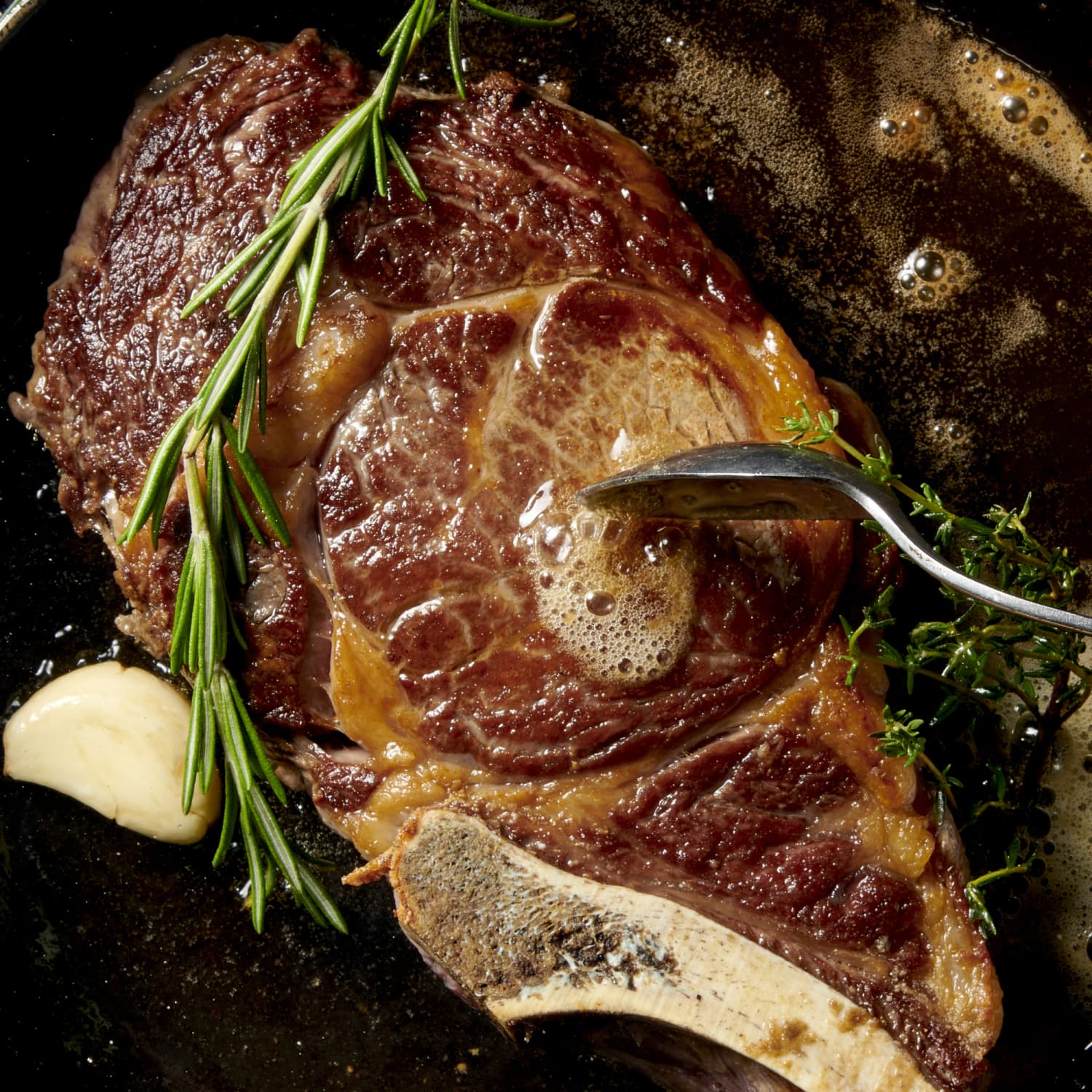
ribeye steak recipe

The Perfect Ribeye Steak Recipe

There’s nothing quite like a juicy, flavourful ribeye steak cooked to perfection. Whether you’re hosting a dinner party or simply craving a delicious meal, this ribeye steak recipe is sure to impress your taste buds.

Ingredients:

  • 2 ribeye steaks (about 1 inch thick)
  • 2 cloves of garlic, minced
  • 2 tablespoons of olive oil
  • Salt and pepper to taste
  • Fresh rosemary sprigs for garnish

Instructions:

  1. Remove the ribeye steaks from the refrigerator and let them sit at room temperature for about 30 minutes.
  2. Preheat your grill or grill pan over high heat.
  3. In a small bowl, mix the minced garlic, olive oil, salt, and pepper to create a marinade.
  4. Brush the marinade onto both sides of the ribeye steaks.
  5. Place the steaks on the hot grill and cook for about 4-5 minutes on each side for medium-rare doneness. Adjust cooking time according to your desired level of doneness.
  6. Once cooked to your liking, remove the steaks from the grill and let them rest for a few minutes before serving.
  7. Garnish with fresh rosemary sprigs for an extra burst of flavour.

This ribeye steak recipe is simple yet incredibly delicious. Serve it alongside your favourite sides and enjoy a restaurant-quality meal in the comfort of your own home!

Bon appétit!


Mastering Ribeye Steak: Five Essential Tips for a Perfectly Juicy and Flavourful Dish

  1. Choose a well-marbled ribeye steak for maximum flavour and juiciness.
  2. Bring the steak to room temperature before cooking to ensure even cooking throughout.
  3. Season the steak generously with salt and pepper just before cooking for enhanced flavour.
  4. Sear the steak in a hot pan or grill to create a delicious crust on the outside while keeping it juicy inside.
  5. Let the steak rest for a few minutes after cooking to allow the juices to redistribute, resulting in a more tender and flavoursome steak.

Choose a well-marbled ribeye steak for maximum flavour and juiciness.

When preparing a ribeye steak, selecting a well-marbled cut is key to achieving optimum flavour and juiciness. The marbling, or intramuscular fat, in the steak not only adds richness and depth to the taste but also ensures a succulent and tender texture when cooked. Opting for a well-marbled ribeye steak guarantees a mouthwatering dining experience that will leave you savouring every bite.

Bring the steak to room temperature before cooking to ensure even cooking throughout.

To achieve a perfectly cooked ribeye steak, it is essential to bring the steak to room temperature before cooking. Allowing the steak to sit at room temperature for about 30 minutes ensures that it cooks evenly throughout, resulting in a tender and juicy texture. This simple tip can make a significant difference in the final outcome of your ribeye steak, enhancing its flavour and ensuring a delightful dining experience.

Season the steak generously with salt and pepper just before cooking for enhanced flavour.

To elevate the flavour profile of your ribeye steak, a crucial tip is to generously season it with salt and pepper just before cooking. This simple yet effective step not only enhances the taste of the meat but also creates a delicious crust when seared. The salt helps to draw out the natural juices of the steak while the pepper adds a subtle kick of spice. By seasoning your ribeye steak right before cooking, you ensure that each bite is bursting with savoury goodness, making it a truly unforgettable dining experience.

Sear the steak in a hot pan or grill to create a delicious crust on the outside while keeping it juicy inside.

To enhance the flavour and texture of your ribeye steak, it is crucial to sear it in a hot pan or grill. By achieving a caramelised crust on the outside, you not only lock in the juices but also create a depth of flavour that elevates the overall taste experience. This cooking method ensures that the steak remains tender and succulent on the inside, providing a perfect balance of textures with each mouthwatering bite.

Let the steak rest for a few minutes after cooking to allow the juices to redistribute, resulting in a more tender and flavoursome steak.

Allowing the ribeye steak to rest for a few minutes after cooking is a crucial tip that can elevate the dining experience. By giving the steak time to rest, the juices redistribute within the meat, ensuring a more tender and flavoursome outcome. This simple yet effective step allows the flavours to meld together, creating a succulent and satisfying bite with each mouthful. Patience in this final stage of preparation can make all the difference in achieving a perfectly cooked ribeye steak that is sure to impress even the most discerning palates.
Savour the Flavours: Dutch Oven Recipes to Delight Your Palate

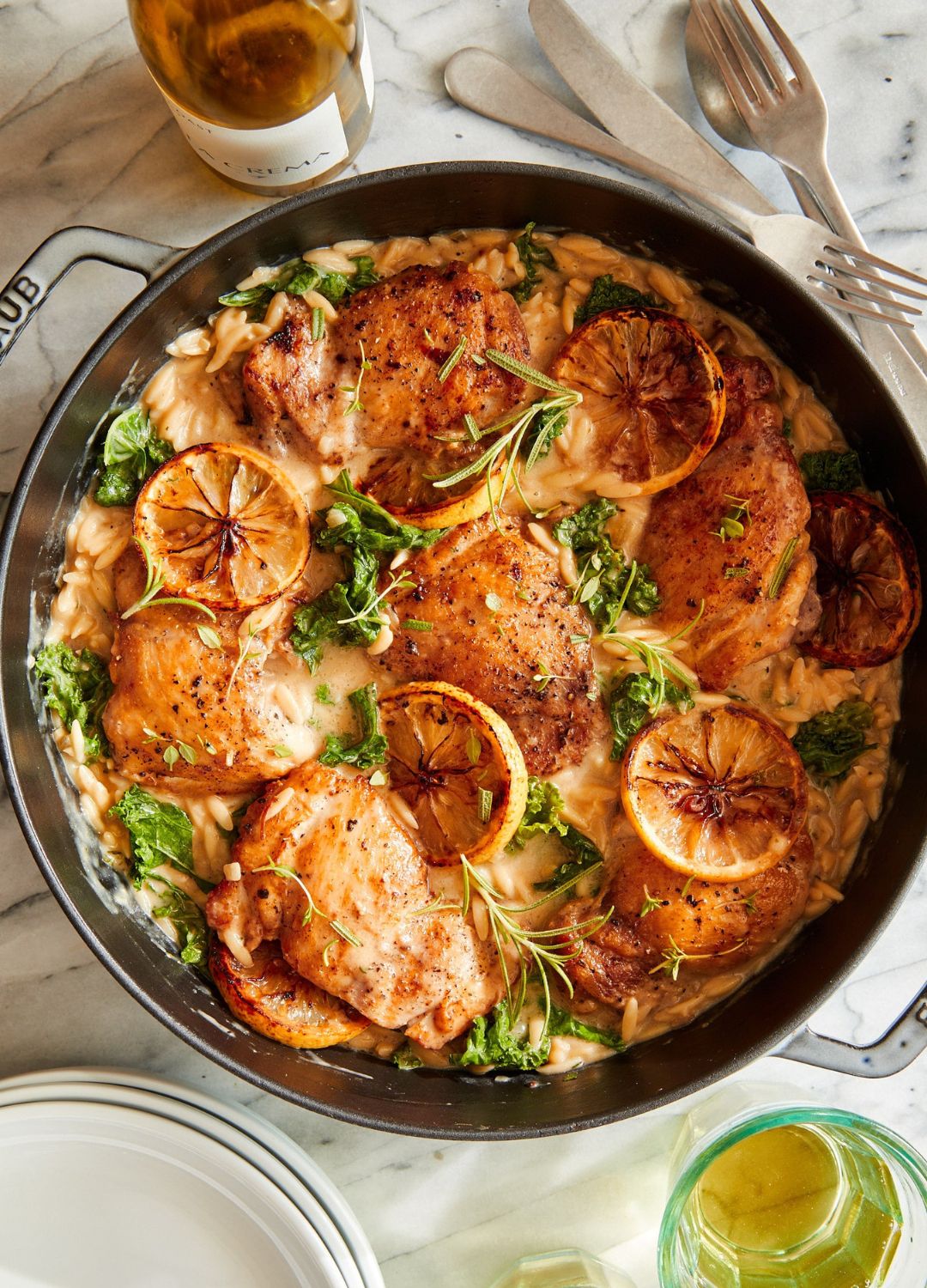
dutch oven recipes

The Delightful Art of Dutch Oven Cooking: Exploring Delicious Recipes

When it comes to versatile and flavourful cooking, the Dutch oven reigns supreme. This timeless kitchen essential has been a staple in households for centuries, prized for its ability to create mouth-watering dishes with minimal effort. Let’s delve into the world of Dutch oven recipes and discover the culinary delights that await.

Classic Beef Stew

There’s nothing quite like a hearty beef stew simmered to perfection in a Dutch oven. Tender chunks of beef, vibrant vegetables, and aromatic herbs come together to create a comforting dish that warms the soul. Serve it with crusty bread for a satisfying meal that never fails to impress.

Chicken Casserole with Herbed Dumplings

This rustic chicken casserole is elevated to new heights with the addition of fluffy herbed dumplings. The Dutch oven ensures that the chicken remains juicy and tender, while the dumplings soak up all the delicious flavours of the rich broth. It’s a true crowd-pleaser that is sure to become a family favourite.

Vegetarian Ratatouille

For those seeking a lighter option, look no further than a vibrant vegetarian ratatouille cooked in a Dutch oven. Layers of seasonal vegetables such as eggplant, zucchini, and bell peppers are slow-cooked to perfection, resulting in a melt-in-your-mouth dish bursting with Mediterranean flavours. Pair it with couscous or crusty bread for a delightful meal.

Apple Crisp

Indulge your sweet tooth with a delectable apple crisp baked in a Dutch oven. Sweet apples tossed in cinnamon sugar are topped with a buttery oat crumble and baked until golden and bubbling. Serve it warm with a scoop of vanilla ice cream for the perfect ending to any meal.

Whether you’re an experienced chef or just starting out on your culinary journey, Dutch oven recipes offer endless possibilities for creative cooking. Embrace the tradition and versatility of this timeless kitchen essential, and let your taste buds embark on a delicious adventure.


Exploring Dutch Ovens: Top 9 Frequently Asked Questions and Their Answers

  1. What’s good to cook in a Dutch oven?
  2. Can you bake anything in a Dutch oven?
  3. What is so special about a Dutch oven?
  4. What is a Dutch oven and why is it called that?
  5. What can I use my Dutch oven for?
  6. What makes a Dutch oven so great?
  7. What is different about a Dutch oven?
  8. Is there anything you shouldn’t cook in a Dutch oven?
  9. What can I bake in a Dutch oven?

What’s good to cook in a Dutch oven?

When it comes to exploring the culinary wonders of Dutch oven cooking, the question of what’s good to cook in a Dutch oven often arises. The beauty of this versatile kitchen tool lies in its ability to effortlessly transform simple ingredients into delectable dishes. From hearty stews and braised meats to flavourful casseroles and baked goods, the Dutch oven shines in a variety of recipes. Its even heat distribution and retention make it perfect for slow-cooking dishes to tender perfection, while its ability to go from stovetop to oven opens up a world of possibilities for both savoury and sweet creations. Whether you’re craving a comforting one-pot meal or a mouth-watering dessert, the Dutch oven is truly a chef’s best companion in the kitchen.

Can you bake anything in a Dutch oven?

When it comes to Dutch oven cooking, the answer to the frequently asked question “Can you bake anything in a Dutch oven?” is a resounding yes. The beauty of a Dutch oven lies in its versatility, allowing you to bake a wide range of dishes with ease. From hearty bread and decadent desserts to savoury casseroles and even pizzas, the Dutch oven’s even heat distribution and retention make it an ideal vessel for baking. So whether you’re craving a freshly baked loaf of bread or a bubbling fruit cobbler, your trusty Dutch oven is sure to deliver delicious results every time.

What is so special about a Dutch oven?

A Dutch oven stands out for its exceptional versatility and cooking capabilities, making it a cherished kitchen essential for both novice cooks and seasoned chefs alike. What sets a Dutch oven apart is its ability to distribute heat evenly, thanks to its thick walls and tight-fitting lid. This ensures that dishes are cooked to perfection with minimal effort, whether you’re simmering a hearty stew or baking crusty bread. The durability of a Dutch oven allows it to withstand high temperatures, making it ideal for stovetop cooking, oven baking, and even outdoor campfire meals. Its timeless design and long-lasting quality make a Dutch oven a prized possession in any kitchen, promising delicious results with every use.

What is a Dutch oven and why is it called that?

A Dutch oven is a versatile cooking pot with a thick-walled design and a tight-fitting lid, commonly made of cast iron or enameled cast iron. The origin of the name “Dutch oven” is believed to stem from its association with Dutch manufacturing techniques in the 17th century. Dutch traders were known for producing high-quality metal cookware, including the predecessor to the modern Dutch oven. Over time, the term “Dutch oven” became synonymous with this durable and efficient cooking vessel, prized for its ability to distribute heat evenly and retain it for slow cooking methods. Today, the Dutch oven remains a beloved kitchen essential for its versatility in preparing a wide range of delicious recipes.

What can I use my Dutch oven for?

A Dutch oven is a versatile kitchen tool that can be used for a wide range of cooking tasks, making it a must-have for any culinary enthusiast. From braising and stewing to roasting and baking, the Dutch oven excels in creating tender meats, flavourful stews, hearty soups, and even artisanal bread. Its ability to distribute heat evenly and retain moisture makes it ideal for slow cooking dishes to perfection. Whether you’re searing meats on the stovetop or baking desserts in the oven, the Dutch oven’s versatility knows no bounds, allowing you to explore countless recipes and culinary techniques with ease.

What makes a Dutch oven so great?

A Dutch oven’s greatness lies in its exceptional versatility and efficiency in the kitchen. This iconic cooking vessel is renowned for its ability to distribute heat evenly and retain it for extended periods, making it ideal for slow-cooking, braising, baking, and more. Its durable construction and tight-fitting lid trap moisture and flavours, resulting in tender meats, rich stews, and perfectly baked bread. Whether used on the stovetop, in the oven, or over a campfire, the Dutch oven’s adaptability knows no bounds, making it a cherished tool for both professional chefs and home cooks seeking delicious culinary creations.

What is different about a Dutch oven?

A Dutch oven stands out for its unique design and versatility in the kitchen. What sets it apart is its thick walls and heavy lid, which help to retain heat and distribute it evenly during cooking. This feature allows for slow, even cooking that enhances the flavours of dishes, making them richer and more succulent. The Dutch oven’s ability to seamlessly transition from stovetop to oven makes it a versatile tool for a wide range of recipes, from soups and stews to roasts and baked goods. Its durability and timeless appeal have made it a beloved kitchen essential for generations, continuing to inspire culinary creativity in home kitchens around the world.

Is there anything you shouldn’t cook in a Dutch oven?

When it comes to Dutch oven cooking, the possibilities are vast, but there are a few things to consider when deciding what not to cook in a Dutch oven. Due to the material and design of Dutch ovens, acidic foods like tomatoes or citrus-based dishes may react with the metal, affecting the taste of the food and potentially damaging the pot. Additionally, delicate ingredients that require precise temperature control may not fare well in a Dutch oven’s even heat distribution. It’s important to understand the characteristics of your Dutch oven and choose recipes that align with its strengths for optimal results.

What can I bake in a Dutch oven?

When it comes to baking in a Dutch oven, the possibilities are truly endless. From artisan bread with a crispy crust to decadent desserts like cobblers and cakes, a Dutch oven can handle a wide range of baking tasks with ease. Its ability to distribute heat evenly and retain moisture makes it ideal for creating perfectly baked goods that are sure to impress. Whether you’re a seasoned baker looking to experiment with new recipes or a novice eager to try your hand at homemade bread, the Dutch oven is a versatile tool that opens up a world of delicious baking opportunities.

Elevate Your BBQ Game with the Ultimate Grilled Chicken Marinade

grilled chicken marinade

The Perfect Grilled Chicken Marinade: Elevate Your BBQ Game

Grilling season is upon us, and what better way to impress your guests than with a mouth-watering grilled chicken dish marinated to perfection? A good marinade can take your chicken from bland to flavourful, tender, and juicy. Let’s explore the key ingredients and steps to create the ultimate grilled chicken marinade.

Ingredients:

  • 4 boneless, skinless chicken breasts
  • 1/4 cup olive oil
  • 2 cloves of garlic, minced
  • 2 tablespoons soy sauce
  • 1 tablespoon honey
  • 1 teaspoon paprika
  • Salt and pepper to taste

Instructions:

  1. In a bowl, whisk together the olive oil, minced garlic, soy sauce, honey, paprika, salt, and pepper.
  2. Place the chicken breasts in a resealable plastic bag or shallow dish.
  3. Pour the marinade over the chicken, ensuring it is evenly coated. Seal the bag or cover the dish with plastic wrap and refrigerate for at least 30 minutes (or up to 24 hours for maximum flavour).
  4. Preheat your grill to medium-high heat.
  5. Remove the chicken from the marinade and discard any excess marinade.
  6. Grill the chicken for about 6-7 minutes per side or until fully cooked (internal temperature of 75°C).
  7. Once done, let the chicken rest for a few minutes before serving to allow the juices to redistribute.

This simple yet delicious grilled chicken marinade is sure to be a hit at your next barbecue gathering. The combination of savoury soy sauce, sweet honey, and aromatic garlic creates a harmonious blend of flavours that will leave everyone asking for seconds. So fire up that grill, marinate your chicken, and get ready to elevate your BBQ game!

Bon appétit!


Essential FAQs for Perfectly Marinated Grilled Chicken

  1. 1. How long should I marinate chicken for grilling?
  2. 2. What are the key ingredients for a grilled chicken marinade?
  3. 3. Can I use a store-bought marinade for grilled chicken?
  4. 4. Is it better to marinate chicken in the fridge or at room temperature?
  5. 5. How can I prevent my grilled chicken from drying out?
  6. 6. Are there any alternatives to olive oil in a marinade?
  7. 7. Should I pierce the chicken before marinating it?
  8. 8. Can I reuse leftover marinade?

1. How long should I marinate chicken for grilling?

When it comes to marinating chicken for grilling, the duration plays a crucial role in enhancing the flavour and tenderness of the meat. The ideal marinating time for chicken typically ranges from 30 minutes to 24 hours. While a minimum of 30 minutes allows the flavours to penetrate the surface of the chicken, longer marination periods, such as overnight, can intensify the taste and texture. It is essential to strike a balance between marinating adequately for optimal flavour infusion without over-marinating, which can result in a mushy texture. Experimenting with different marinating times can help you find the perfect balance to achieve deliciously grilled chicken every time.

2. What are the key ingredients for a grilled chicken marinade?

When it comes to creating a delicious grilled chicken marinade, the key ingredients play a crucial role in enhancing the flavour profile of the dish. Typically, a well-balanced marinade for grilled chicken includes olive oil for moisture, minced garlic for a robust aroma, soy sauce for savouriness, honey for sweetness, paprika for a hint of smokiness, and of course, salt and pepper to season to taste. These ingredients work together harmoniously to infuse the chicken with layers of taste that will leave your taste buds delighted.

3. Can I use a store-bought marinade for grilled chicken?

When it comes to marinating grilled chicken, a common query arises: Can I use a store-bought marinade? The answer is yes, you can certainly use a store-bought marinade for your grilled chicken. Store-bought marinades offer convenience and a variety of flavour options, making them a popular choice for those looking to save time without compromising on taste. However, it’s important to read the ingredients and nutritional information on the label to ensure the marinade aligns with your dietary preferences and requirements. Feel free to experiment with different store-bought marinades to discover your favourite flavours for that perfect grilled chicken dish.

4. Is it better to marinate chicken in the fridge or at room temperature?

When it comes to marinating chicken, it is generally recommended to marinate it in the fridge rather than at room temperature. Marinating chicken in the fridge helps to keep it at a safe temperature, preventing the growth of harmful bacteria. Additionally, refrigeration allows the flavours of the marinade to penetrate the chicken more effectively over a longer period, resulting in a more tender and flavourful end product. So, for optimal food safety and taste, it’s best to marinate your chicken in the fridge for a specified amount of time before grilling.

5. How can I prevent my grilled chicken from drying out?

To prevent your grilled chicken from drying out, it is essential to pay attention to both the cooking time and the marinade. Overcooking can lead to dry chicken, so be sure to cook it just until it reaches an internal temperature of 75°C. Additionally, using a well-balanced marinade with ingredients like olive oil, soy sauce, and honey can help lock in moisture and enhance the flavour of the chicken. Marinating the chicken for an adequate amount of time before grilling can make a significant difference in keeping the meat juicy and succulent. Remember to let the grilled chicken rest for a few minutes after cooking to allow the juices to redistribute before serving. By following these tips, you can enjoy perfectly moist and delicious grilled chicken every time.

6. Are there any alternatives to olive oil in a marinade?

When it comes to alternatives for olive oil in a marinade, there are several options that can impart unique flavours to your grilled chicken. One popular substitute is avocado oil, known for its mild taste and high smoke point, making it ideal for grilling. Another alternative is sesame oil, which adds a rich nutty flavour to the marinade. Additionally, you can consider using melted butter or coconut oil for a touch of richness and sweetness. Each alternative brings its own distinct profile to the marinade, offering versatility in customising the taste of your grilled chicken to suit your preferences.

7. Should I pierce the chicken before marinating it?

When it comes to marinating chicken, the question of whether to pierce the meat before marinating often arises. While some believe that piercing the chicken allows the marinade to penetrate deeper and enhance flavour, others argue that it can lead to loss of natural juices and result in drier meat. In general, it is not necessary to pierce the chicken before marinating, as a well-made marinade will still impart plenty of flavour without compromising the juiciness of the meat. Instead, focus on ensuring that the marinade covers the chicken evenly and allow an adequate marinating time for optimal results.

8. Can I reuse leftover marinade?

When it comes to reusing leftover marinade from grilled chicken, it is generally not recommended due to food safety concerns. Once raw chicken has been marinated in a mixture, it can introduce harmful bacteria. If you do wish to reuse the marinade for basting or as a sauce, it is crucial to boil it first to kill any bacteria present. However, for the best results and to ensure food safety, it is advisable to prepare a fresh batch of marinade if needed. Prioritising food hygiene and avoiding potential risks is key when handling leftover marinades in cooking practices.

Savoury Delights: Exploring Mouth-Watering Beef Recipes

beef recipes

The Ultimate Guide to Delicious Beef Recipes

Beef is a versatile and flavourful meat that can be transformed into a wide array of mouth-watering dishes. Whether you prefer hearty stews, succulent roasts, or sizzling stir-fries, there’s a beef recipe out there to satisfy every craving. Here are some delectable beef recipes to inspire your next culinary adventure:

Classic Beef Wellington

Indulge in the luxurious flavours of a classic Beef Wellington. Tender beef fillet coated with mushroom duxelles and encased in buttery puff pastry – this elegant dish is sure to impress at any dinner party.

Slow-Cooked Beef Stew

Warm up on a chilly evening with a comforting bowl of slow-cooked beef stew. Packed with tender chunks of beef, root vegetables, and aromatic herbs, this hearty dish is the epitome of comfort food.

Spicy Beef Stir-Fry

Add some heat to your dinner table with a fiery beef stir-fry. Sliced beef cooked quickly with vibrant vegetables and zesty sauces results in a dish that is both satisfying and full of flavour.

Beef Burger with Caramelised Onions

Elevate your burger game with a juicy beef patty topped with sweet caramelised onions. Whether grilled on the barbecue or cooked indoors, this classic favourite never fails to please.

Roast Beef with Red Wine Jus

Celebrate a special occasion with a succulent roast beef drizzled in rich red wine jus. Pair this show-stopping dish with roasted potatoes and seasonal vegetables for a meal that is both elegant and delicious.

With these tantalising beef recipes at your fingertips, you’re ready to embark on a culinary journey filled with bold flavours and satisfying meals. So fire up your stove, sharpen your knives, and let the magic of beef transform your dining experience.


Top Tips for Cooking Beef: Your Questions Answered

  1. 1. How can I make my beef stew more flavourful?
  2. 2. What is the best cut of beef for a roast dinner?
  3. 3. How long should I marinate beef before cooking?
  4. 4. Can I substitute ground beef for other types of meat in recipes?
  5. 5. What are some popular seasonings and spices to use when cooking beef?
  6. 6. How do I know when my steak is cooked to the desired level of doneness?
  7. 7. Are there any healthy alternatives to frying beef for recipes?

1. How can I make my beef stew more flavourful?

To enhance the flavour of your beef stew, consider incorporating a variety of aromatic herbs and spices such as thyme, rosemary, bay leaves, and paprika. Additionally, adding depth to the stew with ingredients like red wine, Worcestershire sauce, or soy sauce can elevate its taste profile. For a richer and more complex flavour, try browning the beef before adding it to the stew and deglazing the pan with broth or wine to capture all those delicious caramelised bits. Finally, allowing the stew to simmer low and slow for an extended period will help meld all the flavours together for a truly delicious and flavourful dish.

2. What is the best cut of beef for a roast dinner?

When it comes to preparing a roast dinner, choosing the best cut of beef is crucial for achieving a tender and flavoursome result. One of the most popular choices for a roast dinner is the sirloin or ribeye cut. These cuts are well-marbled with fat, which helps keep the meat juicy and adds richness to the flavour. Another excellent option is the tenderloin, known for its melt-in-your-mouth texture and mild taste. Ultimately, the best cut of beef for a roast dinner depends on personal preference, desired level of tenderness, and budget considerations.

3. How long should I marinate beef before cooking?

Marinating beef before cooking is a popular technique to enhance its flavour and tenderness. The ideal marinating time for beef can vary depending on the cut and thickness of the meat, as well as the type of marinade used. In general, it is recommended to marinate beef for at least 30 minutes to allow the flavours to penetrate the meat. However, for tougher cuts like flank steak or brisket, marinating for several hours or even overnight can help break down the muscle fibers and result in a more tender texture. It’s important not to over-marinate beef, as prolonged exposure to acidic marinades can toughen the meat. Experimenting with different marinating times and ingredients can help you discover your preferred method for achieving deliciously seasoned beef dishes.

4. Can I substitute ground beef for other types of meat in recipes?

When it comes to substituting ground beef for other types of meat in recipes, the answer is yes, but with some considerations. Ground beef is a versatile ingredient that can often be swapped with ground turkey, chicken, pork, or even plant-based alternatives like tofu or lentils. However, keep in mind that different meats have varying fat content and flavours, which can affect the overall taste and texture of the dish. It’s essential to adjust seasonings and cooking times accordingly to ensure that your substituted meat complements the recipe harmoniously. Experimenting with different meat substitutions can lead to exciting culinary discoveries and cater to various dietary preferences or restrictions.

When it comes to enhancing the flavour of beef dishes, there are several popular seasonings and spices that can elevate the taste profile. Common choices include garlic powder, onion powder, paprika, cumin, and chilli powder for adding depth and warmth to beef recipes. Additionally, herbs like rosemary, thyme, and parsley can bring a fresh and aromatic element to dishes such as roasts or stews. Soy sauce, Worcestershire sauce, and balsamic vinegar are also popular choices for adding umami richness and complexity to beef marinades or sauces. Experimenting with a combination of these seasonings and spices can help create deliciously seasoned beef dishes that tantalise the taste buds.

6. How do I know when my steak is cooked to the desired level of doneness?

Determining the desired level of doneness for your steak is a crucial aspect of cooking the perfect piece of beef. To gauge the doneness of your steak, you can use various methods. One common technique is to rely on touch – pressing the steak and comparing its firmness to different parts of your hand (for example, touching your thumb to your index finger for rare doneness). Alternatively, you can use a meat thermometer to measure the internal temperature of the steak; typically, 50°C for rare, 60°C for medium-rare, 70°C for medium, and 75°C for well-done. By mastering these methods, you can ensure that your steak is cooked exactly how you like it – whether rare and juicy or well-done and tender.

7. Are there any healthy alternatives to frying beef for recipes?

When it comes to preparing beef for recipes, there are indeed healthy alternatives to frying that can help you achieve delicious results without compromising on nutrition. Grilling, baking, or broiling beef are excellent options that require minimal added fats while retaining the meat’s natural flavours. Marinating beef in herbs, spices, and citrus juices before cooking can also enhance its taste without the need for excessive oil or butter. By exploring these healthier cooking methods, you can enjoy flavourful beef dishes that are both satisfying and nutritious.

Savour the Exotic Flavours of Pilau Rice

pilau rice

The Delightful Flavours of Pilau Rice

Pilau rice, also known as pilaf or pulao, is a fragrant and flavourful dish that has captured the hearts and taste buds of food enthusiasts around the world. Originating from the Middle East, pilau rice has evolved into various regional variations, each offering a unique twist on this beloved dish.

At its core, pilau rice is a dish made by cooking rice in seasoned broth or stock along with a mix of spices, herbs, and other ingredients. The result is a dish that is not only visually appealing but also bursting with aromatic flavours that tantalise the senses.

One of the defining features of pilau rice is its vibrant colour, often achieved through the use of ingredients such as turmeric, saffron, or paprika. This colourful rice not only adds visual appeal to any meal but also imparts a subtle depth of flavour that complements a wide range of dishes.

Depending on the region and cultural influences, pilau rice can be prepared with a variety of additions such as vegetables, meat, nuts, or dried fruits. This versatility allows for endless possibilities when it comes to creating unique and delicious versions of this classic dish.

Whether enjoyed as a side dish to complement a main course or savoured on its own as a satisfying meal, pilau rice never fails to impress with its rich flavours and comforting aroma. Its ability to bring people together around the dining table makes it a staple in many households and restaurants alike.

So next time you find yourself craving something hearty and aromatic, consider indulging in a serving of pilau rice. Let its exotic blend of spices and textures transport you to distant lands where culinary delights await at every turn.


Everything You Need to Know About Pilau Rice: Top 7 FAQs Answered

  1. What is pilau rice?
  2. How is pilau rice different from regular boiled rice?
  3. What spices are commonly used in pilau rice?
  4. Can pilau rice be made vegetarian or vegan?
  5. Is pilau rice gluten-free?
  6. What are some popular variations of pilau rice around the world?
  7. How can I achieve the perfect fluffy texture when cooking pilau rice?

What is pilau rice?

“Pilau rice, often referred to as pilaf or pulao, is a fragrant and flavourful dish that originates from the Middle East. It is made by cooking rice in seasoned broth or stock infused with a blend of aromatic spices, herbs, and other ingredients. The result is a colourful and aromatic rice dish that serves as a versatile accompaniment to various main courses or stands deliciously on its own. With its rich history and regional variations, pilau rice continues to captivate food enthusiasts with its enticing flavours and cultural significance.”

How is pilau rice different from regular boiled rice?

When comparing pilau rice to regular boiled rice, the key distinction lies in the cooking method and flavour profile. Pilau rice is cooked in seasoned broth or stock infused with a blend of aromatic spices, herbs, and other ingredients, resulting in a dish that is not only fragrant but also rich in flavour. In contrast, regular boiled rice is simply cooked in water without the added seasonings and spices that give pilau rice its distinctive taste. The additional ingredients used in pilau rice contribute to its vibrant colour, depth of flavour, and overall complexity, making it a more dynamic and savoury option compared to plain boiled rice.

What spices are commonly used in pilau rice?

Pilau rice is renowned for its aromatic blend of spices that elevate its flavour profile to new heights. Commonly used spices in pilau rice include fragrant cinnamon, earthy cumin, warm cloves, and vibrant cardamom. These spices not only infuse the rice with a rich and complex taste but also lend a delightful aroma that fills the kitchen as the dish simmers to perfection. Additionally, turmeric is often added for its golden hue and subtle peppery notes, while bay leaves and black peppercorns contribute a hint of depth to the overall spice mix. Together, these carefully selected spices create a symphony of flavours that make pilau rice a truly irresistible culinary delight.

Can pilau rice be made vegetarian or vegan?

One of the frequently asked questions about pilau rice is whether it can be made vegetarian or vegan. The answer is a resounding yes! Pilau rice can easily be adapted to suit vegetarian and vegan diets by simply omitting any meat or animal-derived ingredients and focusing on using a delicious blend of vegetables, spices, and plant-based alternatives. By incorporating ingredients such as colourful vegetables, tofu, chickpeas, or plant-based proteins, one can create a mouth-watering vegetarian or vegan version of pilau rice that is both nutritious and full of flavour. This versatile dish allows individuals following different dietary preferences to enjoy its aromatic goodness without compromising on taste or satisfaction.

Is pilau rice gluten-free?

For those with gluten sensitivities or dietary restrictions, the question of whether pilau rice is gluten-free often arises. The good news is that traditional pilau rice recipes typically do not contain gluten-containing ingredients like wheat, barley, or rye. However, it is essential to exercise caution when consuming pilau rice prepared outside the home or from packaged mixes, as additional ingredients or seasonings may introduce gluten into the dish. To ensure that your pilau rice is gluten-free, it is advisable to confirm the ingredients used in its preparation and opt for recipes that explicitly cater to gluten-free requirements.

Pilau rice, a beloved dish with roots in the Middle East, boasts a diverse range of popular variations around the world. In India, you’ll find fragrant and colourful biryani, a type of pilau rice layered with spiced meat or vegetables. In Central Asia, plov reigns supreme, featuring tender meat, carrots, and aromatic spices like cumin and coriander. The Mediterranean offers a unique twist with Spanish paella, showcasing seafood, saffron-infused rice, and vibrant peppers. Each region’s take on pilau rice brings its own blend of flavours and traditions to the table, making it a truly global culinary delight.

How can I achieve the perfect fluffy texture when cooking pilau rice?

Achieving the perfect fluffy texture when cooking pilau rice is a common goal for many home cooks and food enthusiasts. One key tip to keep in mind is to rinse the rice thoroughly before cooking to remove excess starch, which can cause the grains to stick together. Additionally, using the right ratio of water to rice is crucial – typically, a ratio of 1:2 (one part rice to two parts water) works well for most types of pilau rice. Cooking the rice over low heat and allowing it to steam once it’s done can also help in achieving that desired light and fluffy texture. Patience is key when cooking pilau rice, as allowing the grains to steam and rest after cooking will further enhance their fluffiness. By following these simple yet effective tips, you can elevate your pilau rice game and enjoy a perfectly fluffy and delicious dish every time.