Exploring the Exquisite Flavours of an Authentic Armenian Dish
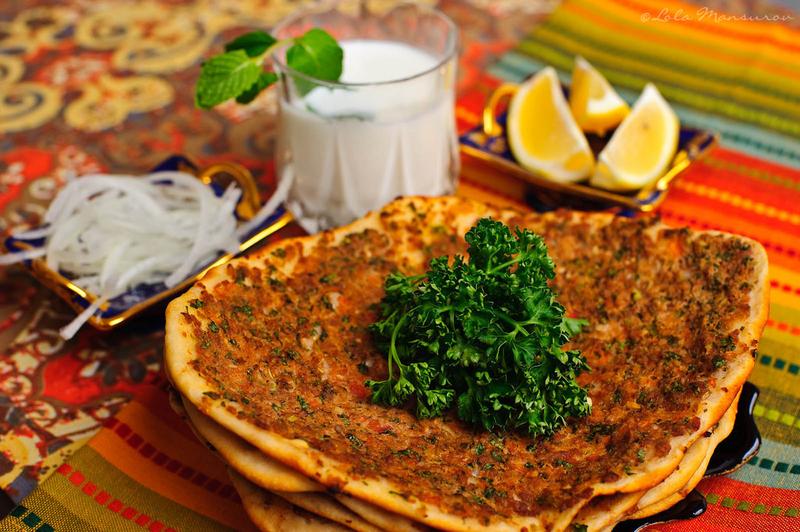
armenian dish

The Delightful Flavours of Armenian Cuisine

Armenian cuisine is a true reflection of the country’s rich history and cultural heritage. From hearty stews to delicate pastries, Armenian dishes are known for their bold flavours and unique combinations of ingredients.

One iconic Armenian dish that has captured the hearts and taste buds of many is lahmajoun. Also known as Armenian pizza, lahmacun is a thin, crispy dough topped with a savoury mixture of minced meat, onions, tomatoes, and spices. This delectable treat is often enjoyed with a squeeze of lemon and a sprinkle of fresh herbs.

Another must-try dish is khorovats, traditional Armenian barbecue. Succulent pieces of marinated meat, usually pork or lamb, are grilled to perfection over an open flame. The smoky aroma and tender texture make khorovats a favourite at gatherings and celebrations.

No exploration of Armenian cuisine would be complete without mentioning dolma. Grape leaves stuffed with a tantalising mixture of rice, minced meat, herbs, and spices create a harmonious blend of flavours that is both comforting and satisfying.

For those with a sweet tooth, Armenian desserts offer a delightful finale to any meal. Indulge in baklava, layers of flaky pastry filled with nuts and sweetened with honey or syrup. The combination of crunchy layers and sticky sweetness makes baklava an irresistible treat.

Whether you are savouring the warmth of homemade dolma or relishing the crispiness of lahmacun, Armenian cuisine promises a culinary journey like no other. Each dish tells a story steeped in tradition and passion, inviting you to experience the vibrant flavours that have been cherished for generations.


Exploring Armenian Cuisine: Popular Dishes, Key Ingredients, and Vegetarian Options

  1. What are some popular Armenian dishes?
  2. How is lahmacun different from traditional pizza?
  3. What are the key ingredients in dolma?
  4. Is Armenian cuisine known for its use of spices?
  5. Are there any vegetarian options in Armenian cuisine?

When exploring Armenian cuisine, you will encounter a diverse array of popular dishes that showcase the country’s culinary prowess. Some of the most beloved Armenian dishes include succulent khorovats (barbecue), flavourful dolma (stuffed grape leaves), aromatic pilaf (rice dish), hearty harissa (a type of porridge), and indulgent baklava (sweet pastry). Each dish boasts a unique blend of spices, fresh ingredients, and traditional cooking methods that have been passed down through generations, making them not only delicious but also a testament to Armenia’s rich gastronomic heritage.

How is lahmacun different from traditional pizza?

When comparing lahmacun to traditional pizza, one can appreciate the distinct characteristics that set these two dishes apart. While pizza typically features a thicker dough base and is topped with a variety of ingredients including cheese, tomato sauce, and assorted toppings, lahmacun stands out for its thin and crispy crust. Lahmacun is traditionally topped with a savoury mixture of minced meat, onions, tomatoes, and spices, offering a flavour profile that is uniquely rich and aromatic. The absence of cheese on lahmacun further distinguishes it from pizza, highlighting the emphasis on the bold flavours of the meat and spices. Overall, lahmacun’s delicate balance of textures and flavours showcases its Armenian heritage and culinary craftsmanship in a way that sets it apart from the more familiar pizza.

What are the key ingredients in dolma?

Dolma, a beloved Armenian dish, features a delectable combination of key ingredients that contribute to its distinctive flavour profile. The traditional recipe for dolma typically includes grape leaves filled with a savoury mixture of rice, minced meat (often lamb or beef), onions, fresh herbs such as parsley and mint, and an array of aromatic spices like cinnamon, allspice, and black pepper. This harmonious blend of ingredients creates a symphony of tastes and textures that make dolma a cherished culinary delight in Armenian cuisine.

Is Armenian cuisine known for its use of spices?

Armenian cuisine is indeed renowned for its skilful use of spices, which play a vital role in creating the distinctive flavours that define many traditional dishes. From aromatic blends like cumin and coriander to earthy notes of paprika and fenugreek, Armenian spices add depth and complexity to a wide variety of recipes. The careful balance of these spices enhances the overall taste profile, making each dish a harmonious symphony of flavours that delights the palate and showcases the culinary expertise that has been passed down through generations in Armenian cooking.

Are there any vegetarian options in Armenian cuisine?

In Armenian cuisine, there are indeed a variety of delicious vegetarian options that cater to those with plant-based diets. One popular vegetarian dish is lentil soup, a hearty and flavourful soup made with lentils, vegetables, and aromatic spices. Additionally, eggplant dolma offers a vegetarian twist on the traditional grape leaf-wrapped dish by filling eggplants with a tasty mixture of rice, herbs, and nuts. Armenians also enjoy khachapuri, a cheese-filled bread that can be made without meat for a satisfying vegetarian meal. These vegetarian options showcase the diversity and creativity of Armenian cuisine, ensuring that everyone can savour the unique flavours of this culinary tradition.
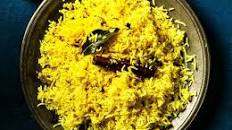
Savour the Exotic Flavours of Pilau Rice

pilau rice

The Delightful Flavours of Pilau Rice

Pilau rice, also known as pilaf or pulao, is a fragrant and flavourful dish that has captured the hearts and taste buds of food enthusiasts around the world. Originating from the Middle East, pilau rice has evolved into various regional variations, each offering a unique twist on this beloved dish.

At its core, pilau rice is a dish made by cooking rice in seasoned broth or stock along with a mix of spices, herbs, and other ingredients. The result is a dish that is not only visually appealing but also bursting with aromatic flavours that tantalise the senses.

One of the defining features of pilau rice is its vibrant colour, often achieved through the use of ingredients such as turmeric, saffron, or paprika. This colourful rice not only adds visual appeal to any meal but also imparts a subtle depth of flavour that complements a wide range of dishes.

Depending on the region and cultural influences, pilau rice can be prepared with a variety of additions such as vegetables, meat, nuts, or dried fruits. This versatility allows for endless possibilities when it comes to creating unique and delicious versions of this classic dish.

Whether enjoyed as a side dish to complement a main course or savoured on its own as a satisfying meal, pilau rice never fails to impress with its rich flavours and comforting aroma. Its ability to bring people together around the dining table makes it a staple in many households and restaurants alike.

So next time you find yourself craving something hearty and aromatic, consider indulging in a serving of pilau rice. Let its exotic blend of spices and textures transport you to distant lands where culinary delights await at every turn.


Everything You Need to Know About Pilau Rice: Top 7 FAQs Answered

  1. What is pilau rice?
  2. How is pilau rice different from regular boiled rice?
  3. What spices are commonly used in pilau rice?
  4. Can pilau rice be made vegetarian or vegan?
  5. Is pilau rice gluten-free?
  6. What are some popular variations of pilau rice around the world?
  7. How can I achieve the perfect fluffy texture when cooking pilau rice?

What is pilau rice?

“Pilau rice, often referred to as pilaf or pulao, is a fragrant and flavourful dish that originates from the Middle East. It is made by cooking rice in seasoned broth or stock infused with a blend of aromatic spices, herbs, and other ingredients. The result is a colourful and aromatic rice dish that serves as a versatile accompaniment to various main courses or stands deliciously on its own. With its rich history and regional variations, pilau rice continues to captivate food enthusiasts with its enticing flavours and cultural significance.”

How is pilau rice different from regular boiled rice?

When comparing pilau rice to regular boiled rice, the key distinction lies in the cooking method and flavour profile. Pilau rice is cooked in seasoned broth or stock infused with a blend of aromatic spices, herbs, and other ingredients, resulting in a dish that is not only fragrant but also rich in flavour. In contrast, regular boiled rice is simply cooked in water without the added seasonings and spices that give pilau rice its distinctive taste. The additional ingredients used in pilau rice contribute to its vibrant colour, depth of flavour, and overall complexity, making it a more dynamic and savoury option compared to plain boiled rice.

What spices are commonly used in pilau rice?

Pilau rice is renowned for its aromatic blend of spices that elevate its flavour profile to new heights. Commonly used spices in pilau rice include fragrant cinnamon, earthy cumin, warm cloves, and vibrant cardamom. These spices not only infuse the rice with a rich and complex taste but also lend a delightful aroma that fills the kitchen as the dish simmers to perfection. Additionally, turmeric is often added for its golden hue and subtle peppery notes, while bay leaves and black peppercorns contribute a hint of depth to the overall spice mix. Together, these carefully selected spices create a symphony of flavours that make pilau rice a truly irresistible culinary delight.

Can pilau rice be made vegetarian or vegan?

One of the frequently asked questions about pilau rice is whether it can be made vegetarian or vegan. The answer is a resounding yes! Pilau rice can easily be adapted to suit vegetarian and vegan diets by simply omitting any meat or animal-derived ingredients and focusing on using a delicious blend of vegetables, spices, and plant-based alternatives. By incorporating ingredients such as colourful vegetables, tofu, chickpeas, or plant-based proteins, one can create a mouth-watering vegetarian or vegan version of pilau rice that is both nutritious and full of flavour. This versatile dish allows individuals following different dietary preferences to enjoy its aromatic goodness without compromising on taste or satisfaction.

Is pilau rice gluten-free?

For those with gluten sensitivities or dietary restrictions, the question of whether pilau rice is gluten-free often arises. The good news is that traditional pilau rice recipes typically do not contain gluten-containing ingredients like wheat, barley, or rye. However, it is essential to exercise caution when consuming pilau rice prepared outside the home or from packaged mixes, as additional ingredients or seasonings may introduce gluten into the dish. To ensure that your pilau rice is gluten-free, it is advisable to confirm the ingredients used in its preparation and opt for recipes that explicitly cater to gluten-free requirements.

Pilau rice, a beloved dish with roots in the Middle East, boasts a diverse range of popular variations around the world. In India, you’ll find fragrant and colourful biryani, a type of pilau rice layered with spiced meat or vegetables. In Central Asia, plov reigns supreme, featuring tender meat, carrots, and aromatic spices like cumin and coriander. The Mediterranean offers a unique twist with Spanish paella, showcasing seafood, saffron-infused rice, and vibrant peppers. Each region’s take on pilau rice brings its own blend of flavours and traditions to the table, making it a truly global culinary delight.

How can I achieve the perfect fluffy texture when cooking pilau rice?

Achieving the perfect fluffy texture when cooking pilau rice is a common goal for many home cooks and food enthusiasts. One key tip to keep in mind is to rinse the rice thoroughly before cooking to remove excess starch, which can cause the grains to stick together. Additionally, using the right ratio of water to rice is crucial – typically, a ratio of 1:2 (one part rice to two parts water) works well for most types of pilau rice. Cooking the rice over low heat and allowing it to steam once it’s done can also help in achieving that desired light and fluffy texture. Patience is key when cooking pilau rice, as allowing the grains to steam and rest after cooking will further enhance their fluffiness. By following these simple yet effective tips, you can elevate your pilau rice game and enjoy a perfectly fluffy and delicious dish every time.