Easy Chicken Pot Pie Recipe with Golden, Flaky Pastry
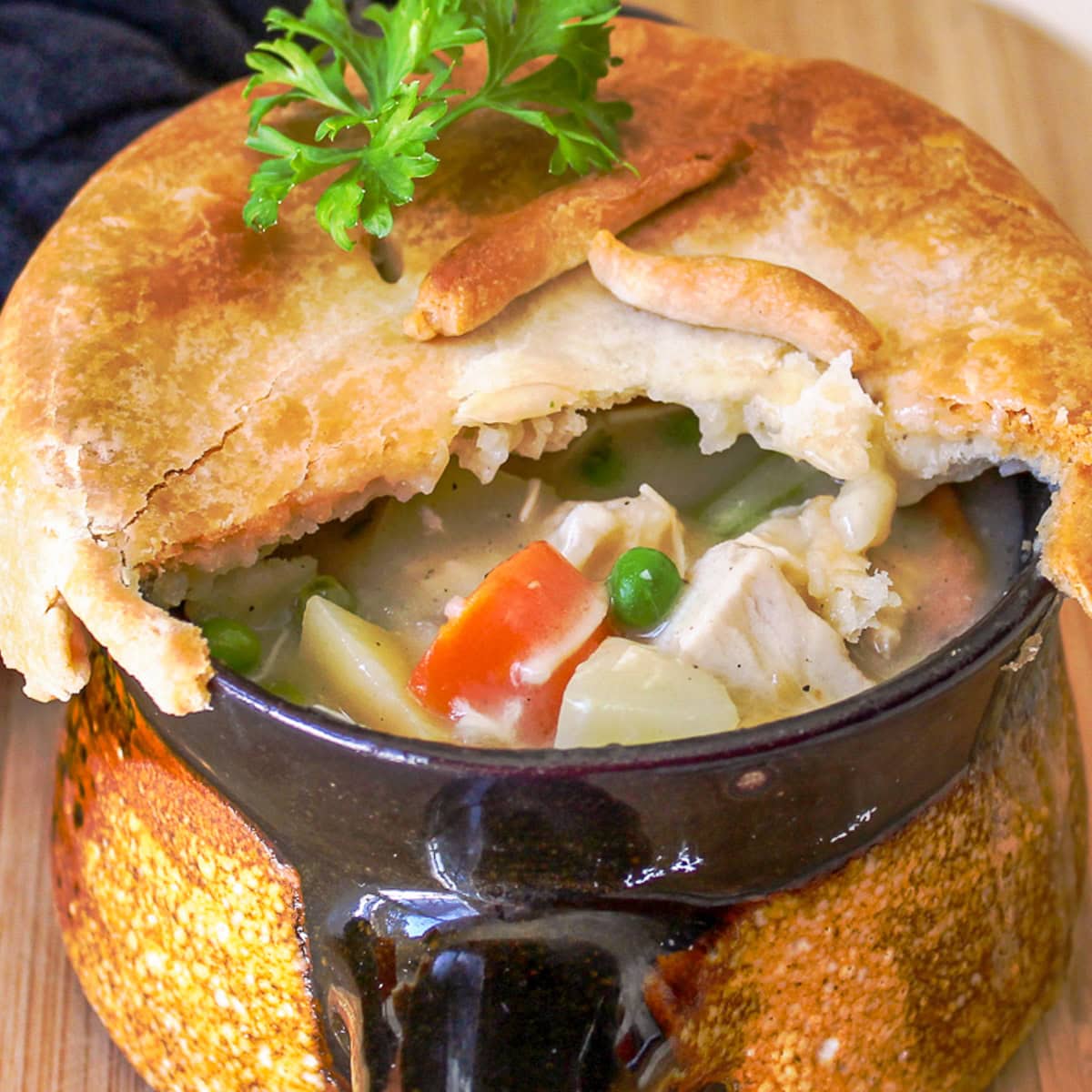
chicken pot pie recipe

Chicken Pot Pie Recipe

Golden, flaky pastry and a creamy chicken filling make chicken pot pie a comforting meal for any day of the week. This straightforward version uses cooked chicken and ready-rolled puff pastry, so it’s easy to prepare without compromising on flavour. Serve it hot with greens or a crisp salad.

Serves: 4–6

Preparation time: 20 minutes

Cooking time: 35 minutes

Ingredients

  • 1 tablespoon olive oil or butter
  • 1 onion, finely chopped
  • 2 carrots, diced
  • 150g mushrooms, sliced (optional)
  • 2 tablespoons plain flour
  • 400ml chicken stock
  • 150ml milk
  • 1 teaspoon Dijon mustard
  • ½ teaspoon dried thyme
  • 300g cooked chicken, shredded or chopped
  • 100g frozen peas
  • Salt and freshly ground black pepper
  • 1 sheet ready-rolled puff pastry, about 320g
  • 1 egg, beaten, for glazing

Method

  1. Heat the oil or butter in a large saucepan over a medium heat. Add the onion and carrots and cook for 5 minutes, stirring occasionally. If using mushrooms, add them and cook for a further 3 minutes.
  2. Stir in the flour and cook for 1 minute. Gradually pour in the stock, stirring all the time to prevent lumps. Add the milk, mustard and thyme, then simmer for 5–7 minutes until the sauce has thickened.
  3. Stir in the cooked chicken and peas. Season with salt and pepper, then remove the pan from the heat. Leave the filling to cool slightly while you prepare the pastry.
  4. Heat the oven to 200°C (180°C fan, Gas Mark 6). Spoon the filling into a medium ovenproof pie dish.
  5. Lay the pastry over the dish. Trim away any excess and press the edges gently to seal. Cut a small slit in the centre to let steam escape. Brush the top with beaten egg.
  6. Bake for 25–30 minutes, until the pastry is puffed and deep golden and the filling is piping hot. Leave to stand for 5 minutes before serving.

Tips for a Great Chicken Pot Pie

Make sure the filling has cooled a little before adding the pastry; this helps it stay crisp. For extra flavour, use leftover roast chicken and add a handful of chopped parsley. You can also swap the peas for sweetcorn or include diced celery with the onion and carrots.

To prepare the pie ahead, make the filling and refrigerate it for up to a day. Add the pastry just before baking. Leftovers can be stored in the fridge for up to 2 days and reheated thoroughly until piping hot.


Essential FAQs for Perfecting Your Chicken Pot Pie Recipe

  1. What ingredients do I need to make chicken pot pie?
  2. How do I make chicken pot pie from scratch?
  3. Can I use cooked or leftover chicken in chicken pot pie?
  4. What pastry is best for chicken pot pie?
  5. How do I stop the bottom of the pastry from going soggy?
  6. How long should I bake chicken pot pie, and at what temperature?
  7. Can I make chicken pot pie ahead of time?
  8. Can chicken pot pie be frozen, and how should I reheat it?
  9. What can I serve with chicken pot pie?

What ingredients do I need to make chicken pot pie?

To make chicken pot pie, you’ll need cooked chicken, puff pastry, onion, carrots, chicken stock, milk, plain flour, butter or olive oil, and seasonings such as salt, black pepper and thyme. Peas add a touch of sweetness, while mushrooms and Dijon mustard are optional extras for extra flavour. A beaten egg is useful for brushing over the pastry before baking, giving it a golden finish.

How do I make chicken pot pie from scratch?

To make chicken pot pie from scratch, cook diced onion, carrots and any other vegetables you like in a little butter or oil, then stir in flour and gradually add chicken stock and milk to create a creamy sauce. Add cooked chicken, peas and herbs, season to taste, and spoon the filling into a pie dish. Cover with homemade shortcrust or puff pastry, seal the edges, cut a small slit in the top and brush with beaten egg. Bake at 200°C (180°C fan) until the pastry is golden and the filling is piping hot, usually around 25–35 minutes.

Can I use cooked or leftover chicken in chicken pot pie?

Yes, cooked or leftover chicken works perfectly in chicken pot pie. Shred or chop it into bite-sized pieces, then stir it into the sauce with the vegetables just before assembling the pie. As the chicken is already cooked, there’s no need to simmer it for long—just make sure the filling is piping hot before baking. Leftover roast chicken is especially tasty, and it’s a handy way to make use of leftovers.

What pastry is best for chicken pot pie?

Puff pastry is a popular choice for chicken pot pie because it bakes into a light, crisp, golden topping with minimal effort. Shortcrust pastry is another good option, especially if you prefer a sturdier, more traditional crust; use it for the lid or to line the dish. Whichever you choose, add the pastry once the filling has cooled slightly to help prevent a soggy base.

How do I stop the bottom of the pastry from going soggy?

To help keep the bottom pastry crisp, let the filling cool before assembling the pie, as hot filling creates steam that can make the pastry soggy. Make sure the sauce is thick rather than runny, and avoid overfilling the dish. For extra insurance, preheat a sturdy baking tray in the oven and place the pie dish on it; the direct heat helps cook the base. You can also blind-bake a pastry base for 10–15 minutes before adding the filling, especially if you’re making a deep pie.

How long should I bake chicken pot pie, and at what temperature?

Bake chicken pot pie in a preheated oven at 200°C (180°C fan, Gas Mark 6) for about 25–30 minutes, or until the pastry is puffed and golden and the filling is piping hot. If the filling is cold or the pie is particularly deep, it may need a little longer; cover the pastry loosely with foil if it begins to brown too quickly. Allow the pie to stand for a few minutes before serving.

Can I make chicken pot pie ahead of time?

Yes, you can prepare chicken pot pie ahead of time. Make the filling, let it cool completely, then cover and refrigerate it for up to 24 hours. For the best, crispest pastry, add it just before baking. If you assemble the whole pie in advance, keep it covered in the fridge and bake it within a day; it may need a few extra minutes in the oven. Ensure the filling is piping hot before serving.

Can chicken pot pie be frozen, and how should I reheat it?

Yes, chicken pot pie can be frozen, either baked or unbaked. For the best pastry, freeze the unbaked pie well wrapped for up to 2–3 months, then thaw it overnight in the fridge before baking until golden and piping hot throughout. To freeze a baked pie, cool it completely, wrap it tightly and freeze; thaw in the fridge, then reheat in an oven at 180°C (160°C fan, Gas Mark 4) until piping hot in the centre. Cover loosely with foil if the pastry browns too quickly, and reheat leftovers only once.

What can I serve with chicken pot pie?

Chicken pot pie is rich and comforting, so it pairs well with simple, fresh sides. Try steamed green beans, peas, broccoli or roasted seasonal vegetables, or serve it with a crisp green salad dressed with a light vinaigrette. If you’d like something heartier, buttery mashed potatoes work well, though the pastry and creamy filling may be filling enough on their own.
Elevate Your Weekend with Creative Brunch Ideas

Brunch Ideas

Delicious Brunch Ideas to Elevate Your Weekend

Brunch is the perfect combination of breakfast and lunch, offering a leisurely meal that allows you to start your day a little later. If you’re looking to impress your guests or simply treat yourself to a special weekend meal, here are some creative brunch ideas to inspire your next culinary adventure:

Avocado Toast with Poached Eggs

Upgrade the classic avocado toast by topping it with perfectly poached eggs. The creamy avocado paired with the runny yolk creates a heavenly combination that is both nutritious and delicious.

Smoked Salmon Bagels

Indulge in the luxurious flavours of smoked salmon on a fresh bagel. Add some cream cheese, capers, and red onion for a sophisticated twist that will make your brunch feel like a fancy affair.

Banana Pancakes with Maple Syrup

Satisfy your sweet tooth with fluffy banana pancakes drizzled with warm maple syrup. This comforting dish is sure to be a hit with both kids and adults alike.

Shakshuka

Spice up your brunch with a hearty shakshuka – eggs poached in a flavourful tomato and pepper sauce. Serve it with crusty bread for dipping and enjoy the rich and aromatic flavours of this Middle Eastern dish.

Fruit Parfait

Create a vibrant fruit parfait by layering Greek yogurt with fresh berries, granola, and honey. This light and refreshing option is perfect for those who prefer a healthier brunch choice.

Whether you prefer savoury or sweet dishes, these brunch ideas are sure to add flair to your weekend gatherings or solo indulgences. Experiment with different ingredients and flavours to create a memorable brunch experience that will leave you feeling satisfied and content.


Top 5 Brunch Ideas: From Traditional English Breakfasts to Luxurious Treats

  1. Try a traditional English breakfast with bacon, eggs, sausages, baked beans, mushrooms, and toast.
  2. Experiment with different types of pancakes like fluffy American pancakes or thin French crepes.
  3. Include some fresh fruit salad or smoothies for a healthy and refreshing option.
  4. Consider serving smoked salmon with cream cheese on bagels for a luxurious brunch treat.
  5. Don’t forget to offer a selection of hot drinks like tea and coffee to accompany your brunch spread.

Try a traditional English breakfast with bacon, eggs, sausages, baked beans, mushrooms, and toast.

Indulge in the comforting and hearty flavours of a traditional English breakfast for your next brunch. Savor the crispy bacon, perfectly cooked eggs, succulent sausages, flavourful baked beans, earthy mushrooms, and golden toast that make up this iconic meal. This classic combination of savoury elements promises to satisfy your taste buds and provide a wholesome start to your day. Embrace the rich culinary heritage of England with this timeless brunch idea that is sure to delight both guests and family members alike.

Experiment with different types of pancakes like fluffy American pancakes or thin French crepes.

When planning your brunch menu, consider adding a touch of variety by experimenting with different types of pancakes. From the fluffy and indulgent American pancakes to the delicate and thin French crepes, each style offers a unique texture and flavour profile that can elevate your brunch experience. Whether you prefer a stack of thick, syrup-drenched pancakes or a plate of elegant, filled crepes, incorporating these diverse pancake options will add a delightful twist to your morning meal.

Include some fresh fruit salad or smoothies for a healthy and refreshing option.

For a healthy and refreshing addition to your brunch spread, consider including some fresh fruit salad or smoothies. A colourful fruit salad bursting with a variety of seasonal fruits not only adds a vibrant touch to your meal but also provides a nutritious option that is rich in vitamins and antioxidants. Alternatively, whip up some delicious smoothies using a blend of fresh fruits, yogurt, and a splash of juice for a cooling and invigorating beverage that complements the other brunch dishes perfectly. Incorporating these fruity delights into your brunch menu will not only enhance the overall dining experience but also contribute to a balanced and wholesome meal.

Consider serving smoked salmon with cream cheese on bagels for a luxurious brunch treat.

Elevate your brunch experience with a touch of luxury by serving smoked salmon with cream cheese on fresh bagels. This decadent combination offers a sophisticated twist to your meal, combining the rich, silky texture of smoked salmon with the creamy indulgence of cream cheese. The pairing of these flavours on a toasted bagel creates a mouth-watering treat that is perfect for special occasions or simply when you want to add a touch of elegance to your weekend brunch.

Don’t forget to offer a selection of hot drinks like tea and coffee to accompany your brunch spread.

When planning your brunch spread, remember to complement your dishes with a selection of hot drinks such as tea and coffee. The warmth and aroma of a freshly brewed cup can enhance the overall dining experience, providing a comforting accompaniment to your delicious brunch creations. Whether it’s a robust coffee to kick-start your day or a soothing cup of tea to unwind, offering a variety of hot beverages ensures that your guests can sip and savour alongside their meal, adding an extra touch of hospitality to the gathering.

Savouring the World of Meatballs: A Culinary Journey Across Cultures

meatballs

The Delicious World of Meatballs

Meatballs are a beloved dish enjoyed in various cuisines around the world. These flavourful spheres of ground meat, mixed with herbs, spices, and other ingredients, offer a comforting and satisfying dining experience.

History and Origins

The exact origins of meatballs are debated, with different cultures claiming to have invented this versatile dish. From Italian “polpette” to Swedish “köttbullar” and Turkish “köfte,” meatballs have been a staple in many culinary traditions for centuries.

Ingredients and Variations

While the base of meatballs is typically ground meat (such as beef, pork, lamb, or chicken), the variations are endless. Vegetarian options using lentils or mushrooms have also gained popularity. Herbs like parsley, oregano, and basil add depth of flavour, while breadcrumbs or rice can help bind the mixture together.

Preparation and Serving

Meatballs can be fried, baked, or simmered in sauce depending on the recipe. They are often served with pasta, mashed potatoes, or as part of a sandwich. In some cultures, they are enjoyed on their own as a tapas-style dish.

Global Influence

Meatballs have transcended borders and have been adapted to suit local tastes worldwide. Whether served in a rich tomato sauce in Italy or skewered on bamboo sticks in Asia, the versatility of meatballs makes them a favourite among food enthusiasts everywhere.

Conclusion

Whether you prefer them spicy or mild, bite-sized or jumbo, meatballs offer a culinary experience that is both comforting and exciting. With endless possibilities for creativity and adaptation, these savoury spheres continue to captivate taste buds across the globe.


Everything You Need to Know About Meatballs: Ingredients, Cooking Tips, Sauces, and More

  1. What are meatballs made of?
  2. How do you cook meatballs?
  3. What sauces go well with meatballs?
  4. Are meatballs healthy?
  5. Can you freeze meatballs?
  6. What sides can I serve with meatballs?
  7. Are there vegetarian options for meatballs?
  8. What is the origin of meatballs?

What are meatballs made of?

Meatballs are typically made of ground meat, such as beef, pork, lamb, or chicken, combined with a variety of ingredients to enhance flavour and texture. Common additions include breadcrumbs or rice as binders, along with herbs like parsley, oregano, and basil for added depth of taste. Different culinary traditions may incorporate unique spices and seasonings to create their own distinct versions of meatballs. Vegetarian alternatives also exist, using ingredients like lentils or mushrooms as a substitute for the meat component. The versatility in ingredients allows for a wide range of meatball variations to cater to different preferences and dietary requirements.

How do you cook meatballs?

Cooking meatballs is a straightforward process that can be done using various methods. To cook meatballs, start by shaping the seasoned mixture into evenly sized balls. You can then choose to bake them in the oven, fry them in a pan, or simmer them in a sauce on the stovetop. Baking meatballs is a healthier option that results in a juicy interior and crispy exterior, while frying gives them a golden brown crust. Simmering meatballs in sauce allows them to absorb the flavours of the liquid they are cooked in. Whichever method you choose, ensure that the meatballs are cooked through and reach an internal temperature of 165°F (74°C) to guarantee they are safe to eat.

What sauces go well with meatballs?

When it comes to pairing sauces with meatballs, the options are plentiful and diverse. Classic choices like marinara sauce, a rich tomato-based sauce often associated with Italian cuisine, complement the savoury flavours of meatballs beautifully. For those seeking a creamier option, bechamel or Alfredo sauce can add a luxurious touch to the dish. Barbecue sauce offers a tangy and smoky twist, while sweet and sour sauce provides a delightful contrast of flavours. Ultimately, the best sauce for meatballs depends on personal preference and desired flavour profile, allowing for endless experimentation and culinary creativity.

Are meatballs healthy?

When it comes to the question of whether meatballs are healthy, the answer largely depends on how they are prepared and consumed. While meatballs can be a good source of protein, vitamins, and minerals, their healthiness can be influenced by factors such as the type of meat used (lean vs. fatty), portion size, cooking method (baked vs. fried), and accompanying ingredients. Opting for lean meats, incorporating whole grains or vegetables into the mixture, and avoiding excessive amounts of added fats or sodium can contribute to a healthier meatball option. Ultimately, moderation and mindful choices play a key role in determining the healthfulness of enjoying meatballs as part of a balanced diet.

Can you freeze meatballs?

Yes, you can freeze meatballs for future use. Freezing meatballs is a convenient way to extend their shelf life and have a quick meal option on hand. To freeze meatballs, ensure they are fully cooked and cooled before placing them in an airtight container or freezer bag. Properly stored, frozen meatballs can last for up to 3-4 months without compromising their taste or texture. When ready to enjoy, simply thaw the meatballs in the refrigerator overnight or reheat them directly from frozen in a sauce or oven. This simple freezing method allows you to enjoy homemade meatballs at your convenience.

What sides can I serve with meatballs?

When it comes to serving meatballs, the options for delicious sides are plentiful. Classic choices include creamy mashed potatoes, al dente pasta with marinara sauce, or a crisp green salad with a tangy vinaigrette. For a heartier meal, consider pairing meatballs with roasted vegetables like carrots and Brussels sprouts or a fragrant pilaf of rice or couscous. The versatility of meatballs allows them to be complemented by a wide range of sides, ensuring a satisfying and well-rounded dining experience for all tastes.

Are there vegetarian options for meatballs?

For those seeking vegetarian alternatives, there are indeed various options available for meatballs that do not include meat. Vegetarian meatballs can be crafted using ingredients such as lentils, mushrooms, chickpeas, or tofu as the base instead of traditional ground meat. These plant-based alternatives are often flavoured with herbs and spices to mimic the taste and texture of traditional meatballs, offering a delicious and satisfying option for vegetarians and those looking to reduce their meat consumption. Whether served in a tomato sauce, on pasta, or in a sandwich, vegetarian meatballs provide a versatile and flavoursome twist on this classic dish.

What is the origin of meatballs?

The origin of meatballs is a topic that sparks lively debate among food historians and enthusiasts. While it is challenging to pinpoint the exact birthplace of this beloved dish, various cultures claim ownership of its creation. Italian “polpette,” Swedish “köttbullar,” and Turkish “köfte” are just a few examples of meatball variations that have deep roots in their respective culinary traditions. Whether shaped by hand or crafted with unique seasonings, meatballs continue to be a global favourite, showcasing the diverse and rich history of this versatile comfort food.

Savour the Flavours: Exploring the Delightful World of Spaghetti Bolognese

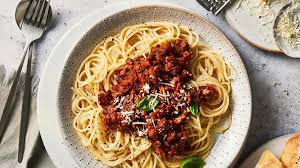
spaghetti bolognese

The Classic Comfort Food: Spaghetti Bolognese

Spaghetti Bolognese, a timeless Italian dish, has captured the hearts and taste buds of food enthusiasts around the world. This hearty and flavourful meal combines al dente spaghetti with a rich, meaty Bolognese sauce that is simmered to perfection.

The origins of Spaghetti Bolognese can be traced back to the city of Bologna in Italy, where it is known as “Ragù alla Bolognese.” The traditional recipe calls for a slow-cooked sauce made with minced meat, tomatoes, onions, carrots, celery, and a hint of red wine. The result is a luscious and savoury sauce that coats each strand of pasta with deliciousness.

One of the beauties of Spaghetti Bolognese is its versatility. While the classic version remains a favourite among purists, many variations exist to suit different tastes and dietary preferences. Vegetarians can enjoy a meat-free version using lentils or mushrooms as a substitute for the minced meat.

Whether enjoyed at a family dinner table or savoured in a cosy Italian trattoria, Spaghetti Bolognese never fails to evoke feelings of comfort and satisfaction. Its simple yet robust flavours make it a go-to meal for busy weeknights or leisurely weekend gatherings.

So next time you’re craving a comforting bowl of pasta, why not whip up a batch of Spaghetti Bolognese? With its delicious blend of textures and tastes, this classic dish is sure to warm your soul and leave you longing for more.


9 Essential Tips for Perfecting Your Spaghetti Bolognese

  1. Use high-quality minced beef for better flavour and texture.
  2. Cook the spaghetti until al dente for the best texture.
  3. Add a splash of red wine to enhance the depth of flavour in the sauce.
  4. Incorporate finely chopped vegetables like carrots and celery for added nutrition.
  5. Simmer the bolognese sauce slowly to allow the flavours to develop fully.
  6. Grate fresh Parmesan cheese on top before serving for extra richness.
  7. Consider using a mix of beef and pork mince for a more complex taste.
  8. Season generously with salt, pepper, and herbs like oregano and basil.
  9. Leftover bolognese can be frozen and used later for quick meals.

Use high-quality minced beef for better flavour and texture.

When preparing Spaghetti Bolognese, it is essential to use high-quality minced beef to enhance the dish’s flavour and texture. Opting for premium-grade beef ensures a richer and more succulent sauce, as the meat’s quality significantly impacts the overall taste of the dish. The superior marbling and freshness of high-quality minced beef not only elevate the Bolognese sauce but also contribute to a more satisfying dining experience, making each bite a delightful treat for the palate.

Cook the spaghetti until al dente for the best texture.

To achieve the perfect texture in your Spaghetti Bolognese, it is essential to cook the spaghetti until al dente. This Italian term, meaning “to the tooth,” refers to pasta that is cooked just enough to retain a firm bite and slight resistance when chewed. Cooking the spaghetti to al dente ensures that it complements the rich Bolognese sauce harmoniously, creating a satisfying contrast in textures that elevates the overall dining experience. Mastering this cooking technique is key to unlocking the full potential of your Spaghetti Bolognese and delighting your taste buds with every forkful.

Add a splash of red wine to enhance the depth of flavour in the sauce.

To elevate the richness of your Spaghetti Bolognese sauce, consider incorporating a splash of red wine into the mix. This simple tip can work wonders in enhancing the depth of flavour, adding a subtle complexity that complements the meaty and aromatic components of the dish. The red wine not only infuses a hint of acidity but also brings out the savoury notes, creating a more well-rounded and satisfying culinary experience for your taste buds.

Incorporate finely chopped vegetables like carrots and celery for added nutrition.

To enhance the nutritional value of your spaghetti bolognese, consider incorporating finely chopped vegetables such as carrots and celery into your sauce. These additions not only bring a delightful crunch to each bite but also introduce a wealth of vitamins and minerals to the dish. Carrots provide a natural sweetness and vibrant colour, while celery lends a refreshing note, creating a well-rounded flavour profile that complements the richness of the meat sauce. By including these wholesome ingredients, you can elevate the health benefits of your meal without compromising on taste.

Simmer the bolognese sauce slowly to allow the flavours to develop fully.

To enhance the depth of flavour in your Spaghetti Bolognese, it is crucial to simmer the bolognese sauce slowly. This cooking technique allows the ingredients to meld together harmoniously, unlocking a rich and complex taste profile. By giving the sauce ample time to simmer gently, you give each component the opportunity to release its full potential, resulting in a truly delectable dining experience. Embrace patience in the kitchen and let the magic of slow simmering elevate your Spaghetti Bolognese to new heights of culinary delight.

Grate fresh Parmesan cheese on top before serving for extra richness.

Enhance the indulgence of your Spaghetti Bolognese by generously grating fresh Parmesan cheese over the dish just before serving. The addition of this savoury and nutty cheese not only adds a touch of luxury but also brings a delightful richness to each bite. The creamy texture and bold flavour of Parmesan perfectly complement the hearty Bolognese sauce, elevating the overall dining experience to a whole new level of culinary delight.

Consider using a mix of beef and pork mince for a more complex taste.

For a more nuanced flavour profile in your Spaghetti Bolognese, it is recommended to use a combination of beef and pork mince. By blending these two types of meat, you can elevate the dish with a richer and more complex taste. The beef adds depth and savouriness, while the pork contributes a touch of sweetness and tenderness to the sauce. This harmonious mix creates a delightful balance that enhances the overall dining experience, making each bite of spaghetti even more satisfying and delicious.

Season generously with salt, pepper, and herbs like oregano and basil.

To enhance the flavours of your Spaghetti Bolognese, it is recommended to season generously with salt, pepper, and aromatic herbs such as oregano and basil. These ingredients not only add depth and complexity to the dish but also infuse it with a delightful fragrance that will tantalise your senses. The combination of savoury salt, zesty pepper, and earthy herbs creates a harmonious balance that elevates the overall taste of the Bolognese sauce, making each bite a truly satisfying experience.

Leftover bolognese can be frozen and used later for quick meals.

Leftover Bolognese sauce is a handy kitchen secret that can save time and effort on busy days. By freezing the extra sauce, you can easily whip up a delicious meal in no time whenever hunger strikes. Simply defrost the frozen Bolognese and serve it over freshly cooked spaghetti for a quick and satisfying dinner option. This tip not only helps reduce food waste but also ensures that you always have a comforting meal ready to enjoy at a moment’s notice.