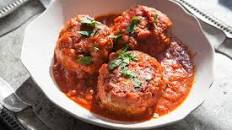
Savouring the Exquisite Flavours of Armenian Meals
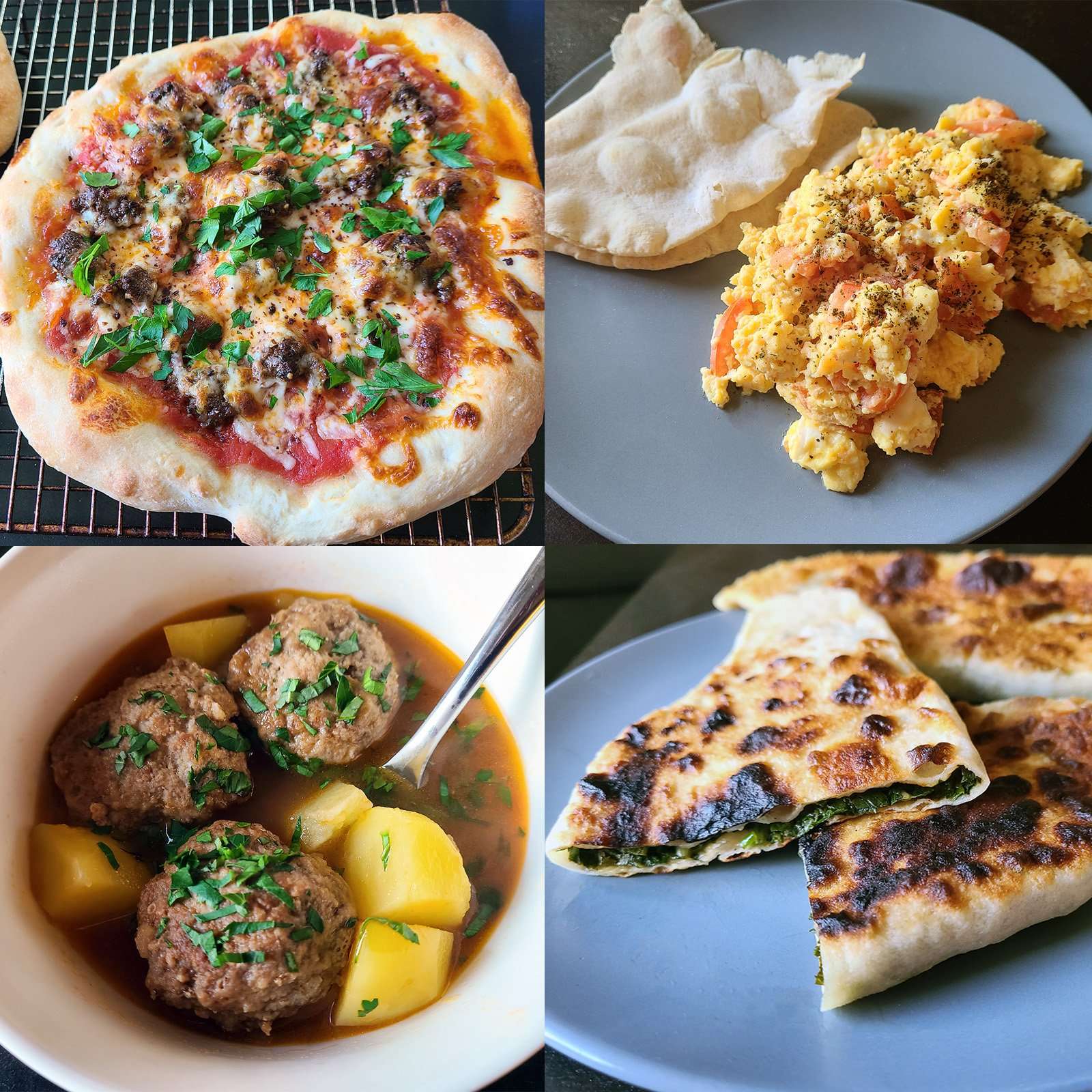
armenian meals

The Delightful Flavours of Armenian Meals

Armenian cuisine is a vibrant tapestry of flavours, reflecting the rich history and cultural influences of this ancient land. From hearty stews to delicate pastries, Armenian meals are a celebration of fresh ingredients and time-honoured recipes.

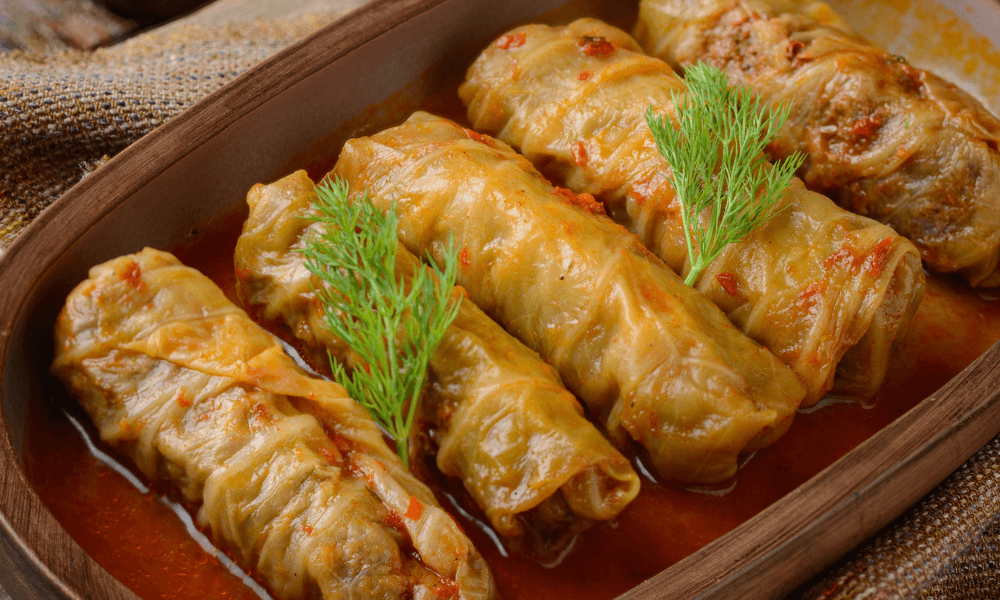
One iconic dish that embodies the essence of Armenian cooking is dolma. Grape leaves stuffed with a tantalising mixture of rice, minced meat, and aromatic herbs, dolma is a true culinary masterpiece. Served with a dollop of creamy yogurt, this dish is a symphony of textures and tastes.

Another beloved favourite is khorovats, the traditional Armenian barbecue. Skewers of marinated meat sizzle over open flames, infusing the air with mouth-watering aromas. Whether it’s succulent lamb or juicy chicken, khorovats is a must-try for any food enthusiast.

No Armenian meal is complete without lavash, the soft and thin flatbread that accompanies every dish. Baked in clay ovens called tonirs, lavash has a delicate texture and subtle flavour that perfectly complements the bold spices and robust flavours of Armenian cuisine.

To satisfy your sweet tooth, indulge in pakhlava, the decadent Armenian version of baklava. Layers of flaky pastry are filled with chopped nuts and drenched in fragrant honey syrup, creating a dessert that is both indulgent and irresistible.

Whether you’re exploring bustling markets in Yerevan or dining in a cosy village tavern, Armenian meals offer a sensory journey like no other. Each bite tells a story of tradition, craftsmanship, and above all, hospitality – because in Armenia, sharing a meal is sharing a piece of heart.


Exploring the Richness of Armenian Cuisine: 7 Reasons to Savour Its Flavours and Traditions

  1. Rich in flavour and aroma, reflecting a blend of cultural influences
  2. Utilizes fresh and wholesome ingredients like herbs, vegetables, and meats
  3. Offers a wide variety of vegetarian and vegan options for diverse dietary preferences
  4. Incorporates traditional cooking methods such as clay oven baking for authentic taste
  5. Includes iconic dishes like dolma and khorovats that are beloved worldwide
  6. Accompanied by lavash, a versatile flatbread perfect for dipping or wrapping
  7. Features indulgent desserts like pakhlava that satisfy any sweet craving


Considerations When Exploring Armenian Cuisine: Balancing Tradition with Modern Dietary Needs

  1. Some traditional Armenian dishes can be high in calories and fat, which may not align with certain dietary preferences.
  2. Armenian meals often involve lengthy preparation times, making them less convenient for those with busy schedules.
  3. Certain Armenian dishes may contain ingredients that are uncommon or difficult to find outside of Armenia, limiting accessibility for home cooks.
  4. The strong flavours and spices used in Armenian cuisine may not appeal to individuals who prefer milder tastes.
  5. For those with specific dietary restrictions or allergies, navigating the varied ingredients in Armenian meals can pose a challenge.

Rich in flavour and aroma, reflecting a blend of cultural influences

Armenian meals are a culinary delight, renowned for being rich in flavour and aroma. Each dish is a testament to the diverse cultural influences that have shaped Armenian cuisine over centuries. From the aromatic spices of the Middle East to the hearty ingredients of Eastern Europe, Armenian meals offer a harmonious blend of tastes that captivate the senses and tell a story of tradition and innovation. The vibrant flavours and tantalising scents that emanate from Armenian dishes truly showcase the country’s unique culinary heritage and its ability to bring people together through food.

Utilizes fresh and wholesome ingredients like herbs, vegetables, and meats

Armenian meals stand out for their use of fresh and wholesome ingredients, such as fragrant herbs, vibrant vegetables, and high-quality meats. By prioritising the use of locally sourced produce, Armenian cuisine not only ensures a burst of flavour in every bite but also promotes a healthy and balanced diet. The emphasis on fresh ingredients not only enhances the taste of the dishes but also reflects the commitment to quality and authenticity that defines Armenian culinary traditions.

Offers a wide variety of vegetarian and vegan options for diverse dietary preferences

Armenian meals stand out for their inclusivity, offering a diverse array of vegetarian and vegan options that cater to a wide range of dietary preferences. From hearty bean stews to flavourful lentil dishes, Armenian cuisine embraces plant-based ingredients with creativity and flair. Whether you’re a committed vegan or simply looking to explore meat-free alternatives, Armenian meals provide a delicious and satisfying experience that celebrates the abundance of fresh produce and wholesome flavours.

Incorporates traditional cooking methods such as clay oven baking for authentic taste

Armenian meals stand out for their authenticity by incorporating traditional cooking methods such as clay oven baking. This age-old technique infuses dishes with a unique and unmistakable flavour that captures the essence of Armenian cuisine. The use of clay ovens not only imparts a rich, smoky aroma to the food but also ensures even cooking and retention of natural juices, resulting in dishes that are tender, succulent, and bursting with traditional taste. Embracing these time-honoured practices adds a layer of cultural significance to Armenian meals, making each bite a nostalgic journey back to the roots of this culinary heritage.

Includes iconic dishes like dolma and khorovats that are beloved worldwide

Armenian meals boast a notable pro by encompassing iconic dishes such as dolma and khorovats, which have garnered adoration and recognition on a global scale. Dolma, with its delectable blend of grape leaves, rice, minced meat, and herbs, represents a culinary masterpiece that captivates palates worldwide. Similarly, khorovats, the traditional Armenian barbecue featuring skewers of marinated meat cooked to perfection over open flames, has become a beloved favourite among food enthusiasts everywhere. These renowned dishes not only showcase the rich flavours of Armenia but also serve as ambassadors of its gastronomic excellence across borders.

Accompanied by lavash, a versatile flatbread perfect for dipping or wrapping

Accompanied by lavash, a versatile flatbread perfect for dipping or wrapping, Armenian meals offer a unique dining experience that engages all the senses. The soft and thin texture of lavash serves as the ideal vessel for scooping up rich stews, savouring grilled meats, or simply enjoying on its own. Its subtle flavour enhances the taste of every dish it accompanies, adding an extra layer of authenticity to the culinary journey through Armenia’s vibrant gastronomy. Lavash embodies the spirit of communal eating, inviting diners to tear and share this traditional bread while savouring the diverse flavours of Armenian cuisine.

Features indulgent desserts like pakhlava that satisfy any sweet craving

Armenian cuisine boasts a delightful array of indulgent desserts, with pakhlava standing out as a true gem that never fails to satisfy any sweet craving. This rich and decadent treat features layers of flaky pastry filled with chopped nuts and generously soaked in fragrant honey syrup. Each bite of pakhlava offers a perfect balance of textures and flavours, making it a beloved dessert choice for those with a penchant for sweetness. Whether enjoyed alongside a cup of strong Armenian coffee or as a standalone delight, pakhlava epitomises the exquisite craftsmanship and culinary richness of Armenian sweets.

Some traditional Armenian dishes can be high in calories and fat, which may not align with certain dietary preferences.

While traditional Armenian dishes are known for their rich and indulgent flavours, it is important to note that some of these culinary delights can be high in calories and fat. For individuals with specific dietary preferences or health concerns, the richness of certain Armenian meals may not align with their nutritional goals. It is advisable to enjoy these dishes in moderation or explore lighter alternatives to fully appreciate the diverse and delicious offerings of Armenian cuisine without compromising personal dietary choices.

Armenian meals often involve lengthy preparation times, making them less convenient for those with busy schedules.

Armenian meals, while rich in flavour and tradition, often require extensive preparation that may not align with the fast-paced lifestyles of individuals with busy schedules. From marinating meats to slow-cooking stews, the intricate processes involved in crafting authentic Armenian dishes demand time and patience. This aspect can pose a challenge for those seeking quick and convenient meal options. However, for those willing to invest the time and effort, the reward of savouring a homemade Armenian feast is truly unparalleled in its depth of taste and cultural significance.

Certain Armenian dishes may contain ingredients that are uncommon or difficult to find outside of Armenia, limiting accessibility for home cooks.

For those outside of Armenia, one challenge when preparing Armenian meals lies in sourcing certain ingredients that are unique to Armenian cuisine. From specialty herbs to regional spices, these elements can be uncommon or hard to find in local markets, limiting accessibility for home cooks looking to recreate authentic Armenian dishes. This hurdle may require some creativity or substitutions to capture the true essence of Armenian flavours, making the culinary journey a bit more adventurous and rewarding for those eager to explore this vibrant cuisine beyond its borders.

The strong flavours and spices used in Armenian cuisine may not appeal to individuals who prefer milder tastes.

For those who prefer milder tastes, the bold flavours and spices characteristic of Armenian cuisine may pose a culinary challenge. The robust seasonings and intense aromatics that define Armenian dishes can be overpowering for palates accustomed to subtler flavours. While some may find the richness of Armenian meals invigorating, others may find it overwhelming. It’s important to note that the strong essence of spices like cumin, paprika, and garlic in Armenian cooking may not align with everyone’s taste preferences, making it necessary for individuals seeking a more delicate dining experience to approach Armenian cuisine with caution.

For those with specific dietary restrictions or allergies, navigating the varied ingredients in Armenian meals can pose a challenge.

For individuals with specific dietary restrictions or allergies, the diverse array of ingredients found in Armenian meals can present a significant challenge. From the use of nuts and dairy products to the presence of certain spices and grains, deciphering the contents of traditional Armenian dishes may require careful attention and communication with food preparers. While Armenian cuisine offers a rich tapestry of flavours and textures, those with dietary limitations may need to exercise caution and seek alternative options to fully enjoy the culinary delights of this vibrant culture.

Exploring the Rich Flavours of Armenian Cuisine

armenian food

The Delightful Flavours of Armenian Cuisine

Armenian cuisine is a true reflection of the country’s rich history, blending influences from various cultures and regions to create a unique culinary experience. From hearty stews to delicate pastries, Armenian food offers a diverse range of flavours that are sure to tantalise your taste buds.

Traditional Dishes

One of the most iconic Armenian dishes is lamb khorovats, a succulent grilled meat skewer marinated in a blend of herbs and spices. Another must-try is dolma, grape leaves stuffed with a mixture of rice, minced meat, and herbs, served with a dollop of tangy yogurt.

Bread and Pastries

No Armenian meal is complete without lavash, a thin and soft flatbread that pairs perfectly with dips like humus or muhammara. For those with a sweet tooth, indulging in flaky layers of baklava or creamy slices of napoleon cake is an absolute delight.

Beverages

To wash down these delectable dishes, Armenians often enjoy traditional beverages such astan, fermented yogurt drink, orArmenian coffee,a strong and aromatic brew served in small cups.

The Dining Experience

In Armenia, dining is not just about satisfying hunger; it’s a social affair that celebrates family, friendship, and hospitality. Sharing meals around a table laden with colourful dishes is a cherished tradition that embodies the warmth and generosity of Armenian culture.

Whether you’re exploring bustling markets for street food or savouring home-cooked meals in a local’s kitchen, Armenian cuisine promises an unforgettable gastronomic journey that will leave you craving for more.


Exploring the Rich Flavours and Cultural Heritage of Armenian Cuisine

  1. Rich in flavourful herbs and spices
  2. Offers a variety of vegetarian options like stuffed grape leaves
  3. Includes hearty meat dishes such as grilled lamb skewers
  4. Features delicious pastries like baklava and napoleon cake
  5. Incorporates traditional flatbreads like lavash
  6. Showcases unique dishes influenced by Middle Eastern and Mediterranean cuisines
  7. Provides a balance of sweet and savoury flavours in many dishes
  8. Reflects the cultural diversity and history of Armenia through its culinary traditions


Challenges with Armenian Cuisine: Caloric Content, Dietary Restrictions, Preparation Demands, and Ingredient Accessibility

  1. Some traditional Armenian dishes can be high in calories and fat, which may not align with certain dietary preferences.
  2. Armenian cuisine often includes meat as a central component, which may not be suitable for vegetarians or vegans.
  3. Certain Armenian dishes require intricate preparation methods and lengthy cooking times, making them less convenient for quick meals.
  4. Availability of authentic Armenian ingredients may be limited in some regions outside Armenia, affecting the ability to recreate traditional recipes.

Rich in flavourful herbs and spices

Armenian food is renowned for its exquisite taste, thanks to its abundance of flavourful herbs and spices. From aromatic blends like mint, parsley, and coriander to bold spices such as cumin, paprika, and sumac, Armenian cuisine tantalises the palate with a symphony of rich and diverse flavours. These herbs and spices not only enhance the taste of dishes but also add depth and complexity to each bite, making every meal a delightful culinary experience that showcases the artistry of Armenian cooking.

Offers a variety of vegetarian options like stuffed grape leaves

Armenian cuisine stands out for its diverse range of vegetarian options, exemplified by dishes like stuffed grape leaves, known as dolma. These delectable parcels are filled with a tantalising mixture of rice, herbs, and spices, offering a burst of flavour in every bite. The availability of such hearty and satisfying vegetarian dishes not only caters to those with dietary preferences but also showcases the culinary creativity and versatility of Armenian cooking.

Includes hearty meat dishes such as grilled lamb skewers

Armenian cuisine boasts a delightful array of hearty meat dishes, with grilled lamb skewers standing out as a prime example. The succulent marinated lamb, expertly grilled to perfection, offers a symphony of flavours that captivate the senses. Each tender bite reveals the meticulous blend of herbs and spices, showcasing the culinary expertise that defines Armenian cooking. Whether enjoyed as a standalone dish or paired with traditional accompaniments, such as lavash and fresh salads, these grilled lamb skewers exemplify the rich and savoury essence of Armenian gastronomy.

Features delicious pastries like baklava and napoleon cake

Armenian cuisine boasts a delightful array of pastries that are sure to captivate any dessert lover’s palate. From the flaky layers of baklava filled with nuts and honey to the creamy indulgence of Napoleon cake, these sweet treats showcase the exquisite craftsmanship and rich flavours that define Armenian baking traditions. Each bite offers a symphony of textures and tastes, making these pastries a true delight for those seeking a delectable and satisfying dessert experience.

Incorporates traditional flatbreads like lavash

Armenian cuisine boasts a unique pro by incorporating traditional flatbreads like lavash. This thin and soft flatbread, often referred to as the “soul of Armenia,” serves as a versatile staple that complements a wide array of dishes. Whether used as a wrap for grilled meats, a side to soak up rich stews, or simply enjoyed with dips and spreads, lavash adds a delightful texture and flavour to every meal. Its presence in Armenian food not only enhances the dining experience but also showcases the country’s deep-rooted culinary heritage and traditions.

Showcases unique dishes influenced by Middle Eastern and Mediterranean cuisines

Armenian cuisine shines brightly as it showcases a diverse array of unique dishes that bear the unmistakable influences of Middle Eastern and Mediterranean culinary traditions. The fusion of flavours and ingredients from these regions results in a tantalising blend that sets Armenian food apart. From aromatic spices to fresh herbs, and from hearty stews to delicate pastries, each dish tells a story of cultural exchange and culinary innovation, offering a truly unforgettable dining experience that captures the essence of Armenia’s rich gastronomic heritage.

Provides a balance of sweet and savoury flavours in many dishes

Armenian cuisine excels in providing a harmonious balance of sweet and savoury flavours within many of its dishes. This unique culinary trait adds depth and complexity to the dining experience, creating a delightful contrast that keeps taste buds intrigued. From succulent meat skewers marinated in aromatic spices to delicate pastries filled with honey or nuts, the fusion of sweet and savoury elements in Armenian food offers a truly satisfying and memorable gastronomic journey for all who indulge in its diverse flavours.

Reflects the cultural diversity and history of Armenia through its culinary traditions

Armenian food beautifully encapsulates the cultural diversity and rich history of Armenia through its culinary traditions. Each dish tells a story of centuries-old influences from various regions and cultures that have shaped Armenian cuisine into a vibrant tapestry of flavours. From the aromatic spices reminiscent of the Silk Road to the hearty stews passed down through generations, every bite offers a glimpse into the country’s past while celebrating its present-day fusion of tastes and techniques. This unique blend of heritage and innovation makes Armenian food not just a meal, but a journey through time and culture on a plate.

Some traditional Armenian dishes can be high in calories and fat, which may not align with certain dietary preferences.

While Armenian cuisine boasts a rich tapestry of flavours and textures, it is important to note that some traditional dishes can be high in calories and fat. For individuals with specific dietary preferences or restrictions, the indulgence in certain Armenian delicacies may pose a challenge. It is advisable to enjoy these dishes in moderation or seek out lighter alternatives to ensure a balanced and healthy eating regimen while still experiencing the delightful essence of Armenian food culture.

Armenian cuisine often includes meat as a central component, which may not be suitable for vegetarians or vegans.

Armenian cuisine’s heavy reliance on meat as a focal element can pose a challenge for vegetarians and vegans seeking plant-based options. The prominence of meat in traditional Armenian dishes may limit the variety and availability of suitable alternatives for those following a vegetarian or vegan diet. However, with evolving culinary trends and increasing awareness of dietary preferences, there are efforts to incorporate more plant-based options in Armenian cuisine to cater to a wider range of dietary requirements.

Certain Armenian dishes require intricate preparation methods and lengthy cooking times, making them less convenient for quick meals.

Certain Armenian dishes, with their intricate preparation methods and lengthy cooking times, may pose a challenge for those seeking quick and convenient meal options. The dedication and effort required to master these traditional recipes can be time-consuming, deterring individuals looking for swift culinary solutions. However, it is precisely this meticulous approach to cooking that imbues Armenian cuisine with its rich flavours and authenticity, making the indulgence in these dishes a rewarding experience worth the investment of time and effort.

Availability of authentic Armenian ingredients may be limited in some regions outside Armenia, affecting the ability to recreate traditional recipes.

The availability of authentic Armenian ingredients may pose a challenge in regions outside Armenia, impacting the ability to faithfully recreate traditional Armenian recipes. Certain key components, such as unique spices, herbs, or specific varieties of fruits and vegetables, may be scarce or difficult to find in local markets. This limitation can hinder the authenticity of dishes and alter their distinctive flavours, potentially diluting the essence of Armenian cuisine when prepared outside its native land. Nevertheless, with creativity and resourcefulness, alternative ingredients can be used to capture the essence of Armenian flavours and adapt recipes to suit local availability without compromising on the essence of this rich culinary heritage.

Savoury Delights: Exploring the Best Crock Pot Recipes for Your Kitchen

crock pot recipes

Crock Pot Recipes

The Magic of Crock Pot Recipes

Slow cooking has become a popular culinary trend, and crock pots are the unsung heroes of many kitchens. These versatile kitchen appliances allow you to create delicious and hearty meals with minimal effort. Whether you’re a busy professional, a parent on-the-go, or simply someone who enjoys good food, crock pot recipes are sure to impress.

Advantages of Crock Pot Cooking

One of the main advantages of using a crock pot is the convenience it offers. You can simply toss your ingredients into the pot in the morning, set it to cook on low heat, and return home to a mouth-watering aroma and a ready-to-eat meal in the evening.

Crock pot recipes are also great for batch cooking. You can prepare large quantities of food at once and store leftovers for future meals. This not only saves time but also reduces food waste.

Popular Crock Pot Recipes

From hearty stews and soups to tender meats and flavourful vegetarian dishes, the possibilities with crock pot recipes are endless. Some popular options include:

  • Beef stew with root vegetables
  • Chicken curry with coconut milk
  • Pulled pork sandwiches with BBQ sauce
  • Vegetarian chilli with beans and spices
  • Apple cinnamon oatmeal for breakfast

Tips for Successful Crock Pot Cooking

To ensure your crock pot meals turn out perfectly every time, consider these tips:

  • Cut ingredients into uniform sizes for even cooking.
  • Avoid lifting the lid during cooking to retain heat and moisture.
  • Add dairy products towards the end of cooking to prevent curdling.
  • Adjust seasoning before serving as flavours intensify during slow cooking.

Experiment with different ingredients, spices, and cooking times to customise your crock pot recipes to suit your taste preferences. With a little creativity and patience, you can create delicious meals that will delight your taste buds and simplify your meal preparation routine.


Top Questions About Crock Pot Cooking: Recipes, Efficiency, and Origins

  1. What’s the best things to cook in a slow cooker?
  2. What cooks better in a crock pot?
  3. Do crock pots use a lot of electricity?
  4. Why is it called a crock pot?
  5. What is the best thing to cook in a crockpot?

What’s the best things to cook in a slow cooker?

When it comes to utilising a slow cooker, the question of what dishes shine best in this versatile appliance frequently arises. The beauty of a slow cooker lies in its ability to transform simple ingredients into flavourful and tender creations. From hearty stews and succulent roasts to creamy soups and comforting casseroles, the best things to cook in a slow cooker are dishes that benefit from long, gentle cooking. Slow cookers excel at tenderising tough cuts of meat, infusing flavours into every bite, and creating rich, aromatic sauces. Whether you’re craving a warm bowl of chilli on a cold day or a melt-in-your-mouth beef stew for a family dinner, the slow cooker is your ally in crafting delicious meals with minimal effort.

What cooks better in a crock pot?

When it comes to what cooks better in a crock pot, the answer lies in the nature of slow cooking itself. Crock pots excel at tenderizing tough cuts of meat, such as beef brisket or pork shoulder, turning them into succulent and flavourful dishes. Additionally, dishes that benefit from long simmering times, like stews, soups, and chillis, shine in a crock pot as the flavours have time to meld and develop. Vegetarian options like bean-based dishes or vegetable curries also do well in a crock pot, allowing the ingredients to slowly infuse with spices for a delicious end result. Ultimately, the beauty of a crock pot lies in its ability to transform simple ingredients into hearty and comforting meals with minimal effort.

Do crock pots use a lot of electricity?

When considering the energy consumption of crock pots, commonly known as slow cookers, it’s important to note that they are designed to operate using low wattage over an extended period. While crock pots do use electricity, their energy usage is relatively efficient compared to other cooking appliances. The long, slow cooking process of a crock pot allows for gradual heat distribution and tenderising of ingredients without requiring constant monitoring or high power levels. Overall, the energy consumption of a crock pot is considered modest, making it a cost-effective and convenient option for preparing delicious meals with minimal impact on your electricity bill.

Why is it called a crock pot?

The term “crock pot” originated from the combination of “crock,” which refers to a ceramic or earthenware pot traditionally used for cooking, and “pot,” indicating its function as a cooking vessel. This name reflects the historical roots of slow cooking in pots made of durable materials like ceramic. Over time, the term “crock pot” has become synonymous with the electric slow cooker we use today, paying homage to its traditional cooking heritage while embracing modern convenience and innovation in the kitchen.

What is the best thing to cook in a crockpot?

When it comes to deciding the best thing to cook in a crockpot, the options are truly endless. Many people swear by classic comfort foods like hearty stews, tender roasts, and flavourful soups as ideal choices for slow cooking. These dishes benefit from the long, gentle cooking process that allows flavours to meld together beautifully. Additionally, dishes like pulled pork, chicken curry, and chilli are popular favourites that showcase the versatility of crockpot cooking. Ultimately, the best thing to cook in a crockpot is whatever suits your taste preferences and dietary needs, making it a convenient and versatile kitchen companion for creating delicious meals with minimal effort.

Savouring the World of Meatballs: A Culinary Journey Across Cultures

meatballs

The Delicious World of Meatballs

Meatballs are a beloved dish enjoyed in various cuisines around the world. These flavourful spheres of ground meat, mixed with herbs, spices, and other ingredients, offer a comforting and satisfying dining experience.

History and Origins

The exact origins of meatballs are debated, with different cultures claiming to have invented this versatile dish. From Italian “polpette” to Swedish “köttbullar” and Turkish “köfte,” meatballs have been a staple in many culinary traditions for centuries.

Ingredients and Variations

While the base of meatballs is typically ground meat (such as beef, pork, lamb, or chicken), the variations are endless. Vegetarian options using lentils or mushrooms have also gained popularity. Herbs like parsley, oregano, and basil add depth of flavour, while breadcrumbs or rice can help bind the mixture together.

Preparation and Serving

Meatballs can be fried, baked, or simmered in sauce depending on the recipe. They are often served with pasta, mashed potatoes, or as part of a sandwich. In some cultures, they are enjoyed on their own as a tapas-style dish.

Global Influence

Meatballs have transcended borders and have been adapted to suit local tastes worldwide. Whether served in a rich tomato sauce in Italy or skewered on bamboo sticks in Asia, the versatility of meatballs makes them a favourite among food enthusiasts everywhere.

Conclusion

Whether you prefer them spicy or mild, bite-sized or jumbo, meatballs offer a culinary experience that is both comforting and exciting. With endless possibilities for creativity and adaptation, these savoury spheres continue to captivate taste buds across the globe.


Everything You Need to Know About Meatballs: Ingredients, Cooking Tips, Sauces, and More

  1. What are meatballs made of?
  2. How do you cook meatballs?
  3. What sauces go well with meatballs?
  4. Are meatballs healthy?
  5. Can you freeze meatballs?
  6. What sides can I serve with meatballs?
  7. Are there vegetarian options for meatballs?
  8. What is the origin of meatballs?

What are meatballs made of?

Meatballs are typically made of ground meat, such as beef, pork, lamb, or chicken, combined with a variety of ingredients to enhance flavour and texture. Common additions include breadcrumbs or rice as binders, along with herbs like parsley, oregano, and basil for added depth of taste. Different culinary traditions may incorporate unique spices and seasonings to create their own distinct versions of meatballs. Vegetarian alternatives also exist, using ingredients like lentils or mushrooms as a substitute for the meat component. The versatility in ingredients allows for a wide range of meatball variations to cater to different preferences and dietary requirements.

How do you cook meatballs?

Cooking meatballs is a straightforward process that can be done using various methods. To cook meatballs, start by shaping the seasoned mixture into evenly sized balls. You can then choose to bake them in the oven, fry them in a pan, or simmer them in a sauce on the stovetop. Baking meatballs is a healthier option that results in a juicy interior and crispy exterior, while frying gives them a golden brown crust. Simmering meatballs in sauce allows them to absorb the flavours of the liquid they are cooked in. Whichever method you choose, ensure that the meatballs are cooked through and reach an internal temperature of 165°F (74°C) to guarantee they are safe to eat.

What sauces go well with meatballs?

When it comes to pairing sauces with meatballs, the options are plentiful and diverse. Classic choices like marinara sauce, a rich tomato-based sauce often associated with Italian cuisine, complement the savoury flavours of meatballs beautifully. For those seeking a creamier option, bechamel or Alfredo sauce can add a luxurious touch to the dish. Barbecue sauce offers a tangy and smoky twist, while sweet and sour sauce provides a delightful contrast of flavours. Ultimately, the best sauce for meatballs depends on personal preference and desired flavour profile, allowing for endless experimentation and culinary creativity.

Are meatballs healthy?

When it comes to the question of whether meatballs are healthy, the answer largely depends on how they are prepared and consumed. While meatballs can be a good source of protein, vitamins, and minerals, their healthiness can be influenced by factors such as the type of meat used (lean vs. fatty), portion size, cooking method (baked vs. fried), and accompanying ingredients. Opting for lean meats, incorporating whole grains or vegetables into the mixture, and avoiding excessive amounts of added fats or sodium can contribute to a healthier meatball option. Ultimately, moderation and mindful choices play a key role in determining the healthfulness of enjoying meatballs as part of a balanced diet.

Can you freeze meatballs?

Yes, you can freeze meatballs for future use. Freezing meatballs is a convenient way to extend their shelf life and have a quick meal option on hand. To freeze meatballs, ensure they are fully cooked and cooled before placing them in an airtight container or freezer bag. Properly stored, frozen meatballs can last for up to 3-4 months without compromising their taste or texture. When ready to enjoy, simply thaw the meatballs in the refrigerator overnight or reheat them directly from frozen in a sauce or oven. This simple freezing method allows you to enjoy homemade meatballs at your convenience.

What sides can I serve with meatballs?

When it comes to serving meatballs, the options for delicious sides are plentiful. Classic choices include creamy mashed potatoes, al dente pasta with marinara sauce, or a crisp green salad with a tangy vinaigrette. For a heartier meal, consider pairing meatballs with roasted vegetables like carrots and Brussels sprouts or a fragrant pilaf of rice or couscous. The versatility of meatballs allows them to be complemented by a wide range of sides, ensuring a satisfying and well-rounded dining experience for all tastes.

Are there vegetarian options for meatballs?

For those seeking vegetarian alternatives, there are indeed various options available for meatballs that do not include meat. Vegetarian meatballs can be crafted using ingredients such as lentils, mushrooms, chickpeas, or tofu as the base instead of traditional ground meat. These plant-based alternatives are often flavoured with herbs and spices to mimic the taste and texture of traditional meatballs, offering a delicious and satisfying option for vegetarians and those looking to reduce their meat consumption. Whether served in a tomato sauce, on pasta, or in a sandwich, vegetarian meatballs provide a versatile and flavoursome twist on this classic dish.

What is the origin of meatballs?

The origin of meatballs is a topic that sparks lively debate among food historians and enthusiasts. While it is challenging to pinpoint the exact birthplace of this beloved dish, various cultures claim ownership of its creation. Italian “polpette,” Swedish “köttbullar,” and Turkish “köfte” are just a few examples of meatball variations that have deep roots in their respective culinary traditions. Whether shaped by hand or crafted with unique seasonings, meatballs continue to be a global favourite, showcasing the diverse and rich history of this versatile comfort food.