Exploring the Rich Flavours of Armenian Cuisine
armenian food

The Delightful Flavours of Armenian Cuisine

Armenian cuisine is a true reflection of the country’s rich history, blending influences from various cultures and regions to create a unique culinary experience. From hearty stews to delicate pastries, Armenian food offers a diverse range of flavours that are sure to tantalise your taste buds.

Traditional Dishes

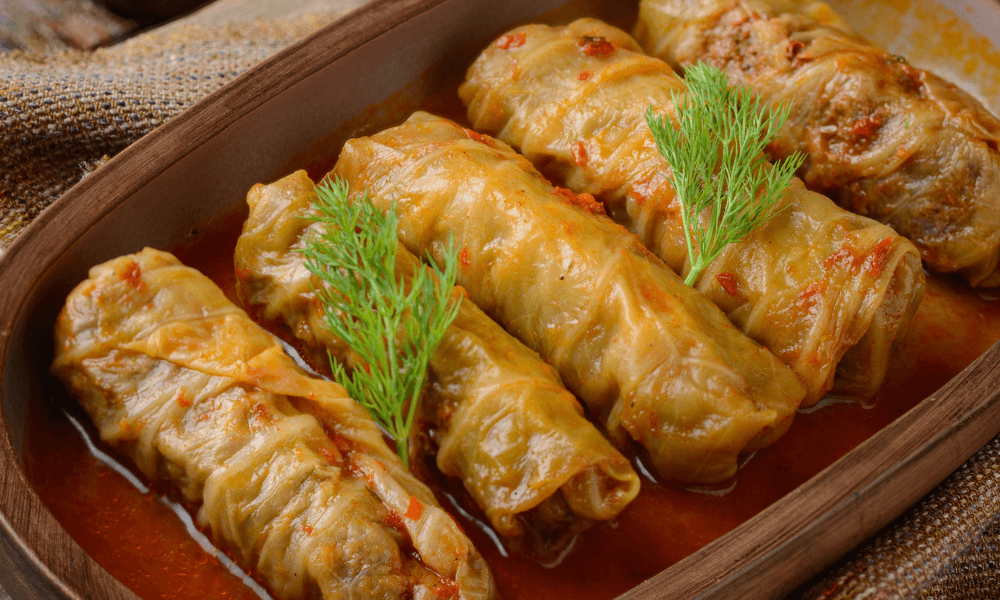
One of the most iconic Armenian dishes is lamb khorovats, a succulent grilled meat skewer marinated in a blend of herbs and spices. Another must-try is dolma, grape leaves stuffed with a mixture of rice, minced meat, and herbs, served with a dollop of tangy yogurt.

Bread and Pastries

No Armenian meal is complete without lavash, a thin and soft flatbread that pairs perfectly with dips like humus or muhammara. For those with a sweet tooth, indulging in flaky layers of baklava or creamy slices of napoleon cake is an absolute delight.

Beverages

To wash down these delectable dishes, Armenians often enjoy traditional beverages such astan, fermented yogurt drink, orArmenian coffee,a strong and aromatic brew served in small cups.

The Dining Experience

In Armenia, dining is not just about satisfying hunger; it’s a social affair that celebrates family, friendship, and hospitality. Sharing meals around a table laden with colourful dishes is a cherished tradition that embodies the warmth and generosity of Armenian culture.

Whether you’re exploring bustling markets for street food or savouring home-cooked meals in a local’s kitchen, Armenian cuisine promises an unforgettable gastronomic journey that will leave you craving for more.


Exploring the Rich Flavours and Cultural Heritage of Armenian Cuisine

  1. Rich in flavourful herbs and spices
  2. Offers a variety of vegetarian options like stuffed grape leaves
  3. Includes hearty meat dishes such as grilled lamb skewers
  4. Features delicious pastries like baklava and napoleon cake
  5. Incorporates traditional flatbreads like lavash
  6. Showcases unique dishes influenced by Middle Eastern and Mediterranean cuisines
  7. Provides a balance of sweet and savoury flavours in many dishes
  8. Reflects the cultural diversity and history of Armenia through its culinary traditions


Challenges with Armenian Cuisine: Caloric Content, Dietary Restrictions, Preparation Demands, and Ingredient Accessibility

  1. Some traditional Armenian dishes can be high in calories and fat, which may not align with certain dietary preferences.
  2. Armenian cuisine often includes meat as a central component, which may not be suitable for vegetarians or vegans.
  3. Certain Armenian dishes require intricate preparation methods and lengthy cooking times, making them less convenient for quick meals.
  4. Availability of authentic Armenian ingredients may be limited in some regions outside Armenia, affecting the ability to recreate traditional recipes.

Rich in flavourful herbs and spices

Armenian food is renowned for its exquisite taste, thanks to its abundance of flavourful herbs and spices. From aromatic blends like mint, parsley, and coriander to bold spices such as cumin, paprika, and sumac, Armenian cuisine tantalises the palate with a symphony of rich and diverse flavours. These herbs and spices not only enhance the taste of dishes but also add depth and complexity to each bite, making every meal a delightful culinary experience that showcases the artistry of Armenian cooking.

Offers a variety of vegetarian options like stuffed grape leaves

Armenian cuisine stands out for its diverse range of vegetarian options, exemplified by dishes like stuffed grape leaves, known as dolma. These delectable parcels are filled with a tantalising mixture of rice, herbs, and spices, offering a burst of flavour in every bite. The availability of such hearty and satisfying vegetarian dishes not only caters to those with dietary preferences but also showcases the culinary creativity and versatility of Armenian cooking.

Includes hearty meat dishes such as grilled lamb skewers

Armenian cuisine boasts a delightful array of hearty meat dishes, with grilled lamb skewers standing out as a prime example. The succulent marinated lamb, expertly grilled to perfection, offers a symphony of flavours that captivate the senses. Each tender bite reveals the meticulous blend of herbs and spices, showcasing the culinary expertise that defines Armenian cooking. Whether enjoyed as a standalone dish or paired with traditional accompaniments, such as lavash and fresh salads, these grilled lamb skewers exemplify the rich and savoury essence of Armenian gastronomy.

Features delicious pastries like baklava and napoleon cake

Armenian cuisine boasts a delightful array of pastries that are sure to captivate any dessert lover’s palate. From the flaky layers of baklava filled with nuts and honey to the creamy indulgence of Napoleon cake, these sweet treats showcase the exquisite craftsmanship and rich flavours that define Armenian baking traditions. Each bite offers a symphony of textures and tastes, making these pastries a true delight for those seeking a delectable and satisfying dessert experience.

Incorporates traditional flatbreads like lavash

Armenian cuisine boasts a unique pro by incorporating traditional flatbreads like lavash. This thin and soft flatbread, often referred to as the “soul of Armenia,” serves as a versatile staple that complements a wide array of dishes. Whether used as a wrap for grilled meats, a side to soak up rich stews, or simply enjoyed with dips and spreads, lavash adds a delightful texture and flavour to every meal. Its presence in Armenian food not only enhances the dining experience but also showcases the country’s deep-rooted culinary heritage and traditions.

Showcases unique dishes influenced by Middle Eastern and Mediterranean cuisines

Armenian cuisine shines brightly as it showcases a diverse array of unique dishes that bear the unmistakable influences of Middle Eastern and Mediterranean culinary traditions. The fusion of flavours and ingredients from these regions results in a tantalising blend that sets Armenian food apart. From aromatic spices to fresh herbs, and from hearty stews to delicate pastries, each dish tells a story of cultural exchange and culinary innovation, offering a truly unforgettable dining experience that captures the essence of Armenia’s rich gastronomic heritage.

Provides a balance of sweet and savoury flavours in many dishes

Armenian cuisine excels in providing a harmonious balance of sweet and savoury flavours within many of its dishes. This unique culinary trait adds depth and complexity to the dining experience, creating a delightful contrast that keeps taste buds intrigued. From succulent meat skewers marinated in aromatic spices to delicate pastries filled with honey or nuts, the fusion of sweet and savoury elements in Armenian food offers a truly satisfying and memorable gastronomic journey for all who indulge in its diverse flavours.

Reflects the cultural diversity and history of Armenia through its culinary traditions

Armenian food beautifully encapsulates the cultural diversity and rich history of Armenia through its culinary traditions. Each dish tells a story of centuries-old influences from various regions and cultures that have shaped Armenian cuisine into a vibrant tapestry of flavours. From the aromatic spices reminiscent of the Silk Road to the hearty stews passed down through generations, every bite offers a glimpse into the country’s past while celebrating its present-day fusion of tastes and techniques. This unique blend of heritage and innovation makes Armenian food not just a meal, but a journey through time and culture on a plate.

Some traditional Armenian dishes can be high in calories and fat, which may not align with certain dietary preferences.

While Armenian cuisine boasts a rich tapestry of flavours and textures, it is important to note that some traditional dishes can be high in calories and fat. For individuals with specific dietary preferences or restrictions, the indulgence in certain Armenian delicacies may pose a challenge. It is advisable to enjoy these dishes in moderation or seek out lighter alternatives to ensure a balanced and healthy eating regimen while still experiencing the delightful essence of Armenian food culture.

Armenian cuisine often includes meat as a central component, which may not be suitable for vegetarians or vegans.

Armenian cuisine’s heavy reliance on meat as a focal element can pose a challenge for vegetarians and vegans seeking plant-based options. The prominence of meat in traditional Armenian dishes may limit the variety and availability of suitable alternatives for those following a vegetarian or vegan diet. However, with evolving culinary trends and increasing awareness of dietary preferences, there are efforts to incorporate more plant-based options in Armenian cuisine to cater to a wider range of dietary requirements.

Certain Armenian dishes require intricate preparation methods and lengthy cooking times, making them less convenient for quick meals.

Certain Armenian dishes, with their intricate preparation methods and lengthy cooking times, may pose a challenge for those seeking quick and convenient meal options. The dedication and effort required to master these traditional recipes can be time-consuming, deterring individuals looking for swift culinary solutions. However, it is precisely this meticulous approach to cooking that imbues Armenian cuisine with its rich flavours and authenticity, making the indulgence in these dishes a rewarding experience worth the investment of time and effort.

Availability of authentic Armenian ingredients may be limited in some regions outside Armenia, affecting the ability to recreate traditional recipes.

The availability of authentic Armenian ingredients may pose a challenge in regions outside Armenia, impacting the ability to faithfully recreate traditional Armenian recipes. Certain key components, such as unique spices, herbs, or specific varieties of fruits and vegetables, may be scarce or difficult to find in local markets. This limitation can hinder the authenticity of dishes and alter their distinctive flavours, potentially diluting the essence of Armenian cuisine when prepared outside its native land. Nevertheless, with creativity and resourcefulness, alternative ingredients can be used to capture the essence of Armenian flavours and adapt recipes to suit local availability without compromising on the essence of this rich culinary heritage.
Exploring the Timeless Charm of UK Customs

The Rich Tapestry of UK Customs

When one thinks of the United Kingdom, images of red double-decker buses, afternoon tea, and iconic landmarks like Big Ben often come to mind. However, beneath the surface of these well-known symbols lies a treasure trove of customs and traditions that have been passed down through generations.

One of the most enduring customs in the UK is the tradition of afternoon tea. Dating back to the 19th century, this ritual involves enjoying a selection of teas accompanied by delicate sandwiches, scones with clotted cream and jam, and an assortment of pastries. It is a time-honoured practice that continues to be cherished by many Britons today.

Another beloved custom in the UK is the changing of the guard ceremony at Buckingham Palace. This centuries-old tradition sees impeccably dressed guards carrying out a meticulous handover ceremony that never fails to captivate visitors from around the world.

Of course, no discussion of UK customs would be complete without mentioning the quintessential British pub. These cosy establishments serve as social hubs where locals gather to enjoy a pint of ale, engage in lively conversation, and partake in traditional pub games like darts or pool.

Whether it’s celebrating Bonfire Night with fireworks and bonfires, participating in Morris dancing at village festivals, or indulging in a hearty Sunday roast with all the trimmings, the UK is teeming with customs that reflect its rich history and cultural heritage.

In conclusion, the customs of the UK are like threads woven together to form a vibrant tapestry that showcases the country’s unique identity. From ancient rituals to modern-day traditions, these customs serve as a reminder of the enduring spirit and character of this fascinating nation.


Exploring British Traditions: Afternoon Tea, Pub Customs, and More UK Cultural Practices

  1. What is the tradition of afternoon tea in the UK?
  2. How does the changing of the guard ceremony at Buckingham Palace work?
  3. What are some popular pub customs in the UK?
  4. How is Bonfire Night traditionally celebrated in the UK?
  5. What is Morris dancing and where can it be seen in the UK?
  6. Why is Sunday roast considered a traditional meal in the UK?

What is the tradition of afternoon tea in the UK?

The tradition of afternoon tea in the UK is a cherished custom that dates back to the 19th century. It involves partaking in a leisurely and elegant affair of tea accompanied by an array of delectable treats such as finger sandwiches, scones with clotted cream and jam, and assorted pastries. This quintessentially British ritual is not just about the food and drink but also about the experience of socialising, relaxation, and indulgence. Whether enjoyed in a quaint tearoom, a luxurious hotel setting, or at home with loved ones, afternoon tea remains a beloved tradition that encapsulates the essence of British hospitality and refinement.

How does the changing of the guard ceremony at Buckingham Palace work?

The changing of the guard ceremony at Buckingham Palace is a time-honoured tradition that captivates visitors and locals alike. This ceremonial handover involves the Old Guard, stationed outside the palace, being relieved by the New Guard in a meticulous and coordinated manner. Accompanied by military bands playing stirring tunes, the guards, dressed in their iconic red tunics and bearskin hats, march with precision and discipline. The ceremony symbolises the transfer of responsibility for protecting the monarch and is steeped in history and protocol. Tourists flock to witness this spectacle, which is a testament to the pageantry and grandeur of British customs.

In the United Kingdom, pub customs hold a special place in the hearts of locals and visitors alike. One popular pub custom is the act of “taking turns” when buying rounds of drinks for a group. This tradition fosters camaraderie and ensures that everyone has a chance to contribute. Additionally, the concept of “pub quizzes” is a beloved pastime where patrons test their knowledge while enjoying a pint or two. Another common sight in UK pubs is the presence of traditional bar snacks like pork scratchings or scotch eggs, adding to the cosy and welcoming atmosphere. These customs reflect the social nature of British pubs and contribute to the vibrant tapestry of UK culture.

How is Bonfire Night traditionally celebrated in the UK?

Bonfire Night, also known as Guy Fawkes Night, is a cherished tradition in the UK that commemorates the failed Gunpowder Plot of 1605. On the evening of November 5th, people across the country gather to celebrate with fireworks displays, bonfires, and effigy burnings of Guy Fawkes, the plot’s infamous conspirator. Families and friends come together to enjoy the spectacle of colourful fireworks lighting up the night sky and the warmth of crackling bonfires. Traditional treats like toffee apples, bonfire toffee, and hot drinks are often enjoyed during these festivities. The air is filled with excitement and camaraderie as communities unite to remember this historic event in a spirit of fun and merriment.

What is Morris dancing and where can it be seen in the UK?

Morris dancing is a traditional form of English folk dance that is often performed at festivals, fairs, and other cultural events in the UK. Characterised by its lively music, intricate footwork, and colourful costumes adorned with bells and ribbons, Morris dancing has been a cherished custom for centuries. This vibrant and energetic dance can be seen in various regions across the UK, with each area having its own unique style and variations of the dance. From village greens to town squares, Morris dancers bring joy and entertainment to audiences of all ages, keeping this time-honoured tradition alive and thriving in the modern day.

Why is Sunday roast considered a traditional meal in the UK?

The Sunday roast holds a special place in British culinary tradition for several reasons. Dating back to medieval times, the practice of enjoying a hearty roast meal on Sundays was initially linked to the Sabbath, a day of rest and religious observance. Over time, it evolved into a cherished family ritual where loved ones gather around the table to share a delicious meal and bond over good food. The Sunday roast symbolises comfort, warmth, and togetherness, embodying values of tradition and community that have been ingrained in British culture for centuries. Its enduring popularity reflects not just a love for roast meats and trimmings but also a deep-seated appreciation for the rituals that bring families and friends closer together.

Exploring the Exquisite Cuisine of Armenia

cuisine

The Culinary Delights of Armenia

Armenian cuisine is a true reflection of the country’s rich history, vibrant culture, and diverse influences. With a blend of flavours, spices, and traditional cooking methods passed down through generations, Armenian food holds a special place in the hearts of both locals and visitors.

One of the most iconic dishes in Armenian cuisine is khorovats, a type of barbecue that features skewered meat grilled to perfection over open flames. The smoky aroma and tender texture of khorovats are a testament to the skill and dedication that goes into preparing this beloved dish.

Another staple in Armenian cuisine is dolma, which consists of grape leaves stuffed with a mixture of rice, minced meat, herbs, and spices. This dish showcases the intricate flavours and meticulous craftsmanship that define Armenian cooking.

Armenia is also known for its delectable pastries, such as gata (sweet bread) and pakhlava (a type of baklava). These desserts are often enjoyed during special occasions and celebrations, adding a touch of sweetness to gatherings with family and friends.

Moreover, Armenian cuisine features an abundance of fresh fruits, vegetables, herbs, and dairy products that are sourced locally and used to create wholesome dishes bursting with flavour. From hearty stews to refreshing salads, Armenian food offers something for every palate.

Whether you’re indulging in traditional dishes at a local restaurant or exploring the bustling markets filled with fresh produce and aromatic spices, the culinary journey in Armenia is sure to leave you craving more. So next time you find yourself in this enchanting country, be sure to savour the culinary delights that await you.


Exploring Culture, Creativity, and Connection: The Benefits of Cuisine

  1. Cuisine allows us to explore different cultures through their unique flavours and ingredients.
  2. Cooking and enjoying delicious meals can be a creative and fulfilling experience for individuals of all skill levels.
  3. Sharing a meal with loved ones fosters connections and strengthens relationships.
  4. Eating well-balanced and nutritious cuisine is essential for maintaining good health and well-being.
  5. Discovering new dishes and culinary techniques can broaden our culinary horizons and expand our palate.


Five Drawbacks of Cuisine: Health Risks, Nutritional Imbalances, and Accessibility Challenges

  1. Highly processed foods can be detrimental to health
  2. Excessive consumption of certain cuisines may lead to nutritional imbalances
  3. Food allergies and intolerances can limit options for some individuals
  4. Some cuisines may be high in saturated fats and sugars, posing risks for heart health
  5. Availability of authentic ingredients for certain cuisines may be limited in certain regions

Cuisine allows us to explore different cultures through their unique flavours and ingredients.

Exploring different cultures through their unique flavours and ingredients is one of the most captivating aspects of cuisine. Each dish tells a story, reflecting the history, traditions, and values of a particular culture. By immersing ourselves in diverse culinary experiences, we not only satisfy our taste buds but also gain a deeper understanding and appreciation for the world around us. From spicy curries to delicate pastries, every bite offers a glimpse into the soul of a community, making cuisine a powerful tool for cultural exploration and connection.

Cooking and enjoying delicious meals can be a creative and fulfilling experience for individuals of all skill levels.

Embarking on the culinary journey of cooking and savouring delicious meals can offer a creative and fulfilling experience for individuals, regardless of their skill level. From experimenting with new ingredients and flavour combinations to honing cooking techniques and presentation skills, the process of preparing a meal allows for personal expression and exploration. Whether it’s mastering a complex recipe or simply enjoying the satisfaction of a homemade dish, the joy of creating something nourishing and delightful in the kitchen transcends expertise, making it a rewarding endeavour for all who partake.

Sharing a meal with loved ones fosters connections and strengthens relationships.

Sharing a meal with loved ones is a cherished tradition that goes beyond simply satisfying hunger. It provides an opportunity to bond, engage in meaningful conversations, and create lasting memories together. The act of coming together around a table to enjoy delicious food fosters connections and strengthens relationships by fostering a sense of unity and togetherness. Whether it’s a casual dinner at home or a festive gathering during special occasions, the shared experience of dining with loved ones nourishes both the body and the soul, creating moments that are treasured for years to come.

Eating well-balanced and nutritious cuisine is essential for maintaining good health and well-being.

Consuming a well-balanced and nutritious cuisine plays a crucial role in sustaining optimal health and overall well-being. By incorporating a variety of nutrient-rich foods into our diet, we provide our bodies with the essential vitamins, minerals, and antioxidants needed to support vital functions and promote longevity. A diet rich in fruits, vegetables, whole grains, lean proteins, and healthy fats not only fuels our bodies but also helps to prevent chronic diseases, boost immunity, and enhance our energy levels. Making mindful choices about what we eat can have a profound impact on our physical health, mental clarity, and emotional balance, ultimately leading to a more vibrant and fulfilling life.

Discovering new dishes and culinary techniques can broaden our culinary horizons and expand our palate.

Exploring unfamiliar dishes and culinary techniques can be a delightful adventure that enriches our gastronomic experiences and introduces us to a world of diverse flavours and textures. By stepping outside our culinary comfort zones, we open ourselves up to new tastes and traditions that not only broaden our palate but also deepen our appreciation for the artistry and creativity behind different cuisines. Embracing the discovery of new dishes can truly expand our culinary horizons, allowing us to savour the joys of experimentation and cultural exploration through the universal language of food.

Highly processed foods can be detrimental to health

Consuming highly processed foods poses a significant con to cuisine as it can have detrimental effects on health. These foods are often loaded with unhealthy additives, preservatives, and excessive amounts of sugar, salt, and unhealthy fats. Regular consumption of such processed foods has been linked to various health issues, including obesity, heart disease, diabetes, and other chronic conditions. By prioritising fresh, whole ingredients and minimising the intake of heavily processed foods, individuals can make healthier choices that support their overall well-being and longevity.

Excessive consumption of certain cuisines may lead to nutritional imbalances

Excessive consumption of certain cuisines can potentially lead to nutritional imbalances, posing risks to one’s overall health and well-being. Diets high in processed foods, saturated fats, sugars, and sodium may contribute to deficiencies in essential nutrients such as vitamins, minerals, and fibre. These imbalances can increase the likelihood of developing various health issues, including obesity, heart disease, diabetes, and other chronic conditions. It is crucial to maintain a balanced diet that incorporates a variety of nutrient-rich foods to support optimal health and prevent the negative consequences associated with overindulging in less nutritious cuisines.

Food allergies and intolerances can limit options for some individuals

Food allergies and intolerances can indeed pose a significant challenge for individuals when it comes to enjoying cuisine. For those affected, the need to carefully navigate menus and ingredients can limit their dining options and potentially restrict them from fully experiencing the diverse flavours and dishes that a culinary scene has to offer. This con highlights the importance of awareness and accommodation in the food industry to ensure that everyone, regardless of their dietary restrictions, can still partake in the joy of exploring different cuisines in a safe and inclusive manner.

Some cuisines may be high in saturated fats and sugars, posing risks for heart health

Some cuisines, while delicious and flavourful, may pose risks to heart health due to their high content of saturated fats and sugars. Consuming foods rich in these components regularly can contribute to elevated cholesterol levels and increased risk of heart disease. It is important to be mindful of the ingredients and cooking methods used in certain cuisines to make healthier choices that support overall cardiovascular well-being. Balancing indulgence with moderation and incorporating nutrient-rich alternatives can help mitigate the potential negative impact on heart health associated with such culinary practices.

Availability of authentic ingredients for certain cuisines may be limited in certain regions

The availability of authentic ingredients for certain cuisines may pose a challenge in specific regions, limiting the ability to recreate traditional dishes with true authenticity. Factors such as climate, local agricultural practices, and import restrictions can impact the sourcing of key ingredients essential for certain cuisines. This limitation may lead to adaptations or substitutions in recipes, altering the original flavours and textures that define a particular culinary tradition. As a result, enthusiasts and chefs in these regions may need to get creative or explore alternative options to capture the essence of a cuisine when faced with ingredient scarcity.