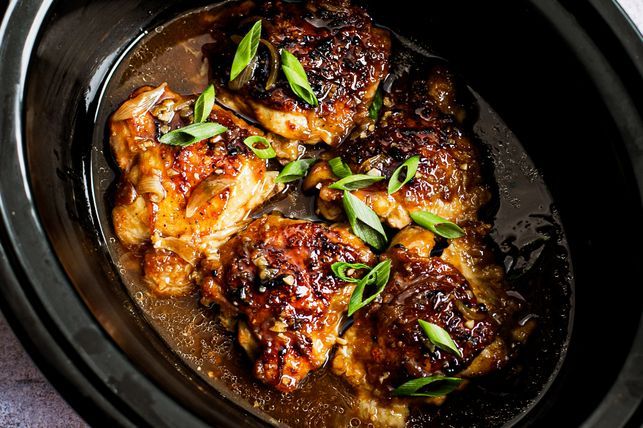
Easy Crockpot Chili Recipe for a Hearty, Hands-Off Dinner
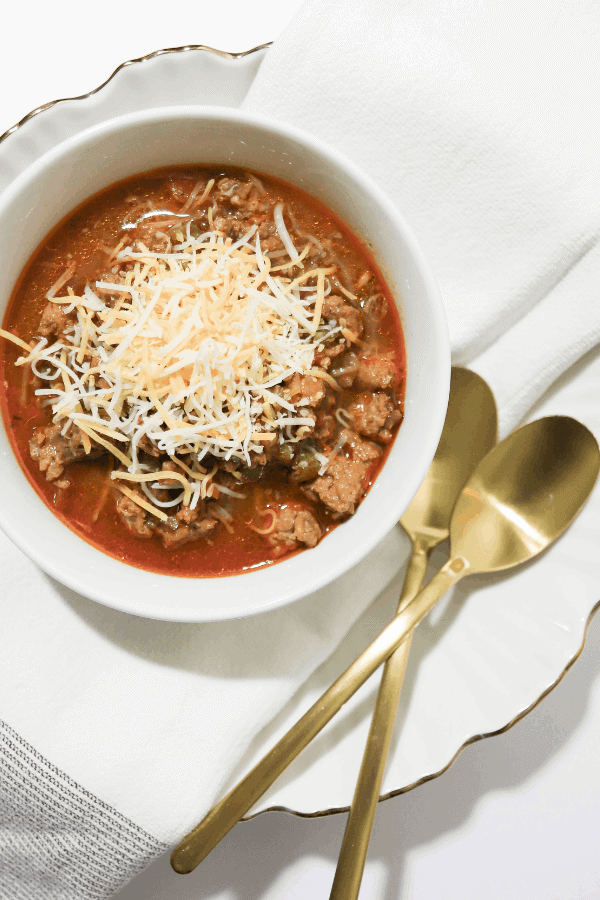
crockpot chili recipe

Easy Crockpot Chilli Recipe

This hearty Crockpot chilli is ideal for a relaxed supper, a weekend gathering or a meal to prepare ahead. Let it cook slowly until the beef is tender and the flavours have had time to mingle. Serve it with rice, jacket potatoes, tortilla chips or warm bread.

Serves: 6

Preparation time: 20 minutes

Cooking time: 6–8 hours on low or 3–4 hours on high

Ingredients

  • 1 tablespoon vegetable oil
  • 500g beef mince
  • 1 large onion, finely chopped
  • 1 red pepper, diced
  • 2 garlic cloves, crushed
  • 2 tablespoons tomato purée
  • 2 teaspoons ground cumin
  • 2 teaspoons paprika
  • 1–2 teaspoons chilli powder, to taste
  • 1 teaspoon dried oregano
  • 400g tin chopped tomatoes
  • 400g tin kidney beans, drained and rinsed
  • 200ml beef stock
  • Salt and freshly ground black pepper

Method

  1. Brown the mince. Heat the oil in a frying pan over a medium-high heat. Add the beef mince and cook for 5–7 minutes, breaking it up with a wooden spoon, until browned. Drain off excess fat if needed.
  2. Soften the vegetables. Add the onion and red pepper to the pan and cook for 3–4 minutes. Stir in the garlic and tomato purée, then cook for another minute.
  3. Add the spices. Mix in the cumin, paprika, chilli powder and oregano. Season with a little salt and pepper.
  4. Fill the slow cooker. Transfer the mixture to the Crockpot. Add the chopped tomatoes, kidney beans and beef stock, then stir to combine.
  5. Cook slowly. Cover and cook on low for 6–8 hours or on high for 3–4 hours. Check the seasoning before serving.

Serving Suggestions

Serve the chilli with fluffy rice, baked potatoes or tortilla chips. Add toppings such as grated cheddar, a spoonful of soured cream, sliced spring onions, avocado or fresh coriander. For a lighter option, serve it with a crisp green salad.

Tips for the Best Slow Cooker Chilli

  • Brown the mince first. This adds flavour and helps prevent excess fat from collecting in the slow cooker.
  • Adjust the heat. Start with one teaspoon of chilli powder, then add more next time if you prefer a hotter chilli. You can also serve fresh chilli on the side.
  • Keep the lid on. Each time the lid is lifted, heat escapes and the cooking time can increase.
  • Thicken if needed. If the chilli is thinner than you would like, remove the lid for the final 20–30 minutes, if your slow cooker instructions allow. Alternatively, mash a few of the beans into the sauce.

Variations

For a meat-free version, replace the beef with extra beans, lentils or plant-based mince, and use vegetable stock. Black beans or pinto beans work well alongside kidney beans. You can also stir in sweetcorn during the final 30 minutes of cooking.

Storing and Reheating

Cool leftovers promptly and store them in a covered container in the fridge for up to three days. Reheat until piping hot, either in a saucepan or in the microwave, stirring well. The chilli can also be frozen in portions for up to three months; defrost it in the fridge before reheating.


Essential Tips and FAQs for Perfecting Your Crockpot Chilli Recipe

  1. Can I put raw beef in a crockpot for chili?
  2. Can you slow cook chili for 10 hours?
  3. Can you put raw mince in a slow cooker for chilli?
  4. Is Chilli better in crockpot or stove?
  5. Can chili cook on low for 8 hours?
  6. How to make chili in a slow cooker?
  7. What is the secret to really good chili?
  8. How do you make homemade chili taste better?

Can I put raw beef in a crockpot for chili?

Yes, you can put raw beef mince straight into a Crockpot when making chilli, provided it cooks fully and reaches a safe temperature. However, browning it in a pan first is recommended: it adds richer flavour, improves the texture and lets you drain away excess fat. If adding it raw, break the mince up well and make sure the slow cooker is not overfilled.

Can you slow cook chili for 10 hours?

Yes, chilli can usually be slow-cooked for 10 hours on the low setting, and the extra time can help the flavours develop. Check your slow cooker’s instructions, as temperatures vary, and make sure there is enough liquid to prevent the chilli becoming too thick. For the best texture, use beef mince that has been browned first and avoid cooking the beans for longer than necessary if you prefer them to hold their shape. Keep the lid on during cooking, and refrigerate any leftovers promptly.

Can you put raw mince in a slow cooker for chilli?

Yes, you can add raw mince straight to a slow cooker when making chilli, provided it cooks thoroughly and the appliance is used according to its instructions. However, browning the mince in a frying pan first is recommended: it adds flavour, breaks up clumps and lets you drain off excess fat before adding it to the slow cooker.

Is Chilli better in crockpot or stove?

Whether chilli is better in a crockpot or on the hob depends on your time and taste. A crockpot cooks it slowly and gently, giving the flavours plenty of time to develop while requiring little attention—ideal for a hands-off meal. Cooking chilli on the hob is quicker and makes it easier to adjust the seasoning or thicken the sauce as it simmers. Both methods can produce a delicious result, so choose the crockpot for convenience and the hob when you want more control.

Can chili cook on low for 8 hours?

Yes, chilli can usually cook on low for 8 hours in a slow cooker, and the extended cooking time helps the flavours develop. Make sure there is enough liquid to prevent it drying out, and keep the lid on while it cooks. Slow cookers vary, so check your manufacturer’s guidance and avoid leaving the chilli on a warm setting for too long once it is cooked.

How to make chili in a slow cooker?

To make chilli in a slow cooker, brown the mince in a frying pan first, then add it to the slow cooker with chopped onion, pepper, garlic, spices, chopped tomatoes, beans and stock. Stir everything together, cover and cook on low for 6–8 hours or on high for 3–4 hours, until rich and well flavoured. Taste and adjust the seasoning before serving with rice, jacket potatoes or your favourite toppings.

What is the secret to really good chili?

The secret to really good chilli is building layers of flavour and giving them time to develop. Brown the mince and soften the onions before adding them to the slow cooker, then toast the spices briefly to bring out their aroma. Use good-quality tomatoes and stock, season carefully, and let the chilli cook slowly so the flavours meld together. Taste before serving and adjust the seasoning or heat as needed; a splash of vinegar or a squeeze of lime can add a welcome final lift.

How do you make homemade chili taste better?

To make homemade chilli taste better, build flavour at every stage: brown the mince well, then cook the onion, pepper and garlic until softened before adding the spices and tomato purée. Let the spices toast briefly, and give the chilli plenty of time to cook slowly so the flavours can deepen. Taste before serving and adjust with salt, pepper and extra chilli; a small splash of Worcestershire sauce or a pinch of sugar can also balance the tomatoes. Finish with a squeeze of lime or a little fresh coriander, and add toppings such as grated cheese or soured cream for extra richness.
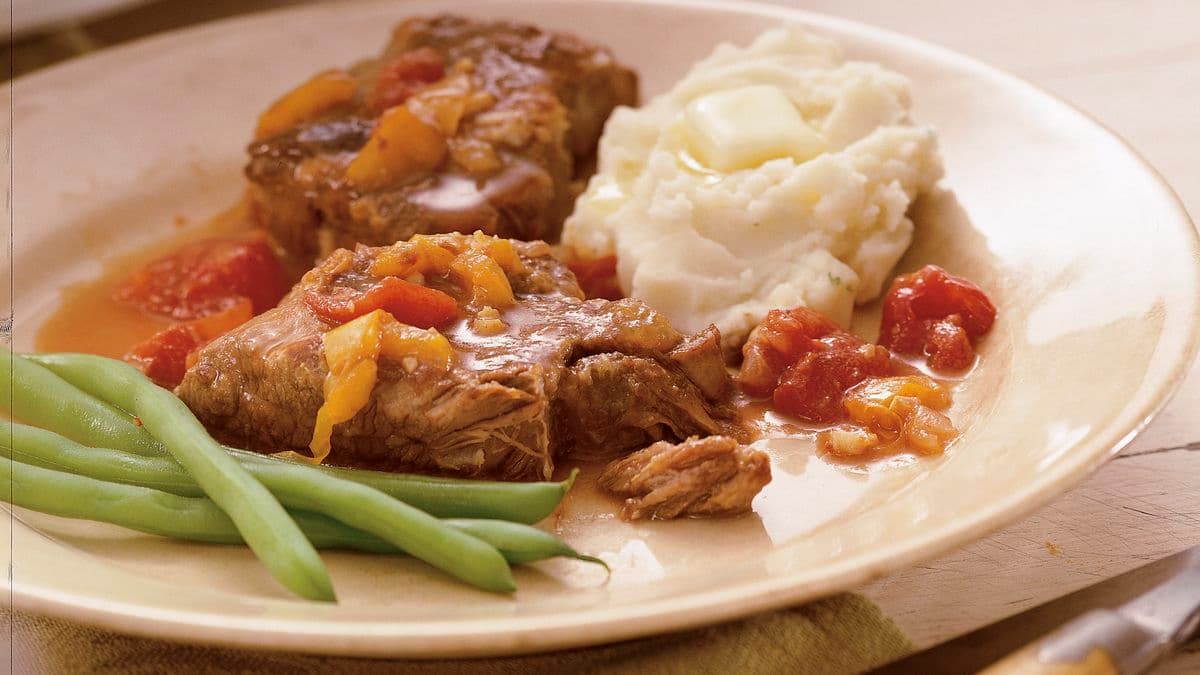
Easy Swiss Steak Recipe: Tender Beef in Rich Tomato Gravy

swiss steak recipe

Swiss Steak Recipe

Swiss steak is a comforting dish of tenderised beef slowly braised in a rich tomato and vegetable sauce. Despite its name, it is not a Swiss dish: “swissing” refers to a method of tenderising meat by pounding or rolling it. This straightforward version uses braising steak and a gentle oven cook to create a hearty meal with plenty of savoury gravy.

Serves and preparation time

Serves: 4

Preparation: 20 minutes

Cooking: 2–2½ hours

Ingredients

  • 700g braising steak, cut into 4 portions
  • 3 tablespoons plain flour
  • 1 teaspoon paprika
  • ½ teaspoon salt, plus extra to taste
  • ¼ teaspoon black pepper
  • 2 tablespoons vegetable oil
  • 1 large onion, thinly sliced
  • 1 green pepper, sliced
  • 2 carrots, peeled and diced
  • 2 garlic cloves, finely chopped
  • 400g tin chopped tomatoes
  • 250ml beef stock
  • 1 tablespoon Worcestershire sauce
  • 1 teaspoon dried thyme

Method

  1. Heat the oven to 160°C (140°C fan, Gas Mark 3).
  2. Mix the flour, paprika, salt and pepper on a plate. Lightly coat each piece of beef, then use a meat mallet or rolling pin to gently pound the flour into the meat. If the steak is already cut thinly, simply coat it in the seasoned flour.
  3. Heat the oil in a large, ovenproof casserole over a medium-high heat. Brown the beef in batches for 2–3 minutes on each side, adding a little more oil if needed. Transfer the browned pieces to a plate.
  4. Add the onion, pepper and carrots to the casserole. Cook for about 5 minutes, stirring, until they begin to soften. Stir in the garlic and cook for 30 seconds.
  5. Add the tomatoes, beef stock, Worcestershire sauce and thyme. Scrape the bottom of the casserole to loosen any browned bits, then return the beef and any juices to the pan. The liquid should mostly cover the meat; add a splash of water or stock if necessary.
  6. Bring the sauce to a gentle simmer. Cover the casserole and transfer it to the oven. Cook for 2–2½ hours, or until the beef is very tender. Check occasionally and add a little liquid if the sauce becomes too thick.
  7. Taste the sauce and adjust the seasoning before serving.

What to serve with Swiss steak

Serve Swiss steak with mashed potatoes, rice or buttered noodles to soak up the tomato gravy. Steamed green beans, cabbage or a simple green salad make good accompaniments.

Tips for tender, flavourful steak

  • Choose the right cut: Braising steak, such as chuck or blade, becomes tender during slow cooking and gives the sauce a full flavour.
  • Brown the beef well: A good sear adds depth to the finished sauce. Avoid crowding the pan; brown the meat in batches.
  • Keep the heat gentle: A slow, covered cook helps break down the tougher fibres. The sauce should simmer gently rather than boil hard.
  • Make it ahead: The flavour often improves after a night in the fridge. Cool leftovers promptly, refrigerate in a covered container and reheat thoroughly.


Deliciously Tender Swiss Steak: A Comforting and Versatile Recipe for Easy, Make-Ahead Meals

  1. Tender, slow-cooked beef
  2. Rich, savoury tomato gravy
  3. Simple, familiar ingredients
  4. Easy oven-braising method
  5. Great for make-ahead meals
  6. Comforting and filling
  7. Pairs well with mash or rice
  8. Easy to adapt with extra vegetables


Challenges of Preparing Traditional Swiss Steak: Time, Ingredients, and Taste Considerations

  1. Requires a long, slow cooking time.
  2. Needs a suitable cut of braising steak.
  3. Can be too rich for some tastes.
  4. Uses several ingredients and steps.

Tender, slow-cooked beef

Slow cooking is what makes Swiss steak so wonderfully tender. As the beef gently braises in the tomato-rich sauce, its tougher fibres gradually soften, leaving each piece succulent and easy to cut. The meat also absorbs the savoury flavours of the vegetables, herbs and stock, making every bite comforting and full of flavour.

Rich, savoury tomato gravy

The rich, savoury tomato gravy is one of the best things about Swiss steak. As the beef slowly braises, its juices mingle with the tomatoes, vegetables and herbs to create a deeply flavoured sauce that is both comforting and satisfying. Spoon it generously over the tender steak, mashed potatoes, rice or noodles to make the most of every drop.

Simple, familiar ingredients

Swiss steak is made with simple, familiar ingredients that are easy to find in most supermarkets, such as braising steak, onions, carrots, tinned tomatoes and stock. There is no need for specialist equipment or hard-to-source seasonings, making it an approachable recipe for a cosy midweek dinner or a relaxed weekend meal.

Easy oven-braising method

The oven-braising method makes Swiss steak easy to prepare: once the beef has been browned and the sauce assembled, simply cover the casserole and let it cook gently in the oven. The steady, even heat helps tenderise the meat and develop a rich sauce, while requiring little attention—leaving you free to prepare the rest of the meal.

Great for make-ahead meals

Swiss steak is ideal for make-ahead meals because its flavour deepens as it rests. Cook it a day in advance, let it cool, then cover and refrigerate. When you’re ready to eat, reheat it gently on the hob or in the oven until piping hot, adding a splash of stock or water if the sauce has thickened. It’s a convenient, comforting dinner for busy evenings.

Comforting and filling

Swiss steak is the kind of comforting, filling meal that feels right at the end of a long day. Slowly braised beef becomes tender and satisfying, while the rich tomato and vegetable sauce adds plenty of flavour. Serve it with mashed potatoes, rice or buttered noodles to make the most of the hearty gravy and turn this simple recipe into a nourishing family supper.

Pairs well with mash or rice

Swiss steak pairs beautifully with creamy mashed potatoes or fluffy rice, both of which soak up its rich tomato gravy. Choose mash for a comforting, hearty meal, or rice for a simple alternative that lets the tender beef and savoury sauce take centre stage.

Easy to adapt with extra vegetables

Swiss steak is easy to adapt with extra vegetables, making it a handy way to use what you have in the fridge. Add sliced mushrooms, celery, courgette or extra peppers to the pan, adjusting the quantity to suit your taste. Heartier vegetables can go in with the onions and carrots, while softer ones are best added later so they keep their shape. The vegetables cook slowly in the tomato and beef juices, adding colour, flavour and texture to the dish.

Requires a long, slow cooking time.

One drawback of Swiss steak is the long, slow cooking time. The beef needs to braise for around two to two and a half hours to become tender, so it is not the best choice when you need a quick meal. You’ll need to plan ahead, although most of the cooking is hands-off.

Needs a suitable cut of braising steak.

One drawback of Swiss steak is that it needs a suitable cut of braising steak, such as chuck or blade, to become tender during the long, slow cooking. Leaner or quicker-cooking cuts may turn dry or tough, while the right cut can sometimes be harder to find or more expensive.

Can be too rich for some tastes.

Swiss steak’s slow-cooked beef and rich tomato gravy can feel quite heavy, particularly when served with mashed potatoes or other hearty sides. If you prefer lighter flavours, use a leaner cut of beef, skim excess fat from the sauce and serve it with steamed vegetables or a crisp salad. Adding a little extra tomato or stock can also help balance the richness.

Uses several ingredients and steps.

One drawback of Swiss steak is that it takes several ingredients and steps to prepare. You’ll need to season and tenderise the beef, brown it, cook the vegetables and make the sauce before leaving everything to braise slowly. It’s not especially difficult, but it can feel time-consuming if you’re looking for a quick meal or a recipe with minimal washing-up.

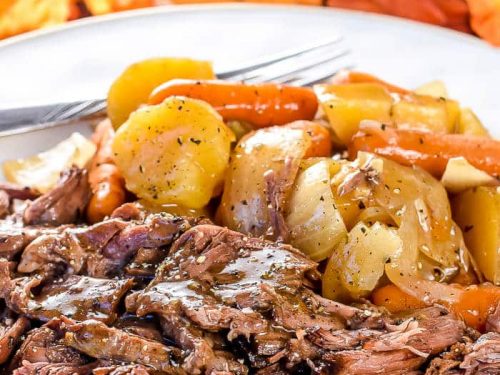
Chuck Roast Recipes: Three Comforting Ways to Cook a Flavourful Cut

chuck roast recipes

Chuck Roast Recipes: Three Comforting Ways to Cook This Flavourful Cut

Chuck roast is a well-marbled cut of beef from the shoulder. It can be a little tough when cooked quickly, but long, gentle cooking breaks down its connective tissue and makes the meat tender, rich and full of flavour. That makes it ideal for Sunday lunch, slow-cooker suppers and dishes that can be prepared ahead.

For the best results, brown the beef before braising, keep it moist and cook it until a fork slides easily into the meat. The recipes below offer three simple ways to enjoy chuck roast: a classic pot roast, slow-cooked shredded beef and a warming red-wine braise.

Classic Chuck Roast Pot Roast

This traditional one-pot meal combines tender beef with potatoes, carrots and a savoury cooking liquid. Serve it straight from the casserole dish, with the juices spooned over the top.

Ingredients

  • 1.5 kg chuck roast
  • Salt and freshly ground black pepper
  • 2 tablespoons vegetable oil
  • 1 large onion, cut into wedges
  • 2 tablespoons plain flour
  • 2 tablespoons tomato purée
  • 500 ml beef stock
  • 2 sprigs of fresh thyme
  • 2 bay leaves
  • 500 g waxy potatoes, halved if large
  • 300 g carrots, cut into thick chunks

Method

  1. Heat the oven to 160°C, or 140°C fan. Pat the beef dry and season it generously with salt and pepper.
  2. Heat the oil in a large, ovenproof casserole over a medium-high heat. Brown the beef on all sides, then transfer it to a plate.
  3. Add the onion to the casserole and cook for 3–4 minutes. Stir in the flour and tomato purée, then gradually pour in the stock, scraping up any browned bits from the base.
  4. Return the beef to the casserole. Add the thyme and bay leaves. The liquid should come about halfway up the meat; add a little water if needed.
  5. Cover and cook in the oven for 2½ hours. Add the potatoes and carrots, then cook for a further 60–90 minutes, until the beef is very tender and the vegetables are cooked through.
  6. Remove the herbs and let the roast rest for 10 minutes before slicing or pulling it apart. Spoon over the cooking juices to serve.

Slow-Cooker Shredded Chuck Roast

Shredded beef is a versatile option for sandwiches, tacos, baked potatoes or rice bowls. A slow cooker keeps the preparation straightforward: brown the meat first for extra flavour, then let it cook gently until it falls apart.

Ingredients

  • 1.5 kg chuck roast
  • Salt and freshly ground black pepper
  • 1 tablespoon vegetable oil
  • 1 onion, finely sliced
  • 250 ml beef stock
  • 2 tablespoons Worcestershire sauce
  • 1 tablespoon tomato purée
  • 1 teaspoon smoked paprika
  • 1 teaspoon dried oregano

Method

  1. Season the beef with salt and pepper. Heat the oil in a frying pan and brown the joint on all sides.
  2. Put the onion in the slow cooker and place the beef on top. Whisk together the stock, Worcestershire sauce, tomato purée, smoked paprika and oregano, then pour the mixture around the meat.
  3. Cover and cook on low for 8–10 hours or on high for 4–6 hours, until the beef is tender enough to shred easily.
  4. Transfer the beef to a board and shred it with two forks. Stir it back into the cooking juices and taste for seasoning.

Serve the shredded beef in soft rolls with coleslaw, or spoon it into warm tortillas with salsa and fresh coriander. Refrigerate leftovers promptly and use them within three days.

Chuck Roast Braised with Red Wine

Red wine, stock and aromatic vegetables create a deeply savoury sauce in this slow-braised version. It works well for a relaxed dinner with mashed potatoes or crusty bread.

Ingredients

  • 1.5 kg chuck roast
  • Salt and freshly ground black pepper
  • 2 tablespoons olive oil
  • 1 onion, chopped
  • 2 carrots, chopped
  • 2 celery sticks, chopped
  • 2 tablespoons plain flour
  • 300 ml dry red wine
  • 300 ml beef stock
  • 2 sprigs of rosemary
  • 2 bay leaves

Method

  1. Heat the oven to 160°C, or 140°C fan. Season the beef. Warm the olive oil in a heavy casserole and brown the meat thoroughly on all sides. Set aside.
  2. Add the onion, carrots and celery to the casserole and cook for about 5 minutes, stirring occasionally. Sprinkle over the flour and stir for 1 minute.
  3. Pour in the wine a little at a time, scraping the base of the pan. Add the stock, rosemary and bay leaves, then return the beef to the casserole.
  4. Cover and braise for 3–3½ hours, turning the beef once, until it is tender. If the sauce seems thin, remove the meat when cooked and simmer the liquid uncovered until it reaches the consistency you like.
  5. Rest the beef for 10 minutes, then slice or pull it into pieces. Serve with the sauce and your choice of potatoes or bread.

Tips for Tender Chuck Roast

  • Brown the meat well. A deep brown crust adds flavour to both the beef and the cooking liquid.
  • Cook it gently. Chuck roast is best suited to low, slow cooking rather than a quick, high-temperature roast.
  • Allow enough time. The beef is ready when it is tender throughout, not simply when it reaches a particular cooking time. Larger or thicker joints may need longer.
  • Keep some liquid in the pot. Braising does not require the meat to be fully submerged, but there should be enough liquid to create steam and prevent the base from drying out.
  • Rest before serving. A short rest makes the meat easier to carve and gives the juices time to settle.

Whether you choose a classic pot roast, convenient slow-cooker beef or a wine-rich braise, chuck roast rewards patient cooking. Make a little extra and the leftovers can become sandwiches, pies or a quick meal tossed through pasta the next day.


Frequently Asked Questions About Cooking Chuck Roast: Tips and Techniques for Tender, Delicious Meals

  1. What is chuck roast called in the UK?
  2. What is the best way to cook chuck roast so it becomes tender?
  3. How long should chuck roast cook in the oven?
  4. Can you cook chuck roast in a slow cooker?
  5. Should chuck roast be seared before slow cooking or braising?
  6. What temperature should chuck roast reach to become fall-apart tender?
  7. What can you serve with chuck roast?

What is chuck roast called in the UK?

In the UK, “chuck roast” is not a widely used name for a standard supermarket cut. The closest equivalent is usually beef chuck or shoulder of beef; for a slow-cooked joint, ask a butcher for a boneless beef shoulder suitable for braising. “Braising steak” comes from a similar area, but it is often sold in slices or pieces rather than as a roasting joint.

What is the best way to cook chuck roast so it becomes tender?

The best way to make chuck roast tender is to cook it slowly with a little liquid, using a covered casserole in a low oven or a slow cooker. First, pat the beef dry and brown it on all sides to build flavour. Add stock or another braising liquid, cover and cook gently until the meat is fork-tender and easy to pull apart—usually around 3–4 hours in a low oven, or 8–10 hours on a slow-cooker’s low setting, depending on the size of the joint. Avoid rushing the cooking: chuck contains connective tissue that needs time to soften.

How long should chuck roast cook in the oven?

Chuck roast is best cooked slowly in a covered casserole at 160°C (140°C fan) for around 3–4 hours, depending on the size and thickness of the joint. Add enough stock or other braising liquid to keep the meat moist, and check that it is fork-tender before serving; if it still feels firm, return it to the oven and continue cooking in 30-minute intervals.

Can you cook chuck roast in a slow cooker?

Yes, chuck roast is ideal for a slow cooker. Its marbling and connective tissue break down during long, gentle cooking, leaving the beef tender and easy to pull apart. For extra flavour, brown the joint in a hot pan first, then add it to the slow cooker with a little stock, seasoning and any vegetables or herbs you like. Cook on low for around 8–10 hours or on high for 4–6 hours, until the meat is fork-tender; timings can vary depending on the size of the joint and your appliance.

Should chuck roast be seared before slow cooking or braising?

Searing chuck roast before slow cooking or braising is recommended, though not essential. Browning the meat in a hot pan develops a rich, savoury crust that adds depth to the finished dish and its cooking liquid. Pat the roast dry first, season it, then sear it on all sides; transfer it to the slow cooker or braising pot and continue with the recipe. If you’re short on time, you can skip this step—the beef will still become tender when cooked slowly, but the flavour may be less complex.

What temperature should chuck roast reach to become fall-apart tender?

For chuck roast to become fall-apart tender, aim for an internal temperature of about 90–96°C. At this range, the connective tissue has had time to break down, although cooking time and the size of the joint also matter. Rather than relying on temperature alone, check that a fork or probe slides into the meat easily; if it still feels firm, continue cooking gently and check again.

What can you serve with chuck roast?

Chuck roast pairs well with sides that soak up its rich, savoury juices. Try mashed potatoes, roast potatoes, buttered noodles or crusty bread, alongside vegetables such as carrots, green beans, peas or cabbage. For a lighter balance, serve it with a crisp green salad. If the roast is cooked with potatoes and carrots, add a simple extra side such as steamed greens or bread.

Unveiling the Finest Slow Cooker Recipes: A Culinary Delight for Every Palate

best slow cooker recipes

The Art of Slow Cooking: Discover the Best Slow Cooker Recipes

Slow cookers have revolutionised the way we prepare meals, offering convenience and delicious results with minimal effort. If you’re looking to elevate your culinary skills and tantalise your taste buds, here are some of the best slow cooker recipes to try:

Beef Stew

Tender chunks of beef, hearty vegetables, and a rich broth simmered to perfection – beef stew is a classic slow cooker favourite that never disappoints. Serve it with crusty bread for a comforting meal.

Pulled Pork

Indulge in succulent pulled pork that practically melts in your mouth. Seasoned with spices and slowly cooked until tender, this versatile dish can be enjoyed on its own or in sandwiches with coleslaw.

Chicken Curry

Transport your taste buds to exotic flavours with a fragrant chicken curry cooked low and slow. The aromatic blend of spices infuses the meat for a dish bursting with warmth and depth.

Vegetarian Chilli

A hearty vegetarian chilli is perfect for those seeking a meat-free option packed with flavour. Beans, vegetables, and spices come together harmoniously in the slow cooker to create a satisfying meal for all.

Apple Cinnamon Oatmeal

Start your day right with a warm bowl of apple cinnamon oatmeal cooked overnight in the slow cooker. The comforting aroma of spices will greet you in the morning, promising a wholesome and delicious breakfast.

Whether you’re a busy professional or simply enjoy the convenience of slow cooking, these recipes are sure to impress your family and friends. Embrace the art of slow cooking and savour every bite of these delectable creations!


Your Guide to Slow Cooking: Top FAQs on Recipes, Techniques, and Ingredients

  1. What is the best thing to cook in a slow cooker?
  2. What are the 3 parts of a slow cooker?
  3. What meat is best cooked in a slow cooker?
  4. What cooks well in a slow cooker?
  5. What cannot be cooked in a slow cooker?
  6. What is the tea towel trick in a slow cooker?
  7. What foods not to put in a slow cooker?
  8. What meat is easiest to slow cook?

What is the best thing to cook in a slow cooker?

When it comes to the best thing to cook in a slow cooker, the options are truly endless. From comforting stews and tender roasts to flavourful curries and hearty soups, slow cookers excel at transforming simple ingredients into delicious meals with minimal effort. However, one of the most popular choices is a classic beef stew. The slow cooking process allows the flavours to meld together beautifully, resulting in a dish that is rich, hearty, and incredibly satisfying. Whether you’re a seasoned cook or new to slow cooking, mastering a delectable beef stew is sure to impress your taste buds and leave you craving more.

What are the 3 parts of a slow cooker?

When exploring the realm of best slow cooker recipes, understanding the components of this versatile kitchen appliance is essential. A typical slow cooker comprises three main parts: the base, the ceramic insert (or pot), and the lid. The base houses the heating element and controls, allowing for precise temperature settings. The durable ceramic insert serves as the cooking vessel, where ingredients are placed for slow and even cooking. Finally, the lid plays a crucial role in retaining heat and moisture during the cooking process, ensuring that your dishes emerge tender and flavourful. Mastering these three parts of a slow cooker is key to unlocking a world of culinary possibilities and creating delectable meals with ease.

What meat is best cooked in a slow cooker?

When it comes to choosing the best meat for slow cooker recipes, certain cuts excel in the gentle, low heat environment of a slow cooker. Tougher cuts like beef chuck, brisket, and pork shoulder are ideal candidates for slow cooking as they benefit from the long, slow cooking process that helps break down their connective tissues, resulting in tender and flavourful dishes. These meats absorb the flavours of herbs, spices, and other ingredients during the extended cooking time, creating hearty and succulent meals that are perfect for comforting stews, roasts, and braises. Experimenting with different cuts of meat can lead to discovering new favourite recipes that showcase the magic of slow cooking.

What cooks well in a slow cooker?

When it comes to what cooks well in a slow cooker, the options are endless. Slow cookers excel at transforming tough cuts of meat into tender, succulent dishes that are bursting with flavour. From classic stews and soups to rich and aromatic curries, slow cookers are perfect for simmering hearty meals that develop depth over time. Additionally, slow cookers are ideal for preparing dishes like pulled pork, chilli, casseroles, and even desserts like bread pudding or fruit crumbles. The gentle heat and extended cooking time of a slow cooker allow ingredients to meld together beautifully, resulting in dishes that are not only delicious but also convenient to prepare.

What cannot be cooked in a slow cooker?

When it comes to using a slow cooker, there are certain foods that are not recommended for this method of cooking. Delicate ingredients such as seafood and quick-cooking vegetables like spinach are best prepared using other techniques to maintain their texture and flavour. Additionally, dairy products like milk and cheese can curdle when subjected to prolonged heat in a slow cooker. It’s important to be mindful of the ingredients you choose to cook in a slow cooker to ensure the best results and avoid any undesirable outcomes.

What is the tea towel trick in a slow cooker?

The tea towel trick in a slow cooker is a simple yet effective method used to prevent condensation from dripping back into the dish during cooking. By placing a clean tea towel under the lid of the slow cooker before cooking, the towel absorbs excess moisture that would otherwise dilute the flavours of the food. This technique helps maintain the desired consistency and taste of your dish, ensuring a more satisfying culinary experience.

What foods not to put in a slow cooker?

When it comes to using a slow cooker, knowing what foods to avoid can help ensure safe and successful cooking outcomes. Certain ingredients, such as dairy products like milk and cheese, are best added towards the end of the cooking process to prevent curdling. Similarly, seafood like fish or shellfish can become overcooked and lose their delicate texture when subjected to long hours in a slow cooker. Additionally, delicate vegetables such as peas and spinach are better suited for quick-cooking methods to maintain their vibrant colours and flavours. By being mindful of the foods that may not fare well in a slow cooker, you can make the most of this convenient kitchen appliance while creating delicious meals with confidence.

What meat is easiest to slow cook?

When it comes to slow cooking, certain meats are particularly well-suited for this method of preparation due to their tenderness and ability to absorb flavours over time. One of the easiest meats to slow cook is beef, especially cuts like chuck roast or brisket. These cuts contain a good amount of marbling and connective tissue that break down beautifully during the slow cooking process, resulting in succulent and flavourful dishes. Pork shoulder is another popular choice for slow cooking, as it becomes incredibly tender and juicy when cooked low and slow. Both beef and pork are versatile options that lend themselves well to a variety of seasonings and flavour profiles, making them ideal choices for creating delicious slow cooker recipes.

Savour the Flavours: Discover Mouth-Watering Slow Cooker Recipes

slow cooker recipes

The Art of Slow Cooking: Exploring Delicious Slow Cooker Recipes

Slow cooking has become a popular culinary trend for busy individuals looking to enjoy homemade meals without spending hours in the kitchen. With the convenience of a slow cooker, you can effortlessly prepare flavourful dishes that are sure to tantalise your taste buds. Let’s delve into the world of slow cooker recipes and discover the magic of this cooking method.

Why Choose Slow Cooker Recipes?

Slow cooker recipes offer a host of benefits beyond just convenience. By allowing ingredients to simmer and meld together over several hours, slow cooking enhances the flavours and textures of dishes, resulting in rich and succulent meals. Moreover, this method is incredibly versatile, accommodating a wide range of ingredients from meats and vegetables to soups and stews.

Popular Slow Cooker Recipes

From hearty beef stew to creamy chicken curry, the possibilities are endless when it comes to slow cooker recipes. Here are a few classic favourites:

  • Pulled Pork: Tender, juicy pork shoulder slowly cooked in a tangy barbecue sauce until it falls apart effortlessly.
  • Vegetable Ratatouille: A medley of seasonal vegetables simmered in a tomato-based sauce for a comforting vegetarian dish.
  • Lentil Soup: Nutritious lentils combined with aromatic spices and vegetables for a satisfying and wholesome soup.

Tips for Successful Slow Cooking

To make the most of your slow cooker recipes, keep these tips in mind:

  • Prep Ahead: Chop ingredients in advance to streamline the cooking process.
  • Layer Flavours: Build layers of flavour by sautéing ingredients before adding them to the slow cooker.
  • Avoid Overfilling: Fill your slow cooker no more than two-thirds full to ensure even cooking.
  • Patience is Key: Allow sufficient time for ingredients to cook and develop their full flavour potential.

Embrace the art of slow cooking and elevate your culinary repertoire with these delectable slow cooker recipes. Whether you’re hosting a dinner party or simply craving a comforting meal at home, let your trusty slow cooker work its magic for delicious results every time.


Top 7 Frequently Asked Questions About Slow Cooker Recipes

  1. 1. How long should I cook a dish in a slow cooker?
  2. 2. Can I put raw meat directly into the slow cooker?
  3. 3. Are there any ingredients that are not suitable for slow cooking?
  4. 4. Do I need to add extra liquid when using a slow cooker?
  5. 5. Can I convert conventional recipes to slow cooker recipes?
  6. 6. Is it safe to leave a slow cooker unattended while cooking?
  7. 7. How can I prevent my dish from becoming too watery in the slow cooker?

1. How long should I cook a dish in a slow cooker?

When it comes to determining the ideal cooking time for a dish in a slow cooker, the key factor to consider is the recipe’s specific requirements. Generally, slow cooker recipes typically range from 4 to 10 hours on low heat or 2 to 6 hours on high heat. It is crucial to follow the recipe instructions carefully, as different ingredients and cooking methods may influence the required cooking duration. Additionally, factors such as the size of the cut ingredients and the desired tenderness of the final dish can also impact the cooking time. By understanding these nuances and adjusting accordingly, you can ensure that your slow cooker meal turns out perfectly cooked and full of flavour.

2. Can I put raw meat directly into the slow cooker?

When it comes to using a slow cooker, a common query that arises is whether it is safe to put raw meat directly into the appliance. The answer is yes, you can indeed add raw meat to your slow cooker. Slow cookers are designed to cook ingredients at low temperatures over an extended period, allowing the meat to reach a safe internal temperature and become tender and flavourful. However, it is essential to follow food safety guidelines by ensuring that the meat is fresh, properly seasoned, and cooked thoroughly before consumption to avoid any risks of foodborne illnesses.

3. Are there any ingredients that are not suitable for slow cooking?

Certain ingredients are not well-suited for slow cooking due to their delicate nature or specific cooking requirements. Ingredients such as seafood, quick-cooking vegetables like spinach or peas, and dairy products like milk and cheese are best added towards the end of the cooking process in a slow cooker to prevent them from becoming overcooked or curdling. Additionally, recipes that require a crispy or crunchy texture may not fare well in a slow cooker, as the enclosed environment does not allow for the desired crispness to develop. It’s important to choose ingredients that can withstand long hours of gentle cooking to ensure successful and delicious results when using a slow cooker.

4. Do I need to add extra liquid when using a slow cooker?

When utilising a slow cooker for meal preparation, the need to add extra liquid is a common query among home cooks. The amount of liquid required in a slow cooker recipe largely depends on the specific ingredients and cooking duration. Generally, it is advisable to include sufficient liquid to prevent the dish from drying out during the prolonged cooking process. However, it is essential to exercise caution and avoid overfilling the slow cooker with excessive liquid, as this can dilute the flavours and affect the overall consistency of the dish. Finding the right balance of liquid is key to achieving perfectly cooked and flavourful results when using a slow cooker.

5. Can I convert conventional recipes to slow cooker recipes?

When it comes to converting conventional recipes to slow cooker recipes, the answer is a resounding yes. With a few adjustments and considerations, you can easily adapt your favourite dishes for slow cooking. To successfully convert a conventional recipe, it’s essential to adjust the cooking times and liquid quantities to account for the longer, gentler cooking process of a slow cooker. By making these modifications and allowing the flavours to develop slowly over time, you can transform almost any recipe into a delicious slow cooker creation that is sure to impress your taste buds.

6. Is it safe to leave a slow cooker unattended while cooking?

Leaving a slow cooker unattended while cooking is generally considered safe, as long as it is used according to the manufacturer’s instructions. Slow cookers are designed to operate at low temperatures over an extended period, reducing the risk of accidents or food burning. However, it is essential to ensure that the slow cooker is placed on a stable surface away from any flammable materials and that the power cord is not damaged. Additionally, it is recommended to check the slow cooker periodically during cooking to ensure everything is progressing as expected and to follow any specific safety guidelines provided with the appliance.

7. How can I prevent my dish from becoming too watery in the slow cooker?

To prevent your dish from becoming too watery in the slow cooker, it’s essential to be mindful of the liquid content of your recipe. Start by reducing the amount of liquid called for in the recipe, as ingredients will release moisture during the cooking process. Additionally, avoid lifting the lid unnecessarily during cooking, as this can lead to a build-up of excess steam that may contribute to a watery consistency. If your dish still appears too watery towards the end of cooking, you can thicken it by removing some liquid and simmering it on a stovetop to achieve your desired consistency. By adjusting these factors and monitoring the liquid levels throughout the cooking time, you can maintain a perfect balance and ensure that your slow cooker creations turn out just right.