
High Protein Breakfast Ideas for a Filling Start to the Day
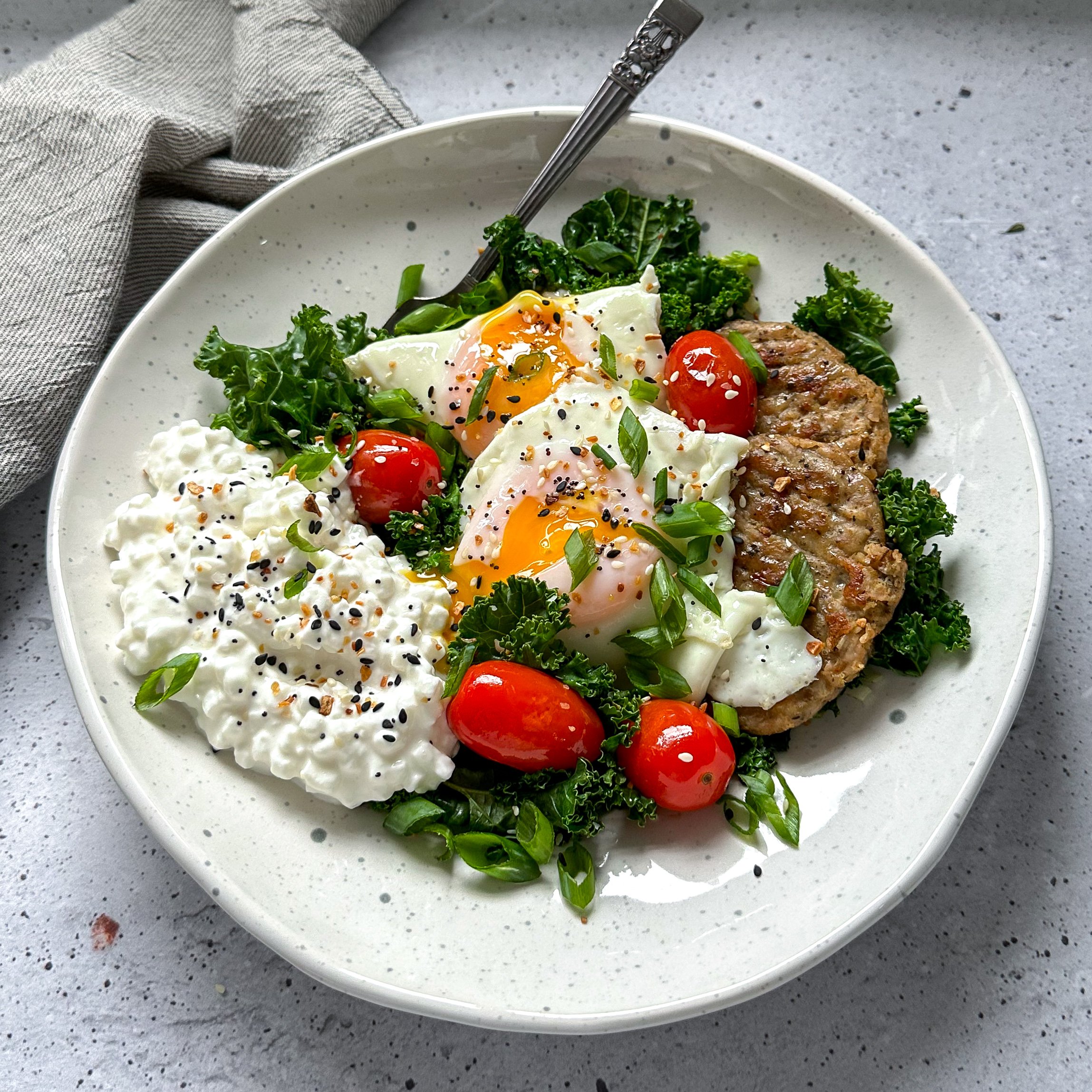
High-Protein Breakfast: Simple Ideas to Start the Day
A high-protein breakfast can be a satisfying way to begin the day. Protein helps build and maintain muscles and is needed for many other functions in the body. Including a source of protein in your morning meal may also help it feel more filling, especially when paired with fibre-rich foods such as fruit, vegetables or wholegrains.
There is no single perfect breakfast for everyone. Your appetite, routine, food preferences and overall diet all matter. The ideas below can be adapted to suit different tastes and budgets.
What counts as a high-protein breakfast?
A high-protein breakfast includes a substantial protein source, such as eggs, dairy, fish, meat, tofu, beans or lentils. The amount of protein in a meal will depend on the ingredients and portion sizes, so check food labels if you want to keep track.
It can help to build a balanced plate rather than focusing on protein alone. Add wholegrain carbohydrates for energy and fibre, and include fruit or vegetables where you can.
High-protein breakfast ideas
- Greek yoghurt with oats and fruit: Choose plain Greek yoghurt and top it with oats, berries and a small handful of nuts or seeds.
- Eggs on wholemeal toast: Scrambled, boiled or poached eggs pair well with wholemeal toast, tomatoes, mushrooms or spinach.
- Cottage cheese on toast: Add sliced tomatoes, cucumber or avocado for extra flavour and texture.
- Smoked salmon and eggs: Serve with rye or wholemeal bread and a side of greens. Smoked fish can be high in salt, so enjoy it as part of a varied diet.
- Tofu scramble: Crumble tofu into a pan with vegetables and seasoning, then serve with toast or warm flatbread.
- Beans on wholemeal toast: Beans provide protein as well as fibre, making this a filling and affordable option.
- Overnight oats with yoghurt: Mix oats with milk or fortified soya drink and yoghurt, then leave in the fridge overnight. Add fruit and seeds before serving.
- Breakfast wrap: Fill a wholemeal wrap with eggs, beans or tofu, plus vegetables and a little cheese or salsa.
Plant-based protein options
A protein-rich breakfast does not have to include meat, fish or dairy. Tofu, beans, lentils, nuts, seeds and soya products can all contribute protein. Fortified soya drinks and soya yoghurt are useful alternatives to dairy; compare labels, as protein content and added sugars vary between products.
For a more substantial plant-based meal, combine a protein source with wholegrains. For example, try beans with wholemeal toast, tofu with brown rice, or soya yoghurt with oats and nuts.
Making breakfast work on busy mornings
A nutritious breakfast need not take long to prepare. Try boiling eggs in advance, preparing overnight oats the evening before, or keeping yoghurt, fruit and nuts ready to combine. Leftovers can also work well: a portion of beans, tofu or vegetables can be reheated and served with toast.
If you are not hungry first thing, you do not have to force yourself to eat immediately. A breakfast you can take with you, or a later first meal, may fit your routine better.
Keep the bigger picture in mind
Protein is one part of a healthy diet. A breakfast with a mix of protein, fibre and other nourishing ingredients can offer variety and help keep you satisfied, but no single meal determines your overall health. Choose foods you enjoy and can include comfortably in your usual routine.
If you have specific dietary needs or a health condition that affects what you eat, a registered dietitian or other qualified healthcare professional can provide advice tailored to you.
6 Tips for a Protein-Packed Breakfast to Start Your Day Right
- Add eggs to wholegrain toast for a filling start.
- Choose Greek yoghurt with nuts and berries.
- Stir protein-rich seeds into porridge.
- Try cottage cheese with fruit or toast.
- Make a quick omelette with leftover vegetables.
- Check labels on breakfast cereals for protein and added sugar.
Add eggs to wholegrain toast for a filling start.
Add eggs to wholegrain toast for a simple, filling start to the day. Eggs provide protein, while wholegrain bread adds fibre and steady-release carbohydrates. Serve with tomatoes, mushrooms or spinach for extra flavour and a portion of vegetables.
Choose Greek yoghurt with nuts and berries.
Choose Greek yoghurt with nuts and berries for a quick, satisfying high-protein breakfast. Greek yoghurt provides protein, while nuts add crunch and healthy fats, and berries bring natural sweetness, fibre and flavour. For extra texture, sprinkle over a few oats or seeds.
Stir protein-rich seeds into porridge.
Stir protein-rich seeds, such as chia, hemp or pumpkin seeds, into your porridge for an easy breakfast boost. They add a pleasant crunch and pair well with fruit, yoghurt or a little nut butter. Start with a small spoonful and adjust to taste, as seeds can also add plenty of fibre and energy.
Try cottage cheese with fruit or toast.
Try cottage cheese with fruit or toast for a quick, versatile high-protein breakfast. Pair it with berries or sliced peach for a fresh, lightly sweet option, or spread it on wholemeal toast and add tomatoes or cucumber for something savoury. Choose the combination you enjoy most, and check the label if you’d like to compare protein levels between brands.
Make a quick omelette with leftover vegetables.
Make a quick omelette with leftover vegetables for an easy, protein-rich breakfast that helps reduce food waste. Beat a couple of eggs, pour them into a heated non-stick pan, then add chopped cooked vegetables such as spinach, peppers, mushrooms or courgette. Cook until the eggs are set, fold and serve with wholemeal toast for a more filling meal.
Check labels on breakfast cereals for protein and added sugar.
Check the labels on breakfast cereals for both protein and added sugar, as products can vary considerably. Compare the figures per 100 g to make a fair comparison, and check the serving size too. Choose a cereal with more protein and less added sugar where possible, then serve it with milk, yoghurt, nuts or seeds for an extra protein boost.