High Protein Breakfast Ideas for a Filling Start to the Day
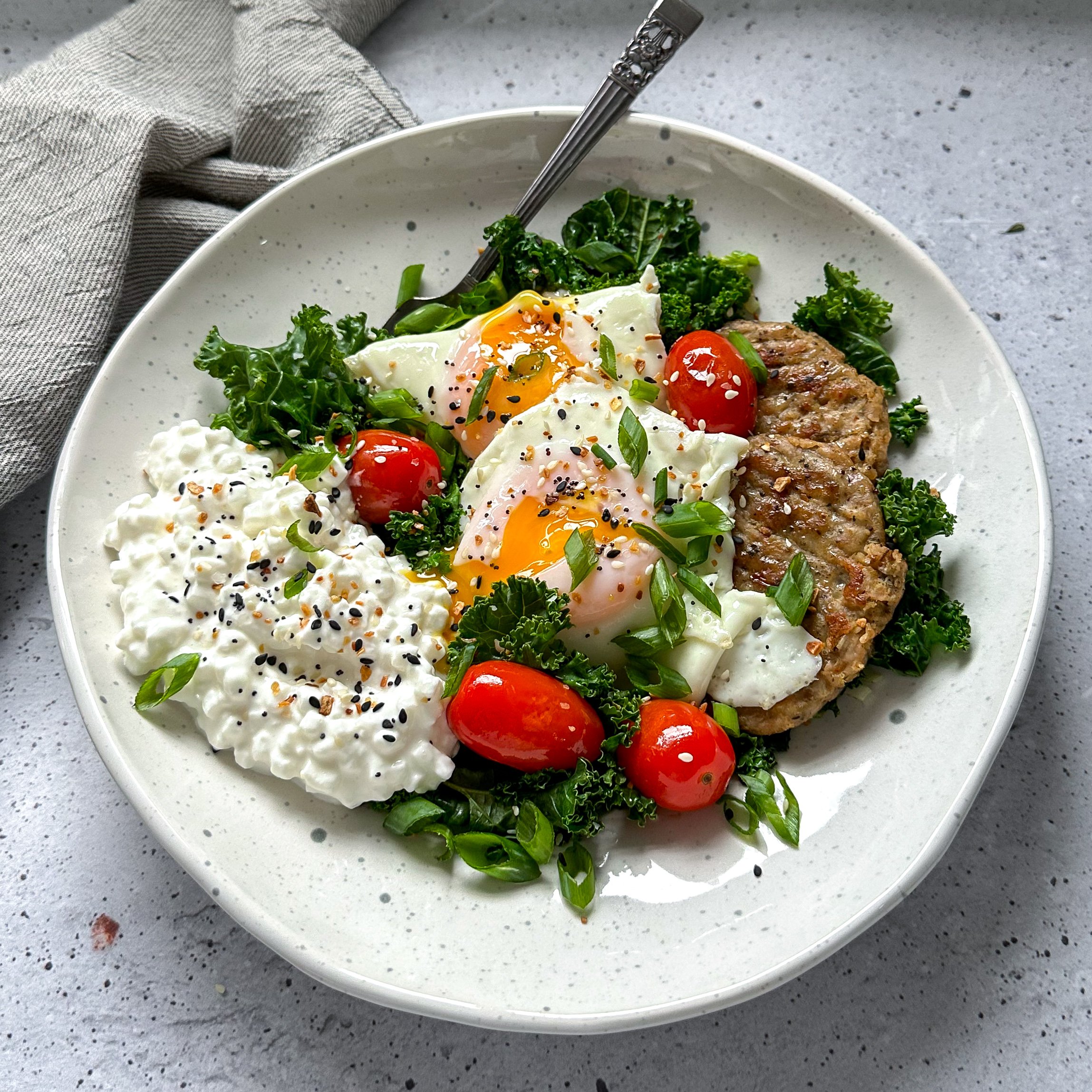
high protein breakfast

High-Protein Breakfast: Simple Ideas to Start the Day

A high-protein breakfast can be a satisfying way to begin the day. Protein helps build and maintain muscles and is needed for many other functions in the body. Including a source of protein in your morning meal may also help it feel more filling, especially when paired with fibre-rich foods such as fruit, vegetables or wholegrains.

There is no single perfect breakfast for everyone. Your appetite, routine, food preferences and overall diet all matter. The ideas below can be adapted to suit different tastes and budgets.

What counts as a high-protein breakfast?

A high-protein breakfast includes a substantial protein source, such as eggs, dairy, fish, meat, tofu, beans or lentils. The amount of protein in a meal will depend on the ingredients and portion sizes, so check food labels if you want to keep track.

It can help to build a balanced plate rather than focusing on protein alone. Add wholegrain carbohydrates for energy and fibre, and include fruit or vegetables where you can.

High-protein breakfast ideas

  • Greek yoghurt with oats and fruit: Choose plain Greek yoghurt and top it with oats, berries and a small handful of nuts or seeds.
  • Eggs on wholemeal toast: Scrambled, boiled or poached eggs pair well with wholemeal toast, tomatoes, mushrooms or spinach.
  • Cottage cheese on toast: Add sliced tomatoes, cucumber or avocado for extra flavour and texture.
  • Smoked salmon and eggs: Serve with rye or wholemeal bread and a side of greens. Smoked fish can be high in salt, so enjoy it as part of a varied diet.
  • Tofu scramble: Crumble tofu into a pan with vegetables and seasoning, then serve with toast or warm flatbread.
  • Beans on wholemeal toast: Beans provide protein as well as fibre, making this a filling and affordable option.
  • Overnight oats with yoghurt: Mix oats with milk or fortified soya drink and yoghurt, then leave in the fridge overnight. Add fruit and seeds before serving.
  • Breakfast wrap: Fill a wholemeal wrap with eggs, beans or tofu, plus vegetables and a little cheese or salsa.

Plant-based protein options

A protein-rich breakfast does not have to include meat, fish or dairy. Tofu, beans, lentils, nuts, seeds and soya products can all contribute protein. Fortified soya drinks and soya yoghurt are useful alternatives to dairy; compare labels, as protein content and added sugars vary between products.

For a more substantial plant-based meal, combine a protein source with wholegrains. For example, try beans with wholemeal toast, tofu with brown rice, or soya yoghurt with oats and nuts.

Making breakfast work on busy mornings

A nutritious breakfast need not take long to prepare. Try boiling eggs in advance, preparing overnight oats the evening before, or keeping yoghurt, fruit and nuts ready to combine. Leftovers can also work well: a portion of beans, tofu or vegetables can be reheated and served with toast.

If you are not hungry first thing, you do not have to force yourself to eat immediately. A breakfast you can take with you, or a later first meal, may fit your routine better.

Keep the bigger picture in mind

Protein is one part of a healthy diet. A breakfast with a mix of protein, fibre and other nourishing ingredients can offer variety and help keep you satisfied, but no single meal determines your overall health. Choose foods you enjoy and can include comfortably in your usual routine.

If you have specific dietary needs or a health condition that affects what you eat, a registered dietitian or other qualified healthcare professional can provide advice tailored to you.


6 Tips for a Protein-Packed Breakfast to Start Your Day Right

  1. Add eggs to wholegrain toast for a filling start.
  2. Choose Greek yoghurt with nuts and berries.
  3. Stir protein-rich seeds into porridge.
  4. Try cottage cheese with fruit or toast.
  5. Make a quick omelette with leftover vegetables.
  6. Check labels on breakfast cereals for protein and added sugar.

Add eggs to wholegrain toast for a filling start.

Add eggs to wholegrain toast for a simple, filling start to the day. Eggs provide protein, while wholegrain bread adds fibre and steady-release carbohydrates. Serve with tomatoes, mushrooms or spinach for extra flavour and a portion of vegetables.

Choose Greek yoghurt with nuts and berries.

Choose Greek yoghurt with nuts and berries for a quick, satisfying high-protein breakfast. Greek yoghurt provides protein, while nuts add crunch and healthy fats, and berries bring natural sweetness, fibre and flavour. For extra texture, sprinkle over a few oats or seeds.

Stir protein-rich seeds into porridge.

Stir protein-rich seeds, such as chia, hemp or pumpkin seeds, into your porridge for an easy breakfast boost. They add a pleasant crunch and pair well with fruit, yoghurt or a little nut butter. Start with a small spoonful and adjust to taste, as seeds can also add plenty of fibre and energy.

Try cottage cheese with fruit or toast.

Try cottage cheese with fruit or toast for a quick, versatile high-protein breakfast. Pair it with berries or sliced peach for a fresh, lightly sweet option, or spread it on wholemeal toast and add tomatoes or cucumber for something savoury. Choose the combination you enjoy most, and check the label if you’d like to compare protein levels between brands.

Make a quick omelette with leftover vegetables.

Make a quick omelette with leftover vegetables for an easy, protein-rich breakfast that helps reduce food waste. Beat a couple of eggs, pour them into a heated non-stick pan, then add chopped cooked vegetables such as spinach, peppers, mushrooms or courgette. Cook until the eggs are set, fold and serve with wholemeal toast for a more filling meal.

Check labels on breakfast cereals for protein and added sugar.

Check the labels on breakfast cereals for both protein and added sugar, as products can vary considerably. Compare the figures per 100 g to make a fair comparison, and check the serving size too. Choose a cereal with more protein and less added sugar where possible, then serve it with milk, yoghurt, nuts or seeds for an extra protein boost.
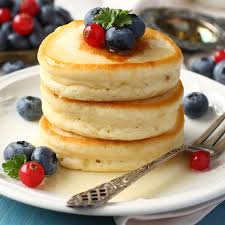
Flipping Fantastic: Exploring the World of Pancakes

pancakes

The Delicious World of Pancakes

Pancakes, a beloved breakfast staple enjoyed by people around the globe, have a rich history and endless variations that cater to every palate. Whether you prefer them thin and crepe-like or thick and fluffy, there is a pancake for everyone.

Originating from ancient Greece and Rome, pancakes have evolved over centuries to become a versatile dish that can be sweet or savoury, simple or elaborate. In the UK, pancakes are traditionally enjoyed on Shrove Tuesday, also known as Pancake Day, where families gather to flip and feast on these delectable treats.

One of the most popular toppings for pancakes in the UK is classic lemon and sugar, providing a perfect balance of tangy and sweet flavours. For those with a sweet tooth, maple syrup, chocolate spread, or fresh berries are delightful accompaniments that elevate the pancake experience.

For those looking for a savoury twist, toppings like crispy bacon, melted cheese, or smoked salmon can turn pancakes into a satisfying meal any time of day. Experimenting with different ingredients such as herbs, spices, and vegetables opens up a world of creative possibilities for pancake enthusiasts.

Whether you enjoy them as a leisurely weekend brunch or a quick weekday breakfast on-the-go, pancakes never fail to bring joy and comfort with every bite. So next time you’re craving something delicious and comforting, whip up a batch of pancakes and indulge in this timeless culinary delight.


Everything You Need to Know About Pancakes: Recipes, Tips, and Traditions

  1. 1. How do you make pancakes from scratch?
  2. 2. What is the difference between American pancakes and British pancakes?
  3. 3. Can you freeze pancakes?
  4. 4. What are some creative pancake toppings?
  5. 5. Are there any vegan or gluten-free pancake recipes?
  6. 6. How can I make fluffy pancakes?
  7. 7. What is the history of Pancake Day in the UK?
  8. 8. Are there any healthy pancake recipes?

1. How do you make pancakes from scratch?

When it comes to making pancakes from scratch, the process is surprisingly simple and rewarding. To start, you’ll need basic ingredients like flour, eggs, milk, and a pinch of salt. Begin by whisking the dry ingredients together before adding in the wet ingredients to form a smooth batter. Heat a non-stick pan or griddle, ladle the batter onto the surface, and cook until bubbles form on the top before flipping to cook the other side. The key is patience and a watchful eye to achieve that perfect golden-brown hue. Once cooked, serve your homemade pancakes with your favourite toppings for a delicious breakfast or snack that will surely impress your taste buds.

2. What is the difference between American pancakes and British pancakes?

When comparing American pancakes to British pancakes, the key differences lie in their texture and thickness. American pancakes are typically thicker and fluffier, thanks to the addition of baking powder or baking soda in the batter, which helps them rise. They often have a lighter, cake-like consistency and are commonly served stacked with butter and maple syrup. On the other hand, British pancakes are thinner and more akin to crepes, with a delicate and slightly chewy texture. They are usually enjoyed with simple toppings like lemon juice and sugar or jam. These distinctions in preparation and presentation contribute to the unique characteristics that define American and British pancakes, offering diverse options for pancake enthusiasts to savour.

3. Can you freeze pancakes?

Freezing pancakes is a convenient way to enjoy this breakfast favourite at any time. Whether you have leftover pancakes or want to prepare a batch in advance, freezing them can help extend their shelf life. To freeze pancakes, simply allow them to cool completely, then stack them with parchment paper in between to prevent sticking. Place the stack in an airtight container or freezer bag before storing in the freezer. When ready to enjoy, simply reheat the frozen pancakes in a toaster, microwave, or oven for a quick and delicious meal on-the-go.

4. What are some creative pancake toppings?

When it comes to creative pancake toppings, the options are truly endless. From indulgent combinations like Nutella and sliced bananas to more adventurous choices such as savoury bacon and avocado, there is something to suit every taste bud. For a burst of freshness, try topping your pancakes with a mix of fresh berries and a drizzle of honey. If you’re feeling nostalgic, a dollop of whipped cream and sprinkles will bring back childhood memories. Don’t be afraid to experiment with unconventional pairings like peanut butter and jelly or even smoked salmon and cream cheese for a unique twist on the classic pancake experience.

5. Are there any vegan or gluten-free pancake recipes?

For those with dietary restrictions or preferences, there are plenty of vegan and gluten-free pancake recipes available that cater to a variety of needs. Vegan pancakes can be made using plant-based alternatives such as almond milk, flaxseed eggs, and coconut oil, resulting in fluffy and delicious pancakes without any animal products. Similarly, gluten-free pancake recipes often utilise ingredients like rice flour, almond flour, or gluten-free oats to create pancakes that are safe for individuals with gluten sensitivities or celiac disease. With these alternative recipes, everyone can enjoy the simple pleasure of indulging in a stack of pancakes without compromising on taste or dietary requirements.

6. How can I make fluffy pancakes?

To achieve fluffy pancakes, there are a few key tips to keep in mind. Firstly, ensure that your pancake batter is not overmixed; a few lumps are okay as overmixing can lead to dense pancakes. Secondly, let the batter rest for a few minutes before cooking to allow the leavening agents to work their magic. When cooking, use medium heat on a preheated griddle or pan and wait for bubbles to form on the surface before flipping. This will result in light and airy pancakes that are sure to impress your taste buds.

7. What is the history of Pancake Day in the UK?

Pancake Day, also known as Shrove Tuesday, holds a significant place in the cultural and culinary calendar of the UK. This tradition dates back centuries and is rooted in the Christian observance of Lent. Shrove Tuesday falls on the day before Ash Wednesday, marking the beginning of the Lenten season leading up to Easter. Pancakes became associated with this day as a way for people to use up rich ingredients like eggs, milk, and sugar before the fasting period of Lent began. The act of making and consuming pancakes on this day symbolises indulgence and celebration before the solemnity of Lent. Today, Pancake Day in the UK is a time-honoured custom where families and communities come together to enjoy delicious pancakes in various forms, carrying on this historical tradition with joy and festivity.

8. Are there any healthy pancake recipes?

When it comes to pancakes, there are indeed healthy recipe options available for those looking to enjoy this classic dish without compromising on nutrition. By incorporating ingredients like whole wheat flour, oats, Greek yogurt, and fresh fruits into the batter, you can create pancakes that are not only delicious but also packed with fibre, protein, and vitamins. Opting for toppings such as natural nut butter, honey, or unsweetened yogurt can further enhance the health benefits of your pancakes. With a little creativity and some mindful ingredient choices, you can indulge in a nutritious stack of pancakes guilt-free.