Fluffy Perfection: White Rice Recipe for Every Meal
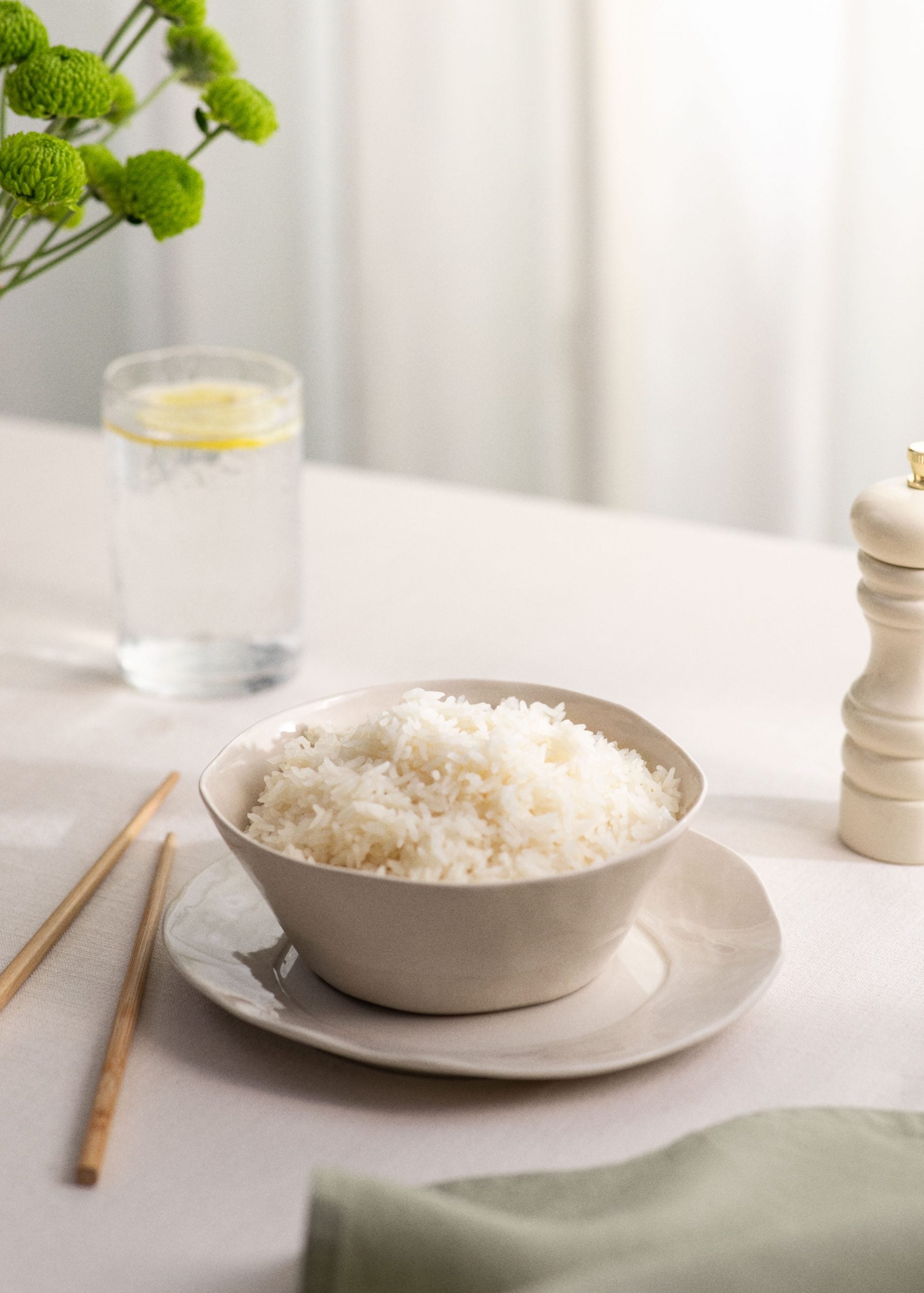
white rice recipe

The Perfect White Rice Recipe

White rice is a versatile and delicious staple that complements a wide variety of dishes. Whether you’re serving it alongside a flavourful curry or as a base for stir-fried vegetables, mastering the art of cooking white rice is essential for any home cook. Follow this simple recipe to achieve fluffy, perfectly cooked white rice every time.

Ingredients:

  • 1 cup of white rice
  • 2 cups of water
  • Pinch of salt (optional)

Instructions:

  1. Rinse the rice under cold water until the water runs clear. This helps remove excess starch and prevents the rice from becoming too sticky.
  2. In a saucepan, combine the rinsed rice, water, and salt (if using). Bring to a boil over high heat.
  3. Once boiling, reduce the heat to low and cover the saucepan with a tight-fitting lid. Let the rice simmer for about 15-20 minutes or until all the water is absorbed.
  4. Remove the saucepan from the heat and let it sit, covered, for an additional 5 minutes to allow the steam to finish cooking the rice.
  5. Fluff the rice with a fork to separate the grains and serve hot.

Enjoy your perfectly cooked white rice as a side dish or as part of your favourite meal. Experiment with adding herbs, spices, or even vegetables to customise this basic recipe to suit your taste preferences. With just a few simple steps, you can elevate any meal with fluffy, fragrant white rice.

Whether you’re a novice cook or seasoned chef, this white rice recipe is sure to become a go-to in your culinary repertoire. Bon appétit!


7 Essential Tips for Perfectly Cooked White Rice

  1. Rinse the rice before cooking to remove excess starch and improve texture.
  2. Use a ratio of 1
  3. Add a pinch of salt to enhance the flavour of the rice.
  4. Avoid stirring the rice while it’s cooking to prevent it from becoming mushy.
  5. Let the rice rest for a few minutes after cooking to allow any excess moisture to evaporate.
  6. Consider adding a knob of butter or a splash of olive oil for extra richness and flavour.
  7. Fluff the cooked rice with a fork before serving to separate the grains.

Rinse the rice before cooking to remove excess starch and improve texture.

Rinsing the rice before cooking is a crucial step that can significantly enhance the texture and overall quality of your white rice dish. By washing the rice under cold water until it runs clear, you effectively remove excess starch, which helps prevent the grains from sticking together during cooking. This simple yet essential tip not only improves the texture of the rice but also ensures that each grain cooks up fluffy and separate, resulting in a perfectly light and delicious final dish.

Use a ratio of 1

When preparing white rice, a key tip to remember is to use a ratio of 1:2 for rice to water. This means for every cup of white rice, you should add two cups of water. Maintaining this ratio ensures that the rice cooks evenly and absorbs the right amount of moisture, resulting in perfectly fluffy grains. By following this simple guideline, you can achieve consistently delicious white rice that pairs perfectly with a variety of dishes.

Add a pinch of salt to enhance the flavour of the rice.

Enhance the flavour of your white rice by adding a pinch of salt to the cooking water. This simple tip can elevate the taste of the rice, bringing out its natural flavours and creating a more balanced dish. The salt not only enhances the overall taste but also helps to season each grain of rice, ensuring that every bite is delicious. Next time you cook white rice, don’t forget this small but impactful addition to take your dish to the next level.

Avoid stirring the rice while it’s cooking to prevent it from becoming mushy.

To ensure your white rice turns out perfectly fluffy and not mushy, it is crucial to resist the temptation to stir it while it’s cooking. Stirring the rice can disrupt the cooking process and release excess starch, leading to a sticky, clumpy texture. By allowing the rice to simmer undisturbed with the lid on, you give it the opportunity to absorb the water evenly and cook to perfection. Remember, patience is key when preparing white rice – resist stirring and let it steam gently for a flawless result every time.

Let the rice rest for a few minutes after cooking to allow any excess moisture to evaporate.

Allowing the cooked white rice to rest for a few minutes after cooking is a crucial tip to ensure the perfect texture and consistency. This resting period allows any excess moisture to evaporate, resulting in fluffy and well-separated grains. By giving the rice time to settle, you enhance its overall quality and prevent it from becoming overly sticky or mushy. Patience in this final step can make a significant difference in the final outcome of your white rice dish, ensuring a delightful dining experience with each bite.

Consider adding a knob of butter or a splash of olive oil for extra richness and flavour.

Enhance the richness and flavour of your white rice by incorporating a knob of butter or a splash of olive oil into the cooking process. These additions not only elevate the taste profile of the rice but also contribute a luxurious texture that will delight your taste buds. Whether you prefer the creamy richness of butter or the fruity notes of olive oil, this simple tip can transform your basic white rice into a decadent and irresistible accompaniment to any meal.

Fluff the cooked rice with a fork before serving to separate the grains.

To enhance the texture and presentation of your cooked white rice, a crucial tip is to gently fluff it with a fork before serving. This simple yet effective step helps to separate the individual grains, preventing them from clumping together and ensuring a light and fluffy consistency. By taking a moment to fluff the rice, you not only improve its appearance but also create a more enjoyable eating experience, allowing each grain to stand out and absorb flavours more effectively. Remember, the art of fluffing with a fork can make a significant difference in elevating your white rice dish to perfection.
Flipping Fantastic: Exploring the World of Pancakes

pancakes

The Delicious World of Pancakes

Pancakes, a beloved breakfast staple enjoyed by people around the globe, have a rich history and endless variations that cater to every palate. Whether you prefer them thin and crepe-like or thick and fluffy, there is a pancake for everyone.

Originating from ancient Greece and Rome, pancakes have evolved over centuries to become a versatile dish that can be sweet or savoury, simple or elaborate. In the UK, pancakes are traditionally enjoyed on Shrove Tuesday, also known as Pancake Day, where families gather to flip and feast on these delectable treats.

One of the most popular toppings for pancakes in the UK is classic lemon and sugar, providing a perfect balance of tangy and sweet flavours. For those with a sweet tooth, maple syrup, chocolate spread, or fresh berries are delightful accompaniments that elevate the pancake experience.

For those looking for a savoury twist, toppings like crispy bacon, melted cheese, or smoked salmon can turn pancakes into a satisfying meal any time of day. Experimenting with different ingredients such as herbs, spices, and vegetables opens up a world of creative possibilities for pancake enthusiasts.

Whether you enjoy them as a leisurely weekend brunch or a quick weekday breakfast on-the-go, pancakes never fail to bring joy and comfort with every bite. So next time you’re craving something delicious and comforting, whip up a batch of pancakes and indulge in this timeless culinary delight.


Everything You Need to Know About Pancakes: Recipes, Tips, and Traditions

  1. 1. How do you make pancakes from scratch?
  2. 2. What is the difference between American pancakes and British pancakes?
  3. 3. Can you freeze pancakes?
  4. 4. What are some creative pancake toppings?
  5. 5. Are there any vegan or gluten-free pancake recipes?
  6. 6. How can I make fluffy pancakes?
  7. 7. What is the history of Pancake Day in the UK?
  8. 8. Are there any healthy pancake recipes?

1. How do you make pancakes from scratch?

When it comes to making pancakes from scratch, the process is surprisingly simple and rewarding. To start, you’ll need basic ingredients like flour, eggs, milk, and a pinch of salt. Begin by whisking the dry ingredients together before adding in the wet ingredients to form a smooth batter. Heat a non-stick pan or griddle, ladle the batter onto the surface, and cook until bubbles form on the top before flipping to cook the other side. The key is patience and a watchful eye to achieve that perfect golden-brown hue. Once cooked, serve your homemade pancakes with your favourite toppings for a delicious breakfast or snack that will surely impress your taste buds.

2. What is the difference between American pancakes and British pancakes?

When comparing American pancakes to British pancakes, the key differences lie in their texture and thickness. American pancakes are typically thicker and fluffier, thanks to the addition of baking powder or baking soda in the batter, which helps them rise. They often have a lighter, cake-like consistency and are commonly served stacked with butter and maple syrup. On the other hand, British pancakes are thinner and more akin to crepes, with a delicate and slightly chewy texture. They are usually enjoyed with simple toppings like lemon juice and sugar or jam. These distinctions in preparation and presentation contribute to the unique characteristics that define American and British pancakes, offering diverse options for pancake enthusiasts to savour.

3. Can you freeze pancakes?

Freezing pancakes is a convenient way to enjoy this breakfast favourite at any time. Whether you have leftover pancakes or want to prepare a batch in advance, freezing them can help extend their shelf life. To freeze pancakes, simply allow them to cool completely, then stack them with parchment paper in between to prevent sticking. Place the stack in an airtight container or freezer bag before storing in the freezer. When ready to enjoy, simply reheat the frozen pancakes in a toaster, microwave, or oven for a quick and delicious meal on-the-go.

4. What are some creative pancake toppings?

When it comes to creative pancake toppings, the options are truly endless. From indulgent combinations like Nutella and sliced bananas to more adventurous choices such as savoury bacon and avocado, there is something to suit every taste bud. For a burst of freshness, try topping your pancakes with a mix of fresh berries and a drizzle of honey. If you’re feeling nostalgic, a dollop of whipped cream and sprinkles will bring back childhood memories. Don’t be afraid to experiment with unconventional pairings like peanut butter and jelly or even smoked salmon and cream cheese for a unique twist on the classic pancake experience.

5. Are there any vegan or gluten-free pancake recipes?

For those with dietary restrictions or preferences, there are plenty of vegan and gluten-free pancake recipes available that cater to a variety of needs. Vegan pancakes can be made using plant-based alternatives such as almond milk, flaxseed eggs, and coconut oil, resulting in fluffy and delicious pancakes without any animal products. Similarly, gluten-free pancake recipes often utilise ingredients like rice flour, almond flour, or gluten-free oats to create pancakes that are safe for individuals with gluten sensitivities or celiac disease. With these alternative recipes, everyone can enjoy the simple pleasure of indulging in a stack of pancakes without compromising on taste or dietary requirements.

6. How can I make fluffy pancakes?

To achieve fluffy pancakes, there are a few key tips to keep in mind. Firstly, ensure that your pancake batter is not overmixed; a few lumps are okay as overmixing can lead to dense pancakes. Secondly, let the batter rest for a few minutes before cooking to allow the leavening agents to work their magic. When cooking, use medium heat on a preheated griddle or pan and wait for bubbles to form on the surface before flipping. This will result in light and airy pancakes that are sure to impress your taste buds.

7. What is the history of Pancake Day in the UK?

Pancake Day, also known as Shrove Tuesday, holds a significant place in the cultural and culinary calendar of the UK. This tradition dates back centuries and is rooted in the Christian observance of Lent. Shrove Tuesday falls on the day before Ash Wednesday, marking the beginning of the Lenten season leading up to Easter. Pancakes became associated with this day as a way for people to use up rich ingredients like eggs, milk, and sugar before the fasting period of Lent began. The act of making and consuming pancakes on this day symbolises indulgence and celebration before the solemnity of Lent. Today, Pancake Day in the UK is a time-honoured custom where families and communities come together to enjoy delicious pancakes in various forms, carrying on this historical tradition with joy and festivity.

8. Are there any healthy pancake recipes?

When it comes to pancakes, there are indeed healthy recipe options available for those looking to enjoy this classic dish without compromising on nutrition. By incorporating ingredients like whole wheat flour, oats, Greek yogurt, and fresh fruits into the batter, you can create pancakes that are not only delicious but also packed with fibre, protein, and vitamins. Opting for toppings such as natural nut butter, honey, or unsweetened yogurt can further enhance the health benefits of your pancakes. With a little creativity and some mindful ingredient choices, you can indulge in a nutritious stack of pancakes guilt-free.